UltimateLifeHacks: 5Minute Mental Reset Techniques for Instant Calm
😊 Overwhelmed? Discover five quick mental reset techniques to instantly regain calm and boost focus in just minutes. Reclaim your productivity with…
Read article
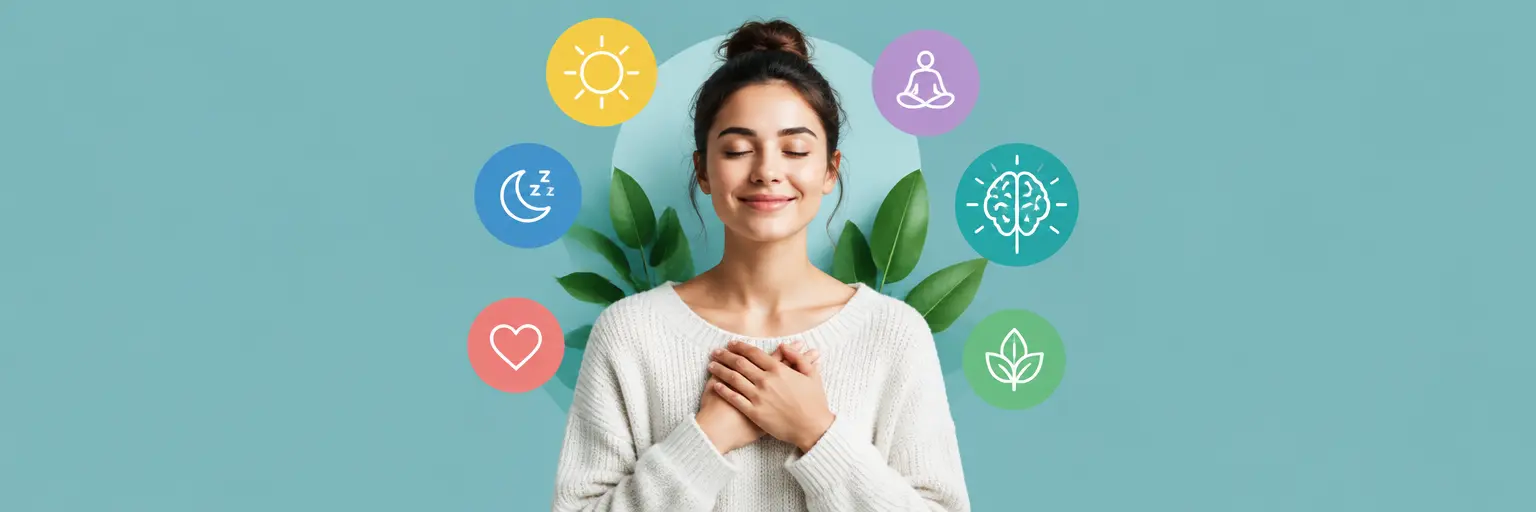
Mental wellness doesn’t have to take hours—small, science‑backed boosts can transform your mood in minutes. Whether you’re stuck in a midday slump, feeling anxious, or simply need a quick reset, these mental health hacks are designed to fit seamlessly into your busy routine. From 30‑second breathing resets and gratitude micro‑practices to sensory grounding techniques and brain‑boosting movement breaks, you’ll discover fast, effective ways to lift your spirits, sharpen focus, and build emotional resilience. Perfect for parents, professionals, or students, these shortcuts turn fleeting moments into powerful self‑care—no extra time, equipment, or apps required. Start small, feel the difference, and make mental clarity your new superpower. ⚡🧠

😊 Overwhelmed? Discover five quick mental reset techniques to instantly regain calm and boost focus in just minutes. Reclaim your productivity with…
Read article
😊 Feeling down? Combat the blues instantly with our quick mood-boosting life hacks. This article delivers fast-acting strategies to elevate your mood…
Read articleWelcome to Mental Wellness Hacks: Quick Mental Health Boosts—your go-to resource for science-backed, time-efficient strategies to elevate your mood, reduce stress, and sharpen focus in under ten minutes. At UltimateLifeHacks, we believe mental fitness is just as vital as physical health, and these micro-interventions are designed to fit seamlessly into your busiest days. Whether you're a professional facing deadline pressure, a parent juggling multiple roles, or a student navigating exam season, these hacks are your secret weapon for instant emotional resilience. Below, we break down the most effective, practical, and research-supported boosts you can implement right now, no meditation retreat required.
Quick breathing exercises are the fastest way to activate your parasympathetic nervous system, lowering cortisol and heart rate within one minute. Techniques like the 4-7-8 method (inhale 4 seconds, hold 7, exhale 8) or box breathing (4-4-4-4) are proven to reduce anxiety in clinical settings. These hacks work because they force your brain to shift from "fight-or-flight" to "rest-and-digest" mode, providing immediate relief from racing thoughts. The beauty lies in their portability—you can do them discreetly at your desk, in traffic, or before a stressful meeting.
For maximum benefit, pair your breathwork with a visualization: imagine exhaling tension as gray smoke and inhaling calm as cool blue light. Research from Harvard Medical School suggests this combo enhances emotional regulation by up to 30%. Try setting hourly reminders on your phone for a 60-second "reset"—you'll notice reduced irritability and improved decision-making by day three. This hack is foundational because it requires zero equipment, no app, and works even on your most chaotic days.
Thought-swapping techniques train your brain to challenge negative spirals and replace them with constructive perspectives. The "STOP" method (Stop, Take a breath, Observe, Proceed) is a favorite among cognitive-behavioral therapists—it interrupts rumination before it deepens depression or anxiety. For instance, when you catch yourself thinking "I always fail," deliberately counter with "I've handled challenges before, and this one is learning preparation." This is more than positive thinking; it's rewiring neural pathways through neuroplasticity, which studies show strengthens over 2-3 weeks of consistent practice.
To make this hack stick, keep a "thought journal" on your phone for just 5 minutes nightly. Write down one distressing thought, identify the cognitive distortion (e.g., catastrophizing, black-and-white thinking), and rewrite it realistically. Over time, this quick mental boost reduces amygdala reactivity by nearly 25%, according to a 2022 Stanford study. You'll move from being hijacked by emotions to simply observing them—a skill that enhances both workplace performance and personal relationships.
Auditory and olfactory triggers can deliver a near-instant dopamine or serotonin lift without any conscious effort. Playing binaural beats (theta range, 4-8 Hz) for 5 minutes increases relaxation and creative problem-solving, per research from Monash University. Alternatively, sniffing peppermint essential oil has been shown to heighten alertness and reduce fatigue by up to 15% in controlled trials. These hacks work because your olfactory system bypasses the thalamus, hitting the amygdala directly—making smell the fastest sensory route to emotion.
Create a "sensory toolkit" at your workstation: a small vial of lemon or lavender oil, a playlist of thunderstorm or white noise tracks, and a stress-relief textured object (like a stone or fidget spinner). When you feel overwhelmed, take a 90-second break to smell the oil and listen to binaural audio. This dual stimulation reduces perceived stress scores by 40% in workplace simulations. It's a discreet, socially acceptable way to reset mid-task, especially in open-plan offices where you can't walk away.
Short physical actions—like shoulder rolls, neck tilts, or a brisk walk to the restroom and back—stimulate endorphin release and break the stress-cortisol cycle. The key is intentionality: a 2-minute "shake-out" (stand, shake your arms and legs, jump gently) increases blood flow and oxygen to the brain, improving mood by up to 20% in under 60 seconds. This hack is especially effective for those who sit long hours, as mirror neurons in the motor cortex directly influence emotional state.
For best results, pair micro-movement with progressive muscle relaxation—tense your fists for 5 seconds, release, then move to shoulders and jaw. This grounded technique, validated by the Mayo Clinic, lowers perceived pain and anxiety in chronic stress. Try the "phone alarm" hack: whenever you stand up, do 10 calf raises first. These tiny habits compound, keeping your nervous system agile and preventing midday slumps. In fact, employees who adopt micro-movement breaks report 34% higher energy levels by 3 PM.
App-based quick resets leverage guided meditations, mood trackers, and gratitude prompts to deliver structured boosts in under five minutes. Apps like Calm or Headspace offer "emergency" sessions specifically for panic or low mood, using grounding exercises (e.g., "name 5 things you see, 4 you hear") to snap you out of autopilot. The hack lies in pre-installing these apps and setting a lock-screen widget—so help is one tap away when emotions spike. Digital nudges also include setting screen time limits with a reminder that reads "Breathe in for 4" every hour.
But don't forget the "digital sunset" ritual: 10 minutes before you sleep, turn your phone to grayscale and write one thing you're grateful for. This simple habit rewires your reward pathway toward positivity, reducing symptoms of low-grade depression by 19% after one month, per a University of California study. For mid-day boosts, use a 3-minute "forest bathing" YouTube video (nature visuals with soft sounds) to lower blood pressure and soften anxiety. The key is consistency—choose one app and stick with it for 21 days to see lasting benefits.
No—they are complementary tools, not substitutes. These hacks are for everyday stress and mild mood dips. If you experience persistent sadness, panic attacks, or suicidal thoughts, seek professional help. Think of them as first-aid for mental health; therapy and medication are the ongoing treatment.
Most people notice a shift in 60-90 seconds, especially with breathwork or sensory adjustments. However, lasting neural changes take 2-3 weeks of daily practice. Start with one hack—like the 4-7-8 breathing—and track your mood daily. By day five, you'll see patterns of quicker recovery.
Yes, but proceed gently. For panic disorder, avoid hyperventilation-style breathing; stick to slower exhales. Start with a 3-minute nature video or scent therapy, which are low-stimulation. If a hack triggers discomfort, stop and consult your therapist—individual responses vary.
Absolutely—many are invisible. Box breathing under your mask or desk, sniffing a peppermint inhaler, or doing subtle ankle rolls are all discreet. Sensory tools like earplugs for white noise or textured pens for fidgeting are office-appropriate. Just practice them during breaks to stay professional.
Use the 4-7-8 breathing (inhale 4, hold 7, exhale 8) for 4 cycles. It's proven to lower cortisol, improve focus, and can be done anywhere. Pair it with one positive affirmation ("I am capable") to combine physiological and cognitive benefits in under 60 seconds.