The Secret Weapon Against Desk Fatigue: Office Workout Routines Revealed
😊 Banish desk fatigue with simple, effective office workout routines! Combat stiffness and boost energy levels with these quick exercises designed to…
Read article

Stuck at your desk? Transform those spare minutes into energy-boosting movement with ultra-efficient desk workouts designed for busy professionals. These quick routines target posture, circulation, and focus—no gym clothes or equipment needed. Whether you need a 5-minute stretch break or a 10-minute muscle-toning sequence, these office-friendly exercises fight stiffness, reduce back pain, and recharge your productivity. Perfect for anyone craving practical health hacks that fit seamlessly into a hectic workday, these micro-sessions help you stay active, alert, and pain-free while crushing your to-do list.
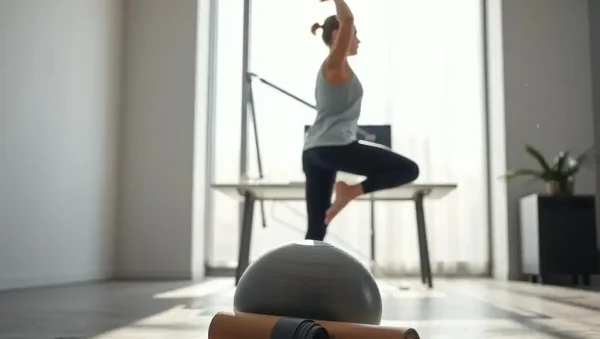
😊 Banish desk fatigue with simple, effective office workout routines! Combat stiffness and boost energy levels with these quick exercises designed to…
Read article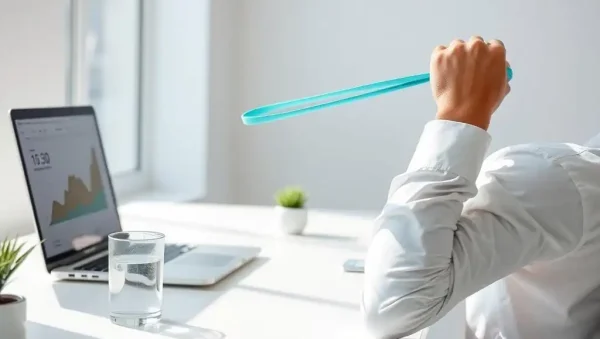
😊 Combat afternoon slumps with quick desk exercises for energy! Boost your productivity and focus with these simple, effective movements you can…
Read articleWelcome to UltimateLifeHacks’ dedicated hub for desk workouts and office fitness. If you sit for hours staring at a screen, you’re not alone—but you don’t need a gym membership or a lunch break overhaul to stay active. These quick workout routines are engineered for busy professionals, remote workers, and cubicle dwellers who want to boost energy, improve posture, and sneak in micro-exercise sessions without breaking a sweat or missing deadlines. Here, you’ll discover time-efficient exercises, ergonomic stretches, and productivity-boosting movement hacks that fit seamlessly into your 9-to-5 grind.
You don’t need a yoga mat or an empty conference room. These seated exercises target your core, legs, and arms using just your office chair. Expect chair squats (hovering just above the seat), seated leg lifts, and desk push-ups (using the edge of your desk for support). Each move takes under 60 seconds, so you can cycle through them during a phone call or between emails.
These routines are perfect for beginners because they require zero equipment and minimal mobility. You’ll also learn how to engage your glutes and tighten your abdominals while typing, turning idle moments into passive calorie burn. Over time, this reduces lower back pain and stiffness—common culprits of afternoon fatigue. Consistency matters more than intensity, so aim for 3–5 minute bursts every hour.
Slouching is a silent killer of focus and spinal health. This subcategory provides a 2-minute mobility sequence to undo the damage of hunching. Expect chin tucks, shoulder blade squeezes, and seated spinal twists that you can do without standing up. These movements increase blood flow to your neck and upper back, reducing tension headaches and improving alertness.
You’ll also discover the “tummy tuck” trick—pulling your navel toward your spine to activate your core while seated. Combined with ankle rotations and wrist flicks, this flow takes less time than brewing a coffee. The key is to pair these routines with your natural breaks (e.g., after finishing a task). This turns them into automatic habits, ensuring you protect your spine without forgetting. Better posture also signals confidence to colleagues.
Need a heart-rate boost but can’t leave your desk? Try invisible cardio—exercises that get your blood pumping but keep your appearance presentable. Expect seated jumping jacks (just arms and feet moving), heel raises in rapid succession, and buttock squeezes held for 30 seconds. These are ideal for quick energy boosts before a meeting or after a heavy lunch.
We also include stair sprints if you’re near a staircase—just two flights, three times a day. For those with zero privacy, isometric exercises like pressing your palms together or pulling your desk upward engage muscles without visible movement. These micro bursts elevate your metabolism, improve circulation, and combat the infamous 3 PM slump. Over a workweek, they contribute to better cardiovascular health and sharper focus.
Structure is your friend. Here, you’ll find simple 5-minute circuits divided into 30-second intervals: e.g., 10 chair squats, 10 desk push-ups, 15-second plank on your chair, then repeat. We provide printable or mental timers so you don’t lose track of your tasks. These routines are designed to be low-impact but high-reward, perfect for busy mornings or pre-lunch breaks.
You’ll also learn to stack habits—attach a workout to an existing trigger, like “after I send that email, I’ll do 10 tricep dips.” This psychological trick makes consistency effortless. For deeper guidance, we offer a weekly plan: Monday for core, Tuesday for legs, etc., ensuring you don’t overwork any muscle group. These micro-sessions cumulatively add up to 150 minutes of exercise per week—meeting health guidelines without ever visiting a gym.
Mental clarity is a productivity hack. This section focuses on desk yoga poses like seated eagle arms, forward folds, and eye-palm relaxation to reduce eye strain. Pair these with box breathing (inhale 4s, hold 4s, exhale 4s) to calm your nervous system during high-pressure deadlines. These calming workouts lower cortisol, which boosts decision-making and patience.
You’ll also get neck tilts and hamstring stretches you can do standing beside your desk. The emphasis is on mindful movement—not speed. Spend 30 seconds on each stretch, breathing deeply. This not only loosens tight hips and shoulders but also resets your brain for creative problem-solving. For remote workers, these routines double as a boundary between work and rest, preventing burnout and digital fatigue.
Yes—many moves like glute squeezes, ab tucks, and ankle pumps are completely invisible. For visible moves like chair squats, you can do them very slowly under your desk. Or use a meeting-free hallway. The goal is to move subtly, not to cause distraction.
Aim for every 60–90 minutes a 2–3 minute routine. This aligns with your natural attention span and prevents stiffness. Set a timer on your phone or computer. Even five breaks a day equals 15 minutes of extra activity—significant for your health.
Indirectly yes—they boost daily calorie burn and improve insulin sensitivity. However, they are not a replacement for formal exercise. Use them to increase your NEAT (non-exercise activity thermogenesis), which supports weight management alongside a balanced diet.
Always listen to your body. Start with gentle stretches only, and avoid any twisting or jarring moves if you have acute pain. Consult a physiotherapist before starting if you have chronic issues. Many of these routines can be modified—for example, doing seated leg lifts instead of squats.
None—everything uses your body weight, a stable chair, and your desk. In some routines, you can use water bottles as light weights, but it’s optional. This makes the workouts travel-friendly and ideal for home offices, open-plan spaces, or hotel rooms while on business trips.