The Power of Routine: Daily Habits for Improved Sleep Quality
😊 Unlock better sleep with a personalized daily routine! This article reveals practical, time-saving habits to improve sleep quality and boost your…
Read article
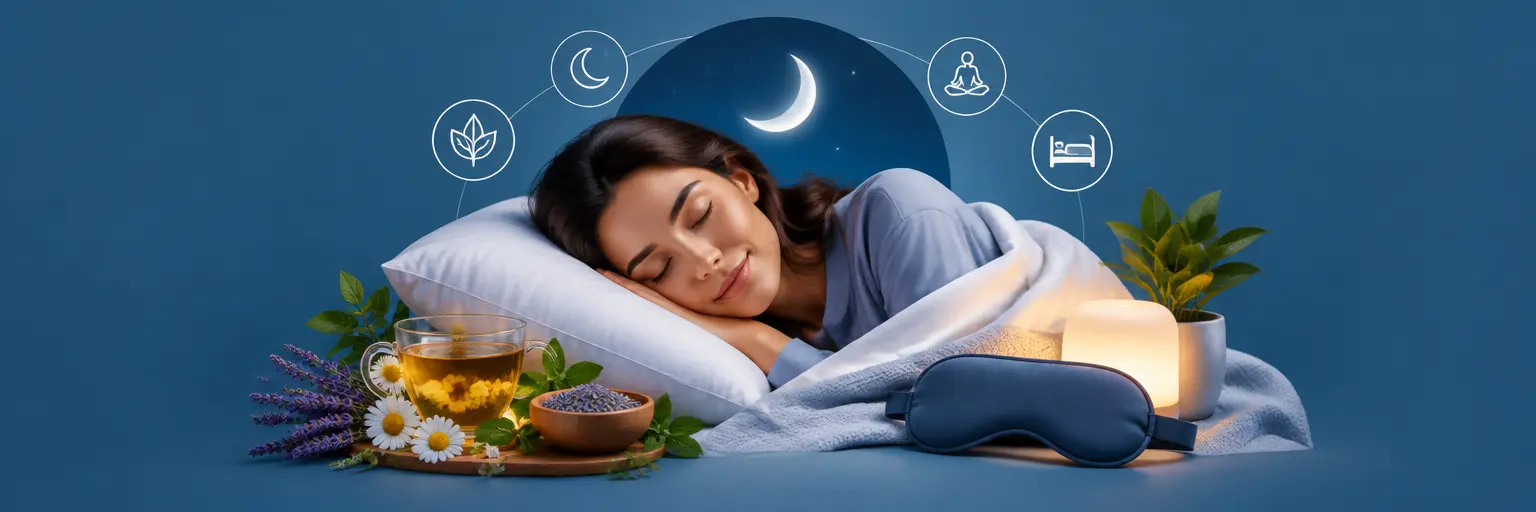
Sleep Hacks: Natural Sleep Aids & Techniques – Unlock the secret to deeper, more restorative rest without relying on pills or complicated routines. This guide is your go-to resource for natural sleep aids and proven techniques that calm a racing mind, regulate your circadian rhythm, and boost sleep quality. From herbal remedies and magnesium-rich snacks to breathing exercises and screen-time strategies, you’ll discover science-backed hacks that fit seamlessly into your busy schedule. Whether you struggle with falling asleep, staying asleep, or waking up groggy, these actionable tips will help you fall asleep faster, stay asleep longer, and wake up feeling fully refreshed. Perfect for anyone seeking better sleep hygiene, stress reduction, and all-natural energy restoration—embrace these simple tweaks to transform your nights and supercharge your days.

😊 Unlock better sleep with a personalized daily routine! This article reveals practical, time-saving habits to improve sleep quality and boost your…
Read article
😊 Conquer sleepless nights naturally! Discover effective natural sleep aids for better sleep, boosting productivity and optimizing your daily routine without relying…
Read articleWelcome to the ultimate guide on natural sleep optimization, part of our Health & Fitness Hacks series at UltimateLifeHacks. Here, we move beyond counting sheep and into evidence-based, drug-free strategies that help you fall asleep faster, stay asleep longer, and wake up feeling genuinely refreshed. Whether you struggle with occasional insomnia, jet lag, or simply want to upgrade your nightly rest, this subcategory is your go-to resource. We focus on practical, low-cost, and sustainable techniques—from herbal teas and magnesium-rich foods to cognitive behavioral methods and environmental tweaks—that seamlessly integrate into your busy routine, saving you hours of tossing and turning.
When your circadian rhythm is off, nature offers a pharmacy of gentle options. This section dives into the most research-backed botanicals like valerian root, passionflower, and lemon balm, explaining how they interact with GABA receptors to calm your nervous system. You’ll also learn about magnesium glycinate and its role in muscle relaxation, plus how L-theanine from green tea promotes alpha brain waves without drowsiness. We compare tinctures, capsules, and teas, offering dosing guidelines and timing tips to avoid next-day grogginess.
Expect a clear, non-judgmental breakdown of what’s safe to combine, what to avoid (like high-dose melatonin before alcohol), and how to source quality third-party-tested products. We include a 7-day sample plan to test different herbs and track your response, plus warnings about interactions with common medications. This h3 is your shortcut to navigating the supplement aisle with confidence, saving you money on ineffective “sleep blends” while zeroing in on what your body actually needs.
If your mind races at 2 AM, this is your goldmine. CBT-I is the gold-standard, non-pharmaceutical treatment for chronic insomnia, and we break it down into simple, actionable hacks you can start tonight. Learn the stimulus control method: using your bed only for sleep and intimacy, and the sleep restriction technique that consolidates your sleep window to boost sleep drive. We also cover mindfulness-based stress reduction and progressive muscle relaxation scripts to quiet mental chatter and release physical tension.
This section doesn’t just list concepts—it gives you printable worksheets, a tappable evening wind-down routine, and a 2-week tracking log to identify your personal sleep patterns. We explain why “trying to sleep” backfires and how paradoxical intention can help. By rewiring your conditioned arousal, you’ll break the cycle of lying awake worrying, turning your bedroom back into a sanctuary for restorative rest—no prescriptions needed.
Your bedroom’s microclimate is a silent saboteur or secret weapon. This segment details how to engineer a space that signals “deep rest” to your biology. We cover the ideal sleep temperature (65–68°F/18–20°C) and how cooling your core accelerates melatonin release. You’ll also get hacks for blackout curtains, red-spectrum nightlights, and why blue light blockers are not all equal—plus a DIY DIY blackout window cover for renters. We dive into white noise vs. pink noise and how to mask disruptive sounds with budget-friendly apps.
We also explore hidden electromagnetic field sources, the impact of indoor plants on oxygen and humidity, and aromatherapy using lavender and cedarwood essential oils—with drop-by-drop recipes. This isn’t just about aesthetics; it’s about reducing cortisol triggers and maximizing sleep pressure. After applying these tweaks, you’ll notice a measurable drop in time-to-sleep within days, making this the highest ROI section for immediate improvement.
Stop fighting your biology—learn to work with it. This h3 explains chronotypes (lions, bears, wolves, dolphins) and helps you identify yours through a quick quiz, then tailor your sleep schedule to optimize energy peaks. We cover circadian rhythm resets using morning sunlight exposure, timed meals, and evening caffeine cutoffs. You’ll understand why “early to bed” isn’t for everyone and how to shift your phase gradually for shift workers or travelers.
We also break down sleep inertia and how to minimize it with strategic napping (10–20 minutes) and post-wake light. This section includes a sample daily rhythm chart that aligns with your natural hormone spikes—cortisol in the morning, melatonin at night—and teaches you to avoid the “second wind” trap. By syncing your internal clock, you’ll reduce drowsiness, improve focus, and naturally truncate the time you spend in restless sleep, often adding an extra hour of high-quality deep sleep per night.
What you consume in the evening can make or break your night. Here, we highlight tryptophan-rich snacks (turkey, warm milk, bananas, oats) and how to pair them with complex carbs for better brain uptake. You’ll discover magnesium-rich foods like almonds, spinach, and dark chocolate, plus the surprising sleep benefits of kiwi and tart cherry juice. We also debunk myths about alcohol and heavy dinners, showing how they fragment sleep architecture even if they help you nod off.
This h3 provides a practical 2-hour pre-bed meal plan, hydration timing (avoid large water volumes too late), and a list of “avoid at night” foods like aged cheese and spicy dishes. We include a quick-fix herbal tea recipe (chamomile + valerian + a pinch of nutmeg) and a no-cook smoothie for restless nights. Armed with this toolkit, you’ll avoid the 3 AM sugar crash and waking hunger pangs, ensuring your blood sugar stays stable while your body repairs and rebuilds.
The quickest effective hack is the 4-7-8 breathing technique: inhale through your nose for 4 seconds, hold for 7, and exhale slowly for 8 seconds. Repeat four times. This activates your parasympathetic nervous system, lowering heart rate and calming your mind within minutes—no pills or gadgets required.
Most herbal aids like chamomile or valerian are safe for nightly use, but rotational use (switching every 3–4 days) prevents tolerance. Magnesium and L-theanine are also non-habit-forming, but always cycle any supplement one week on, one week off. If insomnia persists over two months, consult a doctor to rule out underlying issues.
Yes, if used correctly. Pink noise (like rainfall) masks abrupt sounds that wake you, and sleep-tracking apps help identify patterns—but they shouldn’t cause anxiety about your sleep score. Use a timer to turn off sounds after 30 minutes to prevent dependency. Place the device at least 3 feet away for optimal frequency.
Cooler is always better—aim for 65–68°F (18–20°C). A lower core body temperature triggers deeper slow-wave sleep. Overheating causes micro-arousals. Use breathable linen sheets, a cooling mattress pad, and keep your feet warm with socks to divert blood flow and lower core temp faster.
Give each method a solid 7–10 day trial before judging. Sleep is behavioral, so consistency beats intensity. For example, consistent bedtime and morning sunlight exposure usually yield visible improvements within 5 days. Supplements may take 2–3 weeks for full effects. Keep a sleep diary to track changes objectively.