Stop Wasting Space: Revolutionary Storage Hacks for Compact Living
😊 Maximize your small space with ingenious space-saving storage hacks! Discover clever solutions to conquer clutter and reclaim valuable room in your…
Read article
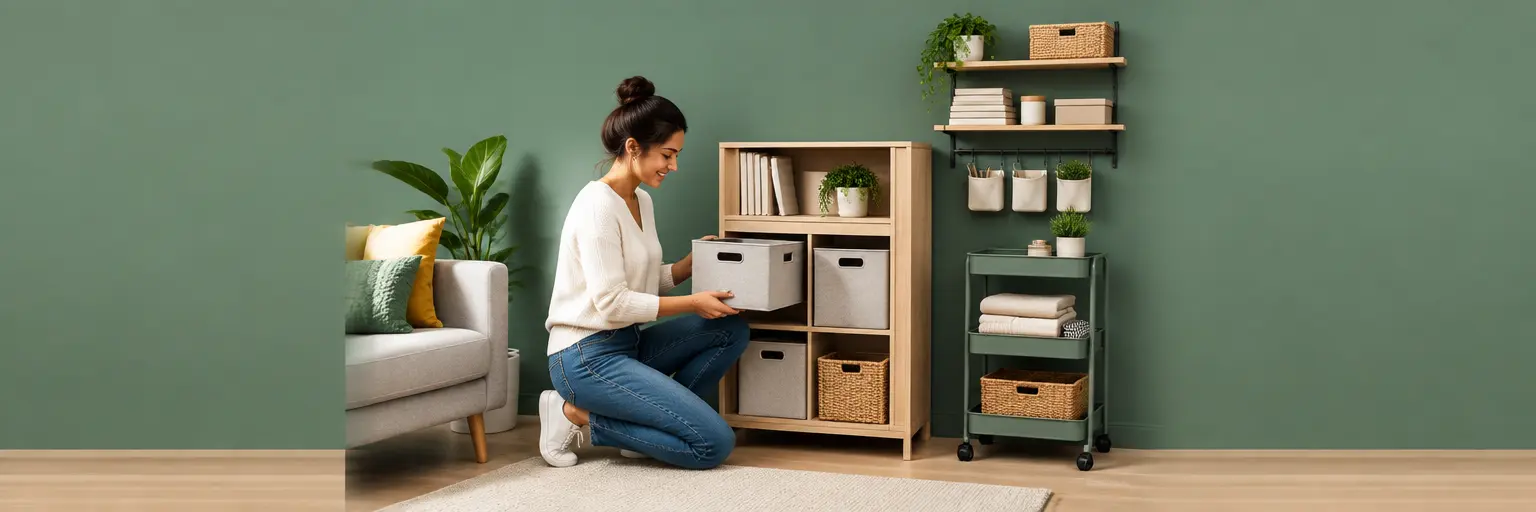
Transform your compact living area into a clutter-free sanctuary with smart, small space storage solutions that maximize every inch of your home. From vertical shelving and under-bed organizers to multi-functional furniture and hidden nooks, these efficient household hacks turn tight corners into functional zones—no renovation required. Declutter smarter, not harder, by using stackable bins, magnetic strips, and over-door racks to keep essentials visible yet tidy. Whether you’re tackling a tiny apartment, a cozy studio, or just a cramped closet, our proven tips help you optimize daily routines and reclaim valuable square footage. Boost productivity by creating dedicated spots for every item, reducing time spent searching, and maintaining a calm, organized environment. Embrace space-saving innovations like foldable desks, wall-mounted pegboards, and modular storage cubes to adapt as your needs evolve. Perfect for busy homeowners and renters alike, these actionable hacks blend style with practicality, ensuring your home feels larger, lighter, and more livable.
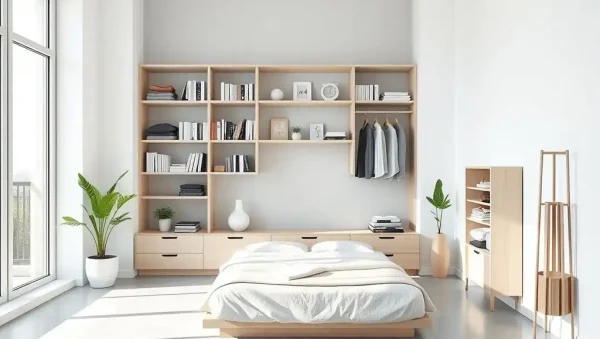
😊 Maximize your small space with ingenious space-saving storage hacks! Discover clever solutions to conquer clutter and reclaim valuable room in your…
Read article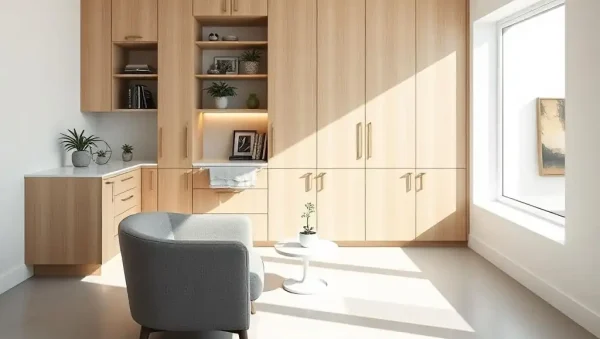
😊 Maximize your cramped quarters! Discover clever small space storage solutions ideas in this article, packed with practical hacks to boost efficiency…
Read articleWelcome to UltimateLifeHacks’ guide on organizing home spaces efficiently, where we turn cramped corners into functional zones and cluttered closets into calm retreats. Whether you’re living in a studio apartment, a tiny house, or just a room that feels closed-in, small space storage solutions are your secret weapon. This subcategory is packed with space-saving hacks, vertical organization ideas, and multi-functional furniture tips that help you reclaim square footage, reduce daily stress, and boost productivity. Say goodbye to hunting for keys or stacking boxes—and hello to a streamlined home where every inch works for you. Dive in to transform tight areas into efficient, stylish, and highly usable spaces.
When floor space is scarce, look up—your walls are prime real estate for vertical organization. Install floating shelves above doors, use pegboards in kitchens or offices, and add magnetic strips for spices or tools. These small space storage solutions keep essentials visible yet off counters, freeing up precious surface area. In bedrooms, mount a rail for clothes or accessories; in bathrooms, use over-the-toilet shelving or towel racks with hooks. The goal is to turn blank walls into active storage zones, making your room feel taller and more open while keeping daily items within arm’s reach.
Beyond shelving, consider ceiling-mounted racks for bikes or pots, and fold-down desks that tuck away when not in use. For renters, use damage-free adhesive hooks and tension rods—no drilling needed. Pair these with clear bins or baskets to group small items, and label everything to avoid visual clutter. By layering vertical solutions, you not only increase capacity but also improve workflow, as you’ll spend less time digging through drawers. This approach is especially effective in entryways, laundry rooms, and home offices where every inch counts.
In tiny homes, furniture must earn its keep. Invest in multi-functional pieces like ottomans with hidden storage, sofa beds with under-seat drawers, or coffee tables that lift into dining or work surfaces. Smart furniture choices can double your storage without doubling your floor footprint. For example, a lofted bed creates space for a desk or lounge below; a storage bench serves as seating, a shoe rack, and a catch-all for blankets. These space-saving furniture ideas are ideal for studio apartments, guest rooms, or kids’ play areas where flexibility is key.
Also explore modular systems—like cube shelves or stackable bins—that adapt as your needs change. Use furniture with exposed legs to create visual openness, and choose pieces in light colors to reflect light. Multi-functional items reduce the number of objects you own, which simplifies household organization. When shopping, ask yourself: “Does this serve at least two purposes?” If not, skip it. With these storage solutions, you’ll maximize utility, minimize clutter, and make every room more versatile.
No storage hack works if you own too much stuff. Implement the one-in-one-out rule to keep home organization sustainable: for every new item you bring in, donate or discard an old one. This simple habit prevents overflow and forces mindful purchasing. Start by sorting each room into categories—keep, donate, recycle, and relocate. Use the 30-day declutter challenge: remove one item on day one, two on day two, and so on, to build momentum without overwhelm. This process frees up existing storage and makes your small space storage far more effective.
To maintain progress, schedule a monthly 15-minute “declutter sweep” for high-traffic areas like counters and tabletops. Use clear containers for seldom-used items and label bins with dates to track usage—if something stays unused for six months, it’s time to let it go. Also digitize paper documents and photos to reduce physical bulk. By reducing the volume of belongings, you’ll find that your existing shelves and drawers feel expansive, and you’ll need fewer additional storage products. Remember: organized homes are built on subtraction, not just clever additions.
Drawers often become black holes of chaos. Use adjustable drawer dividers to assign a home for every item—cutlery, cables, makeup, tools, or office supplies. Customizable inserts let you adapt to awkward spaces, turning mess into order. For deep drawers, stack shallow trays or use risers to double the usable height. In the kitchen, use a peg-style divider for pots and lids; in the bedroom, section off socks and accessories with fabric bins. These small space organization tricks make it easy to see and grab things quickly, reducing daily friction.
Don’t forget hidden storage in unexpected places: under the bed, behind doors, inside stair risers, or above cabinets. Install a slim rolling cart between appliances, use a hanging shoe organizer on a closet rod for scarves, or add a magnetic board inside a cabinet door for spice jars. Space-maximizing ideas also include using the inside of dresser drawers for tie-downs or using a tension rod under the sink for spray bottles. By combining drawer dividers with hidden niches, you’ll unlock every pocket of space, making your home feel larger and your routines smoother.
Storage is only sustainable if your system fits your daily flow. Build routine-based organization by zoning activities—create a drop zone near the entrance for keys, bags, and shoes, and a “launchpad” for outgoing items. Assign a specific bin for “to-dos” and another for “return” items. Use daily reset rituals: spend 5 minutes each evening putting things back in their dedicated spots. For kids, use color-coded bins and picture labels so even toddlers can help. These efficient home hacks turn organizing from a chore into a habit.
Implement a 7-day cycle to rotate seasonal items—store winter boots in a high shelf during summer, then swap. Use a weekly menu planner to reduce food storage waste and a laundry sorting system with three bins (lights, darks, delicates). Set a timer for 10-minute “power tidy” sessions twice a day to keep surfaces clear. With these productivity tips, your small space will stay organized without constant effort. The key is consistency: a system that works for your lifestyle will outlast any trendy gadget. Prioritize simplicity, accessibility, and sustainability to maintain a clutter-free home.
Begin by decluttering—remove everything and sort into keep, donate, or discard. Then, measure available space and invest in vertical shelving, under-bed bins, and multi-functional furniture. Focus on one zone at a time, and use clear labels so every item has a permanent home. This method prevents overwhelm and builds momentum.
Yes—opt for adhesive hooks, tension rods, over-the-door racks, and freestanding shelving units. Use removable mounting strips for lightweight frames and avoid drilling. For furniture, choose pieces that are portable like foldable desks or storage ottomans. Always check your lease, but most solutions are reversible and leave no marks.
Use vacuum-sealed bags for clothing and bedding to reduce volume by up to 75%. Store them in under-bed boxes or on high shelves. Rotate items by season—keep off-season gear in labeled bins and swap them out twice a year. For bulky items like Christmas trees, consider a vertical storage bag that hangs behind a door.
Try a ceiling-mounted bike hoist, a magnetic strip for kitchen knives, or a pegboard for craft supplies. Install shallow shelves above doorframes for books or décor, and use the back of cabinet doors for spice racks or trash bags. Also, hanging shoe organizers work great for toiletries or office extras.
Adopt a daily 5-minute reset and a weekly declutter session. Use the one-in-one-out rule religiously, and review your storage zones monthly to adjust for new items. Keep labels updated and avoid cramming—if a bin is full, it’s time to purge. Consistency, not perfection, is the key to lasting organization.