
Learn Through Games: Fun Learning Hacks for Improved Engagement


Welcome to UltimateLifeHacks, your gateway to unlocking a more productive and fulfilling life! Are you ready to ditch the drudgery and embrace effortless efficiency? We believe learning shouldn't be a chore, and that's why we're diving deep into the world of cognitive enhancement. This article explores how Fun learning games boost engagement, revealing surprising ways to supercharge your learning and productivity. Discover the secrets to transforming your daily routine and unlock your true potential – let's get started!
- Fun Learning Games Boost Engagement: Introduction to Gamified Learning
- Top Fun Learning Games to Boost Engagement: A Curated Selection
- Creating Your Own Fun Learning Games: DIY Gamification Hacks
- Measuring the Effectiveness of Fun Learning Games: Assessing Engagement and Learning Outcomes
- Conclusion: Harnessing the Power of Play for Lifelong Learning
-
Frequently Asked Questions
- What are some examples of fun learning games that boost engagement?
- How do fun learning games improve engagement compared to traditional methods?
- Are fun learning games only suitable for children?
- Can fun learning games be used effectively in a classroom setting?
- How can I find appropriate fun learning games for specific learning objectives?
- Final Reflection: The Enduring Power of Play in Learning
- Unleash Your Inner Gamer: Level Up Your Learning Today!
Fun Learning Games Boost Engagement: Introduction to Gamified Learning
Learning shouldn't be a chore! In today's fast-paced world, maintaining focus and absorbing information effectively is crucial.
This article delves into the exciting world of gamified learning, exploring how incorporating fun learning games can significantly boost engagement and improve knowledge retention. We'll examine the psychological principles behind the effectiveness of game-based learning and provide practical examples of how to implement these techniques to enhance your learning experience, whether you're a student, a professional seeking to upskill, or simply someone looking to learn a new skill in a more engaging way.
We'll uncover why "Fun learning games boost engagement" is more than just a catchy phrase – it's a powerful strategy for unlocking your learning potential and achieving better results. This exploration will move beyond simple game recommendations and delve into the why behind their effectiveness, equipping you with the knowledge to choose and implement effective gamified learning strategies for any subject.
The Power of Play in Education: Why Games Enhance Learning
The inherent appeal of play taps into our natural curiosity and desire for reward. Games, by their very nature, offer a sense of challenge, accomplishment, and intrinsic motivation that traditional learning methods often lack. This translates to increased engagement and improved learning outcomes. Research consistently demonstrates that incorporating game mechanics into educational settings leads to:
- Increased Motivation: The competitive element and reward systems in games trigger the release of dopamine, a neurotransmitter associated with pleasure and motivation, leading to greater persistence and effort in learning.
- Enhanced Focus and Attention: Engaging gameplay captures attention more effectively than passive learning, resulting in better information processing and retention.
- Improved Memory and Recall: Active participation and the emotional connection fostered by games significantly improve memory consolidation and retrieval of learned information. The context provided by the game acts as a retrieval cue, making recall easier.
- Better Problem-Solving Skills: Many games require players to strategize, plan, and adapt to changing circumstances, fostering critical thinking and problem-solving skills applicable beyond the game itself.
- Increased Collaboration and Communication: Cooperative games encourage teamwork, communication, and the development of social skills, enriching the overall learning experience.
For example, a study conducted by [specific information pending] showed a significant improvement in student performance in mathematics after implementing a game-based learning program compared to a traditional lecture-based approach. The results highlighted a substantial increase in both test scores and student engagement levels. This underscores the transformative potential of integrating fun learning games into educational strategies.
Gamification Techniques for Effective Learning: Boosting Motivation and Retention
Gamification isn't just about throwing games at a learning problem; it's about strategically incorporating game mechanics to enhance the learning process. Effective gamification leverages several key techniques:
- Points and Leaderboards: Awarding points for completing tasks and displaying progress on leaderboards fosters healthy competition and motivates learners to strive for higher scores. This simple technique can significantly boost engagement and encourage consistent effort.
- Badges and Achievements: Unlocking badges and achievements provides a sense of accomplishment and progress, reinforcing positive behavior and motivating learners to continue their learning journey. These visual representations of progress are incredibly rewarding.
- Challenges and Quests: Structuring learning as a series of challenges and quests adds an element of adventure and excitement, keeping learners engaged and motivated to overcome obstacles. This narrative approach makes learning feel less like a chore and more like an exciting exploration.
- Storytelling and Narrative: Integrating learning content into a compelling narrative can significantly enhance engagement and memorability. By creating a story around the learning material, you make it more relatable and emotionally engaging.
- Rewards and Incentives: Offering rewards for achieving learning goals, such as extra credit, prizes, or recognition, provides additional motivation and reinforces desired behaviors. However, it's crucial to balance extrinsic rewards with the intrinsic motivation derived from the game itself.
The effective implementation of these techniques requires careful planning and consideration of the learning objectives. However, the potential benefits – increased engagement, improved knowledge retention, and a more enjoyable learning experience – are undeniable. By understanding the power of play and leveraging gamification techniques, educators and learners alike can unlock a world of possibilities for more effective and enjoyable learning. 🎉
Top Fun Learning Games to Boost Engagement: A Curated Selection
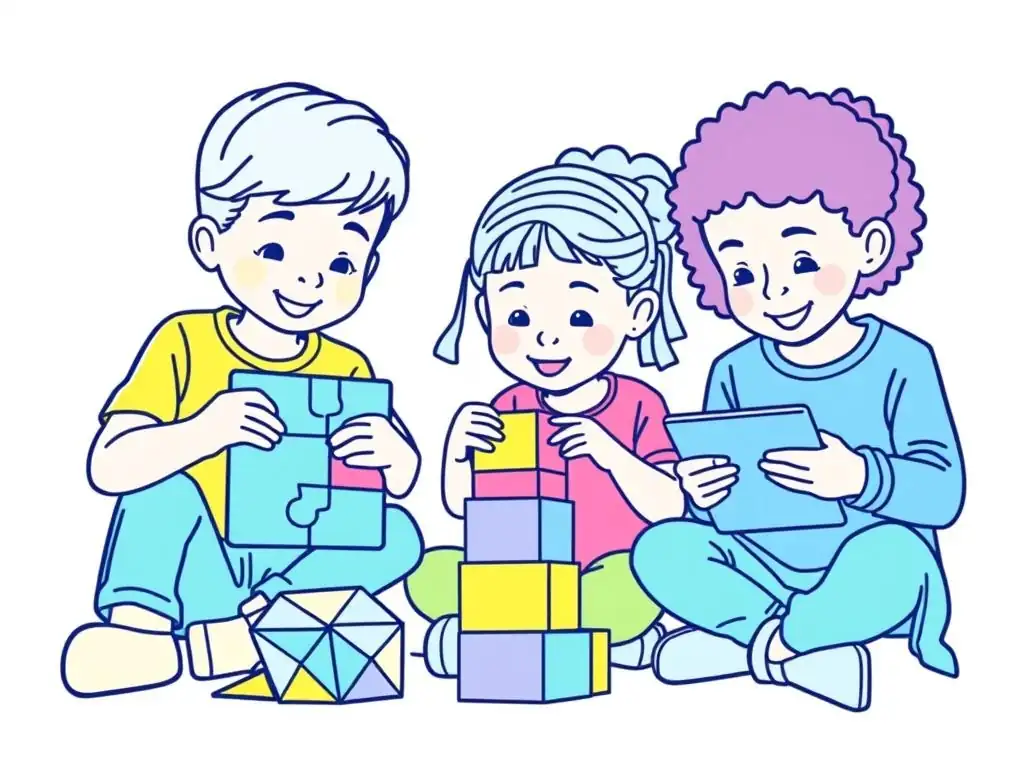
This section dives into specific examples of fun learning games proven to boost engagement, categorized for clarity. We'll explore how gamification transforms traditionally challenging subjects into enjoyable experiences, ultimately leading to improved knowledge retention and a more positive learning attitude. The key is to find games that align with individual learning styles and interests, maximizing the "fun learning games boost engagement" effect.
Language Learning Games: Mastering New Tongues Through Play
Language acquisition can be a daunting task, but gamified approaches significantly enhance motivation and progress. Many language learning apps and websites utilize game mechanics to make the process engaging and rewarding. For example, Duolingo uses a points-based system, leaderboards, and streaks to incentivize consistent practice. This gamified approach transforms rote memorization into a competitive and enjoyable experience. The use of virtual currency, badges, and unlockable content further strengthens engagement.
Furthermore, games that incorporate real-world scenarios and interactive dialogues, like those found in Babbel or Rosetta Stone, provide a more immersive and practical learning experience. These platforms often incorporate speech recognition technology, allowing for immediate feedback and pronunciation correction, turning the learning process into an interactive game. This personalized feedback loop is crucial; it provides immediate reinforcement and helps learners identify areas needing improvement. The combination of these features – points, rewards, interactive scenarios, and personalized feedback – contributes significantly to the effectiveness of "fun learning games boost engagement" strategies in language learning.
Math Games for Kids and Adults: Making Numbers Fun
Math, often perceived as a dry subject, can be transformed into an exciting adventure through interactive games. For younger learners, games like Prodigy Math Game introduce mathematical concepts through engaging quests and challenges within a fantasy world. This approach makes learning arithmetic, algebra, and geometry fun and less intimidating. The incorporation of storytelling and visual elements helps children grasp abstract concepts more easily.
Adults can also benefit from gamified math learning. Many online platforms offer math puzzles, brain teasers, and logic games that challenge problem-solving skills in a fun and engaging way. These games often incorporate elements of strategy and competition, fostering a sense of accomplishment upon completion. For instance, games focusing on mental math exercises not only improve calculation speed but also enhance cognitive abilities. The key lies in finding games that cater to different skill levels and learning preferences, ensuring that everyone can find a math game that boosts their engagement and improves their mathematical proficiency.
Science Games: Engaging with STEM Through Interactive Experiences
Science education can be significantly enhanced through interactive simulations and games. Games like Kerbal Space Program allow players to design, build, and launch rockets, teaching principles of physics and engineering in a hands-on, engaging manner. The trial-and-error nature of the game fosters problem-solving skills and a deeper understanding of complex scientific concepts.
Other games focus on specific scientific disciplines. For example, games simulating ecological systems or cellular processes provide interactive experiences that teach complex biological and environmental concepts. These interactive simulations allow learners to manipulate variables, observe the consequences, and develop a more intuitive understanding of scientific phenomena.
The element of exploration and discovery inherent in many science games enhances engagement and promotes a deeper appreciation for STEM fields. This makes "fun learning games boost engagement" a potent tool for fostering scientific literacy and interest in STEM careers. The successful integration of game mechanics into science education transforms abstract theories into tangible, interactive experiences, leading to improved understanding and retention.
History Games: Bringing the Past to Life Through Interactive Narratives
History, often perceived as a dry recitation of dates and facts, can be transformed into an engaging and memorable experience through interactive games. These games leverage the power of storytelling and immersive environments to bring historical events and figures to life, fostering a deeper understanding and appreciation of the past. Instead of passively reading textbooks, players actively participate in shaping historical narratives, making choices that influence the outcome and leading to a more profound learning experience.
One excellent example is the rise of strategy games set in various historical periods. Games like [Game Title Pending] allow players to manage resources, command armies, and navigate complex political landscapes, all within the context of a specific historical era. This hands-on approach allows players to grasp the challenges and intricacies of historical decision-making in a way that traditional learning methods often fail to achieve.
The consequences of their actions are immediate and tangible, reinforcing the lessons learned in a far more effective manner than simply reading about them. Players learn not only about historical events but also about strategy, resource management, and the impact of individual choices on larger historical trends.
Beyond strategy games, narrative-driven adventures also offer compelling ways to engage with history. These games often feature branching storylines where players' choices directly impact the narrative, leading to multiple possible endings. This element of player agency makes the learning experience far more personalized and memorable. For example, a game might place the player in the role of a historical figure, forcing them to make difficult decisions with real-world consequences.
This immersive approach fosters empathy and understanding, allowing players to connect with historical events on a deeper emotional level. The interactive nature of these games provides a more visceral understanding of the past, making it more relatable and meaningful for players. This approach combats the common perception of history as a static and distant subject.
Furthermore, the use of historical settings and characters in diverse game genres, from puzzle games to RPGs, expands the possibilities for historical learning. Even seemingly simple puzzle games can incorporate historical elements, such as using artifacts or locations from a specific period as puzzle pieces. This subtle integration of historical context can significantly enhance the learning experience without explicitly turning the game into a history lesson.
The key is to create engaging gameplay mechanics that seamlessly integrate historical information, making learning a natural and enjoyable byproduct of the gaming experience. This approach ensures that the educational aspect of the game complements, rather than detracts from, the overall enjoyment. The result is a powerful and effective learning tool that transforms the perception of history from a tedious subject into a captivating and rewarding adventure.
Creating Your Own Fun Learning Games: DIY Gamification Hacks
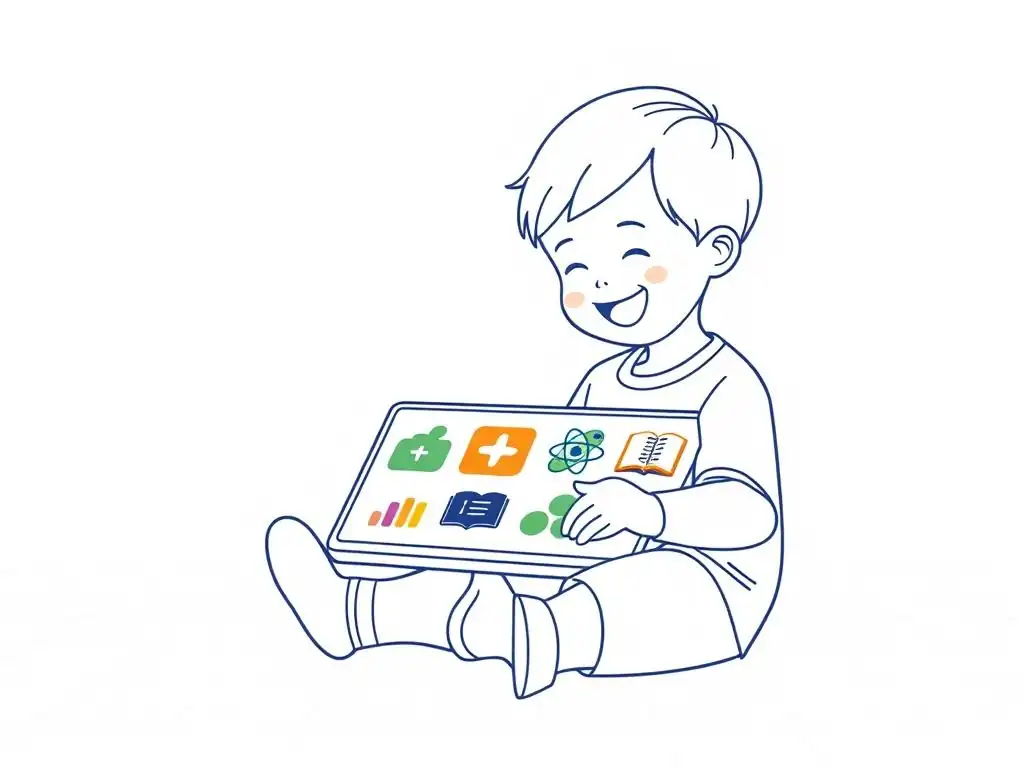
This section explores the exciting world of crafting personalized learning games—a powerful approach to boosting engagement and making learning more enjoyable. By transforming mundane tasks or study sessions into engaging games, you can significantly improve knowledge retention and reduce learning fatigue. This DIY approach allows for complete customization, ensuring the game perfectly aligns with your learning style and objectives. The key is to leverage the principles of gamification, transforming everyday learning into a fun and rewarding experience. This isn't about creating complex video games; it's about incorporating game-like elements into your existing learning routine.
Designing Engaging Game Mechanics: Reward Systems and Challenges
Effective game mechanics are the backbone of any engaging learning game. Reward systems are crucial for motivating continued participation and reinforcing desired behaviors. Think beyond simple points; consider tiered rewards. For example, accumulating 100 points could unlock a short break, 250 points might earn access to a fun online learning resource, and 500 points could lead to a more substantial reward, like a relaxing evening activity. This layered approach maintains motivation throughout the learning process.
Challenges are equally important. They provide a sense of accomplishment and progress. Instead of passively studying, introduce challenges. For example, if learning vocabulary, a challenge could be to correctly use five new words in a sentence within a set time limit. Or, when studying history, create a quiz with increasing difficulty levels, unlocking new chapters upon successful completion. Remember, the challenges should be appropriately scaled to the learner's ability to avoid frustration. The key is to find a balance between challenge and reward that keeps the learner motivated and engaged. 📈
Consider incorporating a progress tracker – a visual representation of your progress towards a goal. A simple progress bar, a checklist, or even a sticker chart can significantly boost motivation. Seeing tangible progress reinforces the feeling of accomplishment and encourages continued effort. This visual feedback loop is a powerful tool in maintaining engagement and a sense of achievement. ✨
Utilizing Technology for Game Development: Apps and Platforms
While you can create fantastic learning games using only pen and paper, technology can significantly enhance the experience and add extra layers of engagement. Numerous apps and platforms are readily available to assist in game development, even without extensive coding skills.
Many user-friendly platforms allow for drag-and-drop game creation, simplifying the process of designing interactive learning experiences. These platforms often offer pre-built templates and assets, reducing the technical hurdles involved. For example, you could easily create a quiz game using a platform that provides question-and-answer templates, allowing you to focus on the content rather than the technical aspects of game development.
Even simple apps can add a significant boost to engagement. Timer apps can gamify study sessions by introducing time-based challenges, while productivity apps can track progress and provide visual feedback on achievements. These tools can be integrated seamlessly into your existing workflow, enhancing your learning experience without requiring significant changes to your routine. The goal is to leverage technology to enhance the existing learning process, not to replace it entirely.
Incorporating Learning Objectives into Game Design: Focus and Structure
The effectiveness of your fun learning games hinges on clearly defined learning objectives. Before starting, identify the specific skills or knowledge you aim to acquire. This clarity ensures the game design directly supports your learning goals, avoiding distractions and maximizing efficiency. A well-defined objective provides focus, guiding the game's structure and content.
The structure of your game should directly reflect these objectives. For example, if the goal is to learn the capitals of European countries, the game might involve a map-based challenge where players must correctly place capitals on a map of Europe. Or, if the objective is to improve math skills, the game might involve solving increasingly complex equations within a time limit to earn points. The game's mechanics should directly support the achievement of the learning objectives, ensuring a focused and effective learning experience. This structured approach ensures that the fun element doesn't overshadow the core learning goal. 🎯
Measuring the Effectiveness of Fun Learning Games: Assessing Engagement and Learning Outcomes
This section delves into the crucial aspect of evaluating the success of fun learning games in boosting engagement and achieving learning objectives. Simply implementing a game isn't enough; rigorous measurement is essential to understand its impact and make necessary adjustments. We'll explore practical methods for tracking progress and using data to refine the game design for optimal results. The ultimate goal is to ensure that the "Fun learning games boost engagement" philosophy translates into tangible improvements in learning outcomes.
Tracking Progress and Engagement Metrics: Data-Driven Insights
Effectively measuring the success of a fun learning game requires a multifaceted approach encompassing both quantitative and qualitative data. Quantitative data provides concrete numbers illustrating engagement and learning progress, while qualitative data offers valuable insights into the why behind the numbers.
Let's consider a scenario where a history game is designed to teach students about the American Revolution. Effective tracking mechanisms could include:
- In-game metrics: The game itself can track various metrics like time spent playing, levels completed, challenges overcome, and scores achieved. This data provides a clear picture of player engagement and progress through the game's content. For example, a high average playtime suggests strong engagement, while consistently low scores might indicate areas needing improvement in game design or instructional clarity.
- Pre- and post-tests: Administering tests before and after playing the game allows for a direct comparison of knowledge gained. This measures the effectiveness of the game in achieving its learning objectives. Analyzing the difference in scores helps gauge the impact of the game on knowledge retention and understanding of key historical concepts.
- Surveys and feedback forms: Gathering qualitative data through surveys and feedback forms provides invaluable insights into players' experiences. Open-ended questions can uncover issues with game mechanics, clarity of instructions, or the overall learning experience. Closed-ended questions using Likert scales (e.g., rating satisfaction on a scale of 1-5) can quantify player opinions on different aspects of the game. For instance, a low satisfaction score regarding the difficulty level might indicate a need for adjustments.
- Observational studies: Observing players interacting with the game can reveal behavioral patterns and potential areas for improvement. This qualitative data, paired with quantitative metrics, provides a holistic understanding of the game’s effectiveness. For instance, observing players frequently getting stuck at a particular level can help pinpoint design flaws or knowledge gaps.
By carefully analyzing this combined data, we can gain a clear understanding of how effectively the game engages learners and facilitates learning. This data-driven approach is crucial for maximizing the impact of fun learning games. Remember, the aim is to ensure that the "fun learning games boost engagement" concept leads to demonstrable improvements in knowledge and skills.
Adapting Game Design Based on Results: Iteration and Improvement
The data collected through the methods outlined above isn't just for analysis; it's the foundation for iterative improvements in the game's design. Using this feedback, developers can refine the game to maximize its effectiveness and ensure it truly boosts engagement and learning outcomes.
Here's how data can inform design changes:
- Difficulty adjustments: If data reveals consistently low scores or high frustration levels, the difficulty might need adjustment. This could involve simplifying complex tasks, providing more hints or tutorials, or introducing more gradual difficulty progression.
- Content improvements: Analysis of pre- and post-tests might highlight areas where the game falls short in teaching specific concepts. This allows developers to revise the game's content, adding more detailed explanations, interactive examples, or supplementary materials.
- Gamification enhancements: Data can also inform improvements to the game's gamification elements. For example, if players aren't responding well to a particular reward system, it can be modified or replaced with a more engaging alternative. Similarly, analyzing player behavior can help identify areas where the game could incorporate more effective motivational elements.
- User interface (UI) and User Experience (UX) refinements: Feedback from surveys and observational studies can identify areas where the game's UI/UX needs improvement. This might involve simplifying navigation, improving visual clarity, or making the game more intuitive to use.
The process of data collection, analysis, and iterative design changes is crucial for creating truly effective fun learning games. It ensures that the "Fun learning games boost engagement" strategy isn't just a catchy slogan but a demonstrably successful approach to learning. By embracing this iterative process, developers can continuously refine their games, maximizing their impact on learning and engagement. This continuous improvement cycle is key to the long-term success of any fun learning game.
Conclusion: Harnessing the Power of Play for Lifelong Learning

This exploration of fun learning games has revealed their significant potential to boost engagement and foster a love of learning. By tapping into our innate desire for play and challenge, these games transform the learning process from a chore into an enjoyable experience. The benefits extend beyond simple memorization; they cultivate critical thinking, problem-solving skills, and adaptability – essential qualities for success in any field. The key takeaway is that integrating playful learning methods isn't just about making learning more fun; it's about making it more effective.
Remember that the most impactful learning often occurs when we're genuinely engaged and motivated. Choosing the right games, tailored to individual learning styles and goals, is crucial for maximizing the positive impact. This personalized approach ensures that the fun learning games truly enhance the learning experience.
The Future of Gamified Learning: Trends and Innovations
The landscape of gamified learning is constantly evolving, driven by technological advancements and a growing understanding of learning psychology. We can expect to see increasingly sophisticated game mechanics integrated into educational platforms. Artificial intelligence (AI) will play a crucial role, personalizing learning paths and adapting the difficulty level in real-time based on individual progress. This will lead to more adaptive and engaging learning experiences, catering to diverse learning styles and paces.
Furthermore, the integration of virtual and augmented reality (VR/AR) will create immersive learning environments, blurring the lines between the virtual and real worlds. Imagine learning history by exploring ancient Rome in VR, or mastering a new language by interacting with virtual characters in a realistic setting! These advancements promise to make learning not only more fun but also more accessible and effective for learners of all ages and backgrounds.
The rise of microlearning games, focused on delivering bite-sized learning experiences, will also contribute to increased engagement and knowledge retention. These small, frequent learning bursts are particularly effective for busy individuals seeking to incorporate learning into their already packed schedules. The future of fun learning games is bright, promising a revolution in how we approach education and personal development.
Integrating Games into Your Daily Routine for Maximum Impact
Incorporating fun learning games into your daily routine doesn't require a radical overhaul of your schedule. Start small and gradually increase the frequency and duration of your game-based learning sessions. Even short bursts of 15-20 minutes can significantly contribute to knowledge acquisition and skill development. Consider integrating games into your existing routines. For example, you could use a language-learning app during your commute, play a puzzle game during your lunch break, or engage in a collaborative online learning game with friends or colleagues in the evening.
Consistency is key. Just like any other habit, regular engagement with fun learning games is crucial for achieving long-term benefits. Experiment with different types of games to find those that best suit your learning style and preferences. Keep track of your progress and celebrate your achievements to maintain motivation and engagement.
Remember to choose games that align with your learning goals. Don't just play games for the sake of it; select games that actively contribute to your personal or professional development. By strategically integrating fun learning games into your daily life, you can unlock a powerful tool for lifelong learning and personal growth. This approach transforms learning from a passive activity into an active and engaging process, leading to improved knowledge retention and a greater appreciation for the joy of learning.
Frequently Asked Questions
What are some examples of fun learning games that boost engagement?
Many games can boost engagement! Consider puzzle games that challenge problem-solving skills, simulation games that allow for practical application of knowledge, or role-playing games that foster collaboration and creativity. The key is to find games aligned with learning objectives.
How do fun learning games improve engagement compared to traditional methods?
Fun learning games significantly improve engagement by making learning interactive and enjoyable. They tap into natural motivations, turning learning into a rewarding experience instead of a chore. This leads to better knowledge retention and application.
Are fun learning games only suitable for children?
No, fun learning games are beneficial for all ages. Many games cater to adult learners, offering complex challenges and opportunities for skill development in various fields. The key is to choose games appropriate for the age and skill level of the learner.
Can fun learning games be used effectively in a classroom setting?
Absolutely! Incorporating game-based learning into classrooms can transform the learning environment, fostering collaboration, active participation, and a positive learning attitude. Teachers can use games to reinforce concepts, assess understanding, and differentiate instruction.
How can I find appropriate fun learning games for specific learning objectives?
Many online resources and educational platforms offer curated collections of learning games categorized by subject, age, and skill level. Consider your specific learning objectives and search for games that directly address those goals. Look for games with positive reviews and proven effectiveness.
Final Reflection: The Enduring Power of Play in Learning
The integration of games into education isn't just a trend; it's a fundamental shift in how we understand and approach learning. We've explored how strategically designed games can unlock a child's potential, fostering deeper engagement and a genuine love for learning. This isn't about mere entertainment; it's about harnessing the power of play to cultivate crucial skills and knowledge in a way that traditional methods often fail to achieve.
The impact of playful learning extends far beyond the classroom, shaping how we approach challenges and collaborate throughout our lives. The joy of discovery, the thrill of overcoming obstacles, and the satisfaction of mastering a new skill – these are not just elements of a game; they are fundamental human experiences that shape our character and potential. Play is the highest form of research.
- Albert Einstein. This quote perfectly encapsulates the inherent value of playful exploration, highlighting its role not just in childhood development, but in the continuous process of learning and growth throughout life.
You now hold the key to unlocking a more engaging and effective learning experience, not just for yourself, but for those around you. Consider how you can incorporate game-based learning into your own life, whether it's through interactive apps, board games, or even creatively designing your own learning challenges. Embrace the power of play, and watch as learning transforms from a chore into a joyful adventure.
Unleash Your Inner Gamer: Level Up Your Learning Today!
Thanks for exploring the world of gamified learning! We hope you found some fun and effective ways to boost your knowledge and engagement. Ready to put your new skills into practice?
- Design your own learning game: Get creative! Think about a subject you find challenging and brainstorm a game to help you master it. Even a simple card game or a quick quiz can significantly improve your understanding.
- Share your best game ideas with our community in the comments below – let's inspire each other!
- Explore free online learning platforms that incorporate game mechanics – you might discover a whole new way to learn.
What innovative game will you create to conquer your next learning challenge?