
The Secret Language of Your Stress: Decoding Your Body's Signals for Relief


Feeling overwhelmed? Your body speaks volumes before your mind even registers stress. On UltimateLifeHacks, we're dedicated to equipping you with practical strategies for a more efficient and fulfilling life. Discover the power of stress relief body signals and learn how to decipher your body's cues to unlock immediate calm and lasting productivity. Dive in and unlock the secrets to a more balanced and effective you!
- Understanding Your Body's Stress Response: Recognizing the Early Warning Signs
-
Stress Relief Body Signals: Deciphering Your Body's Clues for Effective Management
- Headaches and Migraines: Recognizing Stress-Induced Pain and Finding Relief
- Muscle Tension and Pain: Identifying Trigger Points and Implementing Relaxation Techniques
- Digestive Upsets: The Gut-Brain Connection and Stress Management Strategies
- Sleep Disturbances: Insomnia, Restless Sleep, and Stress Reduction Techniques for Better Sleep
-
Practical Techniques for Stress Relief Based on Body Signals
- Mindfulness and Meditation: Tuning into Your Body's Signals for Relaxation
- Deep Breathing Exercises: Calming Your Nervous System Through Conscious Breathing
- Progressive Muscle Relaxation: Releasing Tension Through Targeted Muscle Relaxation
- Yoga and Stretching: Improving Flexibility and Reducing Physical Stress Symptoms
-
Long-Term Stress Management Strategies: Building Resilience and Preventing Future Stress Episodes
- Dietary Adjustments: Nutrition for Stress Reduction and Improved Well-being
- Regular Exercise: The Benefits of Physical Activity for Stress Relief and Mental Health
- Time Management Techniques: Optimizing Your Schedule to Reduce Stress Overload
- Building a Strong Support System: The Importance of Social Connections for Stress Management
- When to Seek Professional Help: Recognizing Signs of Overwhelming Stress and Burnout
-
Frequently Asked Questions
- What are some common body signals of stress?
- How can I tell the difference between stress and other physical ailments?
- What are effective stress relief techniques mentioned in the article?
- Is it possible to completely eliminate stress from my life?
- Where can I find more information about stress relief techniques from UltimateLifeHacks?
- Final Reflection: Unlocking Your Body's Wisdom for Lasting Stress Relief
- Unleash Your Inner Calm: Master Your Stress Response Today
Understanding Your Body's Stress Response: Recognizing the Early Warning Signs
Stress, an unavoidable aspect of modern life, often manifests subtly, its presence masked until it escalates into overwhelming anxiety or burnout. Learning to decipher your body's unique stress signals is crucial for proactive stress management and preventing serious health consequences. This article will equip you with the knowledge to recognize the early warning signs of stress, enabling you to implement effective stress relief techniques before minor inconveniences snowball into major problems.
We'll explore the physical, emotional, and cognitive manifestations of stress, empowering you to take control of your well-being and improve your overall quality of life. Understanding your body's language is the first step towards achieving lasting stress relief and optimizing your cognitive efficiency. This understanding allows for personalized stress management strategies, tailored to your individual needs and responses.
Identifying Physical Stress Signals: Muscle Tension, Headaches, and Digestive Issues
Physical manifestations are often the most readily apparent signs of stress overload. These can range from subtle discomforts to debilitating pain. Many people experience increased muscle tension, particularly in the neck, shoulders, and back. This tension can manifest as stiffness, aches, or even persistent pain. Headaches, both tension headaches and migraines, are frequently triggered or exacerbated by stress.
The frequency and intensity of headaches can serve as a reliable indicator of your stress levels. Furthermore, your digestive system is highly sensitive to stress. Common symptoms include indigestion, heartburn, constipation, diarrhea, or even irritable bowel syndrome (IBS) flare-ups. The severity of these symptoms can vary greatly depending on the individual and the intensity of the stressor.
| Physical Symptom | Description | Potential Stress Relief Strategies |
|---|---|---|
| Muscle Tension | Stiffness, aches, pain in neck, shoulders, back | Stretching, massage, yoga, mindfulness exercises |
| Headaches (Tension/Migraine) | Dull, aching pain (tension) or throbbing, intense pain (migraine) | Pain relief medication (as needed), relaxation techniques, stress management programs |
| Digestive Issues | Indigestion, heartburn, constipation, diarrhea, IBS flare-ups | Balanced diet, regular exercise, stress reduction techniques |
Remember, paying attention to these physical cues is vital. Ignoring them can lead to chronic pain and other health issues. Proactive measures, such as regular exercise, mindful breathing techniques, and sufficient sleep, can significantly mitigate these physical manifestations of stress.
Recognizing Emotional Stress Indicators: Anxiety, Irritability, and Mood Swings
Beyond the physical, stress profoundly impacts our emotional well-being. Anxiety, a common emotional response to stress, can manifest as feelings of worry, nervousness, unease, or even panic. These feelings can range from mild to severe, significantly impacting daily functioning. Irritability is another key emotional indicator. You might find yourself easily frustrated, short-tempered, or prone to outbursts of anger with loved ones or colleagues.
These emotional shifts are often subtle at first, but they can progressively worsen if stress remains unaddressed. Mood swings, characterized by unpredictable changes in emotional state, are also common. You might experience periods of intense happiness followed by sudden sadness or depression. The frequency and intensity of these mood fluctuations can be a clear warning sign that your stress levels are too high. Recognizing these emotional cues is crucial for implementing suitable coping mechanisms.
Cognitive Stress Manifestations: Difficulty Concentrating, Forgetfulness, and Decision Fatigue
The cognitive impact of stress is often underestimated. Difficulty concentrating is a hallmark symptom. You might find it challenging to focus on tasks, complete projects, or maintain attention during conversations. This can lead to decreased productivity and feelings of inadequacy. Forgetfulness is another common manifestation. Simple things, like forgetting appointments or misplacing items, become more frequent.
More significantly, stress can lead to "decision fatigue," the inability to make even simple decisions due to mental exhaustion. This can impact various aspects of life, from choosing what to eat to making important professional choices. These cognitive impairments can be a significant detriment to both personal and professional life. Addressing stress effectively is essential to regain mental clarity and focus. Strategies like mindfulness meditation, time management techniques, and prioritizing tasks can help mitigate these cognitive effects.
Stress Relief Body Signals: Deciphering Your Body's Clues for Effective Management
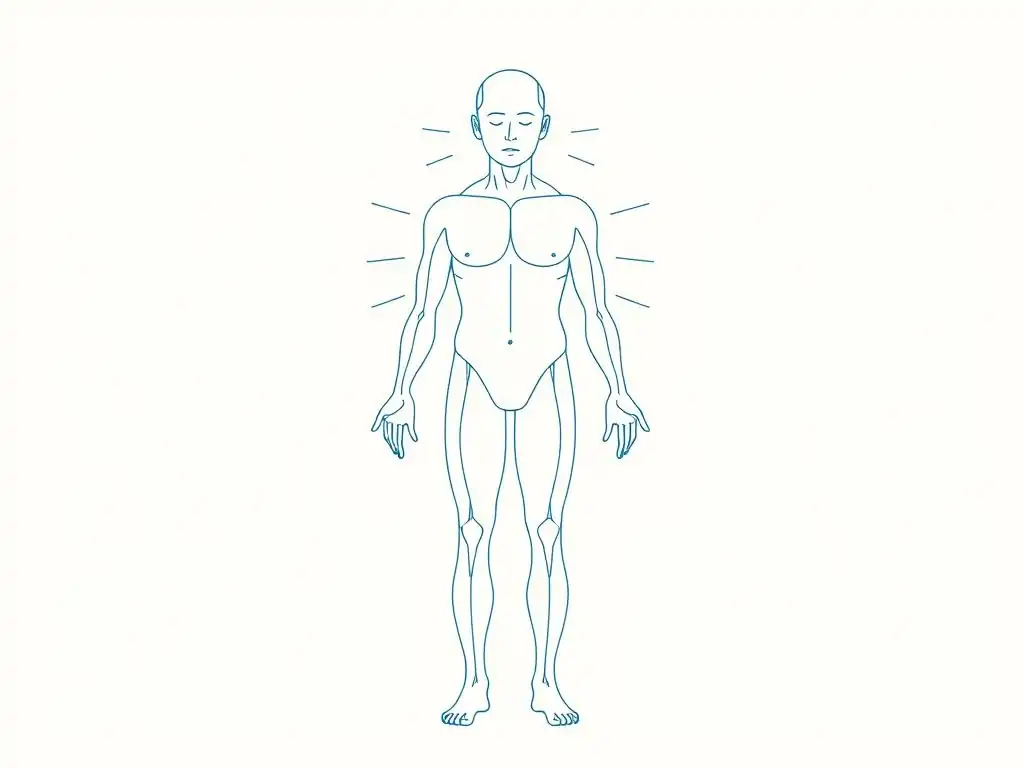
Your body is a sophisticated instrument, constantly communicating its state. Learning to interpret its subtle messages, particularly those related to stress, is a crucial step towards effective stress management and overall well-being. Understanding your body's stress signals allows for proactive intervention, preventing minor discomforts from escalating into significant health issues. This section focuses on recognizing common physical manifestations of stress and provides practical strategies for relief. Mastering the art of decoding these signals empowers you to prioritize self-care and build resilience against the daily pressures of life. This is key to achieving lasting stress relief.
Headaches and Migraines: Recognizing Stress-Induced Pain and Finding Relief
Stress is a significant trigger for headaches and migraines in many individuals. The exact mechanisms aren't fully understood, but the link is undeniable. Tension headaches, characterized by a tight band-like sensation around the head, are frequently associated with stress and muscle tension in the neck and shoulders. Migraines, on the other hand, can present with intense throbbing pain, often accompanied by nausea, vomiting, and sensitivity to light and sound.
Stress hormones, such as cortisol and adrenaline, can constrict blood vessels in the brain, leading to pain. Furthermore, prolonged stress can disrupt sleep patterns, which are known to exacerbate headache frequency and intensity.
Recognizing the connection between stress and headaches is the first step towards effective management. Here are some strategies to alleviate stress-induced headaches:
- Mindfulness and Meditation: Practicing mindfulness techniques can help reduce stress levels and promote relaxation. Even short, 5-10 minute sessions can make a difference.
- Progressive Muscle Relaxation: This technique involves systematically tensing and releasing different muscle groups to relieve tension. It's particularly effective for tension headaches.
- Hydration: Dehydration can worsen headaches. Ensuring adequate water intake throughout the day is crucial.
- Regular Exercise: Physical activity helps reduce stress hormones and improve overall well-being. Aim for at least 30 minutes of moderate-intensity exercise most days of the week.
- Over-the-counter Pain Relief: For mild to moderate headaches, over-the-counter pain relievers like ibuprofen or acetaminophen can provide temporary relief. Always follow the recommended dosage.
Muscle Tension and Pain: Identifying Trigger Points and Implementing Relaxation Techniques
Muscle tension is another common physical manifestation of stress. Prolonged stress can cause the muscles to contract and remain tense, leading to pain and discomfort in various parts of the body, such as the neck, shoulders, back, and jaw. These areas often develop "trigger points"—hypersensitive knots in the muscle that can refer pain to other areas.
For instance, trigger points in the upper trapezius muscle (located in the upper back and neck) can cause headaches and neck pain. Similarly, tension in the jaw muscles (temporomandibular joint or TMJ) can lead to jaw pain, headaches, and even earaches.
Several techniques can effectively address muscle tension and pain related to stress:
- Massage Therapy: Professional massage can help release muscle tension and reduce pain. Specific techniques, like trigger point therapy, can target the knots directly.
- Yoga and Stretching: Yoga and stretching exercises improve flexibility, reduce muscle tension, and promote relaxation. Regular practice can significantly alleviate stress-related muscle pain.
- Heat and Cold Therapy: Applying heat or cold packs to tense muscles can provide temporary relief. Experiment to find what works best for you.
- Deep Breathing Exercises: Deep, slow breaths can help calm the nervous system and relax tense muscles. Practicing diaphragmatic breathing regularly can make a significant difference.
- Regular Physical Activity: Maintaining a regular exercise routine helps release endorphins, which have mood-boosting and pain-relieving effects.
Digestive Upsets: The Gut-Brain Connection and Stress Management Strategies
The gut-brain axis highlights the intricate connection between the digestive system and the brain. Stress significantly impacts gut health, leading to various digestive problems such as bloating, constipation, diarrhea, irritable bowel syndrome (IBS), and heartburn.
When stressed, the body releases stress hormones that disrupt the normal functioning of the digestive system. This can affect gut motility, nutrient absorption, and the balance of gut bacteria. The resulting inflammation and discomfort are often experienced as digestive upset.
Managing stress is crucial for maintaining gut health. Effective strategies include:
- Dietary Changes: A balanced diet rich in fiber and probiotics can support gut health. Consider limiting processed foods, caffeine, and alcohol, which can exacerbate digestive issues.
- Stress-Reduction Techniques: Practicing relaxation techniques, such as meditation, yoga, and deep breathing, can help regulate the gut-brain axis and reduce digestive symptoms.
- Regular Sleep: Adequate sleep is essential for overall health, including gut health. Aim for 7-9 hours of quality sleep per night.
- Probiotics and Prebiotics: Probiotics (live beneficial bacteria) and prebiotics (food for probiotics) can help restore the balance of gut flora. Consider incorporating probiotic-rich foods like yogurt and kefir into your diet.
- Mindfulness-Based Interventions: Practicing mindfulness can help reduce stress and improve awareness of bodily sensations, including digestive discomfort. This can be particularly helpful in managing conditions like IBS.
Understanding and addressing these stress relief body signals is a proactive approach to better health and well-being. By recognizing the connection between your physical symptoms and stress, you empower yourself to implement effective coping mechanisms and build resilience against daily pressures. Remember, prioritizing self-care is not selfish; it's essential for maintaining a healthy and balanced life.
Sleep Disturbances: Insomnia, Restless Sleep, and Stress Reduction Techniques for Better Sleep
Stress significantly impacts sleep quality, often manifesting as insomnia, restless sleep, or frequent nighttime awakenings. The connection between stress and sleep is bidirectional; stress disrupts sleep, and poor sleep exacerbates stress. Understanding this cycle is crucial for effective stress management. Insomnia, characterized by difficulty falling asleep, staying asleep, or experiencing non-restorative sleep, is a common symptom of chronic stress.
This can lead to daytime fatigue, impacting concentration, mood, and overall productivity. Restless sleep, marked by frequent tossing and turning, is another indicator. The body's inability to relax and achieve deep, restful sleep prevents the necessary physical and mental restoration that occurs during sleep. This constant state of physiological arousal contributes to the ongoing stress cycle.
Several techniques can help improve sleep quality and alleviate stress-related sleep disturbances. Cognitive Behavioral Therapy for Insomnia (CBT-I) is a highly effective evidence-based treatment. CBT-I helps identify and modify negative thoughts and behaviors that contribute to insomnia.
This includes techniques like stimulus control therapy (associating your bed solely with sleep), sleep restriction therapy (gradually increasing time in bed based on actual sleep time), and relaxation training. Practicing relaxation techniques before bed, such as progressive muscle relaxation or deep breathing exercises, can significantly reduce physiological arousal and promote relaxation. These techniques help calm the nervous system, reducing the racing thoughts and physical tension often associated with stress-induced insomnia.
Maintaining a regular sleep schedule is also vital. Going to bed and waking up around the same time each day, even on weekends, helps regulate your body's natural sleep-wake cycle (circadian rhythm). Creating a relaxing bedtime routine, free from screens and stimulating activities, can help prepare your body for sleep.
This could involve a warm bath, reading a book, or listening to calming music. Ensuring your sleep environment is conducive to rest is also crucial. This means maintaining a cool, dark, and quiet bedroom.
Finally, regular physical exercise, while avoiding intense workouts close to bedtime, can improve sleep quality, but it's vital to find the right balance and timing for your individual needs. Ignoring sleep disturbances and their connection to stress only intensifies the problem; proactive management through these techniques is key to breaking the cycle and achieving better sleep and stress reduction. The cumulative effects of improved sleep on stress levels, mood, and overall well-being are substantial, making sleep hygiene a cornerstone of effective stress management.
Practical Techniques for Stress Relief Based on Body Signals
This section delves into practical techniques you can use to alleviate stress based on the specific signals your body is sending. Recognizing these signals is the first step; understanding how to respond effectively is the key to lasting stress relief. By learning to interpret your body's language, you can proactively manage stress before it escalates. This proactive approach to stress management is crucial for maintaining overall well-being and boosting cognitive efficiency.
Mindfulness and Meditation: Tuning into Your Body's Signals for Relaxation
Mindfulness and meditation are powerful tools for stress relief, especially when combined with an awareness of your body's stress signals. Instead of ignoring the tension in your shoulders or the rapid beating of your heart, mindfulness encourages you to observe these sensations without judgment. This non-reactive observation is key. By simply acknowledging the physical manifestations of stress – a clenched jaw, shallow breathing, or a racing pulse – you begin to detach from the emotional intensity of the stressful situation.
Regular practice of mindfulness meditation allows you to develop a heightened awareness of your body's subtle cues. For example, you might notice a tightening in your chest before you even consciously realize you're feeling anxious. This early detection allows you to intervene with relaxation techniques before the stress spirals out of control. Studies show that even short daily meditation sessions (as little as 10 minutes) can significantly reduce stress hormones like cortisol. 1
To begin, find a quiet space and sit comfortably. Close your eyes and focus on your breath. Observe the sensation of the air entering and leaving your body. Pay attention to any physical sensations you notice – tension in your muscles, a racing heart, or digestive discomfort. Simply acknowledge these sensations without trying to change them. If your mind wanders, gently guide it back to your breath. This consistent practice cultivates a deep connection with your body, enabling you to recognize and respond to stress signals more effectively.
Deep Breathing Exercises: Calming Your Nervous System Through Conscious Breathing
Deep breathing exercises are a cornerstone of stress reduction. When stressed, our breathing often becomes shallow and rapid, further fueling the stress response. Deep, controlled breathing activates the parasympathetic nervous system, which counteracts the "fight-or-flight" response. This physiological shift is crucial for stress relief.
Several techniques can effectively calm your nervous system. The 4-7-8 breathing technique, for instance, involves inhaling deeply through your nose for a count of four, holding your breath for seven, and exhaling slowly through your mouth for eight. Repeating this cycle several times can significantly reduce feelings of anxiety and promote relaxation. Another effective technique is the box breathing technique, where you inhale for four counts, hold for four, exhale for four, and hold again for four. This rhythmic breathing pattern can help center you and reduce racing thoughts.
The benefits are multifaceted. Deep breathing not only reduces physiological stress responses but also improves focus and concentration. By consciously regulating your breath, you're essentially sending a signal to your body to relax. This conscious act of self-regulation is a powerful tool for managing stress in the moment and cultivating a sense of calm. Consistent practice of deep breathing exercises can lead to a significant reduction in stress levels over time, enhancing your overall well-being and improving your ability to handle daily stressors. Remember to practice regularly to reap the full benefits.
Progressive Muscle Relaxation: Releasing Tension Through Targeted Muscle Relaxation
Progressive muscle relaxation (PMR) is a technique that involves systematically tensing and releasing different muscle groups in your body. This process helps you become more aware of physical tension and learn to consciously release it. The key is focusing on the sensation of tension and the subsequent release, enhancing your body awareness and promoting deep relaxation.
The process typically begins with the toes and progresses upwards through the body, focusing on major muscle groups. You might start by tensing the muscles in your right foot for a few seconds, then releasing them and noticing the difference. You then repeat this process for the calf muscles, thighs, buttocks, abdomen, chest, shoulders, arms, hands, neck, and face. The goal is to fully engage the muscle group before completely releasing the tension, allowing you to experience the contrast between tension and relaxation more acutely.
Regular PMR practice can significantly reduce muscle tension, a common physical manifestation of stress. By consciously releasing this tension, you can alleviate stress-related headaches, back pain, and other physical symptoms. Moreover, PMR can improve sleep quality, reduce anxiety, and enhance overall feelings of well-being. The technique is easy to learn and can be practiced anywhere, making it a highly accessible and effective stress-relief method. Consider incorporating PMR into your daily routine for optimal stress management and improved physical and mental health.
1 [Specific study details pending]
Yoga and Stretching: Improving Flexibility and Reducing Physical Stress Symptoms
Stress manifests physically in many ways: muscle tension, headaches, digestive issues, and even sleep disturbances. Yoga and stretching offer powerful countermeasures, addressing these physical manifestations directly and indirectly impacting your mental state. The practice encourages mindful movement, connecting your breath to physical postures. This mindful approach helps to quiet the racing mind often associated with stress, providing a much-needed mental break.
Regular yoga practice, even just 15-20 minutes a day, can significantly improve flexibility and range of motion. Tight muscles, often a result of chronic stress, contribute to pain and discomfort. Yoga's emphasis on lengthening and strengthening muscles helps alleviate this tension, promoting relaxation and reducing pain signals. Poses like the cat-cow stretch, downward-facing dog, and child's pose gently release tension in the back, neck, and shoulders – areas frequently affected by stress-induced muscle tightness.
Beyond the physical benefits, yoga incorporates breathing techniques (pranayama) that calm the nervous system. Deep, controlled breathing activates the parasympathetic nervous system, responsible for the "rest and digest" response, counteracting the "fight or flight" response triggered by stress. This physiological shift helps to lower heart rate, blood pressure, and cortisol levels – key indicators of stress reduction. Studies have shown a correlation between regular yoga practice and reduced levels of the stress hormone cortisol. 1 The combination of physical postures and breathing exercises provides a holistic approach to stress relief, tackling both the physical and mental aspects simultaneously.
Furthermore, the focus on the present moment inherent in yoga practice cultivates mindfulness, a crucial element in stress management. By focusing on the sensations in your body during each pose, you shift your attention away from anxious thoughts and worries, fostering a sense of calm and centeredness. This mindful awareness helps to break the cycle of negative thought patterns that often exacerbate stress.
Incorporating even a short yoga session into your daily routine can make a significant difference in your overall stress levels and improve your ability to manage stressful situations more effectively. The sustained practice fosters resilience, helping you navigate future challenges with greater ease and equanimity.
1 [Specific study referencing the correlation between yoga and reduced cortisol levels pending]
Long-Term Stress Management Strategies: Building Resilience and Preventing Future Stress Episodes
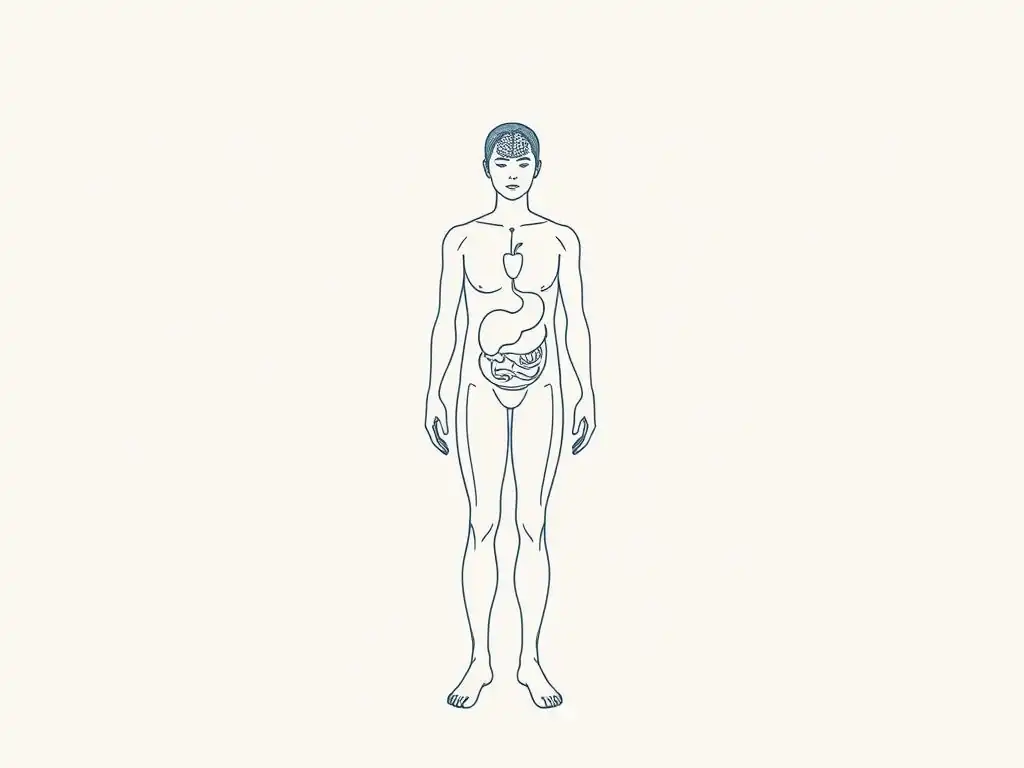
Developing resilience against stress is crucial for long-term well-being. It's not just about coping with current stressors; it's about building a foundation that helps you weather future storms. This involves proactive strategies that go beyond immediate stress relief techniques. Think of it as preventative maintenance for your mental and emotional health. Ignoring these long-term strategies is like ignoring regular car maintenance – you might get away with it for a while, but eventually, you'll pay the price.
Dietary Adjustments: Nutrition for Stress Reduction and Improved Well-being
Your diet plays a significant role in your stress response. Consuming processed foods, excessive sugar, and caffeine can exacerbate stress symptoms. Conversely, a balanced diet rich in nutrients can significantly improve your ability to manage stress. Focus on incorporating foods that support your brain and nervous system.
For example, consider increasing your intake of omega-3 fatty acids found in fatty fish like salmon, flaxseeds, and walnuts. These are crucial for brain health and can help regulate mood. Similarly, B vitamins, found in leafy greens, legumes, and whole grains, are essential for nerve function and energy production, combating stress-induced fatigue. Prioritize complex carbohydrates over simple sugars for sustained energy release. Simple sugars provide a quick burst of energy followed by a crash, worsening stress levels.
A well-balanced diet not only reduces stress but also improves overall well-being, leading to increased resilience. Think of it as fueling your body and mind for optimal performance under pressure. Remember, consistent dietary adjustments are key; small, sustainable changes are more effective than drastic, unsustainable ones. Consider consulting a nutritionist for personalized advice tailored to your individual needs and preferences. This proactive approach will yield significant long-term benefits in stress management.
Regular Exercise: The Benefits of Physical Activity for Stress Relief and Mental Health
Regular physical activity is a cornerstone of stress management. Exercise isn't just about physical fitness; it's a powerful tool for mental well-being. Physical activity triggers the release of endorphins, natural mood boosters that have potent stress-reducing effects. Even moderate exercise, like a brisk 30-minute walk, can make a noticeable difference.
Studies consistently demonstrate the positive impact of exercise on stress levels. For instance, a meta-analysis of numerous studies revealed that regular exercise significantly reduced anxiety and depression symptoms, both closely linked to chronic stress. 1 The type of exercise isn't as crucial as consistency. Whether you prefer running, swimming, yoga, or weightlifting, find an activity you enjoy and stick with it.
Furthermore, regular exercise improves sleep quality, another crucial factor in stress management. Poor sleep exacerbates stress, creating a vicious cycle. By improving sleep, exercise helps break this cycle and promotes better stress resilience. Aim for at least 150 minutes of moderate-intensity aerobic activity or 75 minutes of vigorous-intensity aerobic activity per week, spread throughout the week. Incorporate strength training exercises at least twice a week. Remember to consult your doctor before starting any new exercise program.
Time Management Techniques: Optimizing Your Schedule to Reduce Stress Overload
Effective time management is a crucial skill for reducing stress overload. Feeling overwhelmed and constantly behind schedule is a major contributor to stress. Implementing effective time management techniques can dramatically improve your ability to cope with daily demands. This involves more than just creating to-do lists; it's about strategically prioritizing tasks and optimizing your workflow.
Consider utilizing techniques like the Pomodoro Technique, where you work in focused bursts (e.g., 25 minutes) followed by short breaks. This improves concentration and prevents burnout. Prioritize tasks using methods like the Eisenhower Matrix (urgent/important), focusing on high-impact activities first. Learn to delegate tasks when possible, freeing up your time and reducing your workload. Avoid multitasking, as it often leads to decreased efficiency and increased stress.
Regularly review your schedule and adjust as needed. Building in buffer time between appointments and tasks allows for unexpected delays and prevents feeling rushed. Utilize scheduling tools and apps to manage your time effectively. Moreover, setting realistic expectations and learning to say "no" to commitments that overwhelm you are essential for long-term stress reduction. By mastering time management, you'll gain a sense of control and reduce the feeling of being constantly overwhelmed, a significant contributor to stress.
1 [Specific study details pending]
Building a robust support system is paramount in long-term stress management. Loneliness and social isolation are significantly correlated with increased stress levels and a diminished ability to cope with challenging situations. Conversely, strong social connections act as a buffer against stress, providing emotional resilience and practical assistance. This isn't just about having a large number of acquaintances; it's about cultivating meaningful relationships with people who offer genuine support and understanding.
The benefits extend beyond emotional comfort. A strong support system can provide practical help during stressful times. Perhaps a friend can assist with childcare while you manage a work deadline, or a family member can offer financial support during a difficult period. This tangible assistance reduces the burden of stress, allowing you to focus on problem-solving and self-care. Having people to rely on for practical help significantly reduces the feeling of being overwhelmed.
Furthermore, social interaction itself is a powerful stress reliever. Engaging in activities with loved ones, whether it's a casual conversation, a shared hobby, or a collaborative project, releases endorphins, which have mood-boosting effects. These positive interactions help to counteract the negative effects of chronic stress on your mental and physical well-being. Consider joining a club, volunteering, or simply making more of an effort to connect with friends and family regularly. Even brief interactions can make a significant difference.
The quality of your relationships is crucial. It's better to have a few close, supportive friends or family members than a large network of superficial acquaintances. These close relationships offer a safe space to express vulnerability, share concerns, and receive empathetic support. Remember, nurturing these relationships requires effort and commitment.
Regular communication, active listening, and mutual support are essential for maintaining strong, healthy connections that can serve as a reliable buffer against stress. Investing in these relationships is an investment in your long-term mental and emotional health. The payoff is substantial, leading to greater resilience and a reduced susceptibility to future stress episodes. Prioritizing these connections is a proactive step towards building a life less burdened by stress.
When to Seek Professional Help: Recognizing Signs of Overwhelming Stress and Burnout
Stress is a normal part of life. However, chronic, unmanaged stress can lead to serious health consequences, both physical and mental. Recognizing when your stress levels are becoming unmanageable and require professional intervention is crucial for your well-being. This section focuses on identifying the warning signs that indicate a need to seek help from qualified professionals specializing in stress relief and burnout management. Learning to interpret your body's signals for stress relief is a vital part of self-care, but sometimes, professional guidance is essential.
Identifying Burnout Symptoms: Exhaustion, Cynicism, and Reduced Professional Efficacy
Burnout, a state of emotional, physical, and mental exhaustion caused by prolonged or excessive stress, often manifests through a triad of symptoms: exhaustion, cynicism, and reduced professional efficacy.
Exhaustion goes beyond simple tiredness. It's a deep-seated fatigue that persists even after rest. You might find yourself constantly drained, lacking energy for even simple tasks, and experiencing persistent physical symptoms like headaches, muscle aches, or digestive problems. This unrelenting exhaustion significantly impacts your daily life and ability to function effectively. For example, someone experiencing burnout might struggle to complete basic household chores or maintain their usual level of social interaction. The constant state of depletion can feel overwhelming and debilitating.
Cynicism, in the context of burnout, manifests as a detachment from work or other meaningful activities. It's characterized by feelings of disillusionment, negativity, and a sense of detachment from your passions and responsibilities. This could involve increased irritability, sarcasm, or a general sense of apathy towards things you once enjoyed. For instance, a teacher experiencing burnout might feel cynical towards their students or the education system as a whole, losing their passion for teaching.
Reduced professional efficacy, the third key component, involves a decline in your ability to perform your job or other responsibilities effectively. This isn't necessarily due to a lack of skill but rather a lack of motivation, energy, and focus. You might find yourself making more mistakes, procrastinating frequently, or feeling generally incompetent despite past successes. A previously highly productive individual might suddenly struggle to meet deadlines or maintain the quality of their work, leading to feelings of inadequacy and self-doubt. This decrease in performance often contributes to a vicious cycle of stress and further burnout.
Seeking Professional Guidance: Therapists, Counselors, and Stress Management Specialists
When you recognize the signs of overwhelming stress or burnout, seeking professional help is a crucial step toward recovery. Several professionals can provide effective support and guidance.
- Therapists: Therapists, particularly those specializing in cognitive behavioral therapy (CBT) or other evidence-based approaches, can help you identify and manage negative thought patterns and behaviors contributing to your stress. They provide a safe space to process emotions and develop coping mechanisms.
- Counselors: Counselors offer support and guidance in navigating the challenges of stress and burnout. They can help you develop strategies for managing stress in your personal and professional life, improving communication skills, and building resilience.
- Stress Management Specialists: These specialists focus specifically on teaching techniques to manage stress effectively. They might incorporate relaxation exercises, mindfulness practices, or other strategies to help you regain control over your stress levels.
The choice of professional depends on your individual needs and preferences. It's often beneficial to explore different approaches and find a practitioner with whom you feel comfortable and confident. Remember, seeking help is a sign of strength, not weakness.
Effective Communication Strategies: Talking to Your Doctor About Stress and Anxiety
Open communication with your doctor is vital in managing stress and anxiety. Effectively communicating your symptoms and concerns can lead to a more accurate diagnosis and appropriate treatment plan. Here are some strategies for effective communication:
- Prepare a list of your symptoms: Before your appointment, jot down all your physical and emotional symptoms, including their frequency, duration, and severity. Include any specific stressors in your life. This will help you remember everything during your appointment.
- Use specific and measurable language: Instead of saying "I'm stressed," try "I experience frequent headaches and difficulty sleeping, impacting my work performance and relationships." Specific examples make it easier for your doctor to understand your situation.
- Be honest and open: Don't be afraid to share all aspects of your experience, even if they feel embarrassing or insignificant. Your doctor needs a complete picture to provide the best care.
- Ask clarifying questions: Don't hesitate to ask your doctor questions about your symptoms, diagnosis, and treatment options. Understanding your condition is crucial for effective management.
- Follow up: After your appointment, follow up with your doctor as needed. This ensures ongoing support and allows you to address any new concerns or changes in your condition. Regular check-ins are essential for managing chronic stress effectively. Remember, proactive communication is key to effective stress relief and maintaining your overall well-being.
Frequently Asked Questions
What are some common body signals of stress?
Stress manifests in various ways, including muscle tension, particularly in the shoulders and neck; rapid heartbeat or palpitations; and digestive issues like upset stomach or diarrhea. Recognizing these signals is the first step to relief.
How can I tell the difference between stress and other physical ailments?
It can be tricky! Persistent symptoms, especially if accompanied by anxiety, irritability, or sleep disturbances, strongly suggest stress. If unsure, consult a doctor to rule out other medical conditions.
What are effective stress relief techniques mentioned in the article?
The article emphasizes mindfulness and relaxation techniques, such as deep breathing exercises and meditation. It also suggests incorporating physical activity and adequate sleep into your daily routine.
Is it possible to completely eliminate stress from my life?
Completely eliminating stress is unrealistic; it's a natural human response. The goal is to manage stress effectively and develop healthy coping mechanisms to reduce its negative impact.
Where can I find more information about stress relief techniques from UltimateLifeHacks?
Explore the UltimateLifeHacks website for more detailed articles and resources on stress management strategies, including specific exercises and techniques for reducing stress and improving overall well-being.
Final Reflection: Unlocking Your Body's Wisdom for Lasting Stress Relief
Understanding the secret language of your stress is not just a fascinating concept; it's a crucial skill for navigating the pressures of modern life. Ignoring your body's subtle cues only amplifies stress, leading to burnout and potential health problems. Learning to decipher these signals empowers you to proactively manage your well-being, fostering a healthier and more fulfilling existence.
The impact of chronic stress on our society is undeniable, silently shaping our relationships, productivity, and overall happiness. We live in a culture that often glorifies "hustle" and overlooks the importance of self-care. This pervasive attitude contributes to a cycle of stress and overwhelm. The price of neglecting your body is paying for it later in life.
This simple truth underscores the importance of paying attention to the signals your body sends, allowing you to break free from this cycle and prioritize your well-being.
Now, consider your own body. What signals does it send when you're stressed? Are you clenching your jaw? Experiencing digestive issues? Perhaps you're noticing changes in your sleep patterns or emotional reactivity? Take a moment to reflect on these personal indicators. By consciously acknowledging and addressing these signals, you can begin to cultivate a more mindful and responsive relationship with your body, creating a foundation for lasting stress relief and a life filled with greater peace and resilience.
Unleash Your Inner Calm: Master Your Stress Response Today
Thank you for exploring the fascinating world of stress management! You've gained powerful tools to understand your body's signals and take control. Ready to apply this knowledge?
- Prioritize one small stress-reducing activity: Choose a single technique from the article—a breathing exercise, a mindful walk, or journaling—and commit to it daily this week. Even small changes can make a big difference.
- Share your most effective stress-relief technique: Connect with others! Share your favorite technique in the comments below. Let's build a supportive community.
- Try a new stress-busting method: Experiment with something completely new, such as listening to calming music or practicing a simple yoga pose. You might discover a surprisingly effective way to find your calm.
What small step will you take today to cultivate inner peace and resilience?