
Transform Your Learning Experience: Practical Hacks to Make Studying Enjoyable


Ready to transform your study sessions from tedious tasks into engaging adventures? At UltimateLifeHacks, we're dedicated to helping you optimize your daily life, and that includes conquering the challenges of learning. Discover our collection of enjoyable study learning hacks designed to boost your cognitive efficiency and unlock your full potential. Dive in and uncover the secrets to making learning not just productive, but genuinely fun – you might be surprised at what you find!
- Enjoyable Study Learning Hacks: Turning the Grind into a Delight
- Boosting Engagement: Interactive Study Methods for Better Learning
- Effective Time Management for Enjoyable and Efficient Study
- Mastering Your Study Material: Strategies for Effective Learning
- Maintaining Motivation: Tips for Long-Term Study Success
- Personalized Learning Strategies for Enjoyable Study
-
Frequently Asked Questions
- How can I make studying less of a chore and more enjoyable?
- What are some effective ways to stay motivated while studying?
- Are there any study hacks to improve my focus and concentration?
- How can I make my study materials more engaging and easier to understand?
- What if I'm struggling to retain information?
- Final Reflection: Unlocking the Joy of Learning: A Journey Towards Academic Fulfillment
- Unleash Your Inner Scholar: Actionable Steps to Love Learning!
Enjoyable Study Learning Hacks: Turning the Grind into a Delight
Learning shouldn't feel like a chore. This article dives deep into practical and enjoyable study learning hacks designed to transform your study sessions from tedious tasks into engaging experiences. We'll explore effective strategies to reframe your mindset, optimize your study environment, and employ active recall techniques that boost knowledge retention while making the process genuinely enjoyable. Forget the image of stressed students burning the midnight oil; let's unlock the secrets to effective and fun learning, improving your academic performance and overall well-being.
We'll cover techniques applicable to various learning styles and subjects, ensuring that you can tailor these hacks to your specific needs and preferences. By the end of this article, you’ll be equipped with the tools to make "enjoyable study learning hacks" a reality, turning the often dreaded grind into a genuinely delightful and rewarding experience. Let's get started!
Reframing Your Mindset: Positive Approaches to Studying
The first step towards enjoyable studying is shifting your perspective. Instead of viewing studying as a burden, try to reframe it as an opportunity for growth and discovery. This positive mindset shift can significantly impact your motivation and enjoyment. Here are some practical strategies:
- Set Realistic Goals: Avoid overwhelming yourself with unrealistic expectations. Break down large tasks into smaller, manageable chunks. This creates a sense of accomplishment as you check off each item, boosting your motivation and confidence. For example, instead of aiming to study for 8 hours straight, try focusing on 25-minute intervals with short breaks in between (the Pomodoro Technique).
- Focus on Intrinsic Motivation: Connect your studies to your long-term goals and passions. Understanding why you're learning a particular subject can make the process more meaningful and engaging. Ask yourself how this knowledge will benefit you and what excites you about the subject matter.
- Celebrate Small Wins: Acknowledge and reward yourself for your achievements, no matter how small. This positive reinforcement helps maintain momentum and reinforces the positive associations with studying. A small treat, a relaxing activity, or simply taking a moment to appreciate your progress can be highly effective.
- Practice Self-Compassion: Be kind to yourself. Everyone has setbacks and struggles; don't beat yourself up over occasional unproductive study sessions. Learn from your mistakes and keep moving forward with a positive attitude. Remember, progress, not perfection, is the key.
Creating a Conducive Study Environment: Optimize Your Space for Focus
Your study environment plays a crucial role in your learning experience. A well-organized and stimulating space can significantly enhance focus and concentration. Consider these factors:
- Minimize Distractions: Find a quiet and clutter-free space where you can minimize interruptions. Turn off notifications on your phone and computer, and let your family or housemates know that you need uninterrupted time. Consider using noise-canceling headphones or ambient sounds to block out distracting noises.
- Optimize Lighting and Temperature: Ensure adequate lighting to prevent eye strain and maintain a comfortable temperature. A well-lit and comfortably-temperatured space contributes to a more pleasant and productive study environment.
- Ergonomics Matter: Invest in a comfortable chair and desk setup to prevent physical discomfort. Poor posture can lead to fatigue and reduced concentration. Consider using a standing desk or taking regular breaks to stretch and move around.
- Personalize Your Space: Add personal touches that make your study space feel inviting and inspiring. This could include plants, pictures, or other items that boost your mood and create a positive atmosphere. A personalized space can significantly improve your study experience.
Active Recall Techniques for Enjoyable Knowledge Retention
Passive reading or rereading is often ineffective. Active recall techniques force your brain to actively retrieve information, strengthening memory and making the learning process more engaging.
- The Feynman Technique: Explain the concept you're learning as if you were teaching it to someone else. Identifying gaps in your understanding through this process helps you focus on areas needing further study.
- Practice Testing: Regularly quiz yourself using flashcards, practice questions, or past papers. This active recall strengthens memory and helps identify weak areas. Consider using spaced repetition systems (SRS) to optimize learning.
- Teach Someone Else: Explaining concepts to others solidifies your understanding and reinforces learning. This is a particularly effective method for long-term retention.
- Use Diverse Learning Materials: Incorporate various learning methods such as videos, podcasts, and interactive exercises to keep things interesting and cater to different learning styles. Variety combats monotony and keeps you engaged.
Using these enjoyable study learning hacks, you can transform your learning experience from a stressful chore into an engaging and rewarding journey. Remember, consistent effort and a positive mindset are key to unlocking your full potential and achieving academic success. 🎉
Boosting Engagement: Interactive Study Methods for Better Learning
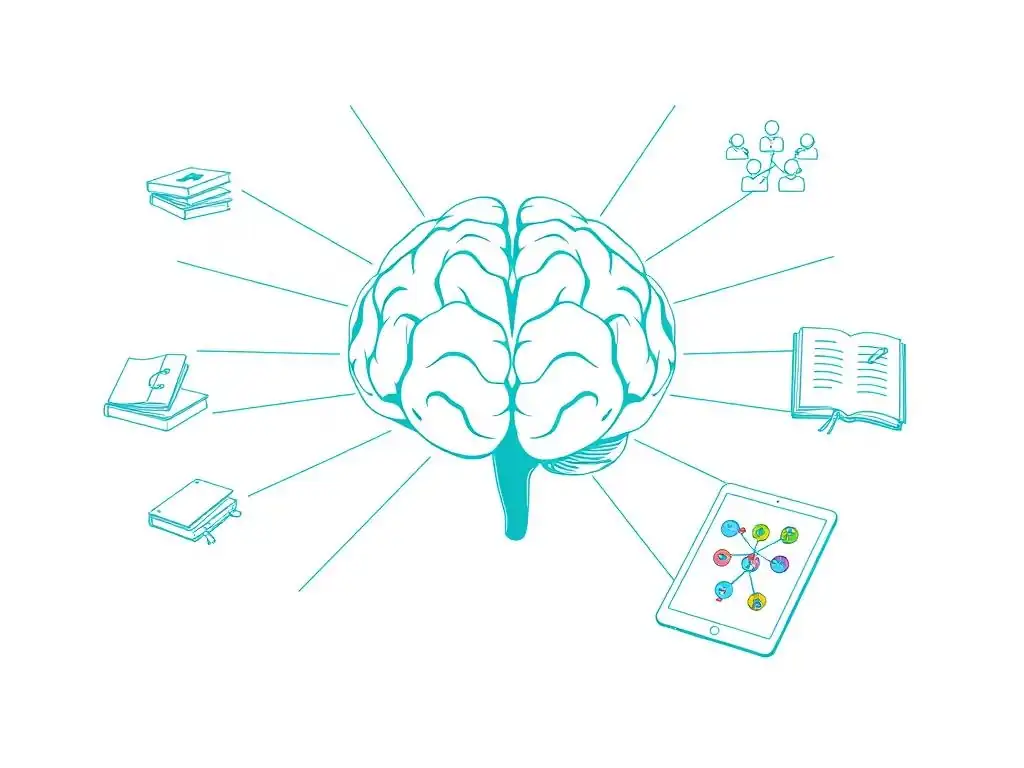
This section explores interactive study techniques to transform the often-perceived drudgery of studying into an enjoyable and effective learning experience. We'll delve into methods that actively engage your mind and senses, leading to better knowledge retention and a more positive association with the learning process. Remember, enjoyable study learning hacks are key to long-term academic success.
Gamifying Your Study Sessions: Turning Learning into a Game
Turning study time into a game is one of the most effective enjoyable study learning hacks. It leverages our natural inclination towards play and competition to enhance motivation and engagement. Several strategies can be employed:
- Flashcards with a Twist: Instead of simply memorizing facts, use spaced repetition software (SRS) like Anki. Anki utilizes algorithms to optimize the timing of reviews, maximizing retention. You can even add images and create your own custom decks, making the process more visually stimulating and fun.
- Reward Systems: Implement a reward system for completing study goals. This could involve a small treat after each study session, a larger reward after completing a chapter, or even a fun activity at the end of a week of consistent study. The rewards should be things you genuinely enjoy!
- Study Challenges: Turn studying into a competition, either against yourself (setting personal bests for speed and accuracy) or with friends (forming study groups and testing each other). Friendly competition can be a powerful motivator.
- Points and Levels: Assign points to different tasks, such as completing practice problems or mastering a concept. Accumulating points can unlock "levels" with associated rewards, mirroring the structure of many popular video games. This gamification approach transforms the learning process from a chore into an engaging adventure.
Incorporating Movement and Breaks: Combatting Study Fatigue
Prolonged periods of sedentary study can lead to fatigue and reduced concentration. Incorporating movement and regular breaks is crucial for maintaining focus and making your study sessions more enjoyable. Here are some effective strategies:
- The Pomodoro Technique: This popular time management method involves working in focused bursts (e.g., 25 minutes) followed by short breaks (e.g., 5 minutes). During the breaks, stand up, stretch, walk around, or do a quick exercise. This prevents mental burnout and keeps your energy levels high.
- Active Recall with Movement: Instead of passively rereading notes, try actively recalling information while walking or doing light exercise. The physical activity can enhance memory consolidation and make the process more dynamic and enjoyable.
- Mindfulness and Stretching: Incorporate short mindfulness exercises or stretching routines into your breaks. This can help reduce stress, improve focus, and create a more relaxed and enjoyable study environment. Even 5 minutes of mindful breathing can make a significant difference.
- Change of Scenery: Avoid studying in the same location all the time. Vary your study environment by moving to a different room, a coffee shop, or even outdoors (weather permitting). A change of scenery can help refresh your mind and boost motivation.
Utilizing Technology for Enhanced Learning Engagement
Technology offers a wealth of tools to make studying more interactive and enjoyable. These tools can transform passive learning into an active and engaging experience.
- Interactive Learning Platforms: Platforms like Khan Academy, Coursera, and edX offer interactive courses, videos, and quizzes. These resources make learning more dynamic and engaging than traditional textbooks.
- Educational Apps: Numerous apps are designed to make learning fun and accessible. These apps often incorporate gamification elements, personalized learning plans, and interactive exercises. Explore apps focusing on your specific subject areas.
- Mind Mapping Software: Software like MindManager or XMind allows you to create visual representations of concepts and ideas. This can enhance understanding and make the process of organizing information more enjoyable.
| Software Feature | Benefit | Enjoyable Study Hack Aspect |
|---|---|---|
| Spaced Repetition Systems | Optimized memory retention | Reduces frustration, increases recall |
| Interactive Simulations | Hands-on learning experience | Engaging, active learning |
| Multimedia Content | Visual and auditory learning support | Caters to diverse learning styles |
Remember, finding the right enjoyable study learning hacks is a personal journey. Experiment with different methods to discover what works best for you and creates a positive learning experience. The key is to make studying a more engaging and rewarding process, leading to better results and a more positive attitude towards learning.
Effective Time Management for Enjoyable and Efficient Study
Effective time management is paramount for transforming your learning experience from a tedious chore into an enjoyable and productive endeavor. Juggling studies with other commitments can be stressful, but with the right strategies, you can reclaim control of your schedule and make significant progress without feeling overwhelmed. The key lies in implementing techniques that promote focus, consistency, and a sense of accomplishment, ultimately making studying a more enjoyable process.
This section explores several time management strategies specifically tailored to enhance your study sessions. Remember, the goal isn't just to study more; it's to learn more effectively and enjoy the process.
The Pomodoro Technique for Focused Study Sessions
The Pomodoro Technique is a popular time management method that breaks down work into intervals, separated by short breaks. This structured approach combats procrastination and promotes intense focus. For studying, a typical Pomodoro cycle might involve 25 minutes of focused study followed by a 5-minute break. After four Pomodoros, take a longer break of 15-20 minutes. This cyclical pattern helps maintain concentration and prevents mental fatigue. The key is to completely dedicate yourself to studying during the 25-minute intervals, minimizing distractions. Try turning off notifications on your phone and using website blockers to eliminate temptations.
To maximize the effectiveness of the Pomodoro Technique for enjoyable study learning hacks, consider these refinements:
- Customize your intervals: Experiment with different lengths of work and break periods to find what suits your learning style and energy levels best. Some students might find that 50-minute sessions with 10-minute breaks work better for them.
- Track your progress: Using a timer and a simple checklist can help you stay on track and visualize your accomplishments, boosting motivation and making the studying process feel more rewarding.
- Reward yourself: After completing a set number of Pomodoros, reward yourself with a small treat or activity you enjoy. This positive reinforcement helps solidify the positive association with studying.
Time Blocking for Consistent Study Progress
Time blocking involves scheduling specific blocks of time for dedicated study sessions. This proactive approach ensures consistent progress and minimizes the likelihood of unplanned interruptions. Instead of vaguely intending to "study later," you allocate specific time slots in your calendar, treating study sessions like important appointments. This structured approach allows you to integrate study time seamlessly into your daily routine, preventing it from becoming an afterthought.
Consider these factors when implementing time blocking for enjoyable study learning hacks:
- Realistic scheduling: Avoid over-scheduling yourself. Be realistic about how much time you can realistically dedicate to studying each day, considering other commitments and your energy levels.
- Flexibility: While structure is important, build in some flexibility. Unexpected events may arise, and you should have some buffer time to accommodate them without derailing your entire schedule.
- Prioritize subjects: Schedule your most challenging subjects during times when you're most alert and focused. This approach optimizes your learning potential and makes studying more efficient.
Prioritizing Tasks for Stress-Free Studying
Effective prioritization is crucial for managing your workload and preventing stress. Instead of tackling tasks randomly, use a prioritization method like the Eisenhower Matrix (urgent/important) to identify which tasks require immediate attention and which can be delegated or scheduled for later. This strategic approach ensures that you focus your energy on the most important tasks first, maximizing productivity and reducing feelings of being overwhelmed. Prioritizing tasks makes studying less daunting and more manageable, contributing significantly to a more enjoyable learning experience.
Here's how to apply prioritization for enjoyable study learning hacks:
- Identify key objectives: Before starting a study session, clarify your learning objectives. What are the most important concepts you need to grasp? This focused approach prevents you from getting bogged down in less critical details.
- Break down large tasks: Large assignments can feel overwhelming. Break them into smaller, more manageable tasks. This makes the overall process less daunting and provides a sense of accomplishment as you complete each smaller task.
- Regular review: Regularly review your progress and adjust your priorities as needed. This ensures that you remain focused on the most important aspects of your studies and adapt to changing circumstances. This iterative process keeps the studying experience dynamic and engaging.
Mastering Your Study Material: Strategies for Effective Learning
This section dives deep into practical techniques to transform your study material from a daunting task into an engaging and rewarding experience. We'll explore methods to actively engage with your learning materials, ensuring better comprehension and retention. Remember, the key to enjoyable study learning hacks lies in making the process active and personalized.
Active Reading Techniques for Deeper Comprehension
Passive reading, where you simply scan the text, is ineffective. Active reading, however, transforms your study session. It involves conscious engagement with the material, promoting deeper comprehension and better retention. Here are some effective active reading techniques:
- Annotate: Don't just read; interact! Underline key phrases, highlight important concepts, and jot down your own thoughts and questions in the margins. This physical interaction strengthens memory and clarifies understanding. Consider using different colored highlighters to categorize information—one for definitions, another for examples, and so on.
- Summarize: After each section or chapter, summarize the main points in your own words. This forces you to process the information and identify the core concepts. You could even try summarizing each paragraph in a single sentence.
- Ask Questions: Actively question the material. Challenge the author's claims, consider counterarguments, and formulate your own questions based on what you've read. This critical thinking approach significantly improves comprehension and retention. For example, instead of passively reading about photosynthesis, ask yourself: "How does this process relate to climate change?" or "What are the limitations of this process? ".
- Teach It: The best way to know if you understand something is to try to explain it to someone else. Imagine you're teaching the concept to a friend; this will reveal any gaps in your understanding. This active recall method is a powerful tool for solidifying your knowledge.
Note-Taking Strategies for Enhanced Recall
Effective note-taking is crucial for successful learning. It's not just about transcribing information; it's about creating a personalized, easily retrievable record of your learning. Here are some strategies to make your note-taking more enjoyable and effective:
- The Cornell Method: Divide your page into three sections: main notes, cues, and summary. Take notes in the main section, then create cues (keywords or questions) in the smaller left-hand margin. Finally, summarize the main points at the bottom of the page. This structured approach facilitates review and recall.
- Sketchnoting: Combine drawing, symbols, and keywords to create visual notes. This method engages multiple learning styles and improves memory. You can use simple icons to represent complex ideas, making your notes more memorable and less text-heavy.
- Digital Note-Taking: Utilize apps like Evernote or OneNote to organize your notes electronically. These tools allow for easy searching, tagging, and sharing of notes. You can also integrate multimedia elements like images and audio recordings to enhance your learning experience.
- Mind Mapping (Preview): While we will delve deeper into mind mapping in the next section, it's worth mentioning here that it's a powerful note-taking strategy that visually organizes information in a hierarchical structure.
Remember, the best note-taking method is the one that works best for you. Experiment with different techniques to find what suits your learning style and preferences. The goal is to create notes that are engaging, easily understandable, and conducive to effective review.
Creating Mind Maps for Visual Learning
Mind maps are a powerful visual tool for organizing and understanding information. They represent concepts and their relationships in a hierarchical structure, radiating outwards from a central idea. This visual representation engages multiple parts of your brain, making learning more enjoyable and effective.
- Central Idea: Begin with a central image or keyword representing the main topic. This forms the core of your mind map.
- Branching Out: From the central idea, draw branches representing major concepts or subtopics. Each branch should have a keyword or short phrase.
- Sub-Branches: Further subdivide branches into smaller sub-branches, representing more detailed information related to each concept.
- Keywords and Images: Use keywords and images to represent information on each branch. This visual approach enhances memory and comprehension.
- Color-Coding: Use different colors to highlight different categories or ideas. This visual cue improves organization and makes your mind map more aesthetically pleasing.
Mind mapping helps you see the connections between different pieces of information, fostering a deeper understanding of the subject matter. It's particularly helpful for complex topics that require a holistic perspective. By transforming your study material into a visually engaging mind map, you can significantly improve your learning experience and make studying more enjoyable. Consider using digital tools to create and share mind maps, enhancing collaboration and accessibility.
Maintaining Motivation: Tips for Long-Term Study Success

Maintaining motivation during long study sessions is crucial for achieving academic goals. Prolonged periods of studying can lead to burnout and decreased effectiveness if not managed properly. This section explores practical strategies to cultivate and sustain motivation throughout your learning journey, transforming the experience from a tedious chore into an enjoyable and rewarding process.
We'll examine how to create a sustainable study routine that fosters consistent effort and prevents those dreaded study slumps. The key lies in understanding your learning style and implementing techniques tailored to your specific needs. Remember, enjoyable study learning hacks are about making the process work for you, not against you.
Reward Systems for Consistent Effort
Implementing a robust reward system is a powerful tool for maintaining motivation. Instead of focusing solely on the distant goal of completing a degree or passing an exam, break down your study plan into smaller, manageable tasks. Each successfully completed task earns a reward. These rewards should be personalized and meaningful to you. Avoid generic rewards like "watching TV" which might not be motivating enough.
Consider these examples:
- Small, Frequent Rewards: After completing a chapter, treat yourself to a short break with a favorite snack or a quick walk.
- Larger, Less Frequent Rewards: Upon finishing a module or a significant project, you could reward yourself with a movie night, a weekend trip, or a new book.
- Experiential Rewards: Instead of material possessions, consider experiences like attending a concert, visiting a museum, or trying a new restaurant. These create lasting positive memories linked to your study success.
The key is to create a system that is both effective and sustainable. Track your progress and reward yourself consistently to reinforce positive study habits. This positive reinforcement loop helps establish a pattern of productive study behavior and makes the learning process more enjoyable.
Building a Supportive Study Community
Surrounding yourself with a supportive study community can significantly boost motivation and make studying more enjoyable. Studying alone can be isolating, leading to feelings of frustration and a lack of accountability. A study group provides a sense of shared purpose and camaraderie, transforming the learning experience into a collaborative effort.
Consider these options for building your study community:
- Form a study group: Collaborate with classmates who share similar goals and learning styles. Discussing concepts, quizzing each other, and working on assignments together can make studying more engaging and efficient.
- Find a study buddy: Even a single study partner can provide much-needed support and motivation. The accountability aspect alone can dramatically improve your study habits.
- Engage in online forums: Participate in online forums and communities dedicated to your field of study. This allows you to connect with others, share resources, and ask for help when needed. This virtual community can provide valuable support and encouragement.
Celebrating Milestones and Achievements
Recognizing and celebrating your milestones, no matter how small, is crucial for maintaining long-term motivation. Academic success is a journey, not a sprint, and acknowledging your progress along the way helps sustain your enthusiasm. It's easy to get bogged down in the details and lose sight of the bigger picture. Regular celebrations help you appreciate your hard work and maintain a positive mindset.
Here are some ideas for celebrating your achievements:
- Track your progress visually: Use a planner, calendar, or a progress chart to visualize your accomplishments. Seeing your progress visually can be incredibly motivating.
- Reward yourself with non-academic activities: Engage in activities you enjoy, such as hobbies or spending time with loved ones, to balance your studies and prevent burnout.
- Share your successes with others: Talk to friends, family, or your study group about your accomplishments. Sharing your successes creates a sense of pride and further reinforces positive learning behaviors. This positive reinforcement is key to making study enjoyable and sustainable. Remember, celebrating your progress is a vital part of creating enjoyable study learning hacks.
Personalized Learning Strategies for Enjoyable Study
Effective learning isn't just about cramming information; it's about creating a personalized system that caters to your individual needs and preferences. This leads to more enjoyable study sessions and, ultimately, better retention. The key is to understand your unique learning style and tailor your study methods accordingly. This section explores strategies to transform your learning experience from a chore into an engaging and rewarding process. Finding what works best for you is the ultimate hack for enjoyable study learning.
Identifying Your Learning Style: Visual, Auditory, Kinesthetic
Understanding your dominant learning style is crucial for optimizing your study approach. Are you a visual learner, absorbing information best through diagrams, charts, and videos? Do you thrive in auditory learning environments, preferring lectures, discussions, and audio recordings? Or are you a kinesthetic learner, needing hands-on activities, movement, and real-world application to grasp concepts effectively?
Many people are a blend of these styles, but identifying your primary preference helps you choose study techniques that resonate most effectively. For example:
- Visual Learners: Use mind maps, color-coded notes, flashcards with images, and highlight key concepts in different colors. Visual aids significantly improve comprehension and memorization. Think of creating diagrams for complex processes or using visual metaphors to remember difficult concepts.
- Auditory Learners: Record lectures and listen back to them, discuss concepts with classmates or study partners, explain topics aloud to yourself, or use audio books or podcasts for supplementary learning. The act of verbalizing the information reinforces memory.
- Kinesthetic Learners: Engage in hands-on activities, build models, use manipulatives, or create physical representations of concepts. Movement and physical engagement can improve focus and retention. Consider acting out historical events or creating physical representations of mathematical formulas.
Adapting Study Methods to Your Personal Preferences
Once you've identified your learning style, the next step is to adapt your study methods accordingly. This involves experimenting with different techniques and finding the ones that best suit your needs. This is a continuous process of refinement and improvement. Consider these examples:
| Learning Style | Effective Study Methods | Ineffective Study Methods |
|---|---|---|
| Visual | Mind maps, flashcards with images, diagrams | Lengthy lectures, purely auditory methods |
| Auditory | Recordings, discussions, verbal explanations | Silent reading, visually dense textbooks |
| Kinesthetic | Hands-on activities, building models | Passive listening, rote memorization |
Remember, there's no one-size-fits-all approach. Experiment with various techniques and observe which ones lead to the most enjoyable and effective learning experiences. For instance, a visual learner might find success creating colorful timelines for historical events, while an auditory learner might benefit from recording themselves summarizing key concepts. The goal is to make the learning process active and engaging, rather than passive and tedious.
Seeking Feedback and Continuously Improving Your Approach
The journey to enjoyable study learning is an ongoing process. Regularly assess your methods and seek feedback to identify areas for improvement. This iterative approach is key to optimizing your learning strategies.
- Self-Reflection: After each study session, take a few minutes to reflect on what worked well and what didn't. Did you feel engaged and focused? Did you retain the information effectively? Honest self-assessment is crucial.
- Peer Feedback: Discuss your study techniques with classmates or study partners. They might offer valuable insights or suggest alternative approaches you haven't considered. A fresh perspective can be incredibly beneficial.
- Teacher/Professor Feedback: Don't hesitate to seek feedback from your teachers or professors. They can provide guidance on effective study strategies and identify areas where you might need additional support. This direct feedback can significantly improve your learning outcomes.
By consistently evaluating your approach and making adjustments based on feedback, you’ll continuously refine your study methods, making the learning process more enjoyable and effective over time. This proactive approach will contribute significantly to your academic success and overall well-being. Embrace the iterative nature of learning; it's a journey, not a destination! 🎉
Frequently Asked Questions
How can I make studying less of a chore and more enjoyable?
Incorporate active recall techniques like flashcards and practice questions. Break up study sessions with short breaks and rewards, and find a study environment that suits your learning style.
What are some effective ways to stay motivated while studying?
Set realistic goals and break down large tasks into smaller, manageable chunks. Reward yourself for reaching milestones and track your progress to stay on track. Celebrate your achievements, no matter how small.
Are there any study hacks to improve my focus and concentration?
Minimize distractions by turning off notifications and finding a quiet study space. Use time management techniques like the Pomodoro method to maintain focus. Prioritize tasks based on importance and urgency.
How can I make my study materials more engaging and easier to understand?
Use visual aids like diagrams, mind maps, and videos. Connect new information to what you already know, and try different learning methods to find what works best for you. Teach the material to someone else to solidify your understanding.
What if I'm struggling to retain information?
Spaced repetition is key. Review material at increasing intervals to strengthen memory. Use mnemonic devices to improve recall. Get enough sleep and stay hydrated to support optimal brain function.
Final Reflection: Unlocking the Joy of Learning: A Journey Towards Academic Fulfillment
The pursuit of knowledge shouldn't feel like a chore; it should be an exhilarating adventure. This article explored practical strategies to transform the often-dreaded experience of studying into something genuinely enjoyable, a journey fueled by intrinsic motivation and a genuine love for learning. These aren't just fleeting tips; they represent a fundamental shift in mindset, one that can unlock unprecedented levels of academic success and personal growth.
The impact of a positive learning environment extends far beyond improved grades. It cultivates a lifelong love of learning, fostering intellectual curiosity and a desire for continuous self-improvement. The beautiful thing about learning is that nobody can take it away from you.
– B.B. King. This quote resonates deeply because it highlights the enduring power of knowledge and the joy that comes from actively seeking it out. The methods discussed – from mindful breaks to active recall techniques – are not merely tools, but catalysts for a deeper, more meaningful engagement with the learning process, shaping how we approach challenges and embrace lifelong growth.
Now, consider your own learning journey. What resonates most with you from the strategies presented? Which methods will you integrate into your study habits to make learning more engaging and effective? I encourage you to experiment, to find what works best for you, and to embrace the transformative power of joyful learning. Don't just passively receive information; actively participate in the creation of your own enriching learning experience. The journey towards academic fulfillment begins with a single, joyful step.
Unleash Your Inner Scholar: Actionable Steps to Love Learning!
Thank you for exploring our practical tips for making studying enjoyable! We hope you've discovered new approaches to learning and ways to transform your study sessions into positive experiences. Now, let's put these strategies into action!
- Try one new study technique from this article this week. Choose the method that appeals most to you and dedicate a focused study session to experimenting with it. Track your progress and observe the difference!
- Share your favorite study tip with friends or classmates on social media; let's build a thriving community of learners! Use #UltimateLifeHacks to connect with others.
- Explore a new learning resource mentioned in the article – a website, app, or technique – and share your thoughts in the comments!
What exciting learning adventure will you begin today?