
Elevate Your Thinking: Proven Strategies to Optimize Mental Agility


Welcome to UltimateLifeHacks, your destination for practical strategies to conquer daily life and unlock your full potential. Are you ready to experience a significant upgrade in your cognitive function? Discover proven Boost mental agility strategies within our Cognitive Hacks section, designed to sharpen your mind and boost your efficiency. Prepare to unlock a new level of mental clarity and effectiveness – let's dive in!
- Boost Mental Agility Strategies: A Holistic Approach
- Improve Memory and Recall: Strategies for Enhanced Retention
- Boost Mental Agility Strategies: Fueling Your Brain
- Cultivating Mental Agility Through Physical Exercise
- Boost Mental Agility Strategies: Long-Term Strategies for Sustained Improvement
- Frequently Asked Questions
- Final Reflection: Cultivating a Sharper Mind for a Brighter Future
- Unlock Your Mental Potential: Take the Next Step
Boost Mental Agility Strategies: A Holistic Approach
Optimizing your mental agility isn't about quick fixes; it's a holistic journey involving conscious effort and consistent practice. This article delves into proven strategies to sharpen your focus, enhance cognitive flexibility, and cultivate creative problem-solving skills – all crucial components for boosting your mental agility and achieving peak cognitive performance. We'll explore techniques grounded in scientific research and practical application, empowering you to navigate the complexities of daily life with greater ease and efficiency. Ultimately, enhancing your mental agility translates to improved productivity, reduced stress, and a greater sense of control over your life.
Ready to unlock your brain's full potential? Let's dive in! 🚀
Maintaining focus in today's hyper-stimulated world is a challenge, but a crucial one for boosting mental agility. A scattered mind struggles to process information effectively and make sound decisions. The following techniques can significantly improve your concentration and mental clarity.
Mindfulness Meditation for Improved Cognitive Function
Mindfulness meditation isn't just a trendy practice; it's a powerful tool for enhancing cognitive function. Studies show that regular meditation improves attention span, working memory, and overall cognitive flexibility. Even short, daily sessions can yield significant benefits. Start with 5-10 minutes a day, focusing on your breath and gently redirecting your attention when your mind wanders. Consistency is key – aim for daily practice to experience the cumulative effects. The benefits extend beyond focus, impacting emotional regulation and stress reduction, further contributing to improved mental agility.
Time Management Techniques to Reduce Mental Clutter
Poor time management leads to stress and mental clutter, directly hindering your ability to focus. Effective time management strategies, such as the Pomodoro Technique (25 minutes of focused work followed by a 5-minute break), can significantly improve concentration. Prioritizing tasks, using to-do lists, and breaking down large projects into smaller, manageable steps can also reduce the mental load and free up cognitive resources for focused work. Experiment with different techniques to find what works best for your individual needs and work style.
Eliminate Distractions: Creating a Conducive Environment for Focus
Your environment plays a significant role in your ability to concentrate. Minimize distractions by creating a dedicated workspace free from clutter and interruptions. Turn off notifications on your phone and computer, and let others know when you need uninterrupted time. Consider using noise-canceling headphones or listening to ambient soundscapes to create a more focused atmosphere. A clean, organized, and quiet environment significantly contributes to improved concentration and mental clarity. Even small changes can make a big difference.
Enhance Cognitive Flexibility: Adapting to Change with Ease
Cognitive flexibility, the ability to switch between tasks and adapt to changing circumstances, is another cornerstone of mental agility. Individuals with high cognitive flexibility are better equipped to handle unexpected challenges and thrive in dynamic environments.
Cognitive Restructuring: Challenging Negative Thought Patterns
Negative thought patterns can significantly impede cognitive flexibility. Cognitive restructuring involves identifying and challenging these negative thoughts, replacing them with more realistic and positive ones. This technique helps to break free from rigid thinking patterns and embrace new perspectives. Practice self-compassion and cultivate a growth mindset, focusing on learning from mistakes rather than dwelling on them.
Embracing New Challenges: Stepping Outside Your Comfort Zone
Stepping outside your comfort zone is essential for enhancing cognitive flexibility. Regularly exposing yourself to new experiences, learning new skills, and tackling unfamiliar challenges helps your brain adapt and become more resilient. This could involve anything from learning a new language to taking up a new hobby or volunteering for a challenging project at work. The process of learning and adapting strengthens neural pathways, promoting cognitive flexibility and mental agility.
Problem-Solving Strategies: Cultivating Creative Solutions
Cultivating creative problem-solving skills is crucial for navigating complex situations and making effective decisions. Techniques like brainstorming, lateral thinking, and mind mapping can help you generate innovative solutions. Embrace a mindset of experimentation and don't be afraid to try different approaches. Remember, the most creative solutions often come from unexpected places. Regularly practicing these strategies will sharpen your problem-solving abilities and boost your overall mental agility.
Improve Memory and Recall: Strategies for Enhanced Retention
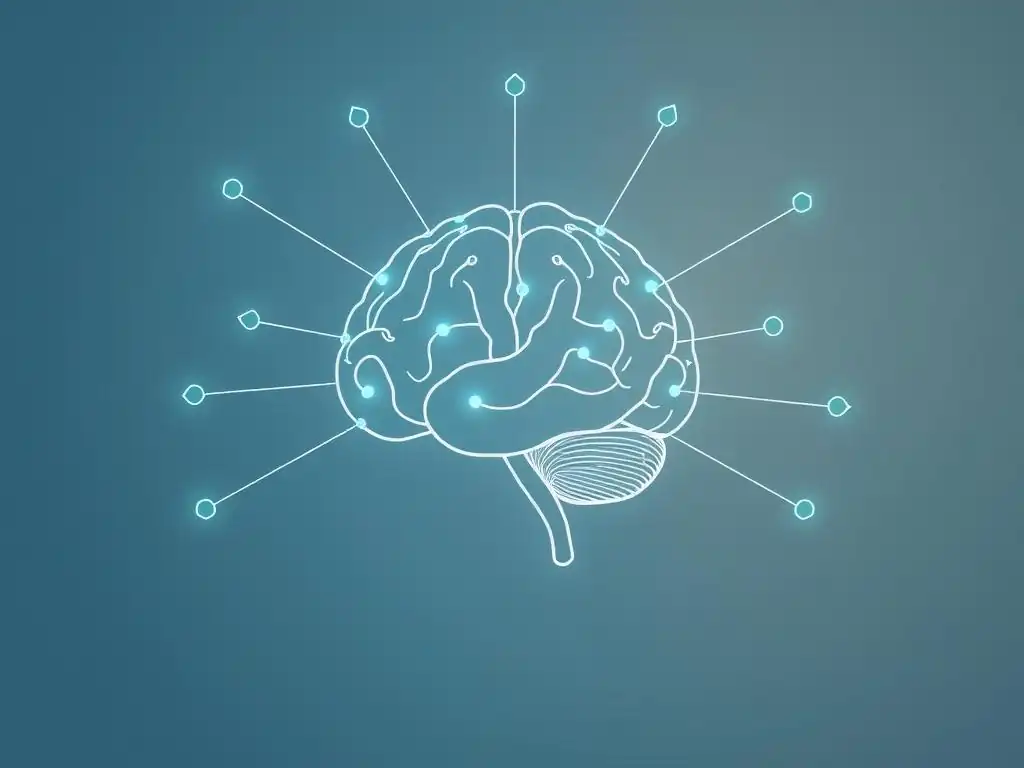
Boosting mental agility often involves enhancing your memory and recall capabilities. This section explores proven techniques to improve your ability to retain and retrieve information efficiently, directly impacting your overall cognitive function. Effective memory strategies aren't about rote memorization; they're about creating meaningful connections and optimizing your brain's natural learning processes. This, in turn, will help you to significantly boost mental agility strategies.
Memory Palace Technique: Visualizing Information for Better Recall
The Memory Palace, also known as the Method of Loci, is a powerful ancient technique for memorizing lists, speeches, or even complex sequences of information. It leverages your brain's spatial memory – its ability to remember locations – to create vivid mental images associated with the information you want to remember.
Imagine a familiar place, like your childhood home or a frequently traveled route. This becomes your "palace." Then, associate each item you need to remember with a specific location within that palace. The more bizarre and memorable the image, the better. For example, if you need to remember a grocery list: imagine a giant cabbage wearing a bowler hat sitting on your front porch (cabbage – first item), a banana peeling itself and swinging from your chandelier (banana – second item), and a carton of milk wrestling a bear in your living room (milk – third item).
The more outlandish the image, the easier it will be to recall. This technique creates strong neural pathways, making retrieval significantly easier. Regular practice strengthens this skill, leading to a noticeable improvement in memory and recall. This is a fantastic way to boost mental agility strategies related to information retention.
Mnemonics and Memory Aids: Utilizing Effective Learning Strategies
Mnemonics are memory aids that use patterns and associations to help you remember information more effectively. They transform abstract information into memorable forms, making retention significantly easier. There are numerous types of mnemonics, each suited to different kinds of information.
- Acronyms: Creating a word from the first letters of a list (e.g., ROY G. BIV for the colors of the rainbow).
- Acrostics: Forming a sentence where the first letter of each word represents an item on a list.
- Rhymes: Creating rhyming phrases to remember facts or figures.
- Chunking: Breaking down large pieces of information into smaller, more manageable chunks.
For example, to remember the order of operations in mathematics (PEMDAS – Parentheses, Exponents, Multiplication and Division, Addition and Subtraction), you could use the mnemonic "Please Excuse My Dear Aunt Sally." This simple phrase makes the order far easier to recall than simply memorizing the acronym. The strategic use of mnemonics is a key component of many boost mental agility strategies.
Spaced Repetition System: Optimizing Information Retention
The Spaced Repetition System (SRS) is a learning technique based on the psychological spacing effect. It involves reviewing information at increasing intervals, optimizing the timing of review sessions to maximize long-term retention. Instead of cramming, SRS strategically schedules reviews to combat the forgetting curve.
Numerous apps and software programs utilize SRS algorithms. These programs track your performance and automatically schedule reviews based on your individual learning patterns. The core principle is simple: review material just before you're likely to forget it. This prevents information from fading from memory, resulting in significantly improved long-term retention. By consistently using SRS, you'll find that your ability to recall information over time dramatically improves, a significant boost to mental agility strategies. This method helps to solidify learning and improve recall, leading to better overall cognitive performance.
Boost Mental Agility Strategies: Fueling Your Brain
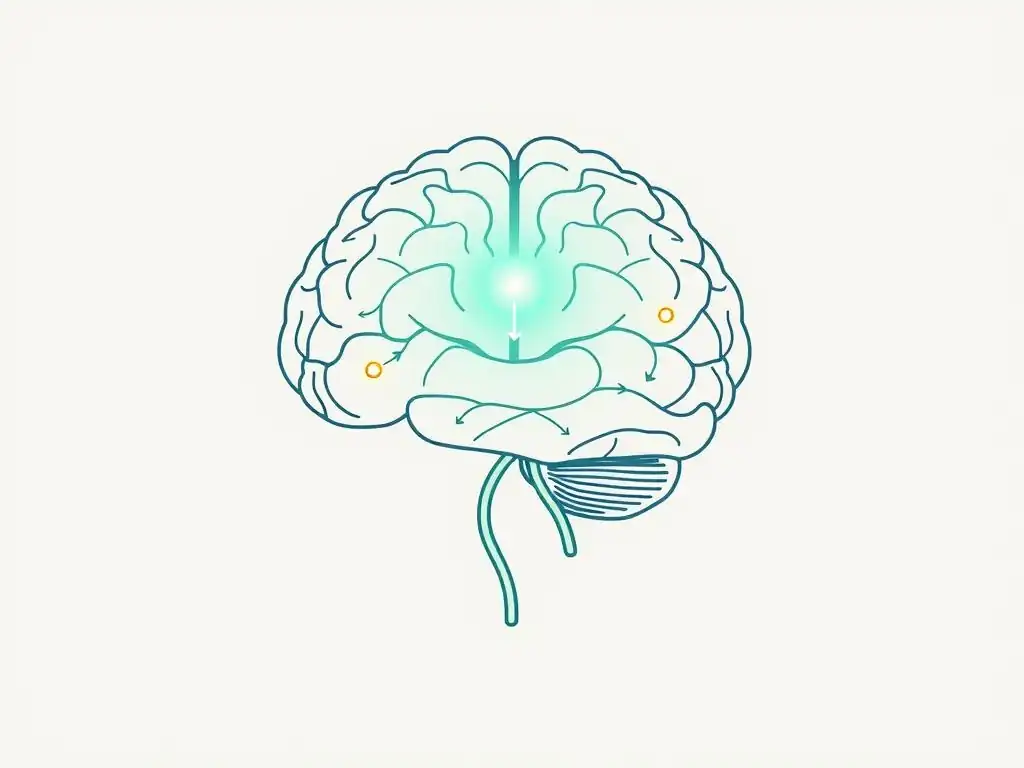
This section delves into practical strategies to boost mental agility, focusing on the crucial role of nutrition and sleep in optimizing cognitive function. We'll explore specific dietary choices and sleep hygiene practices to enhance your brainpower and sharpen your mental edge. Remember, a healthy brain is a sharp brain! Consistent application of these strategies will contribute significantly to your overall cognitive performance and ability to tackle daily challenges with increased efficiency.
The Power of Nutrition: Foods That Enhance Cognitive Function
Nutrition plays a pivotal role in boosting mental agility. The foods we consume directly impact brain health, influencing everything from memory and focus to processing speed and overall cognitive function. Ignoring the nutritional needs of your brain is like neglecting the fuel for a high-performance engine – it simply won't run optimally.
Brain-Boosting Foods: A Comprehensive Guide
A balanced diet rich in specific nutrients is key to maximizing your cognitive potential. Here's a breakdown of brain-boosting foods categorized for easy understanding:
| Food Group | Specific Foods | Key Nutrients & Benefits |
|---|---|---|
| Berries | Blueberries, Strawberries, Raspberries | Rich in antioxidants, protecting brain cells from damage. |
| Fatty Fish | Salmon, Tuna, Mackerel | Excellent source of Omega-3 fatty acids, crucial for brain health. |
| Nuts & Seeds | Almonds, Walnuts, Flax seeds | Packed with Vitamin E, healthy fats, and antioxidants. |
| Dark Leafy Greens | Spinach, Kale, Collard Greens | High in Vitamin K, folate, and antioxidants. |
| Whole Grains | Oats, Brown Rice, Quinoa | Provide sustained energy and essential B vitamins. |
Beyond these, consider incorporating foods rich in choline (like eggs) and antioxidants (like dark chocolate in moderation!). Remember, variety is key; aim for a diverse range of nutrient-rich foods to support optimal brain function.
Hydration and Cognitive Performance: The Importance of Water Intake
Dehydration, even mild, can significantly impair cognitive function. Water is essential for transporting nutrients to the brain and removing waste products. Even slight dehydration can lead to reduced concentration, impaired memory, and decreased mental agility. Aim to drink plenty of water throughout the day to maintain optimal hydration levels and support peak brain performance. Consider keeping a water bottle nearby as a visual reminder to stay hydrated. The recommended daily intake varies based on individual factors, but staying consistently hydrated is paramount for cognitive health.
The Importance of Sleep: Restorative Sleep for Optimal Brain Function
Sleep is not merely a period of inactivity; it's a crucial time for the brain to consolidate memories, clear out toxins, and repair itself. Insufficient or poor-quality sleep directly impacts cognitive function, leading to reduced alertness, impaired decision-making, and decreased mental agility. Prioritizing sleep is non-negotiable for anyone seeking to boost their mental agility.
Sleep Hygiene Practices: Optimizing Your Sleep Schedule
Effective sleep hygiene is crucial for achieving restorative sleep. Here are some key strategies:
- Establish a regular sleep schedule: Go to bed and wake up around the same time each day, even on weekends, to regulate your body's natural sleep-wake cycle.
- Create a relaxing bedtime routine: Wind down an hour or two before bed with calming activities like reading, taking a warm bath, or listening to relaxing music. Avoid screen time close to bedtime.
- Optimize your sleep environment: Ensure your bedroom is dark, quiet, and cool. A comfortable mattress and pillows are also essential.
- Limit caffeine and alcohol before bed: These substances can interfere with sleep quality.
- Get regular exercise: Physical activity can improve sleep quality, but avoid intense workouts close to bedtime.
By implementing these strategies, you can significantly improve your sleep quality and, in turn, dramatically boost your mental agility. Remember, a well-rested brain is a powerful brain! Consistent effort in improving your sleep hygiene will yield significant improvements in your cognitive abilities.
Cultivating Mental Agility Through Physical Exercise

Physical activity isn't just about building muscle and improving cardiovascular health; it's a powerful tool for boosting mental agility and sharpening cognitive function. Regular exercise significantly impacts brain structure and function, leading to demonstrable improvements in memory, focus, and overall cognitive performance. This section explores the multifaceted relationship between physical exercise and mental agility, offering insights into how different types of exercise contribute to cognitive enhancement.
We'll delve into the specific benefits of aerobic exercise and strength training, showcasing their unique contributions to a sharper, more agile mind. Understanding this connection is crucial for anyone seeking to optimize their cognitive capabilities and unlock their full mental potential. The strategies discussed here contribute significantly to overall well-being and offer a natural path towards boosting mental agility strategies.
The Mind-Body Connection: Exercise and Cognitive Enhancement
The link between physical and mental well-being is undeniable. Exercise triggers the release of endorphins, neurochemicals with mood-boosting and stress-reducing effects. Chronic stress is a significant inhibitor of cognitive function, impairing memory consolidation and executive functions. By mitigating stress, exercise creates a more favorable environment for optimal brain function.
Furthermore, exercise promotes neurogenesis—the growth of new brain cells—particularly in the hippocampus, a brain region crucial for learning and memory. Studies have shown that even moderate amounts of regular physical activity can lead to significant improvements in memory recall, attention span, and problem-solving abilities. This highlights the importance of integrating physical activity into a holistic approach to boosting mental agility strategies. For example, a study published in the Journal of Alzheimer's Disease demonstrated a strong correlation between regular exercise and a reduced risk of cognitive decline.
Aerobic Exercise and Brain Health: Benefits of Cardiovascular Activity
Aerobic exercise, which elevates your heart rate and breathing for a sustained period, is particularly effective in boosting mental agility. Activities like running, swimming, cycling, and brisk walking increase blood flow to the brain, delivering essential oxygen and nutrients. This enhanced blood flow supports the efficient functioning of brain cells and improves neuroplasticity—the brain's ability to reorganize itself and form new connections.
Studies have shown that engaging in regular aerobic exercise can lead to improvements in executive functions, such as planning, decision-making, and working memory. The benefits extend beyond immediate cognitive gains; long-term aerobic exercise contributes to the prevention of age-related cognitive decline and reduces the risk of neurodegenerative diseases.
For optimal results, aim for at least 150 minutes of moderate-intensity aerobic activity or 75 minutes of vigorous-intensity aerobic activity per week, spread throughout the week. This commitment to cardiovascular health is a fundamental aspect of any comprehensive strategy to boost mental agility strategies.
Strength Training and Cognitive Function: Building a Stronger Mind and Body
While aerobic exercise is crucial, strength training also plays a vital role in optimizing cognitive function. Strength training, involving activities like weightlifting and resistance exercises, improves blood flow and stimulates the release of growth factors that support brain health. This type of exercise not only strengthens muscles but also enhances cognitive functions like memory and attention.
Furthermore, strength training improves overall physical fitness and reduces the risk of falls, which can lead to traumatic brain injuries and subsequent cognitive impairment. Including strength training in your fitness routine contributes to a more holistic approach to boosting mental agility strategies. A well-rounded exercise program incorporating both aerobic and strength training offers a synergistic effect, maximizing the benefits for both physical and cognitive health.
Remember to consult with a healthcare professional or certified trainer before starting any new exercise program to ensure its suitability for your individual needs and health status. This personalized approach is key to safely and effectively leveraging exercise to boost mental agility strategies.
Boost Mental Agility Strategies: Long-Term Strategies for Sustained Improvement
This section explores long-term strategies crucial for sustained improvement in mental agility. It's not enough to employ quick fixes; consistent effort in these areas will yield significant, lasting benefits. Think of mental agility like physical fitness – it requires ongoing training and maintenance. We'll examine how consistent learning, social engagement, and stress management contribute to a sharper, more agile mind.
Consistent Learning: Engaging in Lifelong Learning Activities
Lifelong learning is paramount for boosting mental agility. It's not just about formal education; it encompasses any activity that challenges your brain and expands your knowledge base. Think of it as a form of mental exercise, strengthening neural pathways and fostering neuroplasticity – the brain's ability to reorganize itself by forming new neural connections throughout life.
Engaging in diverse learning activities is key. This could include:
- Learning a new language: This significantly improves memory, multitasking abilities, and problem-solving skills. Studies have shown that bilingual individuals often outperform monolingual individuals on cognitive tests.
- Playing a musical instrument: Learning music enhances cognitive functions, including memory, attention, and processing speed. The complex coordination required strengthens various brain regions.
- Taking online courses: Platforms offer courses on a vast array of subjects, from coding to cooking, allowing you to explore new interests and challenge yourself intellectually. The act of actively engaging with new information is crucial.
- Reading regularly: Reading expands vocabulary, improves comprehension, and strengthens critical thinking skills. Choose diverse genres to keep your mind engaged and challenged.
- Solving puzzles and brain teasers: Regular engagement with puzzles like Sudoku, crosswords, or jigsaw puzzles helps improve memory, focus, and problem-solving abilities. These activities directly target cognitive functions.
The key is consistency. Even dedicating just 15-30 minutes a day to learning something new can make a significant difference over time. The cumulative effect of these small, consistent efforts will be a noticeable improvement in your mental agility. Think of it as building mental muscle; the more you use it, the stronger it becomes.
Social interaction is not just enjoyable; it's crucial for maintaining cognitive health and boosting mental agility. Engaging in meaningful conversations, participating in group activities, and building strong social connections provide significant cognitive stimulation.
Numerous studies demonstrate a strong correlation between social engagement and improved cognitive function. Isolation, on the other hand, is linked to cognitive decline. This is because social interaction:
- Stimulates the brain: Navigating social situations, understanding nonverbal cues, and engaging in conversations require mental effort, keeping your brain actively engaged.
- Reduces stress: Strong social support networks provide a buffer against stress, which can significantly impair cognitive function. Feeling supported and connected reduces the negative impact of stress hormones on the brain.
- Enhances memory and learning: Sharing experiences and engaging in discussions strengthens memory consolidation and retrieval processes. The act of recalling and communicating information solidifies those memories.
- Promotes creativity and problem-solving: Collaborating with others on projects and engaging in brainstorming sessions sparks creativity and encourages innovative thinking. Diverse perspectives contribute to finding better solutions.
Consider joining a book club, volunteering in your community, or taking a class that involves group interaction. Even regular conversations with friends and family contribute to cognitive stimulation and well-being. Prioritize meaningful connections to reap the cognitive benefits of social engagement. The power of human connection is a potent tool for boosting mental agility.
Stress Management Techniques: Reducing Mental Fatigue and Enhancing Clarity
Chronic stress is a significant impediment to mental agility. Stress hormones impair cognitive function, leading to mental fatigue, reduced focus, and impaired decision-making. Therefore, effective stress management is essential for optimizing mental agility.
Implementing effective stress reduction techniques is crucial. These techniques can include:
- Mindfulness meditation: Regular meditation practice has been shown to improve attention, focus, and emotional regulation, all of which contribute to enhanced mental agility. Even short meditation sessions can yield significant benefits.
- Regular exercise: Physical activity reduces stress hormones, improves mood, and boosts blood flow to the brain, enhancing cognitive function. Aim for at least 30 minutes of moderate-intensity exercise most days of the week.
- Adequate sleep: Sufficient sleep is vital for cognitive restoration and consolidation of memories. Aim for 7-8 hours of quality sleep each night. Poor sleep significantly impairs cognitive performance.
- Healthy diet: A balanced diet rich in fruits, vegetables, and omega-3 fatty acids supports brain health and cognitive function. Nourishing your body fuels your brain.
- Time management techniques: Effective time management reduces feelings of overwhelm and stress, allowing you to focus on tasks with greater clarity and efficiency. Prioritize tasks and break down large projects into smaller, manageable steps.
By proactively managing stress, you create a more conducive environment for optimal cognitive performance. Prioritizing self-care and implementing these strategies contributes significantly to boosting and sustaining your mental agility. Remember that mental well-being is intrinsically linked to mental agility.
Frequently Asked Questions
What exactly is mental agility?
Mental agility refers to your brain's speed and efficiency in processing information, problem-solving, and adapting to new situations. It's about quick thinking, flexibility, and adaptability. Improving it enhances your overall cognitive function.
How can I boost my mental agility using practical life hacks?
UltimateLifeHacks offers many strategies! Try incorporating mindfulness exercises, regular physical activity, and challenging brain games into your routine. These simple changes can significantly improve your mental sharpness.
Are there any quick wins to improve mental agility immediately?
Yes! Engage in short bursts of intense focus, followed by brief rests. Practice deep breathing exercises to reduce stress and improve clarity. These instant techniques can provide a noticeable boost.
Does diet play a role in boosting mental agility?
Absolutely! A balanced diet rich in fruits, vegetables, and omega-3 fatty acids is crucial for brain health. Hydration is also essential for optimal cognitive function. Focus on nutrient-dense foods.
How long does it take to see noticeable improvements in mental agility?
The timeframe varies depending on individual factors and consistency. However, you should start noticing improvements within a few weeks of consistently applying the strategies. Patience and persistence are key.
Final Reflection: Cultivating a Sharper Mind for a Brighter Future
The strategies outlined in this article—from mindful meditation to challenging cognitive exercises—aren't just theoretical; they are vital tools for navigating the complexities of the modern world. In an era defined by rapid technological advancements and constant information overload, the ability to think critically, adapt quickly, and solve problems creatively is no longer a luxury, but a necessity for personal and professional success.
The pursuit of enhanced mental agility is a journey, not a destination, and its impact resonates far beyond individual achievement. It shapes our interactions, influences our decision-making, and ultimately contributes to a more innovative and resilient society. The mind is everything. What you think you become.
– Buddha. This simple yet profound statement underscores the transformative power of consciously cultivating mental sharpness, impacting not only our own lives but also the world around us. The ongoing exploration and refinement of these strategies are crucial for personal growth and societal progress.
Now, consider how you can integrate these proven strategies into your daily life. Start small, perhaps with a daily five-minute meditation session or a weekly brain-training puzzle. Embrace the challenge, celebrate your progress, and remember that every step you take towards enhancing your mental agility is a step towards a more fulfilling and empowered life. The journey to a sharper mind is a rewarding one, and the benefits extend far beyond the individual, enriching both personal and collective experiences.
Unlock Your Mental Potential: Take the Next Step
Thank you for exploring proven strategies to boost your mental agility! We hope you found valuable insights to sharpen your thinking. Now, it's time to put these ideas into practice.
- Start with one new mental exercise: Choose the strategy that resonated most with you and commit to practicing it daily for a week. Even 15 minutes a day can make a significant difference.
- Share your experience: What mental exercise are you most excited to try? Let us know in the comments below – we'd love to hear your plans and support your progress!
- Invite a friend to join you: Encourage a friend or family member to join you on this mental fitness journey. Shared effort can boost motivation and accountability.
What mental challenge will you tackle this week to unlock your full potential?