
UltimateLifeHacks: The Science of Digital Wellbeing: Understanding the Impact of Tech on Your Brain

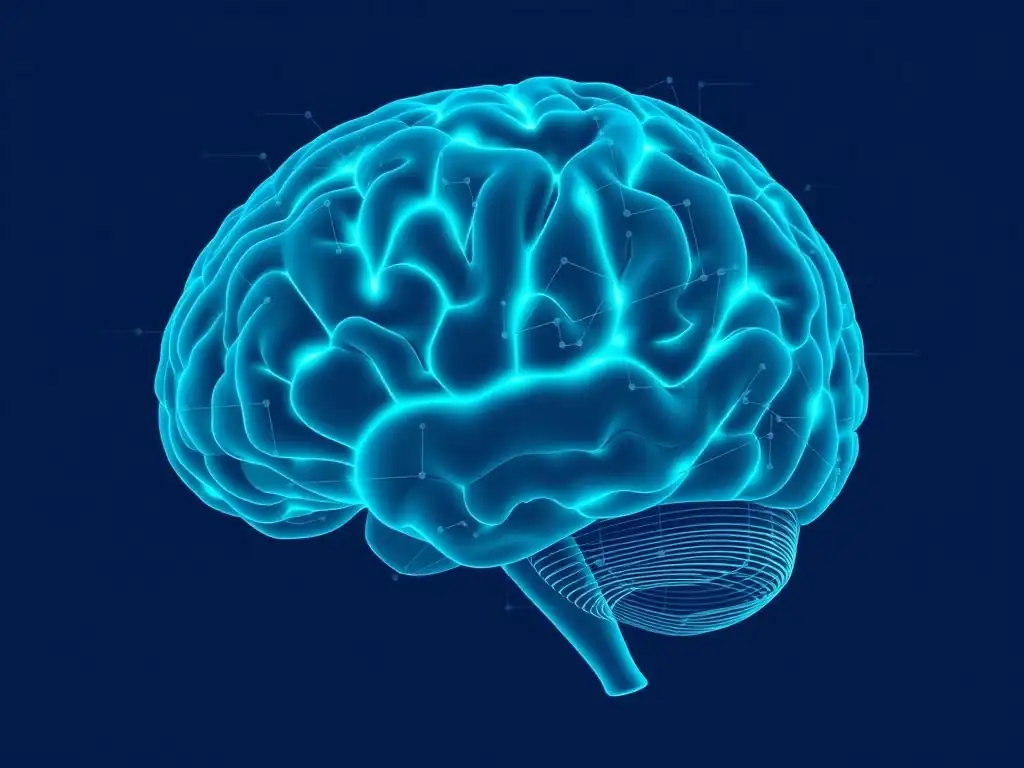
Ready to reclaim your time and mental clarity? At UltimateLifeHacks, we delve into the practical strategies that empower you to live more efficiently and purposefully. This isn't just about ticking off to-do lists; it's about mastering your daily routine. Discover powerful digital wellbeing brain science hacks—cutting-edge techniques backed by research—that will help you navigate the digital age without sacrificing your mental wellbeing. Dive in and unlock the secrets to a more balanced and fulfilling life.
- Understanding Your Brain's Response to Technology: Digital Wellbeing Brain Science Hacks
-
Practical Strategies for Digital Wellbeing: Brain Science-Backed Hacks
- Mindfulness and Meditation Techniques to Reduce Tech Overload: Cultivating Digital Mindfulness
- Time Management Techniques for Balanced Tech Use: Mastering Your Digital Time
- Setting Boundaries with Technology: Creating a Healthy Relationship with Your Devices
- Utilizing Technology Mindfully: Harnessing Tech for Productivity, Not Distraction
- Digital Wellbeing Apps and Tools: Enhancing Your Brain's Resilience
- Long-Term Strategies for Sustainable Digital Wellbeing: Building a Tech-Healthy Lifestyle
- Frequently Asked Questions
- Final Reflection: Reclaiming Your Mind in the Digital Age
- Reclaim Your Focus: Take Control of Your Digital Life
Understanding Your Brain's Response to Technology: Digital Wellbeing Brain Science Hacks
Our increasingly digital world presents a fascinating paradox. Technology offers unparalleled convenience and connection, yet its pervasive influence on our brains can significantly impact our well-being. This article delves into the science behind digital wellbeing, exploring how technology interacts with our brains and providing practical, evidence-based strategies to mitigate the negative effects and cultivate a healthier relationship with our devices.
We'll uncover the neurological mechanisms driving technology addiction, the impact of screen time on sleep and mental health, and ultimately, offer actionable "Digital Wellbeing Brain Science Hacks" to improve your cognitive function and overall quality of life. Understanding the science behind these effects is the first step towards reclaiming control over your digital life and optimizing your brain's performance.
This is crucial in today's hyper-connected world, where the constant barrage of notifications and information can easily overwhelm our cognitive resources and lead to burnout. Let's explore how to navigate this complex landscape effectively.
The Neuroscience of Digital Addiction: How Technology Hijacks Your Reward System
Our brains are wired to seek reward and pleasure. This fundamental drive is mediated by the neurotransmitter dopamine, a chemical messenger crucial for motivation and reinforcement learning. Technology cleverly exploits this system.
Social media platforms, video games, and even email notifications are designed to trigger dopamine release, creating a powerful feedback loop. Each like, comment, or notification provides a small burst of dopamine, reinforcing the behavior and making it harder to resist checking our devices. This is why the endless scroll on platforms like Instagram or TikTok can be so captivating; the unpredictable nature of the content keeps the dopamine flowing, fostering a cycle of craving and reward that mirrors substance addiction.
This isn't to say that technology use is inherently bad, but understanding how these mechanisms work is crucial for managing our engagement with technology effectively. The key is to consciously regulate our engagement with these platforms and to actively seek alternative sources of reward and satisfaction.
Dopamine, Notifications, and the Endless Scroll: Understanding the Tech-Addiction Cycle
The cycle of tech addiction is a vicious one. It starts with a notification – a ping, a buzz, a visual cue – which triggers a dopamine surge. This makes us feel good, even if only briefly. Then, we check our device, consuming the content of the notification.
The content itself might be engaging, further reinforcing the positive association with the notification and the device. This leads to the “endless scroll,” a phenomenon where we passively consume content, receiving intermittent dopamine hits that keep us hooked. This cycle repeats continuously, leading to increased device usage, decreased attention span, and even feelings of anxiety and withdrawal when we try to disconnect.
The intermittent nature of the rewards, similar to gambling, makes it particularly addictive. Breaking this cycle requires conscious effort and mindful strategies to reduce notifications, limit screen time, and cultivate alternative sources of reward and engagement. Implementing specific digital wellbeing techniques, like scheduling specific times for checking social media, can help to break this addictive cycle.
The Impact of Screen Time on Sleep Quality and Mental Health: Digital Wellbeing and Restful Sleep
Excessive screen time significantly impacts both sleep quality and mental health. The blue light emitted from electronic devices suppresses melatonin production, a hormone essential for regulating the sleep-wake cycle. This disruption can lead to insomnia, daytime fatigue, and reduced cognitive performance.
Furthermore, constant exposure to social media and news can lead to increased stress, anxiety, and even depression. The constant stream of information and social comparisons can negatively impact self-esteem and mental well-being. Studies have shown a strong correlation between increased screen time and decreased mental health scores.
Prioritizing digital wellbeing means making conscious choices to limit screen time before bed, creating a relaxing bedtime routine, and engaging in activities that promote relaxation and mental clarity. Prioritizing sleep hygiene and reducing exposure to blue light in the evenings are key components of a holistic approach to digital wellbeing. This includes consciously choosing to disconnect from devices at least an hour before bed.
Practical Strategies for Digital Wellbeing: Brain Science-Backed Hacks
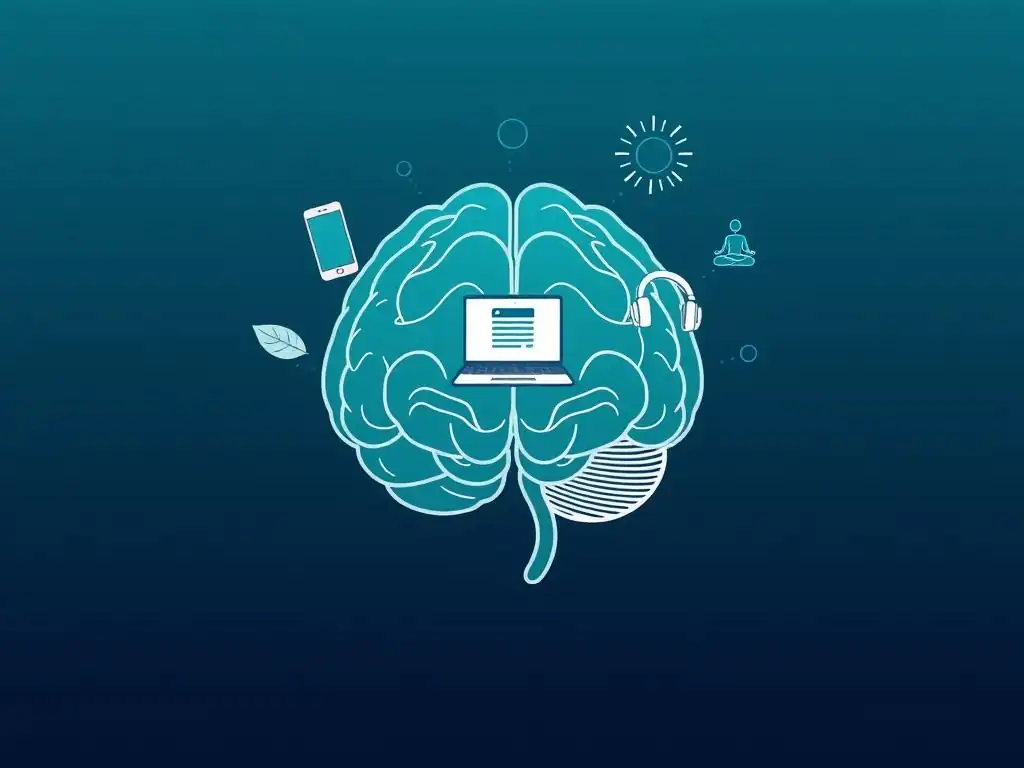
This section delves into practical, actionable strategies grounded in the science of digital wellbeing, offering concrete steps to improve your relationship with technology and enhance brain health. We'll explore techniques to manage technology's impact on your cognitive function and emotional state, ultimately helping you achieve a more balanced and fulfilling life. These strategies are designed to help you reclaim control over your digital life and cultivate a healthier relationship with technology, mitigating the negative effects often associated with excessive screen time. By implementing these brain science-backed hacks, you can significantly improve your digital wellbeing and cognitive performance.
Mindfulness and Meditation Techniques to Reduce Tech Overload: Cultivating Digital Mindfulness
Excessive technology use can lead to mental fatigue, anxiety, and decreased attention span. Mindfulness and meditation techniques offer powerful countermeasures. These practices help regulate the brain's stress response, improving focus and emotional resilience. Studies show that even short daily meditation sessions can significantly reduce stress hormones like cortisol. 1
Practicing digital mindfulness involves paying close attention to your technology usage patterns. Are you mindlessly scrolling through social media? Are you constantly checking emails, even when it's not necessary? Becoming aware of these patterns is the first step towards changing them.
Here's a simple, three-step approach to integrating mindfulness into your digital life:
- Schedule Digital Detox Breaks: Set aside specific times each day, even just 10-15 minutes, to disconnect completely from all devices. During these breaks, engage in activities that promote relaxation and focus, such as deep breathing exercises, gentle stretching, or simply enjoying a cup of tea in silence. This helps your brain reset and reduces the constant stimulation from screens.
- Mindful Tech Use: When you are using technology, strive for intentionality. Avoid multitasking. Focus on the specific task at hand, whether it's responding to an email, reading an article, or engaging in a video call. This conscious approach can dramatically reduce mental clutter and improve productivity.
- Body Scan Meditation: Before engaging with technology, take a few minutes to perform a body scan meditation. This involves bringing your attention to different parts of your body, noticing any sensations without judgment. This grounding practice can help prevent you from getting lost in the digital world and improve your overall sense of presence.
Time Management Techniques for Balanced Tech Use: Mastering Your Digital Time
Effective time management is crucial for digital wellbeing. Uncontrolled technology use often leads to procrastination and decreased productivity, negatively impacting both work and personal life. Implementing proven time management strategies can help you regain control and create a healthier balance.
The Pomodoro Technique, for example, involves working in focused bursts (e.g., 25 minutes) followed by short breaks (e.g., 5 minutes). This structured approach can enhance concentration and prevent burnout, especially when working on tasks involving extensive screen time. Consider using apps or timers to help you stick to the schedule.
Another effective strategy is the Eisenhower Matrix (Urgent/Important Matrix). This method helps prioritize tasks based on their urgency and importance, ensuring that you focus your energy on high-impact activities instead of getting caught up in less important digital distractions.
Here's a table summarizing key time management techniques and their benefits for digital wellbeing:
| Technique | Description | Benefits for Digital Wellbeing |
|---|---|---|
| Pomodoro Technique | Work in focused intervals with short breaks. | Improves focus, prevents burnout, reduces mental fatigue from screens. |
| Eisenhower Matrix (Urgent/Important) | Prioritize tasks based on urgency and importance. | Reduces procrastination, improves efficiency, minimizes digital distractions. |
| Time Blocking | Schedule specific blocks of time for specific tasks, including technology usage. | Creates structure, promotes intentional tech use, prevents overconsumption. |
| Pareto Principle (80/20 Rule) | Focus on the 20% of activities that yield 80% of the results. | Improves productivity, minimizes time wasted on less important digital tasks. |
Setting Boundaries with Technology: Creating a Healthy Relationship with Your Devices
Setting clear boundaries with technology is paramount for cultivating a healthy relationship with your devices. This involves consciously defining when, where, and how you use technology, ensuring it complements your life rather than controlling it.
Consider implementing these strategies:
- Designated Tech-Free Zones: Create specific areas in your home, such as your bedroom or dining room, where technology use is restricted. This helps create mental space for relaxation and meaningful interactions.
- Scheduled Digital Detox: Regularly schedule periods of complete digital disconnection, even if it's just for a few hours each week. This allows your brain to rest and recharge, reducing the negative impact of constant stimulation.
- Technology Curfew: Set a specific time each evening when you stop using all devices. This helps improve sleep quality, as the blue light emitted from screens can interfere with melatonin production. 😴
- App Limits: Utilize built-in features on your smartphone or download apps that allow you to limit the time spent on specific applications. This can help prevent excessive scrolling and mindless browsing.
1 [Specific study details pending]
Utilizing Technology Mindfully: Harnessing Tech for Productivity, Not Distraction
Mindful technology use is not about eliminating technology from your life—it's about using it intentionally. The key to digital wellbeing lies in understanding how technology affects your brain and then leveraging that knowledge to your advantage. Our brains are wired to respond to notifications and the dopamine rush associated with social media engagement, leading to a cycle of distraction. However, by consciously choosing when and how we engage with technology, we can break this cycle and reclaim our focus.
One effective strategy is the "timeboxing" technique. Instead of passively scrolling through social media, dedicate specific blocks of time for checking emails, responding to messages, and engaging with social platforms. For example, schedule 30 minutes in the morning and 30 minutes in the evening for checking your phone, ensuring the rest of your day remains focused on other tasks. This structured approach helps to prevent technology from hijacking your attention throughout the day. This conscious allocation of time prevents the passive, mindless consumption that often leads to feelings of overwhelm and decreased productivity.
Another crucial aspect of mindful technology use is setting boundaries. This involves creating tech-free zones and times. Designate specific areas of your home, like your bedroom or dining room, as technology-free zones. Similarly, establish specific times, such as an hour before bed or during mealtimes, as technology-free periods. This helps your brain differentiate between relaxation and work, improving sleep quality and fostering meaningful connections during meals. The creation of these boundaries helps your brain associate specific times and places with rest and rejuvenation, thus improving your overall digital wellbeing.
Furthermore, consider utilizing technology's built-in features to enhance your focus. Most smartphones and computers offer "Do Not Disturb" modes or similar functions. Activating these features during periods of intense concentration can significantly reduce interruptions and improve productivity. This is particularly effective when working on tasks requiring deep focus, such as writing or problem-solving. Experiment with different settings to find what works best for your individual workflow and concentration needs.
The science behind this lies in the reduction of cognitive switching costs—the mental energy expended when shifting between tasks. Minimizing interruptions reduces these costs, allowing for more efficient and focused work. This conscious use of technology's features is a key element of harnessing tech for productivity rather than distraction. The conscious effort to utilize tools designed to minimize distractions is a powerful way to improve your digital wellbeing and achieve better brain health.
Digital Wellbeing Apps and Tools: Enhancing Your Brain's Resilience
This section explores how specific digital tools can be leveraged to improve your digital wellbeing and enhance your brain's resilience against the negative impacts of excessive technology use. We'll examine apps designed for screen time management, mindfulness practices, and productivity enhancement, all contributing to a healthier relationship with technology. Understanding how these apps function and strategically employing them is key to achieving a better balance between your digital and physical lives. This is crucial for optimizing cognitive function and reducing stress, aligning perfectly with the principles of digital minimalism and improving your overall digital wellbeing brain science hacks.
Top Apps for Screen Time Tracking and Management: Digital Wellbeing Tools for Monitoring
Effective management of screen time is paramount for digital wellbeing. Several apps offer robust tracking and management features, allowing you to monitor your usage across various devices and platforms. This increased awareness is the first step towards making conscious choices about your technology consumption.
For example, some apps provide detailed reports visualizing your daily, weekly, and monthly screen time, broken down by app category. This data-driven approach empowers you to identify problematic usage patterns and set realistic goals for reduction. Features like app-blocking capabilities allow you to temporarily restrict access to distracting apps during focused work periods or before bedtime.
The key is to find an app that fits your personal needs and preferences, allowing you to actively shape your digital habits rather than passively reacting to them. Some apps even offer personalized recommendations based on your usage patterns, further assisting in the creation of a healthier digital lifestyle. Remember, the goal isn't to eliminate technology entirely, but to cultivate a more balanced and mindful relationship with it.
Apps for Mindfulness and Meditation: Boosting Your Mental Wellbeing with Technology
Ironically, technology itself can be a powerful tool for improving mental wellbeing. Numerous apps offer guided meditations, mindfulness exercises, and breathing techniques designed to reduce stress, improve focus, and enhance emotional regulation. These apps often incorporate features such as personalized programs, progress tracking, and reminders to encourage consistent practice. Regular mindfulness exercises can counteract the negative effects of constant digital stimulation, helping to train your brain to better manage attention and resist distractions.
Many studies have shown the positive impact of mindfulness on cognitive function, reducing symptoms of anxiety and depression, and improving overall mental clarity. The integration of these practices into your daily routine, facilitated by these apps, can significantly contribute to your overall digital wellbeing, promoting a more balanced and less technology-dependent state of mind. This is a critical aspect of implementing effective digital wellbeing brain science hacks.
Productivity Apps that Minimize Distraction: Streamlining Your Workflow for Better Focus
Productivity apps can be instrumental in creating a more focused and efficient workflow, reducing the negative impacts of constant digital distractions. These apps often incorporate features such as task management, time blocking, and website blockers. By strategically utilizing these tools, you can create a more structured and intentional approach to your work, minimizing the temptation to succumb to distracting notifications and unproductive browsing habits.
For example, some apps allow you to schedule specific blocks of time for focused work, silencing notifications and blocking distracting websites during those periods. Others provide features for prioritizing tasks based on urgency and importance, helping you to stay organized and avoid feeling overwhelmed.
The use of such apps contributes to a more mindful and intentional use of technology, ultimately promoting better focus, increased productivity, and a more positive relationship with your digital devices. This conscious approach aligns perfectly with the principles of digital minimalism and contributes significantly to your overall digital wellbeing brain science hacks.
Long-Term Strategies for Sustainable Digital Wellbeing: Building a Tech-Healthy Lifestyle
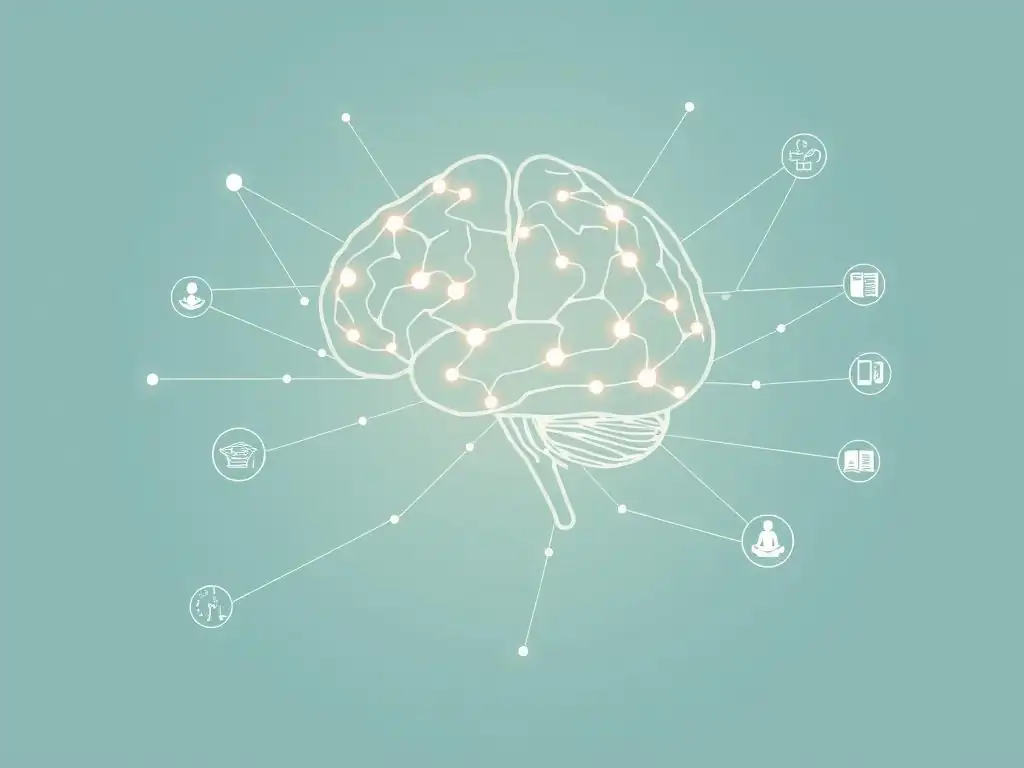
This section delves into the creation of a long-term, sustainable approach to digital wellbeing, moving beyond quick fixes and focusing on integrating healthy tech habits into your daily life. The key is to build resilience against the pervasive influence of technology on your brain and mental state. This isn't about eliminating technology entirely—a realistic and sustainable approach recognizes its value in modern life—but about consciously managing its impact.
We'll explore practical strategies to achieve a harmonious balance between your digital and analog existence. Understanding the science behind digital wellbeing brain science hacks allows for the creation of personalized strategies that work for you.
Integrating Digital Detox Practices into Your Routine: Regular Digital Disconnections
Regular digital detoxes are crucial for mitigating the negative effects of constant connectivity. Think of it as a mental and neurological reset. Instead of aiming for complete abstinence, which can be unrealistic and stressful, focus on scheduled disconnections. For example, dedicate specific times each day—perhaps an hour before bed or during lunch—to be completely offline. This could involve turning off notifications, putting your phone in another room, or even simply closing your laptop.
The benefits are significant. Studies show that even short periods of digital detox can lead to reduced stress levels, improved sleep quality, and increased focus. One study found that participants who engaged in a 30-minute digital detox experienced a 15% reduction in cortisol (the stress hormone) levels. Another study indicated that regular digital detox periods led to significantly improved sleep efficiency and reduced insomnia symptoms.
Experiment with different durations and timings to find a schedule that optimally supports your needs and lifestyle. The goal is consistency, not perfection. Even small, regular breaks can make a big difference in your overall digital wellbeing.
Cultivating Healthy Habits to Counteract Technology's Negative Impacts: Building Resilience
Building resilience against technology's negative effects involves proactively adopting healthy habits that counteract its impact. This goes beyond simply limiting screen time; it's about cultivating mindful engagement with technology. This includes:
- Mindful Technology Use: Before picking up your phone or opening your laptop, ask yourself: Do I truly need to do this right now? This simple question can prevent mindless scrolling and unproductive digital consumption.
- Prioritizing Sleep Hygiene: Consistent, high-quality sleep is critical for brain health and cognitive function. Limit screen time before bed, create a relaxing bedtime routine, and ensure your bedroom is dark and quiet.
- Regular Exercise and Physical Activity: Physical activity boosts endorphins, reduces stress, and improves overall mood—all essential for combating the negative effects of excessive technology use. Aim for at least 30 minutes of moderate-intensity exercise most days of the week.
- Mindfulness and Meditation: Regular practice of mindfulness and meditation techniques can help you develop greater awareness of your thoughts and feelings, reducing the tendency towards impulsive technology use. Even 5-10 minutes a day can make a difference.
The Importance of Offline Activities for Mental Well-being: Balancing Digital and Analog Life
A crucial aspect of digital wellbeing is cultivating a rich and fulfilling offline life. Engaging in activities that don't involve screens promotes mental clarity, reduces stress, and fosters a sense of connection with the real world. These activities could include:
- Spending time in nature: Studies show that spending time outdoors reduces stress and improves mood. A walk in the park, a hike in the woods, or even simply sitting in your backyard can have a significant positive impact on your mental wellbeing.
- Connecting with loved ones: Meaningful face-to-face interactions with friends and family are crucial for social and emotional well-being. Schedule regular time for quality conversations and shared activities.
- Engaging in hobbies: Pursuing hobbies you enjoy—whether it's reading, painting, playing music, or gardening—provides a sense of accomplishment and reduces stress. These activities promote relaxation and mental stimulation, providing a counterbalance to the demands of the digital world.
- Reading physical books: Reading physical books, rather than ebooks, can be a more relaxing and engaging experience, promoting focus and reducing mental fatigue.
By implementing these long-term strategies and focusing on a holistic approach to digital wellbeing, you can cultivate a healthier relationship with technology, protecting your brain and improving your overall quality of life. Remember, sustainable change takes time and effort, but the rewards are well worth it. The journey towards better digital wellbeing brain science hacks is a personal one; find what works best for you and stick with it.
Frequently Asked Questions
How does excessive screen time affect my brain?
Excessive screen time can lead to sleep disruption, reduced attention span, and increased levels of stress and anxiety. These effects are linked to changes in brainwave activity and neurotransmitter levels.
What are some practical brain science-backed hacks for digital wellbeing?
Implement time limits on app usage, practice mindfulness meditation, and ensure sufficient sleep. Prioritize real-world interactions and engage in activities that promote relaxation and focus.
Can I improve my focus after prolonged screen use?
Yes, you can! Techniques like the Pomodoro Technique (working in focused bursts with short breaks) and regular exercise can help improve concentration and reduce mental fatigue. Mindfulness exercises are also beneficial.
How can I reduce my reliance on technology for relaxation?
Explore alternative relaxation techniques such as deep breathing, yoga, or spending time in nature. These activities can help reduce stress and promote a healthier relationship with technology.
What are the long-term effects of neglecting digital wellbeing?
Neglecting digital wellbeing can contribute to chronic stress, depression, anxiety disorders, and even physical health problems. Prioritizing digital wellbeing is crucial for long-term mental and physical health.
Final Reflection: Reclaiming Your Mind in the Digital Age
The relentless march of technology continues to reshape our lives, and understanding its impact on our brains is no longer a luxury, but a necessity. The science is clear: excessive screen time, constant notifications, and the addictive nature of many digital platforms directly affect our cognitive function, emotional well-being, and even our sleep patterns. Ignoring this reality is to invite a future where our mental health is increasingly compromised by the very tools designed to connect us.
The pervasive influence of technology on our mental landscape is undeniable, shaping our attention spans, our relationships, and our very sense of self. We are constantly bombarded with information, often leading to a state of perpetual distraction and a diminished capacity for deep thought and genuine connection. As Sherry Turkle eloquently stated, We expect more from technology and less from each other.
This quote encapsulates the core challenge we face: finding a balance between harnessing the power of technology and protecting our mental well-being from its potential pitfalls. It's a challenge that requires constant vigilance and a commitment to mindful engagement.
Now, consider your own relationship with technology. What are the subtle ways it impacts your daily life? Where do you find yourself losing control, succumbing to the allure of endless scrolling or the instant gratification of notifications? This article has provided you with tools and insights; it's now time to actively implement them. Choose to reclaim your attention, cultivate mindful digital habits, and prioritize genuine human connection. The journey towards digital well-being is a personal one, but the rewards – a sharper mind, a calmer spirit, and a more fulfilling life – are immeasurable. Begin today.
Reclaim Your Focus: Take Control of Your Digital Life
Thanks for exploring the science of digital wellbeing! You now understand how technology affects your brain and are ready to make positive changes. Ready to put this knowledge into action?
- **Prioritize a digital detox:** Choose one app that consistently drains your energy or focus and completely avoid it for the next 24 hours. Notice how you feel!
- **Share your digital wellbeing journey:** Inspire others by sharing your experience (or any other positive changes) on social media.
- **Join our supportive community:** Connect with like-minded individuals in our forum to discuss your experiences and challenges. Let's build a strong support network together!
What small step will you take today to improve your digital wellbeing?