
The Intriguing Future of Finance: Why Beginners Should Consider Crypto


Ready to unlock a world of unbelievable time-saving strategies and productivity boosts? Welcome to UltimateLifeHacks, your one-stop shop for optimizing your daily life. But we're not just about mundane efficiency; we're exploring the intersection of practical life improvements and groundbreaking technology. Intrigued by the potential of crypto investing, but unsure where to start? Our latest article, "The Intriguing Future of Finance: Why Beginners Should Consider Crypto," dives into the basics, making this exciting new world accessible to everyone. Discover how to navigate the crypto landscape and unlock new financial possibilities – let's get started!
- Understanding Crypto Investing for Beginners: A Simple Introduction
- Getting Started with Crypto Investing: A Step-by-Step Guide
- Navigating the Risks and Rewards of Crypto Investing for Beginners
-
Beginner-Friendly Resources for Crypto Investment Success
- Top Educational Platforms for Crypto Investing: Online Courses and Tutorials (e.g., Coursera, Udemy courses on blockchain and crypto)
- Reliable News Sources for Crypto Market Updates: Staying Informed
- Community Support and Forums: Connecting with Other Crypto Investors (e.g., Reddit's r/CryptoCurrency)
- Long-Term Strategies for Crypto Investing Success
- Ethical Considerations in Crypto Investing
- Conclusion: Embracing the Future of Finance with Crypto
-
Frequently Asked Questions
- What is cryptocurrency, and why should beginners consider investing?
- How risky is crypto investing compared to traditional investments?
- What are some of the best ways for beginners to get started with crypto investing?
- Are there any specific cryptocurrencies beginners should focus on?
- What are the potential downsides of crypto investing?
- Final Reflection: Embracing the Crypto Frontier
- Unlock Your Financial Future: Start Your Crypto Journey Today!
Understanding Crypto Investing for Beginners: A Simple Introduction
The world of finance is evolving at an unprecedented pace, and for beginners, navigating this landscape can feel overwhelming. Traditional investment methods, while established, often come with high barriers to entry, complex processes, and significant fees. This is where cryptocurrency, often perceived as mysterious and complex, presents a compelling alternative.
This article serves as a foundational guide to crypto investing for beginners, demystifying the core concepts and outlining the potential benefits – and risks – involved. We'll explore the fundamentals of cryptocurrencies, delve into popular options like Bitcoin and Ethereum, and explain the underlying technology, blockchain, in simple terms. Ultimately, we aim to empower you with the knowledge needed to make informed decisions about whether or not crypto investing aligns with your financial goals and risk tolerance.
Remember, while the potential rewards are significant, careful research and a measured approach are crucial. This isn't a get-rich-quick scheme; rather, it's an opportunity to participate in a rapidly developing asset class.
Demystifying Cryptocurrency: What is it and how does it work?
Cryptocurrency, at its core, is a digital or virtual currency designed to work as a medium of exchange. Unlike traditional currencies issued and controlled by central banks, cryptocurrencies utilize cryptography for security and operate on a decentralized network, typically a blockchain. This decentralization means no single entity controls it, making it resistant to censorship and potentially less susceptible to government manipulation.
Transactions are recorded on a public ledger, ensuring transparency and immutability. The value of a cryptocurrency fluctuates based on supply and demand, influenced by factors such as adoption rates, technological advancements, regulatory changes, and market sentiment. Understanding these dynamics is crucial for navigating the crypto market effectively.
Many cryptocurrencies operate using a proof-of-work or proof-of-stake consensus mechanism to validate transactions and add new blocks to the blockchain. These mechanisms are designed to secure the network and prevent fraudulent activities. The technical intricacies can be complex, but the fundamental principle is simple: cryptocurrency offers a new way to exchange value digitally, securely, and transparently.
Bitcoin, Ethereum, and Beyond: Exploring Popular Cryptocurrencies
The cryptocurrency landscape is vast and diverse, with thousands of different cryptocurrencies available. However, some stand out due to their market capitalization, adoption, and technological innovation. Bitcoin (BTC), often called the "digital gold," is the oldest and most well-known cryptocurrency. Its scarcity and established track record make it a popular choice for investors seeking a relatively stable, albeit volatile, store of value.
Ethereum (ETH), on the other hand, is a platform that enables the creation of decentralized applications (dApps) and smart contracts, offering a broader range of functionalities beyond simple transactions. It’s not just about the currency itself; it's about the underlying technology and its potential applications. Beyond Bitcoin and Ethereum, a multitude of other cryptocurrencies, known as altcoins, exist, each with its unique features, use cases, and potential.
Some focus on privacy, others on scalability, and still others on specific applications within various industries. Researching these alternatives is essential to diversify your portfolio and potentially identify promising investment opportunities. Remember to always thoroughly investigate any cryptocurrency before investing.
The Basics of Blockchain Technology: A Beginner's Guide
Blockchain technology underpins the functionality of most cryptocurrencies. Imagine a digital ledger that is shared publicly and distributed across numerous computers. Each transaction is recorded as a "block" and added to this chain in chronological order. This chain is secured using cryptographic techniques, making it virtually impossible to alter past transactions.
The decentralized nature of the blockchain means no single entity controls the data, enhancing its security and transparency. This technology has far-reaching implications beyond cryptocurrency, with potential applications in various sectors, including supply chain management, healthcare, and voting systems. Understanding the fundamentals of blockchain is crucial for grasping the core principles of cryptocurrency and its potential impact on the future of finance. The immutability and transparency offered by blockchain provide a level of trust and security not always present in traditional systems, making it a game-changer in many aspects of information management and transaction processing.
Getting Started with Crypto Investing: A Step-by-Step Guide

This section provides a practical, beginner-friendly guide to navigating the world of crypto investing. We'll demystify the process, offering actionable steps to help you confidently take your first steps into this exciting and potentially lucrative asset class. Remember, crypto investing for beginners requires careful planning and research. This guide aims to equip you with the foundational knowledge you need to make informed decisions.
Setting up a Cryptocurrency Wallet: Choosing the Right Platform (e.g., Coinbase, Kraken)
Choosing the right cryptocurrency wallet is crucial for securing your digital assets. Think of it as your digital bank account, but for cryptocurrencies. There are two main types: software wallets (accessible via apps or websites) and hardware wallets (physical devices).
For beginners, software wallets often provide a more user-friendly experience. Popular options include Coinbase and Kraken, known for their robust security features and intuitive interfaces. However, it's essential to understand the inherent risks associated with software wallets, as they are vulnerable to hacking if not properly secured. Strong passwords, two-factor authentication (2FA), and regular software updates are paramount.
Consider these factors when selecting a platform:
| Feature | Coinbase | Kraken |
|---|---|---|
| User-Friendliness | Excellent, beginner-friendly interface | Slightly steeper learning curve |
| Security | Strong, with multiple security measures | Strong, with multiple security measures |
| Fees | Competitive, varies by transaction type | Competitive, varies by transaction type |
| Supported Cryptos | Wide range of popular cryptocurrencies | Wide range of popular cryptocurrencies |
| Customer Support | Generally responsive and helpful | Generally responsive and helpful |
Remember to thoroughly research any platform before entrusting your funds. Read reviews, check security protocols, and understand their fee structures. Don't rush the process; choosing the right platform is a foundational step in your crypto investing journey.
Buying Your First Cryptocurrency: A Practical Tutorial with Examples
Once you've set up your wallet, you're ready to buy your first cryptocurrency. Let's use Bitcoin (BTC) as an example, as it's the most established and widely recognized cryptocurrency.
- Choose Your Exchange: Select a reputable exchange (like the ones mentioned above) that supports Bitcoin trading.
- Fund Your Account: You'll need to link a bank account or credit/debit card to your exchange account to deposit funds.
- Place Your Order: Most exchanges offer different order types. For beginners, a "market order" is simplest; it buys Bitcoin at the current market price. You specify the amount of fiat currency (e.g., USD) you want to spend, and the exchange automatically calculates the amount of Bitcoin you'll receive.
- Confirm the Transaction: Carefully review the transaction details before confirming. Double-check the amount and the recipient address (your wallet address).
- Monitor Your Investment: After purchasing, track your Bitcoin's value using the exchange's interface or a dedicated crypto tracking app.
Let's say you decide to invest $100. If the current Bitcoin price is $25,000 per BTC, you'll receive approximately 0.004 BTC (100/25000 = 0.004). Remember that cryptocurrency prices are highly volatile, so your investment's value can fluctuate significantly.
Securely Storing Your Crypto Assets: Hardware Wallets vs. Software Wallets (e.g., Ledger Nano S, Trezor)
While software wallets offer convenience, hardware wallets provide a significantly higher level of security. Hardware wallets are physical devices that store your private keys offline, making them virtually immune to online hacking attempts. Popular options include Ledger Nano S and Trezor.
Think of it this way: your software wallet is like keeping your cash in your pocket, while a hardware wallet is like keeping it in a secure, impenetrable vault. For larger investments or long-term holding, a hardware wallet is a wise choice. The initial investment in a hardware wallet is a small price to pay for the peace of mind it offers. The extra security provided by a hardware wallet significantly mitigates the risk of losing your crypto assets to theft or malicious software.
This is especially crucial as your crypto portfolio grows. Investing in a reputable hardware wallet is a smart decision for anyone serious about crypto investing for beginners and beyond. 🤑
Cryptocurrency investing presents a unique blend of potential high rewards and significant risks. For beginners, understanding this duality is crucial before diving in. While the potential for substantial returns is a major draw, the inherent volatility of the market demands a cautious and informed approach. Ignoring this inherent risk can lead to significant financial losses.
This section will delve into strategies to mitigate risk and maximize potential gains, specifically tailored for those new to the world of crypto. Remember, responsible crypto investing for beginners starts with education and a realistic understanding of the market's unpredictable nature. The rewards are potentially immense, but only with careful planning and execution.
Understanding Volatility: Managing Risk in the Crypto Market
The cryptocurrency market is famously volatile. Price swings of 10% or more in a single day are not uncommon. This volatility stems from several factors, including regulatory uncertainty, market sentiment, technological developments, and even social media trends. For beginners, this volatility can be particularly daunting. However, understanding its nature and implementing risk management strategies is key.
One effective method is to avoid investing more than you can afford to lose. This seemingly simple rule is often overlooked. Beginners should start with small investments, gradually increasing their exposure as they gain experience and confidence. Another crucial strategy is dollar-cost averaging (DCA). DCA involves investing a fixed amount of money at regular intervals, regardless of price fluctuations. This helps to mitigate the risk of investing a large sum at a market peak. Consider setting aside a small amount each week or month to invest consistently.
Furthermore, staying informed about market trends and news is paramount. Following reputable news sources and analyzing market data can help you make more informed decisions and potentially avoid significant losses during periods of high volatility. Remember, patience is a virtue in crypto investing. Avoid impulsive decisions based on short-term price movements. Focus on long-term strategies and ride out the inevitable market fluctuations. The emotional roller coaster of crypto trading can be intense; develop a strong mental strategy to manage your emotions.
Diversification Strategies for Beginners: Spreading Your Investments
Diversification is a cornerstone of any successful investment strategy, and crypto investing is no exception. Putting all your eggs in one basket, even a seemingly promising cryptocurrency, is a risky proposition. For beginners, diversification provides a crucial buffer against market downturns. Instead of focusing on a single cryptocurrency, consider spreading your investments across a portfolio of different assets.
A common approach is to diversify across different cryptocurrency types. This means investing in a mix of established cryptocurrencies like Bitcoin and Ethereum, along with some promising altcoins. However, it's crucial to thoroughly research any altcoin before investing, as they are often riskier than established options. Remember, research is crucial before investing in any cryptocurrency.
Another diversification strategy is to incorporate other asset classes into your overall investment portfolio. Including traditional investments like stocks and bonds can help to balance out the volatility of your crypto holdings. A well-diversified portfolio reduces your overall risk and improves the chances of long-term success. Beginners should aim for a balance that aligns with their risk tolerance and financial goals. It's advisable to consult a financial advisor to determine a suitable asset allocation strategy.
The Importance of Research: Due Diligence in Crypto Investing
Before investing in any cryptocurrency, thorough research is absolutely essential. This isn't simply about reading a few articles; it's about understanding the underlying technology, the project's team, its market capitalization, and its potential for future growth. This is particularly important for beginners who may lack the experience to quickly identify red flags.
Begin by examining the whitepaper of the cryptocurrency. The whitepaper is a document that outlines the project's goals, technology, and roadmap. Look for clear, well-defined goals, a strong development team with proven experience, and a realistic plan for achieving those goals. Also, assess the community surrounding the cryptocurrency. A large and active community suggests a higher level of support and engagement.
Investigate the market capitalization of the cryptocurrency. Market capitalization is the total value of all coins in circulation. A higher market capitalization generally indicates a more established and less volatile cryptocurrency. Finally, consider the use case of the cryptocurrency. What problem does it solve?
What are its potential applications? Understanding the use case can help you assess its long-term viability. Remember, thorough due diligence is an investment in itself, but one that can significantly reduce your risk and increase your chances of success in the exciting world of crypto investing for beginners. Don't rush into decisions; informed choices are the foundation of successful investing.
Beginner-Friendly Resources for Crypto Investment Success

Embarking on your crypto investing journey can feel daunting, but with the right resources, it becomes significantly more manageable. This section focuses on providing beginners with access points to crucial information and supportive communities that can foster success and mitigate risk in the dynamic world of cryptocurrency. Remember, responsible investing involves continuous learning and informed decision-making.
Top Educational Platforms for Crypto Investing: Online Courses and Tutorials (e.g., Coursera, Udemy courses on blockchain and crypto)
Navigating the complexities of blockchain technology and cryptocurrency requires a solid foundation. Fortunately, numerous reputable online platforms offer comprehensive courses designed specifically for beginners. These courses often cover fundamental concepts like:
- Understanding Blockchain Technology: Learning how blockchain works is paramount. Courses explain the underlying technology, its security features, and its implications for various industries. Many offer interactive exercises to solidify understanding.
- Different Types of Cryptocurrencies: The crypto market is diverse. Courses introduce various cryptocurrencies, explaining their unique characteristics, use cases, and potential risks. This knowledge is crucial for diversification.
- Cryptocurrency Wallets and Security: Securely storing your crypto assets is crucial. Courses cover different types of wallets (hardware, software, exchange), emphasizing security best practices to protect against theft or loss.
- Fundamental Analysis and Technical Analysis: These are key skills for evaluating cryptocurrency investments. Courses delve into the methodologies used to analyze market trends and make informed investment decisions. They often include practical examples and case studies.
- Regulatory Landscape of Cryptocurrencies: Understanding the legal and regulatory environment surrounding cryptocurrencies is essential for compliance and risk management. Courses provide insights into evolving regulations in different jurisdictions.
While platforms like Coursera and Udemy offer numerous courses, it's crucial to carefully review course content, instructor credentials, and student reviews before enrolling. Look for courses with high ratings and positive feedback from previous participants. Investing time in a structured learning experience will significantly enhance your understanding and confidence in crypto investing.
Reliable News Sources for Crypto Market Updates: Staying Informed
Staying informed about the ever-changing crypto market is crucial for successful crypto investing for beginners. However, not all news sources are created equal. It's vital to distinguish between credible, fact-based reporting and sensationalized or misleading information. Here are some characteristics of reliable sources:
- Reputable Media Outlets: Focus on established financial news outlets with a history of accurate reporting and fact-checking. These outlets often employ experienced journalists specializing in finance and technology.
- Transparency and Disclosure: Reliable sources clearly state their sources and any potential conflicts of interest. They avoid biased reporting and present information objectively.
- Data-Driven Analysis: Credible sources support their reporting with data and analysis, avoiding speculation or unsubstantiated claims. They often cite relevant research and market data.
- Community Feedback and Verification: Check if the information is corroborated by other reputable sources or experts in the field. This helps to verify the accuracy and reliability of the information.
Regularly reviewing news from multiple reliable sources will provide a well-rounded perspective on market trends, regulatory developments, and emerging technologies. Remember to critically evaluate information and avoid making impulsive decisions based on single news articles or social media posts. Consistent and informed monitoring is key.
Community Support and Forums: Connecting with Other Crypto Investors (e.g., Reddit's r/CryptoCurrency)
Engaging with a supportive community of crypto investors can significantly enhance your learning experience and provide valuable insights. Online forums and communities offer a platform to share knowledge, ask questions, and learn from the experiences of others. However, always exercise caution and critical thinking when interacting with online communities.
- Reddit Subreddits: Subreddits like r/CryptoCurrency offer a vast repository of information, discussions, and analysis from a wide range of participants. However, be mindful that not all information shared is accurate or reliable. Verify information from multiple sources.
- Discord Servers: Many dedicated Discord servers cater to specific cryptocurrencies or investment strategies. These servers often offer a more interactive and dynamic environment for discussions and Q&A sessions. Look for well-moderated servers with a focus on constructive engagement.
- Telegram Groups: Telegram groups can be a useful platform for real-time updates and discussions. However, be aware of potential scams and misinformation that may be prevalent in less moderated groups.
Remember to approach online communities with a critical and discerning eye. While these communities can be invaluable resources, it's crucial to verify information independently and avoid making investment decisions based solely on opinions expressed within the community. Always prioritize your own research and due diligence.
Long-Term Strategies for Crypto Investing Success
Crypto investing, while potentially lucrative, demands a strategic approach, especially for beginners. Rushing into investments without a plan can lead to significant losses. This section explores long-term strategies crucial for navigating the volatile crypto market and maximizing your chances of success. Remember that consistent, informed decision-making is key to achieving your financial goals in the crypto space. Understanding your risk tolerance and investment timeline is paramount before diving in. This isn't just about quick gains; it's about building wealth sustainably.
Dollar-Cost Averaging (DCA): A Beginner-Friendly Approach to Crypto Investing
Dollar-Cost Averaging (DCA) is a simple yet powerful strategy that mitigates the risk associated with market volatility. Instead of investing a lump sum at once, DCA involves investing a fixed amount of money at regular intervals (e.g., weekly or monthly). This approach reduces the impact of buying high and selling low, a common pitfall for novice crypto investors.
For example, imagine you plan to invest $100 in Bitcoin each month. If the price is high one month, you buy fewer Bitcoin. If the price is low the next month, you buy more. Over time, your average cost per Bitcoin will likely be lower than if you'd invested the entire $1200 at the beginning of the year.
This strategy helps to smooth out the peaks and troughs of the market, reducing the emotional stress and potential for significant losses. DCA is a low-stress, effective method for beginners to steadily build their crypto portfolio. It's a fundamental concept in crypto investing for beginners and a cornerstone of a sound long-term strategy.
Hodling vs. Trading: Choosing the Right Strategy for Your Goals
The crypto world presents two primary approaches: hodling and trading. Hodling, a term originating from a typo, refers to a long-term investment strategy where you buy and hold onto your crypto assets for an extended period, regardless of short-term price fluctuations. This approach is ideal for those with a high risk tolerance and a long investment horizon. It requires patience and a belief in the underlying technology and long-term potential of the chosen cryptocurrency.
In contrast, trading involves actively buying and selling cryptocurrencies to profit from short-term price movements. This requires significant market knowledge, technical analysis skills, and a higher risk tolerance. Trading can be incredibly profitable, but it also carries a much greater risk of loss. Beginners should approach trading with extreme caution, perhaps starting with smaller amounts and focusing on learning before investing heavily. The choice between hodling and trading depends entirely on your individual financial goals, risk tolerance, and time commitment. Choosing the right strategy is critical for success in crypto investing for beginners.
Tax Implications of Crypto Investing: Understanding Capital Gains and Losses
Understanding the tax implications of crypto investing is crucial. Cryptocurrency transactions are considered taxable events in most jurisdictions. Profits from selling cryptocurrency are typically taxed as capital gains, while losses can be used to offset capital gains. The specific tax rates and regulations vary significantly depending on your location and the duration of your investment.
It's essential to keep meticulous records of all your crypto transactions, including purchase dates, amounts, and selling prices. This documentation is vital for accurately calculating your capital gains and losses when filing your taxes. Failing to do so can lead to significant penalties. Many tax software programs now incorporate features specifically designed for crypto transactions, simplifying the process. Seeking advice from a qualified tax professional familiar with cryptocurrency taxation is highly recommended, particularly for those with substantial crypto holdings or complex trading strategies. Proper tax planning is a non-negotiable aspect of responsible crypto investing for beginners.
Ethical Considerations in Crypto Investing
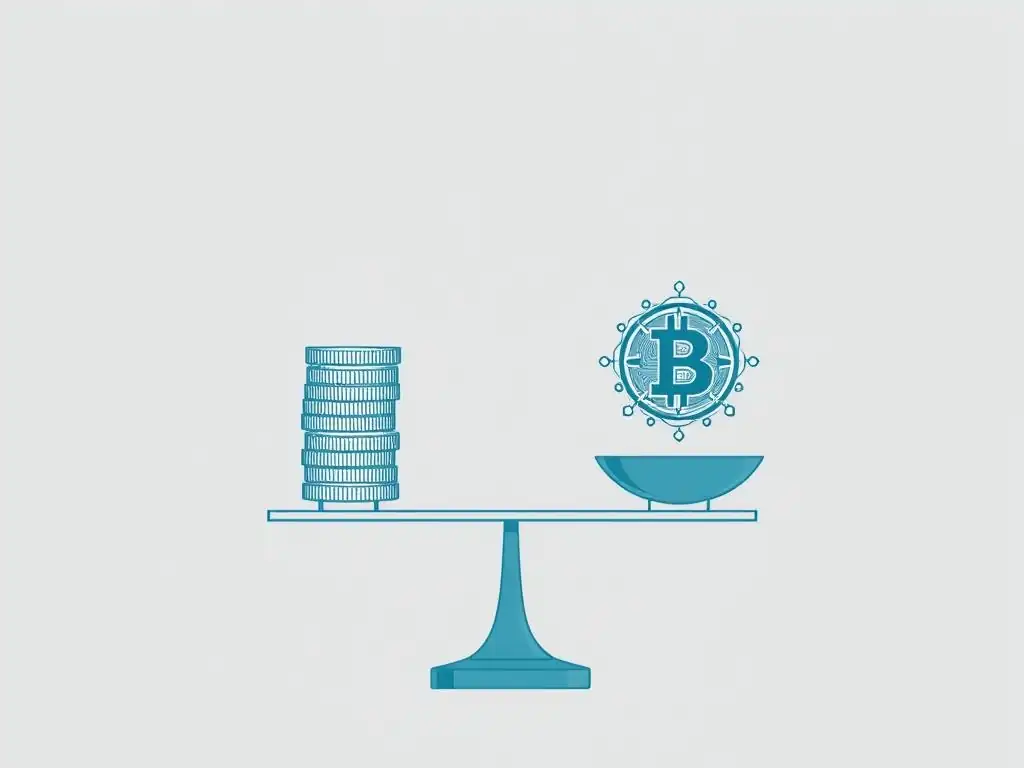
Investing in cryptocurrency, while potentially lucrative, presents a unique set of ethical considerations that beginners should carefully navigate. Understanding these aspects is crucial for responsible and sustainable participation in this rapidly evolving market. This section will explore key ethical dilemmas within the crypto space and offer guidance for making informed, ethical investment choices. Ignoring these factors can lead to unintended negative consequences, both personally and globally.
Environmental Impact of Cryptocurrency Mining: Understanding the Challenges
The energy consumption associated with cryptocurrency mining, particularly Bitcoin mining, is a significant ethical concern. The process of verifying transactions (proof-of-work) requires substantial computational power, resulting in a large carbon footprint. Data suggests that the energy consumption of some cryptocurrencies rivals that of entire small countries. This high energy demand raises concerns about climate change and environmental sustainability.
Several factors contribute to this high energy consumption:
- Proof-of-Work Consensus Mechanisms: Many cryptocurrencies rely on proof-of-work, which necessitates solving complex mathematical problems to validate transactions. This process is computationally intensive and requires vast amounts of energy.
- Hardware Requirements: Mining requires specialized hardware (ASICs) that consume significant electricity. The energy used to power these machines, often sourced from fossil fuels, adds to the environmental burden.
- Geographic Location of Mining Operations: Many mining operations are located in regions with inexpensive electricity, often generated from non-renewable sources. This further exacerbates the environmental impact.
The development of more energy-efficient consensus mechanisms, such as proof-of-stake, is crucial in mitigating the environmental impact of cryptocurrency. As a beginner in crypto investing, you should consider the environmental impact of the specific cryptocurrencies you are considering investing in, favoring those with lower energy consumption or those actively working towards more sustainable practices. Researching a coin's "energy efficiency" score is a crucial part of ethical crypto investing.
Security Risks and Scams: Protecting Yourself from Fraud
The decentralized and unregulated nature of the cryptocurrency market makes it susceptible to various security risks and scams. Beginners are particularly vulnerable due to their lack of experience and understanding of the complexities involved. Protecting yourself from fraud requires vigilance and a proactive approach.
- Phishing Scams: Be wary of emails, messages, or websites that claim to offer lucrative investment opportunities or request your private keys or seed phrases. These are common tactics used by scammers to steal your funds. Never share your private keys with anyone.
- Rug Pulls: This involves developers abandoning a project and taking all the invested funds. Thoroughly research any project before investing, paying close attention to the team's background and the project's whitepaper.
- Ponzi Schemes: These fraudulent schemes promise high returns with little or no risk. Be wary of any investment opportunity that guarantees unrealistic returns. Always conduct your own due diligence before investing.
- Exchange Hacks: Exchanges can be vulnerable to hacking, resulting in the loss of user funds. Choose reputable exchanges with strong security measures and consider using hardware wallets to store your cryptocurrency offline.
Staying informed about the latest security threats and best practices is essential to minimize your risk. Regularly update your security software and be cautious of any suspicious activity. Remember, if something seems too good to be true, it probably is.
Responsible Investing in Crypto: Supporting Ethical Projects
Beyond the environmental and security aspects, ethical considerations extend to the projects themselves. Some cryptocurrencies are developed with a focus on positive social impact, while others may be associated with questionable activities. Choosing to invest in ethical projects aligns your investment strategy with your values.
- Transparency and Accountability: Look for projects with transparent governance structures and accountable development teams. Open-source code and regular audits can help ensure transparency.
- Social Impact Projects: Some cryptocurrencies aim to address social issues, such as providing access to financial services in underserved communities or promoting environmental sustainability. Supporting these projects can contribute to positive change.
- Community Engagement: A strong and engaged community is a positive sign. Active community participation often indicates a healthy and sustainable project.
Investing in cryptocurrencies should not be solely about maximizing profits. By considering the ethical implications of your investment choices, you can contribute to a more sustainable and responsible cryptocurrency ecosystem. Remember, informed, ethical investing is crucial for the long-term health and growth of the crypto space. This approach helps build a better future for everyone involved in the exciting world of crypto investing for beginners.
Conclusion: Embracing the Future of Finance with Crypto
The world of finance is evolving rapidly, and understanding the basics of crypto investing is no longer a luxury but a potential key to unlocking future financial growth. This exploration into crypto investing for beginners has highlighted the accessibility and potential rewards, albeit with inherent risks. While traditional investment avenues remain important, incorporating a well-researched crypto strategy into a diversified portfolio can offer significant opportunities for long-term gains.
The decentralized nature of cryptocurrencies, coupled with the potential for high returns, makes it an increasingly compelling option for those seeking to navigate the evolving financial landscape. Remember, the key is education, careful planning, and a measured approach. The future of finance is multifaceted, and cryptocurrencies represent a significant and exciting component of that future.
By learning the fundamentals and managing risk effectively, beginners can position themselves to benefit from this innovative and dynamic sector. This isn't just about quick riches; it's about understanding a new paradigm in finance and potentially securing a brighter financial future.
Next Steps: Building Your Crypto Portfolio
Starting your crypto journey requires a methodical approach. Don't jump in headfirst; instead, consider these crucial steps:
- Education is Paramount: Continue learning! Explore reputable resources beyond this article to deepen your understanding of blockchain technology, different cryptocurrencies, and market analysis. The more you know, the better equipped you'll be to make informed decisions.
- Choose a Reputable Exchange: Selecting a secure and user-friendly exchange is vital. Research different platforms, comparing their fees, security measures, and available cryptocurrencies. Look for platforms with strong reputations and robust security protocols.
- Start Small and Diversify: Begin with a small investment that you can comfortably afford to lose. Avoid putting all your eggs in one basket. Diversify your portfolio across several promising cryptocurrencies to mitigate risk.
- Secure Your Assets: Cryptocurrency security is paramount. Use strong, unique passwords, enable two-factor authentication (2FA), and store your cryptocurrencies in secure hardware wallets whenever possible.
- Monitor and Adapt: Regularly monitor your portfolio's performance and stay updated on market trends. Be prepared to adjust your strategy based on market fluctuations and new information. Remember, patience and discipline are key.
This structured approach will help you navigate the complexities of crypto investing and build a portfolio that aligns with your risk tolerance and financial goals. Remember, consistency and continuous learning are essential for long-term success in this exciting field. Consider setting aside time each week to review market trends and your portfolio's performance. This proactive approach will help you stay ahead of the curve and make informed decisions.
Disclaimer: Risks Associated with Cryptocurrency Investments
It's crucial to acknowledge the inherent risks associated with cryptocurrency investments. The cryptocurrency market is highly volatile, meaning prices can fluctuate dramatically in short periods. This volatility presents both opportunities and significant risks. Factors influencing price changes include market sentiment, regulatory developments, technological advancements, and even social media trends.
| Risk Factor | Description | Mitigation Strategy |
|---|---|---|
| Market Volatility | Extreme price fluctuations can lead to substantial losses. | Diversify your portfolio, invest only what you can afford to lose, and be patient. |
| Security Risks | Hacking, theft, and loss of private keys can result in the loss of your assets. | Use secure hardware wallets, enable 2FA, and be cautious of phishing scams. |
| Regulatory Uncertainty | Changes in regulations can significantly impact the cryptocurrency market. | Stay informed about regulatory developments and adapt your strategy accordingly. |
| Scams and Fraud | The cryptocurrency space is susceptible to scams and fraudulent activities. | Thoroughly research projects before investing and be wary of get-rich-quick schemes. |
Investing in cryptocurrencies carries a high degree of risk, and it's possible to lose some or all of your invested capital. Therefore, thorough research, risk assessment, and a well-defined investment strategy are crucial before engaging in any cryptocurrency investment. Consider seeking advice from a qualified financial advisor before making any investment decisions. Remember, your financial well-being is paramount. 📈📉
Frequently Asked Questions
What is cryptocurrency, and why should beginners consider investing?
Cryptocurrency is a digital or virtual currency designed to work as a medium of exchange. Beginners should consider it because of its potential for high returns and its decentralized nature, though it's important to understand the risks involved.
How risky is crypto investing compared to traditional investments?
Crypto investing is considered significantly riskier than traditional investments like stocks and bonds due to its high volatility and susceptibility to market manipulation. Diversification is crucial to mitigate risk.
What are some of the best ways for beginners to get started with crypto investing?
Beginners should start by educating themselves about different cryptocurrencies and blockchain technology. Then, consider using a reputable exchange to buy and secure smaller amounts of established cryptocurrencies like Bitcoin or Ethereum.
Are there any specific cryptocurrencies beginners should focus on?
While there are many options, beginners should prioritize well-established cryptocurrencies like Bitcoin and Ethereum due to their larger market capitalization and reduced risk compared to newer, less-tested options. Thorough research is always recommended.
What are the potential downsides of crypto investing?
The high volatility of the cryptocurrency market can lead to significant losses. Furthermore, the lack of regulation in some areas increases the risk of scams and fraud. Security of your digital wallet is also paramount.
Final Reflection: Embracing the Crypto Frontier
The democratization of finance, once a distant dream, is rapidly becoming a reality through cryptocurrency, and its potential impact on the global economy is undeniable. This shift presents both incredible opportunities and significant challenges, particularly for those entering the financial world today. Ignoring this transformative technology would be a disservice to oneself and a missed opportunity to participate in shaping the future of wealth creation.
The accessibility of cryptocurrencies, despite the inherent complexities, is what truly fascinates me. It's a level playing field, unlike traditional financial systems often dominated by established institutions. The future of finance is decentralized, transparent, and accessible to all.
This sentiment, though aspirational, is increasingly reflected in the growing adoption of cryptocurrencies worldwide. The ongoing evolution of blockchain technology and its applications beyond finance further underscores the profound and lasting influence this technology will have on our society.
You, the reader, now stand at a crossroads. Will you remain a passive observer of this technological revolution, or will you actively engage with it? I urge you to take the time to understand the fundamentals of cryptocurrency, to explore its potential benefits and risks, and to make informed decisions about your own financial future. The journey into the world of crypto may seem daunting, but the rewards for those willing to learn and adapt could be transformative. Embrace the challenge, embrace the future.
Unlock Your Financial Future: Start Your Crypto Journey Today!
Thank you for exploring the exciting world of cryptocurrency! We hope you found our information valuable. Now, let's move forward. Ready to begin?
- Begin your crypto education: A strong foundation is crucial for successful investing. Start with a reputable online course or tutorial covering the fundamentals of blockchain and cryptocurrency. This will equip you to make informed decisions.
- Explore diverse cryptocurrencies: Don't limit yourself to Bitcoin and Ethereum. Research a variety of crypto projects to uncover innovative technologies and potential investment opportunities. This is where the real discovery begins!
- Join the conversation: Share your thoughts and questions with our community by leaving a comment below. Let's discuss your key takeaways and what you find most compelling about the future of finance.
What's your first step in this exciting journey into the world of cryptocurrency?