
UltimateLifeHacks: Make Confident Financial Choices Without the Overwhelm


Welcome to UltimateLifeHacks, your destination for practical strategies to conquer daily life. Are you feeling overwhelmed by financial decisions? We understand. That's why we've created a simple, easy financial decisions guide to help you navigate the complexities of personal finance with confidence and ease. Discover how to reclaim control of your finances and unlock a more efficient, fulfilling life. Dive in and start making smarter choices today!
- Understanding Financial Decision Fatigue: The Root of Poor Choices
- Easy Financial Decisions Guide: Simplifying Your Financial Life
- Streamlining Your Investment Strategy: Easy Investment Options for Beginners
- Debt Management Strategies: Tackling Debt Without Feeling Overwhelmed
- Building a Strong Financial Foundation: Long-Term Financial Planning
- Resources for Easy Financial Decisions: Tools and Apps
- Overcoming Procrastination: Taking Action on Your Financial Goals
- Frequently Asked Questions
- Final Reflection: Embracing Financial Freedom, One Decision at a Time
- Unlock Your Financial Confidence Today!
Understanding Financial Decision Fatigue: The Root of Poor Choices
Feeling overwhelmed by financial decisions? You're not alone. Many people struggle with what we call "financial decision fatigue," a state where the constant barrage of choices related to money leads to poor judgment, impulsive spending, and ultimately, financial instability. This article serves as your comprehensive guide to navigating the complexities of personal finance with ease and confidence. We'll explore the science behind decision fatigue, identify its telltale signs, and provide practical strategies to make informed, confident financial choices without feeling constantly overwhelmed.
This "easy financial decisions guide" will empower you to take control of your financial future and build a stronger, more secure financial life. We’ll focus on practical techniques and real-world examples to help you implement these strategies immediately. Let's dive in and discover how to make smart financial choices without the stress! 🎉
Recognizing the Symptoms of Financial Overwhelm
Financial overwhelm manifests in various ways. It's not just about feeling stressed about money; it's about a pervasive sense of being unable to cope with the constant demands of financial decision-making. Some common symptoms include:
- Procrastination: Putting off important financial tasks like paying bills, reviewing statements, or planning for the future. This often leads to penalties and missed opportunities.
- Impulse buying: Making unplanned purchases driven by emotion rather than need or budget. This can range from small, everyday indulgences to larger, more significant expenses.
- Difficulty making decisions: Spending excessive time agonizing over relatively small financial choices, leading to analysis paralysis and inaction.
- Ignoring financial statements: Avoiding reviewing bank accounts, credit card statements, or investment portfolios due to anxiety or fear.
- Feeling constantly stressed about money: Experiencing persistent anxiety, worry, and even panic related to finances. This can negatively impact your overall well-being.
- Sleep disturbances: Worrying about finances can disrupt sleep patterns, further compounding stress and hindering rational decision-making.
This isn't just about feeling stressed; it's about a noticeable decline in your ability to make sound financial choices. Recognizing these signs is the first step towards reclaiming control of your finances. Think of it as identifying a problem before it grows into a larger, more difficult issue to resolve.
The Science Behind Decision Fatigue and its Impact on Finances
The concept of "decision fatigue" is rooted in cognitive psychology. Essentially, our brains have a limited supply of mental energy for decision-making. Each decision, no matter how small, depletes this resource. As we make more and more decisions throughout the day, our ability to make rational, well-considered choices diminishes. This is particularly true when dealing with complex or emotionally charged decisions, such as those involving personal finance.
Studies have shown a correlation between decision fatigue and impulsive spending. When our mental resources are depleted, we're more likely to rely on mental shortcuts and heuristics, often leading to poor financial choices. For example, we might opt for instant gratification over long-term savings or fall prey to marketing tactics that exploit our weakened decision-making abilities. This can have a significant negative impact on our long-term financial well-being. The more complex your financial situation, the more susceptible you become to decision fatigue and its potential consequences.
Case Study: How Decision Fatigue Leads to Impulse Spending and Bad Investments
Imagine Sarah, a busy professional juggling a demanding career, family responsibilities, and a growing to-do list. After a long day, she finds herself scrolling through social media and impulsively buys a new pair of shoes, even though she doesn't really need them and is already struggling to meet her monthly budget. This seemingly small purchase is a symptom of decision fatigue. Her mental resources are depleted, making it easier to succumb to the immediate gratification offered by online shopping.
Furthermore, consider John, who, overwhelmed by the complexity of investment options, delays making any investment decisions at all. This inaction, stemming from decision fatigue, costs him potential returns and leaves his savings vulnerable to inflation. Both Sarah and John's experiences highlight how decision fatigue can lead to both impulsive spending and inaction, resulting in suboptimal financial outcomes.
These are not isolated incidents; they are common examples of how decision fatigue affects financial choices, leading to unnecessary stress and hindering progress towards financial goals. By understanding these underlying mechanisms, we can develop strategies to mitigate these effects and make more confident financial choices.
Easy Financial Decisions Guide: Simplifying Your Financial Life
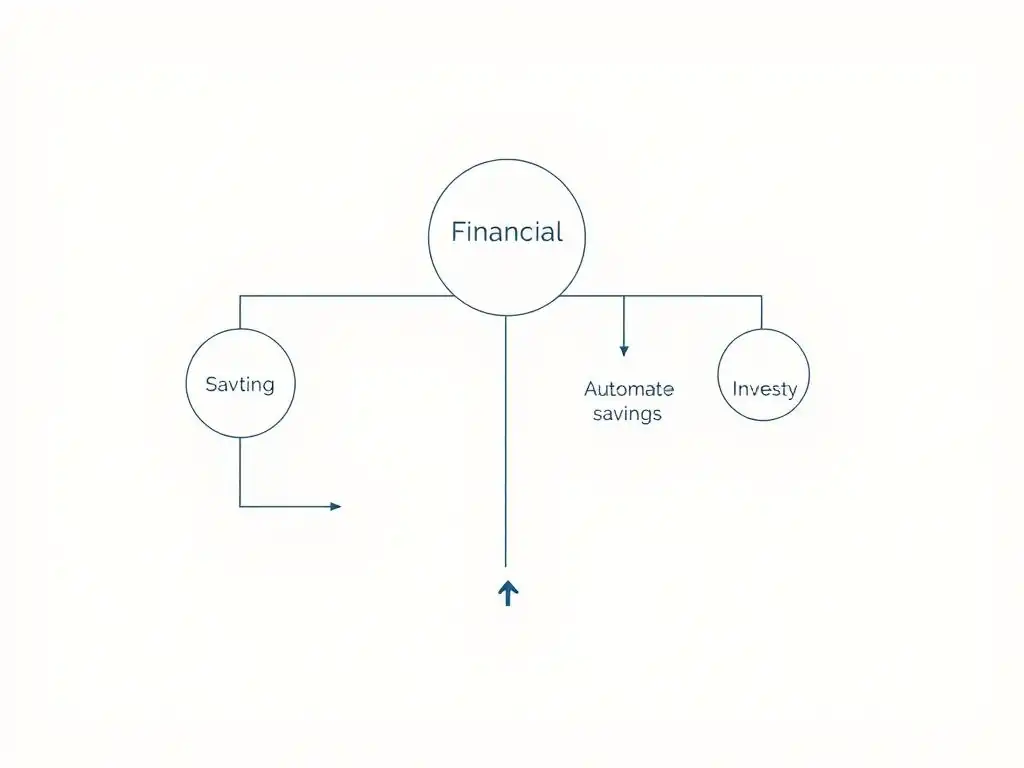
This section provides a practical, step-by-step approach to making sound financial decisions without feeling overwhelmed. We'll explore strategies to simplify your financial life, empowering you to take control of your finances with confidence. This guide focuses on actionable steps, making it easy to implement even with a busy schedule. Remember, even small, consistent actions contribute significantly to long-term financial well-being. This "easy financial decisions guide" is designed to equip you with the tools and knowledge to navigate your financial journey with ease.
Prioritizing Your Financial Goals: Setting SMART Financial Goals
Effective financial planning begins with clearly defined goals. Instead of vague aspirations, we'll use the SMART framework – Specific, Measurable, Achievable, Relevant, and Time-bound – to create actionable financial objectives.
Let's illustrate with examples:
- Instead of: "Save more money."
- Use: "Save $5,000 for a down payment on a car within 18 months." This is Specific, Measurable, Achievable (assuming a realistic savings plan), Relevant (to your car purchase goal), and Time-bound (18 months).
Another example:
- Instead of: "Pay off debt."
- Use: "Reduce my credit card debt by $1,000 in the next six months by allocating an extra $200 per month to repayments." This is equally SMART.
Creating SMART goals helps you break down large, daunting tasks into manageable steps. This process fosters a sense of accomplishment as you achieve each milestone, motivating you to continue on your financial journey. Regularly reviewing and adjusting your SMART goals ensures they remain relevant and aligned with your evolving circumstances and needs. Remember to celebrate your successes along the way! 🎉
Budgeting Basics: Creating a Simple, Effective Budget
A budget isn't about restriction; it's about awareness and control. A simple budgeting method is the 50/30/20 rule:
| Category | Percentage of Income | Example Allocation (for $4,000 monthly income) |
|---|---|---|
| Needs (Essentials) | 50% | $2,000 (rent/mortgage, utilities, groceries) |
| Wants (Discretionary) | 30% | $1,200 (entertainment, dining out, hobbies) |
| Savings & Debt | 20% | $800 (emergency fund, debt repayment, investments) |
This framework provides a clear structure. Track your spending for a month to understand your current financial picture. Then, allocate your income according to the 50/30/20 rule, adjusting percentages based on your unique needs and goals. Consider using budgeting apps or spreadsheets to simplify the process. Regularly review and adjust your budget to ensure it aligns with your financial goals. Remember, consistency is key! 🔑
Automating Your Finances: Setting up Recurring Payments and Savings Transfers
Automating your finances is a powerful tool for effortless saving and debt reduction. Schedule recurring payments for bills to avoid late fees and missed payments. Many banks and financial institutions offer automated bill pay services. Similarly, set up automatic transfers to your savings and investment accounts. Even small, regular transfers accumulate significantly over time.
This "set it and forget it" approach minimizes the mental load associated with managing your finances, freeing up your time and mental energy for other priorities. Consider using budgeting apps that integrate with your bank accounts to further streamline this process. Think of automation as your financial autopilot, guiding you towards your goals effortlessly. ✈️
Tracking Your Spending: Utilizing Apps for Clarity
Tracking your spending is the cornerstone of making informed financial decisions. Without a clear picture of where your money is going, budgeting and saving become exercises in guesswork. Fortunately, numerous apps are designed to simplify this process, transforming the often daunting task of expense tracking into a manageable and even insightful experience. These apps offer a range of features, from basic expense categorization to sophisticated budgeting tools and financial analysis.
The benefits of using a spending tracking app are multifaceted. Firstly, the convenience factor is undeniable. Instead of manually recording every transaction in a spreadsheet or notebook – a process prone to errors and omissions – you can link your bank accounts and credit cards to the app, automating the data entry. This automated system significantly reduces the time commitment and increases the accuracy of your financial overview. Many apps provide real-time updates, giving you an immediate understanding of your spending patterns.
Secondly, these apps provide valuable insights into your spending habits. By categorizing your expenses, you can quickly identify areas where you may be overspending. Are you consistently exceeding your budget on dining out? Do subscription services eat into your savings more than you realized? This level of granular detail allows for more targeted adjustments to your budget, facilitating a more effective approach to financial management. Some advanced apps even offer predictive analytics, projecting future spending based on your past behavior, enabling proactive financial planning.
Finally, the visual representations offered by many spending tracking apps are incredibly helpful. Charts and graphs transform raw data into easily digestible information, making it easier to identify trends and patterns in your spending. This visual clarity can be particularly useful when trying to understand your spending habits over time, allowing you to see the impact of changes you've made to your budget or lifestyle.
Choosing the right app depends on your individual needs and preferences, but the overall impact on your ability to make easy financial decisions is significant. The clarity gained from consistently tracking your spending empowers you to make informed choices about your financial future. It's a small investment of time that yields substantial returns in terms of financial control and peace of mind.
Streamlining Your Investment Strategy: Easy Investment Options for Beginners
Investing can feel daunting, especially for beginners. The sheer volume of information available, coupled with the fear of making the wrong choices, often leads to inaction. However, several easy investment options exist that require minimal expertise and effort, allowing you to build wealth steadily and confidently. This section focuses on simplifying your investment strategy, equipping you with the knowledge to make informed and easy financial decisions. This guide focuses on strategies for building long-term wealth, not quick riches.
Understanding Low-Cost Index Funds: A Beginner's Guide to Passive Investing
Low-cost index funds are a cornerstone of passive investing. They aim to mirror the performance of a specific market index, such as the S&P 500. Instead of trying to pick individual stocks (which requires significant research and market expertise), you invest in a diversified portfolio that tracks the index's overall movement. This diversification significantly reduces risk.
The "low-cost" aspect is crucial. Expense ratios, which represent the annual fees charged by the fund, can significantly impact your long-term returns. Aim for expense ratios below 0.1% for optimal results. Choosing low-cost index funds is a simple yet powerful way to build wealth over time, making it an excellent option for beginners seeking an easy financial decisions guide.
Consider this example: Let's say you invest $10,000 in two different index funds tracking the same index. Fund A has an expense ratio of 1%, while Fund B has an expense ratio of 0.1%. Over 20 years, the difference in returns, even with identical market performance, could be substantial, highlighting the importance of choosing low-cost options. This difference underscores the importance of meticulously comparing expense ratios before investing.
Robo-Advisors: Automated Investing for Minimal Effort
Robo-advisors are automated investment platforms that manage your portfolio based on your risk tolerance and financial goals. They typically use algorithms to allocate your investments across various asset classes, such as stocks and bonds, ensuring diversification. The convenience and simplicity offered by robo-advisors make them a perfect fit for an easy financial decisions guide.
The process is straightforward: you answer a few questions about your financial situation and investment goals, and the robo-advisor creates and manages a personalized portfolio for you. They regularly rebalance your portfolio to maintain your desired asset allocation, requiring minimal intervention from your side. This automated approach reduces the mental burden associated with investing, allowing you to focus on other aspects of your life.
While robo-advisors typically charge fees, these are generally lower than those charged by traditional financial advisors. The automation and low-cost structure make them an attractive option for beginners and busy professionals seeking efficient wealth management. The user-friendly interface and automated processes contribute to making financial decisions easier, aligning perfectly with the principles of an easy financial decisions guide.
High-Yield Savings Accounts: Maximizing Returns on Your Savings
While not strictly an investment, high-yield savings accounts offer a safe and accessible way to earn a better return on your savings compared to traditional savings accounts. These accounts typically offer higher interest rates, allowing your money to grow faster. This is crucial for building an emergency fund or saving for short-term goals. This constitutes a simple yet effective strategy for those looking for an easy financial decisions guide.
Unlike investments in the stock market, high-yield savings accounts are FDIC-insured (up to $250,000 per depositor, per insured bank), providing a safety net for your savings. This security is a major advantage, particularly for those new to personal finance. The accessibility of these accounts, allowing easy deposits and withdrawals, further enhances their appeal as a component of a simple financial strategy.
Before choosing a high-yield savings account, compare interest rates offered by different banks and credit unions. Look for accounts with no monthly fees and easy online access. Maximizing your returns on savings is a crucial first step towards building a solid financial foundation, a key aspect of any easy financial decisions guide. Remember to monitor your account regularly to ensure your savings are growing as expected.
Diversification Strategies: Spreading Your Risk Across Different Asset Classes
Diversification is a cornerstone of successful investing, acting as a crucial buffer against market volatility. The core principle is simple: don't put all your eggs in one basket. By spreading your investments across various asset classes, you reduce the impact of any single investment performing poorly. A downturn in one area might be offset by gains in another, leading to a more stable overall portfolio. This isn't about eliminating risk entirely – that's impossible – but about mitigating it. Think of it like insurance for your investments.
A well-diversified portfolio typically includes a mix of stocks, bonds, and possibly real estate or other alternative investments. The specific allocation depends on your risk tolerance, investment timeline, and financial goals. For instance, a younger investor with a longer time horizon might tolerate a higher percentage of stocks, which historically offer higher returns but also greater volatility. Conversely, an investor closer to retirement might favor a more conservative approach with a larger allocation to bonds, prioritizing capital preservation over high growth.
Consider the impact of market fluctuations. Imagine a portfolio solely invested in technology stocks. A downturn in the tech sector could severely impact your entire investment. However, a diversified portfolio including bonds, real estate, and perhaps some international stocks would likely experience a less dramatic impact, providing a cushion against such market-specific downturns.
There are various approaches to diversification. One common method involves investing in mutual funds or exchange-traded funds (ETFs) that track specific market indexes, providing instant diversification across a wide range of companies or assets. Another strategy is to carefully select individual stocks and bonds across different sectors and geographies. This requires more research and time but allows for a more customized portfolio.
Regardless of your chosen approach, the key is to spread your investments thoughtfully across different asset classes to reduce your overall risk. This is a fundamental aspect of building a robust and resilient investment strategy, particularly crucial for beginners navigating the complexities of the financial world. Remember to consult a financial advisor for personalized guidance tailored to your specific circumstances.
Debt Management Strategies: Tackling Debt Without Feeling Overwhelmed

Feeling overwhelmed by debt is a common experience, but it doesn't have to control your life. This section provides practical strategies for managing debt effectively and regaining financial confidence. Remember, taking proactive steps is crucial in your journey towards financial wellness. This easy financial decisions guide will help you navigate the process.
Creating a Debt Repayment Plan: The Snowball and Avalanche Methods
Two popular methods for tackling debt are the snowball and avalanche methods. Both involve creating a structured repayment plan, but they differ in their approach. The key is to choose the method that best suits your personality and financial situation.
The snowball method focuses on paying off the smallest debts first, regardless of interest rate. This approach provides psychological momentum. Seeing smaller debts disappear quickly can boost motivation and encourage consistent repayment.
For example, imagine you have three debts: a $500 credit card debt, a $2,000 personal loan, and a $5,000 car loan. With the snowball method, you'd prioritize paying off the $500 credit card first, then move on to the $2,000 loan, and finally the $5,000 car loan.
The avalanche method, on the other hand, prioritizes debts with the highest interest rates. This method minimizes the total interest paid over time, leading to greater long-term savings. While it might not offer the same immediate psychological boost as the snowball method, it's mathematically more efficient.
Using the same example, the avalanche method would prioritize the $5,000 car loan (assuming it has the highest interest rate), followed by the $2,000 personal loan, and finally the $500 credit card.
Choosing between these methods is a personal decision. Consider your financial goals and your psychological needs. Do you need the quick wins of the snowball method to stay motivated, or are you comfortable with a longer-term strategy that saves you the most money?
Negotiating with Creditors: Strategies for Lowering Interest Rates
Negotiating with creditors can significantly reduce your debt burden. Many creditors are willing to work with borrowers facing financial hardship. Remember to be polite, professional, and prepared. Document everything.
Before contacting your creditors, gather all relevant information: account numbers, balances, payment history, and any documentation of your financial situation (e.g., proof of income, expenses).
Here are some effective negotiation strategies:
- Explain your situation honestly: Clearly explain your financial difficulties and your willingness to repay your debts.
- Propose a repayment plan: Suggest a realistic repayment plan that you can comfortably afford.
- Ask for a lower interest rate: Negotiate for a lower interest rate to reduce the overall cost of your debt.
- Consider a hardship program: Many creditors offer hardship programs that temporarily reduce payments or interest rates.
- Document everything in writing: Obtain written confirmation of any agreements reached with your creditors.
Consolidating Debt: Simplifying Repayments with a Single Loan
Debt consolidation involves combining multiple debts into a single loan. This simplifies repayment by reducing the number of payments and potentially lowering your monthly expenses. However, carefully consider the terms of the consolidation loan. A poorly structured consolidation loan could worsen your financial situation.
There are several ways to consolidate debt:
- Balance transfer credit cards: These cards offer a 0% introductory APR for a specific period, allowing you to pay down your debt without accruing interest. However, be aware of balance transfer fees and the APR after the introductory period expires.
- Personal loans: Personal loans can consolidate multiple debts into a single, manageable monthly payment. Shop around for the best interest rates and terms.
- Debt management programs (DMPs): These programs work with creditors to negotiate lower interest rates and monthly payments. However, they typically involve fees.
Remember, effective debt management requires careful planning, discipline, and proactive communication. This easy financial decisions guide offers a solid foundation for navigating your debt and achieving financial freedom. Utilizing these strategies can significantly reduce your financial stress and pave the way for a more secure future. 💰
Debt Counseling Services: Seeking Professional Help When Needed
Debt counseling services offer a structured approach to managing overwhelming debt. These services aren't a quick fix, but rather a roadmap to navigate complex financial situations. They provide personalized guidance, helping individuals understand their financial standing and develop a manageable repayment plan. Many reputable agencies offer free initial consultations, allowing you to explore your options without financial commitment.
This initial meeting is crucial for assessing the agency's suitability and understanding their fees and processes. Remember to thoroughly research any agency before engaging their services; check for accreditation and client testimonials to ensure their legitimacy and effectiveness. A good debt counselor will work with you to create a budget, negotiate with creditors, and explore options like debt consolidation or debt management plans.
The process typically involves a comprehensive financial assessment, analyzing your income, expenses, and outstanding debts. From this assessment, a personalized debt management plan is developed, often involving consolidating multiple debts into a single, more manageable monthly payment. This simplification can significantly reduce stress and improve your ability to track your progress.
Debt counselors also provide valuable education on financial literacy, equipping you with the skills to avoid future debt problems. This educational component is a crucial aspect of long-term financial health and empowers you to make more informed financial decisions moving forward. Successful debt management requires discipline and commitment, and a good counselor will provide ongoing support and encouragement throughout the process.
Choosing the right debt counseling service is paramount. Look for agencies accredited by reputable organizations, ensuring they adhere to ethical standards and practices. Read reviews and testimonials to gauge the experiences of past clients. Don't hesitate to ask questions during the initial consultation; a transparent and responsive agency should readily answer your concerns.
Remember that debt counseling is a collaborative effort; your active participation is essential for the success of the plan. While it requires effort and commitment, navigating debt with professional guidance can significantly reduce stress and lead to a more secure financial future. The feeling of regaining control over your finances is invaluable in itself. Successfully managing debt using professional services can contribute significantly to improved mental health and overall well-being.
Building a Strong Financial Foundation: Long-Term Financial Planning
Building a solid financial foundation is crucial for making confident financial choices. It's about creating a long-term strategy that aligns with your goals and reduces the stress associated with daily financial decisions. This involves more than just budgeting; it's about proactively managing your finances to ensure stability and security. Think of it as building a house – you wouldn't start constructing the roof before laying a solid foundation, right? The same principle applies to your finances.
Emergency Fund Essentials: Building a Safety Net for Unexpected Expenses
An emergency fund is the cornerstone of a strong financial foundation. It acts as a safety net, protecting you from unexpected expenses like medical bills, car repairs, or job loss. Aim to save enough to cover 3-6 months of living expenses. This provides a buffer against financial shocks, preventing you from resorting to high-interest debt or making hasty, ill-informed decisions during a crisis. Consider automating your savings to make it effortless. Even small, consistent contributions add up over time.
For example, setting aside $50 a week translates to $2,600 a year – a significant step towards your emergency fund goal. Regularly review and adjust your contributions as your income and expenses change. This proactive approach significantly reduces financial anxiety and empowers you to navigate unexpected events with confidence. Remember, the peace of mind this provides is invaluable. This is a key component of an easy financial decisions guide.
Retirement Planning: Starting Early
Retirement planning might seem daunting, but starting early is key. The power of compounding interest allows your investments to grow exponentially over time. Even small contributions made early in your career can make a significant difference in your retirement nest egg. Consider contributing regularly to a retirement account like a 401(k) or IRA. Take advantage of employer matching contributions if available – it's essentially free money!
Diversify your investments across different asset classes to mitigate risk. Regularly review your investment strategy to ensure it aligns with your goals and risk tolerance. Don't be afraid to seek professional advice if needed. Remember, consistent contributions and smart investment choices are the pillars of a comfortable retirement. Early planning makes this a much easier process and reduces the stress later in life, providing an example of an easy financial decisions guide in action.
Estate Planning: Protecting Your Assets for the Future
Estate planning isn't just for the wealthy; it's for everyone who wants to protect their assets and ensure their wishes are followed. This involves creating a will, designating beneficiaries for your accounts, and potentially establishing a trust. A will outlines how your assets will be distributed after your death, avoiding potential family conflicts.
Designating beneficiaries ensures your assets go to the intended recipients without lengthy probate processes. A trust can provide additional control over your assets and offer tax advantages. While estate planning may seem complex, it provides immense peace of mind, knowing your affairs are in order.
It's a proactive step that simplifies potentially difficult decisions for your loved ones in the future, furthering your journey toward an easy financial decisions guide. Consider consulting with an estate planning attorney to create a personalized plan tailored to your specific needs and circumstances. This will help navigate the often confusing legal aspects with clarity and confidence.
Reviewing and Adjusting Your Financial Plan Regularly: The Importance of Ongoing Assessment
Regularly reviewing and adjusting your financial plan is crucial for long-term financial success. Life is dynamic; your income, expenses, goals, and even your risk tolerance can shift significantly over time. A static financial plan, created years ago, is unlikely to remain relevant and effective in navigating the ever-changing economic landscape. Think of your financial plan as a living document, not a static contract. Consistent monitoring allows you to adapt proactively to unforeseen circumstances and capitalize on new opportunities.
One of the most significant benefits of regular review is the ability to identify and correct course deviations early on. Perhaps your investment portfolio isn't performing as expected, or maybe your emergency fund has dwindled due to unexpected expenses. Early detection allows for timely adjustments, preventing minor issues from escalating into major financial setbacks.
For example, a slight dip in investment returns might be easily mitigated through rebalancing, while neglecting it could lead to significant losses in the long run. Similarly, a depleted emergency fund can be replenished with proactive budgeting and savings strategies, avoiding the need for high-interest debt in the future.
The frequency of review depends on individual circumstances. For those with simpler financial situations, an annual review might suffice. However, individuals with complex portfolios or significant financial goals might benefit from more frequent assessments, perhaps quarterly or even monthly.
Consider using a financial calendar or setting reminders to ensure consistent monitoring. This proactive approach minimizes the risk of overlooking crucial details and maximizes the likelihood of achieving your financial objectives. This regular check-in also helps you stay engaged with your financial health, fostering a sense of control and reducing the overwhelming feeling often associated with financial planning.
Remember, the goal is not to stress over every minor fluctuation, but to maintain a clear understanding of your financial trajectory and make informed adjustments as needed. This ongoing assessment is a key component of building a resilient and effective long-term financial plan. It's about staying informed, adapting to change, and ensuring your financial strategy continues to work for you, not against you.
Resources for Easy Financial Decisions: Tools and Apps

Making sound financial decisions doesn't have to be a daunting task. The right tools and apps can significantly simplify the process, transforming potentially overwhelming choices into manageable steps. This section explores some of the best resources available to help you navigate your finances with confidence, providing an easy financial decisions guide for anyone looking to improve their financial well-being. We'll cover budgeting apps, expense trackers, and robo-advisors, empowering you to take control of your financial future.
Recommended Budgeting Apps
Budgeting is the cornerstone of sound financial management. These apps provide user-friendly interfaces and powerful features to help you track income and expenses, set financial goals, and monitor your progress. Choosing the right app depends on your specific needs and preferences, but these are some top contenders:
- Mint: A popular choice known for its comprehensive features, including bank account aggregation, bill tracking, and personalized financial insights. Mint offers a clear visual representation of your spending habits, making it easy to identify areas for improvement. It's particularly useful for visualizing your cash flow and understanding where your money is going. Many users appreciate its simplicity and ease of use, even for those new to budgeting.
- YNAB (You Need A Budget): YNAB takes a different approach, focusing on assigning every dollar a specific purpose. This method encourages mindful spending and helps users prioritize their financial goals. While it has a steeper learning curve than some other apps, its powerful methodology and engaged community make it a favorite among many serious budgeters. The emphasis on goal-setting and proactive budgeting is a key differentiator.
- Personal Capital: This app goes beyond simple budgeting, offering more advanced features like investment tracking, retirement planning tools, and fee analysis. While it caters more to users with existing investments, its comprehensive suite of tools can be invaluable for those seeking a holistic view of their finances. It provides a high level of detail and control for more experienced investors.
Top Expense Tracking Apps
Understanding where your money goes is crucial for effective budgeting. Expense tracking apps automate this process, often integrating directly with your bank accounts and credit cards to automatically categorize transactions. This eliminates the manual data entry that can be time-consuming and prone to errors. Here are some highly-rated expense tracking options:
| App Name | Key Features | Pros | Cons |
|---|---|---|---|
| Goodbudget | Envelope budgeting system, simple interface | Easy to use, great for visual learners, helps control spending | Limited advanced features |
| PocketGuard | Shows remaining money after essential expenses | Clearly shows how much you can spend without going over budget | Relies heavily on bank account connections |
| Trabee Pocket | Detailed expense tracking, multiple account support | Comprehensive data, customizable categories, multiple currency support | Steeper learning curve than some other apps |
These apps offer varying levels of sophistication, from simple transaction recording to sophisticated analysis of spending patterns. Choose the app that best suits your needs and comfort level. Remember, consistent use is key to gaining valuable insights into your spending habits. The more data you provide, the more accurate and helpful the analysis will be.
Best Robo-Advisors for Beginners
Robo-advisors offer automated investment management services, making investing accessible even to those with limited financial experience. They typically use algorithms to create and manage diversified portfolios based on your risk tolerance and financial goals. For beginners, this can be a much easier and less intimidating way to start investing than trying to manage a portfolio manually. Here are a few robo-advisors known for their user-friendly interfaces and low fees:
- Betterment: Known for its intuitive interface and focus on ease of use, Betterment provides a straightforward way to build a diversified investment portfolio. It's an excellent choice for beginners who want a simple, hands-off approach to investing.
- Schwab Intelligent Portfolios: Backed by the reputable Charles Schwab, this robo-advisor offers a similar experience to Betterment but with a slightly different investment philosophy. It's another great option for those seeking a streamlined and affordable investment solution.
- Acorns: This robo-advisor focuses on micro-investing, allowing users to invest spare change from everyday purchases. It's a great way to start investing even with small amounts of money, making it accessible to a wider range of users. This approach helps users build a portfolio gradually without feeling overwhelmed by large initial investments.
Choosing the right financial tools is a crucial step towards making easy financial decisions. Remember to research each option thoroughly and select the ones that best align with your individual needs and financial goals. By utilizing these resources, you can confidently navigate your financial journey and achieve your financial aspirations.
Reliable High-Yield Savings Account Providers
Finding a reliable high-yield savings account can significantly impact your financial well-being. These accounts offer better interest rates than traditional savings accounts, allowing your money to grow faster. However, it's crucial to choose a provider you trust, ensuring the safety and accessibility of your funds. Several key factors should guide your selection process. Consider the Annual Percentage Yield (APY), which reflects the annual interest rate, compounded over time.
A higher APY means more earnings. However, don't let a high APY alone dictate your choice; thoroughly research the institution's reputation and financial stability. Check for reviews and ratings from reputable financial websites and consumer protection agencies. Look for institutions with strong customer support and easy-to-navigate online banking platforms.
Many reputable banks and credit unions offer high-yield savings accounts. Some focus on specific demographics or offer specialized features. For example, some institutions may cater to young adults starting their savings journey, providing educational resources alongside high-yield accounts. Others may specialize in accounts for specific goals, such as retirement savings or down payment accumulation, offering tailored features and advice.
Before committing, compare APYs from several different providers to ensure you're getting the best possible return on your savings. Remember to factor in any fees associated with the account, as these can impact your overall earnings. Finally, consider the accessibility of your funds. While a high APY is appealing, it's essential to ensure you can easily access your money when needed, without facing significant penalties or delays.
This is particularly important for emergency funds. Choosing the right high-yield savings account provider is a crucial step in building a solid financial foundation and making informed financial decisions. Carefully comparing options based on APY, reputation, customer service, and accessibility is key to finding the perfect fit for your needs. This simple step can significantly contribute to achieving your financial goals.
Overcoming Procrastination: Taking Action on Your Financial Goals
Procrastination is a common enemy when it comes to personal finance. The sheer volume of information, the perceived complexity of financial planning, and the fear of making mistakes can easily lead to inaction. But delaying crucial financial decisions only exacerbates problems and increases stress in the long run. This section provides practical strategies to overcome procrastination and finally take control of your financial future. This easy financial decisions guide will help you conquer this hurdle.
Breaking Down Large Tasks: Creating Smaller, Manageable Steps
Tackling large, overwhelming financial goals, like paying off debt or saving for retirement, can feel insurmountable. The key is to break these massive tasks into smaller, more manageable steps. Instead of aiming for a complete debt payoff immediately, focus on making consistent, smaller payments. For example, if you owe $10,000, instead of feeling paralyzed by the entire amount, aim to pay off $100 a week. This smaller, achievable goal is far less daunting and builds momentum.
Similarly, for retirement savings, start with a small, automatic contribution to a retirement account and gradually increase it over time. This approach makes the process less intimidating and fosters a sense of accomplishment with each milestone reached. Celebrate these small wins! 🎉
Here's a helpful table to illustrate this concept:
| Large Financial Goal | Smaller, Manageable Steps | Timeframe |
|---|---|---|
| Pay off $10,000 credit card debt | Pay off $100 per week | 20 weeks |
| Save $20,000 for a down payment | Save $500 per month | 40 months |
| Increase credit score by 100 points | Pay bills on time, reduce credit utilization, monitor report | 6-12 months |
Rewarding Yourself for Progress: Celebrating Financial Milestones
Positive reinforcement is crucial for maintaining motivation. Rewarding yourself for reaching financial milestones, no matter how small, is a powerful technique to avoid burnout and stay on track. These rewards shouldn't be extravagant; they should be aligned with your budget and reinforce the positive behavior. For example, after consistently paying off a portion of your debt for three months, you could treat yourself to a nice dinner or a weekend getaway (within budget, of course!).
This approach helps create a positive association with financial progress and encourages you to continue on your path. Remember, consistency is key. Small, regular rewards are more effective than infrequent, large ones.
Think of it as a game where you earn points for good financial behavior. Each point gets you closer to a reward. This gamification approach can make the process more enjoyable and sustainable.
Finding Accountability: Working with a Financial Advisor or Partner
Sometimes, even with a detailed plan and a reward system, staying motivated can be challenging. This is where accountability partners become invaluable. A financial advisor can provide expert guidance, create a personalized financial plan, and offer ongoing support. Alternatively, sharing your financial goals with a trusted friend, family member, or partner can create a sense of accountability and encourage you to stick to your plan.
Regular check-ins and discussions about your progress can keep you motivated and on track. The support and encouragement of others are powerful tools in overcoming procrastination and achieving your financial objectives. Consider it a team effort – you’re not alone in this journey. This easy financial decisions guide emphasizes the importance of seeking support.
Frequently Asked Questions
What is the biggest obstacle to making easy financial decisions?
The biggest obstacle is often feeling overwhelmed by complex financial information. Simplifying your approach and breaking down tasks is key to confident decision-making. Start small and build from there.
How can I simplify my financial planning?
Use a budgeting app or spreadsheet to track income and expenses. Prioritize paying off high-interest debt first. Then, focus on building an emergency fund and investing for the long term.
What are some easy financial decisions I can make today?
Start by reviewing your subscriptions and cancelling any you don't need. Then, pack your lunch instead of eating out regularly. These small changes can add up to significant savings.
How can I avoid making impulsive financial decisions?
Before making a purchase, implement a waiting period (e.g., 24-48 hours). This allows you to assess the purchase's necessity and avoid emotional spending. Also, consider the long-term impact on your finances.
Where can I find more resources for easy financial decisions?
UltimateLifeHacks provides many more practical tips and guides on improving your financial well-being. Explore our website for more in-depth articles and resources to help you make confident financial choices.
Final Reflection: Embracing Financial Freedom, One Decision at a Time
Mastering your finances doesn't have to be a daunting climb; it's a journey of empowered choices, leading to a life of greater security and freedom. This article explored practical strategies to navigate the often-overwhelming world of personal finance, emphasizing simplicity and actionable steps. We demystified budgeting, debt management, and investment strategies, proving that even small, consistent actions can yield significant long-term results.
The impact of confident financial decision-making extends far beyond mere monetary gain; it fosters a sense of self-reliance and control over one's future. It allows us to pursue our passions, knowing we have a solid financial foundation to support our dreams. This empowerment resonates deeply with me, as I've witnessed firsthand the transformative power of taking charge of one's finances. Financial freedom is not about having a lot of money; it's about having the freedom to live life on your terms.
This quote perfectly encapsulates the essence of what we've discussed. The journey towards financial well-being is a continuous process of learning, adapting, and refining our strategies, but the rewards are immeasurable.
Now, it's your turn. Take a moment to reflect on your own financial habits. What small changes can you implement today to move closer to your financial goals? Perhaps it's creating a simple budget, setting aside a small amount for savings each month, or finally tackling that lingering debt. Remember, every step you take, no matter how small, is a step towards a more confident and secure financial future. Embrace the journey, and watch your financial freedom blossom.
Unlock Your Financial Confidence Today!
Thank you for exploring smart financial strategies with us! We hope you gained valuable insights and feel empowered to take control of your financial future. Now it's time to put that knowledge into action.
- Create a personalized financial plan: Begin by identifying a few manageable financial goals. Perhaps you'd like to save for a down payment on a car, pay off some credit card debt, or build a robust emergency fund. Break these goals down into achievable steps. This is the first crucial step toward building a strong financial foundation.
- Share your key takeaway: Did a particular tip resonate with you? Share your biggest insight on social media using #UltimateLifeHacks – let's inspire others on their financial journey!
- Explore our free resources: Dive deeper into related topics on our website to gain further confidence and discover additional strategies for achieving your financial goals.
Ready to confidently navigate your financial future? What's the first step you'll take towards achieving a specific financial goal?