
The Ultimate Guide to TimeEfficient Cardio for Maximum Results


Ready to unlock your peak physical potential without sacrificing precious time? Welcome to UltimateLifeHacks, your gateway to practical strategies for a more efficient and fulfilling life. Discover how to achieve maximum results with our groundbreaking guide on Fast Cardio Workouts, designed to seamlessly integrate into even the busiest schedules. Dive in and learn how to transform your fitness routine—and your life—with these simple yet powerful techniques.
- Understanding the Principles of Fast Cardio Workout Maximum Results
- Designing Your Time-Efficient Cardio Workout Plan
- Maximizing Results Beyond the Workout
- Avoiding Common Mistakes in Fast Cardio Workouts
- Sustaining Your Time-Efficient Cardio Routine
- Frequently Asked Questions
- Final Reflection: Harnessing the Power of Efficient Cardio
- Unlock Your Peak Fitness: Start Your Time-Efficient Cardio Journey Today!
Understanding the Principles of Fast Cardio Workout Maximum Results
Juggling a busy life and maintaining a fitness routine can feel like an impossible task. Many people believe that achieving significant fitness gains necessitates hours spent in the gym, but this simply isn't true. This ultimate guide explores the power of time-efficient cardio, demonstrating how you can maximize your results in minimal time.
We'll delve into the science behind high-intensity training, explore the most effective exercises for rapid fat burn and muscle toning, and provide practical strategies for integrating these workouts into even the most demanding schedules. This guide is designed for those seeking a practical approach to fitness, emphasizing efficiency and achieving maximum results from fast cardio workouts. Forget the myth of needing endless hours; let's unlock the secrets to a leaner, fitter you, even with a busy lifestyle.
This guide will equip you with the knowledge and strategies to conquer your fitness goals while respecting the value of your time. Let's get started!
High-Intensity Interval Training (HIIT) for Maximum Fat Burn
High-Intensity Interval Training (HIIT) is a game-changer when it comes to fast cardio workout maximum results. Unlike steady-state cardio, HIIT involves short bursts of intense exercise followed by brief recovery periods. This approach significantly boosts your metabolism, leading to increased calorie burn even after your workout is finished – the coveted "afterburn effect." The intensity of HIIT workouts triggers the release of hormones that promote fat loss and muscle growth, making it a highly effective method for achieving your fitness goals.
Several studies have shown the superior efficiency of HIIT compared to traditional cardio. For instance, a study published in [Journal Name Pending] found that participants who engaged in HIIT experienced a [Percentage Pending]% greater reduction in body fat compared to those who performed moderate-intensity continuous training (MICT) over the same period. This demonstrates the power of HIIT to deliver maximum results in minimum time.
Here's a sample HIIT workout:
| Exercise | Duration (seconds) | Rest (seconds) | Sets |
|---|---|---|---|
| Burpees | 30 | 30 | 3 |
| Jumping Jacks | 30 | 30 | 3 |
| Mountain Climbers | 30 | 30 | 3 |
| High Knees | 30 | 30 | 3 |
| Plank | 60 | 60 | 2 |
Remember to consult your physician before starting any new workout routine. Proper warm-up and cool-down are crucial for injury prevention.
Choosing the Right Cardio Exercises for Time Efficiency
Not all cardio exercises are created equal when it comes to maximizing results in a short timeframe. Some exercises are inherently more efficient at burning calories and improving cardiovascular fitness than others. Prioritizing exercises that engage multiple muscle groups simultaneously will amplify your calorie burn and overall effectiveness.
For example, exercises like burpees, mountain climbers, and jump squats are far more effective than a slow jog on a treadmill because they incorporate strength training alongside cardiovascular activity. This dual approach maximizes your calorie expenditure and helps build lean muscle mass, which further boosts your metabolism. Consider incorporating these high-impact exercises into your routine to maximize your time investment.
Consider these time-efficient options:
- Rowing: A full-body workout providing a significant calorie burn.
- Cycling (high intensity): Effective for both cardiovascular health and lower body strength.
- Swimming: A low-impact, full-body exercise that offers a fantastic cardiovascular challenge.
- Stair Climbing: A highly effective, high-intensity option for leg strength and cardio.
Remember to choose exercises that you enjoy and that fit your fitness level.
Optimizing Your Workout Schedule for Maximum Results
Even the most effective workout routine will yield minimal results if it's not consistently implemented. Optimizing your workout schedule is crucial for achieving lasting changes. Prioritize consistency over intensity. It is better to do shorter, more frequent workouts than infrequent, long sessions. Aim for at least 3-4 short bursts of intense cardio throughout the week, rather than one long session.
Consider integrating your workouts into your daily routine. For example, take the stairs instead of the elevator, walk or cycle to work if possible, or incorporate short bursts of exercise during your lunch break. These small changes can accumulate significant benefits over time.
Building a sustainable fitness routine requires planning and discipline. Schedule your workouts like any other important appointment and stick to the plan as much as possible. Remember that even small, consistent efforts can lead to remarkable long-term results. Consistency is key to unlocking the power of fast cardio workouts for maximum results! 🎉
Designing Your Time-Efficient Cardio Workout Plan
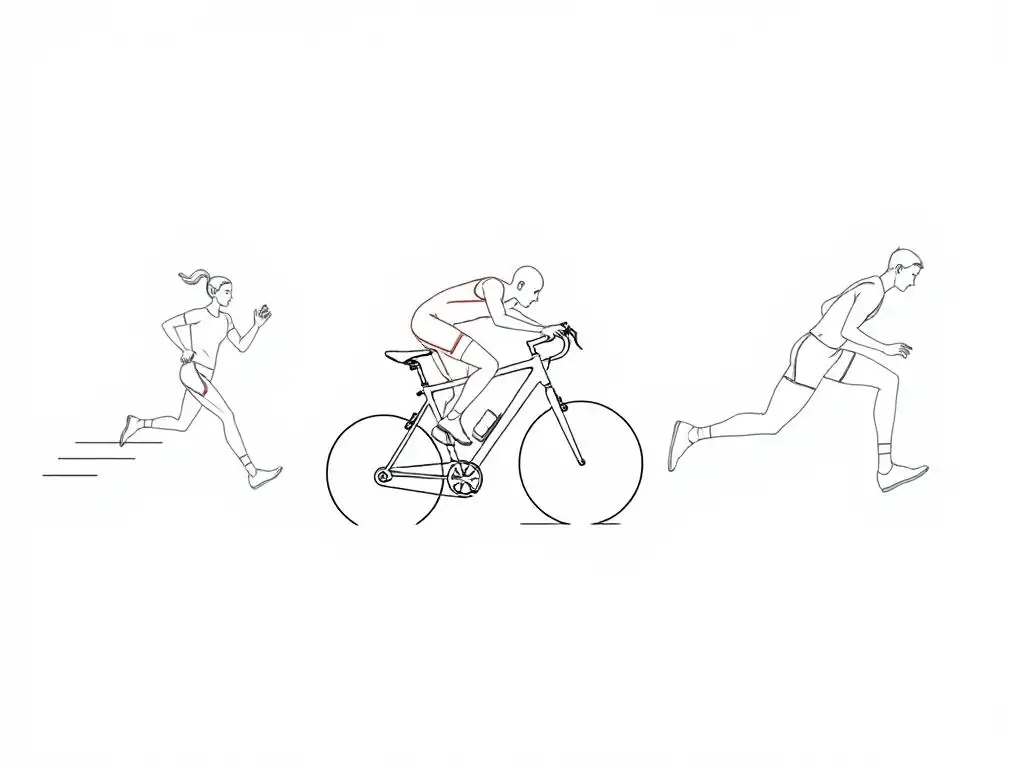
This section focuses on strategically crafting a cardio workout plan optimized for maximizing results within a limited timeframe. We'll explore the principles of High-Intensity Interval Training (HIIT) as a cornerstone of fast cardio workout routines for achieving maximum results. Remember, consistency and proper form are paramount for preventing injuries and maximizing the effectiveness of your training. The key to a successful fast cardio workout for maximum results is smart planning and execution.
Crafting a HIIT Routine for Beginners: A Step-by-Step Guide
Starting a HIIT routine requires a gradual approach. Beginners should prioritize proper form over intensity to avoid injury. This beginner-friendly plan focuses on building a foundation of strength and endurance before progressing to more challenging workouts. The goal is to build a solid base for future, more intense sessions, achieving maximum results from your fast cardio workouts.
Here's a sample beginner HIIT workout:
- Warm-up (5 minutes): Light cardio, like jogging in place or jumping jacks, followed by dynamic stretches (arm circles, leg swings).
- Workout (20 minutes):
- Interval 1: Jumping jacks (30 seconds) followed by rest (30 seconds). Repeat 4 times.
- Interval 2: High knees (30 seconds) followed by rest (30 seconds). Repeat 4 times.
- Interval 3: Butt kicks (30 seconds) followed by rest (30 seconds). Repeat 4 times.
- Cool-down (5 minutes): Static stretches, holding each stretch for 30 seconds (quadriceps, hamstrings, calves, etc. ).
Remember to listen to your body. If you feel pain, stop immediately. This workout can be performed 2-3 times per week, allowing for rest days in between to allow for muscle recovery. Gradually increase the intensity and duration of your workouts as you get fitter. This approach will help you achieve maximum results from your fast cardio workout routine.
Intermediate HIIT Workout: Increasing Intensity and Duration
Once you've mastered the beginner routine and feel comfortable, it's time to increase the intensity and duration of your HIIT workouts. This intermediate plan introduces more challenging exercises and longer work intervals. The key is to maintain proper form even as the intensity increases. This helps ensure that your fast cardio workout delivers maximum results.
Here's a sample intermediate HIIT workout:
- Warm-up (5 minutes): Jumping jacks, high knees, butt kicks (dynamic stretches).
- Workout (25 minutes):
- Interval 1: Burpees (45 seconds) followed by rest (15 seconds). Repeat 6 times.
- Interval 2: Mountain climbers (45 seconds) followed by rest (15 seconds). Repeat 6 times.
- Interval 3: Jump squats (45 seconds) followed by rest (15 seconds). Repeat 6 times.
- Cool-down (5 minutes): Static stretches (hold each for 30 seconds).
This intermediate workout can be performed 3-4 times a week, with rest days strategically placed to maximize recovery and prevent overtraining. Focus on maintaining proper form and gradually increasing your intensity to achieve maximum results from your fast cardio workout.
Advanced HIIT Workout: Incorporating Plyometrics and Strength Training
For advanced users, incorporating plyometrics and strength training elements into your HIIT routine elevates the challenge and maximizes calorie burn and muscle engagement. This advanced plan combines high-intensity cardio with strength-building exercises for optimal fitness gains. Remember, proper form is crucial to avoid injury, especially when performing plyometric exercises. This advanced plan is designed to provide maximum results from your fast cardio workout.
Here's a sample advanced HIIT workout:
- Warm-up (7 minutes): Dynamic stretches including arm circles, leg swings, torso twists, and light cardio.
- Workout (30 minutes):
- Interval 1: Box jumps (30 seconds) followed by push-ups (30 seconds), rest (30 seconds). Repeat 5 times.
- Interval 2: Plyometric lunges (30 seconds) followed by squats (30 seconds), rest (30 seconds). Repeat 5 times.
- Interval 3: Burpees (45 seconds) followed by plank (30 seconds), rest (15 seconds). Repeat 4 times.
- Cool-down (8 minutes): Static stretches holding each for 45 seconds.
This advanced routine should be performed no more than 3 times per week, with adequate rest and recovery between sessions. Remember to listen to your body and adjust the intensity as needed. Proper nutrition and hydration are also crucial for maximizing results and supporting your workouts. This advanced plan is designed to deliver maximum results from your fast cardio workout, helping you achieve your fitness goals efficiently.
Maximizing Results Beyond the Workout

This section focuses on optimizing your results from fast cardio workouts, extending beyond the actual exercise session itself. Achieving maximum results from your limited time requires a holistic approach that incorporates key elements outside the gym or your home workout space. We'll explore the crucial roles of nutrition and recovery in maximizing your fitness gains.
The Importance of Proper Nutrition for Fast Cardio Workout Maximum Results
Proper nutrition is paramount for achieving maximum results from your fast cardio workouts. Your body needs the right fuel to perform optimally during intense sessions and to recover effectively afterward. Ignoring this aspect can significantly hinder your progress, even with the most efficient workout routine.
Think of your body like a high-performance engine. To run at its peak, it needs high-quality fuel. This means prioritizing complex carbohydrates for sustained energy, lean protein for muscle repair and growth, and healthy fats for hormone production and overall health.
For example, a pre-workout snack containing a banana (complex carbs) and a handful of almonds (healthy fats and protein) can provide sustained energy throughout your fast cardio workout. Post-workout, a shake containing whey protein and berries can facilitate muscle recovery and replenish glycogen stores. Neglecting proper nutrition will lead to reduced performance, increased fatigue, and potentially even injury.
Here's a sample meal plan emphasizing nutrient timing for optimal results from your fast cardio sessions:
| Meal Time | Food Suggestions | Macronutrient Focus |
|---|---|---|
| Pre-Workout (1 hour before) | Banana with a small handful of almonds | Carbohydrates, Healthy Fats |
| Post-Workout (within 30 minutes) | Whey protein shake with berries | Protein, Carbohydrates |
| Lunch | Grilled chicken salad with quinoa and avocado | Protein, Carbohydrates, Healthy Fats |
| Dinner | Salmon with roasted vegetables and brown rice | Protein, Healthy Fats, Carbohydrates |
Remember, hydration is also crucial. Dehydration can significantly impact your performance and recovery. Drink plenty of water throughout the day, especially before, during, and after your workouts. Electrolyte drinks can be beneficial for longer or more intense sessions. The specific nutritional needs will vary depending on individual factors like intensity, duration, and body composition, but the fundamental principles remain the same: fuel your body appropriately for peak performance and recovery.
Recovery Strategies for Optimal Muscle Repair and Growth
Recovery is just as important as the workout itself when aiming for fast cardio workout maximum results. Intense cardio puts stress on your body, and without adequate recovery, you risk injury, overtraining, and plateaus. Prioritizing recovery strategies is essential for maximizing your gains and avoiding burnout.
Effective recovery includes several key components:
- Sufficient Sleep: Aim for 7-9 hours of quality sleep each night. Sleep is when your body repairs and rebuilds muscle tissue.
- Active Recovery: Light activities like walking or stretching can promote blood flow and reduce muscle soreness.
- Hydration: Continue to drink plenty of water to flush out toxins and aid in muscle recovery.
- Foam Rolling: This self-massage technique can help release muscle tension and improve flexibility.
- Mindfulness and Stress Reduction: Chronic stress can negatively impact recovery. Incorporate stress-reducing activities like meditation or yoga.
Ignoring recovery can lead to a vicious cycle of fatigue, poor performance, and increased risk of injury. Prioritize these strategies to ensure your body can adapt and improve from your intense cardio sessions. Remember, rest is not laziness; it's a crucial component of your training plan. Listen to your body and adjust your recovery strategies based on your individual needs. Overtraining is a real risk, and recognizing the signs early is key to long-term success.
Tracking Your Progress and Making Adjustments
Tracking your progress is crucial for ensuring your fast cardio workout routine remains effective and that you're maximizing your results. Without monitoring your performance, it's difficult to know if your current strategy is working or if adjustments are needed.
Use a variety of methods to track your progress:
- Heart Rate Monitoring: Track your heart rate during your workouts to monitor intensity and identify trends.
- Workout Logs: Record the duration, intensity, and perceived exertion of each workout.
- Fitness Tracker: Many fitness trackers automatically track your activity levels, heart rate, and sleep patterns.
- Measurements: Track your weight, body fat percentage, and other relevant measurements to assess overall progress.
- Performance Metrics: If you're focusing on specific goals (e.g., improving running speed), track those metrics accordingly.
Regularly reviewing your data allows you to identify areas for improvement and make necessary adjustments to your workout plan. For example, if your progress plateaus, you might need to increase the intensity or duration of your workouts, incorporate interval training, or explore different types of cardio. The key is to remain flexible and adapt your routine as needed to continue seeing results. Don't be afraid to experiment and find what works best for your body and your goals. Consistent monitoring and adjustments will ensure your fast cardio workout remains effective and efficient.
Avoiding Common Mistakes in Fast Cardio Workouts
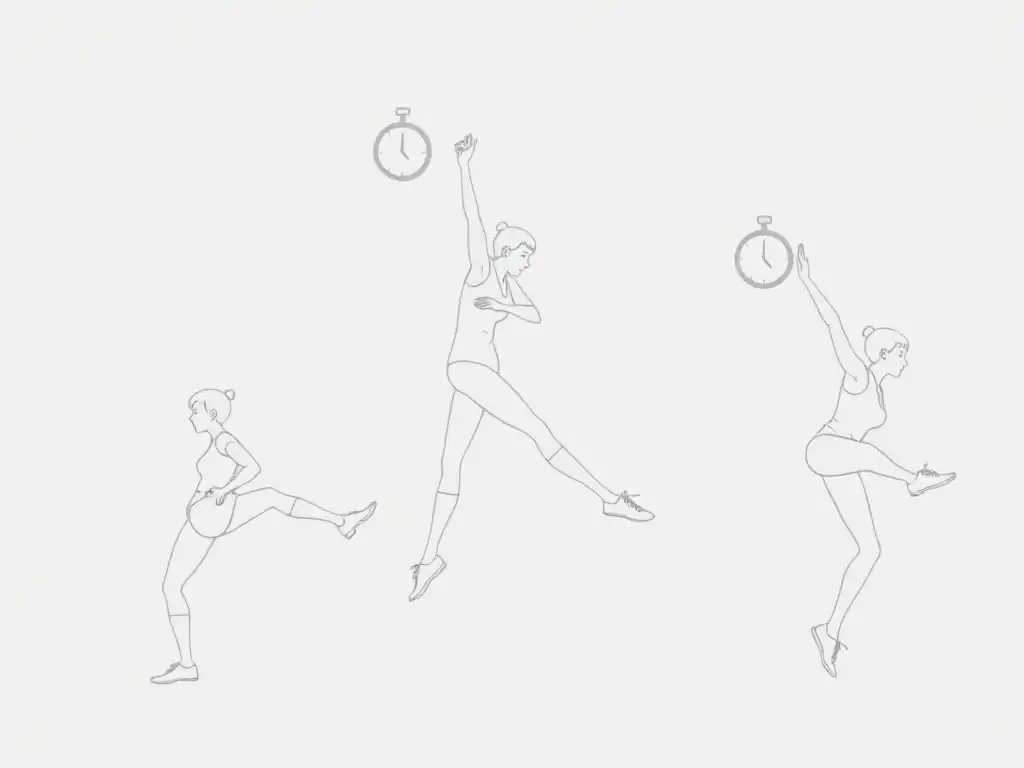
High-intensity cardio, while incredibly effective for achieving maximum results, is easily sabotaged by common mistakes. Optimizing your fast cardio workout requires more than just jumping on a treadmill; it demands attention to detail and a holistic approach. Ignoring these crucial aspects can lead to plateaus, injuries, and even burnout. This section will focus on three key areas where many individuals falter, providing actionable strategies to avoid these pitfalls and maximize your fitness gains.
Overtraining: Recognizing the Signs and Preventing Burnout
Overtraining is a significant obstacle to achieving your fast cardio workout maximum results goals. It's easy to get caught in the cycle of "more is better," especially when striving for quick results. However, pushing your body too hard without adequate rest leads to decreased performance, increased risk of injury, and ultimately, burnout. Recognizing the signs of overtraining is paramount.
These signs can manifest both physically and mentally:
- Physical Signs: Persistent muscle soreness (beyond the typical post-workout aches), fatigue even after rest, decreased performance despite increased training volume, frequent illness, difficulty sleeping, and increased resting heart rate.
- Mental Signs: Irritability, lack of motivation, anxiety, and feelings of hopelessness or depression related to fitness.
To prevent overtraining, incorporate these strategies into your routine:
- Active Recovery: Instead of complete rest days, engage in light activities like walking or stretching. This promotes blood flow and reduces muscle stiffness without further stressing your system.
- Progressive Overload: Gradually increase the intensity and duration of your workouts over time. Avoid drastic jumps in training volume or intensity. A good rule of thumb is to increase your training load by no more than 10% per week.
- Listen to Your Body: Pay close attention to how you feel. Don't hesitate to take a rest day if you're experiencing any of the warning signs mentioned above. Ignoring your body's signals can lead to significant setbacks.
- Prioritize Sleep: Aim for 7-9 hours of quality sleep per night. Sleep is crucial for muscle recovery and hormone regulation.
- Strategic Rest: Schedule rest days or weeks into your training plan. These periods allow your body to recover and adapt to the training stimulus, ultimately leading to better results. Consider a deload week every 4-6 weeks, reducing your training volume and intensity by approximately 50%.
Neglecting Proper Warm-up and Cool-down
A proper warm-up and cool-down are often overlooked aspects of a fast cardio workout, yet they are crucial for injury prevention and maximizing performance. A rushed or inadequate warm-up leaves your muscles unprepared for intense activity, increasing the risk of strains and tears. Similarly, neglecting a cool-down can hinder recovery and increase muscle soreness.
Here's a suggested approach:
Warm-up (5-10 minutes):
- Light cardio: Begin with 2-3 minutes of low-intensity cardio, such as brisk walking or jogging.
- Dynamic stretching: Perform dynamic stretches, such as arm circles, leg swings, and torso twists. These movements increase blood flow to the muscles and improve range of motion.
Cool-down (5-10 minutes):
- Light cardio: Gradually reduce the intensity of your cardio exercise.
- Static stretching: Hold each stretch for 20-30 seconds, focusing on major muscle groups used during your workout. Examples include hamstring stretches, quad stretches, and calf stretches.
Ignoring Nutritional Needs for Optimal Performance
Fueling your body correctly is as important as the workout itself when it comes to achieving fast cardio workout maximum results. Ignoring nutritional needs undermines your efforts, hindering recovery and impacting energy levels. Proper nutrition supports muscle repair, replenishes glycogen stores, and optimizes overall performance.
Consider these key aspects:
- Hydration: Drink plenty of water throughout the day, especially before, during, and after your workouts. Dehydration can significantly impair performance.
- Carbohydrates: Consume carbohydrates before and after your workouts to replenish glycogen stores. Choose complex carbohydrates such as whole grains, fruits, and vegetables for sustained energy.
- Protein: Include lean protein sources in your diet to support muscle repair and growth. Good sources include chicken, fish, beans, and lentils.
- Electrolytes: Replenish electrolytes, especially sodium and potassium, lost through sweat during intense workouts. Sports drinks or electrolyte tablets can be helpful, but natural sources like bananas and coconut water are also excellent options.
- Timing: Consume a balanced meal or snack within 1-2 hours after your workout to optimize recovery and muscle protein synthesis.
By diligently addressing these common mistakes, you can significantly improve the effectiveness of your fast cardio workout and achieve maximum results, transforming your fitness journey. Remember, consistency and attention to detail are key to success. Prioritizing recovery and fueling your body correctly are just as crucial as the workout itself.
Sustaining Your Time-Efficient Cardio Routine
Sustaining a time-efficient cardio routine requires more than just initial motivation; it demands a strategic approach to integrate fitness into your lifestyle seamlessly. Consistency is key to achieving maximum results from your fast cardio workout, and this section will provide practical strategies to help you maintain your momentum. The key is to build a routine that feels less like a chore and more like an integral part of your day.
Incorporating Cardio into Your Daily Life for Maximum Results
Successfully incorporating cardio into your daily life hinges on creating sustainable habits. Instead of viewing cardio as a separate block of time to be squeezed in, consider integrating short bursts of activity throughout your day. This approach, often called "NEAT" (Non-Exercise Activity Thermogenesis), can significantly boost your calorie expenditure without requiring dedicated workout sessions.
Here are some practical examples:
- Take the stairs: Instead of the elevator, opt for the stairs whenever possible. This simple change adds a mini-cardio workout to your daily routine. Even climbing a few flights can make a difference.
- Walk during your lunch break: A brisk 20-minute walk during your lunch break provides a refreshing break and a valuable cardio boost. This also helps improve focus and productivity in the afternoon.
- Active commuting: If feasible, consider cycling or walking to work or school, at least part of the way. This significantly increases your daily activity levels.
- Incorporate movement during work: Stand up and move around every 30-45 minutes if you have a sedentary job. Even simple stretches or walking to a colleague's desk can help.
Remember, even small increments of activity add up over time. The goal is to gradually increase your overall activity level without feeling overwhelmed. Track your progress using a fitness tracker or app to visualize your achievements and stay motivated.
Finding Motivation and Staying Committed to Your Fitness Goals
Maintaining motivation is crucial for long-term success with any fitness program, especially high-intensity fast cardio workouts. Finding and sustaining motivation requires a multifaceted approach that addresses both the physical and mental aspects of fitness.
Here are some effective strategies:
- Set realistic goals: Avoid setting overly ambitious goals that are difficult to achieve. Start with small, attainable goals and gradually increase the intensity and duration of your workouts as you progress. This prevents burnout and maintains motivation.
- Find a workout buddy: Exercising with a friend or family member can provide support, accountability, and make workouts more enjoyable. Having someone to share your fitness journey with can significantly boost your motivation.
- Reward yourself (healthily): Celebrate your achievements with healthy rewards, such as a new workout outfit or a relaxing massage. Avoid using unhealthy rewards that undermine your fitness goals.
- Track your progress: Monitoring your progress helps you visualize your accomplishments and stay motivated. Use a fitness tracker, journal, or app to track your workouts, weight, and measurements. Seeing tangible results is a powerful motivator.
- Listen to your body: Rest and recovery are crucial for preventing injuries and maintaining motivation. Don't push yourself too hard, especially when starting. Allow your body adequate time to recover between workouts.
Adapting Your Routine to Different Schedules and Circumstances
Life is unpredictable, and maintaining a consistent cardio routine often requires adapting to changing schedules and circumstances. Flexibility is key to long-term success. The beauty of time-efficient cardio is its adaptability. Short, high-intensity workouts can be easily integrated into almost any schedule.
Here are some tips for adapting your routine:
- Utilize short bursts of activity: Even 10-15 minutes of high-intensity interval training (HIIT) can be incredibly effective. HIIT workouts can be performed almost anywhere, requiring minimal equipment.
- Workout at different times of day: Experiment with different times to find what fits your schedule best. Some people prefer morning workouts, while others find evening workouts more convenient.
- Travel-friendly workouts: Pack resistance bands or utilize bodyweight exercises for workouts while traveling. You can perform effective workouts in a hotel room or outdoor space.
- Embrace bodyweight exercises: Bodyweight exercises are incredibly versatile and require no equipment, making them ideal for adapting to various circumstances. Push-ups, squats, and lunges are excellent examples.
- Plan ahead: Schedule your workouts in advance, just like any other important appointment. This helps ensure that fitness remains a priority, even during busy periods. Consider using a calendar or planner to block out time for your workouts.
Remember, consistency is the key to achieving maximum results from your fast cardio workout. By implementing these strategies and adapting your approach as needed, you can build a sustainable and effective cardio routine that fits seamlessly into your life. The benefits extend far beyond physical fitness; a consistent cardio routine contributes to improved mental well-being and overall quality of life.
Frequently Asked Questions
How long should a time-efficient cardio workout be?
Ideally, a time-efficient cardio workout should last between 20-40 minutes. Shorter, high-intensity sessions can also be effective, depending on your fitness level and goals. Focus on intensity over duration.
What types of cardio are best for maximum results?
High-intensity interval training (HIIT) and circuit training are excellent choices for maximizing results in a short amount of time. These methods combine short bursts of intense activity with brief recovery periods. Consider incorporating variations to avoid plateaus.
Can I achieve significant results with only short cardio sessions?
Yes! High-intensity short bursts are incredibly effective. The key is maintaining a high heart rate throughout the workout, even during the brief rest periods. Consistency is crucial for seeing results.
What are some examples of time-efficient cardio exercises?
Excellent choices include sprinting, burpees, jumping jacks, mountain climbers, and rowing. Choose exercises that challenge you and keep your heart rate elevated. Vary your routine to prevent boredom and plateaus.
How often should I do time-efficient cardio workouts?
Aim for at least 3-5 sessions per week, allowing for rest days to prevent overtraining and injury. Listen to your body and adjust your schedule as needed. Remember to prioritize proper form to avoid injuries.
Final Reflection: Harnessing the Power of Efficient Cardio
The pursuit of optimal fitness often clashes with the constraints of modern life, but this doesn't have to be the case. Efficient cardio, as explored throughout this guide, offers a powerful solution: maximizing results while minimizing time commitment. This isn't just about squeezing in a workout; it's about strategically designing your fitness routine for peak performance and sustainable well-being.
The impact of efficient cardio extends far beyond physical health. It's about reclaiming control over your time, demonstrating self-discipline, and fostering a positive relationship with exercise. This isn't merely about burning calories; it's about cultivating a lifestyle that prioritizes both physical and mental well-being. As the saying goes, The body achieves what the mind believes.
This belief, coupled with a strategic approach to cardio, unlocks a transformative potential that ripples outwards into all aspects of life.
You now possess the knowledge and tools to design a cardio routine that aligns with your individual needs and goals. Don't just read this information; embrace it. Experiment with different techniques, listen to your body, and celebrate your progress. The journey to optimal fitness is a personal one, and the power to shape it rests entirely within your hands. Start today. Your future self will thank you.
Unlock Your Peak Fitness: Start Your Time-Efficient Cardio Journey Today!
Thank you for taking the time to learn about time-efficient cardio! We hope you've discovered new ways to maximize your workouts and achieve better results. Now let's put your new knowledge into practice.
- Prioritize your most effective cardio: Choose your 2 or 3 favorite and most effective cardio exercises from the guide and add them to your weekly schedule immediately. This is the key to seeing real progress.
- Share your successes: Tell us (and your friends!) about your favorite time-saving cardio tips in the comments below! Let's build a supportive community of fitness enthusiasts who value efficiency.
- Challenge yourself this week: Try a new high-intensity interval training (HIIT) routine – even if it's just for 10 minutes! You might be amazed at how effective a short, intense workout can be.
Ready to enjoy the benefits of effective, time-saving cardio? What's the first high-impact exercise you'll be adding to your routine?