
UltimateLifeHacks: Find Your Center: Meditation Techniques for Beginners in FastPaced Environments

Feeling overwhelmed by your to-do list? UltimateLifeHacks is your secret weapon to conquering daily chaos. We're dedicated to providing you with practical, effective strategies to boost your productivity and reclaim your time. Discover how even busy beginners can unlock the transformative power of meditation – learn techniques to find your center and thrive, even in the midst of a fast-paced life. Dive in and uncover the secrets to a more balanced, efficient, and ultimately, more fulfilling you.
- Understanding Meditation for Busy Beginners: A Practical Approach
- Finding Your Meditation Niche: Techniques for Beginners
- Incorporating Meditation into Your Fast-Paced Day
- Measuring the Benefits: Tracking Your Progress with Meditation
- Advanced Techniques for Busy Meditators
-
Frequently Asked Questions
- How can I meditate if I only have a few minutes each day?
- Is it necessary to sit in a specific posture for meditation?
- What if my mind wanders during meditation?
- Are there specific meditation techniques best suited for busy beginners?
- Will meditation really help me reduce stress in my fast-paced life?
- Final Reflection: Finding Stillness in the Storm
- Unlock Your Inner Calm: Start Your Meditation Journey Today
Understanding Meditation for Busy Beginners: A Practical Approach
In today's fast-paced world, juggling work, family, and personal commitments often leaves us feeling overwhelmed and stressed. Finding moments of peace and tranquility can seem like a luxury, but it's crucial for maintaining both physical and mental well-being. This article explores the transformative power of meditation, specifically tailored for busy beginners who believe they lack the time or patience for this practice.
We'll debunk common myths surrounding meditation and provide practical, actionable steps to integrate this powerful tool into even the most demanding schedules. Learn how even short bursts of mindfulness can significantly reduce stress, improve focus, and enhance your overall quality of life.
Discover how to harness the benefits of meditation to navigate the challenges of a busy life and cultivate a sense of calm amidst the chaos. This guide is designed to empower you to prioritize your mental health, even with a packed calendar, proving that meditation for busy beginners is not only achievable but incredibly rewarding.
Why Meditation Matters in a Hectic Lifestyle
The relentless pace of modern life often leads to chronic stress, impacting our physical and mental health. High levels of cortisol, the stress hormone, can weaken the immune system, disrupt sleep patterns, and contribute to various health problems. 1 Meditation, even in short sessions, offers a powerful antidote. Studies have shown that regular meditation practice can:
- Reduce stress and anxiety: By focusing on the present moment, meditation helps calm the mind and reduce the impact of racing thoughts and worries.
- Improve focus and concentration: Regular practice enhances attention span and cognitive function, leading to improved productivity and efficiency.
- Boost emotional regulation: Meditation cultivates self-awareness, enabling you to better understand and manage your emotions.
- Enhance sleep quality: By calming the nervous system, meditation promotes relaxation and improves sleep quality.
- Increase self-awareness: Meditation allows you to observe your thoughts and emotions without judgment, fostering self-compassion and acceptance.
This isn't just anecdotal evidence; numerous scientific studies support these benefits. The positive effects of meditation are not merely subjective experiences; they are backed by measurable physiological changes in the body. The key is consistency, even if it's just for a few minutes each day.
Debunking Common Myths About Meditation: Time Constraints & Perceived Difficulty
Many people avoid meditation due to misconceptions about the time commitment and perceived difficulty. Let's address some common myths:
Myth 1: Meditation requires hours of practice. Reality: Even 5-10 minutes of daily meditation can yield significant benefits. Start small and gradually increase the duration as you become more comfortable.
Myth 2: Meditation is difficult and requires special skills. Reality: Meditation is a simple practice that anyone can learn. It's about focusing your attention, not achieving a specific state of mind. There are various techniques, and finding one that suits you is key.
Myth 3: My mind will always wander during meditation. Reality: A wandering mind is normal. The goal isn't to stop thoughts completely, but to gently redirect your attention back to your chosen focus (breath, body sensations, etc.) when you notice your mind has drifted. Think of it as a mental fitness exercise—the more you practice, the better you become at focusing.
Myth 4: I'm too busy to meditate. Reality: If you're too busy not to meditate, you're likely too busy to manage the long-term effects of stress on your health. Even short, mindful moments throughout the day can make a difference. Incorporate meditation into your existing routine—during your commute, while waiting in line, or before bed.
By dispelling these myths, we can see that meditation is more accessible than many believe. It's a skill that improves with practice, and the benefits far outweigh any perceived challenges.
Setting Realistic Expectations: Small Steps for Big Results in Meditation
Beginners often feel discouraged if they don't experience immediate, dramatic results. Remember that meditation is a journey, not a destination. Setting realistic expectations is crucial for long-term success. Here's a practical approach:
- Start small: Begin with 5-10 minutes of daily meditation. Consistency is more important than duration.
- Find a quiet space: Choose a comfortable and quiet environment where you can relax and focus.
- Focus on your breath: Pay attention to the sensation of your breath entering and leaving your body. This is a simple yet powerful anchor for your attention.
- Be patient and kind to yourself: Your mind will wander. That's okay. Gently redirect your attention back to your breath without judgment.
- Experiment with different techniques: There are many types of meditation, including mindfulness meditation, guided meditation, and transcendental meditation. Explore different approaches to find what resonates with you.
- Track your progress: Keep a journal to note your experiences and track your progress. This can help you stay motivated and identify areas for improvement.
- Make it a habit: Integrate meditation into your daily routine, just like brushing your teeth or having breakfast. Consistency is key to reaping the long-term benefits.
Remember, even small, consistent efforts can lead to significant improvements in your overall well-being. Embrace the process, celebrate your progress, and enjoy the journey towards a calmer, more focused you. The rewards of incorporating meditation into your busy life are immeasurable.
1 [Specific information pending: Include citation for the impact of cortisol on health]
Finding Your Meditation Niche: Techniques for Beginners
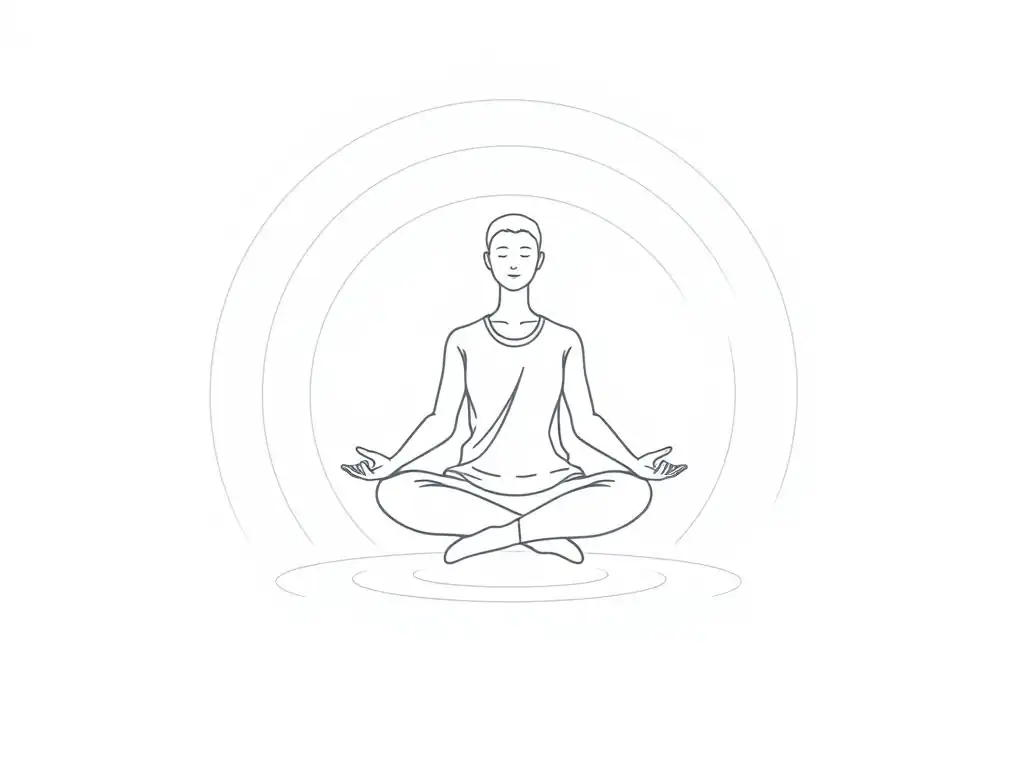
Finding the right meditation technique can feel overwhelming, especially for busy beginners. The key is to discover a practice that fits seamlessly into your already packed schedule and resonates with your personal preferences. Don't aim for perfection; aim for consistency. Even short, regular sessions can yield significant benefits.
This section explores several beginner-friendly techniques designed to ease you into the world of meditation, helping you manage stress and boost your overall well-being. Remember, the goal isn't to clear your mind completely – it's to cultivate a calmer, more focused state of mind. The journey is as important as the destination.
Mindful Breathing Exercises for Stress Reduction
Mindful breathing is a cornerstone of many meditation practices and a fantastic starting point for beginners. Its simplicity allows for easy integration into daily life, even during short breaks. The core principle is to focus your attention on the sensation of your breath – the rise and fall of your chest or abdomen. This simple act anchors you in the present moment, gently pulling your attention away from racing thoughts and anxieties.
Several techniques exist, but a basic approach involves finding a comfortable seated or lying-down position. Close your eyes (optional) and bring your awareness to your breath. Notice the coolness of the air as it enters your nostrils and the warmth as it leaves. If your mind wanders (and it will! ), gently redirect your attention back to your breath. Don't judge yourself; simply acknowledge the distraction and return to your focus.
You can enhance this practice by counting your breaths (e.g., inhale to four, exhale to four), or by focusing on the feeling of your breath expanding and contracting your abdomen. Even five minutes of mindful breathing can significantly reduce stress levels and promote relaxation. Try incorporating this technique into your daily routine – during your commute, before a meeting, or even while waiting in line.
The consistent practice will help you develop a deeper connection to your breath and cultivate a sense of calm amidst the chaos. Regular practice, even for short periods, can demonstrably lower cortisol levels and improve overall mood.
Guided Meditation Apps and Resources for Busy Schedules
For busy individuals, guided meditations offer a structured and convenient approach. Numerous apps and online resources provide a wide variety of guided sessions, catering to different needs and preferences. These apps often feature timers, soothing background music, and a variety of voices and styles, enabling you to find a perfect fit. The guided nature eliminates the need for extensive knowledge or experience, making it ideal for beginners who might feel lost or uncertain about how to start.
Many apps offer short meditations (5-10 minutes) specifically designed for busy schedules. These shorter sessions are perfect for incorporating into your day without disrupting your routine. Look for apps that offer features like customizable session lengths, themed meditations (stress reduction, sleep improvement, focus enhancement), and progress tracking to help you stay motivated and track your progress. The convenience and structure provided by these apps can significantly boost adherence to a daily meditation practice, leading to sustained benefits for your mental well-being. Remember to explore different apps and styles to find what resonates best with you.
Body Scan Meditation: Connecting Mind and Body for Beginners
Body scan meditation involves bringing mindful awareness to different parts of your body, systematically scanning from head to toe. This technique cultivates a deeper connection between your mind and body, promoting relaxation and reducing tension. It's particularly helpful for individuals who carry physical tension or experience bodily discomfort.
Begin by finding a comfortable position, either sitting or lying down. Close your eyes and gently bring your attention to your head, noticing any sensations – tingling, warmth, pressure, or tension. Slowly move your attention down your body, focusing on each body part individually: your face, neck, shoulders, arms, chest, abdomen, back, legs, and feet. Spend a few moments with each body part, simply observing any sensations without judgment. If you notice tension, gently acknowledge it and let it go.
The beauty of body scan meditation is its adaptability. You can adjust the duration and focus based on your available time and needs. Even a short 5-minute body scan can be incredibly effective in releasing physical tension and promoting a sense of groundedness. This practice is not only beneficial for relaxation but also fosters a greater body awareness, which can be helpful in managing chronic pain or stress-related physical symptoms. Consistent practice can significantly improve your body awareness and overall well-being.
Walking Meditation: Integrating Mindfulness into Your Daily Routine
Walking meditation offers a fantastic entry point for busy beginners seeking to incorporate meditation into their fast-paced lives. Unlike sitting meditation, which can sometimes feel challenging for those unaccustomed to stillness, walking meditation allows for gentle movement, making it more accessible and less intimidating. The practice combines physical activity with mental focus, creating a synergistic effect that benefits both body and mind. This technique is particularly useful for those who find it difficult to sit still for extended periods, or who feel restless energy that needs a channel for release.
One of the key advantages of walking meditation is its adaptability. You can practice it almost anywhere—in your backyard, during your lunch break in a park, or even while pacing around your office (if privacy allows!). This flexibility allows for seamless integration into an already busy schedule, transforming mundane tasks into opportunities for mindfulness. The simple act of walking becomes a meditative practice, fostering a deeper connection with your surroundings and your inner self.
The technique itself is straightforward. Begin by finding a quiet space, even a small corner will suffice. Start walking slowly, paying close attention to the sensation of your feet making contact with the ground. Notice the rhythm of your steps, the subtle shifting of your weight, and the feeling of your breath moving in and out of your body. As you walk, gently bring your awareness to your senses. Observe the sights, sounds, and smells around you without judgment. If your mind wanders—and it inevitably will—gently redirect your attention back to the physical sensations of walking and your breath.
It's important to avoid setting unrealistic expectations. Don't aim for perfect focus from the outset. Walking meditation is a process of cultivating awareness, not achieving a state of perfect stillness. Even short, five-minute sessions can be incredibly beneficial, gradually building your capacity for mindfulness and attention.
The key is consistency, not perfection. Regular practice, even in short bursts, will yield significant improvements in stress reduction, focus, and overall well-being. Consider incorporating walking meditation into your daily routine, perhaps as a brief interlude before or after work, during your lunch break, or even as a way to de-stress after a long day. You might be surprised at how this seemingly simple practice can transform your experience of the world and your ability to manage the demands of your busy life.
Remember, the goal isn't to stop thinking, but to observe your thoughts without getting carried away by them. This gentle observation is the core of the practice. Even five minutes of focused walking meditation can significantly reduce stress levels and improve mental clarity.
Incorporating Meditation into Your Fast-Paced Day
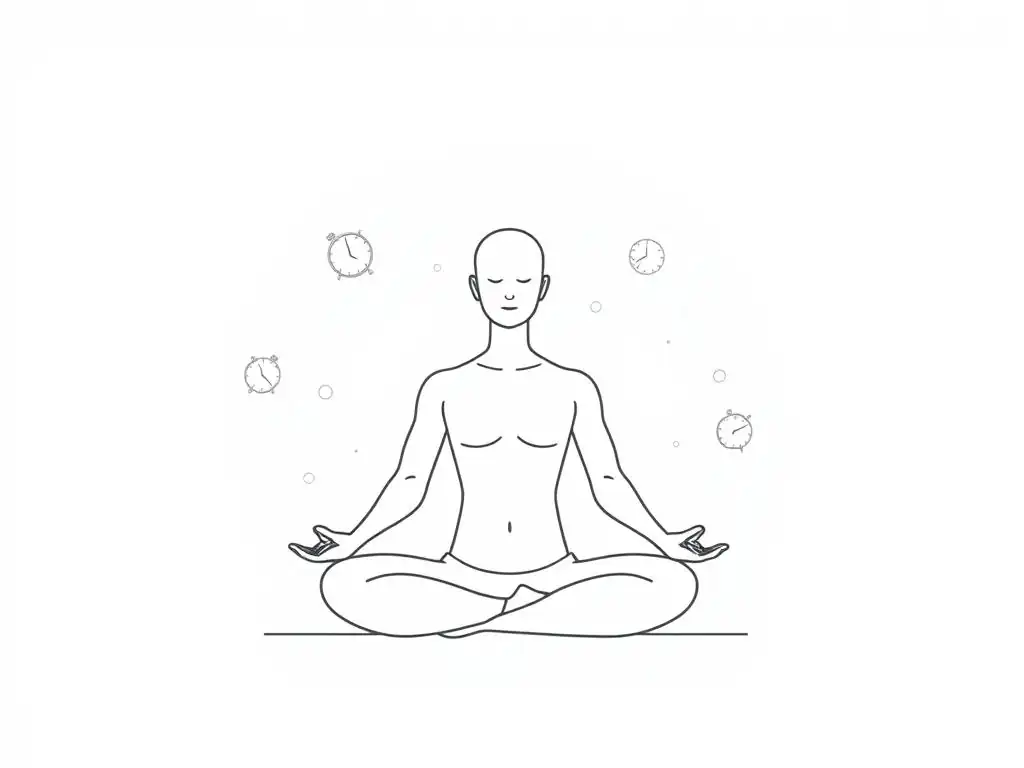
Finding time for meditation amidst a busy schedule can feel like an impossible task. Many beginners, especially those juggling demanding careers and family responsibilities, struggle to fit even a few minutes of mindfulness into their day. However, with strategic planning and a commitment to prioritizing mental wellness, incorporating meditation into a fast-paced life is entirely achievable. The key lies in understanding that meditation doesn't require hours of seclusion; even short, consistent practices yield significant benefits.
Think of it as a vital component of your self-care routine, just like exercise or healthy eating. By viewing meditation as an investment in your overall well-being, rather than a luxury, you'll be more likely to make it a non-negotiable part of your daily routine. This section will explore practical strategies to seamlessly integrate meditation into your busy life.
Scheduling Meditation: Time Management Strategies for Busy Individuals
Effective time management is crucial for busy individuals aiming to establish a consistent meditation practice. Don't try to overhaul your entire schedule at once. Start small and gradually increase the duration and frequency of your sessions. Here are some practical strategies:
- The "5-Minute Miracle": Begin with just 5 minutes of daily meditation. This is a manageable commitment, even on the busiest days. You can gradually increase the duration as you become more comfortable.
- Early Bird Approach: Wake up 15 minutes earlier than usual to meditate before the day's demands begin. This sets a calm and focused tone for the entire day.
- Lunch Break Mindfulness: Dedicate a portion of your lunch break to a short meditation session. This provides a much-needed mental break from work.
- Before Bed Relaxation: Meditate for 10 minutes before sleep to calm your mind and improve sleep quality. This can significantly reduce stress and improve overall well-being.
- Utilize "Dead Time": Incorporate meditation into existing routines, such as while commuting (if safe and possible), waiting for appointments, or during any period of downtime.
- Weekend Wellness: Dedicate a longer meditation session (20-30 minutes) on weekends to deepen your practice and cultivate a stronger sense of mindfulness.
Consider using a planner or a scheduling app to block out specific times for your meditation practice, treating it as an important appointment you cannot miss. This visual reminder will help you prioritize your mental well-being. Remember consistency is key; even short, regular sessions are more effective than infrequent longer ones. Experiment with different times and find what best fits your schedule and energy levels.
Creating a Dedicated Meditation Space: Optimizing Your Environment
The environment plays a significant role in the effectiveness of your meditation practice. While a dedicated meditation room is ideal, it's not a necessity for busy beginners. The goal is to create a calming and distraction-free space, wherever that may be.
- Quiet Sanctuary: Choose a quiet corner in your home, free from interruptions and excessive noise. This could be a spare bedroom, a home office, or even a quiet nook in your living room.
- Comfort is Key: Ensure your space is comfortable. Use a comfortable cushion, pillow, or chair. Appropriate clothing and a room temperature that feels neither too hot nor too cold will contribute to a relaxing experience.
- Minimize Distractions: Turn off electronic devices, including your phone and computer. Let your family know you need uninterrupted time for meditation. Consider using noise-canceling headphones or playing calming nature sounds to block out external noise.
- Aromatherapy Enhancements: Consider using calming essential oils, such as lavender or chamomile, to create a more tranquil atmosphere. However, ensure you are not allergic to any oils used.
- Visual Appeal: Add elements that promote relaxation, such as soft lighting, plants, or calming artwork. A clean and organized space contributes to a sense of peace and serenity. Your space should feel inviting and conducive to relaxation.
Remember that your meditation space should feel personalized and reflective of your preferences. Experiment with different elements to create an environment that best supports your meditation practice. The goal is to create a space where you can easily disconnect from the external world and focus on your inner self.
Overcoming Distractions During Meditation: Practical Tips and Techniques
Even in a carefully prepared space, distractions can arise during meditation. A wandering mind is a common experience, especially for beginners. Rather than viewing these distractions as failures, consider them opportunities to practice mindfulness and redirect your focus.
- Acknowledge and Redirect: When a thought arises, acknowledge it without judgment, and gently redirect your attention back to your breath or your chosen focus. Don't fight the distractions; simply observe them and let them pass.
- Body Scan Meditation: If your mind wanders frequently, try a body scan meditation. This technique involves systematically bringing your awareness to different parts of your body, noticing any sensations without judgment.
- Guided Meditations: Guided meditations can be especially helpful for beginners, as they provide a structured framework and a calming voice to help you stay focused. These are readily available through various apps and online resources.
- Mindful Breathing: Focus on your breath. Pay attention to the sensation of the air entering and leaving your nostrils, the rise and fall of your chest or abdomen. When your mind wanders, gently return your attention to your breath.
- Progressive Muscle Relaxation: Before meditation, practice progressive muscle relaxation to release physical tension that might be contributing to mental distractions. This involves systematically tensing and releasing different muscle groups in your body.
Remember, the key to overcoming distractions is consistent practice and patience. Over time, you'll develop a stronger ability to focus and manage your thoughts during meditation. Don't be discouraged by fleeting thoughts; it is a natural part of the process. Embrace the journey and celebrate your progress. The benefits of consistent meditation far outweigh the initial challenges.
Maintaining Consistency: Building a Sustainable Meditation Practice
Building a sustainable meditation practice, especially amidst a busy lifestyle, requires more than just occasional sessions. Consistency is key. Think of it like any other healthy habit – exercise, healthy eating, or even brushing your teeth. You wouldn't expect to see results from only doing it once a week, right? The same applies to meditation. The benefits, like stress reduction and improved focus, compound over time.
One effective strategy is to schedule your meditation time like any other important appointment. Treat it with the same respect you'd give a meeting with your boss or a doctor's visit. Block out a specific time each day, even if it's just for five minutes. Consistency trumps duration, especially in the beginning. Start small and gradually increase the time as you feel comfortable. Many find that morning meditation sets a positive tone for the entire day, while evening meditation helps unwind before bed. Experiment to find what works best for your schedule and energy levels.
Don't be discouraged by missed days. Life happens. If you miss a day, simply acknowledge it without judgment and gently resume your practice the next day. The goal isn't perfection; it's progress. Consider using a meditation app with reminders or setting an alarm to help you stay on track. These tools can provide a gentle nudge to maintain your commitment. Remember, even a short, consistent practice is far more effective than sporadic, longer sessions.
Furthermore, consider integrating mindfulness into your daily routine beyond dedicated meditation sessions. Practice mindful breathing throughout the day, particularly during stressful moments. Pay attention to your senses while eating, walking, or performing other routine tasks. These small acts of mindfulness can reinforce the positive effects of your formal meditation practice and help you cultivate a more mindful approach to life overall.
This holistic approach makes meditation less of a chore and more of an integral part of your daily well-being. The key is to find ways to make meditation a natural, sustainable part of your life, not an extra burden. Remember, the aim is to reduce stress and enhance your well-being, not to add another stressor to your already busy life.
Measuring the Benefits: Tracking Your Progress with Meditation
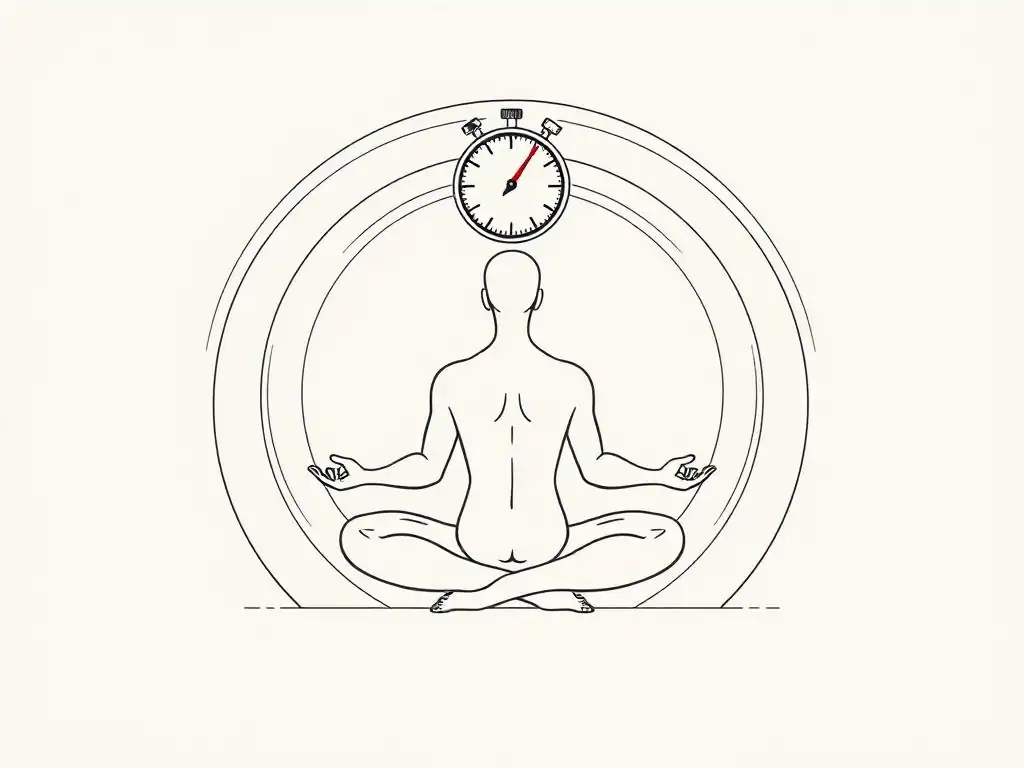
Regular meditation practice, even in short bursts, can significantly impact your overall well-being. However, simply feeling better isn't enough; quantifiable progress helps maintain motivation and demonstrates the effectiveness of your efforts. This section explores practical ways to track your meditation journey, specifically tailored for busy beginners seeking to integrate meditation into their fast-paced lives. The key is to find a method that fits seamlessly into your routine and doesn't add extra pressure.
Monitoring Stress Levels: Identifying Positive Changes
One of the most noticeable benefits of meditation for busy beginners is stress reduction. To track this, consider using a simple stress journal. Before each meditation session, rate your stress level on a scale of 1 to 10 (1 being completely relaxed, 10 being extremely stressed). Immediately after your session, rate your stress level again.
Note any noticeable differences in your physical sensations (e.g., muscle tension, heart rate) and emotional state (e.g., anxiety, irritability). Over time, you'll likely observe a downward trend in your stress levels, providing tangible evidence of your progress. For example, you might start with an average pre-meditation stress level of 7 and see it consistently drop to 4 or 5 after just a few weeks of regular practice.
This data provides valuable insight into the effectiveness of your meditation technique and motivates continued practice. Remember, consistency is key. Even small, regular sessions are more beneficial than infrequent, longer ones.
Improved Focus and Concentration: Real-World Applications
Beyond stress reduction, meditation enhances focus and concentration. To measure this, observe your ability to concentrate on tasks throughout your day. Do you find yourself getting easily distracted? Do you complete tasks more efficiently? You can also use specific tasks as benchmarks.
For instance, time how long it takes to read a complex document or complete a demanding project. Compare your performance before and after incorporating regular meditation into your routine. Many beginners report a marked improvement in their ability to sustain attention and resist distractions, leading to increased productivity and a sense of accomplishment. Quantifying these improvements can be as simple as noting the time saved on tasks or the number of interruptions you successfully manage to avoid. The cumulative effect of these small victories can be incredibly motivating.
Enhanced Sleep Quality and Mental Clarity: Long-Term Benefits
The long-term benefits of meditation extend beyond immediate improvements in stress and focus. Many individuals report improvements in sleep quality and mental clarity. To track these benefits, consider using a sleep tracker app or a simple sleep diary.
Note the time you go to bed, the time you wake up, and the quality of your sleep (e.g., how many times you woke up, how rested you felt upon waking). You may also want to rate your mental clarity throughout the day on a scale of 1 to 10. Over time, you should see a positive correlation between regular meditation and improved sleep quality and increased mental clarity.
This data will reinforce the positive impact of meditation on your overall well-being, providing a compelling reason to continue your practice. Remember, consistency is key to reaping the full benefits of meditation. Even short, daily sessions can lead to significant improvements in your sleep and cognitive function over time.
Personal Reflection and Self-Awareness: Inner Growth Through Meditation
Regular meditation practice cultivates a profound sense of self-awareness, acting as a mirror reflecting your inner landscape. This isn't simply about noticing your thoughts; it's about understanding their origins, their impact, and their relationship to your emotions and actions. Through consistent meditation, you begin to observe patterns in your thinking – recurring anxieties, negative self-talk, or habitual reactions to stressful situations. This heightened awareness allows you to approach these patterns with greater understanding and compassion, rather than being swept away by them.
For example, someone struggling with public speaking anxiety might notice a surge of fear and racing thoughts before a presentation. With meditation, they can learn to observe these sensations without judgment, recognizing them as temporary states rather than inherent aspects of their self. This detachment allows for a more measured response, reducing the intensity of the anxiety.
The journey of self-awareness through meditation is deeply personal and unfolds at its own pace. Some individuals might experience immediate breakthroughs in understanding their emotional responses, while others might find the process more gradual. The key is consistent practice and patience with oneself. Journaling can be a powerful tool to complement your meditative practice.
By recording your observations and reflections after each session, you can track your progress and identify recurring themes or insights. This self-reflection helps solidify the lessons learned during meditation, fostering deeper self-comprehension and personal growth. Many find that this process helps identify underlying root causes of stress or negative emotions, paving the way for more effective coping mechanisms and overall improved mental well-being.
It's a journey of continuous learning and discovery, revealing the intricate tapestry of your inner world. The more you meditate, the clearer the picture becomes, leading to a more authentic and fulfilling life. This process of self-discovery is not merely intellectual; it's transformative, impacting how you interact with the world and yourself.
Advanced Techniques for Busy Meditators
This section delves into more advanced meditation techniques suitable for busy individuals who have established a basic meditation practice. These techniques build upon foundational practices, offering deeper relaxation and increased mindfulness benefits even within limited timeframes. Remember, consistency, even in short bursts, is more valuable than infrequent, lengthy sessions. The key is to integrate these practices seamlessly into your already demanding schedule.
Combining Meditation with Other Mindfulness Practices
Integrating meditation with other mindfulness practices significantly enhances its effectiveness. Think of it as a synergistic effect – the benefits compound. For example, combining meditation with mindful breathing exercises amplifies the calming effect. Similarly, incorporating mindful movement, such as yoga or Tai Chi, before or after a meditation session, promotes both physical and mental well-being.
Mindful walking, even for just 5-10 minutes during your lunch break, can be incredibly beneficial. Focus on the sensation of your feet hitting the ground, the rhythm of your breath, and the sights and sounds around you, without judgment. This creates a mini-retreat within your busy day. The data suggests that even brief periods of mindful activity can reduce stress hormones and improve focus. Studies show a significant decrease in cortisol levels (the stress hormone) after just 10 minutes of mindful walking.
Furthermore, consider incorporating mindful eating into your routine. Pay close attention to the taste, texture, and smell of your food, savoring each bite without distractions. This simple act can transform a rushed meal into a moment of peaceful awareness. This practice cultivates a heightened sense of presence, which directly complements the benefits of your meditation practice. It's about cultivating mindfulness throughout your entire day, not just during dedicated meditation sessions.
Progressive Muscle Relaxation Techniques for Deeper Relaxation
Progressive muscle relaxation (PMR) is a powerful technique that can significantly deepen your meditative experience. It involves systematically tensing and releasing different muscle groups in your body, promoting deep relaxation and reducing physical tension. This is particularly useful for individuals who experience significant physical stress from long work hours or demanding physical activities.
The process typically begins with the toes, gradually moving upwards through the body. You tense each muscle group for a few seconds, focusing on the sensation of tension, and then release, noticing the contrast between tension and relaxation. This heightened awareness of physical sensations enhances body awareness and promotes a deeper state of relaxation, paving the way for a more profound meditation experience. It's a perfect complement to any meditation style.
For example, you might start by tensing the muscles in your right foot, holding the tension for 5 seconds, and then releasing for 30 seconds, noticing the difference. Then, you’d move to your calf muscles, then your thighs, and so on, working your way up to your face and head. Regular practice of PMR can significantly reduce muscle tension, improve sleep quality, and enhance the overall benefits of meditation, making it an ideal addition to your "meditation for busy beginners" routine. The consistent practice of PMR can lead to a noticeable reduction in anxiety and stress levels over time.
Exploring Different Meditation Styles: Finding What Works Best for You
The beauty of meditation lies in its versatility. Numerous styles cater to diverse preferences and needs. Experimentation is key to finding what resonates with you and your lifestyle. Don't feel pressured to stick with one style if it doesn't feel right. What works for one person might not work for another.
- Mindfulness Meditation: This focuses on observing your thoughts and feelings without judgment, simply acknowledging their presence and letting them pass. It's excellent for improving focus and emotional regulation.
- Transcendental Meditation (TM): This involves repeating a mantra silently, allowing the mind to settle into a state of deep relaxation. It's known for its stress-reducing and restorative effects.
- Guided Meditation: This is led by an instructor's voice, guiding you through visualizations or affirmations. It’s particularly helpful for beginners, providing structure and support.
- Walking Meditation: As mentioned earlier, this integrates movement with mindfulness, offering a dynamic approach to meditation.
Experiment with different styles, even incorporating elements from several. Perhaps you find that a combination of mindfulness meditation and guided imagery works best for you. The goal isn't to achieve perfection but to find a practice that supports your well-being and fits comfortably into your busy schedule. Remember, even short, regular meditation sessions are more effective than infrequent, longer ones when aiming for "meditation for busy beginners". The key is consistency and finding a style that you enjoy and can maintain long-term.
Frequently Asked Questions
How can I meditate if I only have a few minutes each day?
Even short meditation sessions (5-10 minutes) can be beneficial. Focus on your breath or a simple mantra. Consistency is key, not duration.
Is it necessary to sit in a specific posture for meditation?
No, you can meditate in any comfortable position, whether sitting, lying down, or even walking. The most important thing is to find a position that allows you to relax and focus.
What if my mind wanders during meditation?
Don't worry, a wandering mind is normal. Gently redirect your attention back to your chosen focus, whether it's your breath or a mantra. It's a practice, not a performance.
Are there specific meditation techniques best suited for busy beginners?
Yes! Mindfulness meditation and guided meditations are excellent starting points for busy individuals. Many apps offer short, guided sessions perfect for fitting into a busy schedule.
Will meditation really help me reduce stress in my fast-paced life?
Yes, studies show that regular meditation can significantly reduce stress and anxiety. It helps to cultivate a sense of calm and focus, improving your ability to manage daily pressures.
Final Reflection: Finding Stillness in the Storm
The relentless pace of modern life often leaves us feeling scattered and overwhelmed, yet the ancient practice of meditation offers a powerful antidote. This exploration of beginner-friendly meditation techniques demonstrates that even amidst the chaos, finding moments of inner peace is not only possible but essential for our well-being. The ability to cultivate mindfulness, even in short bursts, can significantly impact our stress levels, productivity, and overall sense of calm.
The impact of incorporating mindfulness into our daily lives extends far beyond personal stress management; it ripples outwards, influencing our relationships, our work, and even our broader societal interactions. We become more present, more compassionate, and more capable of navigating the complexities of the world with greater ease and grace. The time to relax is when you don't have time for it.
This quote, often attributed to Sydney J. Harris, perfectly encapsulates the urgency and importance of prioritizing self-care, even—and especially—when time seems to be our most precious commodity.
Now, consider your own life. Where can you integrate even five minutes of mindful breathing or a guided meditation into your day? Don't underestimate the power of small, consistent actions. Begin today. Experiment with different techniques, find what resonates with you, and allow the transformative power of stillness to gently reshape your experience of the world, one mindful breath at a time. The journey to finding your center begins with a single, intentional inhale.
Unlock Your Inner Calm: Start Your Meditation Journey Today
Thank you for exploring the world of meditation! We hope you've discovered valuable ways to find inner peace, even amidst life's challenges. Now, let's put that knowledge into practice.
Here's how you can cultivate inner peace:
- Begin a daily meditation practice: Even five minutes a day can significantly improve your well-being. Find a quiet space, sit comfortably, and focus on your breath. Consistency is key!
- Share your experience: Connect with our community on social media and share your meditation reflections using #UltimateLifeHacksCalm. Let's inspire each other!
- Experiment with different techniques: Explore guided meditations or mindfulness exercises to find what works best for you. The path to inner peace is a personal journey.
What small step will you take today to incorporate more mindfulness into your life?