
Break Free from Relationship Patterns: 5 Hacks to Create Positive Change


Welcome to UltimateLifeHacks, your destination for practical strategies to conquer daily challenges and unlock a more efficient you! Are you ready to transform your relationships and finally break free from those frustrating, repetitive patterns? Our latest article, "Break Free from Relationship Patterns: 5 Hacks to Create Positive Change," reveals five simple yet powerful techniques to foster healthier, more fulfilling connections. Discover how to easily implement these changes and experience a profound shift in your relationships – dive in and start creating the positive change you deserve!
- Understanding Unhealthy Relationship Patterns
- Hack 1: Cultivating Self-Awareness for Positive Relationship Change
- Hack 2: Effective Communication for Better Relationship Dynamics
- Hack 3: Building Healthy Relationship Habits for Lasting Change
- Hack 4: Seeking Professional Guidance for Relationship Issues
- Hack 5: Embracing Self-Care for a Stronger, Healthier You
- Implementing Lasting Change: Maintaining Positive Relationship Patterns
-
Frequently Asked Questions
- How can I identify unhealthy relationship patterns?
- What are some practical steps to change unhealthy patterns?
- Can I change relationship patterns on my own, or do I need professional help?
- How long does it take to change established relationship patterns?
- What if my partner isn't willing to change their behavior?
- Final Reflection: Unleashing the Power of Change in Your Relationships
- Unleash Your Relationship Potential: Take the Next Step
Understanding Unhealthy Relationship Patterns
Are you tired of repeating the same negative cycles in your relationships? Do you find yourself constantly attracting the same type of partner or experiencing similar conflicts? Understanding and breaking free from unhealthy relationship patterns is crucial for building fulfilling and lasting connections. This article provides five actionable hacks to help you identify, understand, and ultimately change these patterns, paving the way for healthier and happier relationships. We'll explore how to identify recurring conflicts, recognize your role in the dynamics, and even address the influence of past relationships on your present ones.
Learning to effectively change relationship patterns easily is a journey of self-discovery and empowerment, leading to more positive and rewarding connections. This guide will provide practical strategies and tools to help you navigate this process effectively. Let's begin! 🚀
Identifying Recurring Conflicts and Negative Cycles
Unhealthy relationship patterns often manifest as recurring conflicts or negative cycles. Think back on your past relationships. Do you notice any common themes? Perhaps you frequently argue about finances, communication styles, or household chores. Maybe you find yourself constantly apologizing or feeling unheard. Identifying these recurring patterns is the first step towards breaking free.
Keep a journal ✍️ to track your interactions, noting the situations that lead to conflict and the emotions involved. This detailed record will reveal patterns you might otherwise overlook. For example, if you consistently find yourself in relationships where trust is an issue, it's a strong indicator of a pattern to address. Analyzing these recurring conflicts helps pinpoint the root causes and develop effective strategies for managing them differently in the future. Consider creating a table to visually represent these patterns:
| Conflict Topic | Frequency | Emotional Response |
|---|---|---|
| Communication Breakdown | Frequently | Frustrated, unheard |
| Financial disagreements | Occasionally | Anxious, insecure |
| Lack of intimacy | Regularly | Lonely, disconnected |
Recognizing Your Role in Relationship Dynamics
It's crucial to acknowledge your own contribution to the dynamics of your relationships. While it's easy to blame your partner for problems, taking personal responsibility is essential for positive change. Ask yourself: What role do I play in these recurring conflicts? Do I communicate effectively? Do I set healthy boundaries? Do I contribute to the negativity?
Sometimes, we unconsciously recreate patterns from our childhood or past relationships. Reflecting on your own behavior and communication style is key. Understanding your triggers and reactions allows you to proactively address them. For instance, if you tend to become defensive during arguments, practicing active listening and mindful communication can significantly improve the situation. This self-awareness is a powerful tool for breaking free from negative cycles and fostering healthier interactions.
The Impact of Past Relationships on Present Ones
Our past experiences significantly shape our present relationship patterns. Unresolved issues from previous relationships can unconsciously influence our choices and behaviors in new ones. Past traumas, negative experiences, or unhealed wounds can create emotional baggage that impacts our current relationships. Consider seeking professional guidance from a therapist or counselor 🧑⚕️ to explore these past experiences and develop coping mechanisms.
Understanding the impact of your past allows you to consciously break the cycle and create healthier relationship patterns. For example, if you experienced betrayal in a previous relationship, you might unconsciously mistrust your current partner, leading to unnecessary conflict. Addressing these underlying issues is crucial for building trust and fostering healthy connections.
Hack 1: Cultivating Self-Awareness for Positive Relationship Change
This hack focuses on the crucial first step in changing relationship patterns: understanding yourself. Before you can effectively change how you interact, you need to understand why you react the way you do. This involves deep introspection and a willingness to confront uncomfortable truths. Successfully changing relationship patterns easily hinges on this foundational self-awareness. Let's delve into the key components.
Introspection and Journaling for Self-Discovery
Self-reflection is paramount. Take time each day, even just 15 minutes, to quietly contemplate your interactions. Consider both positive and negative experiences. Journaling is a powerful tool here. Don't censor yourself; write down every thought and feeling, no matter how insignificant it may seem initially. Ask yourself probing questions:
- What triggered my emotional response?
- What were my thoughts and feelings during the interaction?
- How did my actions contribute to the outcome?
- What could I have done differently?
- What did I learn from this experience?
Consistent journaling will reveal recurring patterns in your thoughts, feelings, and behaviors. You might discover you consistently react defensively when criticized, or that you tend to withdraw when feeling overwhelmed. Identifying these patterns is the first step towards changing them. Remember, the goal isn't self-criticism; it's self-understanding. This process allows you to approach future interactions with greater insight and intentionality, making it easier to change relationship patterns easily.
Identifying Personal Triggers and Emotional Responses
Understanding your personal triggers is essential for changing relationship patterns easily. Triggers are specific situations, behaviors, or words that evoke strong emotional responses in you. These triggers are often rooted in past experiences and unresolved issues. Identifying them requires honest self-assessment. Consider past relationship conflicts. What specific actions or words consistently upset you? What emotions do these triggers elicit – anger, sadness, fear, anxiety?
For example, if consistent criticism from a partner triggers feelings of inadequacy and defensiveness, recognizing this pattern allows you to develop coping mechanisms. You might practice assertive communication techniques or seek professional help to address underlying insecurities. By pinpointing your triggers and their associated emotional responses, you gain control over your reactions, paving the way for healthier, more positive interactions.
Setting Boundaries to Protect Your Well-being
Setting healthy boundaries is crucial for positive relationship change. Boundaries are limits you establish to protect your emotional and physical well-being. They define what you will and will not tolerate in your relationships. Without clear boundaries, you risk being taken advantage of or constantly engaging in unhealthy relationship patterns.
Effective boundary-setting involves clear and direct communication. For example, instead of passively accepting criticism, you might state: "I understand your concerns, but I'm uncomfortable with the way you're expressing them. I need you to speak to me with more respect." Or, if you need personal space, you might say: "I value our time together, but I also need time alone to recharge.
I'll let you know when I'm available." Practicing assertive communication, combined with a firm understanding of your personal limits, empowers you to change relationship patterns easily and build healthier connections. Remember, setting boundaries isn't selfish; it's self-preservation, a vital component of fostering positive and sustainable relationships. This proactive approach significantly contributes to easily changing relationship patterns.
Hack 2: Effective Communication for Better Relationship Dynamics

Effective communication is the cornerstone of any healthy relationship. Changing relationship patterns easily often hinges on improving how you interact and understand each other. This hack focuses on three key areas to foster more positive and productive exchanges, leading to a stronger bond and improved relationship dynamics. Miscommunication is a frequent source of conflict, so mastering these techniques is crucial for building a more fulfilling partnership. This is particularly important when aiming to change relationship patterns easily, as clear communication helps address the root causes of unhealthy dynamics.
Active Listening and Empathetic Responses
Active listening goes beyond simply hearing your partner's words; it involves truly understanding their perspective and emotions. This requires focusing your attention completely on them, avoiding distractions, and showing genuine interest. Consider these practical steps:
- Maintain eye contact: This demonstrates your engagement and respect.
- Use verbal and nonverbal cues: Nodding, mirroring body language (subtly! ), and saying things like "uh-huh" or "I understand" show you're following along.
- Summarize and paraphrase: Restate your partner's points in your own words to confirm your understanding and ensure you're on the same page. For example, instead of saying "I know how you feel," try "It sounds like you're feeling frustrated because..."
- Ask clarifying questions: Don't hesitate to ask questions to gain a deeper understanding. Avoid interrupting; wait for natural pauses.
- Empathize, don't necessarily agree: Try to see things from their perspective, even if you don't share their feelings. Showing empathy validates their emotions and builds trust. Remember, empathy isn't about agreeing; it's about understanding.
Practicing active listening can significantly improve communication and help you better understand your partner's needs and concerns. It’s a vital skill for changing relationship patterns easily and creating a more compassionate and supportive environment. Studies show that couples who practice active listening report higher levels of satisfaction and fewer conflicts.
Expressing Needs and Feelings Assertively
Assertive communication involves expressing your needs and feelings clearly and respectfully, without being aggressive or passive. It's about finding a balance between expressing yourself and respecting your partner's feelings. This is critical for changing relationship patterns easily because it prevents resentment and misunderstandings that can fester over time.
Here are some strategies for assertive communication:
- Use "I" statements: Focus on your own feelings and experiences rather than blaming your partner. For instance, instead of saying "You always make me angry," try "I feel angry when..."
- Be specific: Clearly articulate your needs and desires, providing concrete examples. Vague statements are less effective.
- Maintain a calm and respectful tone: Even when expressing difficult emotions, strive to maintain a calm and respectful demeanor. Avoid raising your voice or using accusatory language.
- Set boundaries: Learn to say "no" when necessary and establish healthy boundaries to protect your own well-being.
- Practice self-care: Taking care of your own emotional and physical health will empower you to communicate more effectively.
Mastering assertive communication is a powerful tool for building healthier relationships and changing relationship patterns easily. It empowers you to express yourself authentically while maintaining respect for your partner.
Resolving Conflicts Constructively and Respectfully
Conflicts are inevitable in any relationship. However, how you handle these disagreements significantly impacts the overall health of your relationship. Constructive conflict resolution involves addressing issues directly, respectfully, and collaboratively. This is essential for easily changing relationship patterns that contribute to conflict.
Here’s how to approach conflict constructively:
- Choose the right time and place: Avoid discussing sensitive issues when you're stressed, tired, or distracted.
- Focus on the issue, not the person: Avoid personal attacks or name-calling. Stick to the specific problem at hand.
- Listen actively and empathetically: Apply the active listening techniques discussed earlier.
- Find common ground: Look for areas of agreement and work together to find solutions.
- Compromise and negotiate: Be willing to compromise and find solutions that work for both of you.
- Seek professional help if needed: If you're struggling to resolve conflicts on your own, consider seeking guidance from a therapist or counselor.
By implementing these strategies, you can transform conflict from a destructive force into an opportunity for growth and understanding, making it easier to change relationship patterns and foster a stronger, more resilient bond. Remember, effective conflict resolution is a skill that develops over time with consistent practice.
Hack 3: Building Healthy Relationship Habits for Lasting Change
This hack focuses on cultivating positive relationship habits that actively counteract unhealthy patterns. It's about shifting from reactive behaviors to proactive strategies that nurture connection and understanding. Remember, changing relationship patterns easily isn't about a quick fix; it's about consistent effort and a commitment to personal growth. This involves consciously choosing actions that support a healthier dynamic, rather than defaulting to old, ingrained behaviors.
Prioritizing Quality Time and Meaningful Interactions
Spending quality time together is crucial for building a strong and lasting relationship. It's not just about being physically present; it's about being mentally and emotionally present. This means putting away distractions like phones and focusing on connecting with your partner. Meaningful interactions involve genuine conversation, active listening, and shared experiences.
Consider these practical strategies:
- Schedule regular date nights: Even a short, planned activity once a week can make a big difference. This dedicated time shows your partner they are a priority.
- Engage in shared hobbies: Participating in activities you both enjoy fosters a sense of camaraderie and shared purpose.
- Practice active listening: Truly hearing what your partner is saying, without interrupting or formulating your response, demonstrates respect and understanding. Pay attention to both verbal and nonverbal cues.
- Unplug and disconnect: Designate specific times each day or week where you both consciously avoid screens and focus on each other. This can significantly improve communication and intimacy.
Data shows that couples who prioritize quality time together report higher levels of relationship satisfaction and lower rates of conflict. The key is consistency; even small, regular efforts to connect can yield significant positive results in changing relationship patterns easily.
Practicing Forgiveness and Letting Go of Resentment
Resentment is a relationship killer. Holding onto past hurts prevents moving forward and creates a toxic environment. Practicing forgiveness, both for yourself and your partner, is essential for breaking free from negative relationship patterns and building a stronger bond. Forgiveness doesn't mean condoning harmful behavior; it means releasing the anger and bitterness that hold you back.
To facilitate forgiveness:
- Identify the root of your resentment: Understanding the source of your anger can help you process your emotions more effectively.
- Practice empathy: Try to see the situation from your partner's perspective. This doesn't excuse their actions, but it can help you understand their motivations.
- Engage in self-compassion: Recognize that everyone makes mistakes, including you. Be kind to yourself during the process of forgiveness.
- Consider professional help: If you're struggling to forgive, a therapist can provide guidance and support.
Remember, forgiveness is a process, not an event. It takes time and effort, but the rewards—a lighter heart and a stronger relationship—are well worth it. This is key to changing relationship patterns easily and building a healthier future together.
Fostering Mutual Respect and Appreciation
Mutual respect and appreciation are the cornerstones of any healthy relationship. Showing your appreciation for your partner, both big and small, strengthens your bond and cultivates a positive environment. It's about valuing your partner's contributions, both within the relationship and in their individual life.
Here are some ways to cultivate mutual respect and appreciation:
- Express gratitude regularly: Say "thank you" often, and express your appreciation for specific actions or qualities you admire.
- Practice active kindness: Small gestures of kindness, such as making your partner coffee in the morning or doing a chore they dislike, show you care.
- Respect each other's boundaries: Understanding and respecting each other's personal space and needs is vital for a healthy relationship.
- Celebrate each other's successes: Support and celebrate your partner's achievements, both big and small.
By consistently practicing these actions, you'll cultivate a relationship built on mutual respect and appreciation. This not only strengthens your bond but also significantly contributes to changing relationship patterns easily and fostering a more fulfilling and lasting connection. This positive reinforcement loop is essential for long-term success.
Hack 4: Seeking Professional Guidance for Relationship Issues
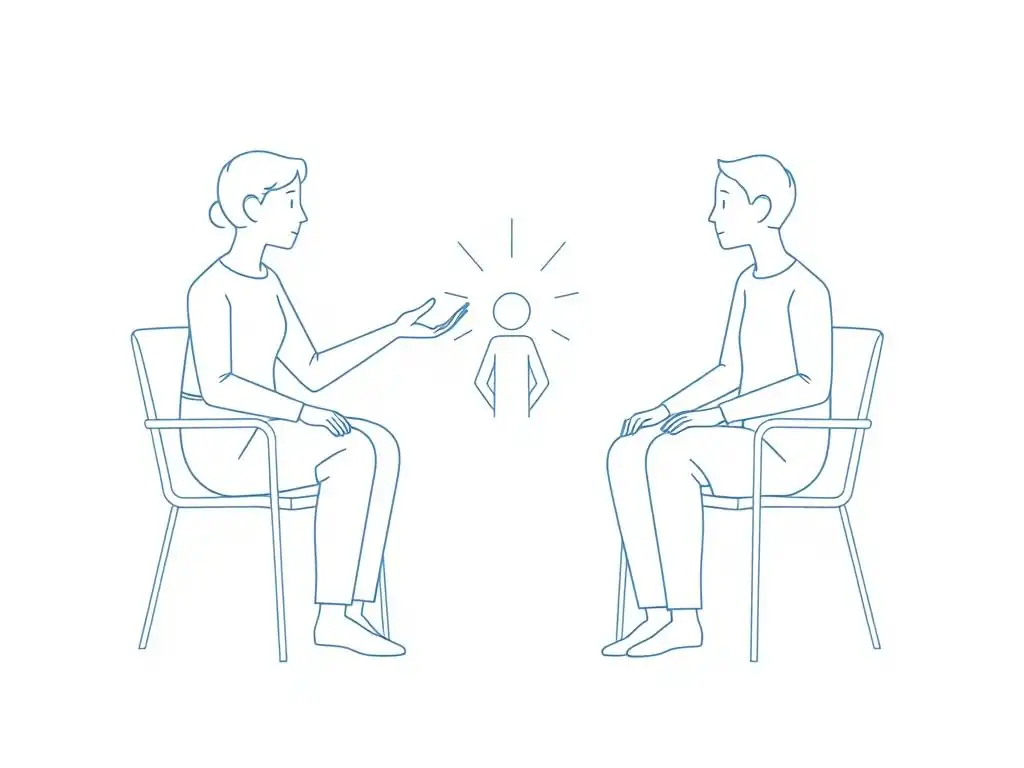
Sometimes, despite our best efforts, ingrained relationship patterns prove resistant to change. This is where seeking professional help can be invaluable. Learning to change relationship patterns easily isn't always a solo journey; sometimes, expert guidance is necessary to navigate complex dynamics and achieve lasting positive change. This section explores the benefits of professional intervention and how to find the right support.
When to Consider Relationship Counseling or Therapy
Recognizing when you need professional help is crucial. While self-help and personal reflection are important, there are situations where professional guidance becomes essential for effectively changing relationship patterns. Consider seeking help if:
- You've tried various self-help strategies, but the negative patterns persist. Repeated attempts to communicate effectively or resolve conflicts consistently fail.
- Communication has broken down completely, leading to significant emotional distance and conflict. You find yourselves constantly arguing or avoiding each other.
- There's a history of abuse, trauma, or infidelity impacting your relationship. These situations often require specialized therapeutic intervention.
- You find yourselves stuck in cyclical arguments or unhealthy power dynamics. The same issues repeatedly resurface without resolution.
- You're experiencing significant emotional distress or mental health challenges related to the relationship. This could include anxiety, depression, or other issues hindering your ability to cope.
- You feel overwhelmed by the challenges and are struggling to manage your emotions independently. Seeking help doesn't signify weakness; it indicates a proactive approach to improving your well-being.
Remember, seeking professional help is a sign of strength, not weakness. It demonstrates a commitment to improving your relationship and fostering healthier communication. Early intervention can prevent minor issues from escalating into major problems, making the process of changing relationship patterns easily achievable.
Finding a Qualified Therapist or Counselor
Finding the right therapist is a crucial step in the process. Not all therapists specialize in relationship issues. To find a qualified professional, consider these steps:
- Check with your insurance provider: Many insurance plans cover mental health services, including relationship counseling. Verify which therapists are in-network to minimize out-of-pocket costs.
- Utilize online directories: Several online directories list therapists specializing in couples counseling and relationship dynamics. Look for therapists with experience in addressing issues relevant to your specific challenges.
- Ask for referrals: Friends, family, or your primary care physician may be able to recommend qualified therapists in your area. Word-of-mouth referrals can be valuable sources of information.
- Consider the therapist's approach: Different therapists utilize various approaches, such as cognitive behavioral therapy (CBT), emotionally focused therapy (EFT), or Gottman Method Couples Therapy. Research different approaches to find one that aligns with your needs and preferences.
- Schedule consultations: Most therapists offer free or low-cost consultations. Use this opportunity to assess their approach, personality, and whether you feel comfortable working with them. A good therapist-client rapport is crucial for successful therapy.
Finding the right fit is paramount. Don't hesitate to interview several therapists before committing to one. The goal is to find someone you trust and feel comfortable sharing your vulnerabilities with, facilitating easier change in your relationship patterns.
Benefits of Professional Support in Changing Relationship Patterns
Professional support offers several advantages in fostering positive change within relationships:
| Benefit | Description |
|---|---|
| Objective Perspective | Therapists provide an unbiased viewpoint, helping you identify blind spots and unhealthy patterns you might not recognize on your own. |
| Improved Communication | Therapists teach effective communication skills, including active listening, assertive expression, and conflict resolution techniques. |
| Enhanced Emotional Regulation | Therapists help you develop coping mechanisms for managing difficult emotions and navigating stressful situations within the relationship. |
| Increased Self-Awareness | Therapy promotes self-reflection, enabling you to understand your own contributions to relationship dynamics and make necessary adjustments. |
| Personalized Strategies | Therapists tailor their approach to your specific needs and challenges, creating a customized plan for positive change. |
| Accountability and Support | Therapy provides a structured environment with consistent support and accountability, helping you stay committed to the process. |
Investing in professional help can significantly increase the likelihood of successfully changing relationship patterns easily and sustainably. It provides the tools, strategies, and ongoing support necessary to navigate challenges and build a stronger, healthier relationship. Remember, seeking help is an investment in your well-being and the future of your relationship.
Hack 5: Embracing Self-Care for a Stronger, Healthier You
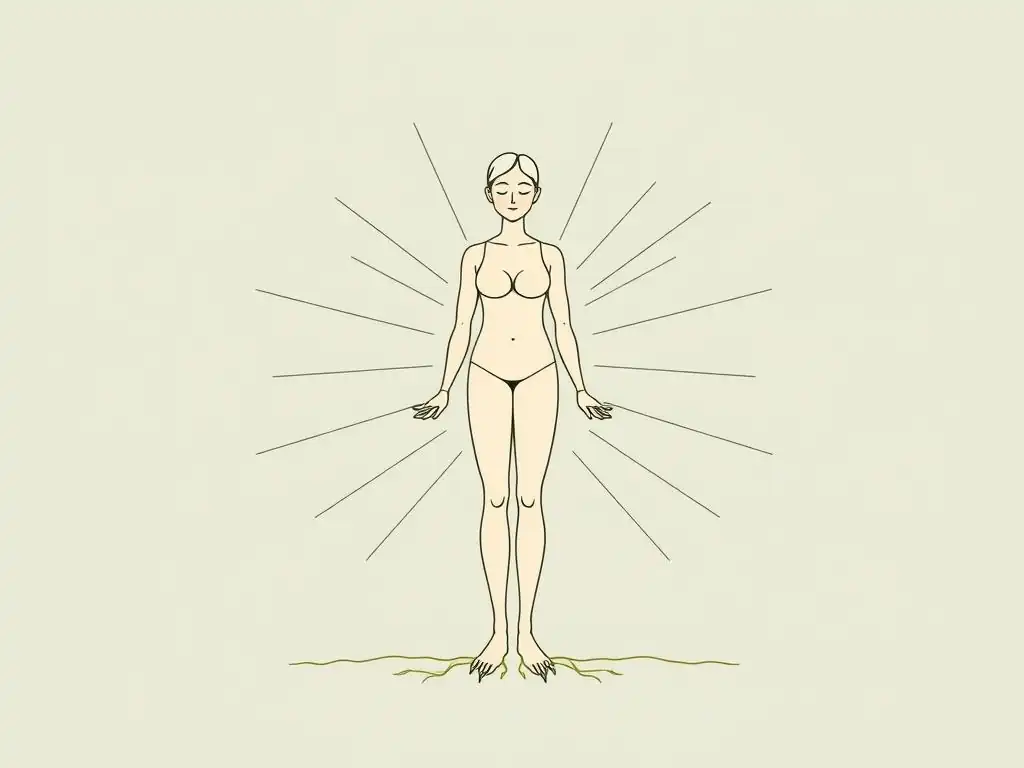
Self-care isn't selfish; it's essential for fostering healthy relationships and breaking free from negative patterns. When you prioritize your well-being, you're better equipped to handle challenges, communicate effectively, and build stronger connections. Neglecting self-care, conversely, can lead to burnout, resentment, and ultimately, strained relationships. This section explores practical strategies to integrate self-care into your daily life, contributing to a more positive and fulfilling relationship dynamic. Changing relationship patterns easily often starts with changing your own patterns of self-neglect.
Prioritizing Self-Care Activities to Reduce Stress
Stress is a relationship killer. It can manifest as irritability, poor communication, and emotional detachment. Prioritizing self-care activities directly combats stress, leading to improved emotional regulation and healthier interactions. Consider incorporating these stress-reducing activities into your routine:
- Mindfulness and Meditation: Even 10 minutes of daily meditation can significantly reduce stress levels. Numerous apps offer guided meditations tailored to various needs and experience levels.
- Regular Exercise: Physical activity releases endorphins, natural mood boosters that combat stress and anxiety. Aim for at least 30 minutes of moderate-intensity exercise most days of the week. This could be anything from a brisk walk to a more intense workout.
- Sufficient Sleep: Aim for 7-9 hours of quality sleep per night. A well-rested mind and body are better equipped to navigate relationship challenges. Establish a consistent sleep schedule to regulate your body's natural sleep-wake cycle.
- Healthy Diet: Nourishing your body with a balanced diet provides the energy and nutrients needed to manage stress effectively. Focus on whole, unprocessed foods, limiting sugar and processed foods.
The impact of these activities is measurable. Studies show a significant correlation between regular self-care practices and reduced stress hormones like cortisol. By proactively managing stress, you create a more stable and positive emotional foundation for your relationships. This is key to changing relationship patterns easily and sustainably.
Building a Strong Support System of Friends and Family
A robust support system acts as a buffer against relationship stressors. Surrounding yourself with positive and supportive individuals provides emotional resilience and a safe space to process challenges. This doesn't mean ignoring problems; rather, it means having a network to help you navigate them constructively.
Consider these strategies for cultivating a strong support system:
- Nurture Existing Relationships: Make time for meaningful connections with loved ones. Regular phone calls, quality time spent together, and active listening are crucial for maintaining strong bonds.
- Expand Your Network: Join groups or clubs based on your interests. This provides opportunities to meet like-minded individuals and build new friendships.
- Seek Professional Support: Therapists and counselors provide a safe and confidential space to explore relationship dynamics and develop healthy coping mechanisms. Don't hesitate to seek professional help if you're struggling to manage relationship challenges independently.
Building a strong support network is crucial for long-term well-being and relationship success. Having people you can rely on during difficult times significantly increases your capacity to navigate relationship challenges effectively. This is a vital component in changing relationship patterns easily and building a more fulfilling life.
Maintaining a Positive Mindset and Self-Compassion
A positive mindset is a powerful tool for fostering healthy relationships. Self-compassion, the ability to treat yourself with kindness and understanding, is particularly important. When faced with relationship difficulties, self-criticism can exacerbate problems, while self-compassion allows for constructive self-reflection and growth.
Here are some practical strategies for cultivating a positive mindset and self-compassion:
- Practice Gratitude: Focusing on the positive aspects of your life and relationships fosters a sense of appreciation and contentment.
- Challenge Negative Thoughts: Identify and challenge negative thought patterns. Replace self-critical thoughts with more balanced and realistic perspectives.
- Practice Self-Forgiveness: Everyone makes mistakes. Learning to forgive yourself allows for personal growth and strengthens your ability to navigate relationship challenges.
- Affirmations: Use positive affirmations to reinforce a positive self-image and build self-confidence.
Remember, changing relationship patterns easily is a journey, not a destination. By consistently practicing self-care, building a supportive network, and nurturing a positive mindset, you lay the foundation for healthier, more fulfilling relationships. The key is consistent effort and self-compassion along the way. Embrace the process, celebrate your progress, and remember that you deserve happy, healthy relationships.
Implementing Lasting Change: Maintaining Positive Relationship Patterns
Changing relationship patterns is a journey, not a destination. While implementing the hacks outlined in this article can bring about immediate positive changes, sustaining these improvements requires conscious effort and proactive strategies. This section focuses on the long-term maintenance of healthier relationship dynamics, ensuring that the positive changes you've worked so hard to achieve are lasting. We'll explore practical techniques to solidify these new patterns and prevent a relapse into old habits. Remember, successfully changing relationship patterns easily isn't just about the initial shift; it's about the consistent effort to maintain that shift.
Strategies for Long-Term Success in Relationship Improvement
Maintaining positive change requires a multifaceted approach. It's not enough to simply adopt new behaviors; you need to integrate them into your daily lives and build resilience against potential challenges. Here are several key strategies:
- Consistent Self-Reflection: Regularly take time for introspection. Journaling can be incredibly helpful. Ask yourself: What worked well this week? Where did I struggle? What adjustments can I make? This self-awareness is crucial for identifying areas needing further attention and adjusting your approach as needed. This process helps in easily changing relationship patterns over time.
- Open Communication: Maintain honest and open communication with your partner. Discuss your progress, challenges, and any concerns. Creating a safe space for vulnerability strengthens your bond and allows for collaborative problem-solving. This fosters a supportive environment where you can navigate setbacks together. Remember, successful relationships thrive on open communication.
- Building New Habits: Positive change requires the formation of new habits. This takes time and consistent effort. Use techniques like habit stacking (linking a new behavior to an existing one) or reward systems to reinforce desired behaviors. For example, after a successful week of practicing active listening, plan a special date night as a reward. This positive reinforcement is crucial for easily changing relationship patterns.
- Seeking Professional Support: Don't hesitate to seek professional guidance if needed. A therapist or counselor can provide personalized strategies, tools, and support to navigate challenges and maintain progress. They can offer an objective perspective and help you address deeper-rooted issues impacting your relationships. This support system is invaluable for easily changing relationship patterns.
Recognizing and Addressing Potential Setbacks
Even with the best intentions, setbacks are inevitable. Understanding this and developing strategies to address them is key to long-term success. Recognizing potential pitfalls and having a plan in place can significantly minimize their impact. Remember, even experts in easily changing relationship patterns experience temporary setbacks.
- Identifying Triggers: Pinpoint situations or emotions that trigger a return to old, unhealthy patterns. This self-awareness allows you to develop proactive strategies to manage these triggers. For example, if stress at work causes you to be short-tempered with your partner, implementing stress-reducing techniques (like meditation or exercise) can mitigate this.
- Developing Coping Mechanisms: Create a toolbox of coping mechanisms to help you navigate difficult moments. This could include deep breathing exercises, mindfulness practices, or engaging in activities that bring you joy and relaxation. Having these tools readily available helps to manage stress and prevent impulsive reactions.
- Forgiveness and Self-Compassion: Setbacks are opportunities for learning and growth. Practice self-compassion and forgive yourself for any missteps. Remember that progress isn't linear; it's a process of learning and adapting. Don't let setbacks derail your overall progress in easily changing relationship patterns.
Celebrating Progress and Maintaining Momentum in Changing Relationship Patterns Easily
Acknowledging and celebrating your successes is crucial for maintaining momentum and staying motivated. Positive reinforcement strengthens your commitment and reinforces the positive changes you've made. It is important to celebrate the small wins along the way.
- Regular Check-ins: Schedule regular check-ins with your partner to discuss your progress and celebrate milestones, both big and small. This shared celebration reinforces your commitment and strengthens your bond. This shared experience helps sustain the positive changes in easily changing relationship patterns.
- Reward System: Establish a reward system for achieving goals. These rewards could be anything from a relaxing evening together to a special outing or a thoughtful gift. Positive reinforcement helps maintain motivation and reinforces the desired behaviors.
- Maintaining a Positive Mindset: Focus on the positive changes you've made and the progress you've achieved. This positive mindset will help you stay motivated and committed to maintaining these improvements. A positive outlook is essential for easily changing relationship patterns. Remember, celebrating even small wins keeps you motivated and focused on your goals.
Frequently Asked Questions
How can I identify unhealthy relationship patterns?
Look for recurring negative cycles, such as constant arguing, emotional manipulation, or a lack of communication and respect. Consider if your needs are consistently unmet or if you feel controlled or stifled. Seeking professional help can provide clarity.
What are some practical steps to change unhealthy patterns?
Start by identifying your role in the patterns. Then, work on improving communication skills and setting healthy boundaries. Consider individual or couples therapy to address underlying issues and learn new coping mechanisms.
Can I change relationship patterns on my own, or do I need professional help?
While self-help resources can be beneficial, professional help from a therapist or counselor is often highly recommended, especially for deeply ingrained or complex issues. They can provide personalized strategies and support.
How long does it take to change established relationship patterns?
This varies greatly depending on the complexity of the issues and individual commitment to change. It's a process, not a quick fix, requiring patience, consistent effort, and self-compassion. Progress, not perfection, is the goal.
What if my partner isn't willing to change their behavior?
This is a challenging situation. You need to prioritize your own well-being and consider whether the relationship is healthy for you. Setting boundaries and seeking support from friends, family, or a therapist is crucial. You might consider couples counseling, but ultimately, you deserve a relationship that supports your happiness.
Final Reflection: Unleashing the Power of Change in Your Relationships
Breaking free from ingrained relationship patterns isn't just about fixing problems; it's about unlocking a future brimming with healthier, more fulfilling connections. This journey, as explored throughout this article, requires conscious effort, self-awareness, and a willingness to embrace new ways of relating. The five hacks presented offer a practical roadmap, but the true power lies in your commitment to the process.
The impact of unhealthy relationship patterns extends far beyond the immediate dynamic; it shapes our self-perception, our expectations, and even our capacity for intimacy. These patterns, often learned in childhood or through past experiences, can become deeply ingrained, influencing every subsequent relationship. The definition of insanity is doing the same thing over and over and expecting different results.
This quote highlights the crucial need for change, a need that resonates deeply within us all as we strive for authentic connection. Understanding this dynamic is the first step towards creating lasting positive change.
Now, consider your own relationships. What patterns have you observed? Are there recurring themes or behaviors that hinder your happiness and fulfillment? This article provided tools; now it's your turn to wield them. Choose one hack, commit to implementing it, and observe the subtle shifts in your interactions. Embrace the discomfort of change, celebrate the small victories, and remember that the journey towards healthier relationships is a continuous process of growth and self-discovery. The power to create the relationships you desire rests within you.
Unleash Your Relationship Potential: Take the Next Step
Thank you for exploring healthier relationship patterns! We hope you gained valuable insights into creating positive change. Now, let's put that knowledge into practice.
Here's how you can continue your journey:
- Identify and challenge a recurring negative relationship pattern this week. Consciously try a different approach the next time you notice this dynamic. This is key to breaking free from unhelpful habits.
- Share your thoughts and experiences in the comments below. Let's build a supportive community where we can learn from each other. What did you find most surprising or insightful?
- Explore our other relationship articles on UltimateLifeHacks.org for more tips and techniques to build stronger connections.
What small step will you take today to cultivate more fulfilling relationships?