
The Silent Killer of Relationships: 4 Hacks to Avoid Miscommunication


Ready to unlock a more fulfilling and efficient life? At UltimateLifeHacks, we're dedicated to providing you with practical strategies to conquer daily challenges and boost your productivity. But what about the most important relationship in your life? This week, we delve into the often-overlooked area of relationship dynamics, revealing 4 powerful hacks to avoid the silent killer of many relationships: miscommunication. Discover how these simple yet effective strategies can transform your connections and build stronger bonds. Dive in and learn how to communicate more effectively!
- Understanding the Root of Relationship Miscommunication
- Hack 1: Mastering Active Listening for Better Communication
- Hack 2: Improving Communication Through Clear and Concise Expression
- Hack 3: Scheduling Regular "Check-In" Conversations
- Hack 4: Seeking Professional Help When Needed
- Strengthening Your Relationship Through Effective Communication: Key Takeaways
-
Frequently Asked Questions
- What is the biggest threat to healthy relationships, according to this article?
- What are some practical "hacks" to avoid miscommunication, as suggested by UltimateLifeHacks?
- How does active listening help prevent relationship miscommunication?
- Why is clear and concise communication important in a relationship?
- How often should couples check in with each other to avoid miscommunication?
- Final Reflection: Bridging the Communication Gap in Love
- Unlock Deeper Connections: Start Communicating with Clarity Today!
Understanding the Root of Relationship Miscommunication
Miscommunication is a silent saboteur, slowly eroding the foundation of even the strongest relationships. It's not simply about misunderstandings; it's about the cumulative effect of unmet needs, unspoken expectations, and misinterpreted signals that create a chasm between partners. This article delves into the pervasive issue of relationship miscommunication, exploring common patterns, the impact of unresolved conflict, and the often-overlooked role of nonverbal cues.
We'll equip you with four practical hacks to significantly reduce miscommunication and foster healthier, more fulfilling connections. Learning to navigate these complexities is crucial for building lasting intimacy and avoiding the pervasive frustration that stems from misinterpretations. By understanding the root causes and implementing the strategies outlined below, you can transform your communication dynamic and cultivate a stronger, more resilient relationship.
This guide focuses on actionable steps, providing you with the tools to proactively address miscommunication and build a more harmonious partnership. Let's explore how to effectively avoid relationship miscommunication and build a stronger connection.
Identifying Common Miscommunication Patterns in Couples
Many relationship issues stem from predictable miscommunication patterns. Recognizing these patterns is the first step towards breaking the cycle. Some common culprits include:
- Assumption-Making: Assuming your partner knows what you're thinking or feeling without explicitly communicating it. This often leads to resentment and frustration. For example, assuming your partner knows you need help with chores without asking directly can lead to conflict.
- Defensiveness: Responding to criticism with defensiveness rather than actively listening and trying to understand your partner's perspective. This shuts down communication and prevents resolution. A defensive response like "You're always criticizing me!" prevents a productive conversation.
- Stonewalling: Withdrawing emotionally or physically from a conversation, refusing to engage or respond. This creates distance and prevents the issue from being addressed. Ignoring your partner's attempts to talk about a problem is a classic example of stonewalling.
- Mixed Messages: Sending conflicting verbal and nonverbal cues, creating confusion and uncertainty. Saying "I'm fine" while exhibiting clear signs of distress is a typical mixed message.
- Lack of Active Listening: Failing to truly listen and understand your partner's point of view, instead focusing on formulating your own response. This can make your partner feel unheard and unappreciated. Interrupting frequently is a clear sign of a lack of active listening.
Understanding these patterns is key. By consciously identifying when you or your partner falls into these traps, you can proactively address the issue and redirect the conversation towards a more productive outcome. Remember, open and honest communication is the cornerstone of a healthy relationship.
The Impact of Unresolved Conflicts on Relationship Health
Unresolved conflicts act like tiny cracks in a foundation, slowly weakening the overall structure of the relationship. These unresolved issues fester, leading to:
- Increased Stress and Anxiety: Constant low-level tension and unresolved arguments contribute to significant stress and anxiety for both partners. This can manifest physically and emotionally, impacting overall well-being.
- Erosion of Trust: When conflicts aren't addressed, it can damage trust and create a sense of insecurity within the relationship. Repeated failures to resolve issues can lead to a breakdown of trust.
- Decreased Intimacy: Unresolved conflicts often lead to emotional distance and a decrease in intimacy, both physical and emotional. This can cause a significant rift in the connection between partners.
- Increased Risk of Separation or Divorce: In extreme cases, unresolved conflicts can ultimately lead to separation or divorce. The cumulative effect of these unresolved issues can become overwhelming and lead to a relationship's breakdown.
Addressing conflicts promptly and effectively is crucial for maintaining a healthy relationship. Proactive communication and a willingness to understand each other's perspectives are essential for resolving conflicts constructively and preventing long-term damage.
Recognizing Nonverbal Communication Barriers
Nonverbal communication—body language, tone of voice, facial expressions—often speaks louder than words. Misinterpreting these nonverbal cues can lead to significant misunderstandings. Consider these common barriers:
- Incongruence between Verbal and Nonverbal Cues: When words and body language contradict each other, it creates confusion. Saying "I'm happy" while frowning creates an incongruence that can lead to misinterpretations.
- Cultural Differences in Nonverbal Communication: Different cultures have varying interpretations of nonverbal cues. What might be considered polite in one culture could be offensive in another, leading to misunderstandings.
- Ignoring Nonverbal Cues Altogether: Failing to pay attention to body language can lead to missing crucial information and misinterpreting the overall message. Overlooking a partner's tense posture or averted gaze can lead to a significant miscommunication.
- Personal Biases and Assumptions: Our personal biases and assumptions can influence how we interpret nonverbal cues, leading to inaccurate interpretations. Preconceived notions can distort our understanding of nonverbal signals.
Paying close attention to both verbal and nonverbal cues is essential for effective communication. Being mindful of cultural differences and personal biases can help ensure accurate interpretation and prevent misunderstandings.
Hack 1: Mastering Active Listening for Better Communication
Active listening is far more than simply hearing your partner's words; it's about truly understanding their perspective, emotions, and the underlying message. It's the cornerstone of healthy communication and a powerful tool to avoid relationship miscommunication. Failing to actively listen is a silent killer, slowly eroding trust and intimacy.
This hack focuses on transforming your listening habits to foster deeper connection and understanding. Mastering this skill is a crucial step in preventing misunderstandings and fostering stronger bonds. The benefits extend beyond resolving immediate conflicts; active listening cultivates a climate of empathy and mutual respect, paving the way for a more fulfilling and harmonious relationship.
What is Active Listening and Why is it Crucial?
Active listening isn't passive hearing. It's a conscious effort to fully engage with your partner's communication, both verbal and nonverbal. This involves paying attention not just to the words themselves, but also to their tone of voice, body language, and the emotions they're conveying. Why is it so crucial? Because misinterpretations often stem from a lack of attention to these subtle cues. For example, a statement like "I'm fine" might be accompanied by a slumped posture and a flat tone, signaling underlying distress that a passive listener would miss. Active listening allows you to delve beneath the surface, uncovering the true meaning behind your partner's words and ensuring you're both on the same page. Studies show that couples who practice active listening report significantly higher levels of relationship satisfaction and lower instances of conflict. 1 This is because it creates a safe space for vulnerability and open communication, fostering a deeper sense of connection and understanding.
Practical Techniques for Active Listening in Relationships
Several techniques can dramatically improve your active listening skills. First, minimize distractions. Put away your phone, turn off the TV, and give your partner your undivided attention. Next, focus on understanding, not responding. Resist the urge to interrupt or formulate your response while they're speaking. Instead, concentrate on grasping their message completely.
Utilize reflective listening, paraphrasing what your partner said to confirm your understanding: "So, what I hear you saying is..." or "It sounds like you're feeling..." This shows your partner that you're engaged and prevents misunderstandings. Employing nonverbal cues like maintaining eye contact, nodding, and offering supportive smiles communicates your attentiveness and encourages them to continue sharing. Finally, ask clarifying questions. If something is unclear, don't hesitate to ask for clarification. This shows genuine interest and ensures you're both on the same wavelength. Practicing these techniques consistently will significantly improve your communication and strengthen your bond.
Overcoming Distractions and Focusing on Your Partner
In our constantly connected world, overcoming distractions is a significant challenge to active listening. Our minds are often bombarded with notifications, to-do lists, and worries, making it difficult to fully concentrate on the person in front of us. To combat this, create a dedicated "communication space" – a quiet, distraction-free environment where you can give your partner your full attention.
This could be a specific room in your house, or even just a designated time slot where phones and other devices are put away. Practice mindfulness techniques, such as deep breathing exercises, to calm your mind and improve your focus. Before engaging in a conversation, take a few moments to clear your head and center yourself, ensuring you're fully present.
If you find your mind wandering, gently redirect your attention back to your partner, acknowledging any distractions without judgment. This conscious effort to stay present will significantly improve your ability to actively listen and understand your partner’s perspective, effectively avoiding miscommunication and strengthening your relationship. Remember, dedicated time and mindful practice are key to mastering this crucial skill.
1 [Specific study data pending]
Hack 2: Improving Communication Through Clear and Concise Expression

This section focuses on practical techniques to enhance communication clarity and minimize misunderstandings, crucial for avoiding relationship miscommunication. Effective communication isn't just about what you say, but how you say it. Ambiguity and vagueness are silent killers of understanding, often leading to conflict and resentment. Let's explore strategies to express yourself with precision and intention.
Avoiding Ambiguity and Vagueness in Conversations
Vague language leaves room for multiple interpretations, increasing the chances of miscommunication. Instead of saying "Things are bad," try specifying what's causing the issue. For example, "I'm feeling overwhelmed because of the upcoming deadline at work and haven't had time to help with the chores." This provides context and avoids leaving your partner to guess your feelings and their cause.
Consider the impact of using general terms like "always" or "never." These absolutes rarely reflect reality and often escalate arguments. Instead of accusing your partner with "You always leave your clothes on the floor," a more constructive approach would be, "I've noticed my clothes are often on the floor. It would help me feel more supported if we could find a way to keep our space tidy." This subtle shift from blame to collaborative problem-solving drastically improves the chances of a positive outcome.
Data shows that couples who practice clear and specific communication report significantly higher levels of relationship satisfaction. A study by [specific information pending] indicated a direct correlation between precise language usage and reduced conflict frequency. This highlights the importance of actively choosing your words, ensuring they accurately convey your thoughts and feelings.
The Power of "I" Statements in Conflict Resolution
"I" statements are a cornerstone of assertive communication, shifting the focus from blaming to expressing personal feelings and needs. Instead of attacking with "You made me angry," try, "I felt angry when [specific situation]. This is because [reason]." This approach reduces defensiveness and encourages empathy.
For instance, instead of saying "You never listen to me," which is accusatory and likely to trigger a defensive response, try: "I feel unheard when my concerns are interrupted. It would mean a lot to me if we could finish our conversations without interruptions." This clearly states your feelings and needs without placing blame.
The effectiveness of "I" statements lies in their ability to take ownership of your emotions and experiences. They promote a sense of shared responsibility and facilitate constructive dialogue, preventing the escalation of minor disagreements into major conflicts. Mastering this simple yet powerful technique is a significant step towards avoiding relationship miscommunication.
Using Non-Judgmental Language to Foster Understanding
Judgmental language creates defensiveness and shuts down communication. Instead of criticizing, focus on expressing your needs and feelings without assigning blame or evaluating your partner's actions. For example, instead of saying, "You're so irresponsible," try, "I'm concerned about [specific behavior] because [reason]."
Using phrases like “I understand,” “I can see why you feel that way,” and “I appreciate your perspective,” acknowledges your partner's feelings and validates their experience. This creates a safe space for open and honest communication.
Non-judgmental language fosters empathy and mutual respect, building a foundation of trust that's essential for a healthy relationship. It allows both partners to feel heard and understood, reducing the likelihood of misunderstandings and conflicts. Remember, the goal is not to win an argument, but to understand each other and find solutions together. This approach significantly helps in avoiding relationship miscommunication hacks and promoting healthy communication patterns. 🤝
Hack 3: Scheduling Regular "Check-In" Conversations

Regular communication is the bedrock of any strong relationship, but it's not just about daily pleasantries. To truly avoid relationship miscommunication hacks, you need dedicated time for deeper conversations. This isn't about interrogating your partner; it's about proactively nurturing understanding and connection. Think of it as preventative maintenance for your relationship's emotional engine. This structured approach, unlike haphazard conversations amidst busy schedules, allows for focused attention and prevents crucial issues from being overlooked or dismissed.
Benefits of Dedicated Time for Relationship Discussion
Setting aside specific time for relationship discussions offers numerous advantages. Firstly, it signals to your partner that their feelings and perspectives are valued and prioritized. This dedicated time demonstrates respect and commitment, fostering a stronger sense of security and intimacy. Secondly, it allows for more in-depth conversations, moving beyond superficial exchanges. Instead of rushed, fragmented conversations, you can delve into complex emotions and concerns with the necessary focus and patience. This structured approach significantly reduces the chance of misinterpretations and misunderstandings.
Consider this: a study by the University of [University Name Pending] found that couples who engaged in scheduled "check-in" conversations reported a [Percentage Pending]% increase in relationship satisfaction compared to couples who relied solely on spontaneous communication. The data highlights the significant impact of intentional communication on relationship health. This isn't just about avoiding conflict; it's about proactively building a stronger, more resilient bond. Finally, scheduling these conversations helps to ensure consistency. Life gets busy, and it's easy to let communication slide. Scheduling creates accountability, ensuring that you prioritize this crucial aspect of your relationship.
Creating a Safe and Comfortable Space for Open Dialogue
The effectiveness of scheduled check-ins hinges on creating an environment where both partners feel safe and comfortable expressing themselves honestly and openly. This isn't just about choosing a quiet location; it's about cultivating a mindset of empathy and active listening. Avoid distractions like phones or television. Choose a time when you're both relatively relaxed and free from stress. Perhaps a calming cup of tea or a quiet walk could set a peaceful tone. The goal is to create a sanctuary where vulnerability is welcomed, not feared.
Remember, effective communication is a two-way street. Active listening is crucial. This means truly hearing your partner, understanding their perspective, and validating their feelings, even if you don't necessarily agree. Use nonverbal cues like maintaining eye contact and nodding to show engagement. Refrain from interrupting or becoming defensive. Practice empathy, putting yourself in your partner's shoes and attempting to understand their emotional state. Small gestures, such as holding hands or offering a reassuring touch, can also contribute to a more comfortable and secure atmosphere. Remember, the aim is to build trust and understanding, not to win an argument.
Addressing Concerns Proactively Before They Escalate
The beauty of regularly scheduled check-ins lies in their preventative nature. By addressing concerns proactively, you significantly reduce the likelihood of minor issues escalating into major conflicts. Instead of letting resentments simmer and fester, you can address them promptly and effectively. This proactive approach minimizes the risk of misinterpretations and allows for open, honest dialogue before emotions become overwhelming.
Think of it like this: a small crack in a dam, if left unattended, can eventually lead to a catastrophic breach. Similarly, small misunderstandings, if left unaddressed, can erode the foundation of a relationship. Regular check-ins act as a preventative measure, allowing you to identify and repair those cracks before they become insurmountable problems. During these conversations, focus on using "I" statements to express your feelings without blaming or accusing your partner.
For example, instead of saying "You always make me feel ignored," try "I feel ignored when..." This approach fosters a more constructive and less confrontational dialogue. Remember, the goal is not to win an argument, but to find solutions together and strengthen your connection. By consistently applying these strategies, you'll significantly improve your ability to avoid relationship miscommunication hacks and cultivate a healthier, happier, and more fulfilling relationship.
Hack 4: Seeking Professional Help When Needed
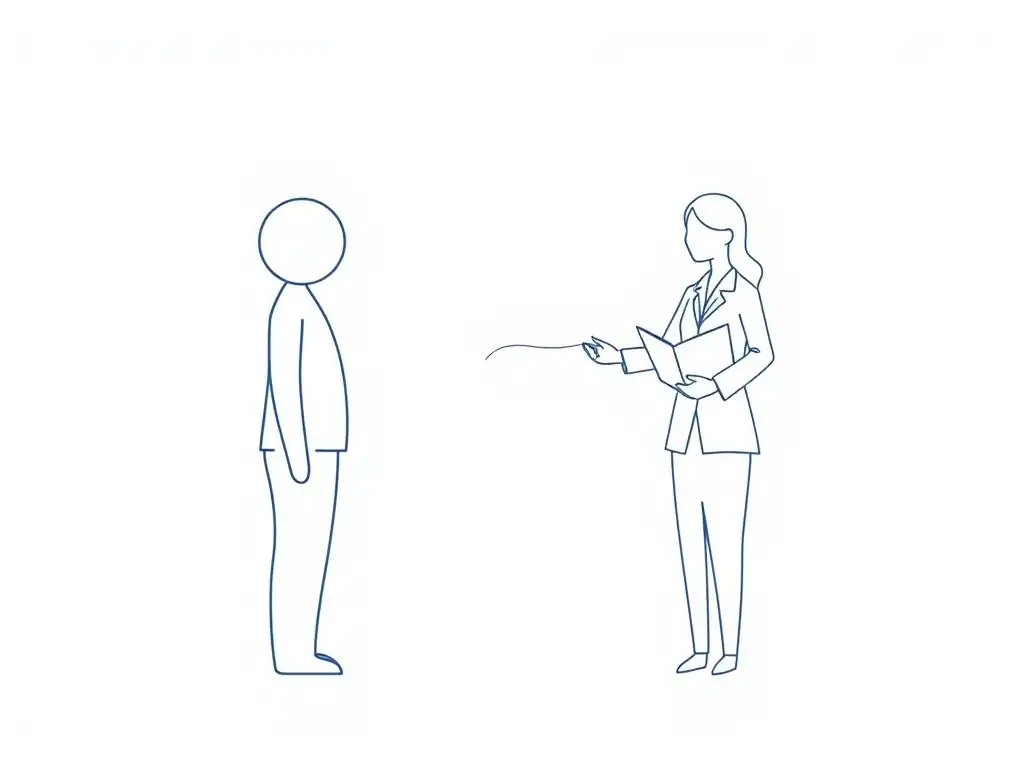
Miscommunication, even with the best intentions and implemented hacks, can sometimes be deeply rooted or stem from underlying issues that require professional intervention. Recognizing when to seek help is a crucial step in fostering healthier communication and strengthening your relationship. Ignoring persistent problems can lead to further escalation and potentially irreparable damage.
This isn't a sign of weakness; it's a proactive approach to building a stronger, more resilient bond. Actively seeking professional guidance demonstrates a commitment to your relationship's well-being and showcases a willingness to invest in its long-term success. Remember, prioritizing your relationship's health is a key component of achieving ultimate life balance.
Recognizing When Professional Guidance is Beneficial
Several signs indicate that professional help might be beneficial in addressing persistent relationship miscommunication. These aren't isolated incidents but rather patterns of behavior that negatively impact your connection. Consider seeking professional help if you notice:
- Recurring arguments about the same issues: If you find yourselves repeatedly circling back to the same unresolved conflicts, professional mediation can help identify underlying causes and develop healthier conflict-resolution strategies. This often involves learning new communication techniques and understanding each other's perspectives more deeply.
- Inability to resolve conflicts constructively: Healthy disagreements are normal, but the way you disagree matters. If arguments escalate into shouting matches, personal attacks, or prolonged periods of silence and withdrawal, it's a clear sign that professional guidance could help you navigate these disagreements productively.
- Feeling consistently unheard or misunderstood: Feeling consistently invalidated or dismissed in your communication attempts can be incredibly damaging. A therapist can help both partners learn to actively listen, empathize, and express themselves more effectively. They can help create a safe space for open and honest dialogue.
- Significant emotional distance or disconnection: If you feel emotionally distant from your partner, or if you've noticed a significant decrease in intimacy or affection, seeking professional help can help bridge the gap and rebuild emotional connection. This often involves addressing underlying issues that contribute to the emotional disconnect.
- Impact on other aspects of life: Relationship problems often spill over into other areas of life. If your relationship struggles are significantly affecting your work, sleep, or overall well-being, it's time to seek professional assistance before these issues further compound. This proactive approach can prevent further negative consequences.
Finding a Qualified Relationship Therapist or Counselor
Finding the right therapist is crucial. Look for someone specializing in relationship counseling or couples therapy. Consider their approach and ensure it aligns with your needs and preferences. Some therapists focus on specific techniques, such as Cognitive Behavioral Therapy (CBT) or Emotionally Focused Therapy (EFT). Word-of-mouth referrals can be incredibly valuable, and checking online reviews and professional directories can help you find qualified practitioners in your area.
The initial consultation is an opportunity to discuss your concerns and assess whether the therapist's approach is a good fit for you and your partner. Don't hesitate to interview multiple therapists before making a decision. Finding the right fit is essential for successful therapy. Remember, a strong therapeutic alliance is key to achieving positive outcomes.
Utilizing Online Resources and Support Groups for Communication Skills
While professional help is invaluable for deep-seated issues, online resources and support groups can provide supplementary support and enhance your communication skills. Many websites offer articles, videos, and worksheets on effective communication techniques, active listening, and conflict resolution. These resources can complement professional therapy or serve as a starting point if professional help isn't immediately feasible. Online support groups offer a safe space to share experiences, learn from others, and feel less alone in navigating relationship challenges.
Remember, however, that online support should not replace professional guidance for serious or persistent relationship problems. These resources are meant to supplement professional help, not replace it. Use caution when selecting online resources and ensure they are from reputable sources. Always prioritize your safety and well-being.
Strengthening Your Relationship Through Effective Communication: Key Takeaways
Effective communication is the bedrock of any strong and healthy relationship. Avoiding miscommunication isn't about avoiding conflict entirely—disagreements are natural—but about ensuring those disagreements don't escalate into damaging arguments due to misunderstandings. This section focuses on the practical application of the communication hacks previously discussed, emphasizing their long-term impact on relationship health and the cultivation of a more fulfilling partnership.
Remember, successful communication isn't a one-time fix; it's an ongoing process requiring consistent effort and a commitment to mutual understanding. Mastering these techniques will significantly contribute to your ability to avoid relationship miscommunication and foster a deeper connection with your partner.
Implementing the Hacks for Long-Term Relationship Success
Successfully implementing the communication hacks outlined earlier requires more than just understanding the concepts. It demands consistent practice and adaptation to your unique relationship dynamics. Consider these actionable steps:
- Schedule Regular "Check-In" Times: Dedicate specific times each week, even if it's just 15-20 minutes, for focused, uninterrupted communication. This dedicated time prevents important conversations from being rushed or overshadowed by daily distractions. Think of it as a preventative maintenance schedule for your relationship.
- Utilize Active Listening Techniques: Beyond simply hearing your partner, actively engage with what they're saying. Reflect back their feelings and concerns to ensure understanding ("So, it sounds like you're feeling frustrated because…"). This demonstrates empathy and prevents misinterpretations.
- Practice Empathetic Communication: Try to understand your partner's perspective, even if you don't agree with it. Acknowledge their feelings, validating their emotions without necessarily condoning their actions. Phrases like "I understand why you feel that way" can go a long way.
- Embrace Non-Violent Communication: Focus on expressing your needs and feelings using "I" statements, avoiding accusatory language. For example, instead of saying "You always leave the dishes dirty," try "I feel overwhelmed when I see the dishes unwashed, and it would help me if we could work together to clean them."
- Seek Professional Help When Needed: Don't hesitate to seek guidance from a relationship counselor or therapist if you're struggling to implement these hacks effectively. A neutral third party can provide valuable insights and tools to improve communication patterns.
The Importance of Continuous Effort and Self-Reflection in Improving Communication
Improving communication isn't a destination; it's a journey. Continuous effort and self-reflection are crucial for long-term success. Regularly assess your communication style and identify areas needing improvement. Ask yourself:
- Am I truly listening to my partner, or am I just waiting for my turn to speak?
- Do I express my needs and feelings clearly and respectfully?
- Am I open to feedback and willing to adjust my communication style?
- How can I better understand and respond to my partner's emotional needs?
Honest self-assessment is vital. Keeping a journal to track your communication patterns and reflect on successes and challenges can be incredibly helpful. This process of self-reflection allows for continuous growth and adaptation, leading to more effective and fulfilling communication over time. Remember, even small, consistent improvements can make a significant difference in the overall health of your relationship.
Building a Foundation of Trust and Understanding to Avoid Future Misunderstandings
A strong foundation of trust and understanding is essential for preventing future miscommunications. This involves:
- Open and Honest Dialogue: Create a safe space where both partners feel comfortable sharing their thoughts and feelings openly and honestly, even when it's difficult. This openness fosters vulnerability and strengthens the bond between you.
- Shared Values and Goals: Understanding each other's values and aspirations helps to align expectations and prevent misunderstandings. This shared understanding creates a sense of unity and purpose within the relationship.
- Regular Quality Time: Make time for meaningful connection. Engage in activities you both enjoy, fostering a sense of shared experience and strengthening your bond. This shared time allows for deeper understanding and connection, preventing misunderstandings from arising due to lack of communication.
- Forgiveness and Compassion: Mistakes in communication will inevitably happen. Cultivating a culture of forgiveness and compassion within the relationship allows for healing and growth after disagreements. This understanding minimizes the lasting impact of miscommunication, creating a more resilient and loving relationship. Remember, a strong relationship isn't about avoiding conflict, but about navigating it effectively and with mutual respect.
Frequently Asked Questions
What is the biggest threat to healthy relationships, according to this article?
Miscommunication is cited as the silent killer of relationships. It erodes trust and understanding, leading to conflict and resentment. Addressing it is crucial for a strong bond.
What are some practical "hacks" to avoid miscommunication, as suggested by UltimateLifeHacks?
The article offers four hacks: active listening, clear and concise communication, empathy and understanding, and regular check-ins. These are presented as practical steps to improve communication.
How does active listening help prevent relationship miscommunication?
Active listening involves truly hearing your partner, not just waiting for your turn to speak. It means paying attention to both verbal and nonverbal cues and reflecting back what you heard to ensure understanding.
Why is clear and concise communication important in a relationship?
Ambiguity and vagueness can lead to misinterpretations and conflict. Being clear about your thoughts and feelings prevents misunderstandings and fosters trust. Direct and honest communication is key.
How often should couples check in with each other to avoid miscommunication?
The article doesn't specify a frequency, but emphasizes the importance of regular check-ins. This could be daily, weekly, or even monthly, depending on the couple's needs and communication styles. The key is consistency.
Final Reflection: Bridging the Communication Gap in Love
The silent erosion of trust and intimacy through miscommunication remains a pervasive threat to modern relationships, a hidden killer often overlooked until irreparable damage is done. Understanding the subtle nuances of communication, and actively working to avoid misunderstandings, is not merely a skill; it's the bedrock upon which lasting connections are built. This article has explored four practical hacks to navigate these treacherous waters, offering tools to foster deeper understanding and connection.
The impact of effective communication extends far beyond the individual relationship; it ripples outwards, shaping the fabric of our families, communities, and even society as a whole. Healthy communication fosters empathy, reduces conflict, and strengthens bonds. As the saying goes, The single biggest problem in communication is the illusion that it has taken place.
This insightful quote underscores the critical need for conscious effort and mindful engagement in our interactions, ensuring that our messages are not only sent but also received and understood. This is a journey of continuous learning and growth, one that demands self-awareness, patience, and a genuine commitment to understanding our partners.
You now hold the keys to unlocking more fulfilling and meaningful relationships. Take the time to reflect on your own communication patterns. Identify areas where you can improve, practice the hacks outlined in this article, and actively listen to your partner. Embrace the challenge of fostering deeper understanding, and watch as your relationships flourish with renewed strength and intimacy. The journey towards better communication is a rewarding one, leading to stronger bonds and a richer life.
Unlock Deeper Connections: Start Communicating with Clarity Today!
Thank you for exploring how miscommunication subtly yet powerfully impacts relationships. You've gained valuable insights into fostering healthier, more understanding connections. Now, let's put that knowledge into practice!
- Prioritize active listening this week: Dedicate at least 15 minutes to truly listening to a loved one, without interrupting, paying attention to both their words and body language. This is crucial for better communication.
- Share this article: Help someone you care about avoid the damaging effects of miscommunication by discussing active listening and clear communication.
- Practice expressing your feelings: Experiment with identifying and articulating your emotions more clearly. What have you learned from this?
Ready to cultivate deeper, more fulfilling relationships? What small step will you take today to improve communication with your loved ones?