
Think Like a Designer: A HumanCentered Approach to ProblemSolving


Welcome to UltimateLifeHacks, your destination for practical strategies to conquer daily challenges and unlock peak productivity. Are you ready to transform the way you approach problems? We delve into the fascinating world of Design Thinking problem-solving hacks, revealing how a human-centered approach can unlock creative solutions and boost your efficiency. Discover how to think like a designer and unlock your problem-solving potential – let's get started!
- Understanding Design Thinking for Problem-Solving
- The 5 Stages of the Design Thinking Process
- Applying Design Thinking to Everyday Challenges
- Practical Exercises: Implementing Design Thinking
- Mastering Design Thinking for Long-Term Success
- Resources and Further Learning on Design Thinking
-
Frequently Asked Questions
- What is design thinking, and how does it relate to problem-solving?
- How can I use design thinking in my daily life?
- What are some key tools or techniques used in design thinking?
- How is design thinking different from traditional problem-solving methods?
- Where can I learn more about design thinking and its application to problem-solving?
- Final Reflection: Designing a Better Future, One Problem at a Time
- Unleash Your Inner Designer: Solve Problems with Human-Centered Thinking
Understanding Design Thinking for Problem-Solving
Design thinking, a human-centered approach to problem-solving, is rapidly gaining traction as a powerful tool for tackling complex challenges across various fields. It moves beyond traditional linear problem-solving methods, embracing iterative processes and a deep understanding of user needs to generate innovative and effective solutions.
This article explores how adopting a design thinking mindset can significantly enhance your problem-solving skills, offering practical hacks and strategies to boost your efficiency and creativity in tackling everyday challenges – from streamlining your workflow to developing groundbreaking solutions for larger-scale projects. By focusing on empathy, experimentation, and iteration, design thinking provides a framework for unlocking creative potential and achieving superior results, making it a valuable addition to your productivity arsenal.
This guide will equip you with the knowledge and tools to integrate design thinking principles into your daily routine, transforming how you approach and resolve problems, both big and small. This approach is particularly useful for those seeking "design thinking problem-solving hacks" to improve their efficiency and results.
What is Design Thinking and Why is it Relevant?
Design thinking is a non-linear, iterative problem-solving approach that emphasizes empathy and user-centricity. Unlike traditional methods that often focus solely on finding a quick solution, design thinking prioritizes understanding the underlying problem from the user's perspective. This involves deeply understanding user needs, pain points, and motivations before even beginning to brainstorm solutions. The process is characterized by five key stages: Empathize, Define, Ideate, Prototype, and Test. Each stage involves specific activities and deliverables, ensuring a structured yet flexible approach to problem-solving.
The relevance of design thinking lies in its ability to generate innovative and user-friendly solutions. In today's complex world, simply finding a solution isn't enough; the solution must also be effective, usable, and desirable for the intended users. Design thinking helps achieve this by fostering collaboration, encouraging experimentation, and embracing failure as a learning opportunity.
It's a particularly valuable approach in situations where traditional methods have failed to yield satisfactory results or where a fresh perspective is needed. Think about developing a new mobile app: understanding the target audience's behavior and needs through user research is crucial for creating an app that people will actually use and enjoy. This is the core of design thinking.
Design Thinking vs. Traditional Problem-Solving: Key Differences
Traditional problem-solving often follows a linear approach: identifying the problem, analyzing it, developing solutions, implementing the chosen solution, and evaluating the outcome. This method can be efficient for straightforward problems, but it often falls short when dealing with complex or ill-defined challenges.
| Feature | Traditional Problem-Solving | Design Thinking |
|---|---|---|
| Approach | Linear, analytical | Iterative, human-centered |
| Focus | Solution-focused | Problem & User-focused |
| User Input | Often limited or absent | Central to the entire process |
| Experimentation | Often limited | Integral part of the process, embracing failure |
| Flexibility | Less flexible | Highly flexible and adaptable |
| Innovation | Lower potential for truly innovative solutions | Higher potential for innovative and creative solutions |
The table above highlights the key differences. Design thinking's iterative and human-centered nature allows for greater flexibility and adaptability, leading to more innovative and user-friendly solutions. It embraces experimentation and failure as essential steps in the learning process, unlike traditional approaches which may view failure as a setback.
The Power of Human-Centered Design in Problem Solving
Human-centered design (HCD), a core principle of design thinking, places the user at the heart of the problem-solving process. This means deeply understanding the user's needs, behaviors, and motivations before even considering potential solutions. This empathetic approach ensures that the final solution is not only effective but also relevant and desirable to the user.
By prioritizing user experience, HCD leads to solutions that are more likely to be adopted and used successfully. For example, consider designing a new website. Instead of focusing solely on aesthetics, a human-centered approach would involve conducting user research to understand how users interact with websites, what information they seek, and what their pain points are.
This user-centric approach ensures the website is intuitive, accessible, and meets the users' needs effectively. This is a powerful "design thinking problem-solving hack" to create something truly useful and impactful. The emphasis on user needs guarantees a higher chance of success and user satisfaction.
The 5 Stages of the Design Thinking Process
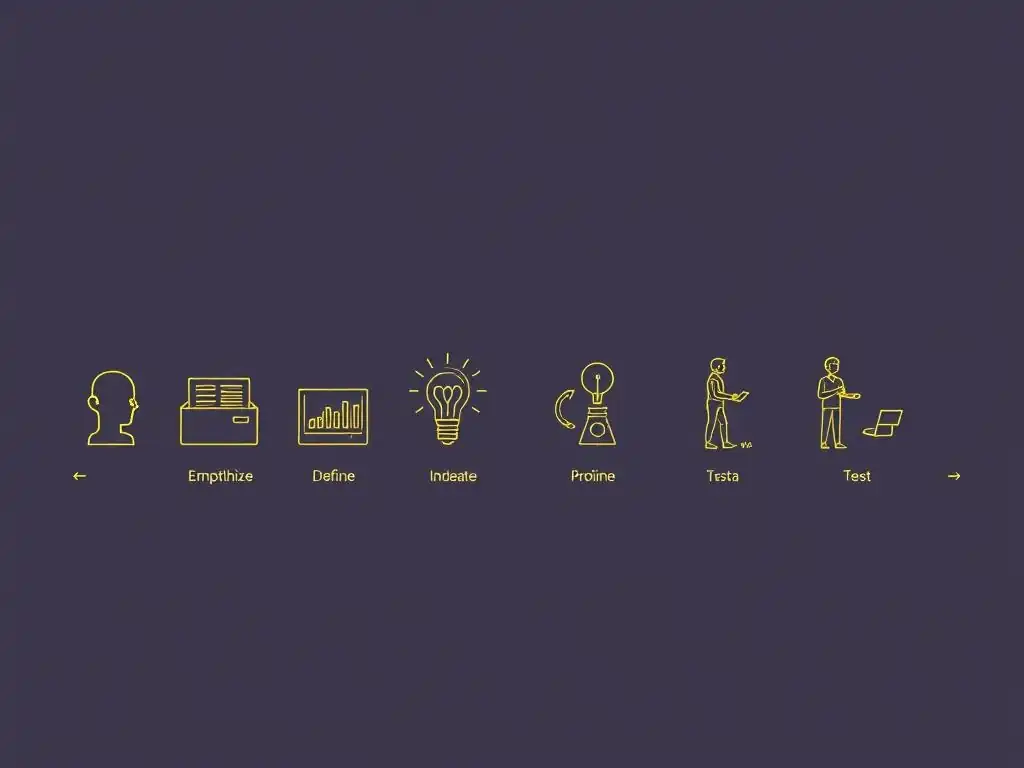
This section delves into the five core stages of the design thinking process, a powerful methodology for tackling complex problems using a human-centered approach. This framework provides a structured way to approach "design thinking problemsolving hacks," transforming challenges into innovative solutions. We'll explore each stage with practical examples and actionable steps you can implement immediately to improve your problem-solving skills.
Empathize: Understanding User Needs and Pain Points
The first, and arguably most crucial, stage of design thinking is empathizing with the users affected by the problem. This isn't about simply understanding the problem itself, but deeply understanding the people experiencing it. Effective empathy requires moving beyond assumptions and actively seeking out diverse perspectives.
This involves techniques like:
- Conducting user interviews: Talking directly to individuals facing the problem, asking open-ended questions, and actively listening to their stories. For example, if you're designing a new kitchen appliance, interview people about their current cooking routines, frustrations, and unmet needs. Pay close attention to their language and body language.
- Observing user behavior: Watching how people interact with existing solutions or workarounds related to the problem. This could involve shadowing someone at their workplace or conducting ethnographic studies in their natural environment.
- Creating empathy maps: Visualizing user needs, thoughts, and feelings related to the problem. These maps offer a structured way to synthesize your observations and interviews, creating a holistic understanding of the user experience.
Effective empathy leads to a more profound understanding of the problem's context and allows you to develop solutions that are genuinely user-centered and address real needs. Ignoring this step often results in solutions that are technically sound but fail to resonate with the target audience. Remember, understanding the why behind the problem is as important as understanding the what.
Define: Clearly Articulating the Problem Statement
Once you've deeply empathized with users, it's time to clearly define the problem. This stage involves synthesizing your findings from the empathize stage to create a concise, actionable problem statement. This statement serves as the north star guiding your design thinking process. Avoid vague or overly broad statements. Instead, focus on a specific, well-defined challenge.
Consider these points when crafting your problem statement:
- Specificity: The problem statement should be focused and unambiguous. Avoid generalizations. For instance, instead of "Improve customer satisfaction," try "Reduce customer frustration with the online checkout process by decreasing the number of abandoned carts by 20%."
- Measurability: Include metrics that allow you to assess the success of your solution. This ensures you can objectively evaluate your progress and the effectiveness of your design thinking efforts.
- User-centricity: The problem should be framed from the perspective of the user, focusing on their needs and challenges.
A well-defined problem statement sets the stage for the next stage, ideation, allowing for more focused and productive brainstorming. A poorly defined problem, on the other hand, can lead to wasted time and resources, ultimately hindering the success of the entire design thinking process. This is a crucial step in effectively using "design thinking problemsolving hacks."
Ideate: Generating Creative Solutions Through Brainstorming and Prototyping
With a clear problem definition in hand, the ideation phase focuses on generating a wide range of potential solutions. This is where creativity and collaboration shine. The goal isn't to pick the best solution immediately, but to explore numerous possibilities, fostering innovation and pushing beyond conventional thinking.
Effective ideation techniques include:
- Brainstorming: A classic technique involving generating a large number of ideas without judgment. Encourage wild ideas and build upon each other's suggestions.
- Sketching and prototyping: Creating low-fidelity prototypes to visualize and test your ideas. These prototypes don't need to be perfect, their purpose is to quickly explore potential solutions and gather feedback. This iterative process allows for early identification of flaws and refinements.
- Role-playing: Stepping into the shoes of the user to experience the proposed solution and identify potential issues.
The key during ideation is to embrace quantity over quality initially. A diverse range of ideas will increase your chances of discovering truly innovative solutions. Remember, even seemingly impractical ideas can spark valuable insights and lead to unexpected breakthroughs. The focus here is on generating a diverse range of potential solutions to your clearly defined problem, maximizing your "design thinking problemsolving hacks."
Prototype: Building Tangible Models for Testing and Iteration
Prototyping is a crucial stage in design thinking, bridging the gap between abstract ideas and tangible realities. It's about creating a preliminary version of your solution—not a perfect final product, but a workable model to test and iterate upon. This could take many forms, depending on the problem and resources available.
For example, a prototype for a new mobile app might be a low-fidelity wireframe sketched on paper, allowing for quick testing of the user interface flow. A more advanced prototype might involve a functional, albeit incomplete, version of the app itself. Similarly, a prototype for a new ergonomic chair could be a simple cardboard model allowing users to experience the basic design and provide feedback on comfort and functionality.
The beauty of prototyping lies in its iterative nature. It's not a one-off creation; instead, it's a continuous process of building, testing, and refining. Each iteration incorporates feedback from the previous tests, leading to a progressively better solution. This iterative process is vital for incorporating user feedback early on, preventing costly mistakes further down the line.
Consider a company developing a new smart home device. Their initial prototype might have a clunky interface. Through user testing, they identify this issue and iterate with a simplified, more intuitive interface in the next prototype. This iterative approach ensures the final product is user-friendly and effective.
The key is to build prototypes quickly and cheaply, allowing for rapid experimentation and adaptation. The goal is not perfection at this stage, but rather to learn and improve through continuous testing. This approach dramatically reduces the risk of developing a solution that ultimately fails to meet user needs.
Test: Gathering Feedback and Refining the Solution
Testing is where the rubber meets the road in design thinking. It's the stage where you put your prototype in the hands of your target users and gather crucial feedback. This feedback is invaluable for identifying areas for improvement and refining your solution. The testing process should be carefully planned, focusing on gathering both qualitative and quantitative data. Qualitative data, such as user comments and observations, provides rich insights into user experience and satisfaction. Quantitative data, such as usage metrics and completion rates, offers a more objective measure of the prototype's effectiveness.
Effective testing involves observing users as they interact with the prototype, noting their behaviors, frustrations, and successes. This observational approach provides valuable insights that surveys or questionnaires alone might miss. For example, observing users struggling with a particular feature of a website can highlight usability issues that need addressing.
The feedback gathered during testing should be meticulously documented and analyzed to identify patterns and trends. This analysis informs the next iteration of the prototype, leading to a progressively better and more user-centered solution. A company launching a new e-commerce website, for instance, might use A/B testing to compare different website layouts, determining which design leads to higher conversion rates.
The data gathered during this testing process informs design decisions, resulting in a more effective and profitable website. This systematic approach to testing ensures that the final solution not only meets but exceeds user expectations, maximizing its impact and success. Remember, the goal is not just to test, but to learn and adapt based on the real-world feedback received.
Applying Design Thinking to Everyday Challenges
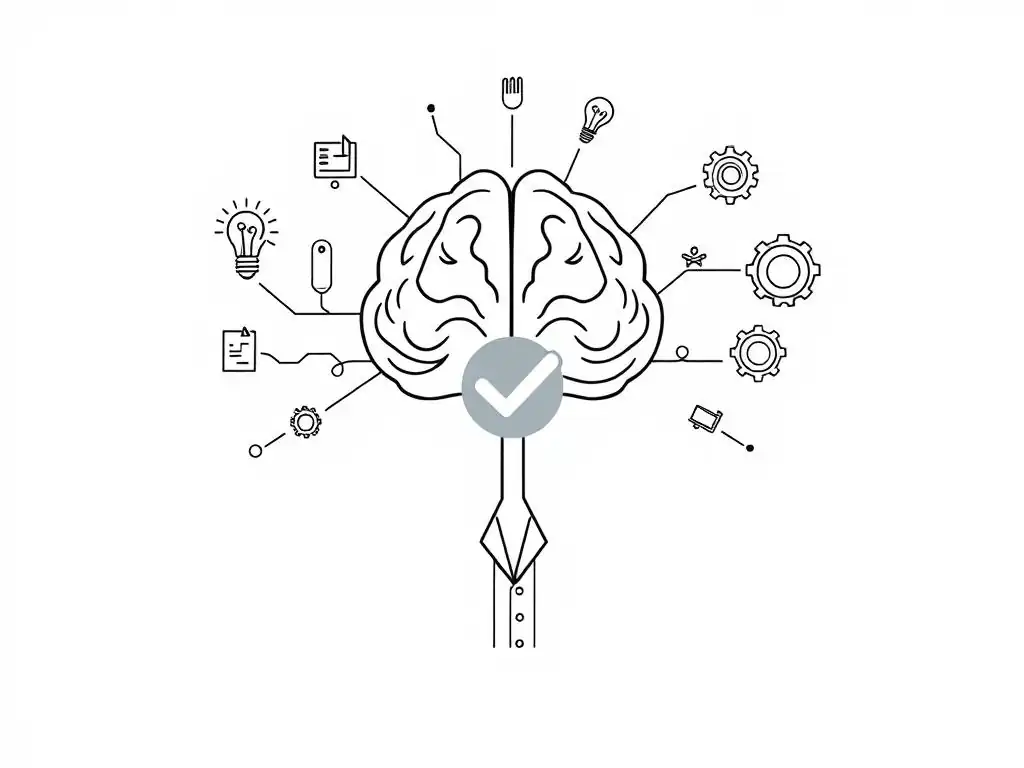
Design thinking, often associated with product development, offers powerful problem-solving hacks applicable far beyond the design studio. Its human-centered approach provides a structured framework for tackling everyday challenges, from streamlining your morning routine to navigating complex interpersonal conflicts. This methodology emphasizes empathy, experimentation, and iteration, leading to more innovative and effective solutions than traditional, linear approaches.
The core principles—empathize, define, ideate, prototype, and test—can be adapted to a wide range of personal and professional scenarios, resulting in significant improvements in efficiency and overall well-being. This section will explore specific applications of design thinking to common challenges, showcasing its versatility and practicality.
Design Thinking for Productivity Optimization
Productivity often suffers from a lack of clear understanding of the root causes of inefficiency. Design thinking helps illuminate these underlying issues. Let's consider a common problem: procrastination. Instead of simply berating yourself for delaying tasks, a design thinking approach would begin with empathizing with your own behavior. Why are you procrastinating? What are the underlying emotional or environmental triggers?
Once you've defined the problem (e.g., "I consistently delay starting work on complex projects due to feeling overwhelmed"), you can move to the ideation phase. Brainstorm potential solutions: breaking down large tasks into smaller, manageable chunks; setting realistic deadlines; creating a dedicated workspace free from distractions; using productivity apps; or employing the Pomodoro Technique.
Next comes prototyping. This could involve experimenting with different task management systems, time-blocking techniques, or even adjusting your workspace. Finally, test your chosen solutions. Track your progress, identify what works and what doesn't, and iterate accordingly. This iterative process is crucial to refining your approach and achieving sustainable productivity gains. Data collection is key here—track your time spent on tasks, your energy levels, and your overall sense of accomplishment. This empirical evidence will guide your optimization efforts.
Using Design Thinking to Improve Daily Routines
Applying design thinking to daily routines can unlock surprising levels of efficiency and reduce stress. Let's take the morning routine as an example. The empathize stage involves understanding your current routine's pain points. Are you consistently late? Do you feel rushed and stressed? Are there specific tasks that take up disproportionately long amounts of time?
After defining the problem (e.g., "My morning routine is chaotic and stressful, leading to a rushed start to my day"), you can ideate potential improvements. This could involve optimizing your morning schedule, preparing clothes and breakfast the night before, minimizing decision-making in the morning, or even adjusting your wake-up time.
The prototype stage involves experimenting with these different strategies. Perhaps you try waking up 15 minutes earlier for a week, or you experiment with different breakfast options to save time. Finally, in the test phase, you analyze the results. Did the changes improve your mood, reduce stress, and increase your efficiency?
What adjustments need to be made? This iterative cycle ensures that your optimized routine is sustainable and effective. Consider using a simple journal or spreadsheet to track your progress and make adjustments as needed. This systematic approach transforms routine optimization from a vague aspiration into a concrete, achievable goal.
Design Thinking for Creative Problem Solving in Challenging Situations
Design thinking excels in tackling complex, ill-defined problems. Consider a scenario where you're facing a significant personal or professional challenge—a conflict with a colleague, a stalled project, or a difficult decision. The empathize stage requires understanding the perspectives of all involved parties. What are their needs, concerns, and motivations? Active listening and seeking diverse viewpoints are crucial here.
Following the define stage (e.g., "The project is stalled due to conflicting priorities and communication breakdowns"), you can ideate potential solutions. This might involve brainstorming alternative approaches, exploring different communication strategies, or seeking mediation.
The prototype stage could involve experimenting with different communication channels, trying out new collaboration tools, or even role-playing different scenarios. Finally, the test phase involves evaluating the effectiveness of your chosen solutions. Did they resolve the conflict? Did they get the project back on track?
What adjustments are needed to further optimize the outcome? By systematically applying the design thinking process, you transform challenging situations from seemingly insurmountable obstacles into opportunities for creative and effective problem-solving. Remember that this iterative process encourages flexibility and adaptation. The goal is not to find the perfect solution immediately, but to continuously learn and improve.
Practical Exercises: Implementing Design Thinking
This section provides practical exercises to help you integrate design thinking into your daily problem-solving routine. Remember, the core of design thinking is empathy, experimentation, and iteration. Don't be afraid to fail—failure is a crucial part of the learning process! The more you practice, the more naturally you'll incorporate these "design thinking problemsolving hacks" into your workflow.
A Step-by-Step Guide to Solving a Problem Using Design Thinking
Let's tackle a common problem: improving your morning routine to reduce stress and increase productivity. We'll walk through the five stages of design thinking:
- Empathize: Spend a few days meticulously documenting your current morning routine. Note everything, from the moment you wake up to when you leave for work or your first appointment. Include frustrations, delays, and moments of ease. Consider using a journal, a spreadsheet, or even a voice recorder. What are the pain points? What are the things that work well?
- Define: Based on your observations, define the core problem. Instead of a vague statement like "my mornings are stressful," be specific. For example: "I consistently run late for work because of inefficient preparation and a lack of planning."
- Ideate: Brainstorm potential solutions. Don't censor yourself at this stage. Some ideas might seem silly or impractical—write them down anyway! Consider using techniques like mind mapping or sketching. Possible solutions could include: preparing clothes the night before, optimizing your breakfast routine, setting multiple alarms, or even adjusting your wake-up time.
- Prototype: Choose one or two promising solutions and create a prototype. This could be a simple written plan, a visual schedule, or even a physical representation of your ideal morning routine. The goal is to test your ideas in a low-stakes environment.
- Test: Implement your prototype for a week. Track your progress and note any changes. Did your solution improve your morning routine? What worked well? What didn't? This feedback is crucial for iteration. Refine your solution based on your observations.
This structured approach, using the design thinking framework, allows for iterative improvement. You can apply this process to countless problems, from optimizing your workspace to improving communication with colleagues. Remember, the key is to continuously iterate and refine your solutions based on real-world feedback.
Case Study: Applying Design Thinking to Reducing Food Waste
Let's explore how design thinking helped a family significantly reduce their food waste. The family noticed they were consistently throwing away leftover vegetables and fruits.
- Empathize: They tracked their food purchases and consumption for two weeks, identifying patterns of overbuying and underconsumption. They also noted the specific foods frequently wasted.
- Define: The core problem was identified as inefficient grocery shopping and inadequate meal planning, leading to food spoilage.
- Ideate: They brainstormed solutions, including creating a weekly meal plan based on available ingredients, using a first-in-first-out system for their refrigerator, and implementing a system for using leftovers creatively.
- Prototype: They created a shared digital calendar with their weekly meal plan and a shopping list generated from the plan. They also developed a system of labeling food with dates to ensure first-in-first-out usage.
- Test: Over the next month, they tracked their food waste. They found a 60% reduction in food waste after implementing their design thinking solutions. This demonstrates the power of a human-centered approach to even seemingly simple household problems.
Real-World Examples of Design Thinking in Action
Design thinking isn't limited to personal use; many companies leverage it for significant improvements. Consider these examples:
- Improved Healthcare: Hospitals have used design thinking to redesign patient flow, leading to reduced wait times and improved patient satisfaction. By empathizing with patients' experiences and iteratively testing new processes, they created more efficient and user-friendly systems.
- Enhanced User Interfaces: Tech companies regularly employ design thinking to create intuitive and user-friendly interfaces. Through user testing and iterative design, they refine products to meet user needs and expectations.
- Sustainable Product Design: Companies are using design thinking to create more sustainable products. By understanding the environmental impact of their products and iteratively improving their design, they're reducing waste and promoting environmentally responsible practices.
These examples show the versatility of design thinking. It’s a powerful methodology that can be applied across various domains to solve complex problems effectively. By adopting a human-centered approach and embracing iterative improvement, you can unlock significant improvements in your personal and professional life. Mastering these "design thinking problemsolving hacks" will transform the way you approach challenges.
Mastering Design Thinking for Long-Term Success
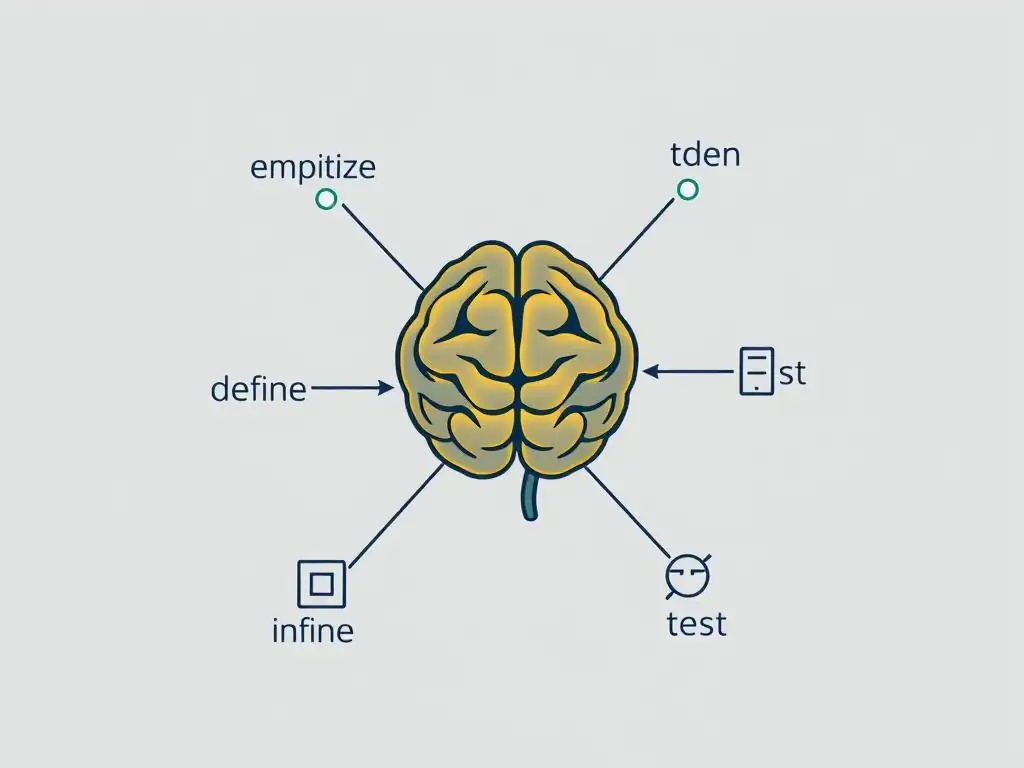
This section delves into the practical application of design thinking principles to achieve sustained improvements in problem-solving. We'll move beyond the theoretical and explore actionable strategies for integrating this powerful methodology into your daily life and work. Successfully implementing design thinking isn't a one-off event; it's a continuous process of learning, adapting, and refining your approach. Think of it as a design thinking problemsolving hack for long-term efficiency and innovation.
Cultivating Empathy: Essential Skills for Human-Centered Design
Empathy forms the bedrock of human-centered design. It's not simply about understanding someone's perspective; it's about feeling it. This deep understanding allows you to connect with the needs and frustrations of the people you're designing for, ultimately leading to more effective and relevant solutions. To cultivate empathy, consider these strategies:
- Active Listening: Go beyond hearing words; pay attention to tone, body language, and unspoken cues. Practice truly listening to understand, not just to respond.
- Perspective-Taking Exercises: Imagine yourself in the shoes of your target user. What are their challenges? What are their hopes? What are their frustrations with existing solutions? Role-playing scenarios can be incredibly helpful.
- Conducting User Interviews: Structured interviews provide valuable insights. Ask open-ended questions, encourage storytelling, and avoid leading questions. Analyze the responses for recurring themes and unmet needs. For example, if you're designing a new app, interviewing potential users about their current workflows and pain points can reveal critical design opportunities.
- Observational Studies: Observe users interacting with existing products or services. Note their behaviors, their struggles, and their moments of success. This passive observation can reveal insights that users might not articulate in an interview.
The payoff for investing in empathy is significant. By deeply understanding the user, you can create solutions that are not only functional but also resonate emotionally, leading to higher user satisfaction and adoption rates. This is a crucial element of effective design thinking problemsolving hacks.
Developing a Growth Mindset for Effective Problem Solving
A growth mindset is crucial for navigating the iterative process of design thinking. Design thinking is inherently experimental; it embraces failure as a learning opportunity. A fixed mindset, on the other hand, views failures as personal shortcomings, hindering innovation and progress.
To cultivate a growth mindset:
- Embrace Challenges: View challenges not as threats but as opportunities for growth and learning. Remember that every "failure" is a step closer to a successful solution.
- Learn from Feedback: Actively solicit and embrace feedback, viewing it as a valuable resource for improvement. Don't get defensive; instead, use feedback to refine your approach.
- Persist Through Setbacks: Don't give up easily. Design thinking often involves overcoming obstacles and setbacks. Persistence is key to achieving long-term success.
- Celebrate Progress: Acknowledge and celebrate milestones, no matter how small. This positive reinforcement helps maintain motivation and momentum.
By embracing a growth mindset, you transform the design thinking process from a potentially stressful experience into a rewarding journey of continuous learning and improvement. This is a powerful design thinking problemsolving hack that will significantly impact your success.
Continuous Improvement: Iterative Problem-Solving with Design Thinking
Design thinking isn't a linear process; it's iterative. This means that you constantly refine your solutions based on feedback and new insights. This iterative approach is essential for creating truly effective and user-centered solutions.
Here's how to implement continuous improvement:
- Prototyping and Testing: Create low-fidelity prototypes early in the process to test your ideas quickly and cheaply. Gather feedback, iterate, and repeat.
- Data-Driven Decision Making: Collect data throughout the process to inform your design decisions. This data might come from user feedback, A/B testing, or market research.
- Agile Methodology: Adopt an agile approach, working in short cycles and adapting to changing circumstances.
- Regular Reflection: Take time to reflect on your progress, identify areas for improvement, and adjust your strategy accordingly.
By embracing this iterative approach, you ensure that your solutions are constantly evolving and improving, aligning with the ever-changing needs of your users. This iterative process is a cornerstone of effective design thinking problemsolving hacks, leading to robust, adaptable, and ultimately successful solutions. Remember, the journey of design thinking is about continuous learning and refinement – a process of constant improvement that leads to innovative and impactful results.
Resources and Further Learning on Design Thinking
This section provides a curated list of resources to deepen your understanding and application of design thinking for problem-solving. We'll explore recommended books and articles, online courses and workshops, and vibrant communities where you can connect with fellow design thinkers. Remember, continuous learning is key to mastering this powerful approach. This curated list will help you on your journey to becoming a design thinking expert and leveraging its power to solve everyday problems.
Recommended Books and Articles on Design Thinking
Embarking on your design thinking journey requires a solid foundation. These resources provide in-depth knowledge and practical application strategies. Don't just read them – actively engage with the concepts, try the exercises, and apply the methodologies to your own challenges. This active engagement is crucial for internalizing the principles of design thinking.
- "The Design of Everyday Things" by Don Norman: This seminal work explores the principles of user-centered design, laying the groundwork for understanding how to create products and services that are intuitive and enjoyable to use. It's a must-read for anyone interested in design thinking, offering valuable insights into human-computer interaction and the importance of considering the user's perspective.
- "Sprint: How to Solve Big Problems and Test New Ideas in Just Five Days" by Jake Knapp: This book offers a practical, step-by-step guide to the Google Ventures Design Sprint, a time-boxed process for rapidly prototyping and testing new ideas. It's perfect for those who want to immediately apply design thinking to real-world challenges. The book provides concrete examples and clear instructions, making it easily accessible even for beginners.
- "Change by Design: How Design Thinking Transforms Organizations and Inspires Innovation" by Tim Brown: This book provides a comprehensive overview of design thinking and its application in various organizational settings. It delves into the strategic implications of design thinking, showing how it can be used to drive innovation and improve business outcomes. Brown provides numerous case studies, highlighting the impact of design thinking in different industries.
- Articles on leading design thinking websites: Many websites offer insightful articles on specific design thinking techniques and case studies. Search for articles focusing on "design thinking problem-solving hacks" for practical applications and targeted solutions. Look for articles that provide actionable steps and concrete examples rather than just theoretical discussions.
Online Courses and Workshops on Design Thinking Methodologies
Formal training can significantly enhance your design thinking skills. Several online platforms offer comprehensive courses and workshops catering to different experience levels. These structured learning environments provide a supportive community and expert guidance, accelerating your learning process. Choose courses that align with your specific needs and learning style. Consider courses focusing on practical application and case studies for maximizing the learning outcome.
- Interactive online courses: Look for platforms offering interactive exercises, quizzes, and peer-to-peer learning opportunities to enhance the learning experience. These interactive elements promote active participation and knowledge retention.
- Specialized workshops: Consider workshops focusing on specific aspects of design thinking, such as user research, prototyping, or storytelling. These specialized workshops provide in-depth knowledge in a particular area, allowing for focused skill development.
- Certification programs: Some platforms offer certification programs that validate your design thinking expertise. These certifications can enhance your professional credibility and demonstrate your commitment to mastering this methodology. However, focus on the learning experience rather than solely on the certification itself.
Design Thinking Communities and Networks
Connecting with other design thinkers fosters collaboration, knowledge sharing, and continuous learning. Engaging with online communities and networks provides access to diverse perspectives and insights, expanding your understanding of design thinking's potential. Active participation in these communities is crucial for exchanging ideas and finding solutions to your own design challenges.
- Online forums and groups: Participate in online discussions and share your experiences and challenges with other design thinkers. This collaborative environment allows for peer-to-peer learning and the exchange of best practices.
- Professional networking sites: Connect with design professionals on platforms like LinkedIn to expand your network and stay updated on the latest trends in design thinking. This networking can lead to collaborations and opportunities to apply your design thinking skills in real-world projects.
- Local meetups and conferences: Attending local meetups and conferences provides opportunities for in-person networking and collaboration. These events offer a chance to learn from industry experts and connect with fellow design thinkers in your area. Consider attending conferences that offer workshops and hands-on activities to maximize your learning experience.
Remember, mastering design thinking is an ongoing process. By utilizing these resources and actively engaging with the community, you'll continuously refine your skills and unlock its transformative potential for problem-solving. The key is consistent practice and application of the learned techniques to real-world problems.
Frequently Asked Questions
What is design thinking, and how does it relate to problem-solving?
Design thinking is a human-centered approach to problem-solving. It emphasizes empathy, iteration, and prototyping to create innovative solutions that meet real user needs. It's about understanding the problem deeply before jumping to solutions.
How can I use design thinking in my daily life?
Apply design thinking by identifying a problem, empathizing with those affected, brainstorming potential solutions, prototyping those solutions (even simple ones), and testing them to see what works best. This framework can be used for anything from organizing your closet to planning a big project.
What are some key tools or techniques used in design thinking?
Empathy maps, user journey maps, brainstorming sessions, and rapid prototyping are all valuable tools. These help you understand the user's perspective and quickly test different ideas before investing significant time and resources.
How is design thinking different from traditional problem-solving methods?
Traditional methods often focus on finding the quickest solution, while design thinking prioritizes understanding the underlying problem and creating solutions that are truly effective and user-friendly. It's more iterative and less linear.
Where can I learn more about design thinking and its application to problem-solving?
Numerous online resources, workshops, and books cover design thinking. Websites like UltimateLifeHacks offer practical tips and techniques, and you can find many courses on platforms like Coursera and Udemy. Experimentation is key to mastering it.
Final Reflection: Designing a Better Future, One Problem at a Time
The human-centered approach to problem-solving, championed by design thinking, isn't just a trendy methodology; it's a crucial framework for navigating the complexities of our increasingly interconnected world. The challenges we face – from climate change to social inequality – demand innovative solutions that prioritize empathy, collaboration, and a deep understanding of human needs. Ignoring this fundamental truth risks creating solutions that are technically brilliant but ultimately fail to address the real problems at hand.
Design thinking's impact extends far beyond the confines of the design studio; its principles are reshaping industries and influencing how we approach challenges across all sectors. It's a testament to the power of putting people first. The iterative process, the emphasis on prototyping and testing, and the focus on user feedback – these aren't just design techniques; they are powerful tools for fostering innovation and creating positive change. As IDEO's Tim Brown eloquently stated, Design thinking is less a process and more a collection of cognitive activities that can be used to make sense of complex situations.
This resonates deeply with me, as I've witnessed firsthand the transformative potential of this approach.
Now, it's your turn. Consider how you can integrate the principles of design thinking into your own life, whether you're tackling a personal challenge, leading a team, or simply striving to make a positive impact on the world. Embrace the iterative process, prioritize empathy, and don't be afraid to experiment. By adopting a human-centered approach, you can unlock your own creative potential and contribute to building a more resilient, equitable, and innovative future. The world needs your unique perspective and problem-solving skills – let's design a better tomorrow, together.
Unleash Your Inner Designer: Solve Problems with Human-Centered Thinking
Thank you for exploring the power of human-centered design! You've gained valuable tools to approach problems with empathy and innovation. Ready to apply your new skills?
- Tackle a real-world challenge: Identify a problem in your life—big or small—and apply the design thinking process. Sketching potential solutions might surprise you!
- Share your experiences: Discuss your process, challenges, and breakthroughs in the comments below. Let's build a supportive community of problem-solvers!
- Improve a daily task: Choose a small daily task and brainstorm ways to make it more efficient and user-friendly. Even minor improvements can significantly impact your experience.
What everyday problem will you tackle with your newly acquired design-thinking skills today?