
The DistractionFree Creative Process: Unlock Your Potential and Minimize Interruptions


Welcome to UltimateLifeHacks, your gateway to a more efficient and fulfilling life! Are you ready to unlock your creative potential and finally conquer those pesky distractions? Our latest Productivity Hack dives deep into the art of minimizing creative process distractions, revealing powerful techniques to boost your focus and achieve peak productivity. Discover how to reclaim your time and unleash your inner genius – let's get started!
- Understanding the Impact of Distractions on Creativity
- Strategies to Minimize Creative Process Distractions
- Cultivating a Distraction-Free Mindset
- Tools and Technologies to Enhance Focus During Creative Work
- Maintaining Momentum and Avoiding Creative Blocks
- Boosting Your Creative Output by Minimizing Distractions
-
Frequently Asked Questions
- How can I minimize distractions during my creative process?
- What are some practical techniques to eliminate digital distractions?
- How can I deal with internal distractions during creative work?
- What's the best environment for a distraction-free creative process?
- How can I maintain focus when unexpected interruptions occur?
- Final Reflection: Reclaiming Focus, Releasing Creativity
- Unlock Your Creative Flow: Design Your Distraction-Free Zone Today!
Understanding the Impact of Distractions on Creativity
The modern world is a cacophony of distractions. From incessant notifications pinging on our smartphones to the constant hum of background noise, our ability to focus deeply—a crucial component of the creative process—is constantly under siege. This article explores the detrimental effects of distractions on creativity, offering practical strategies to minimize interruptions and unlock your full potential.
We’ll delve into the science behind focus, identify common culprits hindering your creative flow, and provide actionable techniques to cultivate a distraction-free environment conducive to innovative thinking and productive work. Mastering the art of minimizing distractions is not just about increased efficiency; it's about nurturing a state of mind where groundbreaking ideas can flourish.
Learning to manage and eliminate these interruptions is key to maximizing your creative output and achieving a more fulfilling and productive life. This guide will equip you with the knowledge and tools to reclaim your focus and unleash your creative power.
How Distractions Disrupt the Creative Flow
Distractions don't simply steal a few minutes here and there; they fundamentally disrupt the creative process. The brain, when engaged in creative tasks, operates in a state of "flow," a deeply focused and immersive experience where time seems to melt away. However, even minor interruptions, like a text message or a sudden noise, can shatter this delicate state. This disruption forces the brain to switch gears, requiring significant cognitive resources to re-engage with the creative task. This constant switching between tasks leads to:
- Reduced productivity: Studies show that regaining focus after an interruption takes considerably longer than the interruption itself. This cumulative effect significantly impacts overall productivity.
- Impaired creativity: The fragmented nature of interrupted work leads to less innovative and original ideas. The flow state, essential for breakthroughs, is constantly interrupted, hindering the generation of novel concepts.
- Increased stress and frustration: The constant struggle to maintain focus in a distracting environment leads to increased stress levels and feelings of frustration, further hindering creative output.
- Lower quality of work: Rushed work, completed amidst distractions, is often of lower quality, lacking the detail and refinement achieved through sustained focus.
Think of it like trying to sculpt a delicate piece of art while constantly being jostled. The result is likely to be flawed and far from the artist's original vision. Minimizing distractions allows for the smooth and uninterrupted creation of high-quality work.
The Neuroscience of Focus and Interruptions
The science of attention and focus reveals the profound impact of interruptions on brain function. Our brains are not designed to multitask efficiently. Instead, they switch rapidly between tasks, incurring a cognitive "switching cost" that diminishes overall performance. Neurologically, distractions activate the brain's default mode network (DMN), a network associated with mind-wandering and self-referential thought.
This shift away from the task-positive network (TPN), responsible for focused attention, disrupts the creative process, hindering the generation of novel ideas and solutions. Furthermore, chronic exposure to distractions can lead to a weakened attention span and reduced cognitive flexibility, making it increasingly difficult to focus and engage in creative pursuits. Understanding these neurological mechanisms underscores the importance of creating a distraction-free environment to optimize cognitive function and enhance creative output. The more we understand the neuroscience behind focus, the better equipped we are to implement strategies to protect it.
Identifying Your Biggest Creative Process Distractions
Pinpointing the specific distractions that plague your creative process is the first step towards eliminating them. Common culprits include:
- Digital notifications: Email, social media, and messaging apps are notorious for stealing attention.
- Environmental noise: Background chatter, traffic, and construction noises can disrupt concentration.
- Unorganized workspace: A cluttered workspace can lead to mental clutter, hindering focus.
- Interruptions from others: Unannounced visitors or colleagues can derail the creative flow.
- Internal distractions: Worries, anxieties, and to-do lists vying for attention.
To effectively minimize distractions, create a personalized inventory of your own biggest offenders. Use a journal or a simple list to note down every instance where your focus is broken. This self-awareness is crucial for developing effective strategies to reclaim your concentration and cultivate a distraction-free creative process. By systematically identifying and addressing these specific distractions, you can significantly improve your creative output and overall productivity. The key is to become mindful of your own patterns and develop a tailored approach to minimize interruptions.
Strategies to Minimize Creative Process Distractions

This section delves into practical strategies to effectively minimize distractions during your creative process, ultimately boosting productivity and unlocking your full potential. We'll explore how to cultivate an environment conducive to focused work, leverage time management techniques, and harness technology to your advantage. Remember, minimizing creative process distractions is key to maximizing your output and achieving a state of flow.
Creating a Dedicated Workspace for Undistracted Work
A dedicated workspace is paramount for minimizing distractions and fostering a creative flow. It's not just about having a physical space; it's about creating a sanctuary for your creative endeavors. Consider these key aspects:
- Physical Location: Ideally, your workspace should be separate from high-traffic areas of your home or office. A quiet room, a dedicated corner, or even a well-organized closet can work wonders. The key is to minimize visual and auditory clutter.
- Environmental Factors: Think about lighting, temperature, and noise levels. Adequate lighting reduces eye strain, a comfortable temperature promotes focus, and minimizing noise (through earplugs or white noise) enhances concentration. Consider incorporating elements that promote relaxation and creativity, such as plants or calming artwork.
- Organization: A clutter-free workspace is a focused workspace. Keep your desk clean and organized, with only the essential tools readily available. Use storage solutions to keep supplies neatly tucked away. A well-organized space promotes mental clarity and reduces the cognitive load associated with searching for items.
- Ergonomics: Ensure your workspace is ergonomically sound. A comfortable chair, proper desk height, and correct monitor placement are crucial for preventing physical discomfort, which can significantly impact your ability to focus. Investing in ergonomic equipment is a worthwhile investment in your long-term creative well-being.
Utilizing Time Management Techniques for Focused Work
Effective time management is crucial for minimizing distractions and maximizing your creative output. The Pomodoro Technique, for example, is a popular method that involves working in focused bursts (e.g., 25 minutes) followed by short breaks (e.g., 5 minutes). This structured approach helps maintain concentration and prevents burnout. Other techniques include:
- Time Blocking: Schedule specific times for creative work, treating these blocks as important appointments. This approach helps prioritize creative tasks and prevents them from being pushed aside by less important activities.
- Prioritization: Identify your most important creative tasks and tackle them during your peak productivity hours. Use methods like the Eisenhower Matrix (urgent/important) to prioritize tasks effectively.
- Batching Similar Tasks: Group similar tasks together to minimize context switching. This reduces mental overhead and allows for deeper focus on the task at hand. For example, dedicate a specific block of time to writing, another to editing, and so on.
Implementing Technology-Based Solutions to Minimize Distractions
Technology can be both a blessing and a curse when it comes to minimizing distractions. While it can be a source of interruptions, it can also be a powerful tool for enhancing focus. Consider these technology-based solutions:
- Website Blockers: Numerous applications and browser extensions are designed to block distracting websites during designated work periods. These tools can significantly improve focus by removing the temptation to check social media or news sites.
- Notification Management: Disable non-essential notifications on your phone and computer. The constant barrage of notifications can severely disrupt your flow. Set aside specific times to check emails and messages, rather than reacting to them immediately.
- Focus Apps: Several apps are specifically designed to help you maintain focus and track your productivity. These apps often include features like Pomodoro timers, website blockers, and progress tracking tools.
- Dedicated Devices: Consider using a separate device (e.g., a tablet) for creative work, leaving your phone and computer for other tasks. This minimizes the risk of distractions from emails, messages, and other notifications.
Using a combination of these strategies—creating a dedicated workspace, employing effective time management techniques, and leveraging technology—you can significantly minimize distractions and unlock your creative potential. Remember, a distraction-free creative process is not just about eliminating interruptions; it's about cultivating an environment and mindset that fosters focus, flow, and ultimately, success.
The Power of Mindfulness and Meditation for Enhanced Focus
Mindfulness and meditation are powerful techniques to minimize distractions and cultivate a focused creative process. By training your mind to stay present, you actively reduce the impact of intrusive thoughts and external stimuli that often derail creative flow. Regular practice strengthens your ability to gently redirect your attention back to the task at hand, improving concentration and boosting overall productivity.
Many studies have demonstrated the positive effects of mindfulness on attention span and cognitive function. For example, research indicates that even short mindfulness exercises can significantly improve focus and reduce mind-wandering, crucial elements in maintaining a distraction-free creative environment. This heightened awareness translates directly into enhanced creativity, allowing for deeper immersion in your work and a more fluid generation of ideas.
The benefits extend beyond immediate focus. Regular meditation cultivates a calmer, more resilient mind, better equipped to handle the inevitable stresses and interruptions that life throws our way. This mental fortitude is invaluable during challenging creative phases, helping you to persevere through obstacles and maintain a consistent level of output. Instead of reacting impulsively to distractions, you learn to observe them without judgment, allowing them to pass without disrupting your creative flow.
Furthermore, incorporating mindfulness into your creative routine can foster a deeper connection with your inner self and your creative process. This self-awareness allows you to identify personal triggers for distraction, whether it's social media notifications, email alerts, or even internal anxieties. Once identified, you can develop personalized strategies to mitigate their influence, customizing your approach to distraction management for optimal results. This personalized approach is key to long-term success in minimizing distractions and maximizing creative output. The key is consistent practice; even 10-15 minutes of daily mindfulness meditation can yield substantial improvements in focus and creative potential.
Cultivating a Distraction-Free Mindset
This section focuses on the crucial first step in minimizing creative process distractions: cultivating a mindset resistant to interruptions. It's not just about eliminating external distractions; it's about controlling your internal landscape as well. A cluttered mind is a distracted mind, hindering your ability to focus on the creative task at hand. We'll explore techniques to achieve mental clarity and prepare your mind for focused creative work.
Techniques for Managing Mental Clutter and Noise
Mental clutter manifests in various forms: unresolved anxieties, racing thoughts, to-do lists swirling in your head, and the constant ping of notifications (even if you're not actively checking them!). Effectively managing this internal noise is paramount for minimizing creative process distractions.
One effective technique is mindfulness meditation. Even 5-10 minutes of daily practice can significantly improve focus and reduce mental chatter. Studies have shown that regular meditation increases grey matter density in brain regions associated with attention and emotional regulation 1 . This translates to a sharper, more focused mind, less susceptible to distractions.
Another powerful approach is journaling. Write down your thoughts, worries, and to-do lists. Getting them out of your head and onto paper creates space for creative thinking. This act of externalizing your thoughts frees up mental resources, allowing you to concentrate more effectively.
Finally, consider brain dumping. This involves setting aside a specific time (perhaps 15-20 minutes) to simply write down everything on your mind – no editing, no judgment, just a free flow of thoughts. This process can be surprisingly cathartic and significantly reduce mental clutter, paving the way for a more focused creative process. The key is to make it a regular practice.
Prioritizing Tasks and Setting Realistic Goals for Creative Projects
Effective task prioritization is essential for minimizing creative process distractions. When faced with a long list of tasks, it’s easy to feel overwhelmed, leading to procrastination and distraction. Employing techniques like the Eisenhower Matrix (urgent/important) can help you categorize tasks and focus on the most critical ones first.
Setting realistic goals is equally important. Instead of aiming for perfection from the outset, break down large projects into smaller, manageable chunks. This approach prevents feeling overwhelmed and allows you to celebrate small victories along the way. This incremental progress boosts motivation and reduces the likelihood of distractions arising from feelings of being bogged down.
For example, if you're writing a novel, instead of aiming to write the entire manuscript in a week, set a daily goal of writing a specific number of words or completing a particular scene. This creates a sense of accomplishment and keeps you moving forward, minimizing the temptation to get sidetracked. Remember to schedule breaks – regular short breaks can improve focus and prevent burnout.
Developing Self-Discipline and Resistance to Distractions
Developing self-discipline is crucial for minimizing creative process distractions. It’s about consciously choosing focus over fleeting impulses. This requires consistent effort and the development of strategies to overcome your natural inclination towards distraction.
One effective strategy is the Pomodoro Technique. This involves working in focused bursts (typically 25 minutes) followed by short breaks. The structure of this technique helps maintain concentration and prevents burnout, which can lead to increased susceptibility to distractions.
Another helpful technique is to eliminate obvious distractions. This might involve turning off notifications, putting your phone on silent, closing unnecessary browser tabs, or finding a quiet workspace. Creating a dedicated creative space free from interruptions is a significant step towards minimizing distractions.
Finally, cultivate self-awareness. Pay attention to what triggers your distractions and develop strategies to counter them. Are you easily distracted by social media? Then, schedule specific times for checking social media and stick to them. Are you prone to procrastination? Use accountability partners or time-blocking techniques to stay on track. By understanding your weaknesses, you can develop proactive strategies to minimize their impact on your creative process.
1 [Specific study details pending]
Building a Supportive Environment to Minimize Interruptions
Building a supportive environment is crucial for minimizing distractions during your creative process. This isn't just about a tidy desk; it's about proactively designing your surroundings to foster focus. Think of it as creating a sanctuary for your creative spirit, a space where interruptions are actively discouraged and concentration thrives.
One key aspect is physical space optimization. Clutter is a notorious distraction. A messy workspace often translates to a messy mind. Take the time to declutter your work area, removing anything unnecessary. This could involve organizing your desk, filing away papers, and discarding items you no longer need.
A clean, organized space promotes a sense of calm and control, making it easier to concentrate. Consider implementing the "one-in, one-out" rule – for every new item you bring into your workspace, remove an existing one. This prevents the accumulation of clutter over time. The goal is to create a visually appealing and uncluttered space that promotes focus and reduces visual distractions.
Beyond physical organization, consider the ambient environment. Noise is a significant distraction for many creatives. Experiment with different sound environments to find what works best for you. Some people find complete silence conducive to creativity, while others prefer ambient noise like white noise or nature sounds. Investing in noise-canceling headphones can be a game-changer, effectively blocking out disruptive sounds from your surroundings. Consider the lighting as well; natural light is often preferred, but ensure you have adequate artificial light to avoid eye strain. A comfortable temperature is also vital; being too hot or too cold can significantly impact concentration.
Finally, consider the social environment. Communicate your need for uninterrupted time to those around you. Let family members, roommates, or colleagues know when you need focused work time and politely request they minimize interruptions during those periods. This might involve setting specific "focus hours" and sticking to them consistently.
Turning off notifications on your phone and computer can further reduce interruptions from digital sources. Consider using a "Do Not Disturb" mode on your devices or even a physical sign to indicate your need for focused work. Establishing clear boundaries and communicating them effectively is essential for cultivating a supportive environment conducive to creative work. Remember, protecting your creative time is an investment in your productivity and well-being.
Tools and Technologies to Enhance Focus During Creative Work
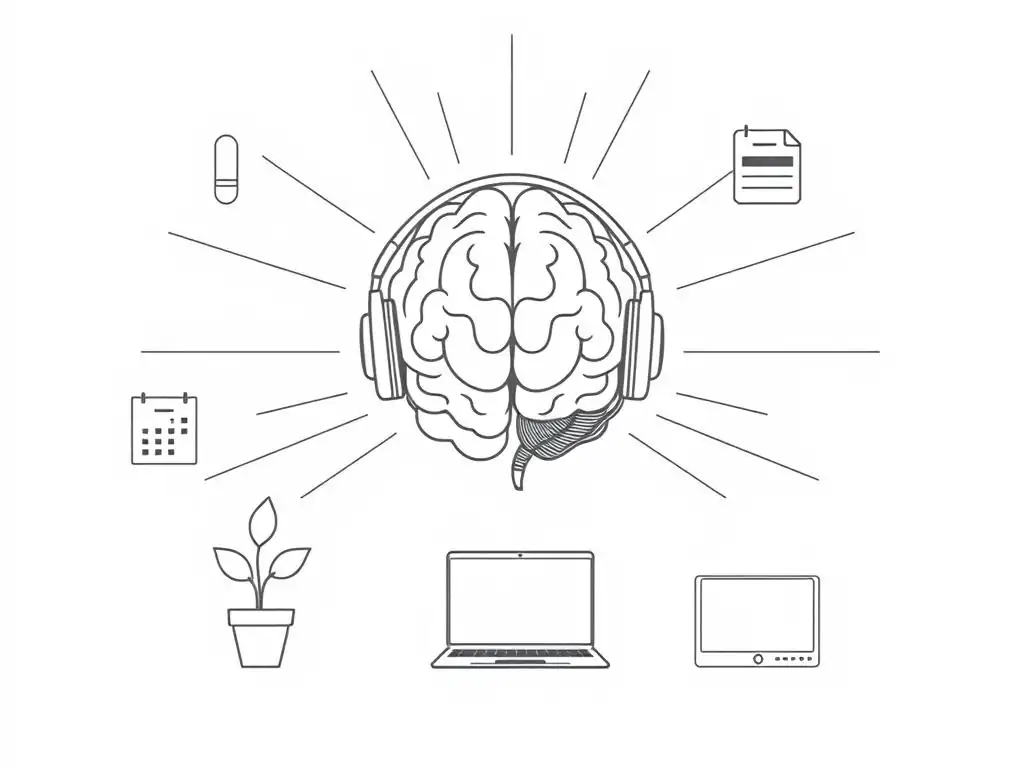
This section explores specific tools and technologies designed to minimize distractions and optimize your creative process. By strategically implementing these resources, you can cultivate a more focused and productive workflow, leading to enhanced creativity and output. Effectively minimizing creative process distractions is key to unlocking your full potential.
Noise-Cancelling Headphones and Ambient Soundscapes
Noise pollution is a significant impediment to creative flow. The constant hum of traffic, chatter of colleagues, or even the tick-tock of a clock can disrupt concentration and stifle innovative thinking. Investing in a good pair of noise-canceling headphones is a powerful step towards creating a distraction-free environment. High-quality headphones effectively block out external sounds, allowing you to immerse yourself fully in your creative work.
However, complete silence isn't always ideal for everyone. Some individuals find that ambient soundscapes, such as gentle rain, calming nature sounds, or even white noise, can actually enhance focus by masking distracting noises while providing a consistent auditory backdrop. Many apps and websites offer a vast library of ambient soundscapes tailored to different preferences and work styles. Experiment to find the soundscape that best suits your individual needs and promotes your optimal creative state.
The key is to find the right balance – eliminating disruptive noises while introducing a soothing auditory environment that facilitates concentration. Consider factors like sound quality, comfort level, and battery life when selecting noise-canceling headphones. A comfortable fit is crucial for extended use, preventing discomfort that could lead to further distractions.
Productivity Apps and Software for Streamlined Workflows
Beyond noise reduction, technology offers a wealth of tools to streamline your workflow and minimize digital distractions. Many productivity apps and software solutions are specifically designed to enhance focus and organization. These applications often incorporate features such as:
- Task management: Breaking down complex projects into smaller, manageable tasks helps to avoid feeling overwhelmed and maintain focus on the task at hand. Examples include prioritizing tasks by urgency and importance.
- Time blocking: Scheduling specific time slots for focused creative work helps to structure your day and prevents task-switching, a major source of distraction.
- Pomodoro Technique timers: These timers enforce short bursts of focused work interspersed with short breaks, improving concentration and preventing burnout.
- Collaboration tools: For collaborative projects, tools that facilitate seamless communication and file sharing can minimize the need for constant switching between applications.
Choosing the right productivity app depends on your individual needs and preferences. Some individuals prefer minimalist interfaces, while others benefit from more comprehensive feature sets. Experiment with different options to find the perfect fit for your workflow. The goal is to integrate these tools seamlessly into your creative process, not to add another layer of complexity or distraction.
Website Blockers and Focus Enhancing Browser Extensions
The internet, while a valuable resource, is also a breeding ground for distractions. Social media notifications, email alerts, and the endless scroll of news websites can easily derail even the most focused creative sessions. Website blockers and focus-enhancing browser extensions offer a powerful solution to this problem.
These tools allow you to temporarily block access to distracting websites and applications during your designated work periods. Some extensions even offer features such as:
- Customizable block lists: Allows you to specify which websites or apps to block.
- Scheduled blocking: Allows you to automate the blocking process during specific times.
- Focus timers: Integrates a Pomodoro timer or similar functionality to further enhance focus.
- Website access logging: Provides data on your website usage, allowing you to track your progress and identify patterns of distraction.
By strategically employing website blockers and focus-enhancing extensions, you can reclaim control over your attention and create a more conducive environment for creative work. Remember, the key is not to eliminate internet access entirely, but to manage it effectively, using these tools to minimize interruptions and maximize your creative output. The ability to minimize creative process distractions is directly linked to increased productivity and a more fulfilling creative experience.
Utilizing Task Management Tools for Effective Time Blocking
Effective time blocking is crucial for minimizing distractions during your creative process. Instead of haphazardly tackling tasks, strategically allocating specific time slots for focused work dramatically improves concentration. Task management tools are invaluable in this process. They allow you to visually represent your schedule, prioritize tasks based on importance and urgency, and set realistic timeframes. This structured approach significantly reduces the likelihood of context switching, a major culprit in disrupting creative flow.
For instance, imagine you're a graphic designer working on a complex logo design. Without a structured approach, you might find yourself constantly checking emails, responding to messages, or getting sidetracked by seemingly urgent but ultimately less important tasks. However, by using a task management tool like Trello or Asana, you can block out a dedicated three-hour period solely for logo design.
You can even break this down further, allocating specific time segments for sketching, vectorization, and refinement. The visual representation of your schedule helps maintain focus and prevents you from overestimating how long certain tasks will take, a common source of creative process interruptions.
Furthermore, these tools often offer features like reminders and notifications, ensuring you stay on schedule. This proactive approach eliminates the need for constant self-monitoring and prevents you from losing precious creative momentum. The integration of these tools into your workflow not only minimizes distractions but also improves overall project management, enhancing your productivity and the quality of your creative output.
Choosing a tool that aligns with your personal preferences and workflow is essential; experimenting with different options helps determine the most effective solution for your specific needs. The key is consistent use and integration into your daily routine for maximal benefit in minimizing creative process distractions. Consider exploring features like recurring tasks for routine activities and collaboration tools for teamwork projects, further enhancing your ability to manage and prioritize your time.
Maintaining Momentum and Avoiding Creative Blocks

Maintaining momentum during the creative process is crucial for minimizing distractions and maximizing productivity. Creative blocks, often fueled by distractions, can derail even the most ambitious projects. Overcoming these obstacles requires a proactive and strategic approach. This section will explore effective strategies to maintain focus and avoid those frustrating creative standstills. We'll examine practical techniques to keep your creative energy flowing, even when faced with unexpected interruptions or self-doubt. The key is to anticipate potential roadblocks and develop coping mechanisms before they significantly impact your workflow. Successfully minimizing creative process distractions often hinges on consistent effort and self-awareness.
Strategies for Overcoming Procrastination and Maintaining Focus
Procrastination is a common enemy of creativity. It's a significant distraction that can snowball, leading to missed deadlines and feelings of overwhelm. To combat procrastination effectively, we need to understand its root causes. Often, procrastination stems from fear of failure, perfectionism, or simply feeling overwhelmed by the task's magnitude.
Here are some proven strategies to overcome procrastination and maintain focus:
- The Pomodoro Technique: Work in focused bursts (e.g., 25 minutes) followed by short breaks (e.g., 5 minutes). This structured approach can significantly improve concentration and minimize distractions. The predictability of the breaks helps manage the feeling of being overwhelmed.
- Time Blocking: Schedule specific times for creative work in your calendar, treating these appointments as seriously as any other meeting. This helps establish a routine and creates dedicated time for focused effort. Avoid scheduling these blocks during times when you are typically most susceptible to distractions.
- Break Down Large Tasks: Overwhelming projects can lead to procrastination. Break down large tasks into smaller, more manageable steps. This makes the overall project seem less daunting and provides a sense of accomplishment as you complete each step. This sense of accomplishment is key to maintaining momentum and minimizing feelings of being overwhelmed.
- Eliminate Distractions: Create a dedicated workspace free from interruptions. Turn off notifications, put your phone on silent, and let others know you need uninterrupted time. A clutter-free workspace also contributes to a clearer mind.
- Reward System: Reward yourself for completing tasks. This positive reinforcement can help motivate you to stay on track and minimize the temptation to procrastinate. This might be as simple as enjoying a cup of tea or listening to a favorite song after a productive session.
Techniques for Re-engaging with Projects After Interruptions
Life happens. Unexpected interruptions are inevitable. The key is to develop effective techniques for seamlessly re-engaging with your creative projects after these disruptions. Minimizing the time it takes to regain your focus is crucial for maintaining momentum and preventing creative blocks from forming.
Here are some practical techniques to help you quickly get back on track:
- Mindfulness and Deep Breathing: Take a few moments to center yourself before returning to your work. Deep breathing exercises can help clear your mind and reduce stress, allowing you to refocus more easily. Even a short 1-minute mindfulness exercise can make a significant difference.
- Review Notes and Outlines: Briefly review your notes and outlines to refresh your memory before diving back in. This helps you quickly regain context and reduces the time spent reorienting yourself.
- Prioritize Tasks: If multiple tasks are pending, prioritize them based on urgency and importance. This helps you focus your energy on the most critical aspects of your project.
- Set Realistic Expectations: Don't expect to immediately regain peak productivity after an interruption. It's okay to take it slow and gradually build back up to your previous level of focus. Be kind to yourself.
- Use a Timer: Set a timer for a specific amount of time (e.g., 15 minutes) to dedicate to the task. This creates a focused block of time to restart your work without feeling overwhelmed by the larger project.
Cultivating a Growth Mindset to Embrace Challenges and Setbacks
A growth mindset is essential for navigating the inevitable challenges and setbacks that occur during the creative process. Instead of viewing obstacles as insurmountable barriers, a growth mindset encourages you to see them as opportunities for learning and growth. This resilience is critical for minimizing distractions caused by self-doubt and negative thinking. Embracing challenges and viewing setbacks as learning experiences is a key element in minimizing creative process distractions.
Here's how to cultivate a growth mindset:
- Embrace Failure as a Learning Opportunity: View mistakes and failures not as personal shortcomings, but as valuable feedback that can help you improve your skills and refine your approach. Every failure provides valuable data.
- Focus on the Process, Not Just the Outcome: Shift your focus from solely achieving the perfect outcome to enjoying the creative process itself. This reduces pressure and makes the journey more enjoyable, even when facing difficulties.
- Seek Feedback and Learn from Others: Don't be afraid to seek constructive criticism from others. Their insights can help you identify areas for improvement and enhance your creative process.
- Celebrate Small Wins: Acknowledge and celebrate your achievements, no matter how small. This positive reinforcement helps build confidence and motivates you to continue pushing forward, even when facing difficulties. This positive reinforcement is crucial for minimizing distractions stemming from self-doubt.
- Practice Self-Compassion: Be kind to yourself during challenging times. Remember that everyone faces setbacks, and it's okay to have off days. Self-compassion is a powerful tool for building resilience.
Building Habits for Consistent Creative Output and Minimizing Distractions
Building consistent creative habits is crucial for minimizing distractions and maximizing output. It's not about sporadic bursts of inspiration; it's about cultivating a sustainable workflow that allows for regular, focused work. This requires a multifaceted approach, combining time management techniques with mindful strategies to reduce interruptions. One highly effective method is the Pomodoro Technique, which involves working in focused 25-minute intervals followed by short breaks.
This structured approach helps maintain concentration and prevents burnout, two major contributors to creative blocks. Furthermore, integrating short mindfulness exercises, like deep breathing or meditation, between Pomodoro sessions can significantly improve focus and reduce stress, thereby enhancing creative flow. Remember, consistency is key; even short, focused sessions contribute significantly to long-term creative output.
Another vital aspect is establishing a dedicated workspace free from distractions. This doesn't necessarily mean a separate room; it could be a specific corner of your home or a quiet café. The key is to create an environment that signals your brain it's time to focus. This might involve decluttering the space, using noise-canceling headphones, or simply turning off notifications on your phone and computer.
Consistency in using this designated space will reinforce the association between that location and focused creative work. Consider also incorporating elements that stimulate creativity into your workspace. This could be anything from inspiring artwork to plants or even ambient music, tailored to your preference.
Beyond the physical environment, cultivating a mindful approach to your schedule is essential for minimizing distractions. This involves proactively scheduling dedicated creative time blocks in your calendar, treating them as important appointments you wouldn't miss. This dedicated time should be protected from interruptions, meaning turning off notifications and politely declining non-urgent requests. It’s about respecting the importance of your creative process and actively defending it from intrusions.
This commitment to scheduled creative time demonstrates self-respect and fosters a positive feedback loop, reinforcing the value of consistent creative output. Over time, this disciplined approach will naturally minimize distractions and significantly improve your creative productivity. Remember, consistency breeds consistency; the more you adhere to your creative schedule, the easier it becomes to maintain focus and avoid interruptions.
Finally, consider incorporating techniques for managing your energy levels throughout the day. Creative work often requires sustained mental effort, and energy dips can significantly impact productivity and increase susceptibility to distractions. Regular breaks, proper hydration, and a balanced diet are crucial for maintaining optimal energy levels.
Short walks or stretching exercises can revitalize your mind and body, improving focus and reducing stress. Understanding your peak energy periods and scheduling your most demanding creative tasks during these times can dramatically enhance your efficiency and reduce the likelihood of distractions derailing your progress. By paying attention to your energy levels and proactively managing them, you significantly improve your ability to maintain consistent creative output and minimize distractions.
Boosting Your Creative Output by Minimizing Distractions
This section focuses on practical strategies to significantly enhance your creative output by actively minimizing distractions. We'll explore how a reduction in interruptions translates to increased productivity and a more fulfilling creative process. The core concept revolves around creating an environment and mindset conducive to deep work, allowing for sustained focus and the generation of high-quality work. The goal is to minimize creative process distractions and unlock your full potential.
Practical Steps to Implement a Distraction-Free Creative Routine
Implementing a distraction-free creative routine requires a multifaceted approach. It's not just about silencing your phone; it's about proactively designing your environment and schedule to support your creative flow. Here's a breakdown of practical steps you can take:
- Dedicated Workspace: Designate a specific area solely for creative work. This could be a corner of a room, a home office, or even a specific café. The key is consistency; your brain will associate this space with focused work. Keep it tidy and organized to minimize visual clutter, which can surprisingly be a major source of distraction.
- Time Blocking: Schedule specific blocks of time dedicated to creative tasks. Treat these appointments as seriously as you would a meeting with a client. During these blocks, commit to uninterrupted work. Experiment with different lengths of time—the Pomodoro Technique (25 minutes of work followed by a 5-minute break) is a popular method, but you might find longer or shorter intervals more effective.
- Notification Management: Silence all non-essential notifications on your phone, computer, and other devices. Consider turning off email alerts, social media notifications, and even text messages during your dedicated creative time. For particularly persistent distractions, utilize website blockers or apps that temporarily limit access to time-wasting sites.
- Mindfulness and Meditation: Incorporating short mindfulness exercises or meditation sessions before and during your creative process can significantly improve focus and reduce mental clutter. Even 5-10 minutes of quiet reflection can help clear your mind and prepare you for deep work.
- Batch Similar Tasks: Grouping similar tasks together can minimize the mental switching cost between different types of work. For example, dedicate a specific time block to writing, another to editing, and another to brainstorming. This reduces the cognitive load and allows for more sustained focus.
Measuring Your Progress and Tracking Improvements in Focus
Tracking your progress is crucial to understanding the effectiveness of your distraction-reduction strategies. This allows you to identify what works best for you and refine your approach over time. Several methods can help you measure your improvements:
- Time Tracking: Use a timer or app to track the actual time spent on creative tasks versus the time allocated. This helps identify time-wasting activities and pinpoint areas for improvement. Analyzing this data over several weeks can reveal trends and patterns in your focus levels.
- Output Measurement: Quantify your creative output. This could involve counting the number of words written, designs completed, or ideas generated during each creative session. Comparing this data over time provides a clear indication of your productivity gains.
- Focus Rating: At the end of each creative session, rate your level of focus on a scale of 1 to 5 (1 being completely distracted, 5 being fully focused). This subjective measure provides valuable insights into your mental state during work and helps you identify factors influencing your focus.
- Journaling: Keep a journal to document your experiences, noting any distractions encountered, strategies used, and the overall effectiveness of your approach. This reflective practice helps you identify recurring issues and refine your strategies for maximizing focus.
| Measurement Method | Data Collected | Benefits |
|---|---|---|
| Time Tracking | Time spent on tasks | Identifies time wasted, improves time management |
| Output Measurement | Quantity of work produced | Shows productivity gains, boosts motivation |
| Focus Rating | Subjective assessment of focus | Highlights factors affecting concentration |
| Journaling | Reflections on experiences | Facilitates self-awareness, improves strategy |
The emojis 📈 and 🤩 can represent the positive upward trend in productivity and the feeling of accomplishment, respectively.
Long-term strategies for sustaining a distraction-free creative process.
Sustaining a distraction-free creative process requires consistent effort and long-term commitment. It's not a one-time fix but a continuous process of refinement and adaptation. Here are some long-term strategies to consider:
- Habit Formation: Consistency is key. By consistently implementing the strategies mentioned above, you'll gradually build a strong habit of focused work. This makes it easier to maintain a distraction-free environment and mindset over the long term.
- Regular Review and Adjustment: Periodically review your progress and make necessary adjustments to your strategies. What worked well a month ago might not be as effective now. Regularly evaluating your approach ensures you remain adaptable and continuously improve your focus.
- Self-Compassion: Don't get discouraged by occasional setbacks. There will be days when distractions are harder to manage. Practice self-compassion and learn from your experiences. The key is to keep trying and refining your approach.
- Boundaries and Communication: Communicate your need for focused work time to those around you. Set clear boundaries to minimize interruptions. This might involve scheduling specific times for communication or using visual cues to signal when you need uninterrupted time.
- Prioritization and Planning: Effective prioritization and planning are crucial for managing your workload and avoiding feeling overwhelmed. Focusing on the most important tasks first ensures you dedicate your peak focus time to high-impact activities. This minimizes the feeling of being constantly behind and reduces stress, which can be a significant source of distraction. Prioritizing tasks helps you effectively minimize creative process distractions.
By consistently implementing these long-term strategies, you can cultivate a sustainable distraction-free creative process, leading to significantly improved productivity, creativity, and overall well-being. Remember, minimizing distractions is an ongoing journey, not a destination.
Frequently Asked Questions
How can I minimize distractions during my creative process?
The key is to create a dedicated workspace free from interruptions. Turn off notifications, put your phone away, and let others know you need uninterrupted time. Prioritize deep work sessions to enhance focus.
What are some practical techniques to eliminate digital distractions?
Employ website blockers, utilize focus apps like Freedom or Forest, and turn off email and social media notifications. Consider using the Pomodoro Technique to work in focused bursts with short breaks.
How can I deal with internal distractions during creative work?
Practice mindfulness techniques to quiet your inner critic. Identify and address the root cause of your internal distractions (e.g., hunger, anxiety). Break down large tasks into smaller, manageable steps.
What's the best environment for a distraction-free creative process?
A quiet, organized space is ideal. This could be a dedicated home office, a library, or even a coffee shop with minimal noise. Experiment to find what environment best suits your needs.
How can I maintain focus when unexpected interruptions occur?
Develop a system for handling interruptions. This could involve a "do not disturb" sign, a designated time for responding to emails, or politely asking for a later time to address interruptions. Learn to politely but firmly redirect.
Final Reflection: Reclaiming Focus, Releasing Creativity
The relentless barrage of notifications and demands on our attention is not just inconvenient; it's a direct assault on our creative potential. We've explored how minimizing distractions isn't just about increased productivity, but about fostering a deeper, more meaningful connection with our creative process, leading to richer, more impactful work. This isn't a fleeting trend; it's a fundamental shift in how we approach our work and our lives.
The impact of constant distraction on our ability to think deeply and creatively is profound and far-reaching. It's not just about finishing projects faster; it's about the quality of the ideas we generate and the emotional fulfillment we derive from our creative endeavors. As the artist and writer Steven Pressfield so eloquently put it: The resistance is not a force to be overcome, but a guide to what we should be doing.
By learning to identify and minimize distractions, we are, in essence, listening more closely to our inner creative voice and following its guidance.
Now, consider your own creative process. What distractions consistently hinder your flow? What strategies can you implement – from setting boundaries to utilizing technology mindfully – to create a more focused and fulfilling creative space? Take the time to cultivate a distraction-free environment, not just for increased output, but for the profound joy and self-discovery that awaits you on the other side. Embrace the silence, the stillness, and the power of uninterrupted focus. Your creativity will thank you for it.
Unlock Your Creative Flow: Design Your Distraction-Free Zone Today!
Thank you for exploring the power of a distraction-free creative process! We hope you've gained valuable insights into maximizing your potential. Now let's put these ideas into action.
Here's how to transform your workspace and mindset:
- Designate a distraction-free zone: Identify a dedicated space in your home or office solely for creative work. This could be a corner, an entire room, or even an outdoor area. Clear away distractions and create a personal creative sanctuary.
- Experiment with focus techniques: Try different approaches to maintain concentration and avoid burnout. Techniques like the Pomodoro Technique or other time management strategies can be very effective. Track your progress and find what works best for you.
- Share your distraction-free setup: Inspire others! Share a picture of your creative space on social media using the hashtag #DistractionFreeFlow.
Ready to significantly boost your creativity? What's the first step you'll take to create your personal distraction-free zone?