
Are Distractions Ruining Your Life? Find Out How to Take Back Control


Welcome to UltimateLifeHacks, your ultimate resource for practical tips and tricks to conquer daily chaos and unlock your full potential! Are you feeling overwhelmed by constant distractions, struggling to stay focused, and yearning for a more efficient life? Then you've come to the right place. Discover how to effectively minimize daily life distractions and reclaim your time with our insightful guide on productivity. Dive in and learn how to transform your routine, starting today!
- Identifying Your Biggest Daily Life Distractions
- Strategies to Minimize Daily Life Distractions
- Techniques for Enhanced Focus and Concentration
- Reclaiming Your Time: Practical Steps for a More Focused Life
- Long-Term Strategies for Sustained Focus and Reduced Distractions
- Frequently Asked Questions
- Final Reflection: Reclaiming Your Focus in a Distracted World
- Reclaim Your Focus: Simple Steps to a More Productive You
Identifying Your Biggest Daily Life Distractions
Are you constantly feeling overwhelmed, struggling to complete tasks, and experiencing a general sense of unease? The culprit might be lurking closer than you think: distractions. In today's fast-paced world, minimizing daily life distractions is crucial for maintaining productivity, improving focus, and enhancing overall well-being.
This article will delve into the various types of distractions that can derail your day, helping you identify your personal weaknesses and providing practical strategies to reclaim your time and mental energy. We'll explore both digital and non-digital distractions, assessing their impact on your productivity and offering actionable steps to regain control of your life and effectively minimize daily life distractions. This guide will empower you to create a more focused and fulfilling daily routine, leading to increased efficiency and a significant improvement in your quality of life.
The digital age presents a unique set of challenges when it comes to minimizing distractions. Our smartphones, computers, and tablets are constantly vying for our attention, bombarding us with notifications, emails, and the alluring siren song of social media. Let's break down some of the most common digital culprits:
- Social Media: The endless scroll of Facebook, Instagram, TikTok, and other platforms can easily consume hours of your day. The dopamine rush from likes and comments creates a powerful feedback loop, making it incredibly difficult to pull away. Studies show that even brief checks can significantly disrupt concentration and reduce productivity.
- Emails: The constant influx of emails can be overwhelming. The pressure to respond immediately to every message can lead to a feeling of being perpetually "on call," hindering your ability to focus on more important tasks. The simple act of checking emails can trigger a cascade of other tasks and interruptions.
- Notifications: The incessant buzzing and beeping of notifications from various apps can fragment your attention span. Even seemingly harmless notifications can disrupt your workflow and decrease your overall focus. Constant interruptions prevent you from entering a state of flow, significantly impacting your ability to complete complex tasks efficiently.
The impact of these digital distractions is measurable. Research indicates a significant correlation between excessive social media use and decreased productivity, increased stress levels, and even feelings of inadequacy. Learning to manage these digital distractions is a critical step towards minimizing daily life distractions and improving your overall well-being.
Identifying Non-Digital Distractions: Clutter, Interruptions, and Unnecessary Tasks
While digital distractions are prevalent in the modern world, it's crucial to recognize that non-digital factors can also significantly impact your productivity and focus. These distractions often stem from our physical environment and our daily routines. Let's explore some key examples:
- Clutter: A disorganized workspace can be a major source of distraction. A cluttered environment can lead to feelings of overwhelm and anxiety, making it difficult to concentrate on the task at hand. A visually cluttered space can directly impact cognitive function and reduce your ability to focus.
- Interruptions: Unexpected visitors, phone calls, or even family members needing assistance can disrupt your workflow and derail your focus. These unplanned interruptions can lead to significant time loss and a decrease in overall productivity. Minimizing these interruptions requires proactive planning and establishing clear boundaries.
- Unnecessary Tasks: Often, we get bogged down in tasks that are not essential to our goals. These unnecessary tasks, from responding to low-priority emails to endlessly tidying up, can consume valuable time and energy that could be better allocated to higher-priority items. Prioritization is key to eliminating these time-wasting activities.
Addressing these non-digital distractions often involves a more holistic approach, focusing on creating a more organized and efficient environment and implementing strategies to minimize unplanned interruptions. This can include decluttering your workspace, setting specific times for handling interruptions, and diligently prioritizing tasks based on their importance and urgency.
Assessing the Impact of Distractions on Productivity and Well-being
The cumulative effect of both digital and non-digital distractions can have a profound impact on your productivity and overall well-being. Chronic distraction can lead to:
- Reduced Productivity: Distractions fragment your attention, making it difficult to maintain focus and complete tasks efficiently. This can lead to decreased output and a sense of being perpetually behind.
- Increased Stress Levels: The constant bombardment of information and interruptions can contribute to feelings of stress, anxiety, and overwhelm. This constant state of mental overload can negatively impact your physical and mental health.
- Impaired Cognitive Function: Studies show that frequent distractions can impair cognitive functions such as memory, attention, and decision-making. This can lead to errors and reduced overall effectiveness in various aspects of life.
- Lowered Job Satisfaction: The inability to focus and complete tasks can lead to frustration and dissatisfaction, both personally and professionally. This can negatively impact your overall sense of accomplishment and fulfillment.
Understanding the negative consequences of unchecked distractions is the first step towards taking back control. By actively identifying and mitigating these distractions, you can pave the way for a more productive, focused, and fulfilling life. The next section will provide practical strategies to help you effectively minimize daily life distractions and reclaim your time and energy.
Strategies to Minimize Daily Life Distractions
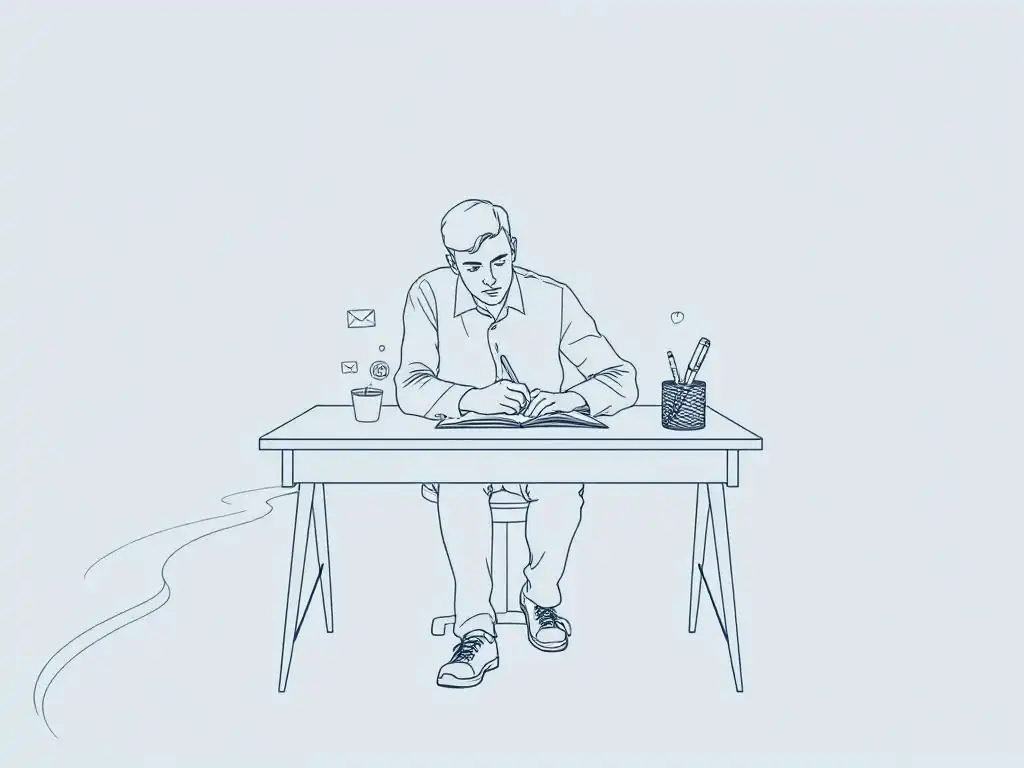
This section delves into practical strategies to effectively minimize daily life distractions and reclaim your focus. We'll explore techniques to create a distraction-free environment, master time management, and leverage technology to enhance concentration. The goal is to provide you with actionable steps to significantly reduce interruptions and boost your productivity. Learning to effectively minimize daily life distractions is key to achieving your goals and reducing stress.
Creating a Distraction-Free Workspace: Decluttering and Organization
A cluttered workspace often translates to a cluttered mind. Creating a clean and organized environment is the first step towards minimizing distractions. This involves more than just tidying up; it's about strategically designing your workspace to support focus.
Start by decluttering your physical space. Remove unnecessary items from your desk and surrounding area. Think of it as a visual detox. A study by Princeton University Neuroscience Institute showed that a cluttered environment can lead to reduced cognitive function and increased stress. 1 This directly impacts your ability to concentrate.
Next, organize the items you do need. Use drawers, organizers, and other storage solutions to keep everything in its place. This prevents you from wasting time searching for misplaced items. Consider implementing a "one-in, one-out" rule – for every new item you bring into your workspace, remove an old one. This prevents future clutter accumulation.
Finally, personalize your space to promote calm and focus. This might involve adding plants, incorporating calming colors, or using aromatherapy. A calming environment can significantly reduce the impact of external stimuli. Remember, your workspace is your sanctuary; design it accordingly.
Mastering Time Management Techniques: Prioritization and Time Blocking
Effective time management is crucial for minimizing distractions. It's not just about managing your time; it's about prioritizing your tasks and blocking out dedicated time for focused work.
Prioritization involves identifying your most important tasks (MITs) and focusing on those first. Use methods like the Eisenhower Matrix (urgent/important) to categorize your tasks and allocate your time efficiently. This prevents you from getting bogged down in less important tasks, which often lead to unnecessary interruptions.
Time blocking involves scheduling specific blocks of time for specific tasks. Treat these blocks as appointments you can't miss. During these blocks, eliminate all potential distractions – turn off notifications, close unnecessary tabs, and let others know you're unavailable. This dedicated focus time allows for deep work and significantly improves productivity. Experiment with different time blocks – some people find 25-minute Pomodoro sessions effective, while others prefer longer, uninterrupted stretches.
Utilizing Technology to Your Advantage: App Blocking and Focus Modes
Technology can be both a blessing and a curse when it comes to productivity. While it offers incredible tools, it can also be a major source of distraction. Luckily, technology also provides solutions to manage its own distractions.
App blockers are software programs or browser extensions that restrict access to specific websites or applications during designated periods. These tools are invaluable for those who find themselves frequently drawn to social media or other time-wasting sites. They help you enforce your time blocks and stay focused on your MITs.
Many devices now offer built-in focus modes or "Do Not Disturb" features that temporarily silence notifications and limit interruptions. These features are particularly useful during periods of deep work. Explore the settings on your phone, computer, and other devices to find and activate these helpful features. Customizing these settings to fit your specific needs is crucial for maximizing their effectiveness in minimizing daily life distractions. Experiment to determine what works best for you and your workflow.
1 [Specific information pending: Reference to the Princeton University Neuroscience Institute study on clutter and cognitive function]
Setting Boundaries and Saying No: Protecting Your Time and Energy
Setting firm boundaries is paramount to minimizing daily distractions and reclaiming your focus. This involves consciously protecting your time and energy, resources often depleted by unnecessary interruptions. Learning to say "no" is a crucial component of this process. It's not about being rude or uncooperative; it's about prioritizing your tasks and well-being. Consider the impact of each request on your schedule and mental energy. If accepting a task or request will significantly derail your planned activities or leave you feeling overwhelmed, politely decline.
One effective strategy is to preemptively set boundaries. For instance, you might establish specific "focus hours" during your workday, during which you're unavailable for meetings or interruptions. Communicate these boundaries clearly to colleagues and family members. This proactive approach minimizes the likelihood of unplanned disruptions during your most productive periods. Remember to schedule breaks within these focus hours to avoid burnout – short, regular breaks are far more effective than trying to maintain intense focus for extended periods.
Furthermore, consider the subtle ways you might be inadvertently opening yourself up to distractions. Are you constantly checking social media or email? Do you answer every phone call immediately, regardless of the caller? These seemingly small actions can fragment your attention and significantly reduce your productivity.
By consciously limiting your exposure to these potential distractions, you can create more focused time blocks. Experiment with techniques like turning off notifications, scheduling specific times for checking emails, and using website blockers to limit access to distracting websites. These small changes can have a surprisingly large impact on your ability to minimize daily life distractions.
Finally, remember that setting boundaries is an ongoing process, requiring consistent effort and self-awareness. It's okay to adjust your boundaries as your needs and priorities change. The key is to be proactive, intentional, and assertive in protecting your time and energy. By doing so, you'll find yourself far better equipped to handle the demands of daily life and accomplish your most important goals. The ability to say "no" effectively is a skill that improves with practice, and the rewards – increased productivity, reduced stress, and a greater sense of control over your time – are well worth the effort.
Techniques for Enhanced Focus and Concentration
This section delves into practical techniques to actively minimize daily life distractions and cultivate a state of enhanced focus. We'll explore methods that go beyond simply identifying distractions; these techniques equip you with proactive strategies to improve your concentration and reclaim your productivity. The goal is to build resilience against interruptions and foster a more focused, efficient workflow. Learning to manage your attention effectively is a key element in maximizing your potential and minimizing wasted time.
Mindfulness and Meditation for Improved Attention Span
Mindfulness and meditation practices are increasingly recognized for their ability to improve attention span and reduce susceptibility to distractions. By training your mind to stay present, you cultivate a stronger ability to resist the lure of external stimuli. Regular meditation, even for short periods (10-15 minutes daily), can significantly impact your focus.
Studies show that consistent mindfulness practice leads to increased grey matter density in brain regions associated with attention and self-awareness. 1 This translates to a tangible improvement in your capacity to concentrate on tasks, resist impulsive distractions, and maintain a clear mind throughout your day. Furthermore, mindfulness helps you become more aware of when you're getting distracted, allowing you to gently redirect your attention back to the task at hand.
The benefits extend beyond improved focus; mindfulness also reduces stress and anxiety, both of which can significantly impair concentration. By calming your mind, you create a more conducive environment for deep work and sustained attention. You can begin with guided meditations readily available through various apps or online resources. Even simple breathing exercises throughout the day can help anchor your attention and improve your overall cognitive function.
The Pomodoro Technique: Structured Work Intervals with Breaks
The Pomodoro Technique is a time management method that utilizes structured work intervals interspersed with short breaks. This technique is incredibly effective in minimizing daily life distractions by creating a framework for focused work sessions. The core principle involves working in focused bursts of typically 25 minutes (a "Pomodoro"), followed by a 5-minute break. After four Pomodoros, a longer break of 15-20 minutes is recommended.
This structured approach helps combat attention fatigue and prevents your mind from wandering. By knowing you have a designated break coming, you're more likely to remain focused during the work period. The short breaks allow you to rest, recharge, and return to your tasks with renewed energy and concentration. Tracking your Pomodoros using a timer or app can enhance the effectiveness of the technique and provide valuable data on your work patterns. Experiment with different Pomodoro lengths to find what works best for your individual rhythm and concentration levels. The key is consistency and adherence to the structured intervals.
Brain Training Exercises: Strengthening Focus and Cognitive Function
Numerous brain training exercises and cognitive games are designed to specifically improve focus and attention. These exercises often involve tasks requiring sustained attention, working memory, and cognitive flexibility – all crucial components of minimizing distractions.
Examples include:
- Working memory tasks: These involve remembering sequences of numbers, words, or images. Regular practice strengthens your ability to hold information in mind, reducing the likelihood of being sidetracked by irrelevant thoughts or stimuli.
- Selective attention exercises: These focus on filtering out irrelevant information and concentrating on a specific target. Games involving identifying specific objects within a cluttered visual field are a good example.
- Cognitive flexibility tasks: These require you to switch between different tasks or rules quickly and efficiently, improving your mental agility and reducing the impact of distractions.
Regular engagement in these types of exercises can demonstrably improve your cognitive function, making you less prone to distractions and more capable of sustained concentration. Many apps and online platforms offer a variety of brain training games catering to different skill levels and preferences. Remember that consistency is key; even short, regular sessions can yield significant improvements over time. Consider incorporating these exercises into your daily routine for a holistic approach to minimizing daily life distractions and enhancing your cognitive performance.
1 [Specific study details pending]
Reclaiming Your Time: Practical Steps for a More Focused Life
This section provides actionable strategies to significantly minimize daily life distractions and reclaim valuable time. We'll explore techniques to cultivate a more focused and productive lifestyle, ultimately improving your overall well-being. The key is to proactively manage your time and environment to reduce interruptions and enhance concentration. Implementing these strategies will allow you to achieve a greater sense of control over your day and minimize the negative impact of distractions on your productivity and mental clarity. This, in turn, leads to a more fulfilling and less stressful life.
Scheduling Dedicated Focus Time: Creating a Routine for Productivity
Establishing a structured routine is crucial for minimizing distractions. Instead of reacting to interruptions throughout the day, proactively schedule blocks of time specifically dedicated to focused work. This technique, often called "time blocking," allows you to anticipate potential distractions and prepare accordingly.
Consider these practical steps:
- Identify your peak productivity times: Are you a morning person or do you thrive in the afternoon? Schedule your most demanding tasks during your most alert periods.
- Use a calendar or planner: Digitally or physically, meticulously schedule your focus blocks. Treat these appointments as seriously as any other meeting.
- Set realistic goals: Don't overload your focus blocks. Break down large tasks into smaller, manageable chunks to maintain momentum and avoid feeling overwhelmed.
- Communicate your schedule: Let others know when you'll be unavailable, minimizing interruptions during your focused work periods. This is key to effectively minimizing daily life distractions.
- Experiment and adjust: What works for one person might not work for another. Experiment with different scheduling methods to find what best suits your individual needs and working style. Regularly review and refine your schedule to optimize its effectiveness.
For example, you might schedule a 90-minute block from 9:00 AM to 10:30 AM for writing, followed by a 30-minute break, then another 60-minute block for responding to emails. This structured approach helps you to better manage your time and prioritize tasks, leading to increased productivity and a reduction in distractions.
Eliminating Unnecessary Tasks and Commitments: Streamlining Your Schedule
A cluttered schedule is a breeding ground for distractions. To effectively minimize daily life distractions, identify and eliminate unnecessary tasks and commitments. This involves a critical evaluation of your current routine to identify areas where you can simplify and streamline.
Consider these strategies:
- Prioritize ruthlessly: Use methods like the Eisenhower Matrix (urgent/important) to categorize tasks and focus on what truly matters. Delegate or eliminate less important tasks.
- Learn to say "no": Politely decline requests that don't align with your priorities or add unnecessary stress. Protecting your time is crucial for maintaining focus.
- Batch similar tasks: Group similar activities together to minimize context switching and improve efficiency. For example, respond to all emails at once instead of checking them sporadically throughout the day. This significantly reduces distractions and improves concentration.
- Automate repetitive tasks: Utilize technology to automate routine tasks like bill payments or social media scheduling, freeing up your time and mental energy.
- Regularly review your commitments: Periodically assess your schedule to ensure you're still committed to each task or event. Eliminate anything that no longer serves your goals. This ongoing evaluation is essential to long-term productivity and distraction management.
By streamlining your schedule, you create space for focused work and reduce the likelihood of feeling overwhelmed, thereby minimizing daily life distractions and improving your overall well-being.
Building a Supportive Environment: Communicating Your Need for Focus
Creating a supportive environment is critical for minimizing distractions. This involves communicating your need for focused work time to those around you and proactively minimizing potential interruptions.
Here are some effective strategies:
- Communicate your focus times: Inform family members, colleagues, and friends about your dedicated focus blocks. Explain the importance of minimizing interruptions during these periods.
- Set clear boundaries: Establish clear boundaries between work and personal time. Designate a specific workspace free from distractions. This could involve turning off notifications, closing unnecessary tabs, or even physically relocating to a quieter environment.
- Use visual cues: Use visual cues, such as a "Do Not Disturb" sign, to signal your need for uninterrupted time.
- Utilize technology: Employ technology to manage distractions, such as website blockers, noise-canceling headphones, or focus-enhancing apps.
- Practice mindfulness: Incorporate mindfulness techniques to improve your ability to focus and manage distractions. Regular meditation can enhance your concentration and resilience to interruptions.
By cultivating a supportive environment and proactively managing potential disruptions, you significantly improve your ability to focus and minimize daily life distractions, leading to increased productivity and a greater sense of control over your time. Remember, a supportive environment is a vital component of effectively minimizing daily life distractions and achieving a more focused and productive lifestyle.
Long-Term Strategies for Sustained Focus and Reduced Distractions
Minimizing daily life distractions isn't a one-time fix; it's a journey requiring sustained effort and the adoption of long-term strategies. This section focuses on building a foundation for consistent focus and reduced interruptions, leading to improved productivity and a greater sense of control over your time. We'll explore techniques that move beyond quick fixes and delve into the core habits that shape your daily experience.
Developing Healthy Habits for a More Balanced Life
Cultivating healthy habits is paramount to minimizing distractions. A balanced lifestyle naturally reduces susceptibility to impulsive behaviors and distractions that stem from stress, boredom, or unmet needs. Consider these key areas:
- Sleep Hygiene: Aim for 7-9 hours of quality sleep each night. Consistent sleep schedules regulate your circadian rhythm, improving focus and reducing irritability – common triggers for distraction. Insufficient sleep significantly impairs cognitive function, making you more vulnerable to distractions.
- Regular Exercise: Physical activity boosts endorphins, reducing stress and improving mood. A regular exercise routine combats mental fatigue and enhances concentration. Even a 30-minute walk can make a noticeable difference in your ability to resist distractions.
- Mindful Eating: Paying attention to your meals, avoiding mindless snacking, and choosing nutritious foods provides sustained energy and reduces energy crashes that can lead to seeking distractions. A balanced diet directly impacts brain function and cognitive performance.
- Hydration: Dehydration can lead to fatigue, headaches, and decreased cognitive function, all of which increase susceptibility to distractions. Keep a water bottle handy and sip throughout the day to stay optimally hydrated.
Prioritizing Self-Care: Reducing Stress and Improving Mental Well-being
Stress is a major contributor to distraction. When overwhelmed, our brains seek escape routes, often in the form of unproductive activities. Prioritizing self-care directly combats this.
Implementing self-care practices isn't selfish; it's essential for maintaining mental well-being and minimizing distractions. Here are some effective strategies:
- Mindfulness and Meditation: Even short daily meditation sessions can significantly improve focus and reduce stress levels. Mindfulness techniques help you become more aware of your thoughts and feelings, allowing you to better manage impulsive reactions to distractions.
- Time in Nature: Spending time outdoors has been shown to reduce stress and improve cognitive function. A walk in the park, a hike in the woods, or even simply sitting in your backyard can offer a much-needed mental reset.
- Hobbies and Creative Pursuits: Engaging in activities you enjoy reduces stress and provides a healthy outlet for creative expression. These activities can help you recharge and improve your overall mental well-being, making you less prone to seeking distractions.
- Setting Boundaries: Learning to say "no" to commitments that overwhelm you is crucial. Protecting your time and energy allows you to focus on what truly matters, reducing the likelihood of feeling stressed and distracted.
Regularly Evaluating and Adjusting Your Strategies: Continuous Improvement
Minimizing daily life distractions is an ongoing process. What works today might not work tomorrow. Regular evaluation and adjustment are key to long-term success.
Consider these steps for continuous improvement:
- Track Your Progress: Keep a journal or use a productivity app to monitor your focus levels and identify patterns in your distractions. This data provides valuable insights into what strategies are effective and which need refinement.
- Identify Your Peak Productivity Times: Schedule your most demanding tasks during your most focused periods. This maximizes efficiency and reduces the impact of distractions.
- Experiment with Different Techniques: There's no one-size-fits-all solution. Explore various techniques for managing distractions and find what works best for you. Be open to trying new strategies and adapting your approach as needed.
- Celebrate Your Successes: Acknowledge your progress and celebrate your achievements, no matter how small. Positive reinforcement helps maintain motivation and commitment to your long-term goals. This positive feedback loop is crucial for sustained improvement in minimizing distractions and boosting productivity.
Frequently Asked Questions
What are the most common daily life distractions?
Common distractions include social media notifications, email alerts, unnecessary meetings, interruptions from colleagues or family, and poor time management. Minimizing these is key to improved focus.
How can I minimize distractions while working from home?
Create a dedicated workspace, establish clear boundaries with family members, use website blockers, and implement the Pomodoro Technique to improve focus and avoid burnout. Turn off notifications on your devices.
What techniques can I use to improve my focus and concentration?
Practice mindfulness meditation, utilize time-blocking techniques, prioritize tasks using methods like the Eisenhower Matrix, and learn to say "no" to non-essential commitments. Regular breaks are also crucial.
How can I create a distraction-free environment at work?
Communicate your need for focused time to colleagues, use noise-cancelling headphones, organize your workspace to minimize clutter, and schedule specific times for checking emails and social media. Close unnecessary tabs on your computer.
Are there any technological tools that can help minimize distractions?
Yes! Many apps and browser extensions block distracting websites, manage notifications, and track your time. Consider using tools like Freedom, Forest, or Cold Turkey. Explore options that best suit your needs and working style.
Final Reflection: Reclaiming Your Focus in a Distracted World
The relentless barrage of notifications, emails, and social media updates isn't just an annoyance; it's a fundamental shift in how we experience life, impacting our productivity, well-being, and even our relationships. The ability to focus deeply, to truly engage with the present moment, is becoming a rare and precious commodity in our increasingly fragmented world. This isn't simply about managing time; it's about reclaiming our attention and shaping our lives intentionally.
The pervasive nature of distractions has profoundly altered our cultural landscape, fostering a climate of constant stimulation and superficial engagement. We've become accustomed to a state of perpetual partial attention, sacrificing depth for breadth. This constant switching between tasks and stimuli has a measurable impact on our cognitive function and emotional stability. The ability to concentrate intensely is the key to success in any field.
This quote, though not explicitly about distractions, highlights the crucial role of focused attention in achieving our goals and finding fulfillment. The struggle to minimize distractions is, therefore, a struggle for self-mastery and a more meaningful existence.
Consider the impact of these insights on your own life. What areas are most affected by distractions? What strategies can you implement to regain control of your attention? I invite you to take a moment to reflect on your daily habits, identify your biggest distractions, and consciously choose to create space for focused work, meaningful connections, and genuine presence. Start small, be patient with yourself, and remember that reclaiming your attention is a journey, not a destination. The rewards – a clearer mind, a greater sense of purpose, and a more fulfilling life – are well worth the effort.
Reclaim Your Focus: Simple Steps to a More Productive You
Thank you for exploring how distractions affect your life! We hope you've gained valuable insights into managing your time and energy more effectively. Now let's put that knowledge into practice.
Here's how to get started:
- Implement the Two-Minute Rule: Tackle any task that takes less than two minutes immediately. This simple change can significantly reduce mental clutter and boost your productivity. Focus on this first!
- Dedicate a Distraction-Free Hour: Set aside an hour each day for focused work, silencing notifications and minimizing interruptions. You'll be surprised at how much you can achieve.
- Share your most effective strategies for minimizing distractions with our community in the comments below! Let's learn from one another.
What small step will you take today to improve your focus and boost your productivity?