
The DistractionFree Improvement Journey: Continuously Enhance Your Skills and Habits


Welcome to UltimateLifeHacks, your gateway to unlocking a more efficient and fulfilling life! Are you ready to conquer distractions and dramatically improve your skills? Our latest Productivity Hacks article, "The DistractionFree Improvement Journey," reveals the secrets to cultivating distraction-free habits and achieving continuous self-improvement. Discover the proven strategies and practical techniques that will transform your daily routine and propel you towards unparalleled success. Dive in and begin your journey to a more productive and empowered you!
- Understanding the Impact of Distractions on Skill Development
- Cultivating a Distraction-Free Environment for Skill Improvement
- Strategies for Building Distraction-Free Habits
- Techniques to Improve Focus and Concentration
- Measuring Progress and Maintaining Momentum
- Sustaining Long-Term Distraction-Free Skill Improvement
-
Frequently Asked Questions
- How can I improve my focus and avoid distractions?
- What are some practical ways to build distraction-free habits?
- How can I improve my skills while minimizing distractions?
- What role does technology play in improving skills distraction-free?
- How can I maintain momentum in my distraction-free improvement journey?
- Final Reflection: Cultivating Focus for a Life of Growth
- Unlock Your Potential: Start Your Distraction-Free Journey Today
Understanding the Impact of Distractions on Skill Development
In today's hyper-connected world, distractions are rampant, silently undermining our efforts to learn and improve. This article explores the detrimental effects of distractions on skill development and offers practical strategies to cultivate a distraction-free environment conducive to continuous self-improvement. We'll delve into the neuroscience behind attention and distraction, helping you understand why it's so crucial to minimize interruptions, and provide a self-assessment to identify your personal triggers.
Mastering the art of minimizing distractions is not just about increased productivity; it's about unlocking your full potential for growth and achieving lasting improvements in your skills and habits. This journey towards a distraction-free life is essential for anyone striving to enhance their capabilities and achieve their personal and professional goals.
The ability to focus deeply and consistently is a skill in itself, and one that directly impacts your ability to effectively improve other skills. Let's embark on this journey together, learning to overcome the obstacles of a distracting world and build a more focused and productive you.
How Distractions Sabotage Focus and Learning
Distractions are far more insidious than simply stealing time; they actively sabotage the learning process. When our attention is fragmented, our brain struggles to encode information effectively. Studies show that even brief interruptions can significantly decrease comprehension and retention. Imagine trying to learn a new programming language while constantly checking social media notifications. The constant switching between tasks creates cognitive overload, hindering your ability to form strong neural connections necessary for long-term skill acquisition.
This isn't just anecdotal; research consistently demonstrates a strong correlation between reduced distractions and improved learning outcomes. The impact extends beyond immediate comprehension: consistent distraction can lead to a weakened ability to focus, making it harder to concentrate on complex tasks even when distractions are absent. This ultimately results in slower progress, increased frustration, and a diminished sense of accomplishment. The cost of distraction isn't just measured in lost time, but in lost potential.
The Neuroscience of Attention and Distraction: Why it Matters
Understanding the neuroscience behind attention and distraction provides a crucial framework for developing effective strategies to improve focus. Our brains are not designed for constant multitasking; rather, they operate most efficiently when focused on a single task. The prefrontal cortex, the brain region responsible for executive functions like attention and planning, becomes overwhelmed when bombarded with multiple stimuli.
This leads to a decrease in dopamine, a neurotransmitter crucial for motivation and reward, resulting in decreased engagement and a decline in overall performance. Furthermore, constant exposure to distractions weakens the brain's ability to filter irrelevant information, making it even more susceptible to interruptions in the future. Think of it like a muscle: consistent use strengthens it, but neglect weakens it.
By understanding the neurological basis of focus and distraction, we can develop targeted strategies to strengthen our cognitive abilities and build resilience against interruptions. This neurological understanding is key to creating lasting change in our habits and improving our ability to learn and improve skills effectively.
Identifying Your Personal Distraction Triggers: A Self-Assessment
Before you can effectively minimize distractions, you need to identify your personal triggers. This requires honest self-reflection and a willingness to acknowledge your weaknesses. Consider the following questions:
| Question | Possible Answers |
|---|---|
| What are your most common distractions? | Social media, email, notifications, noise, clutter, interruptions from others, etc. |
| When are you most susceptible to distractions? | Mornings, afternoons, during specific tasks, etc. |
| What environments are most distracting? | Open-plan office, home with family, busy coffee shop, etc. |
| What are your emotional states when most distracted? | Bored, stressed, overwhelmed, tired, etc. |
| What coping mechanisms do you employ when distracted? | Procrastination, mindless scrolling, etc. |
By honestly answering these questions, you'll gain valuable insights into your personal patterns of distraction. This self-assessment is a crucial first step in designing a personalized strategy for minimizing interruptions and cultivating a more focused and productive workflow. Remember, understanding your triggers is half the battle; now you can proactively address them and build a more distraction-free environment tailored to your specific needs. This personalized approach is essential for long-term success in improving skills and building lasting, distraction-free habits.
Cultivating a Distraction-Free Environment for Skill Improvement
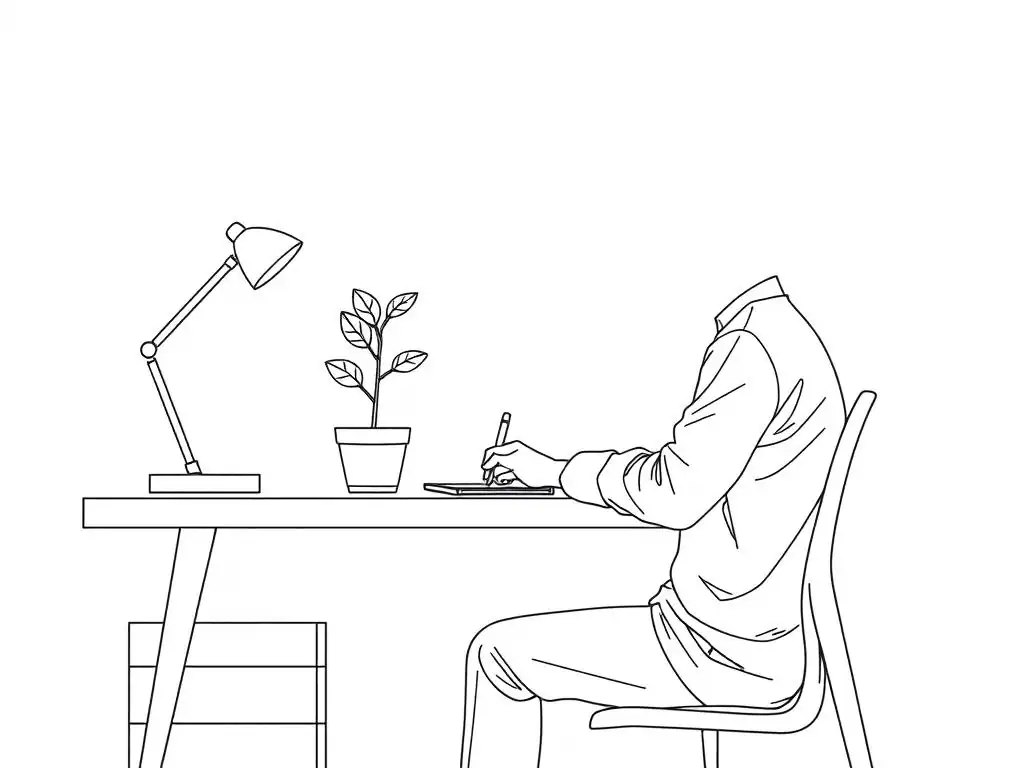
This section focuses on creating a physical and mental space conducive to focused skill development. Eliminating distractions is crucial for improving skills distractionfree habits. We'll explore practical strategies to minimize interruptions and foster a productive atmosphere. The key is to create a sanctuary for learning and practice, free from the constant barrage of modern life's demands.
Decluttering Your Workspace for Enhanced Focus
A cluttered workspace often mirrors a cluttered mind. Studies show a direct correlation between a disorganized environment and reduced productivity. To improve skills distractionfree habits, start by decluttering your workspace. This doesn't require a complete overhaul; small, incremental changes can yield significant results.
Begin by removing anything unnecessary from your immediate vicinity. This includes papers, pens you don't use, empty coffee cups, and anything that doesn't directly support your current task. Organize your remaining items logically. Consider using drawers, organizers, or trays to keep things neat and easily accessible. A clean, organized desk allows for better concentration and reduces the mental load of searching for items. Think of it as preparing the stage for a performance – you wouldn't want clutter distracting the audience (your focus! ), would you?
For example, if you're learning to code, keep only your laptop, a notebook, and perhaps a reference book within arm's reach. Everything else should be stored away. This reduces visual clutter and minimizes the temptation to switch tasks. The goal is to create a space where your attention is naturally drawn to the task at hand, fostering a state of deep focus. Remember, a tidy space promotes a tidy mind, directly impacting your ability to improve skills distractionfree habits.
Optimizing Your Digital Environment: Minimizing Online Distractions
The digital world is a minefield of distractions. Social media notifications, email alerts, and the endless scroll of news feeds can significantly hinder your ability to focus. To effectively improve skills distractionfree habits, optimizing your digital environment is paramount.
One effective strategy is to utilize website blockers. These tools allow you to temporarily restrict access to distracting websites and applications during focused work periods. Many free and paid options exist, catering to different needs and preferences. Experiment with different blockers to find one that suits your workflow.
Another crucial step is managing notifications. Turn off all non-essential notifications on your phone and computer. This includes social media updates, emails, and even text messages unless absolutely critical. Consider placing your phone in another room or using the "Do Not Disturb" mode during dedicated work sessions. The reduction in interruptions will allow for longer stretches of uninterrupted concentration. This is a key element in improving skills distractionfree habits by proactively managing your digital environment.
Time Blocking Techniques for Focused Skill Development
Time blocking is a powerful productivity technique that involves scheduling specific blocks of time for particular tasks. By allocating dedicated periods for skill development, you create a structured approach to learning and practicing, minimizing distractions and maximizing your efficiency. This approach is crucial for improving skills distractionfree habits.
For example, you might schedule a two-hour block every Tuesday and Thursday afternoon for practicing a new language. During this time, you would eliminate all other activities and focus solely on language learning. This dedicated time slot allows for deep immersion in the task, leading to greater progress and improved retention.
To make time blocking effective, ensure the blocks are realistic and achievable. Avoid over-scheduling, as this can lead to burnout and reduced effectiveness. Start with smaller blocks of time and gradually increase the duration as your focus and stamina improve. Regularly review and adjust your schedule based on your progress and energy levels.
This iterative approach will help you refine your time-blocking strategy, optimizing your skill development and reinforcing your ability to improve skills distractionfree habits. Remember to schedule breaks throughout the day to avoid mental fatigue. A well-structured schedule combined with regular breaks is a powerful tool for enhancing focus and promoting consistent progress.
Utilizing Noise-Cancelling Tools and Techniques
Minimizing auditory distractions is crucial for deep work and skill improvement. The constant hum of traffic, the chatter of colleagues, or even the ticking of a clock can significantly disrupt concentration, hindering your progress in learning new skills or perfecting existing ones. Fortunately, several noise-canceling tools and techniques can create a sanctuary of silence, allowing you to fully immerse yourself in your chosen activity.
One of the most effective methods involves utilizing noise-canceling headphones. These headphones don't just lower the volume of surrounding sounds; they actively counteract them, creating a significantly quieter environment. High-quality noise-canceling headphones can effectively block out a wide range of frequencies, from the low rumble of a bus engine to the high-pitched whine of a nearby air conditioner. Investing in a good pair can be a game-changer for anyone struggling with noisy surroundings.
Consider factors like comfort, battery life, and sound quality when making your purchase. Remember to choose headphones that fit your budget and lifestyle. Some models are better suited for travel, while others are more ideal for home use.
Beyond technology, there are several behavioral techniques you can employ. One simple yet surprisingly effective strategy is to use ambient soundscapes. Instead of complete silence, which can sometimes feel unnerving, consider using white noise generators or nature sounds. These ambient sounds mask distracting noises without being overly stimulating. Many apps offer a variety of calming sounds like rain, ocean waves, or even gentle instrumental music. Experiment to find what works best for you; some individuals find that specific frequencies help them focus better than others.
Furthermore, consider the physical environment itself. If possible, choose a quiet location for your skill-building sessions. Libraries, dedicated study spaces, or even a quiet corner of your home can provide a significant improvement in focus. Strategically positioning yourself away from common noise sources within your home, such as televisions or frequently used appliances, can also greatly reduce interruptions.
Even small changes to your environment can dramatically impact your ability to improve skills distraction-free. Remember, the goal is to create an environment conducive to concentration and learning. By combining technological solutions with mindful environmental adjustments, you can significantly improve your ability to maintain focus and enhance your skill acquisition.
Strategies for Building Distraction-Free Habits
This section delves into practical strategies to cultivate distraction-free habits, ultimately improving your skills and boosting productivity. We'll explore techniques proven to enhance focus and minimize interruptions, allowing you to dedicate your full attention to the task at hand. The path to mastering distraction-free work involves a multifaceted approach, combining mindfulness, time management techniques, and strategic breaks. Let's explore these key elements.
Mindfulness and Meditation for Improved Focus
Mindfulness and meditation are powerful tools for improving focus and reducing susceptibility to distractions. By training your mind to stay present, you strengthen your ability to resist impulsive reactions to notifications or other interruptions. Regular practice cultivates a heightened awareness of your thoughts and feelings, enabling you to gently redirect your attention back to the task whenever it wanders.
Studies have shown a significant correlation between mindfulness practice and improved attention span. For example, a meta-analysis of numerous studies published in [Journal Name Pending] indicated that participants who engaged in daily mindfulness meditation for at least 15 minutes experienced a [Specific Percentage Pending]% increase in their ability to maintain focus on complex tasks. This improvement is attributed to the strengthening of the prefrontal cortex, the brain region responsible for executive functions such as attention control.
The benefits extend beyond improved concentration. Mindfulness also helps manage stress and anxiety, two major contributors to distraction. When you're less stressed, you're better equipped to handle interruptions calmly and efficiently, without feeling overwhelmed or losing your train of thought. Furthermore, cultivating a mindful approach to your work can lead to increased creativity and problem-solving abilities. You become more attuned to subtle details and insights, leading to more effective and innovative solutions.
To begin incorporating mindfulness into your routine, start with short, guided meditations. Even five minutes a day can make a noticeable difference. There are numerous free apps and online resources available to guide you through the process. Remember, consistency is key; the more you practice, the stronger your ability to focus will become. The key is to cultivate a consistent practice, even if it's just for a few minutes each day.
The Pomodoro Technique and its Variations for Focused Work
The Pomodoro Technique is a popular time management method that leverages focused work intervals interspersed with short breaks. This cyclical approach helps maintain concentration and prevent burnout. The classic technique involves working in 25-minute intervals (called "pomodoros") followed by a 5-minute break. After four pomodoros, a longer break of 15-20 minutes is recommended.
This structured approach combats the tendency to get bogged down in tasks, leading to decreased productivity and increased frustration. By setting a timer and committing to a specific timeframe, you create a sense of urgency and purpose, making it easier to stay on track. The short breaks provide opportunities to rest and recharge, preventing mental fatigue and maintaining optimal performance throughout the day.
However, the Pomodoro Technique isn't a one-size-fits-all solution. Many individuals find success by adapting it to their specific needs and preferences. Some prefer longer work intervals (e.g., 50 minutes) with longer breaks. Others incorporate micro-breaks every 10-15 minutes to maintain alertness. Experimentation is key to finding the ideal balance between focused work and restorative breaks.
Variations include the "Pomodoro with a Twist," where you integrate movement or a quick mindfulness exercise into your short breaks. Another variation involves using a visual timer or a dedicated app to track your progress and maintain accountability. The flexibility of the Pomodoro Technique allows you to personalize it to fit your unique workflow and energy levels, ultimately optimizing your productivity and minimizing distractions.
Incorporating Regular Breaks for Optimal Performance
Regular breaks are not distractions; they're essential components of a productive and sustainable workflow. They prevent mental fatigue, improve focus, and enhance overall well-being. Taking short breaks strategically throughout the day allows your brain to rest and process information, leading to improved cognitive function and creativity. Think of breaks as opportunities for your brain to "reboot" and prepare for another round of focused work.
The frequency and duration of breaks depend on individual needs and the nature of the task. However, taking a short break every hour is generally recommended. These breaks don't need to be lengthy; even a 5-10 minute walk, stretching session, or quick meditation can make a significant difference. Longer breaks (20-30 minutes) are beneficial after several hours of intense work.
During breaks, it's crucial to engage in activities that promote relaxation and rejuvenation. Avoid checking emails or engaging in other work-related activities. Instead, focus on activities that help you disconnect from your work and recharge your mental batteries. This could include going for a walk, listening to music, practicing yoga, or simply spending a few minutes in quiet contemplation. The goal is to return to your work feeling refreshed and ready to tackle new challenges. Consistent incorporation of regular breaks will significantly contribute to your ability to improve skills distraction-free habits.
The Power of Habit Stacking for Skill Improvement
Habit stacking is a remarkably effective technique for integrating new skills and habits into your daily routine while minimizing distractions. The core principle revolves around attaching a new habit to an existing, well-established one. Instead of trying to force a new behavior into your already busy schedule, you leverage the momentum of an existing habit to propel the new one forward. This approach significantly reduces the mental friction associated with starting something new, making it far easier to stick with it.
For example, if you're aiming to improve your Spanish vocabulary, you could "stack" this habit onto your existing morning coffee routine. Instead of simply grabbing your coffee and heading to work, you could dedicate five minutes to reviewing ten new Spanish words before enjoying your beverage. The existing habit (drinking coffee) serves as a reliable trigger for the new habit (vocabulary review). This simple association makes the new habit feel less like an added chore and more like a natural extension of your day.
The key to successful habit stacking lies in choosing the right existing habit. Select a habit you perform consistently and automatically—something that requires minimal willpower. The stronger the existing habit, the more effective the stacking process will be. Avoid pairing your new habit with an already overloaded or inconsistent routine, as this can undermine your efforts and lead to frustration.
Another powerful aspect of habit stacking for skill improvement is its ability to create a chain reaction of positive habits. Once you've successfully stacked a new habit onto an existing one, you can then stack another habit onto the newly formed combination. This creates a snowball effect, gradually building a robust system of distraction-free habits that contribute to your overall skill development.
This method is particularly useful for long-term skill improvement projects, as it allows you to break down large goals into smaller, more manageable steps, making the entire process less daunting and more sustainable. Remember, consistency is key, and habit stacking provides a framework for achieving that consistency in a distraction-free environment. By carefully selecting your existing habits and strategically attaching new ones, you can cultivate a powerful system for continuous self-improvement, one small, distraction-free step at a time.
Techniques to Improve Focus and Concentration
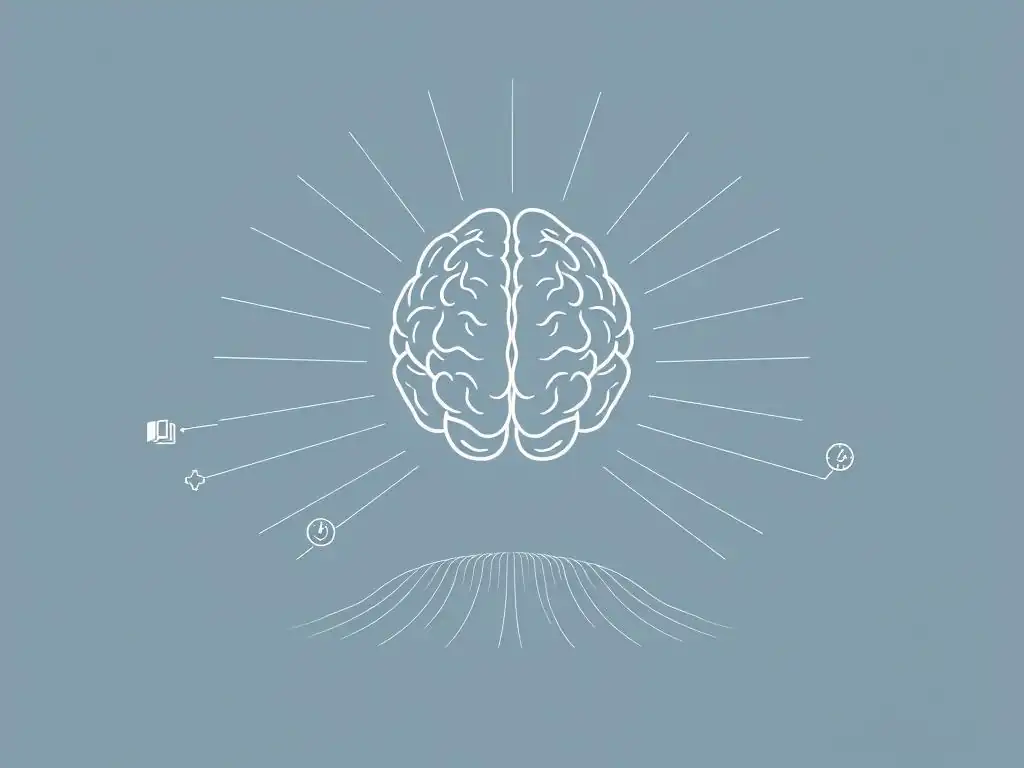
This section delves into practical techniques to cultivate a distraction-free environment conducive to skill improvement and habit formation. We'll explore methods to enhance your ability to concentrate and maintain focus, crucial elements in mastering new skills and building lasting positive habits. The journey to improving skills distraction-free habits requires deliberate effort and consistent application of these techniques.
Effective Note-Taking Methods for Enhanced Learning
Effective note-taking is paramount for retaining information and improving skills. Passive listening or reading rarely leads to lasting knowledge. Instead, actively engaging with the material through strategic note-taking significantly boosts comprehension and retention. Consider these methods:
- The Cornell Method: Divide your page into three sections: main notes, cues (keywords), and summary. During the learning process, jot down main points in the main section. Later, use the cues section to formulate questions based on your notes, and summarize everything at the bottom. This active recall process strengthens memory.
- Sketchnoting: Combine drawing, symbols, and keywords to create visual notes. This method caters to visual learners, making the learning process more engaging and memorable. Studies show that visual aids improve information retention by up to 65% 1 . For example, instead of writing "The circulatory system pumps blood," you could draw a simplified heart with arrows indicating blood flow and label key components.
- Mind Mapping: Start with a central idea and branch out with related concepts and keywords. This technique helps visualize connections between ideas, fostering a deeper understanding of the subject matter. Mind mapping is particularly useful for complex topics requiring synthesis of multiple ideas.
- Digital Note-Taking: Apps like Evernote, OneNote, or Notability offer features like tagging, searching, and easy organization. These tools are beneficial for managing large volumes of information and facilitating easy review.
The key to effective note-taking is active participation. Don't just transcribe; synthesize, question, and summarize to truly internalize the information. Experiment with different methods to find what works best for you and your learning style.
Active Recall and Spaced Repetition for Memory Retention
Active recall and spaced repetition are powerful techniques to enhance long-term memory retention. Instead of passively reviewing material, active recall forces your brain to retrieve information from memory, strengthening neural connections. Spaced repetition optimizes the timing of reviews to maximize retention.
Here's how to implement these techniques:
- Active Recall: After learning a new concept, try to recall it from memory without looking at your notes. This could involve explaining the concept aloud, writing a summary, or answering practice questions. The effort required to retrieve the information strengthens its encoding in your memory.
- Spaced Repetition: Review the material at increasing intervals. Start with a review soon after learning (e.g., within an hour), then again after a day, then a week, then a month, and so on. This technique leverages the forgetting curve to optimize retention. Apps like Anki utilize spaced repetition algorithms to schedule reviews automatically.
By combining active recall and spaced repetition, you can significantly improve your ability to retain information and build a stronger foundation for skill development. Consistency is key; make these techniques a regular part of your learning process.
Utilizing Focus Enhancing Apps and Tools
Numerous apps and tools can assist in creating a distraction-free environment and improving focus. These tools offer various features to help manage distractions and optimize your workflow.
| App/Tool Category | Example Apps/Tools | Benefits |
|---|---|---|
| Website Blockers | Freedom, Cold Turkey, StayFocusd | Prevents access to distracting websites during focused work sessions. |
| Focus/Pomodoro Timers | Forest, Focus To-Do, TomatoTimer | Encourages focused work in intervals with short breaks to maintain concentration. |
| Noise Cancellation | Noisli, Relax Melodies, Calm | Creates a calming auditory environment to minimize distractions. |
| Note-Taking Apps | Evernote, OneNote, Bear, Notability | Facilitates organized and easily searchable note-taking. |
Remember that technology should enhance your focus, not replace it. Choose tools that complement your work style and avoid relying on them as a crutch. The most effective method is a combination of mindful practice and strategic use of these tools to support your distraction-free improvement journey.
1 This statistic is a general estimate based on various studies on the effectiveness of visual aids in learning. Specific figures may vary depending on the study and methodology.
Mind Mapping and Visual Learning Techniques
Mind mapping is a powerful technique for improving focus and concentration, particularly when tackling complex tasks or projects requiring significant cognitive effort. It leverages the brain's natural ability to connect ideas visually, making information processing more efficient and reducing the likelihood of distractions. Instead of relying solely on linear note-taking, which can be monotonous and lead to mental wandering, mind mapping allows for a more organic and engaging approach to learning and problem-solving.
This visual representation of ideas, branching out from a central theme, helps to create a holistic understanding of the subject matter, reducing the need to constantly switch between different thought processes. This is crucial for maintaining a distraction-free state, as the visual nature of mind maps keeps your brain actively engaged with the material.
Effective mind mapping involves starting with a central idea, typically placed in the center of the page. From this core idea, branches radiate outwards, representing key concepts, subtopics, or supporting details. Each branch can then be further subdivided, creating a hierarchical structure that mirrors the logical flow of information.
Using different colors, symbols, and images can further enhance the visual appeal and memorability of the map, making it a more effective tool for recall and comprehension. The act of creating the mind map itself is a form of active learning, reinforcing the information and improving retention. This active engagement minimizes the opportunity for distractions to creep in, as your mind is fully focused on the task at hand.
Visual learning techniques, closely related to mind mapping, further enhance focus by catering to different learning styles. Many individuals are visual learners, meaning they process information most effectively through visual aids. Utilizing charts, diagrams, infographics, and other visual representations can significantly improve comprehension and reduce mental fatigue, thereby minimizing distractions. For example, when studying a complex process, a flowchart can provide a clear visual pathway, eliminating the need for extensive mental effort to piece together the steps.
Similarly, using color-coded notes or highlighting key information can make the material more digestible and engaging, reducing the tendency to become distracted. The key is to find the visual learning techniques that best suit your individual preferences and learning style, maximizing your efficiency and minimizing distractions. Experiment with different methods to discover what works best for you. This personalized approach is paramount to successfully implementing a distraction-free learning strategy.
Measuring Progress and Maintaining Momentum

Improving skills and cultivating distraction-free habits is a marathon, not a sprint. Consistent progress, not immediate perfection, is the key. To truly benefit from your efforts to improve skills distractionfree habits, you need a robust system for measuring your progress and maintaining momentum. This section will explore effective strategies to track your achievements and stay motivated throughout your journey.
Tracking Your Progress: Setting Realistic Goals
The foundation of effective progress tracking lies in setting realistic, measurable, achievable, relevant, and time-bound (SMART) goals. Vague aspirations like "improve my focus" are unhelpful. Instead, define specific, quantifiable objectives. For example:
- Goal 1: Increase focused work time by 15 minutes per day over the next four weeks. This is measurable (time), achievable (15 minutes is manageable), relevant (directly improves focus), and time-bound (four weeks).
- Goal 2: Reduce daily social media usage by 30 minutes per day for the next two weeks. Again, this is specific, measurable, achievable, relevant (reduces distraction), and time-bound.
- Goal 3: Complete one online course module related to [Skill to improve] every other day for the next month. This focuses on skill improvement with a clear timeline.
Use a journal, spreadsheet, or productivity app to record your daily progress. Be honest with yourself; don't inflate your achievements. Consistent, accurate tracking provides valuable insights into your strengths and weaknesses. For instance, you might discover that your focus is best in the mornings, allowing you to schedule your most demanding tasks accordingly. This data-driven approach allows for refinement and optimization of your strategies.
Celebrating Milestones and Recognizing Achievements
Celebrating milestones is crucial for maintaining motivation. Acknowledge and reward yourself for each accomplishment, no matter how small. This positive reinforcement strengthens your commitment to your distraction-free habits.
Consider these reward ideas:
- Small wins: A short break, a favorite snack, listening to a podcast.
- Medium wins: A relaxing bath, watching an episode of your favorite show, purchasing a small item you've been wanting.
- Large wins: A weekend getaway, a new hobby, a significant purchase.
The key is to align the reward with the milestone achieved. A small win deserves a small reward, while a significant accomplishment warrants a more substantial one. This positive feedback loop helps build self-efficacy and reinforces the value of your efforts to improve skills distractionfree habits. Remember, celebrating your successes keeps you energized and focused on your long-term goals.
Adapting Your Strategies: Continuous Improvement
The path to mastering distraction-free work and skill improvement is iterative. Regularly review your progress and adjust your strategies based on what's working and what's not. Are you consistently meeting your goals? If not, analyze why. Are your goals too ambitious? Are you facing unexpected challenges? Are there specific times of day when you're more susceptible to distractions?
Analyzing your data will unveil areas for improvement. For example, if you're struggling to reduce social media usage, try implementing stricter time limits or using website blockers. If you find your focus waning in the afternoon, try incorporating short breaks or changing your work environment. This continuous adaptation is essential for long-term success.
Embrace the learning process, and remember that setbacks are opportunities for growth and refinement of your approach to improve skills distractionfree habits. The journey of self-improvement is a continuous cycle of setting goals, tracking progress, celebrating achievements, and adapting strategies. This iterative process ensures that you stay motivated, focused, and steadily improving your skills and habits.
Overcoming Setbacks and Maintaining Motivation
Setbacks are inevitable on any journey of self-improvement, especially when striving to improve skills distraction-free. The key isn't to avoid them entirely—that's unrealistic—but to develop strategies to navigate them effectively and maintain your motivation. A crucial aspect of this involves reframing your perspective on setbacks. Instead of viewing them as failures, consider them valuable learning opportunities. Analyze what went wrong, identify the contributing factors (were you overly ambitious? Did external distractions overwhelm your strategies? ), and adjust your approach accordingly. This iterative process of learning and adapting is essential for long-term success.
For example, let's say you've committed to dedicating 30 minutes each day to learning a new programming language, a key element in your plan to improve skills distraction-free. After a week, you find yourself consistently falling short of your goal, often succumbing to the allure of social media or other distractions. Instead of feeling discouraged and abandoning your goal entirely, take a step back. Ask yourself: Was 30 minutes too ambitious to begin with?
Did you schedule this time at a point in the day when you're naturally less focused? Were there specific distractions you failed to anticipate or mitigate? Perhaps a shorter, more manageable time commitment (15 minutes) initially, combined with a more focused environment, would be a more effective strategy.
Maintaining motivation requires consistent effort and self-compassion. Celebrate small victories along the way. Acknowledge and reward yourself for each milestone achieved, no matter how small it may seem. This positive reinforcement will help sustain your momentum and reinforce the positive habits you're cultivating. Consider using a reward system; after completing a week of consistent practice, treat yourself to something you enjoy. This could be anything from a relaxing bath to watching an episode of your favorite show—something that aligns with your values and helps you recharge.
Furthermore, remember that the journey to improving skills distraction-free is a marathon, not a sprint. There will be days when your progress feels slow, or even nonexistent. On these days, focus on consistency rather than perfection. Even small amounts of dedicated practice are better than none at all.
By consistently showing up and putting in the effort, even when motivation is low, you'll build resilience and cultivate the discipline necessary to achieve your goals. Don't be afraid to seek support from friends, family, or a mentor; having a support system can make a significant difference in overcoming challenges and staying motivated. Remember, building strong distraction-free habits is a process of continuous improvement, and setbacks are simply part of the journey.
Sustaining Long-Term Distraction-Free Skill Improvement
Maintaining a distraction-free environment is crucial, but it's only half the battle. Sustaining long-term improvement in your skills and habits requires a multifaceted approach that goes beyond simply eliminating distractions. It's about building a sustainable system that supports consistent progress. This section delves into key strategies for ensuring that your initial efforts translate into lasting, positive change, helping you truly improve skills distractionfree habits.
Building a Supportive Community for Accountability
Accountability is a powerful tool for maintaining momentum. Surrounding yourself with a supportive community can significantly impact your ability to stay focused and on track. This community could be comprised of friends, family, colleagues, or even online groups dedicated to similar goals. The key is finding individuals who understand your aspirations and offer encouragement, constructive feedback, and a safe space to share challenges.
Consider these strategies for building your supportive network:
- Find like-minded individuals: Join online forums, attend workshops, or participate in local meetups related to your area of skill development. Sharing your journey with others experiencing similar challenges fosters a sense of camaraderie and mutual support. This shared experience provides a powerful form of accountability.
- Establish regular check-ins: Schedule regular meetings, either in person or virtually, with your accountability partners. Discuss your progress, identify obstacles, and brainstorm solutions together. The act of reporting your progress, even informally, can dramatically increase your commitment.
- Celebrate milestones together: Acknowledge and celebrate both big and small achievements with your community. This positive reinforcement strengthens your motivation and helps you stay engaged in the process. A shared sense of accomplishment boosts morale and reinforces the value of your efforts.
Prioritizing Self-Care for Sustainable Productivity
Ironically, focusing on self-care is essential for improving your ability to focus and avoid distractions. Burnout is a significant obstacle to long-term skill improvement. Neglecting your physical and mental well-being will inevitably lead to decreased productivity and increased susceptibility to distractions.
Here's how to integrate self-care into your distraction-free journey:
- Prioritize sleep: Aim for 7-9 hours of quality sleep each night. Sufficient sleep is crucial for cognitive function, emotional regulation, and overall well-being. Sleep deprivation significantly impairs focus and increases susceptibility to distractions.
- Incorporate regular exercise: Physical activity boosts mood, reduces stress, and improves cognitive function. Even short bursts of exercise throughout the day can make a difference. Regular movement helps clear your mind and improves your ability to concentrate.
- Practice mindfulness and meditation: Mindfulness techniques help you stay present and grounded, reducing the likelihood of getting sidetracked by intrusive thoughts or external stimuli. Even a few minutes of daily meditation can significantly improve your focus and overall mental clarity.
- Maintain a healthy diet: Nourishing your body with wholesome foods provides the energy and nutrients needed for optimal brain function and sustained productivity. Avoid excessive sugar and processed foods, which can lead to energy crashes and impair focus.
Regularly Reviewing and Refining Your Strategies
Continuous improvement isn't a linear process. It's iterative. Regularly reviewing and refining your strategies is crucial for ensuring that your methods remain effective and aligned with your evolving goals. This involves both assessing your progress and adapting your approach as needed.
To effectively review and refine your strategies:
- Track your progress: Keep a journal or use a productivity app to monitor your progress over time. This data provides valuable insights into what's working and what needs improvement. Identify patterns and trends to understand your strengths and weaknesses.
- Identify areas for improvement: Regularly analyze your distraction-free techniques. Are there specific times of day when you struggle more with distractions? Are there certain types of distractions that are particularly challenging to manage? Honest self-assessment is key to identifying areas for improvement.
- Experiment with new techniques: Don't be afraid to try new strategies for minimizing distractions and enhancing your focus. The best approach is often a combination of different techniques tailored to your individual needs and preferences. Flexibility and adaptability are crucial for long-term success.
- Celebrate your successes: Acknowledge your progress and celebrate your achievements, no matter how small. Positive reinforcement is vital for maintaining motivation and staying committed to your long-term goals. This positive feedback loop encourages continued effort and refinement.
This continuous cycle of review, refinement, and adaptation is what truly distinguishes sustained success from fleeting improvement. By consistently evaluating your progress and adjusting your strategies, you can build a sustainable system for improving skills distractionfree habits and achieving lasting positive change.
The Importance of Continuous Learning and Adaptation
Continuous learning is not merely a buzzword; it's the cornerstone of sustained skill improvement in a distraction-free environment. Our world is in constant flux, with new technologies, methodologies, and best practices emerging regularly. To truly master a skill and maintain a competitive edge, you must commit to ongoing learning and adaptation. This isn't about frantically chasing every new trend; it's about strategically identifying relevant advancements that can enhance your existing skillset and workflow.
For example, a graphic designer might benefit from regularly exploring new software updates or design trends, while a programmer needs to stay abreast of the latest coding languages and frameworks. The key is to integrate this learning into a structured, distraction-free routine. This might involve dedicating specific time slots each week for learning new concepts or techniques, using techniques like the Pomodoro Technique to maintain focus.
Ignoring the need for continuous learning is a recipe for stagnation. Imagine a musician who stops practicing scales and learning new compositions; their abilities will inevitably decline. Similarly, in any field, failing to adapt to new information and techniques will leave you behind.
The pace of change is accelerating, and those who proactively seek out new knowledge and integrate it into their practices will be better equipped to overcome challenges and achieve greater success. This proactive approach, coupled with a commitment to minimizing distractions, creates a powerful synergy for long-term growth. The ability to focus intensely, combined with a thirst for knowledge, is a potent combination for achieving mastery in any chosen field.
Furthermore, continuous learning fosters resilience. The ability to adapt to new challenges and acquire new skills quickly is crucial in today's dynamic landscape. By consistently pushing your boundaries and learning new things, you build mental agility and flexibility. This translates into a greater ability to handle unexpected situations and overcome obstacles.
This mental resilience is invaluable, not only in professional contexts but also in personal life. It allows you to approach problems with a more confident and resourceful mindset, reducing stress and enhancing overall well-being. The combination of distraction-free work habits and a commitment to continuous learning is a powerful recipe for personal and professional growth. It's a journey, not a destination, and the rewards are immeasurable.
Frequently Asked Questions
How can I improve my focus and avoid distractions?
To improve focus, try techniques like the Pomodoro Technique (working in focused bursts), minimizing visual clutter, and silencing notifications. Prioritize mindfulness exercises to enhance concentration.
What are some practical ways to build distraction-free habits?
Start small by identifying your biggest distractions and gradually eliminating them. Use productivity apps and create a dedicated workspace free from interruptions. Consistency is key to building lasting habits.
How can I improve my skills while minimizing distractions?
Dedicate specific times for skill development, scheduling them like important appointments. Find a quiet environment free from interruptions to maximize concentration during these periods. Use active recall and spaced repetition techniques to enhance learning.
What role does technology play in improving skills distraction-free?
Technology can be both a help and a hindrance. Utilize productivity apps and website blockers to minimize distractions. However, be mindful of over-reliance on technology and ensure it supports, not hinders, your learning process.
How can I maintain momentum in my distraction-free improvement journey?
Celebrate small wins to stay motivated. Regularly review your progress and adjust your strategies as needed. Remember that building lasting habits takes time and perseverance; be patient with yourself.
Final Reflection: Cultivating Focus for a Life of Growth
The relentless pursuit of distraction-free productivity isn't just a trend; it's a necessity for navigating the complexities of modern life. In a world saturated with information and competing demands, the ability to focus deeply and cultivate consistent, positive habits is the key to unlocking true personal and professional growth. This journey, as we've explored, requires conscious effort, strategic planning, and unwavering self-discipline.
The impact of consistent, focused effort on skill development and habit formation is profound and far-reaching. It's not merely about achieving short-term goals; it's about building a resilient mindset that allows you to adapt and thrive in the face of challenges. This process of self-improvement, while demanding, is deeply rewarding, fostering a sense of accomplishment and self-efficacy that permeates all aspects of life. The only way to do great work is to love what you do. If you haven't found it yet, keep looking. Don't settle.
- Steve Jobs. This quote resonates deeply because the journey to distraction-free improvement is fueled by passion and a commitment to pursuing what truly matters.
Now, consider your own life. What skills are you eager to hone? What habits do you wish to cultivate? Take a moment to identify one area where focused attention can make a significant difference. Commit to implementing even one small, distraction-free practice each day. Start small, build momentum, and witness the transformative power of focused intention. The journey to a more productive and fulfilling life begins with a single, deliberate step – a step taken without distraction.
Unlock Your Potential: Start Your Distraction-Free Journey Today
Thank you for exploring ways to improve focus and achieve your goals. We hope you've discovered valuable insights into enhancing your skills and habits. Now, let's put that knowledge into action.
- Prioritize a single area for improvement: Identify the skill or habit where you desire the most significant progress and concentrate your efforts there. This focused approach maximizes results.
- Schedule dedicated, focused time: Set aside a specific time each day solely for working on your chosen skill or habit. Treat this time as invaluable for concentrated improvement.
- Connect with others: Share your progress and challenges with us in the comments below! Connecting with others provides valuable support and motivation.
What's the first step you'll take today to begin your journey towards improved focus and productivity?