
Smart Home Security Automation: The Future of Home Protection is Here

Welcome to UltimateLifeHacks, your gateway to a more efficient and fulfilling life! Are you ready to reclaim your time and boost your productivity? We're diving deep into the world of smart home technology, and in this article, we explore how you can automate your home security systems for unparalleled peace of mind and effortless protection. Discover how simple changes can dramatically improve your daily routine and leave you feeling empowered and in control. Let's unlock the secrets to a smarter, safer, and more streamlined life – read on to learn more!
- Understanding the Benefits of Automated Home Security Systems
- Choosing the Right Automated Home Security System for Your Needs
- Setting Up and Customizing Your Automated Home Security System
- Maximizing Your Home Security with Automation: Advanced Features
- The Future of Home Security Automation: Emerging Trends
- Frequently Asked Questions
- Final Reflection: Securing Our Future, One Smart Home at a Time
- Unlock Your Smart Home's Full Security Potential
Understanding the Benefits of Automated Home Security Systems
The modern world demands modern solutions, and when it comes to home security, automation is no longer a luxury but a necessity. Automating your home security systems offers a significant upgrade from traditional methods, providing enhanced protection, increased convenience, and significant peace of mind. This article delves into the specifics of automating your home security, exploring how smart technology can transform your home protection strategy and significantly improve your daily life.
We'll examine the key benefits of automating your home security systems, focusing on how these advancements contribute to a safer, more efficient, and ultimately, more secure home environment. This guide will help you understand how to effectively automate home security systems and reap the rewards of a proactive and intelligent security setup. We'll explore specific technologies and their practical applications, empowering you to make informed decisions about enhancing your home's security.
Enhanced Security with Smart Locks and Door Sensors
Smart home security automation starts at the front door. Integrating smart technology into your entry points drastically improves security and provides a level of control previously unimaginable. Let's explore two crucial components: smart locks and door/window sensors.
Smart Lock Integration: Keyless Entry and Remote Access
Smart locks eliminate the vulnerabilities associated with traditional keys. They offer keyless entry using methods such as PIN codes, smartphone apps, or even biometric authentication. This eliminates the risk of lost or stolen keys, a common entry point for burglars. Furthermore, remote access allows you to grant temporary access to family members, guests, or service providers, all while monitoring activity remotely.
This level of control significantly enhances security and provides unparalleled convenience. Imagine granting access to a house cleaner while you're at work, and receiving a notification when they've entered and left. This precise control over access is a game changer.
Door/Window Sensor Technology: Real-time alerts
Complementing smart locks, door and window sensors provide real-time alerts whenever a door or window is opened unexpectedly. These sensors, often wireless and battery-powered, seamlessly integrate with your security system, instantly notifying you of any unauthorized entry attempts. This immediate notification allows for swift response, potentially deterring intruders and minimizing potential damage.
The data collected by these sensors also allows for detailed activity logs, providing valuable insights into the security of your home. The peace of mind provided by knowing you'll be instantly notified of any unusual activity is invaluable. Many systems even allow for custom settings, enabling you to ignore alerts from specific doors or windows during certain times.
Remote Monitoring and Control: Peace of Mind from Anywhere
One of the most significant advantages of automated home security systems is the ability to monitor and control your security from anywhere in the world. This constant connection provides unparalleled peace of mind, allowing you to keep an eye on your home even when you're away.
Accessing Your Security Cameras Remotely via Smartphone Apps
Modern security systems integrate seamlessly with smartphone apps, providing live feeds from your security cameras. This allows you to view your property in real-time, regardless of your location. Many apps also offer features like recording capabilities, motion detection alerts, and two-way audio communication, turning your smartphone into a powerful security command center. The ability to check in on your home at any moment offers a significant boost to your peace of mind. Imagine being able to see that everything is safe and sound while on vacation.
Geofencing Technology: Automated Arming and Disarming Based on Location
Geofencing takes remote monitoring to the next level. This technology uses GPS to create a virtual perimeter around your home. When you leave this perimeter, your security system automatically arms itself. Conversely, when you return, it disarms, eliminating the need to manually arm and disarm your system every time you leave or enter your home. This automated functionality adds a layer of convenience and enhances security by ensuring your system is always active when needed. This feature alone saves considerable time and effort, making your life easier while enhancing your overall security. It's the ultimate in seamless home protection.
Proactive Threat Detection with AI-Powered Security Systems
AI-powered security systems represent a significant leap forward in proactive threat detection. Unlike traditional systems that primarily react to events, these systems utilize machine learning algorithms to analyze data streams from various sensors, identifying potential threats before they escalate. This predictive capability is crucial for preventing burglaries, vandalism, and other security breaches.
For example, an AI-powered system might detect unusual patterns in activity – such as repeated attempts to access a locked door at odd hours – and alert homeowners even before an actual intrusion occurs. This proactive approach allows for timely intervention and minimizes the risk of significant property damage or personal harm. The algorithms constantly learn and adapt, improving their accuracy over time and becoming increasingly effective at identifying subtle anomalies that might escape human observation.
This continuous learning ensures the system remains ahead of evolving threat tactics. Furthermore, the integration of advanced analytics allows for the identification of potential vulnerabilities in the home's security infrastructure, prompting users to take preventative measures and further enhance their protection. This proactive, intelligent approach is a game-changer in home security, moving beyond reactive responses to a more preventative and comprehensive security posture.
Advanced Motion Detection and AI-Driven False Alarm Reduction
Advanced motion detection is a cornerstone of modern automated home security systems. High-resolution cameras coupled with sophisticated AI algorithms significantly reduce false alarms, a common problem with older systems. These systems can differentiate between actual threats (e.g., a person entering the property) and benign movements (e.g., swaying branches, pets).
This is achieved through advanced image processing techniques that analyze the size, shape, and movement patterns of detected objects. For instance, an AI-powered system can learn to distinguish between the movement of a pet and a human intruder, drastically lowering the number of unnecessary alerts. This reduction in false alarms not only saves homeowners time and frustration but also ensures that genuine threats are not overlooked amongst a deluge of false positives.
The ability to customize sensitivity levels and define exclusion zones further enhances the system's accuracy and effectiveness, tailoring the security response to the specific needs of each household. This targeted approach minimizes disruption while maintaining a high level of security. This intelligent approach to motion detection is a key factor in the increasing popularity and reliability of automated home security systems.
Smart Home Security System Integration with Existing Smart Devices
One of the most compelling advantages of automated home security systems is their seamless integration with other smart home devices. This interconnectedness enhances security and convenience in several ways. For example, integrating with smart lighting systems allows the system to automatically switch on exterior lights upon detecting motion, deterring potential intruders.
Similarly, integration with smart locks enables remote locking and unlocking, providing greater control and peace of mind. The integration with smart speakers allows for voice control of the security system, enabling users to arm/disarm the system, check camera feeds, and receive alerts hands-free. Furthermore, integration with smart thermostats can create a "lived-in" appearance, further deterring potential burglars by simulating occupancy even when the home is empty.
This comprehensive integration creates a holistic smart home ecosystem where security is not an isolated function but a seamlessly integrated component of the overall smart home experience. This interconnected approach enhances security, convenience, and the overall user experience, making automated home security systems a highly desirable addition to any modern home.
Choosing the Right Automated Home Security System for Your Needs
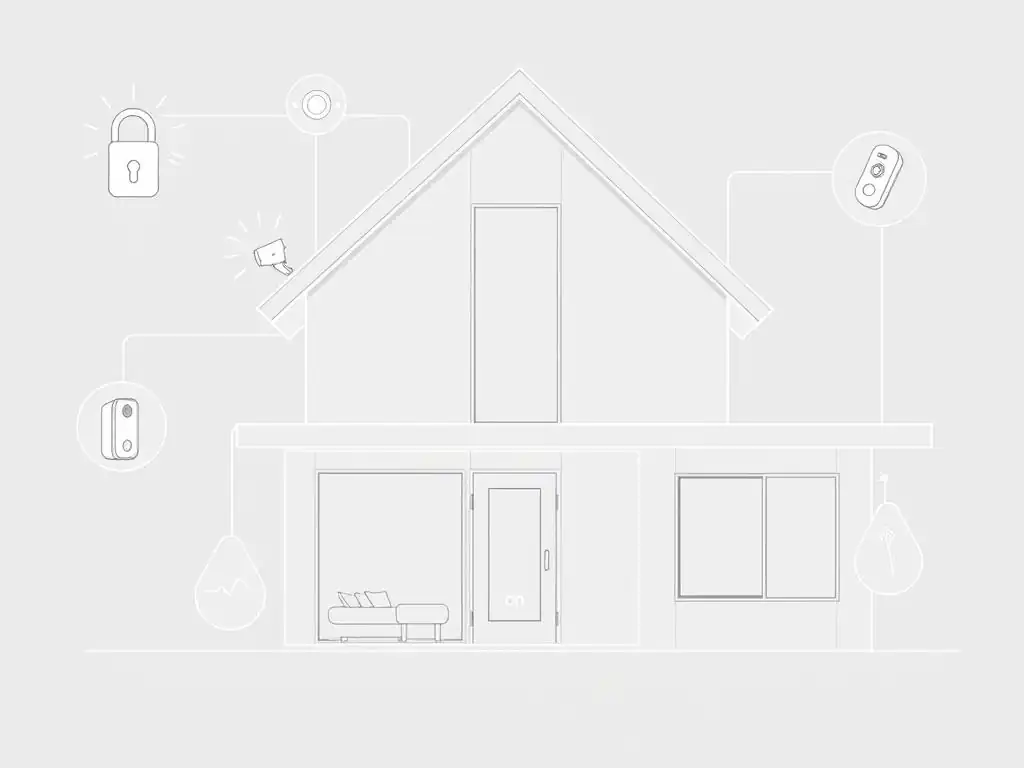
Automating your home security system offers unparalleled convenience and enhanced protection. However, selecting the right system requires careful consideration of several key factors. This section will guide you through the process, ensuring you choose a system that perfectly aligns with your individual needs and budget. Understanding your specific requirements is paramount to effectively automating home security systems.
Factors to Consider When Selecting a Smart Home Security System
Choosing the best automated home security solution involves more than simply picking the cheapest or most feature-rich option. A successful implementation depends on a thoughtful evaluation of your individual circumstances. Let's delve into the critical factors:
Budget Considerations
Budget plays a crucial role in determining the type of automated home security system you can afford. Costs vary significantly depending on the features included, the number of sensors required, and whether you opt for professional monitoring. Entry-level systems might cost a few hundred dollars for the initial setup, while comprehensive systems with professional monitoring can reach several thousand dollars over the contract period. Consider the long-term costs, including monthly subscription fees for professional monitoring and potential costs of adding sensors or upgrading equipment in the future.
Remember to factor in installation costs if you choose not to self-install. Careful budgeting prevents unpleasant surprises down the line and allows you to prioritize features within your financial capacity. A realistic budget will greatly assist in automating home security systems successfully.
System Compatibility with Existing Smart Home Devices
Seamless integration with your existing smart home ecosystem is a key consideration. The best automated home security systems will seamlessly integrate with platforms like Alexa, Google Home, and Apple HomeKit. This integration allows for voice control, centralized management through a single app, and automation with other smart devices.
For instance, you might want your lights to automatically turn on if a motion sensor detects activity, or receive notifications on your smartphone when a door or window is opened. Check the compatibility of the security system with your current smart home devices before making a purchase. Prioritizing compatibility ensures a unified, efficient, and user-friendly experience, maximizing the benefits of automating home security systems.
Professional Monitoring vs. Self-Monitoring
The choice between professional monitoring and self-monitoring significantly impacts both cost and security. Professional monitoring services provide 24/7 surveillance, immediate dispatch of emergency services in case of an alarm, and often include features like cellular backup for uninterrupted connectivity. While more expensive, professional monitoring offers peace of mind knowing that trained professionals are constantly monitoring your home's security. Self-monitoring, on the other hand, relies solely on your own notification system, requiring you to respond to any alerts.
This option is generally more affordable but lacks the immediate response capabilities of professional monitoring. Consider your comfort level with managing alerts and the level of security you require when deciding which option best suits your needs. Weighing these factors carefully will help determine the best approach to automating home security systems for your situation.
Top Smart Home Security Systems Compared
This section provides a comparative analysis of three leading automated home security systems, focusing on their features, pricing, and user reviews. Remember that pricing and features can change, so always verify directly with the manufacturer.
System A: Features, Pricing, and User Reviews
System A boasts a comprehensive suite of features including [Specific features like number of sensors, smart home integration, video capabilities, etc.]. Pricing typically starts at [Price range] for the basic package, with monthly monitoring fees ranging from [Price range]. User reviews generally praise its [Positive aspects], but some users have reported issues with [Negative aspects]. Overall, System A offers a solid balance of features and affordability, making it a good option for many homeowners seeking to automate home security systems.
System B: Features, Pricing, and User Reviews
System B is known for its [Unique selling proposition, e.g., advanced AI features, exceptional customer support]. It includes features such as [List key features]. Pricing starts at approximately [Price range], with monthly monitoring fees at [Price range]. User reviews highlight its [Positive aspects], but some users have expressed concerns about [Negative aspects]. This system is ideal for users who prioritize [Specific feature or benefit]. System B represents a strong contender in the market for those looking to automate home security systems.
System C: Features, Pricing, and User Reviews
System C is a popular choice for users seeking [Specific feature or benefit, e.g., extensive customization options, simple user interface]. Key features include [List key features]. The starting price is around [Price range], with monthly monitoring fees averaging [Price range]. User feedback frequently mentions [Positive aspects], although some users have experienced [Negative aspects]. System C provides a strong option for those seeking to automate home security systems with a focus on [Specific feature or benefit].
Setting Up and Customizing Your Automated Home Security System
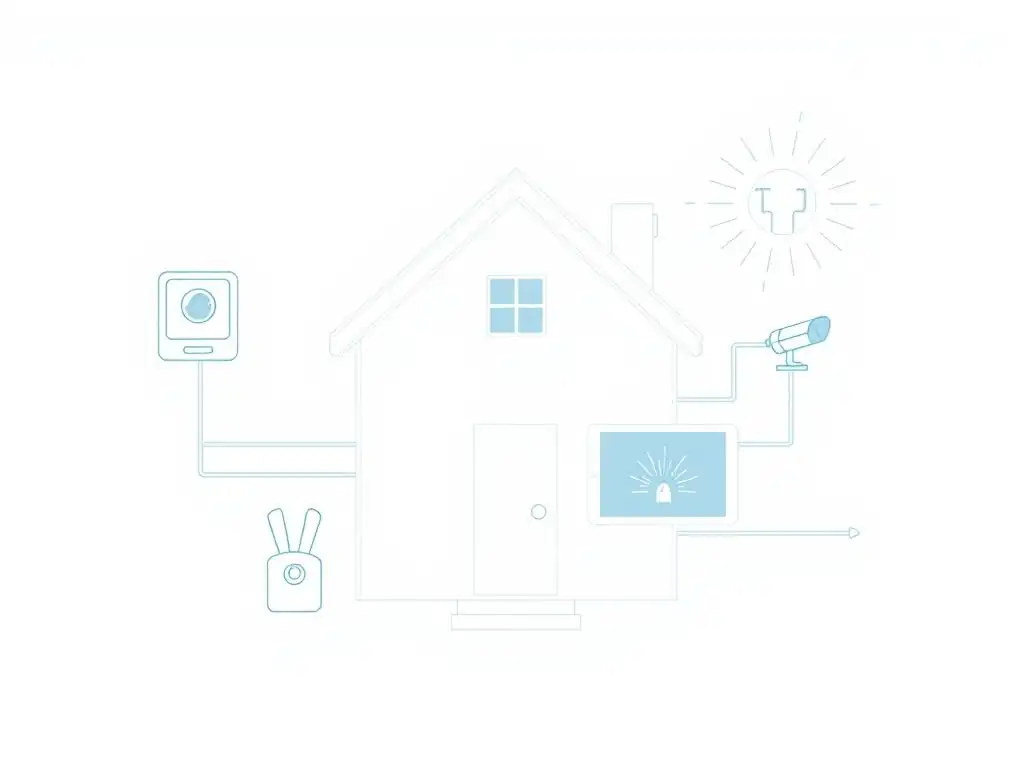
This section provides a detailed guide on setting up and personalizing your automated home security system, empowering you to take control of your home's protection. We'll explore the process from initial installation to advanced customization, ensuring you're equipped to maximize the system's capabilities and enhance your peace of mind. Successfully automating your home security systems requires careful planning and execution; let's delve into the specifics.
Step-by-Step Guide to Installing a Smart Home Security System
Installing a smart home security system might seem daunting, but with a methodical approach, it's surprisingly straightforward. The process typically involves several key steps, from unboxing the equipment to testing the functionality. Remember to consult your specific system's manual for detailed instructions, as variations exist between brands and models.
First, carefully unpack all components. This usually includes a central hub or base station, various sensors (door/window sensors, motion detectors), cameras, and potentially keypads. Familiarize yourself with each component's purpose and functionality. Next, locate the best placement for your base station. Ensure it has a strong Wi-Fi signal and a reliable power source. Placement is crucial for optimal signal strength and system performance. Poor placement can lead to connectivity issues and system malfunctions.
Then, begin installing the sensors. Attach door/window sensors to the frames, ensuring they're securely fastened and aligned correctly. Motion detectors should be strategically positioned to cover key areas, avoiding blind spots and potential false triggers. Finally, install your cameras in locations that offer optimal visibility of entrances, walkways, and other vulnerable areas. Consider factors such as lighting, angles, and potential obstructions when choosing camera placement. Remember to test each component after installation.
After the physical installation is complete, you'll need to connect the system to your home's Wi-Fi network. This process usually involves using a mobile app provided by the manufacturer. Follow the app's instructions carefully, which often involve entering your Wi-Fi password and selecting your home network. Once connected, the system should start registering all the installed components. If you encounter difficulties, refer to the troubleshooting section later in this article.
Troubleshooting Common Smart Home Security System Issues
Even with careful installation, you might encounter some problems. This section addresses common issues and provides solutions to get your system back online and functioning optimally. Proactive troubleshooting can significantly reduce downtime and keep your home secure. Remember to consult your system's manual for specific troubleshooting steps.
Addressing Connectivity Problems
Connectivity problems are a frequent source of frustration. These issues often stem from weak Wi-Fi signals, network congestion, or router problems. Before contacting support, try the following steps:
- Check your Wi-Fi signal strength: Ensure the base station and all sensors are within range of a strong Wi-Fi signal. Consider using a Wi-Fi extender if necessary.
- Restart your router and base station: A simple reboot often resolves temporary network glitches.
- Check for network interference: Other electronic devices might interfere with the signal. Try relocating devices or changing Wi-Fi channels.
- Update your system's firmware: Outdated firmware can cause compatibility issues. Check for updates through the manufacturer's app.
Resolving False Alarms
False alarms are a common annoyance with smart home security systems. These can be caused by pets, drafts, or even bugs. Here's how to minimize false alarms:
- Adjust sensitivity settings: Many sensors allow you to adjust their sensitivity. Lowering the sensitivity can reduce false triggers from minor movements.
- Strategic sensor placement: Carefully consider the placement of motion detectors to avoid triggering them unintentionally.
- Exclusion zones: Some systems allow you to create exclusion zones, areas where the sensors are less sensitive or completely deactivated.
- Test regularly: Regularly test your system to ensure everything is functioning correctly and identify potential issues proactively.
This detailed guide helps you effectively automate your home security systems, improving your home's protection and peace of mind. Remember that proactive maintenance and troubleshooting are key to a smoothly running and effective system. By following these steps and addressing potential issues promptly, you can confidently rely on your automated home security system to safeguard your home and loved ones.
Maximizing Your Home Security with Automation: Advanced Features
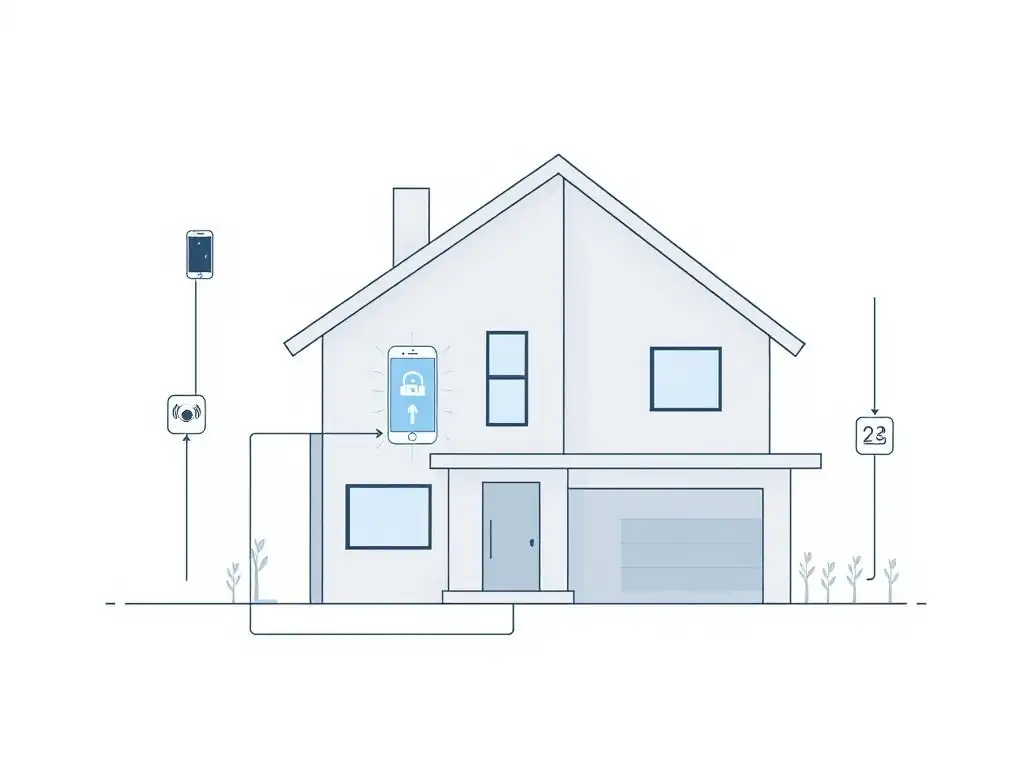
This section delves into the advanced capabilities of automated home security systems, exploring how seamless integration with other smart devices elevates home protection beyond basic alarm systems. We'll explore specific features and demonstrate how these integrations translate into tangible benefits for enhanced security and peace of mind. Optimizing your home security system with automation is not just about convenience; it's about creating a truly proactive and intelligent defense against potential threats. Properly automating home security systems can significantly improve your overall safety and security.
Smart Lighting Integration for Enhanced Security
Smart lighting integration is a powerful tool in the arsenal of automated home security. By cleverly scheduling lights and automating responses to triggers, you can create the illusion of occupancy even when you're away, deterring potential intruders. This goes beyond simply turning lights on and off; it's about mimicking natural human behavior patterns to make your home appear lived-in.
Automated Lighting Schedules
Automated lighting schedules are fundamental to this approach. Instead of a simple "on" and "off" at set times, consider implementing randomized schedules. For example, you could program your lights to turn on and off at slightly varying times each day, mimicking the unpredictable nature of someone's actual presence. This randomness makes it harder for burglars to predict your routines and identify patterns of absence.
Advanced systems can even adjust lighting based on sunset and sunrise times, automatically adjusting to seasonal changes. Consider also incorporating different lighting zones within your home for a more realistic effect. You could have lights in the living room activate at 7:00 PM, then the kitchen lights at 7:30 PM, followed by a bedroom light at 9:00 PM, creating a natural flow.
Integration with Smart Bulbs
The effectiveness of automated lighting hinges on the capabilities of your smart bulbs. Look for bulbs that offer features beyond simple on/off functionality. Color temperature adjustments can further enhance realism. Warm, yellowish light during evening hours mimics typical home lighting, while cooler, brighter light can simulate daytime activity.
Some smart bulbs even offer the ability to simulate flickering candlelight, adding another layer of realism to your automated lighting scheme. The ability to control individual bulbs within a room allows for finer control and customization of the lighting effects, further enhancing the deterrent effect. Consider experimenting with different lighting profiles to find the optimal balance between realism and energy efficiency. For example, you could use dimmer settings during the day to simulate natural light patterns.
Smart Home Security System Integration with Other Smart Devices
The true power of automating home security systems lies in its interconnectedness. Integrating your security system with other smart devices within your home creates a synergistic effect, enhancing both security and convenience. This level of integration can transform your home into a truly intelligent and protective environment. The key lies in exploiting the data collected from various devices to create a more comprehensive and responsive security system.
Linking with Smart Thermostats for Energy Efficiency and Security
Integrating your security system with a smart thermostat offers a dual benefit. First, it can improve energy efficiency by automatically adjusting the temperature when you're away. This reduces energy consumption and saves money. Secondly, it adds another layer of security.
By randomly adjusting the temperature, it can further deter intruders by disrupting any potential patterns they might observe. A consistently cold home might indicate that no one is present, while a fluctuating temperature can be more deceptive and less predictable. Consider programming your thermostat to adjust temperatures at various times throughout the day, even when you are at home, creating a more realistic and unpredictable pattern.
Combining with Smart Sprinklers for Enhanced Home Protection
Integrating smart sprinklers with your home security system adds an unexpected layer of protection. Programming your system to activate sprinklers upon detecting an intrusion can create a surprising and effective deterrent. The sudden burst of water can startle intruders and make it more difficult for them to gain entry, potentially delaying them long enough for authorities to arrive.
This unexpected element adds a significant layer of protection to your home security strategy, effectively augmenting your existing alarm system. Remember to carefully consider the placement of your sprinklers to maximize their effectiveness and minimize any potential damage to your property. Ensure they are strategically placed to cover potential entry points.
The Future of Home Security Automation: Emerging Trends
The realm of home security is undergoing a rapid transformation, driven by advancements in automation technology. "Automate home security systems" is no longer a futuristic concept; it's a rapidly evolving reality offering unprecedented levels of protection and convenience. This section explores some of the most impactful emerging trends shaping the future of home security automation. We'll delve into how these innovations are enhancing safety, improving response times, and ultimately providing peace of mind for homeowners.
Voice Control and AI Integration
Voice assistants like Alexa and Google Assistant are seamlessly integrating with home security systems, offering a hands-free and intuitive control experience. Imagine arming your system with a simple voice command, "Alexa, arm the security system," while simultaneously locking your smart doors. This level of convenience significantly reduces the chances of forgetting to activate security measures. Beyond simple arming and disarming, AI integration allows for more sophisticated features.
For example, systems can learn your routines and automatically adjust security settings based on your presence or absence. This proactive approach minimizes vulnerabilities and optimizes security protocols. Furthermore, AI-powered systems can analyze audio and video feeds from security cameras, identifying potential threats such as intruders or unusual noises, and alerting you instantly, even if you're away from home.
The integration of voice control and AI is not just about convenience; it's about creating a proactive and intelligent security ecosystem that anticipates and mitigates risks. Data shows a significant increase in the adoption of voice-controlled smart home devices, with projections indicating continued exponential growth in the coming years. This reflects a clear consumer preference for seamless and intuitive security solutions.
Biometric Authentication
Biometric authentication is revolutionizing home security by moving beyond traditional keypads and passwords. Fingerprint scanners, facial recognition technology, and even voice recognition are increasingly common features in smart locks and access control systems. This advanced level of security significantly reduces the risk of unauthorized access, as these methods are far more difficult to circumvent than traditional methods.
For instance, a smart lock that uses fingerprint scanning offers unparalleled security, as only authorized individuals with registered fingerprints can unlock the door. Similarly, facial recognition systems can identify and grant access to pre-approved individuals, enhancing both security and convenience. The use of multiple biometric methods, such as a combination of fingerprint and facial recognition, further strengthens the security layer, creating a multi-faceted approach to access control.
The accuracy and reliability of biometric authentication are constantly improving, leading to its widespread adoption in securing not only homes but also businesses and other sensitive environments. The potential for biometric authentication to further enhance "Automate home security systems" is immense.
Predictive Analytics and Threat Prevention
Predictive analytics is emerging as a game-changer in home security. By analyzing historical data, such as past intrusion attempts in your neighborhood, weather patterns that might increase the risk of break-ins (e.g., power outages), and even social media trends indicating potential threats, sophisticated AI algorithms can predict potential security risks. This allows for proactive measures to be taken, such as automatically adjusting security settings based on predicted threats.
For example, if a power outage is predicted, the system might automatically send you an alert and activate backup power for security cameras and alarm systems. Similarly, if there's a surge in burglaries in your area, the system might automatically increase monitoring frequency or adjust alarm sensitivity. This proactive approach moves beyond simply reacting to threats to actively preventing them, thereby significantly enhancing the overall security posture of your home.
The integration of predictive analytics with automated systems represents a significant step towards a future where home security is not just reactive but truly preventative. This technology is still in its early stages of development, but its potential to enhance home security is undeniable, further solidifying the importance of automating home security systems.
Frequently Asked Questions
What is Smart Home Security Automation?
Smart home security automation refers to using technology to control and monitor your home security system remotely. This includes features like automated locks, lighting, and surveillance systems, all controllable via a smartphone app or other smart device. It offers increased convenience and security.
How can I automate my home security system?
You can automate your system by installing smart devices compatible with your existing system or by opting for a complete smart security system. This might involve installing smart locks, security cameras, motion sensors, and integrating them with a central hub.
What are the benefits of automating my home security?
Automation offers enhanced security through features like automated lighting to deter intruders, remote monitoring of cameras, and instant alerts. It also provides increased convenience with features like keyless entry and remote system control.
Is smart home security automation expensive?
The cost varies greatly depending on the system's complexity and the number of devices involved. While initial setup can be costly, potential savings on security services and increased home value can offset expenses over time. Consider your budget and needs.
How secure is smart home security automation?
Modern smart home security systems use robust encryption and other security measures to protect your data and home. However, it's crucial to choose reputable brands, use strong passwords, and keep your software updated to minimize vulnerabilities.
Final Reflection: Securing Our Future, One Smart Home at a Time
The seamless integration of technology into our homes is no longer a futuristic fantasy; it's the present reality, and the implications for home security are profound. Smart home security automation isn't just a convenient upgrade; it's a fundamental shift in how we protect our families and our most valuable possessions. This evolution demands our attention and proactive engagement.
The increasing sophistication of smart home security systems reflects a broader societal shift towards proactive safety measures. We are moving beyond reactive responses to threats and embracing a preventative approach, leveraging technology to anticipate and mitigate risks before they materialize. This proactive stance is crucial in our increasingly interconnected world. The best security is that which anticipates the threat, not merely reacts to it.
This quote, while not attributed to a specific source, encapsulates the core philosophy driving the smart home security revolution. It's a philosophy that resonates deeply with me, emphasizing the power of foresight and preparation.
Consider the potential of smart home security automation in your own life. Think about the peace of mind that comes with knowing your home is constantly monitored, your loved ones are safe, and potential threats are identified and addressed before they escalate. Don't just passively consume this information; actively explore the options available to you. Research different systems, compare features, and choose the solution that best fits your needs and budget. Embrace the future of home protection; secure your future, one smart home at a time.
Unlock Your Smart Home's Full Security Potential
Thank you for exploring the exciting world of smart home security automation with us! You've learned how to significantly enhance your home's protection and peace of mind. Ready to take the next steps?
- Prioritize your smart home security upgrades: Begin by focusing on the most critical areas. Installing exterior security cameras is often a great starting point, or perhaps integrating your existing security systems with smart home technology. Carefully consider which features will provide the greatest benefit based on your individual needs and the specific vulnerabilities of your home.
- Share this article with a friend or family member who might find this information helpful. Protecting your loved ones is paramount.
- Explore advanced automation options: Consider implementing automated lighting schedules to deter potential intruders, or integrate your security system with your smart home voice assistant for convenient control.
What's your first smart home security upgrade going to be? We'd love to hear your thoughts and ideas in the comments!