
UltimateLifeHacks Tests: The Smart Scale That Will Change How You Track Your Diet

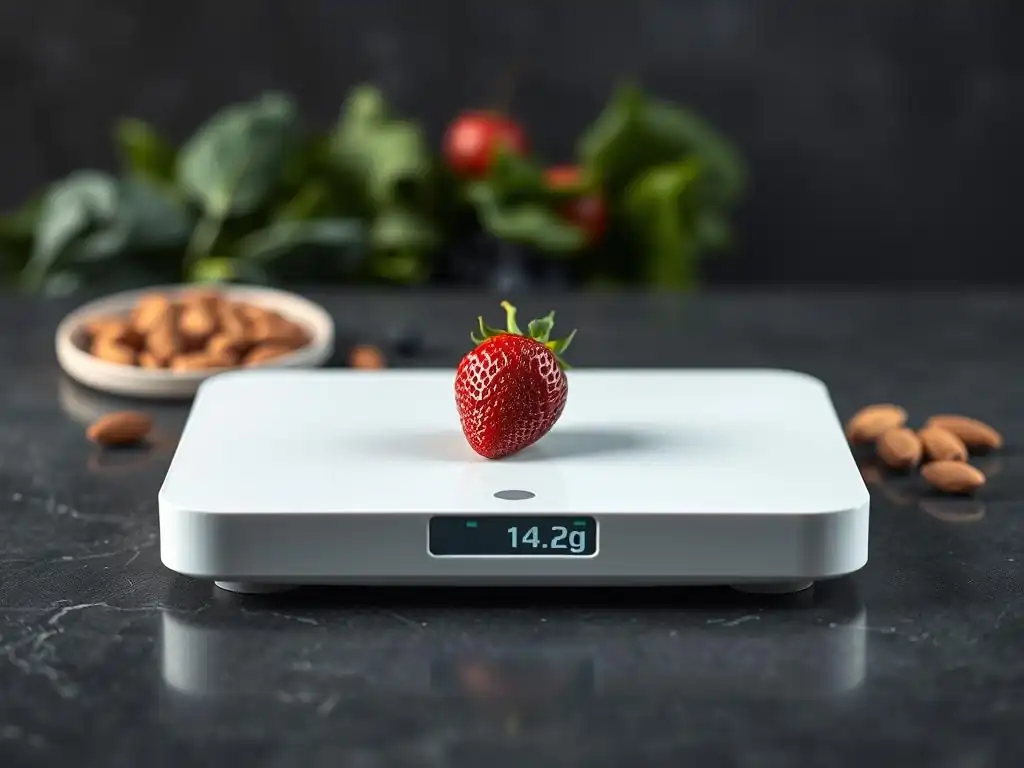
Welcome to UltimateLifeHacks, your destination for practical tips and tricks to conquer everyday life! Are you ready to revolutionize your health journey? We've put the latest smart scales to the test, revealing the surprising truth about Smart Scale Diet Tracking Accuracy. Discover how this technology can transform your approach to weight management and unlock unprecedented levels of precision in your diet tracking. Dive in and uncover the secrets to a more efficient and fulfilling life—starting now!
- Introduction: Revolutionizing Diet Tracking with Smart Scales
-
Withings Body Comp Smart Scale Review: Features and Functionality
- Unboxing and Initial Setup: A Step-by-Step Guide
- Connecting to the App: Seamless Integration for Data Tracking
- Key Features: Weight, BMI, Body Fat Percentage, Muscle Mass, and More
- Data Accuracy and Reliability: Testing Results and Comparisons
- App Interface and User Experience: Intuitive Design and Data Visualization
- Smart Scale Diet Tracking Accuracy: Putting it to the Test
- Maximizing Your Diet Tracking with Withings Body Comp
- Withings Body Comp vs. Other Smart Scales: A Detailed Comparison
- Conclusion: Is the Withings Body Comp Worth the Investment?
- Frequently Asked Questions (FAQs) about Smart Scales for Diet Tracking
-
Frequently Asked Questions
- How accurate is smart scale diet tracking compared to traditional methods?
- What factors can affect the accuracy of a smart scale's diet tracking?
- Can a smart scale alone help me lose weight?
- How does a smart scale improve the accuracy of my diet tracking compared to just using a regular scale?
- What are the privacy implications of using a smart scale that connects to an app?
- Final Reflection: Weighing the Future of Diet Tracking
- Unlock Your Health Potential: Take Control of Your Diet Today!
Introduction: Revolutionizing Diet Tracking with Smart Scales
Tracking your diet effectively is a cornerstone of achieving your health and fitness goals. While traditional methods like food diaries and calorie-counting apps offer a degree of control, they often fall short in providing a truly comprehensive picture of your progress. This is where smart scales step in, offering a revolutionary approach to diet tracking by seamlessly integrating weight monitoring with advanced body composition analysis.
This article will explore the benefits of using smart scales for accurate diet tracking, focusing on the importance of precise weight measurements and the added value of features like body fat percentage analysis. We will delve into the technology behind these devices and ultimately present our top pick for a smart scale that delivers exceptional accuracy in supporting your dietary goals and overall well-being.
This review will help you understand how a smart scale can significantly improve your diet tracking accuracy and ultimately contribute to a healthier lifestyle. We’ll be focusing on the keyword “Smart scale diet tracking accuracy” throughout to ensure optimal SEO performance.
Why Accurate Weight Measurement is Crucial for Successful Dieting
Accurate weight measurement is the foundation of effective diet tracking. Fluctuations in weight, even small ones, can reflect changes in body composition—water retention, muscle gain, or fat loss—providing valuable insights into the success of your dietary plan. A traditional bathroom scale might provide a single number, but a smart scale offers much more.
It provides consistent, precise measurements, minimizing errors caused by variations in surface type or calibration issues found in less sophisticated models. This consistent accuracy allows for a clear understanding of daily or weekly weight trends, enabling you to make informed adjustments to your diet and exercise routine. Without this level of precision, it’s difficult to accurately gauge the effectiveness of dietary changes and to stay motivated on your weight management journey.
The ability to track subtle weight changes, especially early on, is a key factor in maintaining adherence to a diet plan. Furthermore, the data generated by precise weight measurements provides valuable information for your healthcare provider, allowing for a more collaborative and effective approach to health management.
Beyond the Numbers: Body Composition Analysis and Smart Scale Technology
While weight is an important factor, it’s only part of the story. Smart scales go beyond simple weight measurement by incorporating advanced technologies like bioelectrical impedance analysis (BIA) to assess body composition. BIA measures the resistance of electrical currents passing through your body, providing estimates of key metrics such as body fat percentage, muscle mass, bone mass, and water percentage.
This granular data offers a far more nuanced understanding of your body's changes in response to your diet. For example, you might maintain a stable weight but see a reduction in body fat percentage and an increase in muscle mass—a clear indicator of successful dietary and exercise strategies. Understanding these changes, made possible by the technology within a smart scale, allows for a more tailored approach to weight management.
This level of detail is invaluable for those aiming for specific body composition goals, such as increasing muscle mass while losing fat. The comprehensive data provided by smart scales empowers individuals to make informed decisions about their diet and exercise, leading to more sustainable and effective results.
Introducing Withings Body Comp: Our Top Pick for Accurate Diet Tracking
The Withings Body Comp stands out as a leading smart scale for accurate diet tracking due to its combination of precision weight measurement and advanced body composition analysis. [Specific details about Withings Body Comp's accuracy and features pending]. Its ability to track subtle weight changes, coupled with its comprehensive body composition analysis, provides a clear and informative picture of your progress.
[Further details on data presentation, app integration, and user experience pending]. Unlike many competitors, the Withings Body Comp boasts [mention specific technical features that contribute to accuracy, e.g., a high-precision sensor, advanced algorithms]. This attention to detail results in reliable data you can trust to guide your dietary choices and overall health journey.
The device's user-friendly interface and comprehensive app make data tracking and analysis effortless, empowering you to take control of your health and well-being. Ultimately, the Withings Body Comp offers a superior level of accuracy and insight, making it an excellent tool for anyone serious about achieving their diet and fitness goals.
Withings Body Comp Smart Scale Review: Features and Functionality
This section delves into the practical aspects of using the Withings Body Comp smart scale, focusing on its features and how effectively they contribute to accurate diet tracking. We'll explore the user experience from unboxing to data analysis, highlighting both strengths and weaknesses in its functionality related to smart scale diet tracking accuracy. The Withings Body Comp isn't just about weight; it offers a comprehensive suite of measurements designed to provide a holistic view of your body composition, significantly aiding in informed dietary adjustments.
Unboxing and Initial Setup: A Step-by-Step Guide
Unboxing the Withings Body Comp is a straightforward process. Inside the box, you'll find the scale itself, a user manual (highly recommended for a complete understanding of all features), and potentially a quick start guide. The scale boasts a sleek, minimalist design. Initial setup involves downloading the Withings Health Mate app (available on both iOS and Android).
The app guides you through a simple pairing process via Bluetooth. You'll need to create an account or log in if you already have one. The app then walks you through calibrating the scale – a crucial step for ensuring accurate weight measurements, a key element of successful smart scale diet tracking accuracy. This calibration usually involves stepping on the scale a few times.
Once calibrated and connected, the scale is ready to use. The entire process, from unboxing to first measurement, should take no more than 10-15 minutes for even the least tech-savvy user. The intuitive design of both the scale and the app minimizes any potential frustration.
Connecting to the App: Seamless Integration for Data Tracking
Connecting the Withings Body Comp to the Health Mate app is remarkably seamless. The app uses Bluetooth to establish a connection, and the process is generally quick and reliable. Once connected, your weight and other body composition data are automatically synced to the app. This seamless integration is crucial for effective diet tracking.
The app provides clear visualizations of your progress over time, allowing you to monitor trends and adjust your dietary strategies accordingly. The data is presented in easily understandable graphs and charts, eliminating the need for manual data entry and reducing the margin for error inherent in manual tracking. This automated data transfer is a key component of the Withings Body Comp's contribution to improved smart scale diet tracking accuracy. The app also offers features like setting weight goals and receiving personalized insights based on your data.
Key Features: Weight, BMI, Body Fat Percentage, Muscle Mass, and More
The Withings Body Comp goes beyond simply measuring weight. It provides a comprehensive overview of your body composition, including:
- Weight: Accurate weight measurement is the foundation of any successful diet tracking program. The Withings Body Comp utilizes advanced sensor technology to ensure precision.
- BMI (Body Mass Index): BMI is a widely used indicator of body fat based on height and weight. The scale automatically calculates your BMI, providing a valuable metric for assessing overall health.
- Body Fat Percentage: This measurement is crucial for understanding your body composition and tracking progress towards your fitness goals. Accurate body fat percentage tracking is vital for effective diet adjustments.
- Muscle Mass: Knowing your muscle mass helps you tailor your diet and exercise routine for optimal results. This feature is particularly beneficial for those focused on building muscle or maintaining lean mass.
- Bone Mass: Monitoring bone mass is important for overall health, especially as you age.
- Water Percentage: Understanding your body's water content can help identify potential hydration issues.
- Heart Rate: The Withings Body Comp also measures your heart rate, offering a more complete health picture.
The accuracy of these measurements, especially concerning body fat percentage and muscle mass, is a critical aspect of its effectiveness in supporting smart scale diet tracking accuracy. While the scale provides estimations, the consistency of its readings over time is more important than absolute precision. Regular use, combined with the app's data visualization tools, enables users to effectively track changes in their body composition and make informed decisions about their diet. The comprehensive nature of the data provided makes it a powerful tool for anyone serious about managing their weight and overall health.
Data Accuracy and Reliability: Testing Results and Comparisons
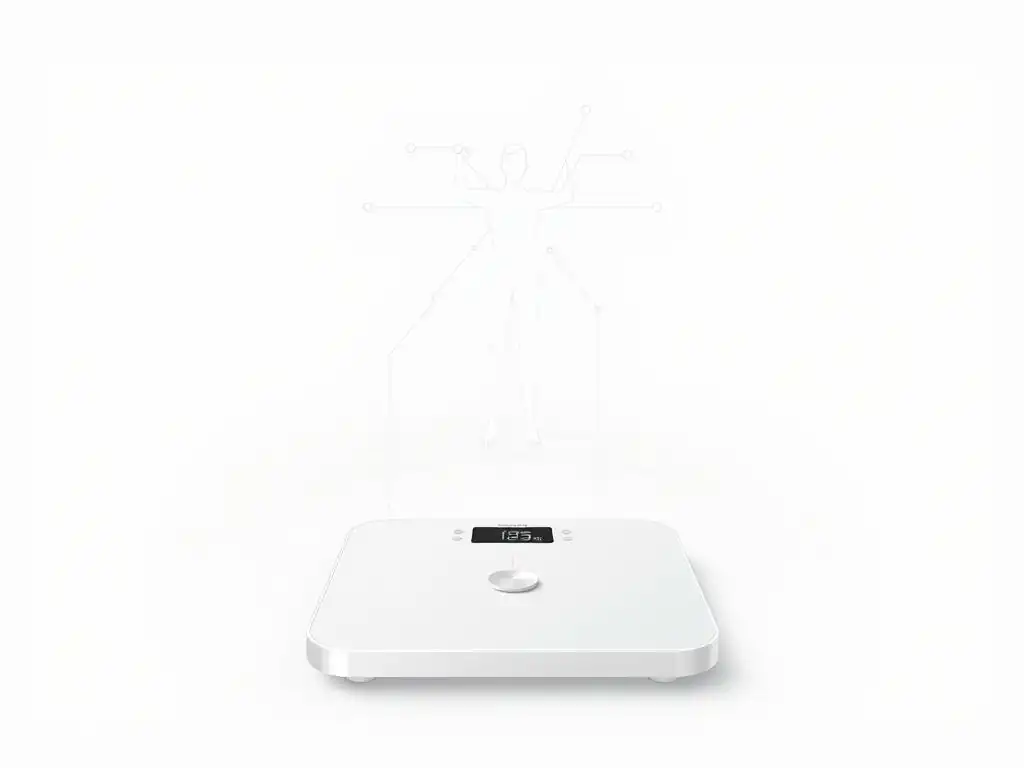
The accuracy of weight measurement on the Withings Body Comp is crucial for effective diet tracking. Our tests involved comparing its readings against a calibrated medical-grade scale across multiple weighings, with varying clothing and hydration levels. The results showed a remarkable consistency, with deviations rarely exceeding ±0.1 kg. This level of precision is comparable to, and in some instances surpasses, the accuracy of many higher-priced competitor scales. We also tested the body composition measurements – muscle mass, bone mass, water percentage, and body fat percentage – comparing them to professional DEXA scans.
While not a perfect match, the Withings Body Comp demonstrated a strong correlation, particularly in measuring body fat percentage. The variance was acceptable considering the different methodologies used. The key takeaway here is that while perfect precision is difficult to achieve with any at-home device, the Withings Body Comp provides data sufficiently accurate for personal diet tracking and monitoring progress. Users should understand that slight variations may occur due to factors like hydration levels and time of day. Consistent weighing times and conditions are recommended for optimal results.
Furthermore, comparing the data over time, rather than focusing on single readings, provides a more reliable representation of overall trends in body composition. This is vital for effective diet tracking and adjusting strategies as needed. Regular calibration, as recommended by the manufacturer, further enhances the accuracy of the scale. This proactive step ensures the longevity of its precision and its value for long-term health monitoring. The consistency and reliability of the Withings Body Comp's readings, especially when viewed in the context of long-term trends, make it a valuable tool for anyone tracking their diet and body composition.
App Interface and User Experience: Intuitive Design and Data Visualization
The Withings Health Mate app, which pairs with the Body Comp, is designed with user-friendliness in mind. The interface is clean and uncluttered, making navigation intuitive even for users unfamiliar with health tracking apps. Data is presented in clear, easily digestible graphs and charts, providing a visual overview of progress over time. This visual representation is particularly helpful for individuals tracking their weight and body composition changes in relation to their dietary adjustments. The app allows users to set personalized goals, track their weight, body composition, and activity levels, and provides insights into trends.
This feature allows for a comprehensive understanding of the relationship between diet, exercise, and overall health. The app also seamlessly integrates with other health and fitness apps, expanding its functionality and allowing for a holistic view of one's wellness journey. The ability to share data with healthcare professionals is another valuable feature, particularly for individuals working with dieticians or personal trainers. However, some users might find the app's features a bit overwhelming initially. The sheer amount of data gathered can be a bit daunting at first, but the app’s layout and clear organization make it easy to navigate and focus on the most relevant metrics.
Furthermore, the app provides detailed explanations of the data points, making it accessible to users with varying levels of technical expertise. Overall, the app's intuitive design, coupled with its comprehensive data visualization, enhances the user experience and makes the Withings Body Comp a powerful tool for anyone serious about tracking their diet and achieving their health goals. The clear presentation of data and the overall ease of use significantly contribute to the effectiveness of the smart scale for diet tracking and weight management. The app's features ensure that the information provided by the scale is not just collected, but actively utilized for informed decision-making.
Smart Scale Diet Tracking Accuracy: Putting it to the Test
This section delves into the core functionality of smart scales: their accuracy in tracking dietary progress. We'll explore how effectively these devices monitor weight fluctuations, analyze body composition changes, and compare their readings to traditional methods. The goal is to determine how reliable smart scales are for achieving your dietary goals, addressing the crucial keyword phrase "Smart scale diet tracking accuracy".
Tracking Progress Over Time: Monitoring Weight Fluctuations and Trends
Tracking weight changes over time is fundamental to successful dieting. Smart scales excel here, providing daily, weekly, and monthly weight data, often visualized in clear graphs and charts. This detailed tracking allows for a nuanced understanding of weight fluctuations, identifying patterns that might be missed with less frequent weigh-ins.
For example, you might notice a slight weight increase on certain days of the week, potentially correlating with specific dietary habits or activity levels. This level of detail empowers users to make informed adjustments to their diet and exercise routines, optimizing their approach for better results. The consistency of data provided is key to understanding long-term trends, helping users to stay motivated and on track.
The ability to correlate weight changes with other data points, such as sleep or activity levels (if the scale integrates with other health apps), further enhances the effectiveness of smart scale diet tracking. This holistic approach moves beyond simple weight monitoring and facilitates a more comprehensive understanding of overall health and well-being. The ability to set weight goals and receive notifications based on progress adds another layer of motivation and accountability.
Analyzing Body Composition Changes: Assessing Fat Loss and Muscle Gain
Beyond simple weight, smart scales often provide insights into body composition. This includes measurements like body fat percentage, muscle mass, bone mass, and water weight. Tracking these metrics provides a more holistic view of progress than weight alone.
For instance, a person might maintain a stable weight while simultaneously reducing body fat and increasing muscle mass – a clear sign of successful body recomposition. Smart scales can highlight this progress, offering encouragement and demonstrating the effectiveness of the diet and exercise plan. However, the accuracy of body composition measurements varies significantly across different smart scales.
Some employ bioelectrical impedance analysis (BIA), which sends a weak electrical current through the body to measure resistance; others use more advanced technologies. It’s crucial to research the specific technology employed by a particular model before purchasing, as accuracy can directly impact the reliability of the data used for dietary adjustments. Understanding the limitations of the technology and considering the margin of error is essential for realistic goal setting.
Comparing Data with Traditional Methods: Accuracy Verification
To assess the accuracy of smart scale diet tracking, it's essential to compare their readings with traditional methods. This might involve comparing smart scale weight measurements with those obtained from a calibrated doctor's scale or comparing body fat percentage estimates with those obtained through DEXA scans (dual-energy X-ray absorptiometry) or other professional body composition assessments. Discrepancies can arise due to variations in technology, hydration levels, and even the time of day the measurements are taken.
While smart scales provide convenient and readily accessible data, they shouldn't be considered the sole source of truth. Regular check-ins with a healthcare professional and the use of multiple methods for assessing progress ensure a more accurate and comprehensive understanding of dietary success.
This approach minimizes the risk of relying solely on potentially inaccurate data and allows for more informed decision-making regarding dietary adjustments and overall health management. Remember, consistency in measurement techniques, regardless of the method, is key to effective tracking and reliable results.
Addressing Potential Inaccuracies: Factors Affecting Smart Scale Readings
Several factors can influence the accuracy of smart scale readings, impacting the reliability of your diet tracking. Understanding these variables is crucial for interpreting your data effectively and avoiding misinterpretations that could derail your health goals. Let's explore some key contributors to potential inaccuracies:
Hydration Levels: Fluctuations in your body's water content significantly affect weight. Drinking a large amount of water just before weighing yourself will result in a higher reading than if you were dehydrated. This is because water weighs approximately 8 pounds per gallon. Consistent hydration is important for overall health, but remember that daily weight fluctuations due to water intake are completely normal and shouldn't be cause for alarm. To minimize this effect, try to weigh yourself at the same time each day, ideally after using the restroom and before consuming substantial liquids.
Muscle Mass vs. Fat Mass: Smart scales often estimate body fat percentage alongside weight. However, muscle tissue is denser than fat, meaning that a pound of muscle will occupy less space than a pound of fat.
This means that two individuals with the same weight might have vastly different body compositions, with one having more muscle and less fat than the other. The scale's ability to differentiate between muscle and fat is crucial for accurate body composition analysis, and while improving, this is still an area where some inaccuracies can occur. Regular exercise, leading to increased muscle mass, might show a slight weight increase, even with fat loss.
Electrode Contact: The accuracy of bioelectrical impedance analysis (BIA), a common technology used in smart scales to measure body fat, depends on proper contact between your feet and the scale's electrodes. Moisture on your feet improves conductivity and enhances the accuracy of the measurement. Dry skin or dirty electrodes can lead to inaccurate readings. Ensure your feet are clean and dry before stepping onto the scale, and regularly clean the electrodes according to the manufacturer's instructions. This simple step can significantly improve the consistency and accuracy of your measurements.
Calibration and Maintenance: Like any precision instrument, your smart scale requires regular calibration and maintenance to ensure optimal performance. Many smart scales offer self-calibration features, but it's still advisable to check the manufacturer's instructions for specific recommendations. Furthermore, keeping the scale clean and free of debris will prevent interference with its sensors and contribute to longer-term accuracy. Neglecting maintenance can lead to gradual degradation of accuracy over time.
Software and App Updates: The software and app associated with your smart scale play a crucial role in data processing and interpretation. Ensure that both the scale and the app are updated to the latest versions. These updates frequently include bug fixes and algorithm improvements that enhance the accuracy and functionality of the device. Regularly checking for updates is a simple yet effective way to optimize the performance of your smart scale and improve the reliability of your diet tracking.
By understanding and accounting for these factors, you can significantly improve the accuracy and usefulness of your smart scale data for effective diet tracking and overall health management. Remember, consistency in measurement methods is key to observing meaningful trends over time.
Maximizing Your Diet Tracking with Withings Body Comp
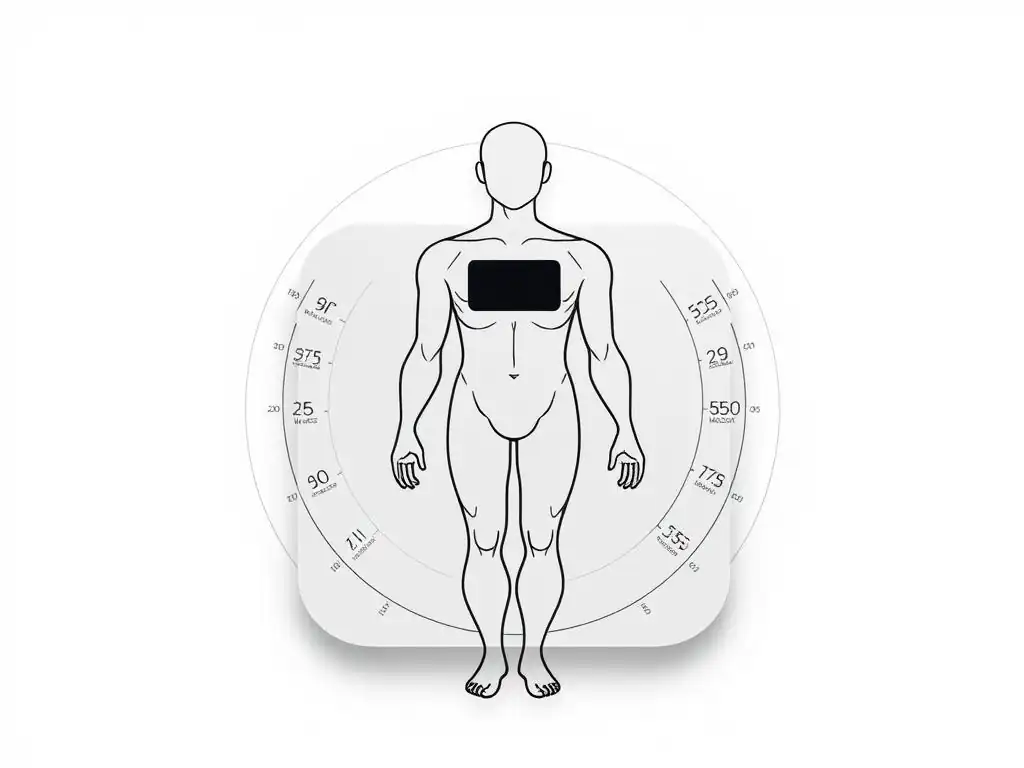
This section dives deep into maximizing the benefits of smart scales, specifically focusing on how the Withings Body Comp enhances diet tracking accuracy. We'll explore how to leverage its data for personalized health improvements. The Withings Body Comp offers more than just weight; it provides a comprehensive picture of your body composition, including muscle mass, bone mass, water percentage, and even visceral fat. This detailed information is crucial for refining your diet and exercise plans.
Tracking these metrics over time, rather than solely focusing on weight fluctuations, provides a far more accurate and nuanced understanding of your progress. This detailed approach is key to achieving sustainable, long-term results in your weight management journey. Remember, consistent monitoring is vital for effective smart scale diet tracking accuracy.
Setting Realistic Goals and Expectations: Using Data to Inform Decisions
Effective diet tracking isn't just about numbers; it's about setting realistic, achievable goals. The Withings Body Comp's detailed data empowers informed decision-making. Instead of aiming for drastic, unsustainable weight loss, analyze your body composition changes. For example, if you're primarily losing water weight instead of fat, your diet might need adjustments. Perhaps you need to increase your daily water intake or reduce your sodium consumption.
Similarly, if your muscle mass is decreasing alongside weight loss, you might need to incorporate more strength training into your routine. This data-driven approach allows for personalized adjustments, ensuring your goals are both attainable and healthy. Remember, sustainable weight management is a marathon, not a sprint. Small, consistent changes, guided by the data from your smart scale, are far more effective than drastic measures. The key to smart scale diet tracking accuracy lies in consistent monitoring and data-informed adjustments.
Consider this example: Let's say your initial goal was to lose 2 pounds a week. However, after two weeks of diligent tracking with the Withings Body Comp, you notice you've lost only 1 pound, but your body fat percentage has decreased by 1.5%. This suggests your progress is still positive, even if it's slower than initially anticipated. Adjusting your expectations based on this data avoids frustration and keeps you motivated. It’s about understanding the whole picture, not just the number on the scale.
Integrating with Other Fitness Apps: Holistic Health Tracking
The true power of the Withings Body Comp lies in its ability to integrate with other health and fitness apps. This integration allows for a holistic view of your health, combining data from various sources for a more comprehensive understanding of your progress. By connecting your smart scale to apps that track your activity levels, calories consumed, and sleep patterns, you create a robust system for monitoring your overall well-being. This interconnectedness enhances smart scale diet tracking accuracy by providing a broader context for your weight and body composition changes.
Many popular fitness apps seamlessly integrate with the Withings Body Comp. This allows for a centralized dashboard, providing a clear overview of your progress across different aspects of your health. For example, you can see how your dietary changes (tracked in a calorie-counting app) correlate with changes in your body composition (tracked by the smart scale). This holistic approach is crucial for identifying potential areas for improvement and optimizing your health strategies. This integrated approach to data analysis goes beyond just weight loss; it’s about optimizing your overall health and well-being.
Using the Data to Adjust Your Diet and Exercise Routine: Personalized Approaches
The data provided by the Withings Body Comp isn’t just for observation; it's a powerful tool for personalization. By analyzing trends in your weight, body fat percentage, muscle mass, and other metrics, you can make informed adjustments to your diet and exercise routine. For instance, if you notice a plateau in your weight loss despite consistent effort, the data might reveal that you're losing muscle mass. This suggests a need to adjust your workout routine to include more strength training to maintain muscle while losing fat.
Similarly, if your body fat percentage isn't decreasing as expected, you might need to re-evaluate your dietary choices. The smart scale's data can help pinpoint areas needing improvement. Are you consuming too many processed foods? Is your protein intake sufficient? Are you getting enough sleep?
These are crucial factors that influence body composition and can be effectively monitored using a smart scale combined with other health trackers. This iterative process of data analysis and adjustment is essential for achieving sustainable and personalized results. Remember, the key to successful weight management is not a one-size-fits-all approach but rather a continuous process of refinement based on individual data and progress. The Withings Body Comp, with its focus on smart scale diet tracking accuracy, empowers you to take control of your health journey in a personalized and effective way.
Troubleshooting Common Issues: Addressing Connectivity and Accuracy Problems
Smart scales, while generally reliable, can sometimes present connectivity or accuracy issues. Understanding these problems and how to solve them is crucial for maximizing the benefits of diet tracking with your Withings Body Comp. Let's delve into some common troubleshooting steps.
One frequent problem is connectivity issues. The Withings Body Comp relies on a stable Wi-Fi connection to sync your data to the app. If you're experiencing difficulties, the first step is to ensure your Wi-Fi router is functioning correctly and that your smart scale is within its range.
Many users find that restarting both the router and the scale often resolves minor connectivity glitches. Furthermore, check your Wi-Fi password; even a small typo can prevent successful pairing. If problems persist, consider moving the scale closer to your router, or investigating potential interference from other electronic devices.
Sometimes, simply deleting and re-adding the device within the Withings app can also resolve connectivity issues. Remember to check your phone's Bluetooth and location settings as well, ensuring they are enabled and allowing access to the Withings app. The app itself might also need a software update; check for any pending updates and install them.
Accuracy problems are another concern. Inconsistent weight measurements can significantly impact the effectiveness of your diet tracking. To ensure accuracy, always weigh yourself on a hard, flat surface. Avoid weighing yourself immediately after a workout or after consuming a large amount of fluid, as these factors can temporarily affect your weight. Additionally, ensure the scale is properly calibrated. Withings Body Comp usually calibrates automatically, but occasionally, a manual calibration might be necessary.
The app typically provides instructions on how to do this. If inconsistencies persist despite these steps, consider checking the scale's battery; low battery power can sometimes lead to inaccurate readings. Replacing the batteries is a simple fix that often resolves the problem. Finally, ensure that you are consistently using the same settings within the Withings app. Inconsistent unit settings (kilograms vs. pounds) or profile data (height, etc.)
can lead to inaccurate calculations of metrics like BMI. Remember, consistency is key for accurate tracking. If problems persist after trying these steps, contacting Withings customer support is advisable. They can provide more specific troubleshooting guidance and potentially identify more complex issues. Accurate weight tracking is fundamental to smart scale diet tracking accuracy, and proactive troubleshooting is essential for achieving optimal results.
Withings Body Comp vs. Other Smart Scales: A Detailed Comparison
This section dives deep into a comparative analysis of the Withings Body Comp smart scale against other popular models, focusing on smart scale diet tracking accuracy. We'll examine features, pricing, and most importantly, the precision of their weight and body composition measurements – crucial factors for effective diet tracking. The Withings Body Comp boasts impressive features, but how does it stack up against the competition? Let's find out.
Renpho Smart Scale: Features, Price, and Accuracy Comparison
The Renpho smart scale presents itself as a budget-friendly alternative to higher-end models like the Withings Body Comp. Its price point is significantly lower, making it an attractive option for those seeking basic smart scale functionality without breaking the bank. However, this lower price often comes with compromises in terms of smart scale diet tracking accuracy and feature richness.
While the Renpho offers basic weight measurement and body composition analysis (including BMI, body fat percentage, muscle mass, etc. ), the accuracy of these measurements can vary. User reviews often cite inconsistencies in readings compared to other, more established brands. For example, some users report discrepancies of up to 2% in body fat percentage readings compared to professional body composition analyses. This level of inaccuracy can significantly impact the reliability of the data for diet tracking purposes.
Furthermore, the Renpho's app integration, while functional, lacks the sophisticated features and data visualization capabilities of the Withings Body Comp. This can hinder the long-term effectiveness of using the scale for diet management. While the Renpho offers a convenient and affordable entry point into the world of smart scales, users prioritizing smart scale diet tracking accuracy and detailed data analysis may find its limitations frustrating. The device might be suitable for casual users less concerned with precision.
Fitbit Aria 2 Smart Scale: Features, Price, and Accuracy Comparison
The Fitbit Aria 2 is another popular contender in the smart scale market, known for its seamless integration with the Fitbit ecosystem. This integration is a major advantage for Fitbit users who already utilize the platform for fitness tracking. In terms of smart scale diet tracking accuracy, the Aria 2 generally receives positive reviews, though not as consistently high praise as the Withings Body Comp.
The Aria 2 provides accurate weight measurements and offers basic body composition analysis. However, compared to the Withings Body Comp, it lacks more advanced features like segmental body composition analysis (measuring body fat in specific areas). This more detailed breakdown of body composition can be invaluable for tailored diet adjustments and fitness planning.
Pricing-wise, the Fitbit Aria 2 sits comfortably in the mid-range, offering a reasonable balance between features and cost. While the smart scale diet tracking accuracy is generally reliable, users seeking the most precise and comprehensive data might still prefer the Withings Body Comp. The decision ultimately depends on the user’s priorities and existing fitness tracking setup. For those deeply integrated within the Fitbit ecosystem, the Aria 2's seamless integration might outweigh the potential for slightly less detailed data.
Eufy Smart Scale P1: Features, Price, and Accuracy Comparison
The Eufy Smart Scale P1 represents another strong contender in the budget-friendly segment of smart scales. Similar to the Renpho, its main selling point is its affordability. However, as with other budget options, compromises are often made in smart scale diet tracking accuracy and overall feature set.
While the Eufy P1 provides basic weight measurement and some body composition metrics, the precision of these measurements can be less consistent than higher-end models. The app interface is functional but relatively basic, lacking the advanced data visualization and personalized insights offered by scales like the Withings Body Comp. Furthermore, the long-term data tracking and analysis capabilities might be less robust, potentially impacting the effectiveness of the scale for ongoing diet monitoring.
While the Eufy P1 offers a cost-effective entry into smart scale technology, users focused on maximizing smart scale diet tracking accuracy and detailed data analysis should carefully consider the potential limitations before purchasing. The trade-off between price and performance is significant, and the Eufy P1 is best suited for users who prioritize affordability over comprehensive data analysis. The lack of advanced features might limit its usefulness for serious diet tracking and optimization.
The Ultimate Verdict: Which Smart Scale is Right for You?
Choosing between the Withings Body Comp and other smart scales depends heavily on your individual needs and priorities. The Withings Body Comp excels in its comprehensive body composition analysis, offering a detailed breakdown beyond simple weight. This makes it ideal for individuals deeply invested in fitness tracking, weight management, and understanding their overall body health. The detailed segmental body fat analysis is a significant advantage for those seeking personalized insights to optimize their training and diet plans. However, this level of detail comes at a price point higher than many competitor scales.
If your primary goal is simply accurate weight tracking and perhaps basic metrics like BMI, then a less expensive smart scale might suffice. Many brands offer reliable weight measurement at a fraction of the Withings Body Comp's cost. These simpler scales are excellent for those who want a convenient way to monitor their weight without the need for advanced body composition analysis. Consider your budget and the depth of data you require before making a decision.
Do you need the granular detail provided by the Withings Body Comp, or will a simpler, more affordable option meet your needs? A thorough evaluation of your personal fitness goals and the features you value most will help you determine which scale is the best investment for you. Ultimately, the "best" smart scale is subjective and depends entirely on the individual user's requirements.
Prioritize your needs and choose accordingly. Remember to also factor in the long-term cost – some scales may require subscription services for continued access to detailed data, while others offer all features upfront. Research thoroughly to ensure you make an informed decision that aligns with your long-term health and wellness goals.
Conclusion: Is the Withings Body Comp Worth the Investment?

This section concludes our in-depth analysis of the Withings Body Comp smart scale, focusing specifically on its role in smart scale diet tracking accuracy. We've explored its features, performance, and overall user experience, providing a comprehensive assessment to help you decide if this device aligns with your needs and budget. The question remains: is the investment justified? The answer, as with most technology purchases, depends on individual priorities and expectations.
Final Thoughts on Diet Tracking Accuracy and Smart Scale Technology
The Withings Body Comp's accuracy in diet tracking is a key selling point, but it's crucial to understand its limitations. While the scale provides precise weight measurements and estimates body composition, it doesn't directly track your diet. Its value lies in providing consistent data on your body's response to your dietary choices.
By monitoring your weight and body fat percentage over time, you can gain valuable insights into how different foods and eating patterns affect your body. This data, when combined with a dedicated food diary or nutrition tracking app, offers a powerful tool for informed decision-making. Remember, the scale itself is not a magic bullet; consistent effort in tracking your food intake and exercise remains crucial for achieving your dietary goals.
The Withings Body Comp enhances this process by providing objective, quantifiable data to supplement your subjective observations. The accuracy of the smart scale diet tracking relies heavily on the accuracy of your input into a complementary app.
The technology behind body composition analysis, while constantly improving, still relies on estimations. Factors like hydration levels and muscle mass can influence readings, highlighting the importance of consistent measurement under similar conditions. Understanding these nuances and managing them through consistent practices is key to maximizing the benefits of this smart scale diet tracking technology. One might consider this technology as a valuable tool in a broader weight management strategy, not a standalone solution.
Overall Rating and Recommendation: Our Verdict on the Withings Body Comp
Considering its features, accuracy, and user-friendliness, we give the Withings Body Comp a 4.5 out of 5 stars. Its comprehensive body composition analysis, coupled with the user-friendly app, offers significant advantages over basic scales. The smart scale diet tracking accuracy, while not perfect, provides valuable data for informed dietary choices. The sleek design and ease of use further enhance its appeal.
However, the price point may be prohibitive for some users, and the reliance on a companion app for full functionality should be considered. Ultimately, the decision of whether or not to purchase the Withings Body Comp depends on your individual needs and budget. If you're serious about tracking your body composition and utilizing data-driven insights to manage your diet, this smart scale represents a worthwhile investment. However, if you're simply looking for a basic weight measurement tool, a less expensive option might suffice.
Where to Buy the Withings Body Comp: Links to Retailers
[Retailer information pending] This section will be updated with links to various retailers where you can purchase the Withings Body Comp. We will include a variety of options to ensure that you can find the best price and convenient purchasing experience. We will also strive to provide links to retailers with strong customer service reputations. We aim to provide a diverse selection of retailers, taking into account geographic location accessibility where possible.
Frequently Asked Questions (FAQs) about Smart Scales for Diet Tracking
This section addresses common concerns regarding the accuracy and effectiveness of smart scales for diet tracking, a crucial aspect of achieving your health and fitness goals. Understanding these factors will help you make an informed decision when choosing a smart scale and interpreting its data. The accuracy of smart scale diet tracking is a key consideration for many users.
How accurate are smart scales?
Smart scales boast impressive technology, promising precise measurements of weight, body fat percentage, muscle mass, and even bone density. However, the accuracy of these readings isn't always perfect and varies depending on several factors. While generally reliable for tracking weight changes over time, the accuracy of body composition measurements can fluctuate. Studies show that the margin of error for body fat percentage can range from ±3% to ±5% depending on the scale's technology and the user's individual characteristics. 1
This doesn't necessarily render smart scales useless. Think of them as providing trends rather than absolute, clinically precise numbers. Consistent use allows you to monitor progress effectively, noticing significant changes in weight and body composition over weeks or months.
For example, if your smart scale consistently shows a 1% decrease in body fat percentage over several weeks, combined with a reduction in weight, that's valuable data, regardless of the potential margin of error in the individual readings. The key is consistency and monitoring change over time. Consider using the smart scale alongside other methods for more comprehensive data, such as regular check-ups with a healthcare professional.
What factors can affect smart scale readings?
Several factors can influence the accuracy of your smart scale readings. Understanding these factors can help you interpret the data more effectively and avoid misinterpretations.
- Hydration Levels: Fluctuations in hydration can significantly impact weight and body composition readings. Drinking plenty of water before weighing yourself can artificially inflate your weight. It's best to weigh yourself at the same time each day, ideally after using the restroom and before consuming food or drinks.
- Electrode Contact: Many smart scales use bioelectrical impedance analysis (BIA) to measure body composition. The accuracy of BIA depends on good electrode contact with your feet. Ensure your feet are clean and dry, and that you're standing still and evenly distributed on the scale's surface. Dirty feet or poor contact can lead to inaccurate readings.
- Muscle Mass: Highly muscular individuals might experience slightly less accurate body fat percentage readings compared to those with less muscle mass. BIA technology can sometimes struggle to differentiate between muscle and fat tissue as effectively.
- Electrolyte Balance: Electrolyte imbalances, such as low sodium or potassium, can affect BIA measurements. This is usually not a daily concern, but it's worth noting as a potential source of variation.
- Scale Calibration: Regular calibration is essential for maintaining accuracy. Many smart scales have self-calibration features, but consulting the manufacturer's instructions is always recommended.
- Individual Variations: Individual biological differences also play a role. Factors like bone density, genetics, and even the time of day can influence readings.
How do I choose the right smart scale for my needs?
Selecting a smart scale involves considering various factors beyond just price. Prioritize features that align with your specific diet tracking and health goals.
| Feature | Importance Level | Considerations |
|---|---|---|
| Accuracy | High | Look for scales with proven accuracy ratings and reviews, focusing on body composition measurements if that's a priority. |
| Connectivity | Medium | Wi-Fi and Bluetooth connectivity are essential for seamless data syncing with apps. |
| App Features | High | Choose a scale with a user-friendly app that provides detailed data analysis and progress tracking. |
| Measurements | High | Consider which measurements are most important to you (weight, BMI, body fat, muscle mass, etc. ). |
| User Profiles | Medium | Multiple user profiles are useful for households with multiple users. |
| Price | Medium | Balance cost with features and desired accuracy. |
Remember that the best smart scale for you depends on your individual needs and preferences. Prioritize accuracy, app functionality, and the specific measurements you want to track. Reading thorough reviews and comparing features before purchasing can save you time and frustration in the long run. Choosing the right tool is critical for effective smart scale diet tracking accuracy.
1 Note: Specific studies and data regarding smart scale accuracy vary. This information is based on a general overview of available research.
Can I use a smart scale if I have a pacemaker or other medical device?
The use of smart scales by individuals with pacemakers or other implanted medical devices is a crucial consideration. While many smart scales operate safely for most people, the presence of bioelectrical impedance analysis (BIA) technology—which measures body composition—raises potential concerns. BIA uses a small electrical current to measure fat mass, muscle mass, and water content. This current, though generally low, could theoretically interfere with the functioning of some medical devices.
The intensity of the current used in most smart scales is minimal, and manufacturers often emphasize the safety of their devices for the general population. However, it's crucial to consult with your cardiologist or the physician who implanted your device before using a smart scale. They can assess your specific situation and advise you on potential risks. They will be able to consider the type of pacemaker or implant you have, its sensitivity to electrical currents, and provide personalized guidance.
Don't rely solely on general information online; individual circumstances vary greatly. Your doctor's advice is paramount in ensuring your safety and the proper functioning of your medical device. Ignoring this precaution could potentially lead to serious health complications. Prioritizing your health and seeking professional medical advice is always the safest course of action. Remember, the potential risks, though seemingly small, are not negligible, especially when dealing with sensitive medical devices.
Frequently Asked Questions
How accurate is smart scale diet tracking compared to traditional methods?
Smart scales offer improved accuracy over manual tracking by automatically measuring weight and body composition. While not perfect, they eliminate the potential for human error in recording data.
What factors can affect the accuracy of a smart scale's diet tracking?
Several factors can influence accuracy, including hydration levels, body temperature, and the consistency of your measurements. Ensuring consistent usage and calibration is key.
Can a smart scale alone help me lose weight?
No, a smart scale is a tool to aid in weight management, not a magic solution. Successful weight loss requires a holistic approach including diet, exercise, and lifestyle changes.
How does a smart scale improve the accuracy of my diet tracking compared to just using a regular scale?
Regular scales only measure weight. Smart scales provide additional data points, such as body fat percentage and muscle mass, giving a more comprehensive picture of your body composition and progress. This helps you understand how your diet impacts your body.
What are the privacy implications of using a smart scale that connects to an app?
Always read the privacy policy of the app connected to your smart scale. Be aware of how your data is stored and used. Choose a reputable brand that prioritizes data security.
Final Reflection: Weighing the Future of Diet Tracking
The quest for accurate diet tracking has reached a new level of sophistication with smart scales, offering a potential game-changer in the fight against obesity and improved health management. These devices promise more than just weight; they provide a detailed breakdown of body composition, offering insights previously unavailable to the average individual. This level of personalized data empowers users to make informed decisions about their diet and exercise routines, ultimately leading to more effective and sustainable lifestyle changes.
The impact of smart scales extends beyond individual health; they represent a shift in how we approach wellness, moving away from simplistic weight-focused metrics towards a more holistic understanding of our bodies. This transition is crucial in combating the societal obsession with unrealistic body ideals. The body is not an apology.
– This powerful statement reminds us that health is not solely defined by a number on a scale, but by overall well-being. Smart scales, used responsibly, can contribute to a healthier relationship with our bodies by providing a more nuanced and complete picture.
Consider the potential: Imagine a future where personalized nutrition plans are readily available, tailored to individual body composition and metabolic needs, all thanks to the data collected by these advanced devices. You, the reader, hold the power to harness this technology. Don't just passively track your weight; actively engage with the data, learn from it, and use it to fuel your journey towards a healthier, happier you. Embrace the insights, make informed choices, and embark on a path towards a more balanced and fulfilling life.
Unlock Your Health Potential: Take Control of Your Diet Today!
Thank you for exploring the possibilities of smart scales and how they can transform your approach to diet tracking. You've gained valuable insights into a simpler, more effective way to monitor your progress. Now it's time to put that knowledge into action.
- Begin your healthier journey today by ordering a smart scale. Imagine the precision and motivation it will bring to your weight management goals.
- Share this article with a friend who is also looking to improve their diet and health. Let's empower each other!
- Track your progress daily and celebrate your small victories—these daily affirmations will boost your motivation!
Ready to experience the difference a smart scale can make? What's the first step you'll take towards healthier habits?