
Conquer Any Terrain: Essential Footwear Hacks for Adventure Travelers

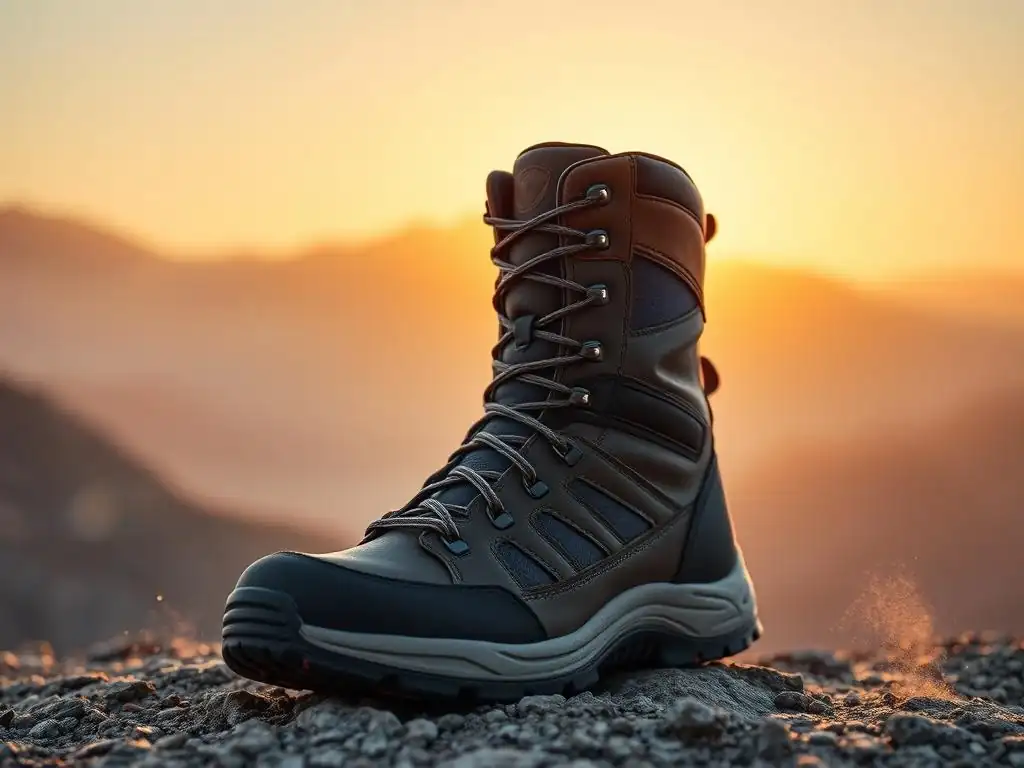
Ready to unlock the secrets to effortless adventure? At UltimateLifeHacks, we're dedicated to simplifying your life and maximizing your potential. Forget packing woes and hello comfortable exploration! This article dives deep into finding the Best travel shoes adventure has to offer, ensuring your next journey is as smooth as possible. Discover the footwear hacks that will transform your travel experience—and leave you ready to conquer any terrain. Let's get started!
-
Choosing the Best Travel Shoes for Adventure: A Comprehensive Guide
- Understanding Your Adventure Travel Needs: Terrain, Climate, and Activity Level
- Best Travel Shoes Adventure: Material Considerations for Durability and Comfort
- Finding the Perfect Fit: Avoiding Blisters and Foot Pain on the Trail
- Best Travel Shoes Adventure: Top Brands and Models for Different Adventure Styles
- Packing Smart: Protecting and Optimizing Your Adventure Footwear
- Maintaining Your Adventure Footwear: On-the-Go Care and Repair
- Beyond the Shoes: Essential Accessories for Adventure Foot Comfort
- Budget-Friendly Options for Durable and Reliable Adventure Footwear
- Advanced Techniques for Extreme Adventure Travel Footwear
- Frequently Asked Questions
- Final Reflection: Stepping into a World of Adventure
- Unleash Your Inner Explorer: Step into Adventure!
Choosing the Best Travel Shoes for Adventure: A Comprehensive Guide
Embarking on an adventure? The right footwear can mean the difference between a triumphant journey and a trip hampered by blisters and aching feet. This comprehensive guide delves into the essential considerations for choosing the best travel shoes for adventure, ensuring your feet—and your adventure—remain comfortable and supported throughout your travels.
We'll explore everything from understanding your specific needs based on terrain and climate to selecting materials that prioritize both durability and comfort. Ultimately, this guide will help you confidently conquer any terrain, knowing you've made the best choice for your adventurous footwear. Choosing the right pair of shoes is paramount for any adventure traveler, contributing significantly to the overall enjoyment and success of your trip.
This guide will serve as your ultimate resource in selecting the best travel shoes for adventure, helping you find the perfect fit for your next excursion. Let's get started on finding the best travel shoes adventure has to offer!
Understanding Your Adventure Travel Needs: Terrain, Climate, and Activity Level
Before diving into specific shoe models, it’s crucial to assess your adventure travel needs. Consider these key factors:
- Terrain: Will you be navigating rocky trails, traversing sandy beaches, or trekking through muddy forests? The terrain dictates the type of sole you need – aggressive treads for rugged terrain, flatter soles for smoother surfaces.
- Climate: The climate significantly impacts material choice. Breathable fabrics are essential in hot and humid conditions, while waterproof membranes are crucial in wet or snowy environments. Consider also the temperature; a lightweight mesh shoe is unsuitable for sub-zero conditions.
- Activity Level: The intensity of your activities will influence the level of support and stability you require. High-intensity activities like hiking and backpacking demand shoes with robust ankle support and shock absorption, while casual walking may only require comfortable, lightweight options.
Consider the following table to help you further refine your needs:
| Terrain Type | Climate Type | Activity Level | Shoe Recommendation |
|---|---|---|---|
| Rocky, uneven | Hot & Humid | Hiking/Backpacking | Sturdy hiking boots with good ankle support |
| Sandy, flat | Dry & Sunny | Casual walking | Lightweight trail runners or sandals |
| Muddy, wet | Rainy/Snowy | Hiking/Trekking | Waterproof hiking boots with aggressive treads |
| Varied, challenging | Temperate | Multi-day trekking | Versatile hiking boots with good cushioning |
Remember to prioritize comfort and support above all else. Investing in quality footwear is an investment in the enjoyment of your trip. Ignoring this crucial aspect can lead to painful consequences, potentially ruining your entire adventure.
Best Travel Shoes Adventure: Material Considerations for Durability and Comfort
The materials used in your travel shoes directly impact their durability, comfort, and performance. Let's examine key material considerations:
- Upper: Materials such as leather, nylon, and synthetic fabrics offer varying levels of durability, breathability, and waterproofness. Leather provides excellent durability but can be heavier and less breathable. Nylon and synthetic fabrics are often lighter and more breathable, but may not be as durable as leather.
- Midsole: The midsole provides cushioning and support. EVA (ethylene-vinyl acetate) is a common material, offering a good balance of cushioning and weight. Other materials, such as PU (polyurethane), offer increased durability and shock absorption.
- Outsole: The outsole is the part of the shoe that makes contact with the ground. Rubber outsoles are the most common, offering excellent traction and durability. Vibram soles are known for their exceptional grip and longevity.
Choosing the right materials depends heavily on the specific demands of your adventure. A durable, waterproof leather boot might be ideal for a multi-day trek through rugged terrain, while a breathable, lightweight trail runner might be better suited for shorter hikes in warmer climates. Carefully weigh the pros and cons of different materials before making a decision. Remember, a well-chosen material can make a significant difference in comfort and performance.
Finding the Perfect Fit: Avoiding Blisters and Foot Pain on the Trail
The perfect fit is paramount to preventing blisters and foot pain. Here's how to ensure your shoes fit correctly:
- Shop at the end of the day: Your feet tend to swell slightly throughout the day. Shopping later in the day ensures a more accurate fit.
- Wear the socks you'll be using: The thickness of your socks can affect the fit.
- Walk around in the store: Spend several minutes walking around in the shoes to assess comfort and fit.
- Ensure enough toe room: Your toes should have enough space to wiggle comfortably.
- Check for heel slippage: Your heel should not slip inside the shoe while walking.
Ignoring proper fit can result in painful blisters, sore feet, and potentially even injuries. Take your time, try on several different styles, and prioritize comfort and a secure fit above all else. Investing the time to find the perfect fit will pay dividends during your adventure. Don't rush the process!
Best Travel Shoes Adventure: Top Brands and Models for Different Adventure Styles
Choosing the right travel shoes for adventure is crucial for comfort, safety, and enjoyment. The "best" travel shoes depend heavily on the type of adventure you're undertaking. A shoe perfect for trekking through dense jungles won't necessarily be ideal for scaling rocky mountains or navigating city streets. Let's explore some top brands and models categorized by adventure style:
Trekking and Hiking: For long-distance hikes and challenging terrain, you need robust, supportive footwear. Brands like Salomon, Merrell, and Hoka One One consistently produce high-performance hiking boots and shoes. Salomon's X Ultra 4 GTX is a popular choice known for its excellent grip and stability, while Merrell's Moab 3 is a more budget-friendly option that still offers impressive performance.
Hoka One One's Speedgoat models are favored for their maximalist cushioning, ideal for tackling rugged trails. Consider features like Gore-Tex waterproofing for wet conditions and a stiff midsole for ankle support. Remember to break in your hiking boots well before your trip to avoid blisters.
Backpacking and Multi-Day Treks: Backpacking demands lightweight yet durable footwear. Lightweight hiking boots from brands like La Sportiva and Scarpa are excellent choices, prioritizing minimal weight without sacrificing protection. These boots often feature features like Vibram soles for exceptional grip and breathable materials to prevent overheating. The specific model you choose will depend on the terrain; consider models designed for rocky trails if that's your planned route. Prioritizing a good fit is paramount, as you'll be carrying a heavy pack for multiple days.
Water Activities and Beach Trips: If your adventure involves water activities, quick-drying water shoes or sandals are essential. Brands like Keen and Chaco offer durable, comfortable sandals with excellent grip, perfect for navigating rocky beaches or riverbeds. Look for water shoes with good drainage to prevent discomfort from retained water. Consider closed-toe options for protection against sharp rocks or coral. For more intense water sports like kayaking or white-water rafting, specialized water shoes with enhanced ankle support might be necessary.
Urban Exploration and City Breaks: For exploring cities, comfortable and stylish walking shoes are key. Brands like Adidas, Nike, and New Balance offer a wide range of versatile sneakers suitable for all-day walking. Look for shoes with good cushioning and support to prevent foot fatigue. Consider features like breathable mesh uppers to keep your feet cool and dry. Choosing a neutral color will help your shoes blend in with various outfits, ensuring you're both comfortable and stylish during your urban explorations. Consider the weight of your shoes as well; you'll be doing a lot of walking!
Choosing the Right Fit: Regardless of the adventure style, proper fit is paramount. Your shoes should fit snugly but not tightly, allowing for some wiggle room for your toes. Try shoes on at the end of the day when your feet are slightly swollen to ensure a comfortable fit throughout your trip. Don't hesitate to visit a specialty outdoor store for professional fitting advice. Investing in the right footwear can significantly enhance your adventure travel experience, ensuring comfort and preventing potential injuries. Remember to always prioritize safety and comfort when selecting your travel shoes.
Packing Smart: Protecting and Optimizing Your Adventure Footwear
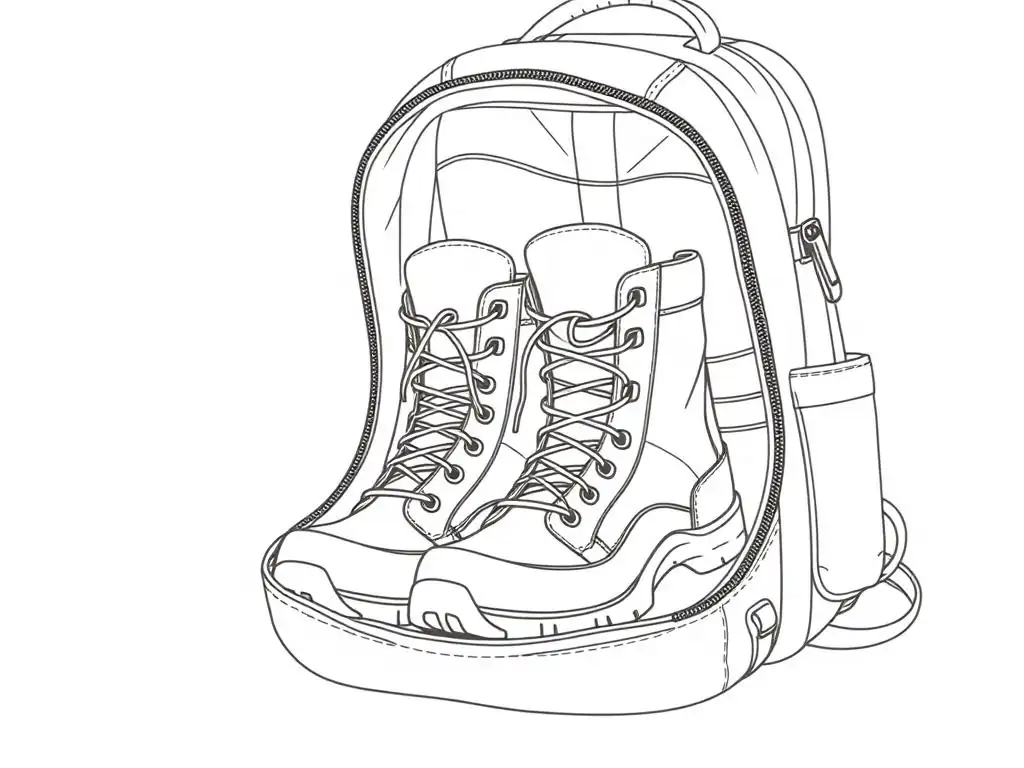
This section focuses on maximizing space and minimizing damage to your prized adventure footwear while traveling. Choosing the best travel shoes adventure isn't just about comfort; it's about ensuring they arrive at your destination in pristine condition, ready to conquer any terrain. We'll explore practical strategies for packing your shoes efficiently and safely, regardless of your trip's duration or mode of transport.
Lightweight Packing Techniques for Travel Shoes
The weight of your footwear significantly impacts your overall pack weight, especially on multi-day treks. Employing lightweight packing techniques is crucial for optimizing your best travel shoes adventure experience. Consider these tips:
- Choose the right materials: Opt for shoes made from lightweight, durable materials like breathable mesh or ripstop nylon. Avoid heavy leather boots unless absolutely necessary for the specific terrain you'll be encountering.
- Stuff your shoes: Don't leave your shoes empty! Stuff them with socks, underwear, or other compressible clothing items to save space and maintain their shape. This also helps to prevent them from getting crushed during transit.
- Compression sacks: Utilizing compression sacks or stuff sacks designed for shoes can significantly reduce their volume. This is particularly helpful for bulky hiking boots or trail runners. These sacks also provide an extra layer of protection.
- Shoe liners: Using lightweight, moisture-wicking shoe liners not only keeps your feet dry and comfortable, but also prolongs the life of your shoes and reduces the need for frequent washing, thus saving space and weight in your backpack.
Remember, every ounce counts! Prioritizing lightweight footwear and employing these techniques will make a noticeable difference in the overall comfort and efficiency of your journey. Optimizing the weight of your best travel shoes adventure is a critical step toward a successful trip.
Preventing Shoe Damage During Transit: Essential Packing Tips
Protecting your shoes from damage during transit is paramount. A damaged shoe can ruin your adventure, so prioritize preventative measures. Here's how to safeguard your best travel shoes adventure:
- Individual shoe bags: Invest in individual shoe bags or stuff sacks. This prevents dirt and debris from transferring to your clothes and other belongings, and it helps maintain the shoes’ shape.
- Proper placement in your luggage: Place your shoes in the bottom of your backpack or suitcase, where they're less likely to be crushed or damaged by other items. Consider placing them in a dedicated shoe compartment if your luggage has one.
- Use padding: Surround your shoes with soft clothing items like sweaters or jackets to act as cushioning and prevent scuffs and scratches. This extra layer of protection is especially important for delicate or expensive footwear.
- Avoid overpacking: Overpacking can lead to damage and discomfort. Pack only what you need, leaving enough space for your shoes to be protected properly.
Best Travel Shoes Adventure: Space-Saving Shoe Organization for Backpacks
Efficient shoe organization is vital for maximizing space in your backpack. Choosing the best travel shoes adventure requires consideration of both functionality and packability. Here are some space-saving strategies:
| Technique | Description | Effectiveness |
|---|---|---|
| Shoe Stuffing | Filling shoes with compressible items. | High |
| Compression Sacks | Using specialized sacks to reduce shoe volume. | High |
| Layering Techniques | Placing shoes at the bottom of the pack, surrounded by softer items. | Medium |
| Separate Shoe Compartment | Utilizing backpacks with a dedicated shoe compartment. | High |
| Lightweight Shoes | Choosing shoes made of lightweight, durable materials. | Very High |
Remember, proper packing significantly impacts the success of your trip. By following these tips, you can ensure that your best travel shoes adventure remain protected and ready for action, no matter the challenge ahead. Careful planning and preparation are key to a seamless and enjoyable adventure!
Maintaining Your Adventure Footwear: On-the-Go Care and Repair
Maintaining your footwear is crucial for a comfortable and successful adventure. Neglecting your shoes can lead to blisters, discomfort, and even injuries, significantly impacting your trip. This section focuses on practical methods for cleaning, repairing, and generally caring for your adventure footwear while on the go. Finding the best travel shoes adventure isn't just about the initial purchase; it's about extending their lifespan and performance throughout your journey.
Cleaning and Drying Your Shoes After a Day of Exploration
After a long day of hiking, trekking, or exploring challenging terrain, your shoes will likely be dirty and possibly damp. Prompt cleaning and drying are vital to prevent the growth of bacteria and mildew, which can cause unpleasant odors and potentially damage the shoe material.
Here's a step-by-step process for cleaning and drying your adventure footwear:
- Remove loose debris: Use a brush (a small, stiff-bristled brush is ideal) to remove mud, dirt, and loose gravel from the exterior of your shoes. Pay close attention to the treads and crevices.
- Wipe down with a damp cloth: Use a damp (not soaking wet) cloth to wipe away any remaining dirt or grime. For stubborn stains, you might use a mild soap solution, but avoid harsh chemicals that could damage the material.
- Air dry thoroughly: Avoid direct sunlight or high heat, as this can damage the materials and accelerate wear. Stuffing your shoes with newspaper or clean cloths can help absorb moisture and maintain their shape. Ideally, let them air dry overnight in a well-ventilated area.
- Deodorize (optional): If your shoes have developed a musty smell, place them in a well-ventilated area with some baking soda to absorb odors. Alternatively, consider using a shoe deodorizer spray.
Remember, proper drying is key to preventing mold and maintaining the integrity of your best travel shoes adventure.
Quick Fixes for Minor Shoe Damage: Impromptu Repairs on the Go
Even the most durable adventure footwear can sustain minor damage during a trip. Being prepared for these eventualities with a small repair kit can save your journey.
Here are some quick fixes for common minor shoe problems:
- Loose laces: Always carry an extra pair of laces. Broken laces can easily disrupt your trip, especially if you're navigating challenging terrain.
- Minor tears or holes: Use strong, waterproof tape (duct tape or gear repair tape) to temporarily patch up small tears or holes. This will prevent further damage and provide a temporary solution until you can make more permanent repairs.
- Blisters: Prevention is key, but if you do get a blister, use a blister plaster to protect it and reduce friction.
- Loose soles: If a small part of your sole starts to peel away, use a strong adhesive (like shoe glue) to reattach it. Ensure the surface is clean and dry before applying the adhesive.
This proactive approach ensures your best travel shoes adventure remain functional throughout your journey, minimizing disruptions and discomfort.
Best Travel Shoes Adventure: Essential Shoe Care Kit for Long Trips
A well-stocked shoe care kit is essential for any adventure traveler. This kit should be lightweight and compact, yet contain the necessary items to address common footwear issues. Here's a suggested list:
| Item | Quantity | Purpose |
|---|---|---|
| Small, stiff-bristled brush | 1 | Cleaning mud and debris |
| Waterproof tape | 1 roll | Repairing minor tears and holes |
| Shoe laces | 1 pair | Replacing broken laces |
| Blister plasters | Several | Protecting and treating blisters |
| Small container of baking soda | 1 | Absorbing odors |
| Shoe glue (small tube) | 1 | Repairing loose soles or other minor damage |
| Small, microfiber cloth | 1 | Cleaning and drying shoes |
This compact kit allows you to maintain your best travel shoes adventure and ensure comfortable travel, no matter the terrain. Remember, prevention is better than cure; regular cleaning and maintenance will prolong the life of your footwear and enhance your overall travel experience. Packing this kit is a simple but impactful step towards a smoother, more enjoyable adventure.
Beyond the Shoes: Essential Accessories for Adventure Foot Comfort
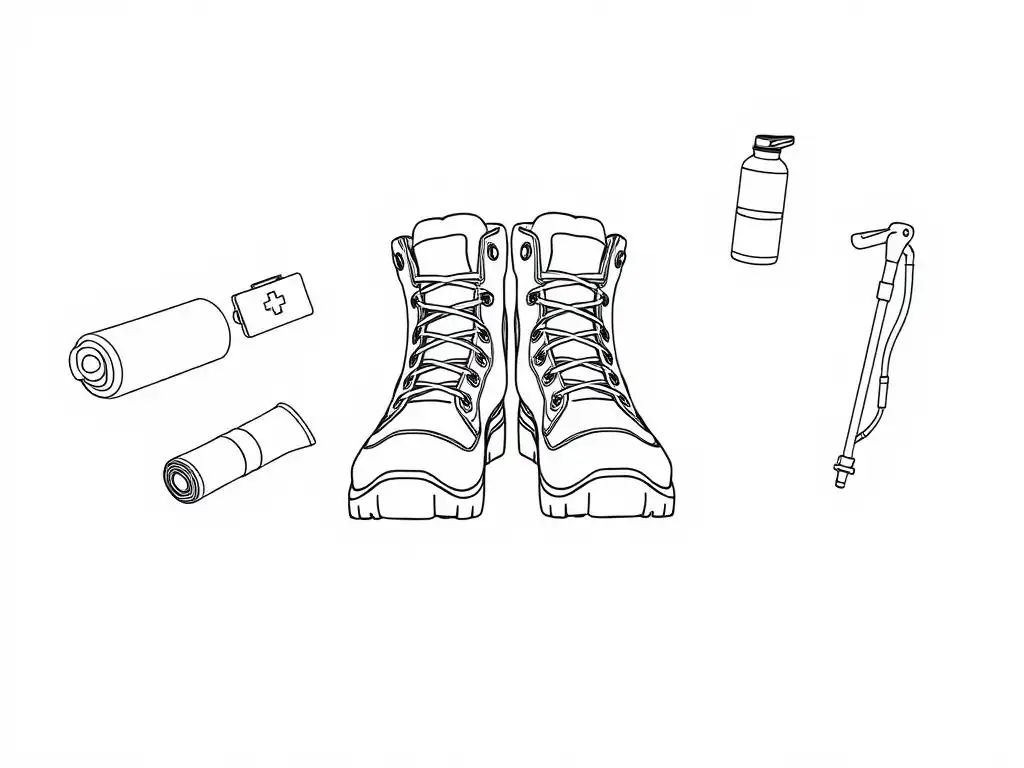
Choosing the best travel shoes adventure is only half the battle. Even the most exceptional footwear can be rendered uncomfortable or even ineffective without the right accessories. Proper foot care is paramount for long days of hiking, exploring, and navigating unpredictable terrain. Neglecting these crucial elements can lead to blisters, discomfort, and ultimately, a less enjoyable trip. Let's delve into the often-overlooked essentials that truly elevate your adventure footwear experience.
The Importance of Moisture-Wicking Socks for Adventure Travel
Moisture is the enemy of comfortable feet. Trapped sweat creates a breeding ground for blisters and fungal infections, quickly turning a thrilling adventure into a painful ordeal. Investing in high-quality, moisture-wicking socks is therefore non-negotiable for any serious adventure traveler. Look for socks made from materials like merino wool or synthetic blends designed to draw sweat away from your skin and keep your feet dry.
The difference between cotton socks and performance socks is night and day – you'll appreciate the superior comfort and reduced risk of blisters. Consider bringing several pairs to change throughout the day, especially during longer treks or in humid climates. Remember, a dry foot is a happy foot, and happy feet equal happy adventures!
Insoles and Orthotics for Enhanced Comfort and Support
For many, the built-in insoles of even the best travel shoes adventure aren't sufficient for all-day comfort, particularly on uneven terrain. Custom orthotics offer unparalleled support and cushioning, but pre-made insoles can significantly improve comfort and reduce foot fatigue. Consider insoles that provide extra arch support, cushioning, or targeted support for specific foot problems. These can be a game-changer for individuals with pre-existing foot conditions or those planning particularly strenuous adventures.
Choosing the right insole depends on your individual needs and the type of activities you'll be undertaking. Experiment with different types to find what works best for you. Investing in good insoles is an investment in your comfort and the longevity of your adventures.
Best Travel Shoes Adventure: Foot Protection and First-Aid Essentials
Even with the best preparation, accidents can happen. A comprehensive first-aid kit specifically for foot care is an essential part of any adventure traveler's packing list. This should include blister plasters (various sizes), antiseptic wipes, pain relief medication, and any personal medications relevant to foot conditions. Beyond the immediate treatment of injuries, consider packing items like moleskin (for friction prevention), athletic tape (for supporting injured areas), and nail clippers (to prevent ingrown toenails).
Don't forget a small, lightweight pair of scissors for cutting tape or removing stubborn debris. Being prepared for minor injuries can prevent them from escalating and ruining your trip. Remember, prevention is key, but preparedness is crucial for a successful and comfortable adventure. This proactive approach ensures you're equipped to handle any unforeseen foot-related issues that might arise, keeping you on the trail and enjoying the journey.
Budget-Friendly Options for Durable and Reliable Adventure Footwear
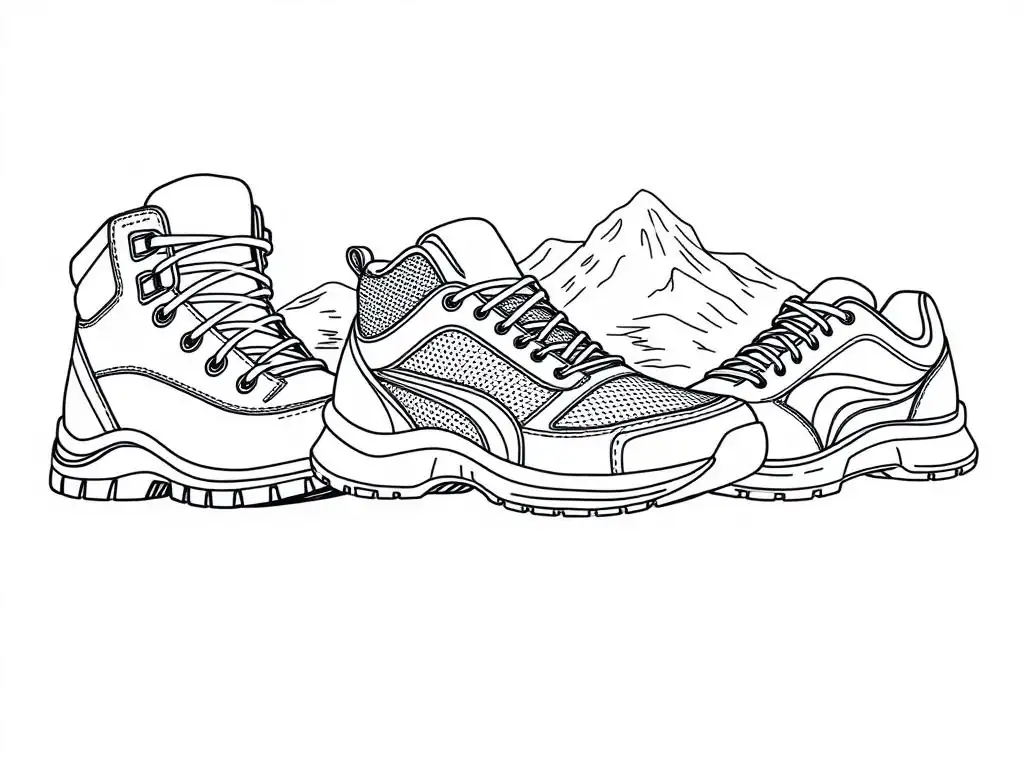
Finding the best travel shoes adventure doesn't necessitate emptying your wallet. Many durable and reliable options exist without breaking the bank. The key is to prioritize functionality over brand recognition and to understand the materials and construction that contribute to a shoe's longevity.
Finding Quality Adventure Shoes Without Breaking the Bank
Prioritizing features over flashy logos is crucial when seeking budget-friendly yet dependable adventure footwear. Look for shoes constructed with robust materials like durable nylon mesh uppers for breathability and abrasion-resistant rubber outsoles for grip on varied terrains. Consider these features:
- Reinforced Toe Caps: Essential for protecting your toes from rocks and debris encountered during hiking or trekking.
- Ankle Support: Provides stability on uneven surfaces, reducing the risk of sprains and injuries. Mid-cut or high-top designs often offer better support than low-top options.
- Water Resistance: While full waterproof boots are often expensive, many budget options offer water-resistant treatments or materials that repel light moisture.
- Removable Insoles: Allows for easy cleaning and replacement, extending the shoe's lifespan and improving hygiene.
Remember to check reviews from other adventurers. Reading user experiences provides valuable insights into a shoe's real-world performance and durability, often revealing hidden strengths and weaknesses not highlighted in marketing materials. Websites and forums dedicated to outdoor activities are excellent resources for this type of research. Don't underestimate the power of word-of-mouth recommendations from fellow travelers!
Best Travel Shoes Adventure: Secondhand Options and Ethical Considerations
Buying secondhand can significantly reduce the cost of acquiring high-quality adventure footwear. Online marketplaces and consignment shops often offer gently used hiking boots and trail runners from reputable brands at a fraction of their original price. However, careful inspection is paramount. Check for:
- Significant Wear and Tear: Look for excessive wear on the soles, particularly around the heels and toes. Deep cuts or excessive abrasion are indicators of reduced lifespan.
- Structural Damage: Inspect the stitching, ensuring it's intact and secure. Loose stitching can compromise the shoe's structural integrity.
- Insole Condition: Replace worn-out insoles to maintain comfort and hygiene.
- Cleanliness: Thoroughly clean any secondhand shoes before wearing them. This helps remove dirt, bacteria, and potential allergens.
Ethical considerations are also important. Supporting sustainable practices within the outdoor industry is increasingly important. Consider buying from companies committed to ethical manufacturing and sustainable materials. While this might not always be the cheapest option, it contributes to a more responsible and environmentally conscious approach to your adventures.
DIY Shoe Upgrades and Modifications for Added Durability
Extending the life of your adventure footwear can be achieved through simple DIY upgrades and modifications. These cost-effective measures can significantly enhance durability and comfort:
- Resole your shoes: This is a more advanced technique, but if you have the skills or access to a cobbler, resoling can add years to your shoes' life.
- Waterproof your shoes: Apply a waterproof sealant to your shoes to protect them from water damage. Various sprays and coatings are readily available.
- Replace worn-out laces: New laces improve the fit and security of your footwear. Consider using durable, high-quality laces designed for outdoor activities.
- Add gaiters: Gaiters prevent debris from entering your shoes, protecting them from damage and keeping your feet cleaner.
By combining budget-conscious purchasing strategies with proactive maintenance and upgrades, you can equip yourself with reliable and durable adventure footwear without compromising your travel budget or your commitment to sustainable practices. Finding the best travel shoes adventure is achievable for everyone! 👟
Advanced Techniques for Extreme Adventure Travel Footwear
This section delves into advanced techniques for choosing and maintaining footwear specifically designed for extreme adventure travel. We'll move beyond basic recommendations and explore specialized solutions for diverse and challenging environments. Finding the best travel shoes adventure isn't just about comfort; it's about safety and performance in demanding conditions.
Selecting Footwear for Specific Extreme Environments (e.g., High Altitude, Water Activities)
Choosing the right footwear is paramount for extreme adventures. The best travel shoes adventure will vary drastically depending on your destination and activities. For example, high-altitude trekking demands boots with exceptional insulation and ankle support to combat cold, thin air, and uneven terrain. Look for features like Gore-Tex liners for waterproofing and breathability, stiff soles for stability on rocky paths, and robust construction to withstand harsh conditions. Consider the weight too; lighter boots are preferable for long treks, but heavier boots might offer superior protection in extremely rugged areas.
Conversely, water activities like kayaking or river trekking require entirely different footwear. You'll need shoes that are lightweight, quick-drying, and provide excellent grip on wet surfaces. Neoprene water shoes or sandals with robust soles are ideal choices. Consider drainage features to prevent waterlogging and ensure comfort throughout the day. The key here is to find a balance between protection and agility, prioritizing features that address the specific demands of aquatic environments. Remember to always prioritize safety, selecting footwear that offers secure footing even when wet.
Here's a table summarizing ideal footwear choices for different extreme environments:
| Environment | Recommended Footwear Type | Key Features |
|---|---|---|
| High Altitude Trekking | Insulated Mountaineering Boots | Gore-Tex lining, stiff sole, ankle support |
| Desert Trekking | Lightweight Hiking Boots | Breathable materials, good ventilation |
| Water Activities | Neoprene Water Shoes/Sandals | Quick-drying, drainage, robust sole |
| Jungle Trekking | Lightweight Hiking Shoes | Breathable, water-resistant, good traction |
| Rock Climbing | Climbing Shoes | Durable rubber sole, precise fit |
Best Travel Shoes Adventure: Specialized Footwear for Rock Climbing and Hiking
For rock climbing and hiking, specialized footwear is essential for safety and performance. The best travel shoes adventure in this context often means prioritizing features that enhance grip, precision, and durability. Climbing shoes, for instance, are designed with sticky rubber soles that provide exceptional adhesion to rock faces. They often feature a snug fit to maximize sensitivity and control. Different types of climbing shoes exist, catering to various climbing styles and preferences. Consider factors like stiffness, downturn, and asymmetry when selecting the right pair.
Hiking, on the other hand, benefits from hiking boots or shoes that offer ankle support, cushioning, and good traction on varied terrains. Look for features like waterproof membranes, durable construction, and aggressive tread patterns. The level of support and cushioning will depend on the intensity and terrain of your hikes. For longer, more challenging hikes, consider investing in high-cut boots that provide more ankle stability. Remember that even for experienced hikers, proper footwear is crucial for preventing injuries. A well-fitting, supportive pair of hiking boots can be the difference between a successful trek and a painful experience.
Foot Care and Prevention Strategies for Long-Distance Trekking
Long-distance trekking places significant stress on your feet. Preventing blisters and other foot problems is crucial for enjoying your adventure. The best travel shoes adventure are useless without proper foot care. Before you embark on your journey, ensure your footwear fits correctly. Avoid shoes that are too tight or too loose. Break in new shoes gradually to prevent discomfort and blisters.
During your trek, pay attention to your feet regularly. Check for any signs of blisters, chafing, or hotspots. Treat minor issues promptly to prevent them from worsening. Carry blister plasters and other essential first-aid supplies. Consider using foot powder to absorb moisture and prevent friction.
Proper sock selection is also vital; moisture-wicking socks made from merino wool or synthetic materials are ideal for long-distance trekking. They help keep your feet dry and reduce the risk of blisters. Remember, proactive foot care is essential for a successful and enjoyable adventure. Ignoring foot care can seriously jeopardize your journey. Prioritize your foot health; it's an investment in your overall adventure experience.
Frequently Asked Questions
What makes a shoe ideal for adventure travel?
The best travel shoes for adventure need to be durable, comfortable for long periods of wear, and offer good support and traction on varied terrain. Consider lightweight materials and water resistance as bonus features.
Are hiking boots necessary for all adventures?
No, hiking boots are great for serious hikes, but often overkill. Consider the specific activities planned. Versatile trail runners or lightweight hiking shoes might suffice for many adventures.
How can I break in my new travel shoes before a trip?
Avoid blisters by wearing your shoes around the house for increasing durations before your trip. Walk on different surfaces to simulate varied terrain. Consider using breathable socks.
What features should I prioritize when choosing travel shoes for hot climates?
Prioritize breathability to prevent sweaty feet. Look for lightweight materials and quick-drying properties. Consider shoes with good ventilation.
How do I pack my travel shoes efficiently to save space in my luggage?
Stuff clean socks inside your shoes to maintain their shape and save space. Consider using shoe bags or placing them in a dedicated compartment of your luggage to keep them separate from other items.
Final Reflection: Stepping into a World of Adventure
The right footwear isn't just about comfort; it's the foundation upon which unforgettable adventures are built. Choosing wisely can mean the difference between a triumphant summit and a painful retreat, a seamless journey and a hobbled experience. This article has explored the crucial elements of selecting the best travel shoes for adventure, highlighting the importance of fit, durability, and versatility in conquering diverse terrains.
The impact of proper footwear extends far beyond the physical. It's about empowerment, about feeling confident and prepared to embrace the unknown. The freedom to explore without the constant worry of blisters or inadequate support is invaluable. As the renowned explorer, Sir Ranulph Fiennes, once said: There's no such thing as bad weather, only unsuitable clothing.
This sentiment applies equally to footwear; the right shoes can transform a challenging journey into an exhilarating one, allowing you to fully immerse yourself in the experience.
Now, consider your own adventures. What terrains await you? What challenges will you face? Remember the lessons learned here – prioritize fit, research materials, and consider the specific demands of your journey. Don't let ill-fitting shoes hold you back from reaching your full potential. Embrace the power of preparation, choose your footwear wisely, and step confidently into the world of adventure.
Unleash Your Inner Explorer: Step into Adventure!
Thank you for joining us on this journey into the world of adventure footwear! We hope you've discovered valuable tips to make your next trek more comfortable and successful. Ready to put your new knowledge to the test?
- Invest in the Perfect Pair: Take the time to carefully choose footwear that meets your specific needs and adventure style. Consider the terrain, climate, and type of activity.
- Share Your Wisdom: Tell us about your favorite footwear in the comments below—we love hearing from fellow adventurers! Let's build a community of expert hikers together!
- Test Your Limits (Responsibly!): Plan your next adventure and put your enhanced footwear knowledge to the test in the great outdoors. Remember to always prioritize safety and preparation.
What surprising footwear tip will you try first to enhance your next outdoor expedition?