
Smart Home Security Hacks: Protect Your Loved Ones


Dive into the world of UltimateLifeHacks and unlock the secrets to a more efficient and fulfilling life! We're dedicated to providing practical tips and tricks that streamline your daily routine. But what if you could enhance your security while simultaneously boosting your productivity? This month, we’re exploring the crucial topic of Smart Home Security tips, offering actionable strategies to protect your loved ones and your peace of mind. Ready to discover how to integrate cutting-edge technology into your home security system? Let's get started!
- Enhancing Smart Home Security: Essential Tips and Tricks
- Leveraging Smart Home Technology for Proactive Security
-
Advanced Smart Home Security Strategies
- Setting up Multi-Factor Authentication for Enhanced Protection
- Employing Smart Home Security Automation for Proactive Defense
- Monitoring and Analyzing Smart Home Security Data for Potential Threats
- Exploring Smart Home Security System Integrations with Professional Monitoring Services
- Leveraging AI-Powered Security Features for Enhanced Threat Detection
- Addressing Potential Smart Home Security Vulnerabilities
- Building a Comprehensive Smart Home Security Plan
-
Frequently Asked Questions
- What are the most important smart home security features to prioritize?
- How can I make my smart home less vulnerable to hacking?
- Are smart home security systems really worth the investment?
- Can I integrate my existing security system with smart home devices?
- What are some simple, low-cost ways to improve my home's security?
- Final Reflection: Securing Our Connected Future
- Level Up Your Home Security Today!
Enhancing Smart Home Security: Essential Tips and Tricks
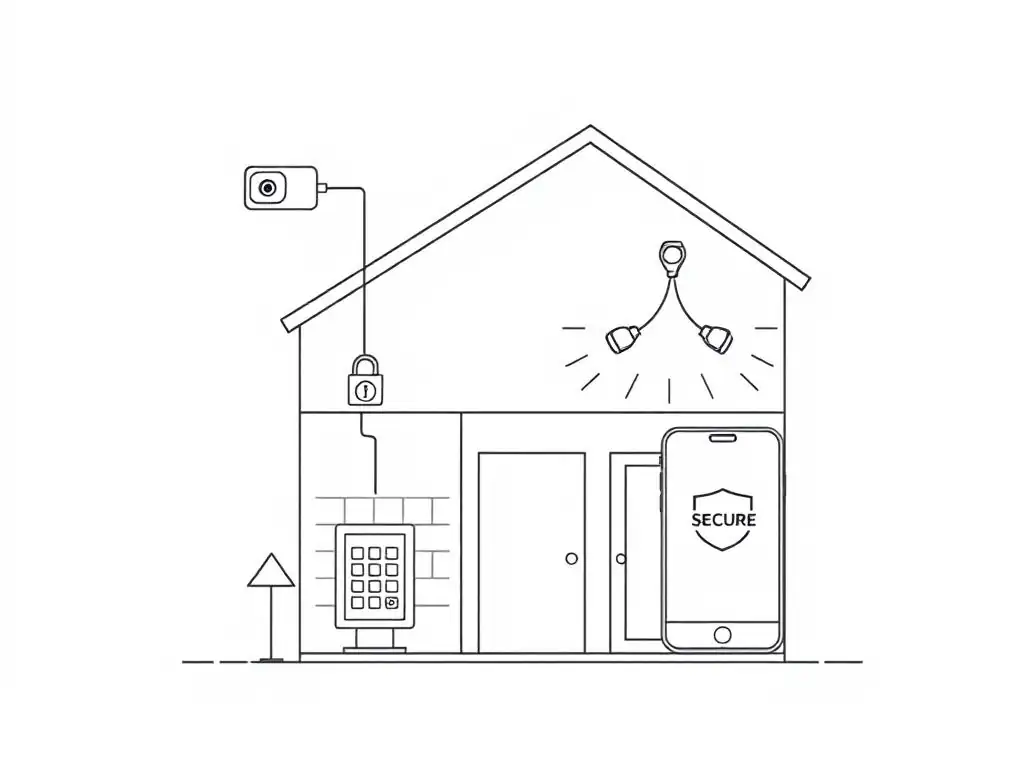
Protecting your home and loved ones is paramount, and in today's interconnected world, smart home technology offers both incredible convenience and potential vulnerabilities. This guide delves into practical, actionable smart home security tips to bolster your defenses and create a safer, more secure environment. We'll explore strategies to safeguard your network, manage passwords effectively, and maintain updated software—all crucial elements in optimizing your smart home security posture.
By implementing these smart home security tips, you can significantly reduce your risk and enjoy the peace of mind that comes with knowing your home is well-protected. This guide focuses on practical applications and readily available solutions, making these smart home security tips easy to integrate into your existing setup. Let's dive into the details and transform your smart home into a fortress of security.
Strengthening Your Wi-Fi Network for Enhanced Smart Home Security
A robust and secure Wi-Fi network forms the bedrock of any effective smart home security system. Weak Wi-Fi signals and easily guessable passwords are open invitations to intruders. Consider these steps to fortify your network:
- Strong Passwords: Avoid simple passwords like "password123". Use a combination of uppercase and lowercase letters, numbers, and symbols. Aim for a password length of at least 12 characters. Password managers can help you generate and securely store complex passwords.
- WPA3 Encryption: Ensure your router uses the latest WPA3 encryption protocol for robust data protection. Older WPA2 protocols are vulnerable to various attacks.
- Regular Password Changes: Change your Wi-Fi password every three months, or even more frequently if you suspect any unauthorized access.
- Two-Factor Authentication (2FA): Enable 2FA wherever possible on your router and smart home devices. This adds an extra layer of security, requiring a second verification step beyond your password.
- Firewall Activation: Make sure your router's firewall is enabled. This acts as a barrier, blocking unauthorized access attempts.
- Network Segmentation: Consider segmenting your network, creating separate networks for your smart home devices and other devices like computers and phones. This limits the impact of a potential breach.
Password Management: Best Practices for Smart Home Devices
Each smart home device typically requires its own unique password. Managing numerous passwords can be challenging and often leads to weak or reused passwords. Here's how to improve your password management strategy:
- Unique Passwords: Use a different password for every smart home device. Reusing passwords significantly increases your vulnerability.
- Password Manager: Employ a reputable password manager to generate, store, and manage your passwords securely. These tools can create complex passwords and autofill them for you.
- Regular Password Audits: Periodically review and update your smart home device passwords. This helps to identify and eliminate any weak or compromised passwords.
- Avoid Default Passwords: Never use default passwords provided by manufacturers. Change them immediately upon installation.
- Multi-Factor Authentication (MFA): Enable MFA wherever offered on your smart home devices. This adds an extra layer of security and significantly reduces the risk of unauthorized access.
Regular Software Updates: A Crucial Security Measure for Smart Home Systems
Manufacturers regularly release software updates to patch security vulnerabilities. Neglecting these updates leaves your smart home devices exposed to potential attacks.
- Automatic Updates: Enable automatic software updates on all your smart home devices whenever possible. This ensures that your devices are always running the latest, most secure versions.
- Check for Updates Regularly: If automatic updates are not an option, manually check for updates at least once a month.
- Read Release Notes: Before installing an update, review the release notes to understand what changes are included and whether any security vulnerabilities are being addressed.
- Prioritize Updates: Prioritize updates for devices with direct access to your network or those controlling critical systems like door locks or security cameras.
- Device Compatibility: Before updating, ensure that the update is compatible with your other smart home devices and your network infrastructure.
Implementing these smart home security tips will significantly enhance the protection of your home and family. Remember, a proactive approach to security is crucial in today's digital landscape. Staying informed and consistently updating your security measures is key to maintaining a secure and peaceful home environment.
Smart Home Device Placement for Optimal Security Coverage
Strategic placement of your smart home security devices is paramount to achieving comprehensive protection. Poorly positioned devices create blind spots, rendering your system less effective. Think of it like a well-planned military operation – every unit needs to be strategically located to maximize its impact. Neglecting this crucial aspect can leave your home vulnerable to intrusion.
Consider the layout of your home. For example, a single smart camera in the living room might record activity within that space, but it won't capture what's happening in the backyard or the front porch. To counteract this, consider using multiple cameras strategically placed around the perimeter of your home. This includes positioning cameras at entry points like doors and windows, as well as covering blind spots like hallways and stairwells. Remember that wide-angle lenses are your friend here; they provide a broader field of view, reducing the number of cameras needed to achieve comprehensive coverage.
Don't underestimate the power of motion sensors. These are particularly effective when placed in areas where intruders are likely to enter or move around. Placing them near windows and doors, coupled with smart lighting, can act as an effective deterrent. Furthermore, consider placing motion sensors in less obvious locations, such as hallways or utility rooms, to trigger alerts if an intruder bypasses your primary security measures. This layered approach maximizes detection opportunities.
Think vertically. Many people focus solely on ground-level security, forgetting about upper-story windows and access points. Installing cameras or motion detectors on upper floors can provide a crucial extra layer of security, especially in multi-story homes. This can deter potential intruders and provide valuable evidence in case of a break-in. Remember to consider the range and capabilities of your devices; some cameras offer wider viewing angles or superior night vision, making them ideal for certain locations.
Finally, regularly review your device placement. As your lifestyle and needs change, so should the placement of your security devices. A new addition to your family, a change in your routine, or even just the growth of landscaping can affect the effectiveness of your security system. Periodically assess your coverage and make adjustments as necessary to ensure optimal protection for your home and loved ones. This proactive approach is key to maintaining a robust and effective smart home security system.
Leveraging Smart Home Technology for Proactive Security
Smart home security isn't just about reactive measures; it's about proactively deterring potential threats and enhancing your peace of mind. By strategically integrating various smart devices, you create a layered security system that offers comprehensive protection for your home and family. This section explores how to leverage technology to create a proactive and effective security strategy, significantly improving your "smart home security tips" arsenal. We'll delve into specific devices and their applications, emphasizing the benefits of a holistic approach. Remember, a truly secure smart home is one where multiple layers of protection work together seamlessly.
Motion Sensors and Smart Lighting: Deterrents and Early Warning Systems
Motion sensors are the unsung heroes of proactive home security. Paired with smart lighting, they create a powerful deterrent and provide early warning of any unusual activity. The principle is simple: unexpected movement triggers the lights, startling potential intruders and alerting you to their presence. This is far more effective than relying solely on passive security measures.
Consider this scenario: a burglar attempts to enter your home through a back window. A strategically placed motion sensor detects the movement, instantly illuminating the area with bright outdoor smart lighting. This sudden burst of light not only discourages the intruder but also sends you an immediate notification on your smartphone. You can then remotely activate your security system or contact the authorities, potentially preventing a break-in entirely. The effectiveness of this system is amplified by strategically positioning multiple motion sensors throughout your property, covering vulnerable areas like walkways, backyards, and garages.
Furthermore, the use of smart lighting extends beyond simple on/off functionality. Many systems allow for customizable schedules and automated routines. For instance, you can program your lights to turn on at dusk and off at dawn, simulating occupancy even when you're away, thereby deterring potential intruders who might be looking for easy targets. This simple yet effective strategy significantly enhances your home's security posture.
Smart Door Locks and Video Doorbells: Remote Monitoring and Access Control
Smart door locks and video doorbells represent a significant advancement in home security, offering remote monitoring and access control capabilities that were previously unimaginable. These devices work in tandem to provide a comprehensive security solution, enhancing both your safety and convenience.
Smart door locks allow you to remotely lock and unlock your doors using your smartphone, eliminating the worry of forgetting your keys. This feature is particularly useful when you're traveling or if you need to grant temporary access to guests or service professionals. Many smart locks also integrate with other smart home devices, such as your security system, allowing for automated responses to specific events. For example, if a motion sensor detects movement near your front door, the smart lock could automatically trigger an alarm, ensuring your home remains secure.
Video doorbells take this security a step further, providing a visual feed of your front porch, enabling you to see and speak to visitors remotely, regardless of your location. They record video footage, providing irrefutable evidence in case of any incidents. Features like motion detection and night vision enhance their effectiveness, ensuring that you're always aware of what's happening at your doorstep, even in low-light conditions. Integrating these features with your security system creates a comprehensive, layered security approach, maximizing protection against potential threats.
Integrating Smart Home Security Systems with Your Smartphone
The true power of smart home security lies in its seamless integration with your smartphone. This integration transforms your phone into a central command center, allowing you to monitor your home's security status, receive alerts, and control various devices remotely, all from the convenience of your pocket. This comprehensive monitoring capability is essential for maintaining a secure and protected home environment.
Many smart home security systems offer dedicated mobile applications that provide a centralized dashboard displaying the status of all connected devices. You can easily check the status of your doors and windows, view live video feeds from your video doorbell and security cameras, and receive immediate notifications in case of any unusual activity. These notifications can range from motion detection alerts to security system breaches, providing you with real-time updates on the security of your home.
Furthermore, many systems allow for remote control of various devices, such as smart lights and locks. This means you can turn lights on or off remotely, creating the illusion of occupancy, and lock or unlock your doors from anywhere in the world. This remote access feature offers significant peace of mind, especially when you're away from home.
The ability to manage your home's security from your smartphone is a game-changer, transforming a passive security system into a dynamic and responsive one, enhancing your overall security and providing a higher level of protection for your family and belongings. This is a crucial aspect of effective smart home security tips.
Utilizing Smart Cameras for Comprehensive Home Surveillance
Smart cameras offer a significant upgrade over traditional security systems, providing comprehensive home surveillance with features that go beyond simple recording. Their integration with other smart home devices allows for sophisticated security measures, significantly enhancing your peace of mind. For example, many models offer motion detection, sending instant alerts to your smartphone if unusual activity is detected.
This proactive approach allows for swift responses to potential threats, unlike passively reviewing footage after an incident. The ability to remotely access live feeds provides a constant visual check on your property, even when you're away. This is particularly useful for monitoring pets, children, or elderly family members.
Furthermore, the quality of video provided by modern smart cameras is remarkably high. Many offer features like night vision, wide-angle lenses, and even two-way audio. Night vision ensures clear footage even in low-light conditions, while wide-angle lenses provide a broader field of view, minimizing blind spots. Two-way audio allows you to speak to anyone near the camera, deterring potential intruders or simply checking in on loved ones. Consider the placement of your cameras strategically to maximize coverage of vulnerable areas such as entrances, windows, and backyards. Many models are also weatherproof, suitable for both indoor and outdoor installation.
Beyond basic recording and live viewing, many smart cameras offer advanced features like facial recognition. This allows the system to identify known individuals, potentially differentiating between family members and strangers. This intelligent feature can help reduce false alarms triggered by familiar faces and focus alerts on genuinely suspicious activity. Some cameras also integrate with cloud storage services, providing secure backups of your recordings, even if your home network experiences an outage.
This redundancy ensures that critical footage remains accessible, regardless of local circumstances. Choosing a camera with robust cloud storage is a crucial aspect of a comprehensive smart home security strategy. Regularly review your camera's settings and ensure the cloud storage plan is sufficient for your needs. Remember to also consider the data usage associated with cloud storage and the camera's live streaming capabilities.
The benefits extend to energy efficiency. Many smart cameras utilize low-power consumption designs, minimizing their environmental impact and reducing your energy bills. This makes them an environmentally conscious choice for enhancing home security.
When selecting your smart cameras, look for models with certifications from reputable security organizations to ensure high-quality construction and reliable performance. Consider factors such as the camera's resolution, field of view, and the type of storage offered to determine the best fit for your specific security needs. A well-planned smart camera system is a valuable investment in the safety and security of your home and loved ones.
Advanced Smart Home Security Strategies
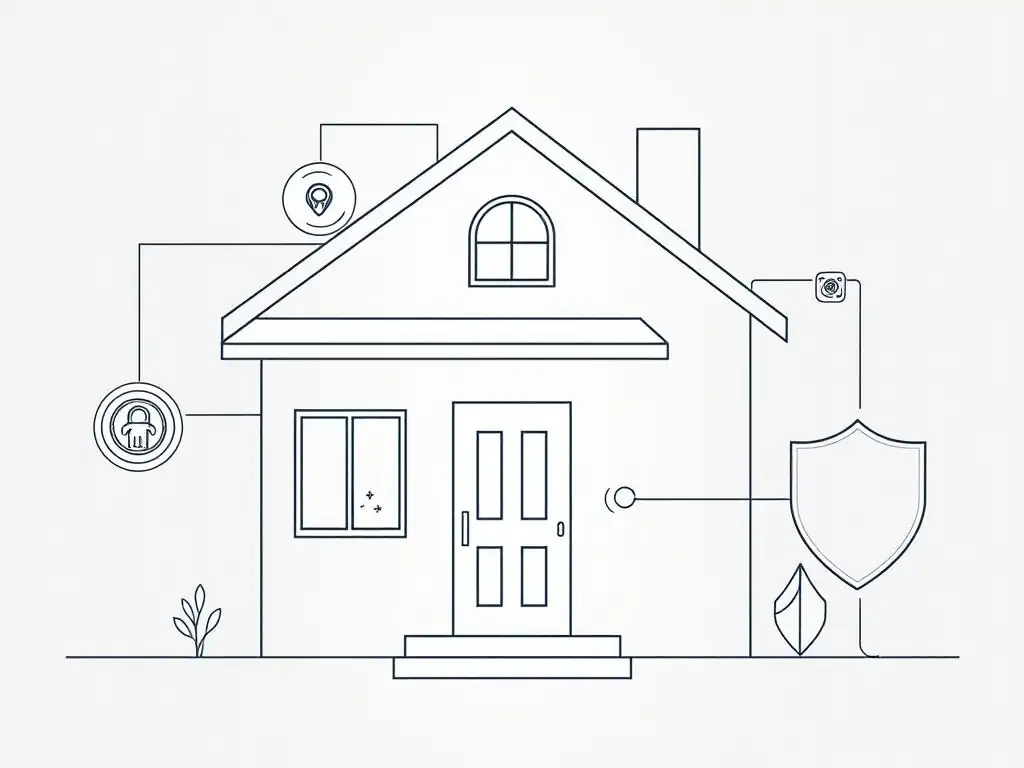
This section delves into sophisticated techniques beyond the basics, enhancing your smart home's security posture significantly. We'll explore strategies that move beyond simple alarm systems and delve into proactive threat detection and mitigation. Remember, layering security measures is key to comprehensive protection – think of it as a fortress with multiple lines of defense. These advanced strategies will bolster your overall smart home security, providing peace of mind and safeguarding your loved ones. Effective implementation of these tips will significantly improve your overall smart home security system.
Setting up Multi-Factor Authentication for Enhanced Protection
Multi-factor authentication (MFA) is no longer a luxury; it's a necessity in today's digital landscape. For your smart home, this means implementing MFA wherever possible. This goes beyond just your primary smart home hub or app. Consider these crucial steps:
- Enable MFA on all connected devices: This includes smart locks, security cameras, smart appliances, and even your Wi-Fi router. Each device offering MFA should have it activated. The more layers of authentication you have, the harder it is for unauthorized access to occur.
- Utilize diverse authentication methods: Don't rely solely on one method. A combination of password, biometric data (fingerprint, facial recognition), and one-time codes (OTP) provides a robust defense. This layered approach makes it exponentially more difficult for hackers to breach your system.
- Regularly review and update MFA settings: Security protocols evolve, and so should your approach. Regularly check for updates and ensure your authentication methods remain strong and up-to-date. This proactive approach is crucial for maintaining optimal security.
For example, your smart lock might offer a PIN code, a Bluetooth key fob, and a one-time code sent to your phone via an app. Using all three simultaneously creates a robust security system, making unauthorized entry extremely difficult. Failing to implement MFA on even one device significantly weakens the overall security of your smart home ecosystem.
Employing Smart Home Security Automation for Proactive Defense
Automation is the cornerstone of effective smart home security. Moving beyond reactive measures (like simply receiving an alert), proactive automation anticipates and prevents potential threats. Here’s how to leverage this:
- Geofencing: Automatically arm or disarm your security system based on your location. When you leave home, the system arms; when you return, it disarms. This eliminates the risk of forgetting to arm your system.
- Scheduled automation: Program your lights to turn on and off at specific times, mimicking occupancy even when you're away. This can deter potential intruders who might be looking for unoccupied homes.
- Integrated sensor responses: Connect motion detectors, door/window sensors, and other sensors to trigger automated responses. For instance, if a motion sensor detects movement in a specific area at night, you might automatically receive an alert and have the lights in that area turn on.
- Smart lighting sequences: Create random lighting schedules to simulate a lived-in home, even when you're away on vacation. This is a simple yet effective deterrent.
The benefits of proactive automation extend beyond simple deterrence. It allows for a faster response time to potential threats, minimizing damage and improving overall security. Failing to utilize automation leaves your smart home vulnerable to a wider range of threats.
Monitoring and Analyzing Smart Home Security Data for Potential Threats
The data generated by your smart home security system is a goldmine of information. Learning to effectively monitor and analyze this data can proactively identify potential threats before they escalate.
- Regularly review security logs: Most smart home systems maintain detailed logs of events. Regularly review these logs for any unusual activity, such as unexpected door unlocks, unusual motion detection patterns, or failed login attempts. This proactive monitoring can reveal subtle signs of a potential breach.
- Utilize data analytics features: Many advanced systems offer data analytics dashboards that highlight trends and anomalies. These tools can identify patterns that might indicate a potential security risk, such as repeated attempts to access your system from an unfamiliar location.
- Set up alerts for suspicious activity: Configure your system to send alerts for specific events, such as unusual access attempts or sensor triggers outside of normal operating hours. Immediate alerts enable prompt responses to security incidents.
- Consider professional monitoring services: For enhanced security, consider subscribing to a professional monitoring service. These services provide 24/7 monitoring of your system and will dispatch emergency services if necessary. This is an extra layer of security for those who want enhanced peace of mind.
Analyzing your smart home security data is not just about reacting to events; it's about proactively identifying and mitigating potential threats before they materialize. This proactive approach is crucial for maintaining a secure and safe smart home environment. Ignoring this aspect significantly increases your vulnerability.
Exploring Smart Home Security System Integrations with Professional Monitoring Services
Integrating your smart home security system with a professional monitoring service significantly enhances your home's protection. This goes beyond the basic notifications you receive on your smartphone. Professional monitoring provides a crucial layer of security, offering 24/7 surveillance and immediate response to potential threats. Instead of simply receiving an alert about a triggered sensor, a monitoring center receives the alert and can dispatch emergency services – police, fire, or medical – directly to your home. This rapid response time can be critical in emergency situations, potentially saving lives and property.
The integration process usually involves subscribing to a monitoring plan offered by either your security system provider or a third-party monitoring service. These plans often include various features, such as professional monitoring for intrusion, fire, carbon monoxide, and medical emergencies. Some services even offer features like video verification, where a monitoring agent can remotely view live video footage from your cameras before dispatching emergency services, ensuring a more accurate and efficient response.
Choosing a reputable monitoring service is vital; ensure they are licensed, insured, and have a proven track record of reliable service. Look for services with robust communication protocols and redundancy measures to minimize downtime and ensure continuous monitoring. Consider factors such as response times, the types of emergencies covered, and the level of customer support offered when selecting a plan.
Investing in professional monitoring adds a significant layer of peace of mind, knowing that trained professionals are actively monitoring your home's security around the clock. This proactive approach can be invaluable in deterring potential intruders and responding swiftly to emergencies. The cost will vary depending on the features and level of service provided, but the benefits often outweigh the expense, particularly for families with young children or elderly residents.
Leveraging AI-Powered Security Features for Enhanced Threat Detection
Artificial intelligence (AI) is rapidly transforming the smart home security landscape. AI-powered features offer a significant leap forward in threat detection and response compared to traditional security systems. These systems utilize sophisticated algorithms to analyze data from various sensors and cameras, identifying potential threats that might be missed by a human operator or a simpler system. For instance, AI can distinguish between a harmless pet and an intruder, reducing false alarms. AI-powered facial recognition can identify known individuals, allowing for customized alerts and notifications.
Furthermore, AI can learn and adapt to your home's patterns and routines, improving its accuracy over time. This adaptive learning helps the system differentiate between normal activity and suspicious behavior. For example, if a window is usually left open during the day but is opened at night, the AI might flag this as unusual activity and trigger an alert. This proactive approach to threat detection is a major advantage of AI-powered security systems.
The potential benefits extend beyond simple intrusion detection; AI can also be used to monitor for other threats like fire, carbon monoxide leaks, and even unusual sounds that might indicate a problem. However, it is important to carefully consider the privacy implications of AI-powered security features. Ensure that the data collected is handled securely and ethically, and understand the system's data retention policies.
The integration of AI into smart home security represents a significant advancement in protecting your home and loved ones. While the technology is constantly evolving, the potential for more sophisticated and effective threat detection is substantial. Choosing a system with robust AI capabilities can significantly enhance your overall security posture.
Addressing Potential Smart Home Security Vulnerabilities
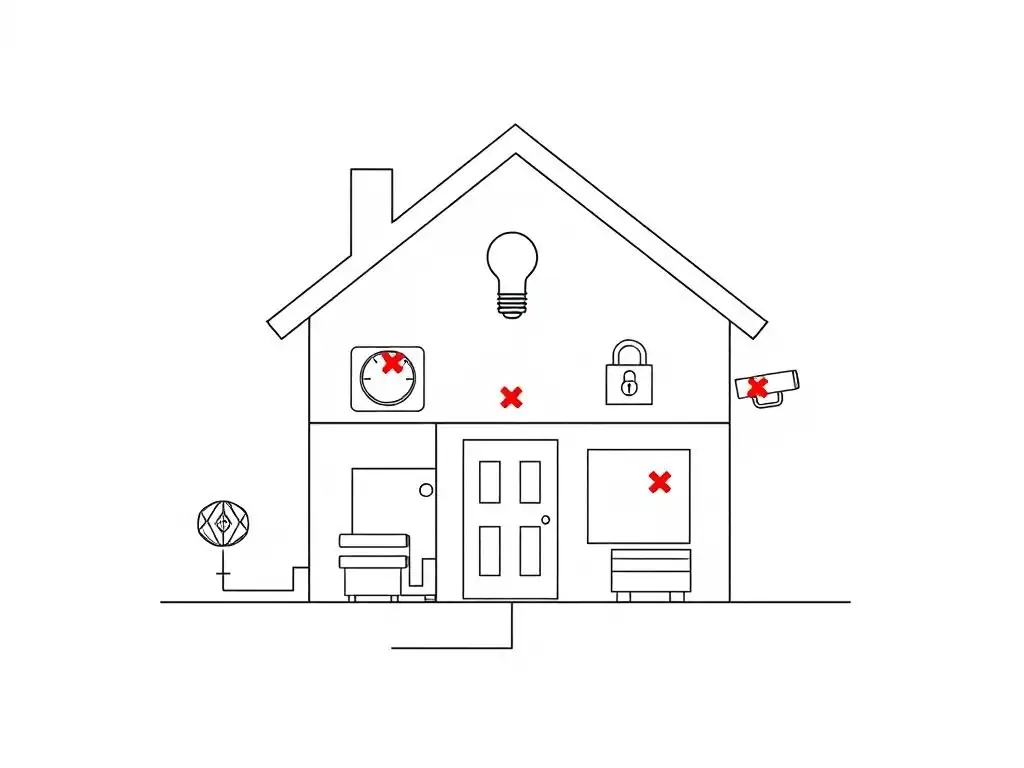
This section delves into the potential vulnerabilities inherent in smart home security systems and offers practical strategies for mitigation. While smart home technology offers unparalleled convenience and control, it also introduces new avenues for potential security breaches. Understanding these vulnerabilities is the first step towards creating a truly secure and protected home environment.
We will explore common threats, the risks associated with specific devices, and practical steps to minimize your exposure to these risks. Effective smart home security requires proactive measures and a layered approach to protection. Remember, a robust security strategy isn't about eliminating all risk—it's about minimizing it to an acceptable level.
Protecting Against Common Smart Home Security Threats and Exploits
Smart home security systems, while innovative, are not immune to common security threats. These threats range from simple password vulnerabilities to more sophisticated attacks exploiting software flaws. Let's examine some of the most prevalent threats and how to counter them:
- Weak or Default Passwords: Many users fail to change default passwords provided by manufacturers. This is a critical vulnerability, easily exploited by malicious actors. Always change default passwords to strong, unique combinations. Consider using a password manager to generate and securely store these passwords.
- Unpatched Software: Outdated firmware and software on your smart home devices create significant security risks. Manufacturers regularly release updates to address vulnerabilities. Ensure all your devices are running the latest software versions. Regularly check for updates and install them promptly.
- Phishing and Social Engineering: Cybercriminals often employ social engineering tactics to gain access to your smart home network. Be wary of suspicious emails, messages, or phone calls requesting personal information or login credentials. Never click on links from unknown sources.
- Man-in-the-Middle Attacks: These attacks intercept communication between your devices and the internet, allowing hackers to steal data or control your devices. Using a strong, encrypted Wi-Fi network is crucial in mitigating this threat. Consider using a VPN for added security, particularly for devices that handle sensitive information.
- Denial-of-Service Attacks: These attacks overwhelm your smart home network, making your devices inaccessible. While less likely to compromise your personal data, they can disrupt your daily routine and leave you vulnerable to other attacks. A strong network infrastructure and robust firewall can help mitigate this risk.
Understanding the Risks of IoT Devices and Smart Home Security
The Internet of Things (IoT) has revolutionized home automation, but it also expands the attack surface for potential security breaches. The sheer number of interconnected devices in a typical smart home increases the probability of a vulnerability. Understanding the risks associated with specific IoT devices is essential for building a resilient security posture.
Consider these points:
- Data Privacy: Many IoT devices collect and transmit personal data, including location information, usage patterns, and even voice recordings. Understanding the data collection practices of your devices and the security measures in place to protect this data is crucial. Prioritize devices with strong privacy policies and robust data encryption.
- Device Vulnerabilities: IoT devices often lack robust security features compared to traditional computing devices. They are frequently less frequently updated with security patches, increasing their vulnerability to exploits. Choose reputable brands with a proven track record of security updates and patches.
- Network Security: A compromised IoT device can serve as an entry point for attackers to access your entire smart home network. Segmenting your network by creating separate networks for IoT devices and other devices can limit the impact of a compromise. Regularly monitor network traffic for suspicious activity.
Mitigating Risks Associated with Voice Assistants and Smart Speakers
Voice assistants and smart speakers offer convenience, but they also present unique security concerns. The constant listening capabilities of these devices raise privacy concerns, and their vulnerability to hacking could compromise your personal information.
Here's how to mitigate these risks:
- Microphone Mute: Physically muting the microphone when not in use is a simple yet effective way to enhance privacy. This prevents unwanted listening and data collection.
- Strong Passwords and Two-Factor Authentication: Utilize strong, unique passwords and enable two-factor authentication whenever possible to secure your voice assistant accounts.
- Review Privacy Settings: Regularly review the privacy settings of your voice assistant and smart speaker, adjusting them to your comfort level. Understand what data is being collected and how it is being used.
- Be Mindful of What You Say: Remember that your voice assistant is constantly listening. Avoid discussing sensitive information, such as passwords or financial details, near your device.
By implementing these security measures and remaining vigilant, you can significantly reduce the risks associated with smart home technology and protect your loved ones and your valuable data. Remember, a layered approach to security is the most effective strategy.
Ensuring Data Privacy and Security in Your Smart Home Ecosystem
Protecting your data is paramount when integrating smart home devices. Many devices collect and transmit data, potentially exposing personal information to unauthorized access or misuse. A proactive approach to data privacy is crucial for maintaining a secure smart home environment. This involves carefully considering which devices you bring into your home and understanding their data collection practices.
Look for devices from reputable manufacturers with transparent privacy policies. Avoid devices with vague or overly broad data collection statements. Review the privacy policies before purchasing any device, paying close attention to how your data is used, stored, and protected. Remember, even seemingly innocuous devices like smart light bulbs can collect data about your routines and habits.
Furthermore, strong passwords are essential. Avoid using easily guessable passwords or reusing passwords across multiple devices. Implement unique, strong passwords for each smart home device and account, utilizing a password manager if necessary to help you keep track. Regularly updating passwords strengthens your security posture. Enable two-factor authentication (2FA) wherever possible. This adds an extra layer of security, requiring a second verification method beyond your password, making it significantly harder for unauthorized individuals to access your accounts.
Regular software updates are also critical. Manufacturers frequently release updates that patch security vulnerabilities. Ensure your devices are set to automatically update whenever possible, or make it a routine to manually check for and install updates regularly. Staying current with updates protects your devices against known vulnerabilities that malicious actors might exploit. Failing to update your devices leaves them vulnerable to attacks, potentially compromising your data and the security of your home network.
Finally, understand your network's security. A robust home network is fundamental to securing your smart home devices. A strong and unique Wi-Fi password is essential; avoid using default passwords. Consider using a virtual private network (VPN) to encrypt your internet traffic, adding an extra layer of security, especially if you use public Wi-Fi networks to control your smart home devices remotely.
Regularly review your network's security settings and update your router's firmware to ensure it's running the latest security patches. By implementing these proactive measures, you significantly reduce the risk of data breaches and maintain a secure smart home environment. Remember, a well-protected smart home is a safe smart home.
Building a Comprehensive Smart Home Security Plan
This section delves into the crucial first step in securing your home with smart technology: creating a comprehensive plan. A well-thought-out strategy ensures you invest wisely and achieve optimal protection. Ignoring this planning phase often leads to fragmented systems, security gaps, and wasted resources. Think of it as building a house – you wouldn't start laying bricks without blueprints!
Developing a Personalized Smart Home Security Strategy
Before diving into specific devices, assess your unique needs. Consider factors like the size of your home, your budget, your family's lifestyle, and the level of security you desire. Do you need simple monitoring or a more advanced system with multiple layers of defense?
For instance, a single-person apartment might only require a smart lock, a smart doorbell camera, and motion sensors placed strategically. Conversely, a large family home with multiple entry points might need a more complex system integrating cameras, sensors, smart lighting, and potentially professional monitoring services.
A helpful exercise is to map out your home, identifying potential vulnerabilities. This includes windows, doors, and other access points. Note areas with poor visibility and consider adding smart lighting or cameras to improve surveillance in those spots. Think about potential blind spots and how smart technology can help mitigate those risks. Consider also the routines of your household. Are there specific times when your home is more vulnerable? This can inform your choice of automation features and scheduling options.
Budgeting for Smart Home Security Enhancements
Smart home security isn't a one-size-fits-all proposition; costs vary widely depending on the chosen devices and level of sophistication. Before making any purchases, establish a realistic budget. Prioritize essential components first, such as a smart lock and a security system with basic monitoring capabilities. You can then gradually add more advanced features as your budget allows.
Consider the following cost breakdown example:
| Component | Estimated Cost Range | Notes |
|---|---|---|
| Smart Door Lock | $100 - $300 | Prices vary greatly depending on features and brand |
| Smart Security System | $200 - $500+ (initial) + monthly fees | Initial cost plus recurring subscription fees for monitoring services |
| Smart Doorbell Camera | $100 - $250 | Prices vary based on resolution, features, and cloud storage capabilities |
| Motion Sensors | $20 - $50 each | Cost depends on quantity and features (e.g., pet immunity) |
| Smart Lighting | $15 - $50 per bulb/fixture | Consider energy-efficient options for long-term savings |
Remember to factor in installation costs, especially for complex systems. Professional installation can be more expensive but offers peace of mind. Some DIY options are available, but they may require technical expertise. Also, plan for potential maintenance and replacement costs over the lifespan of your system.
Choosing the Right Smart Home Security Devices and Systems
The market offers a plethora of smart home security devices and systems. Carefully evaluate your needs and research different options before making a purchase. Consider factors like compatibility, ease of use, and integration with other smart home devices.
- Smart Locks: Choose a lock with features like keypads, mobile access, and auto-locking capabilities.
- Security Cameras: Look for high-resolution cameras with features such as night vision, motion detection, and two-way audio. Cloud storage for recorded footage is a valuable feature to consider.
- Motion Sensors: These sensors detect movement and trigger alerts, often integrating with lighting or camera systems. Consider models with pet immunity to avoid false alarms.
- Smart Lighting: Smart bulbs can be programmed to turn on and off at specific times, creating the illusion of occupancy even when you're away. This is a powerful deterrent against potential intruders.
- Smart Home Hubs: A central hub can integrate and manage various smart home devices, providing a unified interface for monitoring and control. This simplifies system management and enhances overall security.
Choosing the right smart home security devices and systems is paramount for achieving effective protection. Thorough research and careful consideration of your specific requirements will ensure a safe and secure living environment. Remember to read reviews and compare features before committing to a purchase. A layered approach, combining multiple security technologies, offers the most robust protection.
Regularly Reviewing and Updating Your Smart Home Security Measures
Regularly reviewing and updating your smart home security system is crucial for maintaining optimal protection. Think of it like a yearly car check-up – preventative maintenance is key. Cybersecurity threats are constantly evolving, and your system needs to adapt. Outdated software or firmware can create vulnerabilities that hackers can exploit. This is especially important with smart home devices, which are often connected to the internet and could potentially be compromised.
A comprehensive review should encompass several key areas. First, check for software updates for all your connected devices. Many smart home systems will automatically notify you of updates, but it's good practice to manually check periodically. Look for updates to your security system's central hub, as well as individual devices like smart cameras, door locks, and sensors. Failing to update these components can leave significant gaps in your security.
Next, assess the placement and functionality of your security devices. Have you added new furniture or made changes to your home's layout that might obstruct sensors or cameras? Regularly test your system to ensure everything is working properly. Try triggering your alarm system, checking your camera feeds, and verifying the functionality of your smart locks. This proactive approach ensures you're aware of any malfunctions before they become a security risk.
Beyond the technical aspects, review your security protocols. Have you changed any passwords recently? Are your passwords strong and unique? Consider using a password manager to help you create and manage complex passwords for your smart home devices. Also, review your user access permissions. Ensure that only authorized individuals have access to your system and that you regularly revoke access for anyone who no longer needs it. This can prevent unauthorized access even if someone manages to gain your password.
Finally, consider expanding your security measures as your needs evolve. Perhaps you've noticed blind spots in your camera coverage, or you're looking for additional layers of protection. Regularly evaluating your system allows you to identify areas for improvement and proactively address potential weaknesses before they're exploited. This commitment to ongoing improvement will significantly enhance the effectiveness of your smart home security plan and provide your family with the peace of mind they deserve. Remember, a proactive approach to smart home security is the best way to ensure your protection against evolving threats.
Frequently Asked Questions
What are the most important smart home security features to prioritize?
Prioritizing reliable smart locks, a high-quality security camera system with cloud storage, and motion detectors connected to a smart alarm system will provide a strong foundation for your smart home security. Consider features like two-factor authentication for extra protection.
How can I make my smart home less vulnerable to hacking?
Use strong, unique passwords for each device and enable two-factor authentication wherever possible. Keep your firmware updated on all devices and be cautious about downloading apps from untrusted sources. Regular security audits are also recommended.
Are smart home security systems really worth the investment?
Yes, absolutely! Smart home security offers increased convenience, enhanced monitoring capabilities, and remote access to your home's security, providing peace of mind and potentially lowering insurance premiums. The investment in protection is invaluable.
Can I integrate my existing security system with smart home devices?
Many smart home devices are compatible with existing security systems, allowing for seamless integration. Check the compatibility of your chosen devices before purchasing to ensure smooth operation and avoid unexpected issues. Consult with a professional if unsure.
What are some simple, low-cost ways to improve my home's security?
Well-lit exterior spaces deter intruders. Reinforce exterior doors and windows. Consider using smart plugs to simulate occupancy when away. Simple measures can significantly improve your home's security without breaking the bank.
Final Reflection: Securing Our Connected Future
The vulnerabilities of smart home technology are not abstract threats; they are real-world risks impacting millions. Ignoring these risks leaves our families and homes increasingly exposed in an increasingly interconnected world. The convenience of smart home devices shouldn't come at the cost of our safety and security.
The pervasive nature of smart home technology means its impact on our lives is only going to grow. We are witnessing a fundamental shift in how we interact with our homes and the security measures we rely on. This shift demands a proactive approach, a constant vigilance against evolving threats. The price of liberty is eternal vigilance,
and this holds true for the security of our digital lives as well. As we integrate more devices into our homes, we must remain informed and adapt our security practices accordingly. This isn't just about protecting our possessions; it's about protecting our families and our peace of mind.
You now possess the knowledge to safeguard your smart home effectively. Take the time to review the security measures discussed, implement the recommended practices, and regularly update your systems. Don't let the convenience of smart technology overshadow the crucial need for robust security. Your proactive approach will not only protect your home but also empower you to navigate the evolving landscape of smart home security with confidence and peace of mind.
Level Up Your Home Security Today!
Thank you for learning about smart home security! You now have the knowledge to significantly improve your family's safety and peace of mind. Ready to take action?
- Prioritize your most vulnerable entry points: Identify your home's weakest points—such as windows and doors—and reinforce them. This might involve installing stronger locks or adding exterior lighting.
- Test your current security system: Don't just glance at it; thoroughly check your alarm system, security cameras, and smart home devices to ensure they are functioning correctly and meet your needs.
- Share this information: Spread the word! Share these essential home security tips with friends and family to help build a safer community.
What's one small step you can take today to improve your home's security?