
Digital Detox: The Key to Unlocking Your Creativity and Potential


Ready to unlock your creative potential and reclaim your time? At UltimateLifeHacks, we delve into practical strategies for a more efficient and fulfilling life. This week, we explore the surprising link between digital detox and a significant boost in creativity. Discover how disconnecting can lead to unexpected breakthroughs – and learn how to implement a digital detox that works for you. Dive in and discover the transformative power of digital minimalism!
- Understanding the Link Between Digital Overload and Creative Block
-
Digital Detox Strategies for Boosting Creativity
- Planning Your Digital Detox: Setting Realistic Goals and Expectations
- Creating a Screen-Free Environment: Minimizing Digital Stimuli
- Identifying and Eliminating Digital Time-Wasters: Prioritizing Activities
- Exploring Offline Activities to Stimulate Creativity: Engaging in Hobbies and Mindfulness Practices
- Practical Techniques for a Successful Digital Detox
- Maintaining a Balanced Digital Life After Your Detox
- Reaping the Benefits of a Digital Detox: Enhanced Focus, Productivity, and Creativity
- Digital Detox and Enhanced Creativity: A Long-Term Strategy
- Frequently Asked Questions
- Final Reflection: Reclaiming Your Mind in a Digital Age
- Rediscover Your Creative Spark: Take the Digital Detox Challenge!
Understanding the Link Between Digital Overload and Creative Block
Digital detoxing isn't just a trendy buzzword; it's a crucial strategy for unlocking your creative potential and reclaiming your time. In today's hyper-connected world, we're constantly bombarded with notifications, emails, and social media updates, leading to a state of perpetual digital overload. This constant stimulation fragments our attention, hindering our ability to focus deeply and engage in the kind of mindful thinking necessary for innovative breakthroughs.
This article explores the detrimental effects of excessive digital consumption on creativity, offering practical strategies to implement a digital detox and experience a significant boost in your creative output. We'll delve into how reducing digital distractions can lead to improved focus, enhanced innovative thinking, and a renewed sense of energy and inspiration. The benefits extend beyond simply feeling less stressed; a digital detox can be the key to unlocking your true creative potential and achieving a more balanced, fulfilling life.
This is particularly relevant for those seeking to improve their productivity and overall well-being in our increasingly digital age. The goal is to understand how to effectively manage our digital consumption to maximize our creative potential, and to experience the benefits of a more intentional approach to technology use.
The Impact of Constant Connectivity on Focus and Attention
Our brains are not designed for the constant barrage of information characteristic of our digital age. Constant connectivity, while seemingly enhancing communication, significantly impacts our ability to focus and maintain attention. Studies show that multitasking, fueled by constant digital notifications, reduces productivity and impairs cognitive function. 1 The constant switching between tasks weakens our ability to concentrate on a single activity for an extended period, a crucial element in creative problem-solving. This fragmented attention leads to what psychologists call "attention residue," where our minds continue to process information from previous tasks, hindering our focus on the current one. This is particularly detrimental to creative pursuits which often require sustained periods of deep, focused concentration. Imagine trying to write a novel while constantly checking your emails – the flow of thought is disrupted, and the creative process is stifled. The result is a decrease in both the quality and quantity of creative work produced. This impact is not simply anecdotal; research consistently demonstrates a correlation between excessive digital use and decreased attention spans.
How Digital Distractions Inhibit Innovative Thinking
Digital distractions don't just fragment our attention; they actively inhibit innovative thinking. The constant stream of information from social media, news feeds, and emails keeps our brains in a state of low-level anxiety and stimulation. This prevents the mind from wandering freely, a crucial aspect of the creative process.
Many groundbreaking ideas arise from periods of "incubation," where the unconscious mind works on a problem without conscious effort. Constant digital stimulation prevents this crucial incubation period, leaving us unable to access those deeper, more creative insights. Moreover, the algorithmic nature of many digital platforms often reinforces existing thought patterns and biases, limiting our exposure to diverse perspectives and hindering our ability to think outside the box.
This can lead to creative stagnation and a lack of originality. We become trapped in echo chambers of information, limiting our ability to generate truly innovative ideas. The constant influx of readily available information also diminishes our willingness to engage in the hard work of deep thinking and creative exploration necessary to develop truly novel concepts.
Recognizing the Signs of Digital Exhaustion and its Effect on Creativity
Digital exhaustion is a real phenomenon, characterized by fatigue, irritability, and difficulty concentrating. It's a direct result of the constant stimulation and mental effort required to navigate the digital world. The symptoms often overlap with those of burnout, including reduced motivation, feelings of overwhelm, and a decreased capacity for creative output.
Recognizing the signs of digital exhaustion is crucial for implementing a successful digital detox. These signs might include: increased procrastination, difficulty focusing on tasks, feelings of anxiety or restlessness even when offline, sleep disturbances, and a general lack of motivation. When we are digitally exhausted, our creativity suffers.
Our minds are simply too tired to engage in the demanding work of generating novel ideas and solutions. This exhaustion manifests as a creative block, hindering our ability to produce high-quality work and leaving us feeling frustrated and uninspired. Addressing this exhaustion through a digital detox is essential to reignite our creative spark and regain our mental clarity.
1 [Specific study details pending]
Digital Detox Strategies for Boosting Creativity
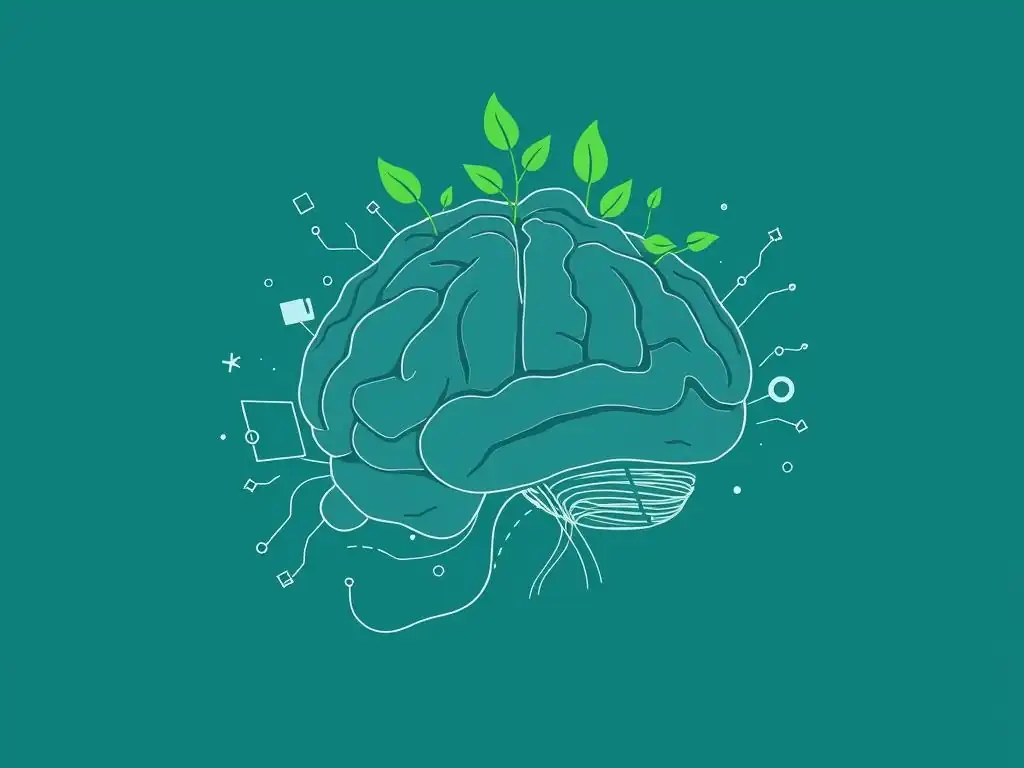
This section delves into practical strategies to implement a digital detox, focusing on how minimizing digital distractions can significantly boost your creative potential. We'll explore actionable steps to plan your detox, create a screen-free environment, and identify time-wasting digital habits. Remember, a successful digital detox isn't about complete abstinence; it's about mindful consumption and reclaiming control over your time and attention. This is key to unlocking your inherent creativity and achieving a more balanced, fulfilling life. The benefits of a digital detox for creativity are numerous, and we’ll explore how to maximize them.
Planning Your Digital Detox: Setting Realistic Goals and Expectations
Successfully undertaking a digital detox requires careful planning and realistic goal setting. Jumping into a complete digital fast without preparation can lead to frustration and failure. Instead, start small and gradually increase the duration and intensity of your detox.
For instance, you could begin with a one-hour screen-free period each day, focusing on activities that stimulate your creativity, such as drawing, writing, or playing a musical instrument. Gradually extend this period over several weeks, eventually aiming for a full day or even a weekend completely disconnected.
Consider these practical steps:
- Choose a timeframe: Start with a manageable period, maybe a single afternoon or an evening.
- Identify your triggers: What apps or activities tempt you to reach for your phone or computer?
- Plan alternative activities: What creative pursuits will you engage in instead? Have a list ready!
- Tell someone: Share your plans with a friend or family member for accountability.
- Track your progress: Note how you feel before, during, and after your detox periods. This helps gauge your success and adjust your strategy accordingly.
Remember, consistency is key. Even short, regular digital detoxes can yield significant improvements in focus, creativity, and overall well-being. Don’t be discouraged by occasional slips—it's a process, not a race. The key is to keep experimenting and finding what works best for you.
Creating a Screen-Free Environment: Minimizing Digital Stimuli
A crucial aspect of a successful digital detox is creating a physical environment that minimizes digital stimuli. This means actively reducing the presence of screens and digital devices in your space.
Consider these practical steps to create a screen-free haven:
- Designate a "digital-free zone": Choose a specific area in your home, such as your bedroom or study, where electronics are strictly prohibited during your detox periods.
- Turn off notifications: Silence or disable notifications on your phone and computer to reduce interruptions and temptations.
- Put devices out of sight: Place your phone and other devices in a drawer or another room to limit their visibility.
- Use website blockers: If necessary, employ website blockers to prevent yourself from accessing distracting websites or social media platforms during your detox time.
- Embrace analog alternatives: Replace digital entertainment with analog activities, like reading a physical book, listening to vinyl records, or engaging in a hobby that doesn't involve screens.
By actively minimizing the presence of screens and digital devices in your immediate environment, you create a more conducive atmosphere for focused work and creative thinking. This conscious effort to reduce digital stimuli is a powerful step towards a more balanced and fulfilling life, enhancing your creative output significantly.
Identifying and Eliminating Digital Time-Wasters: Prioritizing Activities
A key component of a successful digital detox involves identifying and eliminating digital time-wasters. Many digital activities, while seemingly innocuous, can significantly drain your time and energy, hindering your creative process.
To identify your digital time-wasters, consider tracking your digital activity for a few days. Many smartphones and computers provide built-in tools to monitor app usage. Alternatively, you can manually log your screen time. This data will reveal which apps or websites consume the most of your time. Once you identify these time sinks, you can start to consciously reduce your usage.
Here's a practical approach:
| Time Waster Category | Example Activities | Strategies to Reduce Usage |
|---|---|---|
| Social Media | Checking Facebook, Instagram, etc. | Set time limits, use app blockers, schedule specific check-in times |
| Constantly checking emails | Check emails at designated times only, turn off notifications | |
| Online Shopping | Browsing e-commerce sites | Unsubscribe from marketing emails, avoid browsing during free time |
| Streaming Services | Watching TV shows, movies | Limit streaming time, choose specific shows in advance |
| Gaming | Playing video games | Set time limits, choose specific games, find alternative hobbies |
By consciously addressing these time-wasting activities, you free up valuable time and mental energy that can be redirected toward more fulfilling and creative pursuits. This prioritization is essential for maximizing the positive impact of your digital detox on your creativity and overall well-being. Remember, it’s about quality time, not just quantity.
Exploring Offline Activities to Stimulate Creativity: Engaging in Hobbies and Mindfulness Practices
Engaging in offline activities is crucial for a successful digital detox and a significant boost to your creative potential. Stepping away from screens allows your mind to wander, fostering innovative thinking and problem-solving skills often stifled by the constant stream of digital information. This isn't about simply replacing screen time with other activities; it's about consciously choosing pursuits that actively engage your mind in different ways, promoting relaxation and stimulating neural pathways associated with creativity.
One highly effective strategy is to rediscover or cultivate hobbies. Think about activities you genuinely enjoyed before the digital age consumed so much of your time. Perhaps it's painting, playing a musical instrument, writing poetry, knitting, gardening, or even woodworking. These activities offer a tangible outlet for creative expression, allowing you to focus on the process rather than the outcome, a key element in fostering creativity. The satisfaction derived from creating something with your own hands is immensely rewarding and contributes to a sense of accomplishment that transcends the fleeting gratification of digital engagement.
Mindfulness practices play a similarly vital role. Techniques like meditation and deep breathing exercises help quiet the mental chatter often associated with excessive screen time. By calming the mind, you create space for new ideas to emerge.
Studies have shown that mindfulness improves focus, reduces stress, and enhances cognitive flexibility – all essential components of creative thinking. Even short, regular mindfulness sessions can significantly impact your ability to generate novel ideas and approach problems from fresh perspectives. Consider incorporating a 10-15 minute meditation session into your daily routine, focusing on your breath and letting go of distracting thoughts.
The benefits extend far beyond simply boosting creativity; they contribute to overall well-being and stress reduction, further enhancing your creative capacity. The cumulative effect of consistent practice is a noticeable improvement in clarity, focus, and innovative thinking. Remember that the goal isn't to achieve a state of perfect stillness, but rather to cultivate an awareness of your thoughts and emotions without judgment.
Furthermore, consider the power of nature. Spending time outdoors, whether it's a walk in the park, a hike in the mountains, or simply sitting under a tree, can significantly stimulate creativity. Exposure to nature has been shown to reduce stress, improve mood, and enhance cognitive function. The natural world provides a rich source of inspiration, offering a break from the structured and often predictable environment of digital spaces.
Allow yourself to be present in the moment, observing the details of your surroundings, and let your imagination flow freely. You might be surprised at the ideas that emerge when you disconnect from technology and reconnect with the natural world. The combination of mindful engagement with hobbies and the restorative power of nature offers a powerful synergy for unlocking your creative potential.
Practical Techniques for a Successful Digital Detox
This section delves into actionable strategies to successfully disconnect from the digital world and reap the benefits of a digital detox for boosting creativity. We'll explore practical techniques to help you implement a digital detox effectively, leading to a more balanced and fulfilling life. Remember, the goal isn't to completely abandon technology, but to cultivate a healthier relationship with it, maximizing its benefits while minimizing its potential drawbacks. A successful digital detox is about intentional disconnection, not complete isolation.
Mindful Tech Use: Setting Boundaries and Time Limits
One of the most effective ways to initiate a digital detox and boost creativity is by setting clear boundaries around your technology use. This isn't about cold turkey; it's about mindful engagement. Start by identifying your peak productivity times and schedule your most demanding tasks for these periods, minimizing distractions. Then, consciously allocate specific times for checking emails, social media, and other digital activities.
Consider using time-blocking apps or setting timers to enforce these boundaries. For instance, you could dedicate 30 minutes in the morning and 30 minutes in the evening to respond to emails and social media, leaving the rest of your day for focused work and offline activities. Experiment with different schedules to find what works best for your individual rhythm and needs. The key is consistency.
Regularly scheduled digital breaks throughout the day can also significantly improve focus and reduce digital fatigue, indirectly boosting your creative output. Think of it as "digital intermittent fasting" for your brain. This structured approach helps to prevent the constant pull of notifications and allows you to regain control over your attention.
Utilizing Technology Mindfully: Focusing on Intentional Engagement
Even when you are using technology, you can practice mindful engagement. Instead of passively scrolling through social media or mindlessly browsing the internet, consciously choose what you consume. Select specific apps or websites that align with your goals and interests, and limit your time on them. Consider using website blockers or app limiters to aid in this process.
For example, if you're researching for a creative project, focus solely on relevant websites and avoid getting sidetracked by unrelated content. Engage actively with the information you're consuming, taking notes, summarizing key points, and reflecting on what you've learned. This mindful approach transforms technology from a source of distraction into a tool for intentional learning and creative exploration. It's about quality over quantity – fewer, more focused sessions can be far more productive than hours of aimless scrolling.
The Power of Offline Activities: Rediscovering Analog Pastimes
A crucial aspect of a successful digital detox for boosting creativity involves actively engaging in offline activities. These activities provide a much-needed break from the constant stimulation of digital devices, allowing your mind to rest and recharge. Rediscover the joy of analog pastimes like reading physical books, journaling, drawing, painting, playing a musical instrument, gardening, or spending time in nature. These activities stimulate different parts of your brain, fostering creativity and promoting relaxation.
Consider creating a list of offline activities you enjoy or would like to try. Schedule dedicated time for these activities, treating them with the same importance as your digital tasks. For example, set aside an hour each day for a walk in the park, or dedicate an evening to reading a book. By actively engaging in offline activities, you're not only giving your mind a break from screens but also fostering new skills and perspectives, enriching your creative process.
The quiet moments spent away from technology often lead to unexpected bursts of inspiration and innovative ideas. This mindful shift in focus can significantly enhance your creative potential. Remember, a balanced life incorporates both the digital and the analog, and it’s this harmony that truly unlocks creativity.
Digital Detox Apps and Tools: Utilizing Technology for Disconnection
Ironically, technology can be a powerful ally in your quest for a digital detox. Many apps and tools are designed to help you manage your screen time and cultivate healthier digital habits. These aren't about completely eliminating technology, but rather about regaining control and mindful engagement. The key is to use these tools strategically, not as a replacement for conscious effort, but as a supportive aid in your journey. Over-reliance on any app, even a detox app, can ironically become counterproductive.
One approach is to utilize apps that track your screen time. These provide valuable insights into your usage patterns, highlighting which apps consume the most time and at what times of day. This self-awareness is the first crucial step towards making informed decisions about your digital consumption. For example, you might discover you spend an excessive amount of time on social media in the evenings, hindering your sleep quality and impacting your next-day productivity. Armed with this knowledge, you can then consciously adjust your habits.
Another category of helpful apps focuses on limiting your access to specific apps or websites during designated periods. These apps essentially lock you out, preventing impulsive checks and fostering a sense of discipline. You can schedule periods of "digital silence" – for instance, during work hours to enhance focus, or during the evening to promote relaxation and better sleep. This structured approach can be extremely effective in breaking habitual patterns of distraction. Remember to select a time frame that’s realistic and achievable; starting small and gradually increasing the duration is a wiser strategy than aiming for drastic change overnight.
Beyond screen time trackers and access blockers, some apps offer more holistic approaches to digital wellbeing. These might incorporate mindfulness exercises, guided meditations, or even nature sounds to help you cultivate a more balanced relationship with technology. These apps aim to address the underlying reasons for excessive digital engagement, offering tools to manage stress, improve focus, and cultivate a sense of presence. The integration of these mindfulness techniques can significantly enhance the effectiveness of your digital detox.
Remember to choose apps that align with your personal needs and preferences; what works for one person may not work for another. Experiment and find the tools that best support your journey to a more balanced digital life. Ultimately, the most effective digital detox strategy involves a combination of mindful awareness, conscious choices, and the strategic use of technology itself.
Maintaining a Balanced Digital Life After Your Detox
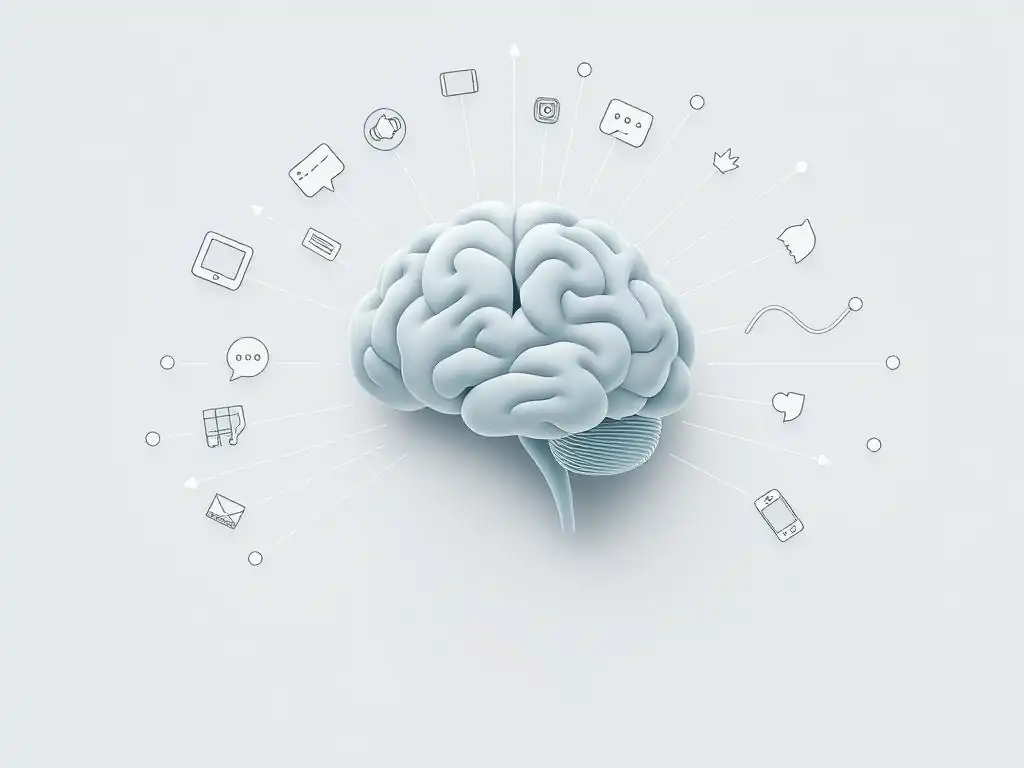
Digital detox isn't a one-time event; it's a journey towards a healthier relationship with technology. Successfully integrating digital detox practices into your daily life requires conscious effort and a long-term strategy. The goal isn't complete abstinence, but rather mindful engagement. Think of it as learning to drive—you need to learn the rules of the road (setting boundaries with technology) before you can navigate safely (use technology effectively and intentionally). The key is to find a balance that works for you, allowing technology to serve your needs without controlling your life.
This balance will vary depending on your profession, personal preferences, and lifestyle. A software engineer will likely have different needs than a freelance writer, for example. The crucial point is to maintain awareness and adjust your approach as necessary. Don't be afraid to experiment and find what truly fosters your well-being and productivity.
Integrating Digital Detox Practices into Your Daily Routine
Implementing a sustainable digital detox involves incorporating specific practices into your daily routine. These might include:
- Scheduled Device-Free Times: Designate specific times each day, such as an hour before bed or during meals, as technology-free zones. This allows for focused time with loved ones, relaxation, and improved sleep quality. Consider using a timer to enforce these periods.
- Mindful Tech Consumption: Instead of passively scrolling through social media, actively choose what you consume. Follow accounts that inspire you, and unfollow those that drain your energy. Engage with content intentionally, rather than mindlessly.
- Technology-Free Activities: Replace mindless scrolling with activities that enhance your well-being. This could involve reading a book, spending time in nature, practicing mindfulness, engaging in hobbies, or connecting with loved ones in person. The goal is to fill your time with activities that enrich your life rather than deplete it.
- Designated Workspaces: Create a clear distinction between work and personal time. Avoid checking personal emails or social media during work hours, and likewise, avoid working during your designated personal time. This compartmentalization can significantly reduce stress and improve focus.
- Regular Digital Audits: Periodically review your app usage and social media feeds. Identify time-wasting apps and accounts, and consider deleting or limiting your engagement with them. Tracking your digital consumption can reveal surprising patterns and help you make informed decisions about your technology usage. Many smartphones provide built-in tools for this.
Sustainable Strategies for Long-Term Digital Wellbeing
Maintaining a balanced digital life is an ongoing process. Here are some long-term strategies to ensure your digital detox efforts remain effective:
- Prioritize Real-Life Connections: Nurture your relationships with friends and family through in-person interactions. Schedule regular meetups, engage in meaningful conversations, and create shared experiences. These connections provide a sense of belonging and purpose that technology cannot replicate.
- Cultivate Self-Awareness: Regularly check in with yourself to assess your technology usage and its impact on your mood, energy levels, and overall well-being. Pay attention to how you feel before, during, and after using technology. This self-reflection is crucial for identifying triggers and developing coping mechanisms.
- Set Realistic Goals: Avoid setting overly ambitious goals that are difficult to sustain. Start small, gradually reducing your screen time and increasing your technology-free activities. Celebrate your successes along the way to maintain motivation.
- Embrace Imperfection: There will be days when you slip up and spend more time on technology than you intended. Don't beat yourself up over it. Acknowledge it, learn from it, and gently redirect your focus back to your goals. Consistency is key, not perfection.
Reaping the Benefits of a Digital Detox: Enhanced Focus, Productivity, and Creativity
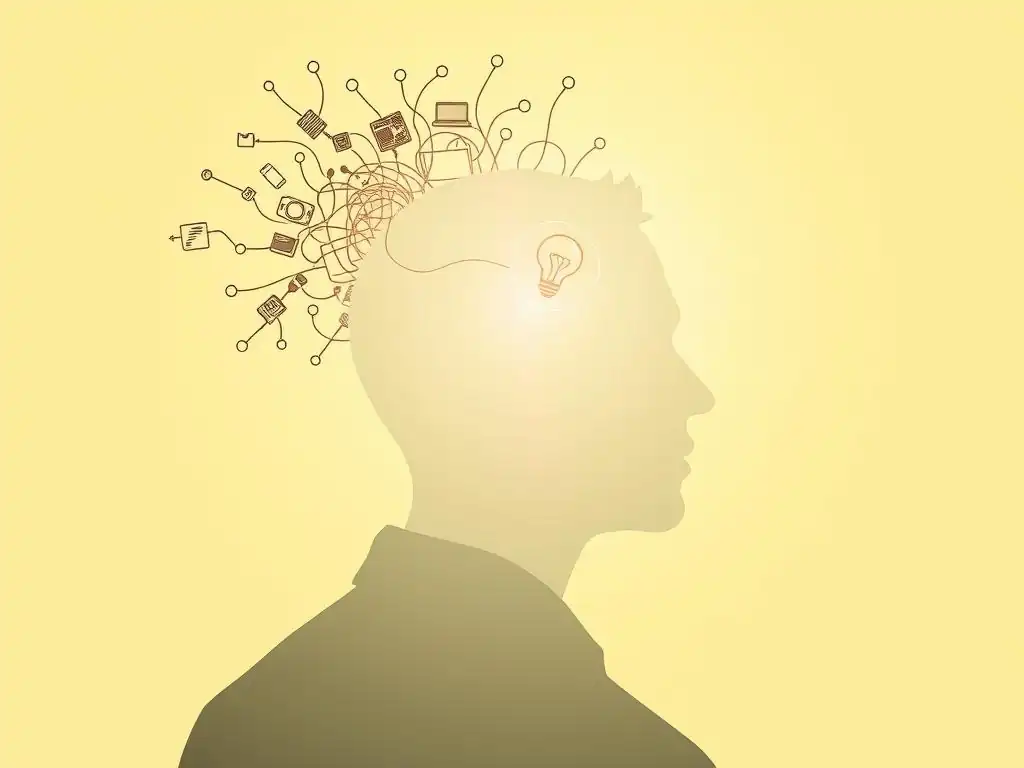
A successful digital detox significantly impacts your cognitive function, leading to enhanced focus, increased productivity, and a boost in creativity. The reduction in constant notifications and distractions allows for deeper concentration and improved task completion. This, in turn, leads to greater efficiency and a sense of accomplishment.
Reaping the Benefits of a Digital Detox: Enhanced Focus, Productivity, and Creativity
The positive effects on creativity are particularly noteworthy. Disconnecting from the constant stream of digital information allows your mind to wander, fostering innovative thinking and problem-solving abilities. Studies have shown that periods of disengagement from technology can lead to increased originality and improved creative output. This is because our brains need time to process information and make connections without the constant barrage of external stimuli.
Think of it as giving your mind the space to breathe and generate new ideas. The reduction in mental clutter allows for clearer thinking and a more focused approach to creative endeavors. This is directly related to the "digital detox boost creativity" many individuals report experiencing. The quietude allows for introspection and the generation of novel solutions.
Furthermore, the increased focus and productivity directly contribute to a more efficient creative process, allowing you to complete projects more effectively and with greater satisfaction. The benefits extend beyond immediate productivity; they foster a sustainable approach to creativity, preventing burnout and promoting long-term creative well-being. This is a crucial element for maintaining a balanced lifestyle and achieving long-term success in creative pursuits.
Digital Detox and Enhanced Creativity: A Long-Term Strategy
Digital detox isn't just about temporarily abstaining from screens; it's a strategic approach to cultivating a healthier relationship with technology to boost creativity and overall well-being. Think of it as a long-term investment in your mental and creative capital. The immediate benefits are noticeable – reduced stress, improved sleep – but the sustained advantages for your creative output are what truly make it worthwhile.
This section delves into how a mindful approach to technology can unlock your creative potential, leading to more innovative thinking and higher productivity. We'll explore practical strategies to integrate a digital detox into your daily life and reap its long-term rewards. The key is not complete abstinence, but rather conscious consumption.
Cultivating a Mindful Relationship with Technology
A mindful relationship with technology isn't about rejecting all digital tools. It's about consciously choosing when and how to engage with them. This involves setting boundaries, prioritizing real-world interactions, and scheduling dedicated "digital-free" time. Consider these practical steps:
- Designated Device-Free Zones: Create specific areas in your home, like your bedroom or dining room, where technology is prohibited. This encourages more mindful engagement with your surroundings and loved ones.
- Scheduled Digital Breaks: Integrate regular breaks from screens into your daily routine. Even 15-20 minutes of focused time away from devices can significantly reduce mental fatigue and boost concentration. Try the Pomodoro Technique – 25 minutes of focused work followed by a 5-minute break, with longer breaks after several cycles.
- Mindful Social Media Consumption: Instead of passively scrolling, actively choose which accounts to follow and set time limits for social media usage. Engage meaningfully, rather than aimlessly consuming content.
- Technology Curfew: Establish a specific time each day when you disconnect from all devices, at least an hour before bedtime. This allows your mind to unwind and prepare for restful sleep, crucial for creative processes.
This mindful approach helps you transition from reactive technology use to proactive engagement, transforming your screen time from a passive drain on your energy to a more intentional and productive activity.
Sustaining Creativity Through Balanced Digital Consumption
Maintaining a sustained boost in creativity after a digital detox requires a balanced approach. It’s not about permanently abandoning technology, but about integrating it thoughtfully into your life. This involves identifying your digital needs versus your digital wants.
Consider the following:
- Prioritize Essential Apps: Identify the apps that genuinely enhance your productivity and creativity, and uninstall or limit access to the rest. A streamlined digital environment reduces distractions and enhances focus.
- Batch Processing: Group similar digital tasks together (e.g., responding to emails, checking social media) rather than constantly switching between them. This minimizes context switching and improves efficiency.
- Embrace Offline Activities: Actively seek out offline activities that stimulate creativity, such as reading, writing, painting, playing music, or spending time in nature. These activities provide a vital counterpoint to digital stimulation.
- Track Your Progress: Monitor your digital consumption using built-in screen time trackers or apps designed for this purpose. This allows you to identify patterns and adjust your usage accordingly.
By consciously balancing your digital consumption, you can prevent the depletion of your creative energy and maintain a sustained level of innovative thinking.
The Ongoing Benefits of a Digital Detox for Overall Wellbeing
The positive effects of a digital detox extend beyond enhanced creativity. A reduction in screen time contributes significantly to improved overall well-being. These benefits are not merely temporary; they compound over time, leading to a more fulfilling and balanced life.
| Benefit Category | Specific Benefit | Measurable Impact |
|---|---|---|
| Mental Health | Reduced stress and anxiety | Lower cortisol levels, improved mood |
| Physical Health | Improved sleep quality | Increased hours of sleep, better sleep cycles |
| Relationships | More meaningful in-person interactions | Increased quality time with family and friends |
| Productivity | Improved focus and concentration | Increased task completion rates, higher output |
The data supporting these benefits is extensive, with numerous studies demonstrating the negative impact of excessive screen time on mental and physical health. By prioritizing a digital detox, you're investing in your long-term health and happiness, which indirectly fuels your creative potential. A healthier mind and body are better equipped to generate innovative ideas and tackle creative challenges. The "digital detox boost creativity" is more than a catchy phrase; it's a demonstrable outcome of a mindful, balanced approach to technology.
Frequently Asked Questions
What is a digital detox?
A digital detox is a period of time where you disconnect from technology, such as your phone, computer, and social media, to improve your well-being and focus on other activities. It's about consciously reducing your screen time.
How can a digital detox boost my creativity?
By disconnecting from the constant stream of digital information, you allow your mind to wander freely and make new connections. This reduces mental clutter and fosters innovative thinking, leading to increased creativity.
How long should a digital detox last?
The ideal length depends on your needs and goals. It could be anything from a few hours to a few days, or even a full week. Start small and gradually increase the duration as you become more comfortable.
What are some activities I can do during a digital detox?
Engage in activities that stimulate your mind and senses such as reading, spending time in nature, pursuing hobbies, practicing mindfulness, or connecting with loved ones face-to-face. Explore your creative passions without digital distractions.
While a temporary disconnect might seem daunting, it can actually improve your focus and productivity in the long run. Planning your detox in advance and setting boundaries can minimize any potential disruption to your work or social life.
Final Reflection: Reclaiming Your Mind in a Digital Age
The relentless pace of the digital world often leaves us feeling depleted, creatively stifled, and disconnected from ourselves. This constant influx of information and stimulation, while offering undeniable benefits, can hinder our ability to focus, innovate, and truly experience life. The key to unlocking our inherent potential lies in intentionally disconnecting—in embracing the power of a digital detox.
The impact of constant connectivity on our mental and creative well-being is profound and far-reaching. We've explored how digital detox practices can help us regain control over our attention spans, fostering deeper introspection and allowing space for genuine creativity to flourish. This isn't about rejecting technology entirely, but about cultivating a mindful relationship with it. The real voyage of discovery consists not in seeking new landscapes, but in having new eyes.
– Marcel Proust. This quote perfectly encapsulates the transformative power of a digital detox; it's about shifting our perspective and rediscovering the richness of the world around us, both internal and external.
Now, consider your own relationship with technology. How often do you find yourself mindlessly scrolling, losing hours to unproductive digital consumption? I challenge you to experiment with incorporating even small periods of digital detox into your routine. Start with just an hour a day, free from screens, and observe the impact on your focus, your mood, and your creative energy. Embrace the silence, the stillness, and the opportunity to reconnect with yourself and the world beyond the screen. The rewards await.
Rediscover Your Creative Spark: Take the Digital Detox Challenge!
Thank you for exploring the benefits of a digital detox! We hope you've gained valuable insights into how disconnecting can unlock your creativity and improve your well-being. Now, let's put that knowledge into practice.
- Embrace a mindful digital break: Begin gradually—try reducing your screen time by just one hour each day this week. Focus on activities that truly revitalize you. You'll notice the difference!
- Share your experience: Tell us about your digital detox journey—what surprised you? What new creative ideas did you discover? We'd love to hear your story in the comments below.
- Explore offline hobbies: Revisit an old hobby, like playing a musical instrument or painting, or rediscover the pleasure of reading a physical book.
What new creative pursuit will you try first, and how will you fit it into your busy schedule?