
The Productivity App Alternative: When Apps Don't Work


Ready to reclaim your time and boost your productivity without relying on yet another app? UltimateLifeHacks unveils the secrets to achieving peak efficiency, even without the digital distractions. Discover how to dramatically improve your daily routine with our groundbreaking article on "Boost productivity without apps," a game-changer for anyone seeking a simpler, more effective approach to getting things done. Dive in and unlock your hidden potential!
- Understanding App Overload: Why Productivity Apps Fail
- Boost Productivity Without Apps: Effective Offline Strategies
- Alternative Productivity Methods: Beyond the Digital Realm
- Building Sustainable Productivity Habits: Long-Term Strategies
-
Frequently Asked Questions
- What if I don't want to use productivity apps? Are there alternatives?
- How can I improve my focus without relying on app timers or notifications?
- Is it really possible to be more productive without using any productivity apps?
- What are some simple, low-tech methods to improve my workflow?
- Can I still track my progress and measure my productivity without using apps?
- Final Reflection: Reclaiming Your Focus: Beyond the App
- Unleash Your Hidden Productivity Power: Beyond the Apps
Understanding App Overload: Why Productivity Apps Fail
We live in a world saturated with productivity apps promising to streamline our lives. From to-do lists and calendar management to focus timers and note-taking tools, the app store is overflowing with options designed to boost our efficiency. However, for many, the reality is quite different.
Instead of experiencing increased productivity, the sheer number of apps and the constant notifications often lead to overwhelm and decreased efficiency. This article delves into the reasons why productivity apps sometimes fail to deliver on their promises, exploring the hidden costs and offering practical strategies to boost productivity without relying solely on apps. We'll uncover the surprising ways technology can hinder rather than help, and guide you towards simpler, more effective methods to manage your time and tasks.
This isn't about rejecting technology entirely; it's about strategically choosing the tools that truly serve you and avoiding the pitfalls of app overload, ultimately helping you achieve a more balanced and productive lifestyle. Let's explore how you can effectively boost productivity without apps.
The Paradox of Productivity Apps: More Apps, Less Productivity?
The irony is palpable: we download apps to be more productive, yet often end up spending more time managing the apps themselves than actually working. This paradox stems from several factors. First, the constant stream of notifications from various apps can be incredibly distracting. Each ping, buzz, or chime pulls our attention away from the task at hand, fragmenting our focus and hindering deep work.
Second, the sheer number of apps can become overwhelming. Choosing the right tool for each task, switching between interfaces, and keeping track of progress across multiple platforms consumes valuable time and mental energy. Third, many apps, while well-intentioned, are poorly designed, lacking intuitive interfaces or offering features that are ultimately unnecessary or even counterproductive.
This leads to frustration and a sense of being bogged down by technology, rather than empowered by it. Consider this: the time spent learning to use a new app, customizing its settings, and troubleshooting glitches could be better spent on the actual task itself. Many people find that a simpler approach is significantly more effective.
Before seeking alternative strategies, it's crucial to pinpoint the specific areas where your productivity apps are falling short. Are you struggling with:
- App Overload: Do you have too many apps vying for your attention, leading to confusion and distraction?
- Notification Overload: Are constant notifications disrupting your workflow and hindering focus?
- Context Switching: Do you spend excessive time switching between different apps, impacting your concentration and efficiency?
- App Complexity: Are the apps themselves too complicated to use effectively, leading to frustration and wasted time?
- Lack of Integration: Do your apps not integrate well with each other, requiring manual data entry and increasing the risk of errors?
To identify your personal bottlenecks, honestly assess your app usage. Track how much time you spend in each app, the frequency of notifications, and the overall impact on your productivity. This self-assessment will reveal areas needing improvement and inform the selection of more effective, streamlined strategies. A simple pen and paper can be surprisingly effective in this process.
Recognizing the Signs of App-Induced Stress and Inefficiency
The negative impact of excessive app usage extends beyond wasted time. App-induced stress and inefficiency manifest in several ways:
- Increased Anxiety: The constant influx of information and notifications can lead to feelings of overwhelm and anxiety.
- Reduced Focus: Frequent interruptions make it harder to concentrate on tasks, leading to decreased productivity and increased error rates.
- Procrastination: The allure of checking notifications or browsing social media within apps can lead to procrastination and avoidance of important tasks.
- Sleep Disturbances: The blue light emitted from screens and the constant stimulation from notifications can interfere with sleep quality.
- Burnout: The relentless pressure to stay connected and constantly manage various apps can contribute to burnout and decreased overall well-being.
Recognizing these signs is critical for taking proactive steps to mitigate the negative effects of technology overload and reclaim control over your time and mental well-being. A more mindful and strategic approach to technology is essential for long-term productivity and overall happiness. The solution often lies not in more apps, but in a more intentional and balanced use of technology.
Boost Productivity Without Apps: Effective Offline Strategies
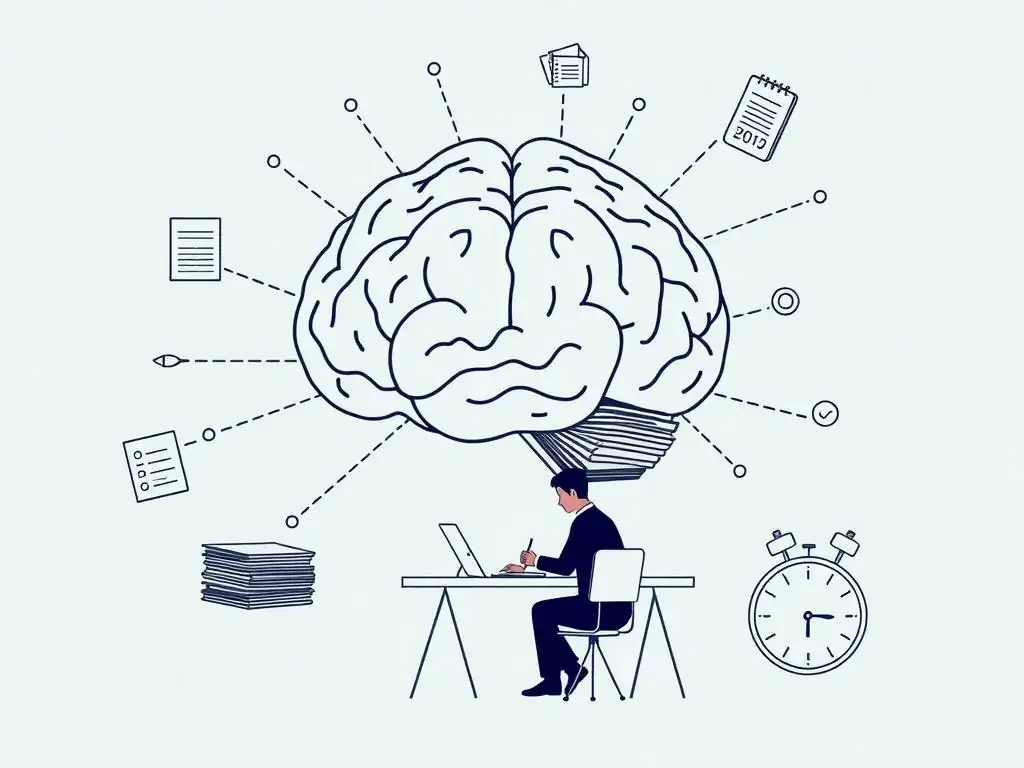
This section explores powerful productivity techniques that don't rely on apps, proving that boosting productivity without apps is entirely achievable. We'll examine methods that leverage tried-and-true offline strategies for enhanced focus and efficiency. These techniques are readily adaptable to various lifestyles and work environments, offering a refreshing alternative to the often-distracting digital world. Let's delve into how you can reclaim your time and boost your productivity without the need for any digital tools.
Prioritizing Tasks: The Power of a Simple To-Do List (Pen and Paper)
The humble to-do list, often overlooked in our app-obsessed world, remains a surprisingly effective productivity tool. A pen and paper offer a tangible, immediate way to capture tasks and prioritize them visually. The act of physically writing down tasks engages a different part of your brain, improving memory retention and fostering a sense of accomplishment as you cross items off your list.
Forget complex app features; the key is simplicity. Start by brainstorming all your tasks for the day. Then, categorize them by urgency and importance using a system like the Eisenhower Matrix (Urgent/Important, Important/Not Urgent, Urgent/Not Important, Not Urgent/Not Important). This allows you to focus on high-impact activities first. You can further refine your list by assigning estimated completion times to each task, helping you manage your workload realistically.
Consider using different colored pens to highlight priorities or deadlines. This visual cue aids in quick task identification and prioritization. Experiment with different list formats – numbered lists, bullet points, or even mind maps – to find what suits your style best. The goal is to create a system that's easy to maintain and consistently effective in guiding your day. Many find that the tactile nature of writing and checking off tasks provides a satisfying sense of progress, enhancing motivation and reducing stress.
Time Blocking: Scheduling Your Day for Maximum Efficiency Without Digital Tools
Time blocking, a powerful productivity technique, can be implemented effectively without relying on digital calendars. This method involves allocating specific time slots to particular tasks in your day. By physically scheduling your day on a paper planner or whiteboard, you create a visual representation of your time commitments, promoting better focus and preventing task-switching.
For optimal results, be realistic about how long each task will take. Overestimating time allotments leads to scheduling conflicts and frustration. Allocate buffer time between tasks to accommodate unforeseen delays or interruptions. This prevents a domino effect of schedule disruptions.
Consider using a simple color-coding system to differentiate between task types (e.g., work, personal, appointments). This visual distinction aids in understanding your daily schedule at a glance. Regularly review and adjust your time blocks as needed. Flexibility is key to maintaining a sustainable and productive system. The key is to create a schedule that works for you, not one dictated by an app's rigid structure.
The Pomodoro Technique: Harnessing Focused Work Sessions Offline
The Pomodoro Technique is a time management method that promotes focused work sessions interspersed with short breaks. While readily available as an app, its core principles are easily implemented offline. All you need is a timer (a kitchen timer or even a simple clock will suffice) and a willingness to commit to focused work periods.
The standard Pomodoro cycle consists of 25 minutes of focused work followed by a 5-minute break. After four Pomodoros, take a longer break of 15-20 minutes. This structured approach helps maintain concentration and prevents burnout. The beauty of the offline Pomodoro Technique lies in its simplicity and adaptability. You can easily adjust the work and break intervals to fit your individual needs and energy levels.
Crucially, during your focused work sessions, eliminate all distractions. This means turning off notifications, putting your phone away, and creating a quiet workspace. Use the breaks to stretch, walk around, or engage in a relaxing activity to refresh your mind before returning to your work. Consistent application of the Pomodoro Technique, even without a dedicated app, can significantly improve focus and overall productivity. It’s a testament to the power of simple, effective strategies in boosting productivity without apps.
Utilizing the Eisenhower Matrix for Urgent/Important Task Management
The Eisenhower Matrix, also known as the Urgent-Important Matrix, is a powerful tool for prioritizing tasks and boosting productivity without relying on any apps. This simple yet effective method helps you categorize tasks based on their urgency and importance, allowing you to focus your energy where it matters most. It's a fantastic offline strategy for anyone looking to improve their time management and reduce stress.
The matrix uses a 2x2 grid, dividing tasks into four quadrants:
- Quadrant 1: Urgent and Important: These are crises, deadlines, and pressing problems that require immediate attention. Examples include a last-minute presentation due tomorrow or a critical client call. Addressing these tasks is crucial to prevent negative consequences. Focus on completing these first.
- Quadrant 2: Important but Not Urgent: These are tasks that contribute to your long-term goals but don't have immediate deadlines. Examples include planning, relationship building, exercise, or professional development. These are often neglected, but they are key to preventing future crises and maximizing your potential. Proactively scheduling time for these tasks is vital for long-term productivity.
- Quadrant 3: Urgent but Not Important: These are often interruptions and distractions that steal your time and energy without contributing much value. Examples include some emails, some meetings, or responding to non-critical requests. Delegate these tasks whenever possible, or learn to say "no" to avoid getting bogged down.
- Quadrant 4: Neither Urgent nor Important: These are time-wasting activities that offer little to no benefit. Examples include excessive social media scrolling, watching unproductive TV shows, or engaging in pointless chatter. Eliminating these activities is crucial for freeing up valuable time and mental energy.
Successfully using the Eisenhower Matrix involves more than just categorizing tasks. It requires self-awareness and discipline. Regularly reviewing your task list and honestly assessing the urgency and importance of each item is crucial. The goal is to minimize time spent in Quadrants 3 and 4 and maximize time spent in Quadrant 2, proactively preventing problems before they become urgent.
This proactive approach significantly boosts productivity and reduces stress levels, all without needing a single app. Consider using a simple pen and paper, or even a whiteboard, to visualize your matrix and track your progress. The simplicity of the system is its strength – it's easily adaptable to any situation and requires no technological dependencies.
Alternative Productivity Methods: Beyond the Digital Realm
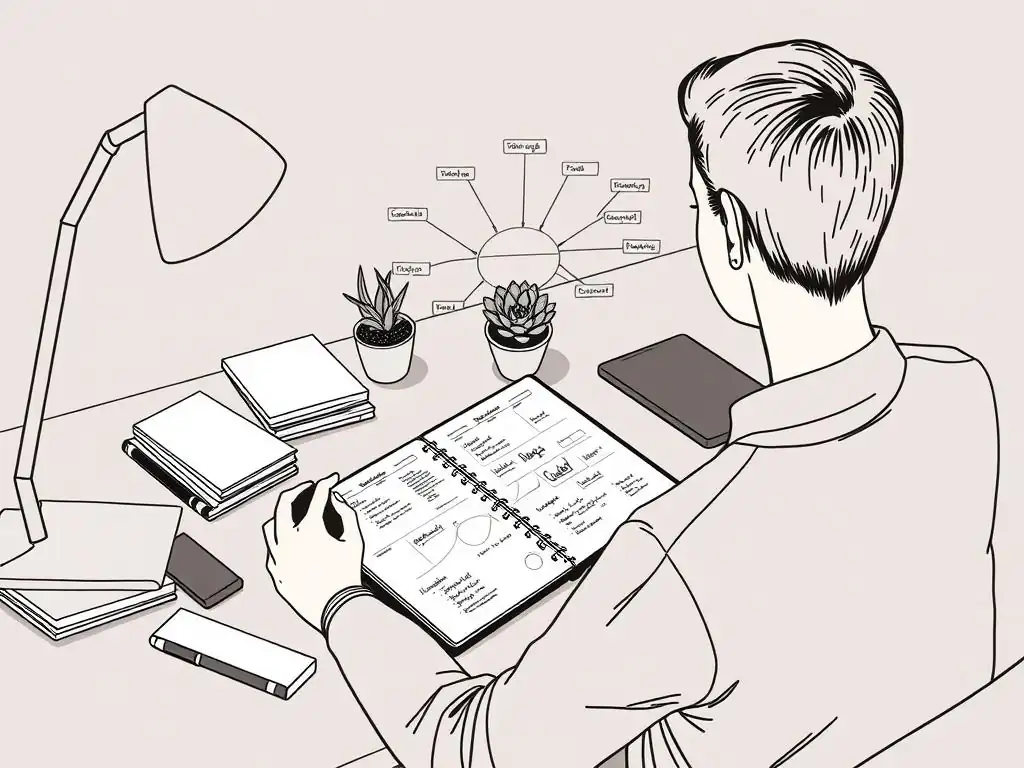
This section explores effective strategies to boost productivity without relying on apps. While productivity apps offer convenience, they can also be distracting and counterproductive. This exploration focuses on proven methods that leverage your innate abilities and tangible resources to achieve peak efficiency. We'll examine techniques that can help you escape the app-driven productivity trap and reclaim control of your time. The goal is to understand how to boost productivity without apps, using tried-and-true, offline methods.
Mindfulness and Focus Techniques: Cultivating Concentration Without Apps
Many people find that the constant notifications and alerts from productivity apps ironically reduce their productivity. Instead of relying on digital solutions, consider harnessing the power of mindfulness and focus techniques. These methods, honed over centuries, offer a powerful alternative to app-based productivity solutions. They are readily accessible, requiring no downloads or subscriptions.
Mindfulness practices, such as meditation and deep breathing exercises, can significantly improve focus and reduce mental clutter. Even short, 5-10 minute sessions can make a noticeable difference in your ability to concentrate on tasks. Studies show that regular meditation improves attention span and reduces stress, both key factors in boosting productivity. 1
Techniques like the Pomodoro Technique, while sometimes implemented via apps, are equally effective using a simple timer (even a kitchen timer!). Working in focused bursts with short breaks built-in allows for sustained concentration without the need for digital intervention. This approach helps to manage energy levels and prevents burnout, leading to improved overall productivity. Experiment with different work/break intervals to find what best suits your individual needs and rhythm.
Physical Organization: Decluttering Your Workspace for Improved Flow
A cluttered workspace often reflects a cluttered mind. Physical organization plays a crucial role in boosting productivity, and it's entirely app-free. Decluttering your workspace can dramatically improve your focus and efficiency. Imagine the difference between searching for a misplaced document in a chaotic pile versus instantly locating it in a well-organized filing system. This simple shift can save you countless minutes each day.
Consider these steps for decluttering your workspace:
- Purge: Get rid of anything unnecessary – old papers, unused supplies, etc.
- Categorize: Group similar items together.
- Contain: Use drawers, boxes, and organizers to keep things tidy.
- Clean: Regularly wipe down surfaces to maintain a fresh and organized environment.
By creating a visually appealing and functional workspace, you create an environment conducive to concentration and efficient work flow. This simple, tangible change can significantly impact your daily productivity and overall well-being. The positive impact on your mental clarity alone is a significant productivity boost.
Leveraging External Resources: Calendars, Planners, and Notepads
While digital calendars and to-do lists are popular, traditional methods offer several advantages. Physical planners and notepads provide a tactile experience that can enhance focus and memory retention. The act of physically writing down tasks can improve memory and engagement with your schedule.
Consider these benefits of using physical planning tools to boost productivity without apps:
| Tool | Benefits | Drawbacks |
|---|---|---|
| Paper Calendar | Visual overview of the month/week, easy to annotate, no battery needed | Requires manual updates, not easily searchable |
| Day Planner | Detailed scheduling, space for notes and reflections, tactile experience | Can be bulky, requires consistent upkeep |
| Notebook/Pad | Flexible note-taking, brainstorming, mind mapping, personalized system | Can become disorganized if not properly managed |
The key is to find a system that works best for you. Experiment with different combinations of these tools to optimize your workflow. The process of planning and organizing on paper fosters a sense of control and accomplishment, contributing to a more positive and productive mindset. This tangible approach can significantly contribute to your overall productivity journey.
1 [Specific study details pending]
The Importance of Breaks and Rest: Avoiding Burnout Without App Reminders
Burnout is a real threat in our always-on digital world. While productivity apps promise to help manage our time, they can ironically contribute to burnout by creating a constant sense of pressure and expectation. Ironically, the very tools designed to boost productivity can lead to its opposite – exhaustion and decreased efficiency. This is why focusing on breaks and rest, without relying on app-based reminders, is crucial for sustainable productivity.
One effective technique is the Pomodoro Technique, but without the app. Simply set a timer (a physical one works perfectly!) for 25 minutes of focused work, followed by a 5-minute break. During this break, step away from your workspace entirely. Get up, stretch, walk around, grab a drink of water – anything to completely disconnect from your task. After four "pomodoros," take a longer break of 15-20 minutes. This structured approach helps maintain concentration without the digital distraction of notifications or progress bars.
Beyond the Pomodoro Technique, mindful breaks are essential. Instead of passively scrolling through social media during your breaks (which often leads to more stress), engage in activities that truly relax and rejuvenate you. This could involve listening to calming music, practicing deep breathing exercises, spending time in nature, or engaging in a hobby you enjoy. The key is to choose activities that allow your mind to wander and disconnect from work-related stress. The goal isn't just to rest your body, but to truly give your mind a break.
Regular sleep is another critical component often overlooked in the pursuit of productivity. Aim for 7-9 hours of quality sleep each night. Consistent sleep schedules, even on weekends, can significantly improve focus, cognitive function, and overall well-being, making you naturally more productive. Avoid screens at least an hour before bed to improve sleep quality. This simple, app-free strategy is a powerful productivity booster.
Prioritizing sleep isn't just about feeling rested; it's about optimizing your brain's ability to learn, remember, and perform at its best. Remember, a well-rested mind is a productive mind. Prioritizing rest is not lazy; it's strategic. It's about sustainable productivity, not short-term bursts fueled by caffeine and app-driven urgency.
Building Sustainable Productivity Habits: Long-Term Strategies
Boosting productivity without apps requires a shift in focus from relying on technological solutions to cultivating ingrained, sustainable habits. This section explores strategies that move beyond the fleeting appeal of the latest productivity app, focusing instead on building a robust, personalized system that works for you in the long term. The key is consistency and mindful adaptation. Forget the quick fix; embrace the lasting change.
Creating a Personalized System: Designing Your Optimal Workflow
Designing your optimal workflow is crucial for sustained productivity. It's not a one-size-fits-all approach; what works for one person may be completely ineffective for another. Consider your chronotype (are you a morning person or a night owl? ), your energy levels throughout the day, and your preferred work style. Experiment with different techniques to discover what boosts your productivity most effectively.
For example, some individuals thrive on the Pomodoro Technique – 25 minutes of focused work followed by a 5-minute break. Others might prefer the "Eat the Frog" method, tackling the most challenging task first thing in the morning. Still others might find success with time blocking, allocating specific time slots for particular tasks in their day. The key is to track your progress and iterate.
Consider these questions when designing your system:
- What are your peak productivity hours? Schedule your most demanding tasks for these times.
- What types of distractions most impact your focus? Identify and minimize these distractions. This could involve turning off notifications, using website blockers, or finding a quieter workspace.
- What are your preferred methods of task management? Do you prefer a physical planner, a simple notepad, or a digital document? Choose a method that aligns with your preferences and stick with it.
- How will you track your progress? Regular monitoring is essential for identifying areas for improvement and ensuring accountability. A simple daily journal can be incredibly effective.
Remember, the goal isn't to cram as much as possible into each day, but to work smart, not just hard. A well-designed system ensures you're allocating your time and energy effectively, maximizing output while minimizing stress.
Integrating Offline Methods with Existing Digital Tools (if applicable)
Even without relying heavily on productivity apps, integrating offline methods with existing digital tools can enhance your workflow. This might involve using a simple note-taking app to jot down ideas generated during brainstorming sessions, or using a calendar app to schedule meetings and appointments. The focus here is on strategic use of technology, not dependence.
For instance, you might use a shared digital document for collaborative projects, but rely on a physical whiteboard for initial brainstorming sessions. This hybrid approach leverages the benefits of both digital and analog tools, optimizing your productivity without being overwhelmed by apps. The key is mindful selection; choose tools that complement your workflow, not complicate it. Avoid the temptation to add more tools just for the sake of it. Less is often more when it comes to boosting productivity without apps.
Consistent Review and Adjustment: Adapting Your System for Ongoing Success
Building sustainable productivity habits is an iterative process. What works today might not work tomorrow. Regularly review and adjust your system to ensure it continues to meet your needs. This involves consistent self-reflection and a willingness to adapt your strategies as circumstances change.
Consider incorporating weekly or monthly reviews into your routine. Analyze your progress, identify areas for improvement, and make necessary adjustments to your workflow. Don't be afraid to experiment with different techniques and find what best suits your current needs and goals. This ongoing refinement is crucial for long-term success in boosting productivity without apps. The journey to enhanced productivity is a marathon, not a sprint; embrace the continuous improvement process. 🎉
Measuring Your Progress: Tracking Productivity Without Relying on Apps
Tracking your progress is crucial for maintaining motivation and identifying areas for improvement, even when you're committed to a productivity system that eschews apps. The key is to find a method that aligns with your personality and lifestyle, ensuring it doesn't become another burdensome task. Instead of relying on digital dashboards, consider these analog approaches:
One effective method is a simple paper-based system. A dedicated notebook, planner, or even a whiteboard can serve as your productivity tracker. You can use different colored pens or highlighters to categorize tasks based on priority or project. For example, green for completed tasks, yellow for in-progress, and red for urgent items.
This visual representation can be incredibly satisfying and motivating. Daily or weekly reviews of your progress allow you to identify patterns and make necessary adjustments to your workflow. You might find, for instance, that certain times of day are more productive than others, allowing you to schedule your most demanding tasks accordingly.
Another approach involves using a physical Kanban board. This visual system helps you track the progress of your tasks through different stages, from "To Do" to "In Progress" to "Done." You can use sticky notes or index cards to represent your tasks and move them across the board as you progress.
This provides a clear and concise overview of your workload and allows you to easily identify bottlenecks or potential delays. This tactile approach can be particularly beneficial for visual learners and those who thrive on tangible feedback. Furthermore, the physical act of moving a task from one column to the next can provide a sense of accomplishment and boost morale.
Finally, don't underestimate the power of a simple checklist. For daily or weekly goals, a straightforward checklist can be surprisingly effective. The satisfaction of checking off completed items provides a sense of accomplishment and reinforces positive habits. You can create checklists for specific projects or for recurring tasks, tailoring them to your specific needs.
This method is highly adaptable and requires minimal time investment. The simplicity of a checklist prevents it from becoming an additional source of stress, allowing you to focus on the tasks themselves. Consider using a dedicated notebook or even a whiteboard to create these checklists for easy visibility and accessibility. The act of physically writing down and checking off each item provides a tactile and visual reinforcement of your progress.
Frequently Asked Questions
What if I don't want to use productivity apps? Are there alternatives?
Yes! This article explores many ways to boost productivity without apps, focusing on practical, low-tech methods to improve your efficiency. You can achieve significant gains without relying on technology.
How can I improve my focus without relying on app timers or notifications?
Try time blocking and the Pomodoro Technique using a simple pen and paper. Prioritize tasks and break your work into manageable chunks with short breaks in between. This analog approach can be surprisingly effective.
Is it really possible to be more productive without using any productivity apps?
Absolutely! Many productivity apps attempt to solve problems that can be addressed through better organization, planning, and self-discipline. Focusing on these fundamentals is often more effective.
What are some simple, low-tech methods to improve my workflow?
Implement a physical to-do list, utilize a clean workspace, and establish a consistent daily routine. These simple changes can dramatically improve your focus and efficiency.
Can I still track my progress and measure my productivity without using apps?
Yes, you can use a simple spreadsheet, a notebook, or even a calendar to track your progress. Focus on achieving your goals, not on the metrics themselves. The key is to find a system that works for you.
Final Reflection: Reclaiming Your Focus: Beyond the App
The relentless pursuit of productivity through apps often backfires, leaving us more overwhelmed than empowered. This paradox highlights a crucial truth: true productivity isn't about accumulating more tools, but cultivating a deeper understanding of our own work styles and rhythms. The digital deluge, while offering convenience, can also be a significant source of distraction, hindering the very focus it promises to enhance.
The shift away from app-driven productivity represents a larger cultural movement towards mindful engagement and intentional living. We're increasingly recognizing the limitations of a purely technological solution to complex human challenges. The best way to predict the future is to create it,
Abraham Lincoln once said, and this applies equally to our productivity. Instead of passively accepting the latest productivity app as a solution, we must actively design our own systems, tailored to our individual needs and values. This requires self-awareness, discipline, and a willingness to experiment with different approaches.
You now have the tools to break free from the app-driven productivity cycle. Consider what truly fuels your focus and creativity. Experiment with analog methods, prioritize tasks mindfully, and cultivate a workspace that supports your unique needs. Embrace the power of simplicity, and discover the profound satisfaction of achieving genuine productivity, not through the latest technology, but through a deeper understanding of yourself and your work.
Thanks for exploring the world of productivity without relying on apps! You've discovered the power of simple, effective strategies to boost your focus and efficiency. Ready to take the next step?
- Prioritize your three most important tasks for tomorrow: This is your main focus – translate today's insights into immediate action. Focus on genuine progress, not app overwhelm.
- Share this article with a friend who's struggling with productivity: Help them discover a simpler, more fulfilling approach.
- Leave a comment below and share an unexpected productivity win you've experienced without using apps. Let's build a community of app-free achievers!
What small, practical step will you take today to further enhance your productivity and minimize digital distractions?