
Smart Home Security Sensors: Placement Tips for Maximum Effectiveness

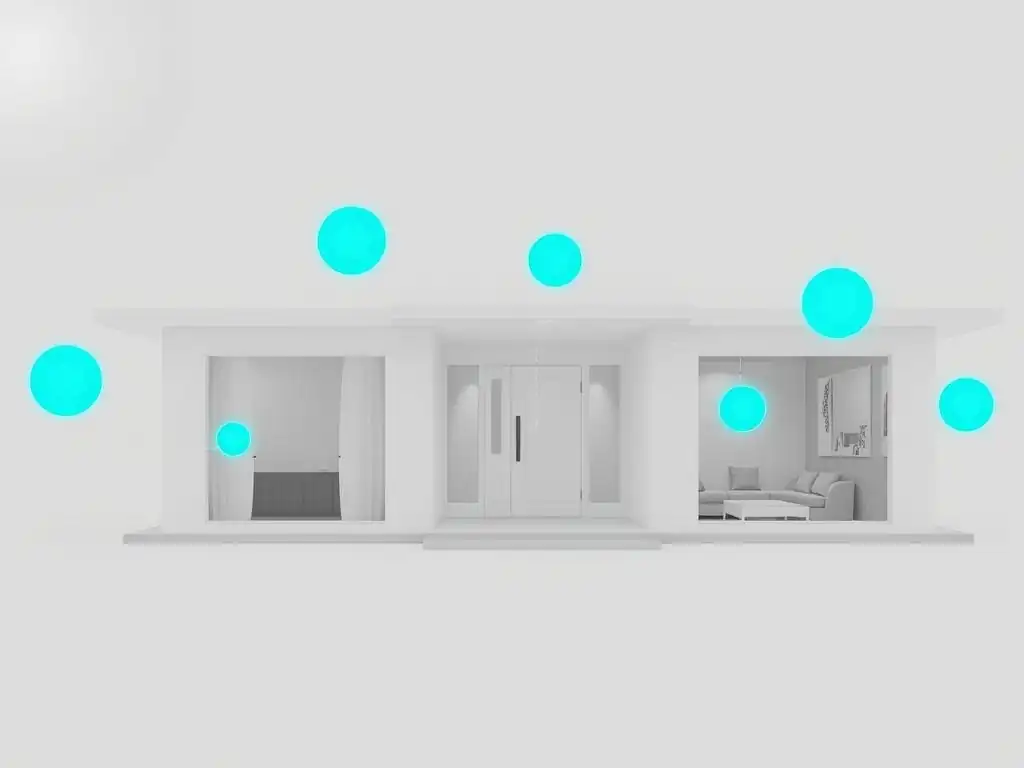
Ready to unlock the secrets to a more efficient and secure home? At UltimateLifeHacks, we're dedicated to helping you optimize your daily life. This week, we delve into the often-overlooked art of smart home sensor placement. Discover how strategic positioning of your sensors can dramatically improve the effectiveness of your home security system – and finally achieve that peace of mind you deserve. Let's explore the Best smart home sensor placement strategies to transform your home into a fortress of tranquility.
- Understanding Your Smart Home Security Needs: Sensor Types and Placement Strategies
- Best Smart Home Sensor Placement for Entry Points: Doors and Windows
- Strategic Placement of Motion Sensors for Enhanced Home Security
- Best Practices for Smart Home Sensor Placement: Maximizing Effectiveness
- Troubleshooting Common Smart Home Sensor Placement Issues
- Maximizing Your Smart Home Security Investment: Beyond Sensor Placement
- Conclusion: A Secure Smart Home Starts with Strategic Sensor Placement
- Frequently Asked Questions
- Final Reflection: Securing Your Sanctuary: Smart Sensor Strategies for a Safer Home
- Unlock Your Home's Full Security Potential
Understanding Your Smart Home Security Needs: Sensor Types and Placement Strategies
Smart home security systems are rapidly evolving, offering homeowners unprecedented control and peace of mind. A crucial component of any effective system is the strategic placement of security sensors. This article will guide you through optimizing your home's security by detailing the best practices for positioning various smart home sensors. Understanding sensor types and their ideal locations is key to maximizing their effectiveness, minimizing false alarms, and creating a truly secure environment.
We'll explore optimal placement for door/window sensors, motion detectors, and discuss seamless integration with your existing smart home security system. By the end, you'll be well-equipped to achieve the best smart home sensor placement for your specific needs, creating a robust and reliable security network. This detailed guide will help you choose the right sensors and position them for maximum protection, ensuring your home is secure and your family is safe.
Choosing the Right Smart Home Sensors: Door Sensors, Window Sensors, Motion Sensors and More
Before diving into placement strategies, let's understand the different types of smart home security sensors available and their respective functionalities. Choosing the right sensors is the first step towards achieving optimal protection.
- Door and Window Sensors: These are fundamental components, typically magnetically paired. They detect when a door or window is opened, triggering an alert to your smartphone or security system. The key is to place them strategically on every exterior access point.
- Motion Sensors: These sensors detect movement within a specific range, often using infrared technology. They are invaluable for detecting intruders inside your home, but careful placement is vital to avoid frequent false alarms.
- Glass Break Sensors: These specialized sensors detect the sound of breaking glass, providing an immediate alert in case of forced entry through a window. Their placement should be near vulnerable windows, especially ground floor ones.
- Multi-Sensor Devices: Some devices combine multiple sensor types (e.g., motion and temperature) into a single unit. They offer versatility but require careful consideration of their combined functionalities when selecting placement locations.
The number and type of sensors you need depend on the size and layout of your home, as well as your specific security concerns. Consider factors such as the number of entry points, high-risk areas, and your budget when making your selections.
Door and Window Sensor Placement for Optimal Security
Effective door and window sensor placement is paramount. Here's a breakdown of best practices:
- Exterior Doors: Place sensors on both the door and the frame, ensuring a strong magnetic connection. Avoid placing them where they might be easily tampered with or obstructed by curtains or furniture.
- Windows: Position sensors on the window frame, preferably near the latch. Consider the placement of glass break sensors in conjunction with window sensors for enhanced protection.
- Sliding Doors: Sliding doors often present unique challenges. Install sensors on both the sliding panel and the fixed frame to detect any attempts to open the door.
- Pet-Friendly Sensors: If you have pets, consider pet-immune motion sensors that can differentiate between pets and intruders, minimizing false alarms.
Motion Sensor Placement Strategies: Avoiding False Alarms
Motion sensors are powerful tools, but their sensitivity can lead to false alarms. Strategic placement is essential to minimize these:
- High-Traffic Areas: Avoid placing motion sensors in areas with frequent movement, such as hallways or areas where pets frequently traverse.
- Strategic Corners: Position motion sensors in corners, as this provides wider coverage and better detection of intruders.
- Height Considerations: Mount sensors at a height that optimizes coverage but avoids detecting unwanted movement (e.g., from pets or overhanging branches).
- Obstructions: Keep the sensor's field of view clear from obstructions that might trigger false alarms.
Smart Home Security System Integration: Connecting Sensors to Your Alarm System
Once you've chosen and placed your sensors, integration with your smart home security system is crucial. This allows for centralized monitoring, automated responses, and remote access.
- Wireless Connectivity: Most modern sensors use wireless technologies (e.g., Z-Wave, Zigbee) for easy integration with various security systems.
- Professional Monitoring: Consider professional monitoring services for enhanced security and immediate response to potential threats.
- Smartphone Integration: Ensure your system provides smartphone integration for remote access, notifications, and system control.
- Automation Options: Explore automation options, such as integrating your sensors with smart lighting or other smart home devices, to further enhance your home's security.
Choosing the right sensors and strategically placing them are crucial for maximizing the effectiveness of your smart home security system. Remember, a well-placed sensor is more effective than a poorly placed one, regardless of the sensor's sophistication. By following these guidelines, you can create a robust, reliable, and effective home security system that will provide you with peace of mind.
Best Smart Home Sensor Placement for Entry Points: Doors and Windows
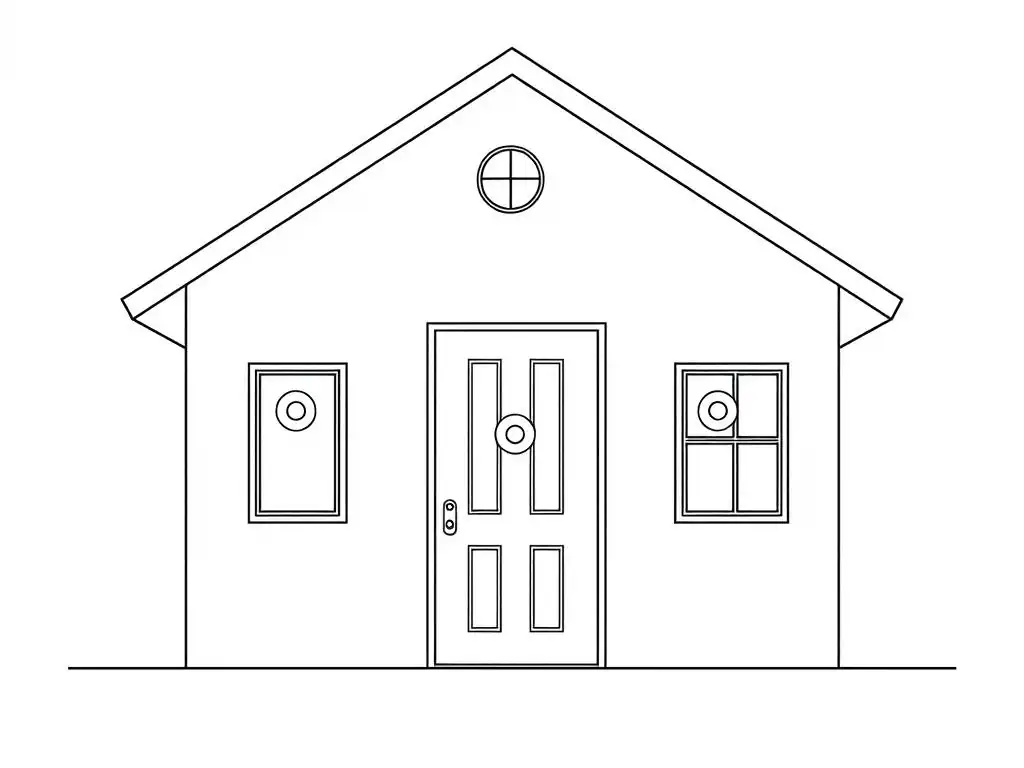
This section focuses on optimizing the placement of your smart home security sensors for maximum effectiveness, specifically targeting doors and windows – the most common entry points for intruders. Strategic placement is key to achieving comprehensive home security and minimizing false alarms. Understanding the vulnerabilities of your home's perimeter is crucial for effective sensor deployment, and this guide will help you achieve the best smart home sensor placement for your specific needs. Proper placement ensures you receive timely alerts and can react swiftly to any potential threats.
Securing Main Entry Points: Front Door, Back Door, and Garage Door Sensor Placement
The main entry points of your home – the front door, back door, and garage door – require meticulous sensor placement. These are high-traffic areas, and accurate sensor positioning minimizes false alarms while maximizing detection. Consider these points:
- Front Door: The sensor should be placed on the door frame, close to the latch. Avoid placing it too high or too low, where it might be easily bypassed or obstructed. Testing the sensor's range is crucial; it should reliably detect the door opening and closing from all angles.
- Back Door: Similar to the front door, placement should be near the latch, on the door frame. Consider the potential for obstruction from outdoor elements or furniture. If the door opens inwards, the sensor should be placed accordingly to ensure optimal detection.
- Garage Door: Garage doors present unique challenges. The best placement depends on the door's type and mechanism. For automatic garage doors, placing the sensor near the motor unit or on the door's frame near the latch mechanism might be most effective. For manual doors, consider placing the sensor on the door itself, near the handle.
Optimizing Door Sensor Placement for Maximum Coverage
Optimizing door sensor placement involves considering several factors beyond simple proximity to the latch. For instance, the material of the door and frame can affect signal strength. A metallic door might require a sensor with a stronger signal or a slightly different positioning compared to a wooden door. Consider these additional aspects:
- Door Material: Metal doors can interfere with wireless signals. Experiment with placement to find the optimal spot with the strongest signal.
- Weather Conditions: Extreme temperatures or humidity can impact sensor performance. Choose weatherproof sensors for external doors and consider placement to minimize direct sunlight or rain exposure.
- Obstructions: Ensure that nothing obstructs the sensor's detection range, such as curtains, rugs, or bulky furniture.
Remember to test your sensor placement after installation. Open and close the door multiple times to ensure consistent detection and reliable alerts.
Window Sensor Placement Strategies: Protecting Vulnerable Windows
Windows, especially those on the ground floor or easily accessible upper floors, are vulnerable entry points. Strategic placement of window sensors is crucial for comprehensive home security. The best smart home sensor placement for windows prioritizes reliable detection without compromising aesthetics.
High-Risk Window Placement: Ground Floor Windows and Easily Accessible Windows
Ground floor windows and easily accessible windows on upper floors are prime targets for burglars. These windows require extra attention when placing sensors. Consider these factors:
- Ground Floor Windows: These should be prioritized for sensor placement. Install sensors on both the window frame and the window sash, ensuring full coverage.
- Easily Accessible Windows: Windows reachable from balconies, trees, or other structures require robust sensor protection. Consider using multiple sensors for added security.
- Sensor Type: For high-risk windows, consider using sensors with tamper alerts to detect attempts to remove or disable the sensors.
Sensor Placement for Sliding Glass Doors: Overcoming Common Challenges
Sliding glass doors pose unique challenges for sensor placement. Traditional door sensors might not be suitable due to the sliding mechanism. Here are some effective strategies:
- Dedicated Sliding Glass Door Sensors: Use sensors specifically designed for sliding glass doors. These sensors often detect the movement of the door panels, providing reliable detection even with minor gaps.
- Multiple Sensor Placement: Consider using multiple sensors on different parts of the door frame for redundant protection.
- Placement Considerations: Ensure that the sensors are placed securely and are not easily removable or bypassed. Test thoroughly to ensure proper functionality.
Remember, consistent testing and adjustments are vital to ensure the optimal performance of your smart home security system. Regularly review your sensor placement and make adjustments as needed to maintain the highest level of security for your home. 🏠 This will contribute to your overall home security, and ensure you have the best smart home sensor placement possible.
Strategic Placement of Motion Sensors for Enhanced Home Security
Motion sensors are a cornerstone of any robust smart home security system. Their effectiveness, however, hinges significantly on strategic placement. Incorrect positioning can lead to missed detections or a deluge of false alarms, rendering the system less effective than intended. This section delves into optimal placement strategies for maximizing the benefits of your motion sensors and achieving the best smart home sensor placement. We'll explore both high-traffic and less-trafficked areas, examining the nuances of sensitivity and range adjustments.
Motion Sensor Placement in High-Traffic Areas: Living Room, Hallways, and Stairwells
High-traffic areas represent prime locations for motion sensors. These zones see frequent movement, making them ideal for detecting intruders. However, careful consideration is crucial to avoid an overwhelming number of false alarms triggered by everyday activity. In the living room, consider placing sensors in corners, high on walls (to avoid detection by pets), or strategically positioned to cover entry points like doors and windows. Hallways and stairwells, often acting as transit points, benefit from sensors placed at either end to create a comprehensive coverage zone.
This creates a virtual barrier, alerting you to any unauthorized movement through these critical areas. Placing sensors too close together can result in overlapping detection zones, potentially leading to multiple alerts for a single event. Aim for optimal spacing to ensure individual zones are effectively monitored. The ideal spacing will depend on the sensor's detection range, which is usually specified by the manufacturer.
Optimizing Motion Sensor Sensitivity and Range
The sensitivity and range settings on your motion sensors are adjustable and should be tailored to the specific environment and potential for false alarms. In high-traffic areas, slightly reducing the sensitivity can help minimize false alarms from normal household activity. However, be cautious not to reduce it too much, as this could compromise the system's ability to detect intruders. Similarly, the range should be adjusted to cover the intended area without overlapping adjacent sensors. Many modern sensors offer adjustable detection zones, allowing for fine-tuned control over the area monitored.
Experimentation is key; start with the manufacturer’s recommended settings and gradually adjust based on your specific needs and observations. Regular testing is recommended to ensure optimal performance and to identify any areas requiring adjustments. Keep detailed records of your adjustments and their impact on false alarms. This data will prove invaluable in optimizing your smart home security system.
Motion Sensor Placement in Less-Trafficked Areas: Bedrooms, Bathrooms, and Basements
While less frequently used, bedrooms, bathrooms, and basements still benefit from motion sensor protection. The approach here differs slightly from high-traffic areas. In bedrooms, consider placing sensors near doors or windows, focusing on entry points rather than blanket coverage. For bathrooms, strategic placement near the door is generally sufficient.
Basements, often isolated areas, may require more comprehensive coverage, possibly employing multiple sensors to cover different sections. Remember, the goal is to detect unauthorized access, not to monitor every movement within these spaces. Consider factors like the layout, potential blind spots, and the presence of pets when determining placement in these less-trafficked areas. A well-placed sensor in a less-trafficked area can provide crucial early warning of an intrusion, allowing for quicker response.
Addressing Potential False Alarms: Pet-Friendly Motion Sensors and Smart Home Integration
False alarms are a common concern with motion sensors. Fortunately, several strategies can mitigate this issue. Pet-friendly motion sensors utilize advanced algorithms to differentiate between pets and humans, significantly reducing false alarms caused by moving pets. These sensors often employ features like adjustable pet immunity settings, allowing you to fine-tune the system to accommodate the size and movement patterns of your pets.
Furthermore, integrating your motion sensors with other smart home devices can enhance their effectiveness and minimize false alarms. For example, pairing a motion sensor with a smart light can trigger the light to turn on upon detection, deterring intruders and simultaneously confirming a genuine event rather than a false alarm. Smart home automation can also help filter alerts, allowing you to focus on genuine security threats.
Consider leveraging geofencing to prevent alerts when family members are at home. By integrating your motion sensors within a broader smart home ecosystem, you can create a comprehensive and responsive security system. This allows you to manage and mitigate potential false alarms effectively.
Best Practices for Smart Home Sensor Placement: Maximizing Effectiveness
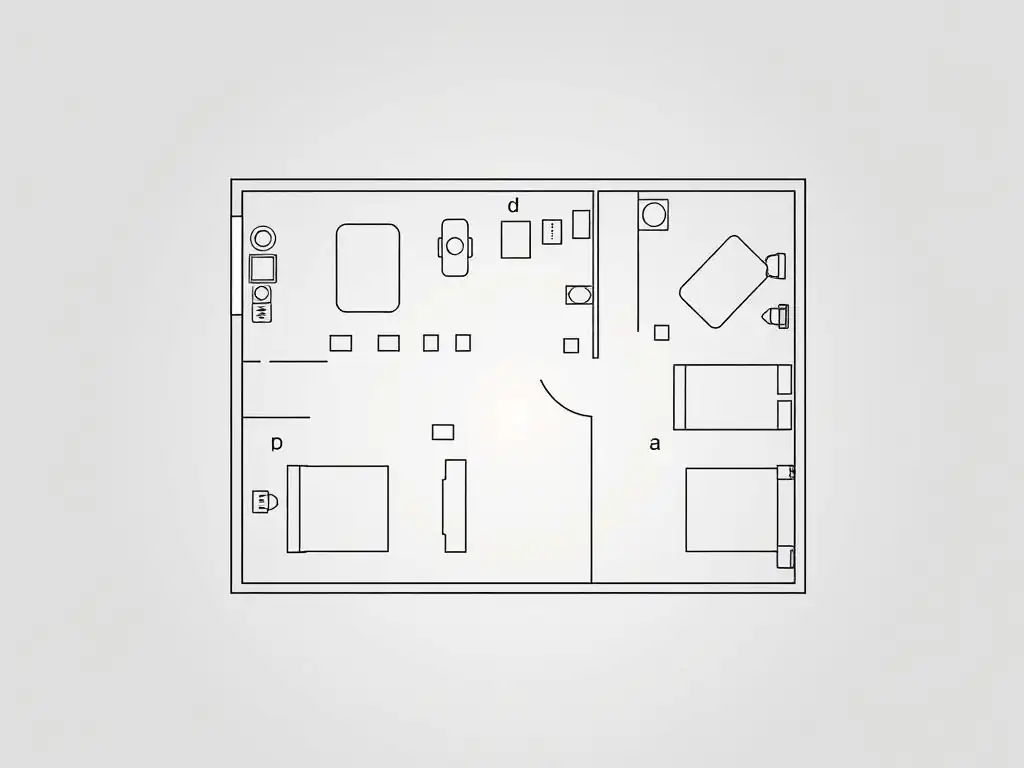
This section delves into the optimal placement strategies for your smart home security sensors to ensure maximum effectiveness and reliable performance. Proper placement directly impacts the system's ability to detect intrusions and alert you promptly. Remember, the goal is to create an interconnected web of protection that leaves minimal vulnerabilities. We'll explore best practices, considering factors like sensor type, home layout, and potential interference sources. Achieving the best smart home sensor placement requires careful planning and strategic implementation.
Strategic Sensor Placement for Different Home Layouts: Small Homes vs. Large Homes
The ideal placement of your smart home sensors varies significantly depending on the size and layout of your home. A small apartment requires a different approach than a sprawling two-story house.
Small Homes (Apartments, Studios): In smaller spaces, strategic placement is crucial to avoid redundancy while ensuring comprehensive coverage. Consider placing door/window sensors on all exterior entry points, including windows and sliding glass doors. A motion sensor in the main living area can provide an additional layer of security. Prioritize high-traffic areas and potential points of entry. Overlapping coverage isn't as necessary as in larger homes, minimizing the need for excessive sensors.
Large Homes (Multi-story, large floor plans): Larger homes demand a more comprehensive sensor network. Begin by securing all exterior doors and windows with sensors. Strategically place motion sensors in hallways, stairwells, and common areas to create zones of detection. Consider using multiple motion sensors in larger rooms to eliminate blind spots.
For added security, install sensors on interior doors leading to bedrooms or other sensitive areas. Remember to account for potential blind spots created by furniture or architectural features. Proper zoning is key for efficient alarm response and minimizing false alarms. Think of it as creating a layered security system, where one sensor triggers another, creating a network effect.
Wireless Sensor Placement Considerations: Signal Strength and Interference
Wireless smart home sensors rely on reliable signal strength for optimal performance. Obstructions and interference can significantly impact their effectiveness. Understanding these factors is critical for achieving the best smart home sensor placement.
- Signal Strength: Ensure your sensors are within the optimal range of your central hub or base station. Check the manufacturer's specifications for the maximum distance and any potential obstacles that might weaken the signal (thick walls, metal objects, large appliances). Experiment with different locations to identify the strongest signal.
- Interference: Wireless signals can be susceptible to interference from other electronic devices, such as microwaves, cordless phones, and routers. Avoid placing sensors near these devices. Consider using a Wi-Fi analyzer app to identify areas with strong and weak signals, helping you to optimize sensor placement. The placement should minimize interference and maximize the reliability of your security system. Consider using a mesh network system if you experience significant signal issues in a large home.
Optimizing Battery Life: Proper Sensor Placement and Maintenance
Proper placement plays a crucial role in optimizing battery life for your wireless sensors. Sensors that are constantly triggered or experience weak signals consume more power.
- Minimize False Alarms: Careful placement minimizes false alarms caused by pets or drafts, which conserve battery life. Consider using pet-immune motion sensors if you have pets. Regularly check your sensor's battery levels via your smart home app.
- Signal Strength and Battery Consumption: A weak signal forces the sensor to transmit more often, leading to increased battery drain. Ensure optimal signal strength by carefully considering placement, avoiding obstacles, and using a robust Wi-Fi network. Regularly check the battery level of each sensor. This is not only about the best smart home sensor placement, but also about efficient maintenance.
- Sensor Maintenance: Regularly clean your sensors, removing dust and debris that might interfere with their operation. This simple maintenance task can extend their lifespan and improve performance. Replace batteries promptly when low battery warnings appear. A well-maintained system performs more reliably and lasts longer.
Choosing the right location for your smart home security sensors is paramount for a secure and efficient home security system. By carefully considering these factors, you can significantly enhance the effectiveness of your smart home security and enjoy peace of mind. 🏡🛡️
Integrating Smart Home Sensors with Other Security Systems: Cameras, Smart Locks, and Lighting
Integrating your smart home sensors with other security systems significantly enhances your overall home protection. This synergy creates a comprehensive security network, providing layers of defense and improving response times to potential threats. Effective integration goes beyond simply having the devices in the same system; it requires strategic placement and configuration to maximize their combined capabilities.
For instance, consider the relationship between motion sensors and security cameras. Placing a motion sensor near a camera's field of view allows the camera to automatically activate and begin recording when motion is detected. This eliminates the need for constant camera monitoring and ensures that crucial events are captured. This setup is particularly effective in high-traffic areas like hallways or entryways. The system can be further enhanced by integrating smart lighting. When a motion sensor triggers, the lights can automatically turn on, potentially startling intruders and providing better visibility for both the camera and any responding security personnel.
Smart locks also benefit greatly from sensor integration. A door sensor, for example, can alert you if a door or window is opened unexpectedly. This immediate notification, paired with a smart lock's ability to remotely lock or unlock, allows for quick responses to potential breaches. Imagine receiving an alert that a back door was opened while you are away; you can immediately check the security camera footage and remotely lock the door, thwarting a potential intrusion.
Think of it as creating a chain reaction: a sensor detects movement, triggering a camera to record, simultaneously activating smart lights and sending a notification to your smartphone. This interconnectedness provides a much more robust security system than individual components could achieve alone. The key to success lies in thoughtful placement and configuration of each device, ensuring that they work in harmony to provide comprehensive and timely alerts.
Failing to properly integrate these systems minimizes the effectiveness of each individual component, negating the benefits of smart home technology. Careful planning and implementation are essential to harness the full potential of this integrated approach to home security. The "best smart home sensor placement" is not just about optimal sensor positioning, but also about the synergy it creates with your existing and future smart home security investments.
Troubleshooting Common Smart Home Sensor Placement Issues
This section addresses common problems encountered when positioning smart home sensors and offers practical solutions to maximize their effectiveness and minimize false alarms. Proper sensor placement is crucial for achieving optimal "best smart home sensor placement," leading to a more secure and reliable smart home security system. Let's dive into the most frequent challenges and their solutions.
Dealing with False Alarms: Identifying and Resolving Common Causes
False alarms are a major frustration with smart home security systems. They erode trust in the system and can lead to ignoring genuine alerts. Understanding the root causes is the first step towards eliminating them. Common culprits include pets, drafts, and even environmental factors.
Analyzing the frequency and timing of false alarms can provide valuable clues. For example, a surge in false alarms during specific times of day might point to sunlight triggering a motion sensor. Keeping a detailed log of false alarms – noting the time, sensor location, and suspected cause – is invaluable for identifying patterns and implementing effective solutions. This meticulous record-keeping is essential for optimizing your "best smart home sensor placement" strategy.
False Alarms from Pets: Strategies for Minimizing False Triggers
Pets, particularly cats and small dogs, are notorious for triggering motion sensors. While some sensors offer pet immunity features, their effectiveness varies. Strategic placement is key. Avoid placing motion sensors in areas with high pet traffic. If possible, position sensors higher up on walls, out of reach of jumping pets.
Consider using sensors with adjustable sensitivity settings to fine-tune their responsiveness. Experiment with different settings to find the optimal balance between sensitivity and minimizing pet-related false alarms. In some cases, employing a combination of sensors – for example, a motion sensor paired with a door/window sensor – can provide a more accurate and reliable alert system, reducing reliance on potentially pet-sensitive motion detectors. Remember that even with careful placement, some false alarms might still occur. Regular review of sensor placement and sensitivity settings is crucial for continued optimization.
Improving Sensor Connectivity: Troubleshooting Weak Signals and Interference
Weak signals and interference are significant impediments to a reliable smart home security system. These issues can lead to dropped connections, delayed alerts, and ultimately, compromised security. Several factors can contribute to poor connectivity.
Physical obstructions, such as thick walls or large metal objects, can significantly weaken Wi-Fi signals, affecting the communication between sensors and the central hub. Interference from other electronic devices, such as microwaves or cordless phones, can also disrupt sensor operation. Ensuring optimal sensor placement, away from interference sources and with clear line-of-sight to the router, is paramount.
Consider using a Wi-Fi extender or mesh network to improve signal strength in areas with weak coverage. Regularly checking the signal strength of each sensor through your smart home app is a proactive way to identify and address potential connectivity issues before they escalate. This preventative maintenance is vital for maintaining the integrity of your "best smart home sensor placement."
Addressing Sensor Malfunctions: Troubleshooting and Repair Options
Despite careful planning and placement, sensor malfunctions can still occur. This could manifest as unresponsive sensors, inaccurate readings, or persistent false alarms unrelated to environmental factors or pets. First, check the sensor's battery level. Low battery power is a common cause of malfunctions.
If the battery is adequately charged, try restarting the sensor by removing and re-inserting the battery or using the reset button (if available). If the problem persists, check the sensor’s connection to the central hub. Ensure that the sensor is properly paired and that the connection is stable. If all else fails, it might be necessary to replace the malfunctioning sensor.
Contact the manufacturer for warranty information or replacement options. Regularly inspecting sensors for physical damage and ensuring they are securely mounted will help prevent malfunctions and extend their lifespan. Proactive maintenance is crucial in achieving and maintaining your "best smart home sensor placement" setup, ensuring reliable performance and peace of mind.
Maximizing Your Smart Home Security Investment: Beyond Sensor Placement
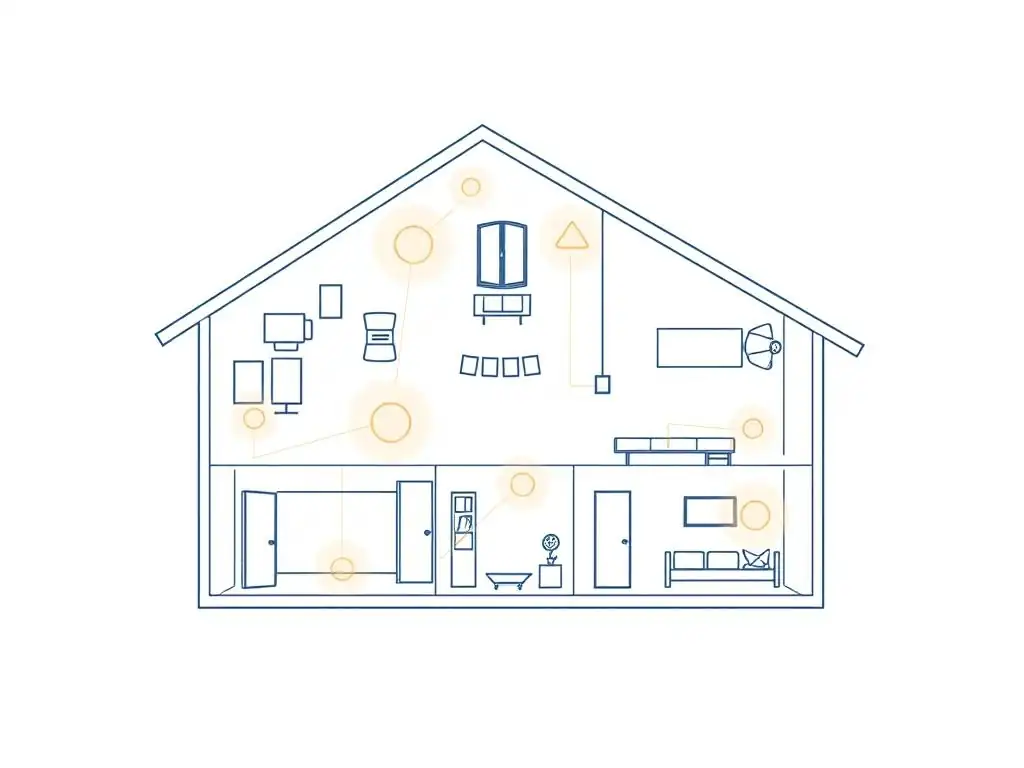
This section explores strategies to amplify the effectiveness of your smart home security sensors, going beyond optimal placement. Investing in smart home security is about creating a layered defense, and sensors are only one part of a robust system. Understanding how to integrate sensors with other smart home devices and security measures significantly enhances overall protection and peace of mind. This is crucial for achieving the best smart home sensor placement and maximizing your return on investment.
Additional Security Measures to Complement Your Smart Home Sensors
Smart home sensors, while effective, are most powerful when integrated into a broader security strategy. Think of them as a crucial early warning system, providing immediate alerts, but not a standalone solution. Adding complementary security measures significantly improves your home's protection. For example, motion sensors can trigger smart lights, creating a deterrent effect and potentially scaring off intruders.
Similarly, door and window sensors can be linked to a smart alarm system, escalating the response to a potential breach. A layered approach ensures that even if one security measure fails, others are in place to protect your home. This synergistic effect is key to achieving the best smart home sensor placement strategy, as it allows for a more comprehensive response to potential threats.
Smart Lighting Integration: Deterrent Effect and Enhanced Security
Integrating smart lighting with your sensors adds a powerful deterrent effect. Imagine this: a motion sensor detects movement outside your back door. Instantly, your smart outdoor lights illuminate the area, startling any potential intruder and making them more visible to neighbors. This proactive approach, triggered by the sensor, adds another layer of security beyond simply receiving a notification on your phone.
Moreover, you can program your smart lights to simulate occupancy even when you’re away, creating the illusion of someone being home, thereby discouraging potential break-ins. This simple integration significantly improves the effectiveness of your sensor placement, turning a passive alert system into an active deterrent. Consider using different color temperatures and brightness levels for different scenarios; a bright white light during the night might be more effective than a soft warm light.
Utilizing Smart Locks for Enhanced Security: Keyless Entry and Remote Access
Smart locks offer a significant upgrade to traditional key-based security, seamlessly integrating with your overall smart home sensor network. The convenience of keyless entry is undeniable, but the security benefits are even more impactful. Smart locks allow you to monitor who enters your home and when, providing valuable data that complements your sensor network.
Remote access allows you to lock or unlock your doors from anywhere, providing peace of mind and enabling you to grant temporary access to guests or service providers. The combination of smart locks and sensors creates a comprehensive system where unauthorized entry attempts are detected and immediately communicated to you, regardless of your location.
This sophisticated approach enhances your overall home security strategy and contributes to achieving the best smart home sensor placement. Consider the different types of smart locks available – keypad, fingerprint, or smartphone-enabled – to find the best fit for your needs and budget.
The Importance of a Comprehensive Security System: Integrating Sensors with Cameras and Alarm Systems
The best smart home sensor placement is only part of a larger picture. Integrating your sensors with other security components, such as cameras and alarm systems, creates a truly comprehensive security network. Cameras provide visual confirmation of events detected by sensors, allowing you to assess situations remotely and take appropriate action. Alarm systems provide an immediate escalation response to potential threats, alerting authorities and neighbors.
This integrated approach creates a powerful synergy, significantly increasing the effectiveness of each individual component. Imagine a scenario where a window sensor triggers an alarm, simultaneously activating cameras to record the event and sending you an alert. This is a far more effective system than relying on sensors alone. Therefore, consider the best smart home sensor placement as a critical element within a broader, interconnected security system for optimal protection.
Conclusion: A Secure Smart Home Starts with Strategic Sensor Placement
Strategic placement of smart home security sensors is paramount to maximizing their effectiveness. A haphazard approach can leave vulnerable areas unprotected, rendering your investment less valuable than it could be. Remember, the goal is to create a comprehensive network that detects intrusions and alerts you swiftly, allowing for timely intervention or, ideally, preventing incidents altogether.
By carefully considering the advice outlined in this section, you'll significantly improve your home's security posture and enjoy peace of mind knowing your property is well-protected. This isn't just about buying the best smart home sensors; it's about deploying them strategically for best results. This proactive approach transforms your smart home from a technological marvel into a truly secure haven.
Reviewing Key Considerations for Optimal Sensor Placement
Before finalizing your sensor placement, revisit these key considerations:
- High-traffic areas: Entry points like doors and windows should be prioritized. Consider placing sensors on both the door frame and the window itself for redundant protection. Don't forget less obvious entry points like sliding glass doors and basement windows. Think like an intruder – where are the easiest points of access?
- Blind spots: Identify areas with limited visibility or natural obstacles. Strategic sensor placement can compensate for these blind spots, providing comprehensive coverage. A motion sensor in a hallway, for instance, can alert you to movement even if cameras aren't directly pointed at that area.
- Pet interference: If you have pets, opt for sensors with pet immunity features to avoid false alarms. This will significantly reduce nuisance alerts and maintain the system's reliability. Consider sensor placement that minimizes the likelihood of your pets triggering the sensors.
- Sensor types: Different sensors excel in different situations. Motion sensors are ideal for open areas, while door/window sensors are essential for entry points. Consider the unique characteristics of each room when choosing the appropriate sensor type. A combination of sensor types offers the most comprehensive protection.
- Wireless connectivity: Ensure strong and consistent Wi-Fi signals throughout your home. Poor connectivity can lead to dropped signals and unreliable sensor performance. A mesh Wi-Fi network might be necessary for optimal performance in larger homes.
- Integration with other smart home devices: Explore how your sensors integrate with other devices in your smart home ecosystem. Smart locks, lighting, and cameras can all be coordinated for a more effective response to alerts.
Investing in High-Quality Smart Home Security Sensors
While strategic placement is crucial, the quality of your sensors significantly impacts their performance and longevity. Investing in reputable brands with proven reliability ensures your system functions optimally. Look for sensors with features like:
- Long battery life: Avoid frequent battery changes by selecting sensors with extended battery life. This minimizes maintenance and ensures consistent protection.
- Robust wireless protocols: Choose sensors that utilize secure and reliable wireless protocols like Z-Wave or Zigbee for enhanced stability and security. Avoid systems reliant solely on Wi-Fi, which can be vulnerable to interference.
- Tamper-resistant design: Opt for sensors with tamper-resistant features to deter unauthorized removal or disabling. This adds an extra layer of security to your system.
- Durable construction: Select sensors made from high-quality materials that can withstand harsh weather conditions (if used outdoors) or everyday wear and tear.
- User-friendly interface: A simple and intuitive app interface simplifies system management, monitoring, and troubleshooting. This ease of use makes the system more accessible and encourages consistent engagement.
The best smart home sensor placement isn't a one-size-fits-all solution. It requires careful consideration of your home's layout, lifestyle, and the specific capabilities of your chosen sensors. By combining strategic planning with high-quality equipment, you create a truly effective smart home security system that protects your most valuable assets.
Frequently Asked Questions
Where should I place my door/window sensors for optimal security?
Place sensors on the door or window frame itself, slightly offset from the latch. Ensure a strong signal between the sensor and the hub for reliable detection. Consider additional sensors on easily accessible windows.
How do I ensure my motion sensors detect movement effectively?
Mount motion sensors at approximately shoulder height in corners or along walls. Avoid placing them directly in front of heat sources or reflective surfaces. Strategic placement minimizes false alarms and maximizes coverage.
What about placement of smart smoke detectors?
Install smoke detectors on every level of your home, inside and outside of each bedroom, and in hallways. Ensure they're at least 10 feet away from cooking appliances. Regular testing is crucial.
Are there any specific considerations for placing smart security cameras?
Position cameras to cover entry points like doors and windows, but also areas where blind spots might exist. Consider field of view and adjust placement for optimal coverage. High-traffic areas are also good locations.
Can I use smart sensors outdoors?
Many smart sensors are weatherproof, but check the specifications. Consider environmental factors like direct sunlight and extreme temperatures. Proper shielding and placement can extend the lifespan and effectiveness of outdoor sensors.
Final Reflection: Securing Your Sanctuary: Smart Sensor Strategies for a Safer Home
The strategic placement of smart home security sensors isn't just about technology; it's about peace of mind. A well-protected home is more than just an investment; it's a sanctuary, a place where you and your loved ones feel safe and secure. This understanding is more crucial now than ever, in a world increasingly reliant on technology for safety and security.
The evolution of smart home security has profoundly impacted our sense of safety and control. We've moved beyond simple alarm systems to a network of interconnected sensors, offering granular control and real-time awareness of our surroundings. This shift reflects a broader societal need for proactive security measures, a desire to be informed and empowered in protecting our homes. The feeling of security is not just a feeling, it's a fundamental human need.
This quote underscores the deep-seated importance of feeling safe within our own homes, a feeling that smart home technology can significantly enhance.
Consider the information presented in this article – the optimal placement of door sensors, window sensors, motion detectors, and more. Think about how you can apply these strategies to your own home, creating a layered security system tailored to your specific needs and vulnerabilities. Take control of your home's security; don't just react to threats, proactively prevent them. Invest time in optimizing your sensor placement, and experience the transformative effect of a truly secure and protected home.
Unlock Your Home's Full Security Potential
Thank you for learning how to optimize your home security! You now have the knowledge to create a truly protected space. Let's put that knowledge into action.
- Strategically reposition your sensors: Take a few minutes to review your sensor placement. Even small adjustments can significantly improve their effectiveness. This is the most important next step.
- Share your improved home security setup: Post a picture on social media with #UltimateLifeHacksSecurity and inspire others!
- Explore additional security measures: Consider installing smart locks or outdoor security cameras to further enhance your home's protection.
Ready to experience a more secure and peaceful home? Which sensor will you reposition first?