
Taming the Noise: Practical Tips to Create a DistractionFree Environment for Peak Performance


Ready to unlock your peak productivity? At UltimateLifeHacks, we're dedicated to helping you conquer your daily challenges and achieve more. In today's hyper-connected world, maintaining focus is a superpower – and that's why we're diving deep into distraction-free work environment tips. Discover practical strategies to silence the noise and transform your workspace into a productivity powerhouse. Let's unlock your potential – read on to learn how.
- Understanding the Impact of Distractions on Productivity
- Designing Your Ideal Distraction-Free Workspace
- Digital Detox and Technology Management for a Distraction-Free Environment
- Mindfulness and Mental Strategies for a Distraction-Free Mindset
- Creating a Sustainable Distraction-Free Routine
-
Frequently Asked Questions
- How can I create a distraction-free workspace at home?
- What are some quick ways to minimize digital distractions?
- How can I deal with interruptions from family members or housemates?
- What role does environment play in creating a distraction-free workspace?
- Are there any productivity apps that can help minimize distractions?
- Final Reflection: Finding Focus in a Fractured World
- Unleash Your Focus: Create Your Ideal Productivity Zone Now!
Understanding the Impact of Distractions on Productivity
In today's hyper-connected world, maintaining focus and achieving peak productivity can feel like an uphill battle. The constant barrage of notifications, emails, and social media updates creates a relentless stream of distractions, silently eroding our efficiency and impacting our overall well-being. This article delves into the practical strategies for creating a distraction-free work environment, ultimately boosting your productivity and allowing you to achieve your goals with greater ease and effectiveness.
We'll explore the hidden costs of interruptions, identify common productivity killers, and offer actionable tips to reclaim your focus and unlock your full potential. Mastering the art of minimizing distractions is not just about increased output; it's about cultivating a more mindful and fulfilling work experience.
Learning to effectively manage distractions is a crucial skill for anyone seeking to optimize their daily routines and achieve a better work-life balance. This guide provides a roadmap to a more focused and productive you, empowering you to conquer the noise and achieve peak performance.
Interruptions, however seemingly minor, significantly impact productivity. Studies have shown that it takes an average of 23 minutes to regain focus after a single interruption. 1 Imagine the cumulative effect of multiple interruptions throughout the workday! This isn't just about lost time; it's about lost focus. The fragmented attention resulting from constant distractions leads to reduced cognitive function, increased error rates, and ultimately, lower-quality work. The cost extends beyond individual productivity; it can impact team dynamics and project timelines. Consider these hidden costs:
- Reduced cognitive capacity: Switching between tasks depletes mental resources, leading to cognitive overload and decreased efficiency.
- Increased stress levels: Constant interruptions contribute to stress and anxiety, negatively affecting both mental and physical health.
- Lower quality of work: Rushed work due to distractions often results in errors and reduced overall quality.
- Missed deadlines: The cumulative effect of lost time due to interruptions can lead to missed deadlines and project delays.
- Decreased job satisfaction: A constant struggle to maintain focus can lead to burnout and decreased job satisfaction.
It's crucial to understand that the cost of distractions is far greater than just the few minutes lost per interruption. The ripple effect on your overall productivity, mental well-being, and the quality of your work is substantial.
Distraction-Free Work Environment: The Foundation of Peak Performance
Creating a distraction-free work environment is paramount for peak performance. This isn't just about a quiet room; it's a holistic approach encompassing physical, digital, and mental strategies. A well-structured environment minimizes external stimuli, allowing for deeper concentration and improved cognitive function. Consider these key elements:
- Physical environment: A dedicated workspace, free from clutter and visual distractions, is essential. Think comfortable seating, good lighting, and appropriate temperature control. The addition of plants can also improve focus and reduce stress. 🌿
- Digital environment: Turn off non-essential notifications, close unnecessary tabs, and utilize website blockers to minimize online distractions. Consider using productivity apps to manage your workflow and schedule focused work sessions. Employ techniques like the Pomodoro Technique to maintain consistent focus. 🍅
- Mental environment: Mindfulness and meditation techniques can significantly improve focus and reduce stress. Practice techniques like deep breathing to center yourself and return to your work with renewed concentration. Prioritize tasks, creating a clear plan for the day to avoid feeling overwhelmed.
By strategically addressing these areas, you can cultivate a workspace that supports your focus and maximizes your productivity. This proactive approach transforms your environment from a source of distraction into a sanctuary for productivity.
Identifying Your Personal Productivity Killers: Common Distractions and Their Impact
Understanding your personal productivity killers is crucial. What specifically derails your focus? Common distractions include:
- Email and social media: The constant influx of notifications from emails and social media platforms is a significant distraction for many.
- Phone calls and text messages: Unexpected phone calls and text messages can disrupt your workflow and pull your attention away from your tasks.
- Interruptions from colleagues: Office chatter and unplanned conversations can break your concentration and hinder your productivity.
- Cluttered workspace: A messy workspace can be visually distracting and make it difficult to focus on your work.
- Uncomfortable environment: Factors such as poor lighting, uncomfortable temperature, or noise can negatively impact your concentration.
To effectively combat these distractions, create a personalized strategy. For example, schedule specific times to check email, utilize the "Do Not Disturb" feature on your phone, and communicate clearly with colleagues about your need for focused work time. By identifying and addressing your specific challenges, you can significantly improve your focus and productivity. Remember, the key is to be proactive and create a system that works best for you.
1 [Source citation pending]
Designing Your Ideal Distraction-Free Workspace
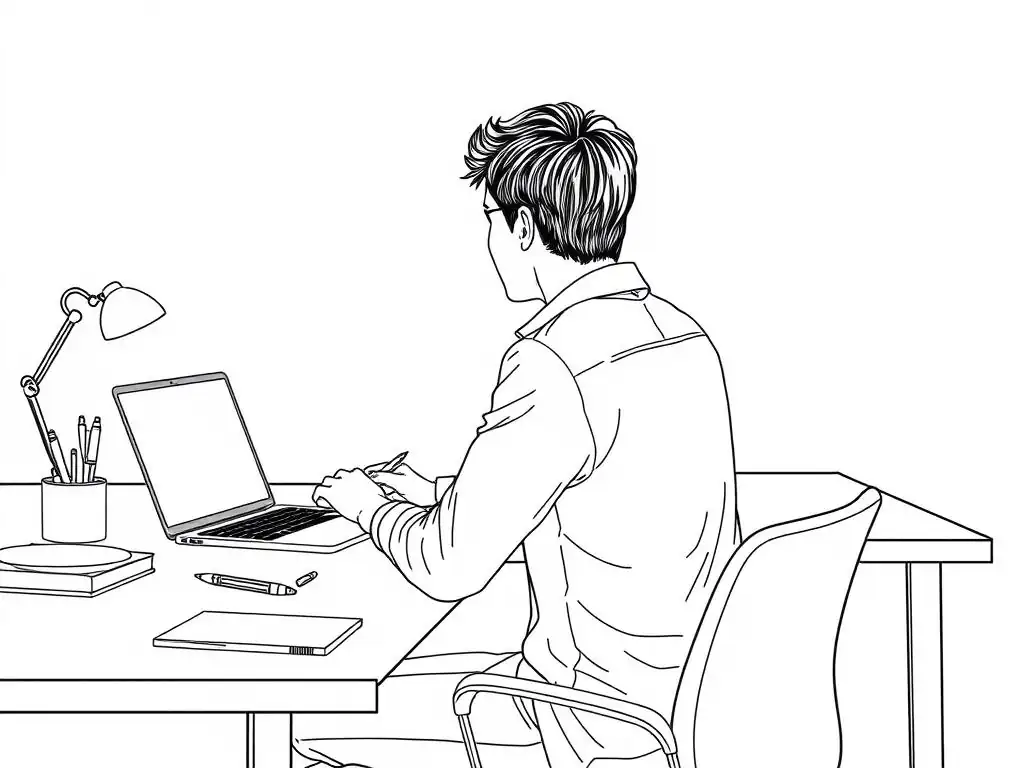
This section focuses on crafting a workspace specifically designed to minimize interruptions and maximize your concentration, directly addressing the need for effective "Distractionfree work environment tips". We'll explore practical strategies to transform your workspace into a haven of productivity.
Optimizing Your Physical Environment for Focus: Decluttering and Organization
A cluttered workspace often mirrors a cluttered mind. The first step towards a distraction-free environment is decluttering and organizing your physical space. This isn't just about aesthetics; it's about minimizing visual distractions that compete for your attention.
Start by removing unnecessary items from your desk and immediate surroundings. Papers, books, personal items – anything that doesn't directly contribute to your current task should be put away. Consider using drawer organizers, file trays, and other storage solutions to keep everything neatly arranged. A clean, organized desk allows for a clearer focus on the work at hand.
A study by the University of California, Irvine, found that even minor visual clutter can significantly impair cognitive function. Participants in a cluttered environment experienced a 25% decrease in productivity compared to those working in a tidy space. This highlights the tangible impact of a well-organized workspace on cognitive performance and productivity. Therefore, a systematic approach to decluttering is crucial for achieving a distraction-free work environment. Think of it as an investment in your cognitive resources.
Ergonomic Workspace Setup: Comfort and Efficiency for Sustained Productivity
Ergonomics plays a vital role in creating a distraction-free environment. Discomfort, whether physical or postural, can lead to frequent breaks and interruptions, disrupting your workflow and hindering your ability to focus. A well-designed ergonomic setup promotes sustained productivity by minimizing physical strain and discomfort.
This involves optimizing your chair height, desk height, and monitor placement to ensure proper posture. Your monitor should be positioned at eye level to prevent neck strain. Your keyboard and mouse should be within easy reach, minimizing unnecessary arm movements. Consider using a footrest if your feet don't comfortably reach the floor.
Investing in an ergonomic chair is a worthwhile investment in your long-term health and productivity. The goal is to create a workspace that supports your body's natural alignment, allowing you to work comfortably for extended periods without experiencing discomfort or fatigue. This directly improves your ability to maintain focus and avoid distractions caused by physical discomfort.
The Power of Ambient Sounds: Noise Cancellation and Focus-Enhancing Audio
Sound significantly impacts concentration. While complete silence might not be ideal for everyone, the right auditory environment can significantly enhance focus. Managing ambient sounds is a key aspect of creating a distraction-free work environment.
Noise-canceling headphones can be invaluable for blocking out disruptive noises from your surroundings. However, complete silence can also be counterproductive for some individuals. Consider using ambient sounds or focus-enhancing music instead. Many apps and websites offer curated soundscapes designed to promote concentration, such as nature sounds, ambient music, or binaural beats. These sounds can help mask distracting noises while providing a calming and consistent auditory backdrop that supports focus.
Experiment to find what works best for you. The key is to create an auditory environment that supports your concentration without being overly stimulating or distracting. This careful management of sound contributes significantly to a distraction-free experience and improved concentration. Finding the right balance between silence and curated sound is crucial for optimizing your focus.
Digital Detox and Technology Management for a Distraction-Free Environment
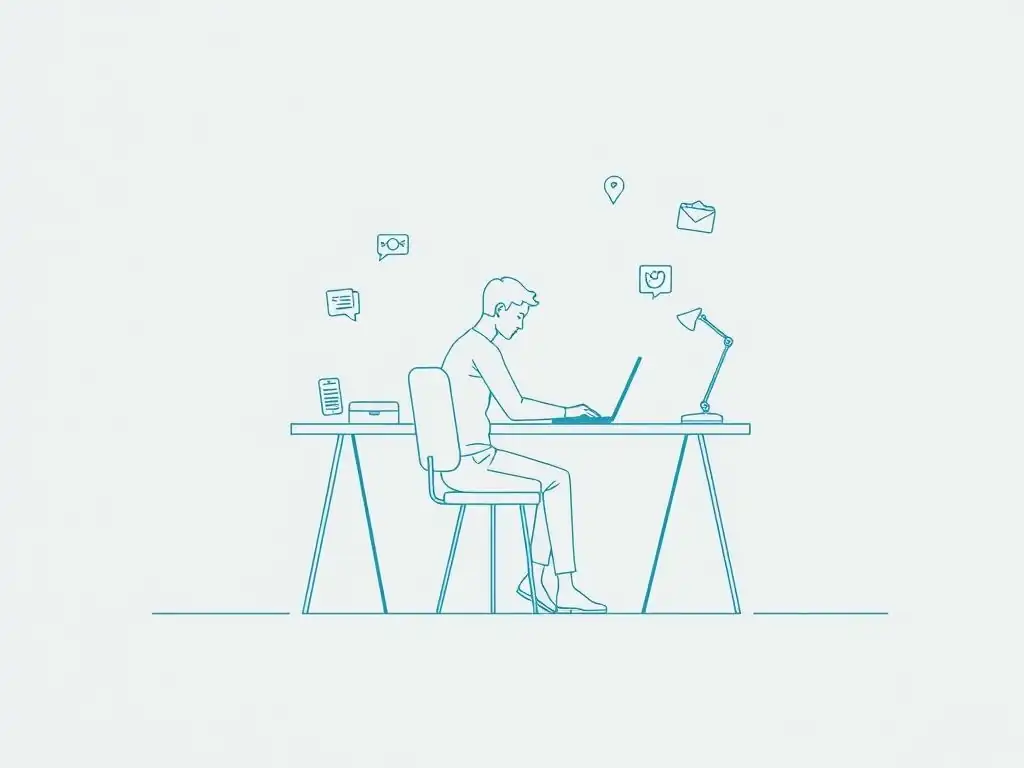
Creating a distraction-free work environment necessitates a strategic approach to technology, often the biggest culprit in disrupting focus. Simply turning off your phone isn't enough; a proactive digital detox strategy is key to reclaiming your concentration and boosting productivity. This involves not just minimizing interruptions, but actively managing your digital interactions to support, rather than hinder, your workflow. The goal is to harness technology's power while preventing it from hijacking your attention. This section explores effective techniques for managing your digital life to cultivate a truly distraction-free zone.
Mastering Notifications: Taming the Alerts on Your Devices
The incessant buzz of notifications is a major enemy of focus. Smartphones, computers, and even smartwatches bombard us with alerts, pulling our attention away from the task at hand. The solution isn't to ignore them entirely (important messages might slip through), but to curate them ruthlessly. Consider these steps:
- Customize notification settings: For each app, meticulously review its notification settings. Disable all non-essential alerts. Prioritize only truly urgent notifications, such as calls from specific contacts or calendar reminders for critical meetings. Experiment with different notification styles; some find subtle vibrations less disruptive than loud sounds.
- Schedule notification-free periods: Designate specific blocks of time during the day when all notifications are silenced. This could be during deep work sessions, creative brainstorming, or focused problem-solving. Use your device's "Do Not Disturb" mode or similar features to automate this process. For example, you could schedule "Do Not Disturb" from 9 am to 12 pm and 2 pm to 5 pm.
- Batch-process notifications: Instead of constantly checking your phone for updates, allocate specific times for reviewing notifications. This could be every hour, or even just twice a day. This approach prevents reactive behavior and allows you to focus on tasks without constant interruptions.
Time Blocking Techniques: Scheduling Dedicated Focus Time
Time blocking is a powerful productivity technique that helps create a distraction-free environment by scheduling specific time slots for specific tasks. By allocating dedicated time blocks for focused work, you signal to yourself and your environment that this time is sacrosanct, minimizing interruptions. Effective implementation requires careful planning and discipline.
Consider these aspects of time blocking for distraction-free work:
- Realistic scheduling: Avoid over-scheduling your day. Build in buffer time between tasks and incorporate breaks for rest and rejuvenation. Overly ambitious schedules lead to stress and ultimately, reduced productivity.
- Prioritization: Use a task management system to prioritize tasks based on urgency and importance. Schedule your most demanding and cognitively intense tasks for your peak focus times.
- Communicating your schedule: Inform colleagues or family members about your scheduled focus blocks, requesting they avoid unnecessary interruptions during these periods. This proactive communication is crucial for minimizing disruptions.
Website Blockers and Productivity Apps: Tools for Digital Distraction Control
Technology can be both the source and the solution to distraction. Website blockers and productivity apps offer powerful tools for managing digital distractions and fostering a distraction-free work environment. These applications provide the means to actively limit access to time-wasting websites and apps, thereby safeguarding your focus.
Here are some examples of how these tools can be leveraged:
- Website blockers: These applications allow you to block access to specific websites or categories of websites during designated periods. This eliminates the temptation to browse social media, news sites, or other distracting content during your focused work sessions. Some popular options offer customizable schedules and even allow for brief, timed breaks.
- Productivity apps: Many apps integrate various productivity techniques, including time blocking, Pomodoro timers, and task management tools. These help to structure your workday, minimizing the chances of getting sidetracked. Some apps even offer features like website blocking and notification management, consolidating all your distraction-control efforts in one place.
| App Type | Example App(s) | Key Features |
|---|---|---|
| Website Blocker | Freedom, Cold Turkey | Website blocking, scheduling, customizable rules |
| Productivity App | Todoist, Asana, Forest | Task management, time blocking, Pomodoro timer, focus aids |
Remember that the effectiveness of these tools depends on consistent use and thoughtful configuration. Experiment to find the tools and strategies that best fit your workflow and preferences. The key is to proactively manage your digital environment to support your concentration and maximize your productivity.
Email Management Strategies for a Distraction-Free Inbox
Effective email management is crucial for cultivating a distraction-free work environment. The constant ping of new emails can severely disrupt concentration and workflow, significantly impacting productivity. Implementing strategic email management techniques is therefore paramount for anyone serious about minimizing distractions and maximizing output. This isn't just about clearing your inbox; it's about controlling how email interacts with your day.
One of the most effective strategies is to schedule specific times for checking and responding to emails. Instead of constantly monitoring your inbox, designate two or three short periods throughout the day – perhaps once in the morning, once mid-afternoon, and once before leaving work – to address your emails. This structured approach prevents email from hijacking your entire workday. This method allows for focused work blocks, significantly enhancing concentration and deep work sessions. Think of it as batch processing your emails, just like you might batch similar tasks together for improved efficiency.
Another key aspect is unsubscribing from unnecessary mailing lists. Many of us subscribe to newsletters and promotional emails that rarely, if ever, contain valuable information. These emails clutter your inbox and contribute to the overall sense of overwhelm. Regularly review your subscriptions and unsubscribe from anything that doesn't align with your professional or personal needs. This simple action can dramatically reduce the volume of emails you receive, leading to a cleaner, more manageable inbox. Many email providers have built-in tools to help manage subscriptions, making the process quick and straightforward.
Furthermore, utilizing filters and folders can significantly improve email organization and reduce distractions. Create filters to automatically sort emails into specific folders based on sender, subject, or keywords. For example, you could automatically filter newsletters into a dedicated folder, allowing you to check them at your leisure without interrupting your primary workflow. This prevents important emails from getting lost in a sea of less crucial messages. This system allows you to prioritize what demands your immediate attention.
Finally, mastering the art of email brevity is essential. Keep your emails concise and to the point, focusing on delivering the key information efficiently. Avoid lengthy email chains and unnecessary back-and-forths. If a conversation requires more in-depth discussion, consider scheduling a call or meeting instead. This reduces the time spent reading and writing emails, minimizing distractions and freeing up valuable time for more focused work. Remember, a quick, clear email is far more effective than a rambling, disorganized one. Consider using bullet points or numbered lists to further enhance clarity and improve readability.
Mindfulness and Mental Strategies for a Distraction-Free Mindset
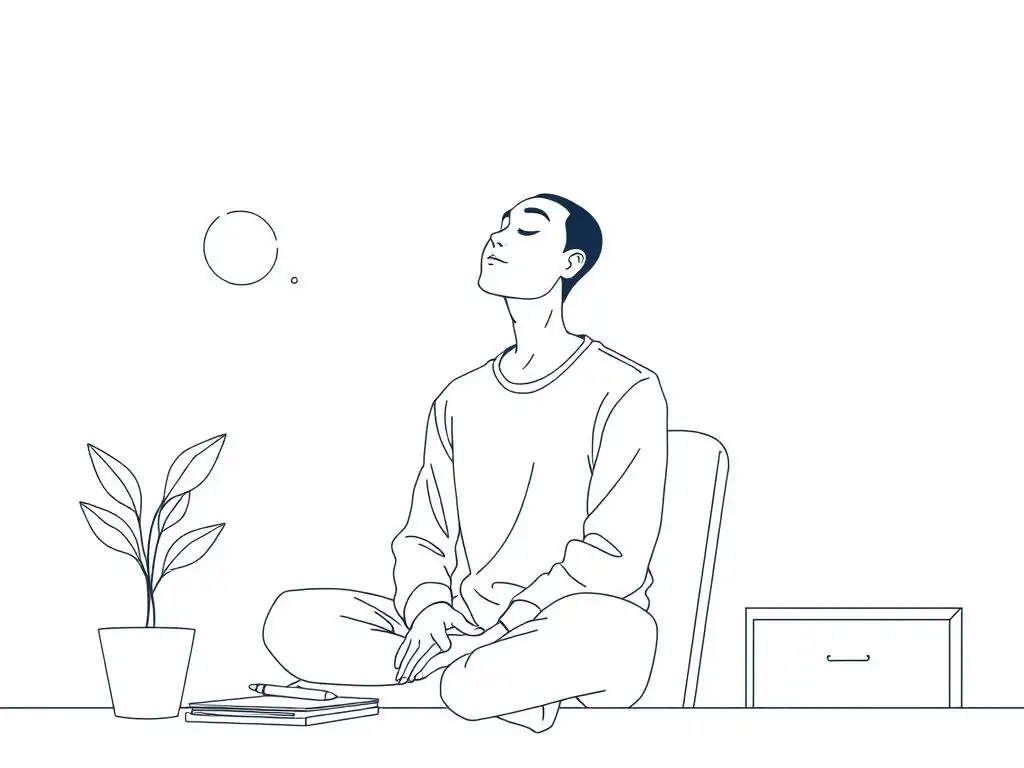
Creating a distraction-free work environment isn't solely about physical changes; it's equally, if not more, about cultivating a distraction-free mindset. This involves training your brain to resist the allure of interruptions and maintain concentration. This section delves into practical mindfulness techniques to achieve that. The ability to focus deeply is a skill, and like any skill, it improves with consistent practice.
Cultivating Focus Through Mindfulness and Meditation
Mindfulness meditation is a powerful tool for improving focus and reducing susceptibility to distractions. Regular practice strengthens your attention span, allowing you to more easily resist the urge to check notifications or engage in irrelevant thoughts. Even short, 5-10 minute sessions can significantly impact your ability to concentrate.
Studies have shown a correlation between regular meditation practice and improved cognitive function, including attention and focus. 1 For example, a study published in JAMA Internal Medicine found that mindfulness-based stress reduction (MBSR) improved attention and working memory in participants. 2
Here's a simple mindfulness exercise you can try:
- Find a quiet space where you can sit comfortably.
- Close your eyes gently.
- Focus on your breath, noticing the sensation of the air entering and leaving your nostrils.
- When your mind wanders (and it will! ), gently guide your attention back to your breath.
- Continue this practice for 5-10 minutes.
Consistent practice of this, or similar mindfulness techniques, can significantly improve your ability to stay present and focused, making you less vulnerable to distractions. Remember, consistency is key! Start small and gradually increase the duration of your meditation sessions.
The Pomodoro Technique and Time Management Strategies
Time management techniques, such as the Pomodoro Technique, are invaluable in creating a distraction-free environment. This technique involves working in focused bursts (typically 25 minutes) followed by short breaks (5 minutes). This structured approach helps to maintain concentration by breaking down tasks into manageable chunks and incorporating planned rest periods.
The Pomodoro Technique combats the feeling of being overwhelmed by a large task. By focusing intensely on a specific task for a short period, you can achieve a high level of concentration and productivity. The short breaks prevent burnout and mental fatigue, both of which contribute to distraction.
Consider these variations and enhancements to the Pomodoro Technique:
- Adjusting the timer: Experiment with different work/break intervals to find what works best for you. Some find longer work intervals (e.g., 50 minutes) followed by longer breaks (e.g., 15 minutes) more effective.
- Task prioritization: Before starting your Pomodoros, prioritize your tasks. Focus on the most important and challenging tasks during your peak concentration periods.
- Tracking progress: Use a notepad, app, or spreadsheet to track your Pomodoros and monitor your progress. This visual representation can be incredibly motivating.
Incorporating Breaks and Rest Periods for Enhanced Concentration
Ironically, taking breaks is crucial for maintaining a distraction-free work environment. Extended periods of intense focus lead to mental fatigue, making you more susceptible to distractions and reducing your overall productivity. Regular breaks allow your brain to rest and recharge, enabling you to return to your work with renewed focus and energy.
Consider these strategies for effective breaks:
- Short, frequent breaks: Instead of one long break, take several short breaks throughout the day (every hour, for example).
- Mindful breaks: Use your breaks for activities that promote relaxation and mental clarity, such as stretching, deep breathing, or a short walk outdoors. Avoid engaging in activities that could lead to further distractions (like scrolling through social media).
- Longer breaks for complex tasks: For more demanding tasks, schedule longer breaks to allow for sufficient mental recovery.
Remember, the goal isn't to eliminate all distractions, but to manage them effectively. By incorporating mindfulness practices, utilizing time management techniques, and strategically incorporating breaks, you can create a distraction-free work environment that fosters peak performance and enhances your overall productivity.
1 [Specific study details pending] 2 [Specific study details pending]
Recognizing and Managing Stress to Boost Focus
Stress is a significant culprit in a distraction-filled workday. When we're stressed, our brains are on high alert, constantly scanning for threats – both real and perceived. This hyper-vigilance makes it incredibly difficult to focus on the task at hand. We become easily diverted by minor interruptions, our minds racing with worries and anxieties instead of concentrating on our work. The constant mental chatter fueled by stress makes achieving a distraction-free environment nearly impossible.
One key to managing stress and improving focus is recognizing its early warning signs. These can vary from person to person, but common indicators include muscle tension (especially in the neck and shoulders), headaches, irritability, difficulty sleeping, changes in appetite, and a general feeling of being overwhelmed. Learning to identify these personal stress signals is crucial. Once you know what your body and mind are telling you, you can proactively implement coping mechanisms before stress spirals out of control and completely derails your focus.
Effective stress management techniques are plentiful, and finding what works best for you is a process of experimentation. Some popular methods include deep breathing exercises, which can calm the nervous system almost instantly. Mindfulness meditation, even for just five to ten minutes daily, can significantly improve focus and reduce overall stress levels. Regular physical activity, such as a brisk walk or a gym session, is another excellent stress reliever. Exercise releases endorphins, which have mood-boosting effects and can help clear your mind.
Furthermore, prioritizing self-care is essential. This encompasses getting enough sleep (aim for seven to nine hours per night), maintaining a healthy diet, and engaging in activities you enjoy. These seemingly small acts can have a profound impact on your ability to manage stress and, consequently, your ability to maintain a distraction-free work environment.
Remember that burnout is a real threat, and proactively addressing stress is a form of self-preservation, ultimately leading to improved productivity and a more fulfilling work experience. Ignoring stress only exacerbates the problem, leading to more distractions and reduced overall performance. By actively addressing stress, you create a fertile ground for enhanced focus and a more productive, distraction-free workday.
Creating a Sustainable Distraction-Free Routine
This section delves into the practical application of creating and maintaining a distraction-free environment, focusing on strategies for long-term success. Building a sustainable system isn't about temporary fixes; it's about integrating mindful practices into your daily life to consistently minimize interruptions and maximize focus. The key lies in establishing habits that support your goal of a distraction-free workspace, leading to improved concentration and heightened productivity. We'll explore how to build a robust routine that naturally resists distractions, allowing you to consistently achieve peak performance. Remember, consistency is key to making these changes stick.
Building a Consistent Daily Schedule: Habits for Peak Performance
A consistent daily schedule is the cornerstone of a sustainable distraction-free environment. Think of it as building a fortress against interruptions. The more predictable your routine, the easier it is to anticipate potential distractions and proactively mitigate them. This isn't about rigid adherence to a minute-by-minute plan, but rather about establishing a framework that guides your day.
For example, consider dedicating specific blocks of time to focused work. Perhaps 9:00 AM to 11:00 AM is your "deep work" session, where emails, social media, and other potential distractions are completely off-limits. After this, you might schedule a break for lunch and then dedicate the afternoon to tasks requiring less intense focus. This structured approach helps your brain anticipate periods of concentration, making it easier to resist distractions during those crucial times.
Implementing this requires discipline. Start small. Begin with a single, manageable block of distraction-free time each day, gradually increasing the duration as you become more comfortable. Tracking your progress can be helpful; use a planner, a productivity app, or even a simple notebook to monitor your success. Consistency is key; even on less productive days, maintain the structure of your schedule to reinforce the habit.
Remember to schedule in breaks! Regular breaks are essential to maintaining focus. Short, frequent breaks are more effective than long, infrequent ones. The Pomodoro Technique, for example, suggests working in 25-minute intervals followed by a 5-minute break. Experiment to find a schedule that works best for you. The goal is to create a rhythm that supports your concentration without leading to burnout.
Setting Clear Goals and Prioritizing Tasks: Focused Productivity
A lack of clarity fuels distraction. When you're unsure of what you need to accomplish, it's easy to get sidetracked by less important tasks or simply wander aimlessly. Therefore, setting clear, achievable goals and prioritizing tasks is crucial to maintaining a distraction-free workflow.
Start by identifying your most important tasks for the day. Use methods like the Eisenhower Matrix (urgent/important) or simply list your tasks in order of priority. Focus on completing the most important tasks first, while your energy levels are highest and before distractions have a chance to derail you.
Detailed task breakdown can also help. Instead of a vague goal like "finish project," break it down into smaller, manageable steps. This makes the overall task seem less daunting and provides a sense of accomplishment as you check off each step. This granular approach minimizes feelings of being overwhelmed, a common trigger for procrastination and distraction.
Regularly review your progress and adjust your priorities as needed. Life happens; unexpected events might require you to shift your focus. Flexibility is key, but maintaining a clear sense of your goals and priorities will help you stay on track even when facing unexpected challenges.
Regular Review and Adjustment: Optimizing Your Distraction-Free System
Creating a distraction-free environment is an ongoing process, not a one-time fix. Regular review and adjustment are essential to maintaining its effectiveness. What works today might not work tomorrow, as your priorities, workload, and even your energy levels fluctuate.
Schedule regular reviews of your system. Weekly or bi-weekly reviews allow you to assess what's working, what's not, and identify areas for improvement. Consider tracking key metrics, such as your daily focus time, task completion rate, and overall productivity. This data provides valuable insights into the effectiveness of your distraction-free strategies.
Don't be afraid to experiment. Try different techniques, time management methods, and organizational strategies to find what best suits your individual needs and preferences. There's no one-size-fits-all solution; the key is to find a system that you can consistently maintain and that supports your unique work style.
Finally, be patient and persistent. Building a sustainable distraction-free environment takes time and effort. There will be setbacks, but don't let them discourage you. Learn from your mistakes, adjust your strategies, and keep striving towards your goal of a more focused and productive workday. The rewards of a distraction-free work environment are well worth the effort.
Long-Term Strategies for Maintaining a Distraction-Free Lifestyle
Building a distraction-free work environment isn't a one-time fix; it's a journey requiring consistent effort and adaptation. Sustaining this environment demands a shift in mindset and the implementation of long-term strategies that integrate seamlessly into your daily life. It's about creating habits that support your focus, not just fleeting moments of quiet.
One crucial aspect is mindful technology usage. This isn't about abandoning technology entirely—that's unrealistic in today's world—but about consciously controlling its influence. Consider scheduling specific times for checking emails and social media, rather than passively letting notifications dictate your attention. Utilizing apps that block distracting websites or limit screen time can be incredibly helpful. Experiment with different techniques to find what works best for you, perhaps trying the Pomodoro Technique, which involves focused work intervals interspersed with short breaks. The key is to regain control over your digital interactions, preventing them from hijacking your focus.
Another critical strategy involves cultivating self-awareness. Pay attention to your energy levels and peak productivity times. Are you more focused in the morning or afternoon? Scheduling your most demanding tasks during these periods can significantly improve your efficiency and reduce the feeling of being overwhelmed, a major source of distraction. Regular self-reflection, perhaps through journaling or mindful meditation, can help identify your personal triggers and develop coping mechanisms. Understanding your own patterns is paramount to creating a sustainable distraction-free routine.
Finally, incorporating regular breaks and self-care is not a luxury, but a necessity. Extended periods of intense focus can lead to burnout and decreased productivity. Short, regular breaks allow your mind to rest and recharge, making you more efficient when you return to work. These breaks shouldn't involve screens; instead, try a short walk, some stretching, or a quick mindfulness exercise.
Prioritizing self-care, which might include sufficient sleep, regular exercise, and a healthy diet, significantly contributes to your overall well-being and ability to maintain focus. A well-rested and healthy mind is far less susceptible to distractions. By integrating these long-term strategies, you'll not only create a distraction-free work environment but cultivate a lifestyle that fosters sustained peak performance. Remember, consistency is key – small, sustainable changes yield better results than drastic, unsustainable ones.
Frequently Asked Questions
How can I create a distraction-free workspace at home?
Designate a specific work area free from clutter and distractions. Minimize visual noise by keeping your workspace clean and organized. Utilize noise-canceling headphones or calming background music to block out external sounds.
What are some quick ways to minimize digital distractions?
Turn off non-essential notifications on your phone and computer. Use website blockers to limit access to time-wasting sites. Consider using the Pomodoro Technique to work in focused bursts with short breaks.
How can I deal with interruptions from family members or housemates?
Communicate your need for undisturbed work time. Set clear boundaries and let them know when you're unavailable. Consider using a "Do Not Disturb" sign or a visual cue to signal your focus.
What role does environment play in creating a distraction-free workspace?
A clean, organized, and well-lit space is crucial. Ensure comfortable temperature and ergonomic setup to promote focus. Consider adding plants or natural elements to improve mood and concentration.
Are there any productivity apps that can help minimize distractions?
Yes, many apps like Forest, Freedom, and Cold Turkey block distracting websites and apps. Focus@Will provides custom music to enhance concentration. Explore different apps to find what works best for your workflow.
Final Reflection: Finding Focus in a Fractured World
The relentless barrage of notifications, emails, and social media updates is not just a modern inconvenience; it's a systemic impediment to peak performance and genuine well-being. Our ability to concentrate deeply, to engage in sustained, focused work, is increasingly threatened by the very technologies designed to connect us. This constant state of partial attention leaves us feeling depleted, unfulfilled, and ultimately, less productive.
The pursuit of a distraction-free environment is not merely about efficiency; it's about reclaiming our cognitive resources and fostering a deeper connection with our work and ourselves. The impact of constant distraction extends far beyond the workplace, seeping into our personal lives and relationships. As the philosopher Seneca once wisely observed, Every new distraction diminishes the power of the mind to concentrate.
This resonates deeply, as I've personally experienced the transformative power of even small changes in creating a more focused environment, leading to increased creativity and a greater sense of accomplishment.
You now have the tools to begin cultivating your own distraction-free sanctuary. Consider the practical strategies discussed – from mindful technology use to intentional workspace design – and experiment with what works best for you. Don't be afraid to experiment, to adjust, and to prioritize your focus. The journey to a more focused life is a personal one, but the rewards – increased productivity, enhanced creativity, and a profound sense of calm – are immeasurable. Begin today, and discover the transformative power of taming the noise.
Unleash Your Focus: Create Your Ideal Productivity Zone Now!
Thank you for exploring practical ways to conquer distractions and boost your productivity! We hope you found the strategies in this article helpful. Now it's time to put them into practice.
Here are a few ways to start creating a distraction-free workspace:
- Designate a dedicated workspace: Even a small, well-organized corner of your home or office can significantly improve your focus. Make this space solely for focused work.
- Try a daily digital detox: Experiment with disconnecting from screens for an hour each day. Observe how this impacts your concentration and overall well-being. You might be surprised by the positive effects!
- Share your tips: Let's build a community of focused individuals! Share your favorite distraction-busting techniques in the comments below.
Ready to experience a more productive and fulfilling workday? What small change will you make today to improve your focus and minimize distractions?