
UltimateLifeHacks: Conquer Stress with These 5Minute Fitness Miracles


Welcome to UltimateLifeHacks, your portal to a more efficient and fulfilling life! Are you overwhelmed by stress and short on time? Discover how to reclaim your well-being with our exclusive collection of practical tips and tricks. Dive into our latest article, "5-minute stress-relieving fitness hacks," and unlock the secret to incorporating effortless fitness into even the busiest schedules. Prepare to be amazed by how much you can achieve in just five minutes!
- Introduction: Quick Fitness Fixes for Stress Relief
-
5-Minute Stress-Relieving Fitness Hacks: Your Quick Guide
- Hack #1: Deep Breathing and Desk Yoga for Instant Relaxation (5 Minute Stress Relief Exercises)
- Hack #2: Quick Burst Cardio to Boost Mood and Energy (5 Minute High Intensity Interval Training)
- Hack #3: Mindful Movement and Stretching for Tension Release (5 Minute Stress Relief Stretches)
- Hack #4: Progressive Muscle Relaxation for Physical and Mental Calm (5 Minute Progressive Muscle Relaxation Exercises)
- Hack #5: Short HIIT Workout for Increased Endorphins and Reduced Stress (5 Minute HIIT Workout Routine)
- Maintaining Your Stress-Free Routine: Tips and Considerations
- Frequently Asked Questions
- Final Reflection: Finding Calm in the Chaos: 5-Minute Fitness Miracles
- Unlock Your Stress-Free Zone: Start Feeling Amazing Now!
Introduction: Quick Fitness Fixes for Stress Relief
Feeling overwhelmed? Stress taking its toll? In today's fast-paced world, finding time for self-care, especially exercise, can feel impossible. But what if we told you that even just five minutes of focused physical activity could significantly reduce stress and improve your overall well-being?
This article dives into the world of 5-minute stress-relieving fitness hacks, providing practical and effective techniques to incorporate into your daily routine, regardless of your fitness level or time constraints. We'll explore the powerful connection between exercise and stress reduction, demonstrating how even the smallest bursts of movement can make a monumental difference in managing stress and promoting a healthier, happier you. Prepare to discover how to conquer stress with these simple yet effective 5-minute fitness miracles!
We'll equip you with actionable strategies to integrate these quick workouts into your busy schedule, helping you prioritize your physical and mental health without sacrificing precious time. Let's get started on your journey to a calmer, more energized you! 🚀
Understanding the Link Between Stress and Physical Activity
Stress, a ubiquitous aspect of modern life, manifests in various ways, from anxiety and irritability to physical symptoms like headaches and muscle tension. While stress is a natural response, chronic stress can be detrimental to both mental and physical health. The good news is that physical activity serves as a potent antidote. Exercise triggers the release of endorphins, natural mood boosters that combat stress hormones like cortisol.
This process isn't just about feeling good; it's about regulating your body's physiological response to stress. Studies have consistently shown a strong correlation between regular physical activity and reduced stress levels, improved sleep quality, and enhanced mood. 😴 Even short bursts of exercise can significantly impact your stress response.
For example, a brisk five-minute walk can help clear your head, reduce muscle tension, and promote a sense of calm. This is because physical activity helps regulate the autonomic nervous system, which controls the "fight-or-flight" response associated with stress. By engaging in physical activity, you actively counter the effects of stress on your body and mind.
The Power of Micro-Workouts: Small Changes, Big Impact
The beauty of these 5-minute fitness miracles lies in their accessibility. You don't need a gym membership, fancy equipment, or hours of free time. These micro-workouts can be seamlessly integrated into your daily routine, transforming otherwise unproductive moments into opportunities for stress relief. Think of those five minutes you spend waiting for the kettle to boil, or the time between meetings. These snippets of time, often wasted, can be repurposed for quick bursts of exercise. The key is consistency.
Even short, regular sessions are far more effective than infrequent, longer workouts. This approach fosters a sustainable habit, making stress management an integral part of your daily life. We will explore specific examples of 5-minute exercises you can easily incorporate into your daily schedule, demonstrating how small changes can lead to significant improvements in your overall well-being. Remember, every little bit counts! 💪
5-Minute Stress-Relieving Fitness Hacks: Your Quick Guide
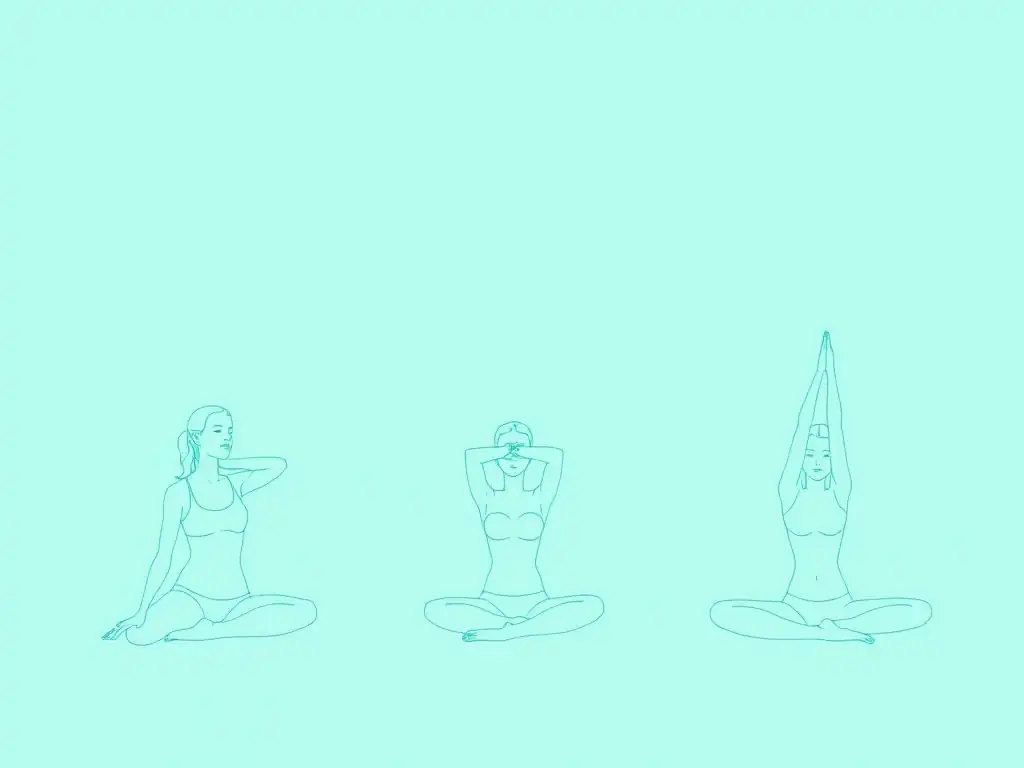
This section details practical, effective 5-minute fitness hacks designed to alleviate stress and boost your well-being. These techniques are perfect for busy individuals seeking quick stress relief without sacrificing valuable time. We'll explore simple yet powerful exercises that can be incorporated into your daily routine, anytime, anywhere. Remember, even short bursts of activity can significantly impact your physical and mental health, contributing to improved mood and reduced stress levels. These "5minute stressrelieving fitness hacks" are your secret weapon against daily pressures.
Hack #1: Deep Breathing and Desk Yoga for Instant Relaxation (5 Minute Stress Relief Exercises)
This hack combines the power of deep breathing exercises with simple yoga poses, perfect for relieving stress at your desk or anywhere you find yourself feeling overwhelmed. The key is to focus on mindful movement and controlled breathing to calm your nervous system. Even five minutes dedicated to these practices can make a noticeable difference in your stress levels throughout the day. It's a fantastic way to incorporate "5 minute stress relief exercises" into your workflow.
Simple Desk Yoga Poses for Stress Reduction
Several yoga poses require minimal space and can easily be performed at your desk. Here are a few examples:
- Shoulder Rolls: Gently roll your shoulders backward in a circular motion 10 times, then forward 10 times. This releases tension built up from prolonged sitting.
- Neck Stretches: Tilt your head to the right, gently bringing your ear towards your shoulder. Hold for 15 seconds, then repeat on the left. You can also gently rotate your neck clockwise and counterclockwise.
- Seated Spinal Twist: Sit upright, gently twist your torso to the right, placing your left hand on your right knee and your right hand behind you for support. Hold for 15 seconds, and repeat on the left. This helps improve posture and release tension in your back.
- Cat-Cow Pose (modified): While seated, gently arch your back, dropping your head down, then round your back, lifting your head. Repeat this flow 5-10 times. This gentle movement helps to relieve tension in the spine and improve flexibility.
Effective Deep Breathing Techniques for Anxiety Relief
Deep breathing is a cornerstone of stress reduction. These techniques help slow your heart rate and calm your mind:
- Box Breathing: Inhale deeply for a count of 4, hold for 4, exhale for 4, and hold for 4. Repeat this cycle for 1-2 minutes. This technique is particularly effective in managing anxiety.
- Diaphragmatic Breathing (Belly Breathing): Place one hand on your chest and the other on your belly. Inhale deeply, focusing on expanding your belly, not your chest. Exhale slowly, feeling your belly contract. Repeat for 1-2 minutes. This encourages deeper, more calming breaths.
- Alternate Nostril Breathing (Nadi Shodhana): Use your right thumb to close your right nostril, inhale through your left, then close your left nostril with your right ring finger, exhale through your right. Inhale through your right, close your right, exhale through your left. Repeat for 1-2 minutes. This technique is known for balancing energy and promoting relaxation.
Hack #2: Quick Burst Cardio to Boost Mood and Energy (5 Minute High Intensity Interval Training)
Short bursts of high-intensity interval training (HIIT) can be surprisingly effective in relieving stress and boosting your energy levels. The key is to alternate between short periods of intense activity and brief recovery periods. This type of workout triggers the release of endorphins, which have mood-boosting effects. This is a fantastic way to incorporate "5 minute stress relief exercises" that also improve your fitness.
Choosing the Right Cardio for a 5-Minute Blast
For a 5-minute HIIT session, choose exercises that you can perform intensely for short durations. Here are some options:
- Jumping Jacks: A classic, effective full-body exercise.
- Burpees: A more challenging exercise that works multiple muscle groups.
- High Knees: Bring your knees up towards your chest, focusing on speed and intensity.
- Butt Kicks: Kick your heels up towards your glutes, focusing on speed and intensity.
- Mountain Climbers: A dynamic plank variation that elevates your heart rate quickly.
Remember to warm up briefly before starting your HIIT session and cool down afterward.
Maximizing Calorie Burn and Stress Reduction in Short Bursts
To maximize the benefits of your 5-minute HIIT workout, follow this sample routine:
- Warm-up (30 seconds): Light cardio, such as jogging in place or jumping jacks.
- Interval 1 (30 seconds): High-intensity exercise (e.g., burpees).
- Recovery (30 seconds): Rest or light activity (e.g., walking in place).
- Interval 2 (30 seconds): High-intensity exercise (e.g., jumping jacks).
- Recovery (30 seconds): Rest or light activity.
- Interval 3 (30 seconds): High-intensity exercise (e.g., high knees).
- Cool-down (1 minute): Stretching.
This structure ensures you get a powerful workout in a short amount of time, helping to relieve stress and boost your energy levels. Remember consistency is key! Even incorporating these "5minute stressrelieving fitness hacks" a few times a week can make a significant difference.
Hack #3: Mindful Movement and Stretching for Tension Release (5 Minute Stress Relief Stretches)
Stress often manifests as physical tension, particularly in the neck, shoulders, and back. Mindful stretching, focusing on your breath and body sensations, can significantly alleviate this tension and promote relaxation. This isn't about intense workouts; it's about gentle, deliberate movements that release tightness and calm the nervous system. Even five minutes dedicated to mindful stretching can make a noticeable difference in your stress levels throughout the day.
Remember to listen to your body and avoid pushing yourself into painful stretches. The goal is gentle release, not extreme exertion. Consistent practice will improve your flexibility and enhance your ability to manage stress through physical release. The key is to combine physical movement with mental focus, creating a synergistic effect for stress reduction.
Targeted Stretches to Relieve Neck and Shoulder Tension
Neck and shoulder tension are common stress symptoms. Simple stretches can target these areas effectively. Try these:
- Neck Rolls: Gently rotate your head clockwise in a slow, controlled circle, then counterclockwise. Repeat 5-10 times. Focus on the sensation of the stretch in your neck muscles.
- Shoulder Shrugs: Slowly lift your shoulders towards your ears, hold for a few seconds, and then release. Repeat 5-10 times. Pay attention to the release of tension as you lower your shoulders.
- Shoulder Blade Squeeze: Squeeze your shoulder blades together, hold for a few seconds, and then release. Repeat 5-10 times. Feel the stretch between your shoulder blades.
- Arm Across Chest Stretch: Gently pull one arm across your chest, holding it with your opposite hand. Hold for 15-30 seconds, then repeat on the other side. Focus on the stretch in your shoulder and upper back.
Remember to breathe deeply throughout each stretch, inhaling deeply and exhaling slowly. This enhances the relaxation response and amplifies the benefits of the stretches.
Mindfulness Exercises to Enhance Stretching Benefits
Incorporating mindfulness techniques into your stretching routine significantly increases its stress-relieving effects. Here are some simple mindfulness exercises you can integrate:
- Body Scan Meditation: Before starting your stretches, take a few minutes to lie down or sit comfortably. Close your eyes and bring your attention to your body, starting with your toes and gradually moving upwards. Notice any sensations – tension, warmth, tingling – without judgment. This helps you become more aware of your body's physical state.
- Deep Breathing: During each stretch, focus on your breath. Inhale deeply, filling your lungs with air, and exhale slowly, releasing tension with each breath. This simple technique activates the parasympathetic nervous system, promoting relaxation.
- Present Moment Awareness: Pay close attention to the sensations in your body as you stretch. Notice the feeling of the stretch in your muscles, the movement of your body, and the rhythm of your breath. Avoid letting your mind wander; gently redirect your focus back to the present moment when it does.
Hack #4: Progressive Muscle Relaxation for Physical and Mental Calm (5 Minute Progressive Muscle Relaxation Exercises)
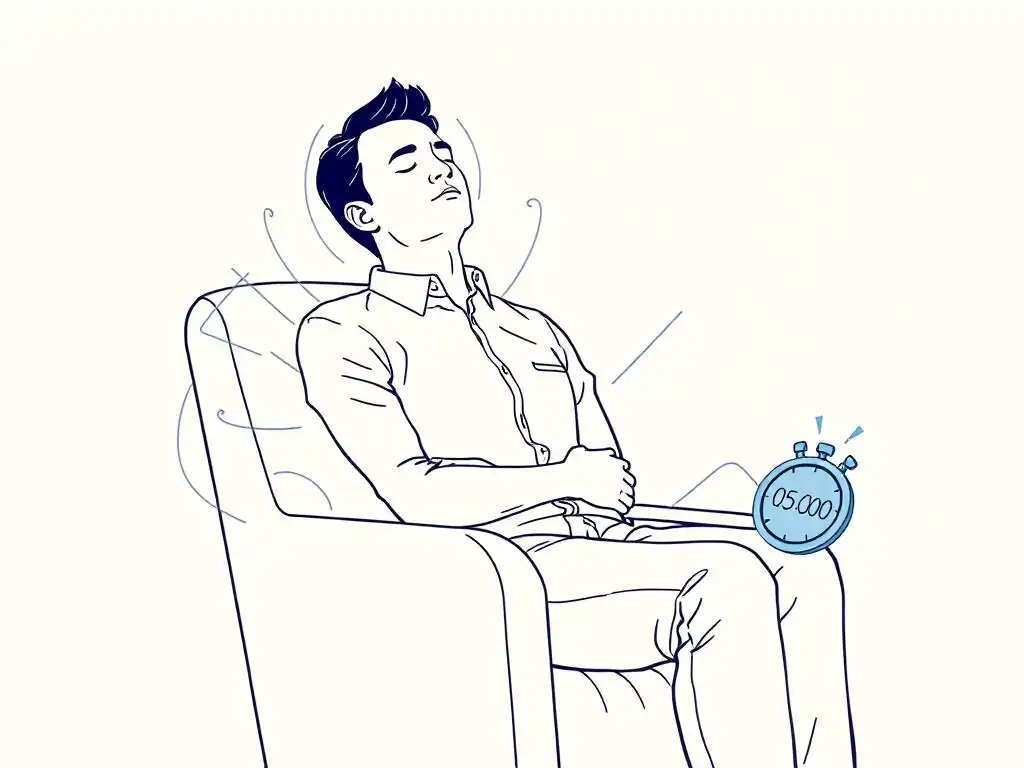
Progressive muscle relaxation (PMR) is a technique that involves systematically tensing and releasing different muscle groups in your body. This process helps to reduce muscle tension and promote a state of deep relaxation, effectively combating stress. Even a 5-minute PMR session can significantly lower your stress levels and improve your overall sense of well-being. The beauty of PMR lies in its simplicity and accessibility; it requires no special equipment and can be practiced virtually anywhere.
Step-by-Step Guide to Progressive Muscle Relaxation
- Find a Quiet Space: Choose a comfortable, quiet place where you won't be disturbed. Lie down or sit comfortably in a chair with good support.
- Begin with Deep Breaths: Take a few deep, slow breaths, focusing on the sensation of the air entering and leaving your body. This helps to calm your nervous system.
- Focus on One Muscle Group at a Time: Starting with your toes, tense the muscles in that area as tightly as you can for 5-10 seconds. Notice the tension.
- Release the Tension: Release the tension completely and allow your muscles to relax. Notice the difference between the tension and the relaxation. Pay attention to the feeling of release.
- Move to the Next Muscle Group: Continue this process, moving systematically through different muscle groups: feet, calves, thighs, buttocks, abdomen, chest, shoulders, arms, hands, neck, and face.
- Conclude with Deep Relaxation: After completing the entire sequence, take a few more deep breaths and savor the feeling of relaxation. Allow yourself to simply be present and enjoy the calm.
Benefits of Progressive Muscle Relaxation for Stress Management
Regular practice of progressive muscle relaxation offers numerous benefits for stress management:
- Reduced Muscle Tension: PMR directly addresses muscle tension, a common physical manifestation of stress. By systematically releasing tension, it helps to alleviate physical discomfort and improve overall comfort.
- Lowered Heart Rate and Blood Pressure: Studies show that PMR can lower heart rate and blood pressure, reducing the physiological effects of stress on the cardiovascular system.
- Improved Sleep Quality: PMR promotes relaxation and reduces mental chatter, making it easier to fall asleep and improve sleep quality. This is crucial, as poor sleep exacerbates stress.
- Enhanced Mental Clarity: By reducing physical tension, PMR allows for improved mental focus and clarity, reducing the impact of stress on cognitive functions.
- Increased Sense of Calm and Well-being: The overall effect of PMR is a profound sense of calm and well-being, equipping individuals with a powerful tool to manage stress effectively. The cumulative effect of regular practice is a significant improvement in stress resilience.
Hack #5: Short HIIT Workout for Increased Endorphins and Reduced Stress (5 Minute HIIT Workout Routine)
High-Intensity Interval Training (HIIT) is a fantastic way to alleviate stress and boost your mood in a short amount of time. The intense bursts of activity followed by brief recovery periods trigger the release of endorphins, those fantastic "feel-good" chemicals in your brain. This natural mood elevator can significantly reduce stress and leave you feeling energized and refreshed. Even a 5-minute HIIT session can yield remarkable results.
The key is to push yourself during the high-intensity intervals and allow for adequate rest during the recovery periods. This method maximizes calorie burn and improves cardiovascular health, offering additional benefits beyond stress reduction. Remember to listen to your body and adjust the intensity according to your fitness level.
Consistency is key; even short, regular HIIT sessions can make a substantial difference in your overall well-being and resilience to stress. The short bursts of activity make it easy to fit into even the busiest schedules, making it a perfect tool for managing stress effectively. Many find that integrating a short HIIT routine into their daily schedule helps them manage stress levels throughout the day, preventing them from building up to overwhelming levels.
Sample HIIT Routine for Stress Relief
This routine requires minimal space and no equipment, making it perfect for those tight on time or resources. Remember to consult your doctor before starting any new workout routine.
| Exercise | Duration (seconds) | Rest (seconds) | Reps/Sets |
|---|---|---|---|
| Jumping Jacks | 30 | 15 | 2 sets |
| High Knees | 30 | 15 | 2 sets |
| Butt Kicks | 30 | 15 | 2 sets |
| Burpees | 30 | 15 | 2 sets |
| Plank | 30 | 15 | 2 sets |
This routine can be easily adjusted to your fitness level. If you're a beginner, reduce the duration of each exercise or increase the rest periods. As you become more fit, you can increase the intensity by adding more repetitions or shortening the rest periods. You can also modify exercises to suit your physical abilities.
For example, instead of burpees, you could do modified burpees (step-outs instead of jumps) or incline push-ups against a wall. The goal is to challenge yourself while maintaining proper form to avoid injuries. Remember to focus on your breathing throughout the workout, inhaling deeply and exhaling fully. This will help to regulate your nervous system and enhance the stress-relieving effects of the exercise.
Important Considerations for Safe and Effective HIIT
Safety and proper form are paramount when performing HIIT. Prioritizing these aspects will ensure you reap the benefits of this high-intensity workout without risking injury. Always start slowly and gradually increase the intensity as your fitness improves. Pay close attention to your body and stop if you experience any pain. Proper warm-up and cool-down are crucial. A dynamic warm-up, such as arm circles, leg swings, and torso twists, prepares your muscles for the strenuous activity.
A cool-down consisting of light stretching helps to improve flexibility and reduce muscle soreness. Staying hydrated is also essential, especially during high-intensity workouts. Drink plenty of water before, during, and after your HIIT session. Remember that consistency is key. Even short, regular HIIT sessions are more effective than infrequent, longer workouts. Aim for at least 2-3 sessions per week to maximize the stress-reducing benefits.
Listen to your body and adjust the intensity and duration of your workout based on your fitness level and how you feel. Remember, the goal is to challenge yourself, not to push yourself to the point of injury. If you have any underlying health conditions, consult your doctor before starting a HIIT program. Consider tracking your progress to monitor your improvement and stay motivated. This could involve noting down the duration and intensity of your workouts, as well as how you feel before and after each session. This will allow you to adjust the routine as needed and see how your fitness is improving over time.
Maintaining Your Stress-Free Routine: Tips and Considerations
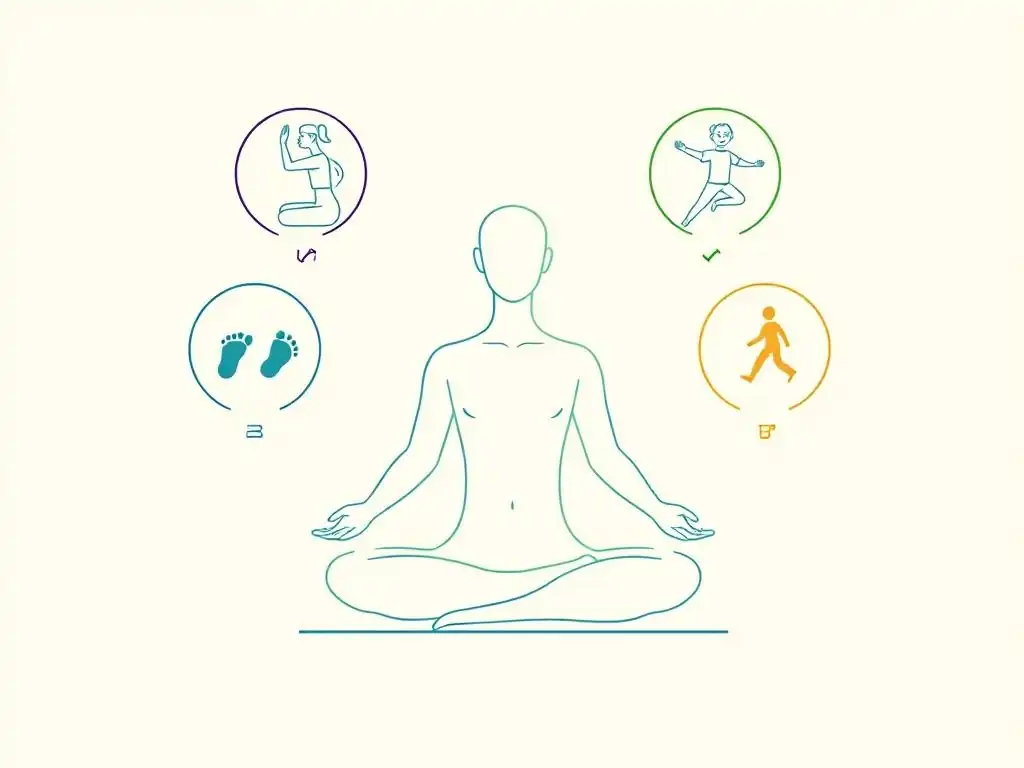
Integrating even these short, 5-minute fitness bursts into your daily life requires careful planning and mindful execution. It's not just about squeezing in the exercises; it's about making them a sustainable part of your routine to truly reap the stress-relieving benefits. Ignoring this crucial aspect can lead to inconsistency and ultimately, a return to higher stress levels. Let's explore how to maintain a stress-free routine built around these quick fitness hacks.
Consistency is Key: Building a Sustainable Fitness Habit
The most significant challenge with any new habit, especially a fitness routine, is consistency. To make these 5-minute stress-relieving fitness hacks a regular part of your life, you need a strategy. Don't just think about doing them; schedule them. Treat these 5-minute workouts like any other important appointment.
Here's a practical approach:
- Identify Your Peak Productivity Times: Are you most alert in the morning, afternoon, or evening? Schedule your 5-minute workouts during those periods when you're most likely to stick to your plan.
- Set Reminders: Utilize your phone's calendar, reminder apps, or even sticky notes to remind you of your workout times. Visual cues are powerful motivators.
- Find Your Ideal Location: Where can you comfortably and conveniently perform these exercises? Your home, office, or even a quiet corner in a park can work. Consistency thrives on convenience.
- Start Small and Gradually Increase: Don't overwhelm yourself. Begin with one 5-minute session daily, and gradually increase the frequency or duration as you feel more comfortable and energized. This gradual approach prevents burnout and fosters long-term adherence.
- Track Your Progress: Use a simple journal or app to track your workouts. Seeing your consistency visually can be incredibly motivating and rewarding. Even a small streak of daily 5-minute workouts can significantly impact your stress levels.
Listening to Your Body: Recognizing Stress Signals and Adjusting Your Routine
While consistency is vital, it shouldn't come at the cost of ignoring your body's signals. Stress manifests in various ways, and pushing through physical limitations when already stressed can be counterproductive. Learning to recognize these signals and adjust your routine accordingly is crucial for long-term success and stress management.
Some common stress signals to watch for include:
- Increased Heart Rate and Breathing: If you notice your heart racing or breathing becoming shallow during your workout, it might be a sign to slow down or take a break.
- Muscle Tension and Pain: Pay attention to muscle soreness or tightness. Ignoring these signals can lead to injuries, further increasing stress.
- Fatigue and Exhaustion: If you feel excessively tired, don't force yourself to complete the workout. Rest is essential for stress recovery.
- Mental Fog and Difficulty Focusing: If you're struggling to concentrate during your workout, it's a clear indication that your body needs a break.
Adjusting your routine might involve:
- Reducing the intensity: If you're feeling overwhelmed, opt for gentler exercises like deep breathing or stretching.
- Shortening the workout: Don't hesitate to reduce the duration of your 5-minute workout if needed. Something is always better than nothing.
- Taking breaks: Incorporate short rest periods throughout your workout to allow your body to recover.
- Choosing alternative activities: If you find yourself dreading your usual routine, consider substituting it with a different 5-minute activity, such as a short walk or a mindful meditation session.
Combining Fitness with Other Stress Management Techniques
The effectiveness of these 5-minute fitness hacks is amplified when combined with other stress management techniques. A holistic approach is far more powerful than relying on a single method.
Consider integrating the following:
- Mindfulness and Meditation: Even a few minutes of daily mindfulness can significantly reduce stress hormones. Combine your 5-minute workout with a short meditation session for a powerful one-two punch against stress.
- Deep Breathing Exercises: Deep, controlled breathing can calm your nervous system and lower your heart rate. Incorporate deep breathing techniques before, during, or after your 5-minute workout.
- Healthy Diet and Sleep: Proper nutrition and adequate sleep are fundamental for stress management. Ensure you're eating a balanced diet and getting enough quality sleep to support your physical and mental well-being.
- Social Support: Connecting with loved ones and building a strong support system can significantly reduce stress levels. Make time for social interaction and share your fitness journey with others for added motivation and support.
By combining these 5-minute fitness hacks with other proven stress management strategies, you can create a comprehensive approach to stress reduction and cultivate a healthier, more balanced lifestyle. Remember, consistency, self-awareness, and a holistic approach are key to long-term success in managing stress effectively.
Frequently Asked Questions
How can I relieve stress in just 5 minutes?
Quick stress-relieving fitness hacks include deep breathing exercises, a brisk walk, or some simple stretches. Focus on mindful movement to ease tension and calm your mind. Even a short burst of activity can make a difference.
What are some effective 5-minute fitness exercises to reduce stress?
Try jumping jacks, high knees, or butt kicks for a quick cardio burst. Yoga poses like downward-facing dog or child's pose can also relieve stress and improve flexibility. Remember to focus on your breath.
Are these 5-minute fitness hacks suitable for beginners?
Absolutely! These hacks are designed to be accessible to all fitness levels. Modify exercises as needed to suit your abilities. The goal is to move your body and reduce stress, not to achieve a specific fitness goal.
Will 5 minutes of exercise really impact my stress levels?
Yes! Even short bursts of physical activity can significantly impact stress hormone levels. Regular short workouts are more effective than infrequent longer sessions for stress management. It's about consistency.
Where can I find more information on stress-relieving fitness hacks?
Visit UltimateLifeHacks for more practical life hacks and productivity tips, including a wide range of stress-reducing techniques and fitness routines. We regularly update our website with new content.
Final Reflection: Finding Calm in the Chaos: 5-Minute Fitness Miracles
The relentless pace of modern life leaves many feeling overwhelmed, but even fleeting moments can be transformed into oases of calm. The simple, effective 5-minute fitness hacks explored in this article offer a powerful antidote to the pervasive stress that grips our society. These aren't just exercises; they are tools for reclaiming control and nurturing your well-being.
The impact of chronic stress on our mental and physical health is undeniable, and its influence permeates every aspect of our lives, from our relationships to our productivity. Stress is the tax we pay for success,
but we don't have to pay it at the cost of our well-being. These micro-workouts offer a pathway to a healthier, more balanced existence, reminding us that self-care isn't selfish; it's essential. The shift in perspective – from viewing fitness as a chore to embracing it as a vital tool for stress management – is profoundly empowering.
You now hold the key to unlocking a calmer, more centered you. Don't let the demands of your day dictate your well-being. Commit to incorporating even one of these 5-minute fitness miracles into your daily routine. Observe the subtle shifts in your mood, your energy levels, and your overall sense of self. Remember, the journey to a stress-free life begins with a single, mindful breath – and a commitment to prioritizing your well-being, even in the midst of chaos.
Unlock Your Stress-Free Zone: Start Feeling Amazing Now!
Thank you for exploring these quick fitness tips! We hope you found practical ways to manage stress and improve your well-being. Ready to put this knowledge into practice?
- Prioritize your well-being: Choose one of the exercises mentioned and try it now. Even a small step can make a significant difference!
- Share the power: Tell a friend or family member about a technique that helped you. Inspire them to prioritize their own mental and physical health!
- Embrace the challenge: Commit to incorporating these simple fitness boosts into your daily routine for a week and track your progress. Notice how much better you feel!
What small change will you make today to invest in a more relaxed future?