
From Sluggish to Supercharged: Desk Exercises You Can Do Right Now

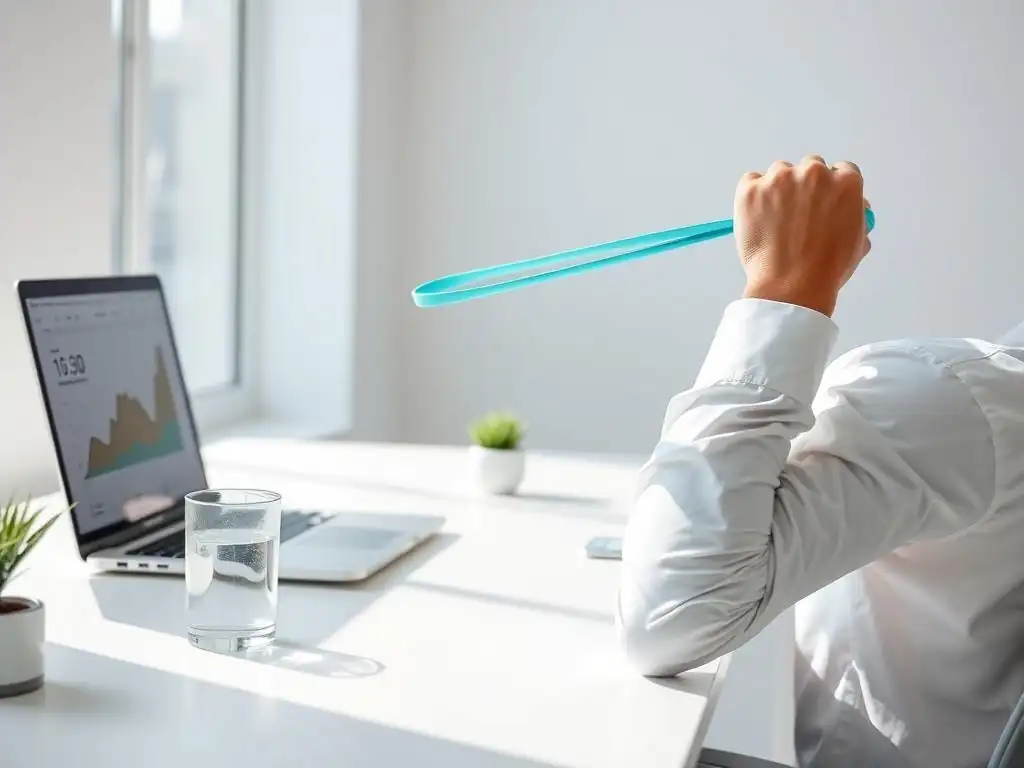
Feeling sluggish at your desk? Ditch the afternoon slump! UltimateLifeHacks delivers practical solutions to boost your productivity and well-being. Discover powerful techniques to optimize your daily routine, starting with our latest revelation: Quick desk exercises for energy. Ready to transform your workday and unlock your full potential? Let's dive in!
- Quick Desk Exercises for Energy: Boosting Your Productivity
- Simple Desk Stretches for Improved Circulation and Focus
- Incorporating Movement into Your Workday: Strategies for Staying Active
- Quick Desk Exercises for Energy: Advanced Techniques
- Maintaining a Healthy Work-Life Balance: Exercise and Productivity
- Staying Motivated: Tips and Tricks for Consistent Desk Exercise
- Beyond the Desk: Extending Your Workout Routine
- Frequently Asked Questions
- Final Reflection: Unlocking Your Energy Potential at Your Desk
- Unlock Your Inner Energy: Boost Your Productivity Today!
Quick Desk Exercises for Energy: Boosting Your Productivity
Feeling sluggish at your desk? The afternoon slump hitting hard? You're not alone. Many of us spend hours each day sitting, leading to decreased energy levels, stiffness, and even back pain. But what if we told you that you could combat these issues and boost your productivity with a few simple, quick desk exercises?
This article provides a curated selection of easy-to-perform movements you can do right at your workstation, requiring no special equipment and minimal time commitment. These exercises are designed to improve circulation, increase energy, relieve muscle tension, and ultimately enhance your focus and overall well-being throughout your workday. We'll cover stretches to combat that mid-afternoon slump, chair exercises to alleviate back pain and improve posture, and quick energy-boosting movements that require nothing more than your own body. Get ready to transform your workday from sluggish to supercharged!
Combatting the Afternoon Slump with Simple Desk Stretches
That mid-afternoon slump can be a productivity killer. But before you reach for another cup of coffee, try these simple stretches to revitalize your body and mind. These stretches focus on relieving tension in your neck, shoulders, and back – common areas affected by prolonged sitting. Remember to breathe deeply throughout each stretch, holding for 15-20 seconds.
- Neck Rolls: Gently roll your head clockwise, then counterclockwise. This helps to release tension in your neck muscles. Repeat 5-10 times in each direction. 🧘♀️
- Shoulder Shrugs: Raise your shoulders up towards your ears, hold, and then release. Repeat 10-15 times. This simple exercise can significantly relieve shoulder tension. ⬆️⬇️
- Arm Stretches: Extend one arm straight out in front of you, then gently pull it across your body towards your chest, holding it with your opposite hand. Repeat with the other arm. This stretches your chest and shoulder muscles. 💪
- Torso Twists: Gently twist your torso from side to side, keeping your hips relatively still. This improves mobility and relieves stiffness in your back. Repeat 10-15 times. 🔄
Remember to listen to your body and stop if you feel any pain. These stretches are meant to be gentle and relaxing.
Easy Chair Exercises to Relieve Back Pain and Improve Posture
Poor posture from prolonged sitting contributes significantly to back pain and discomfort. These chair exercises focus on strengthening your core muscles and improving your posture, reducing the strain on your back. Remember to maintain proper form to maximize the benefits and avoid injury.
- Seated Spinal Twists: Sit up straight with your feet flat on the floor. Place your hands on your knees and gently twist your torso to the left, then to the right. Repeat 10-15 times. This helps to improve spinal mobility. 🤸♀️
- Chair Dips: Place your hands on the edge of your chair, slightly behind you, and lower your hips towards the floor, bending your elbows. Push back up to the starting position. Repeat 10-15 times. This exercise strengthens your triceps and shoulders, improving upper body strength and posture. 🏋️♀️
- Pelvic Tilts: Sit upright with your feet flat on the floor. Gently tilt your pelvis forward, then backward, engaging your abdominal muscles. Repeat 10-15 times. This exercise strengthens your core and improves posture. 🍑
- Seated Cat-Cow: Sit tall with your feet flat on the floor. Inhale, arch your back slightly, and lift your chest. Exhale, round your spine, and tuck your chin to your chest. Repeat 10 times. This gentle movement helps improve spinal flexibility and relieve back tension. 🐈🐄
Quick Energy Boosting Desk Exercises: No Equipment Needed
Sometimes, all you need is a quick burst of energy to get you through the afternoon. These exercises require no equipment and can be done discreetly at your desk, providing a rapid boost of energy and improved focus.
- Jumping Jacks (Modified): Instead of full jumps, perform modified jumping jacks by stepping your legs out to the sides and raising your arms overhead. Repeat 10-15 times. This gets your heart rate up without being disruptive. 🦘
- Calf Raises: Stand up and lift onto your toes, engaging your calf muscles. Hold for a few seconds, then lower back down. Repeat 10-15 times. This improves circulation in your legs. 👣
- Desk Push-Ups (against the desk): Lean forward, placing your hands shoulder-width apart on your desk. Perform push-ups, keeping your back straight. Repeat as many as you can with good form. This is a great quick upper body exercise. 💪
- Marching in Place: Simply march in place, lifting your knees high. Repeat for 30-60 seconds. This gets your blood flowing. 🚶♀️
By incorporating these quick desk exercises into your daily routine, you can significantly improve your energy levels, posture, and overall well-being, transforming your workday from sluggish to supercharged. Remember consistency is key! Even a few minutes of exercise can make a noticeable difference.
Simple Desk Stretches for Improved Circulation and Focus
Feeling sluggish at your desk? A lack of movement can lead to decreased circulation, impacting both your energy levels and focus. These simple desk stretches, perfect for incorporating into your workday, can help boost circulation and sharpen your mind. Remember to listen to your body and stop if you feel any pain. These quick desk exercises for energy are designed to be easily integrated into your routine, helping you maintain peak performance throughout the day.
Neck and Shoulder Stretches to Relieve Tension
Hours spent hunched over a keyboard can lead to significant neck and shoulder tension. These stretches target these areas, relieving stiffness and promoting relaxation.
- Neck Rolls: Gently roll your head clockwise in a slow, controlled circle, then repeat counterclockwise. Aim for 5-10 repetitions in each direction. This simple exercise can significantly reduce neck stiffness and improve blood flow to the head, boosting alertness.
- Shoulder Shrugs: Slowly raise your shoulders towards your ears, hold for a few seconds, and then release. Repeat 10-15 times. This helps relieve tension in the trapezius muscles, which often become tight from prolonged desk work.
- Shoulder Blade Squeeze: Squeeze your shoulder blades together, hold for 5 seconds, and release. Repeat 10-15 times. This strengthens the muscles between your shoulder blades, improving posture and reducing upper back pain. This is a particularly effective quick desk exercise for energy when you feel that mid-afternoon slump.
Wrist and Hand Exercises to Prevent Carpal Tunnel Syndrome
Repetitive movements on a keyboard and mouse can contribute to carpal tunnel syndrome. These exercises help to prevent this condition by strengthening and stretching the muscles in your hands and wrists.
| Exercise | Description | Repetitions |
|---|---|---|
| Wrist Flexions | Gently bend your wrists up and down. | 10-15 each |
| Wrist Extensions | Gently bend your wrists backward and forward. | 10-15 each |
| Finger Stretches | Spread your fingers wide apart, then make a fist. Repeat several times. | 10-15 |
| Thumb Stretches | Extend and flex your thumb, gently rotating it. | 10-15 each |
| Hand and Finger Shakes | Shake your hands and fingers vigorously to relieve tension and improve circulation. | 30 seconds |
Remember, preventing carpal tunnel syndrome is crucial for maintaining productivity and avoiding long-term discomfort. These quick desk exercises for energy contribute to overall hand health and well-being.
Leg and Foot Stretches to Improve Blood Flow
Prolonged sitting restricts blood flow to your legs and feet, leading to discomfort and fatigue. These simple stretches counter this effect, promoting better circulation and relieving leg stiffness.
- Ankle Circles: Sit upright and rotate your ankles clockwise, then counterclockwise. Do 10 repetitions in each direction. This simple exercise stimulates blood flow to the lower extremities, combating the negative effects of prolonged sitting.
- Calf Stretches: Extend one leg and gently pull your toes towards your shin, holding for 15-20 seconds. Repeat with the other leg. This stretch targets the calf muscles, often tight from prolonged sitting, improving flexibility and circulation.
- Leg Extensions: Extend one leg straight out, then gently pull your toes towards your body, holding for 15-20 seconds. Repeat with the other leg. This improves flexibility and circulation in the hamstrings and improves blood flow to the lower body. This is another excellent quick desk exercise for energy when you feel your legs getting stiff.
By incorporating these simple stretches into your workday, you can significantly improve your circulation, alleviate tension, and boost your energy levels. These quick desk exercises for energy are a powerful tool for maintaining your physical and mental well-being while working at your desk. Remember consistency is key; even a few minutes of stretching can make a significant difference.
Incorporating Movement into Your Workday: Strategies for Staying Active
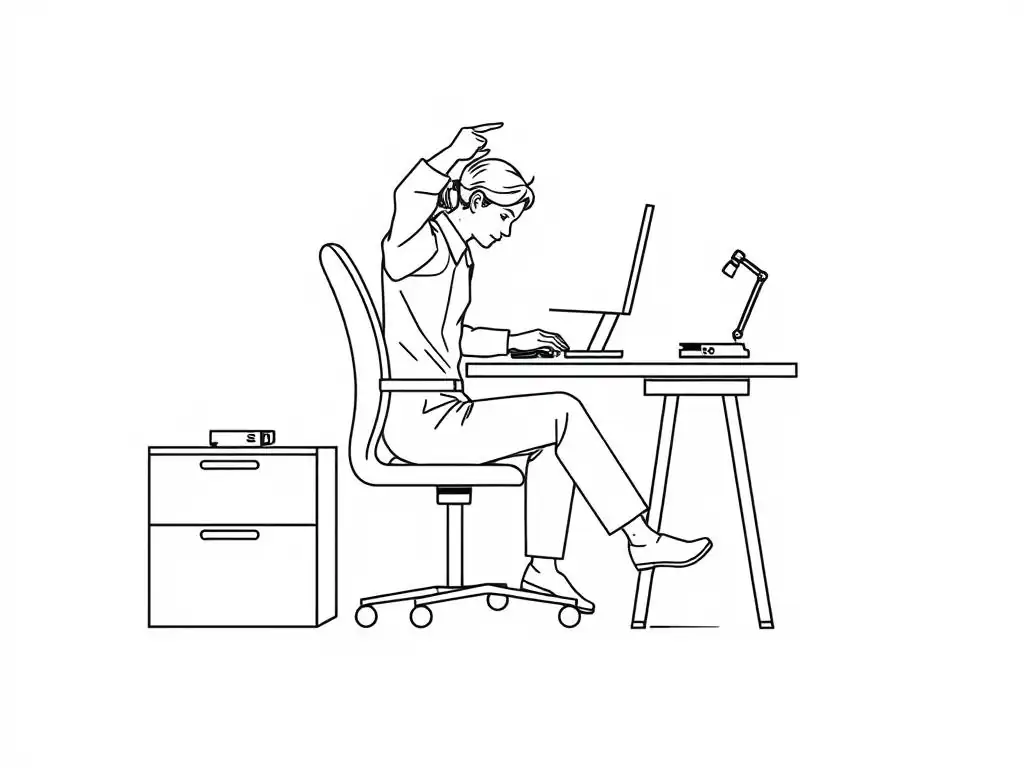
Sitting for prolonged periods is detrimental to health, leading to decreased energy levels, muscle stiffness, and even long-term health problems. The good news is that even small amounts of movement throughout your workday can significantly counteract these negative effects. This section focuses on practical strategies for seamlessly integrating physical activity into your daily routine, transforming your workday from sedentary to subtly active. This is crucial for anyone searching for "quick desk exercises for energy".
The Power of Micro-breaks: Short Exercises for Maximum Impact
Short, frequent movement breaks are far more effective than one long break at the end of the day. Think of it like compound interest – small, consistent actions accumulate to significant results. Instead of aiming for a 30-minute workout, try incorporating 5-minute activity bursts every hour. These micro-breaks can involve simple stretches, quick walks around the office, or even chair exercises. The key is consistency.
Studies show that even a few minutes of light activity can boost energy levels, improve focus, and reduce stress. For example, a 5-minute walk can increase blood flow and oxygen to the brain, leading to improved cognitive function. This is especially beneficial for those experiencing an afternoon slump.
Here's a sample schedule incorporating micro-breaks:
| Time | Activity | Duration | Benefits |
|---|---|---|---|
| 9:30 AM | Neck and shoulder stretches | 2 mins | Relieves tension, improves posture |
| 10:30 AM | Quick walk around the office | 5 mins | Increases blood flow, boosts energy |
| 11:30 AM | Chair exercises (see below) | 3 mins | Strengthens core, improves circulation |
| 1:30 PM | Standing desk work | 30 mins | Reduces sitting time, improves posture |
| 2:30 PM | Leg stretches and ankle rolls | 2 mins | Improves circulation in lower extremities |
| 3:30 PM | Walk and stair climbing | 5 mins | Cardiovascular benefits, energy boost |
Chair exercises can include simple movements like:
- Seated twists: Gently twisting your torso from side to side.
- Leg raises: Lifting your legs straight out in front of you.
- Calf raises: Lifting up onto your toes.
- Arm circles: Rotating your arms forward and backward.
Remember to listen to your body and stop if you feel any pain. The goal is to gently increase movement, not to strain yourself.
Planning Active Breaks into Your Schedule: A Practical Guide
Successfully integrating movement into your workday requires planning and commitment. Treat your active breaks as important appointments, scheduling them into your calendar just like any other meeting. This helps avoid neglecting them due to unexpected tasks or deadlines. Consider these practical strategies:
- Set reminders: Use your phone or computer to set reminders for your micro-breaks.
- Use a timer: A timer can help you stay on track and ensure you don't spend too much time on any one activity.
- Find an accountability partner: Ask a colleague to join you for your active breaks. This can increase motivation and make the breaks more enjoyable.
- Utilize technology: There are numerous apps available that provide guided stretches and exercises, making it easier to incorporate movement into your workday. These apps can even offer customized routines based on your fitness level and goals.
- Make it enjoyable: Choose activities you enjoy. If you dread your breaks, you're less likely to stick with them. Listen to your favorite music while stretching or find a scenic route for your walks. This positive reinforcement will help you build a sustainable habit.
By consistently incorporating these strategies, you can significantly increase your activity levels throughout the workday, leading to increased energy, improved focus, and a healthier lifestyle. Remember, even small changes can make a big difference in your overall well-being. Prioritizing "quick desk exercises for energy" is a small investment with significant returns.
Quick Desk Exercises for Energy: Advanced Techniques
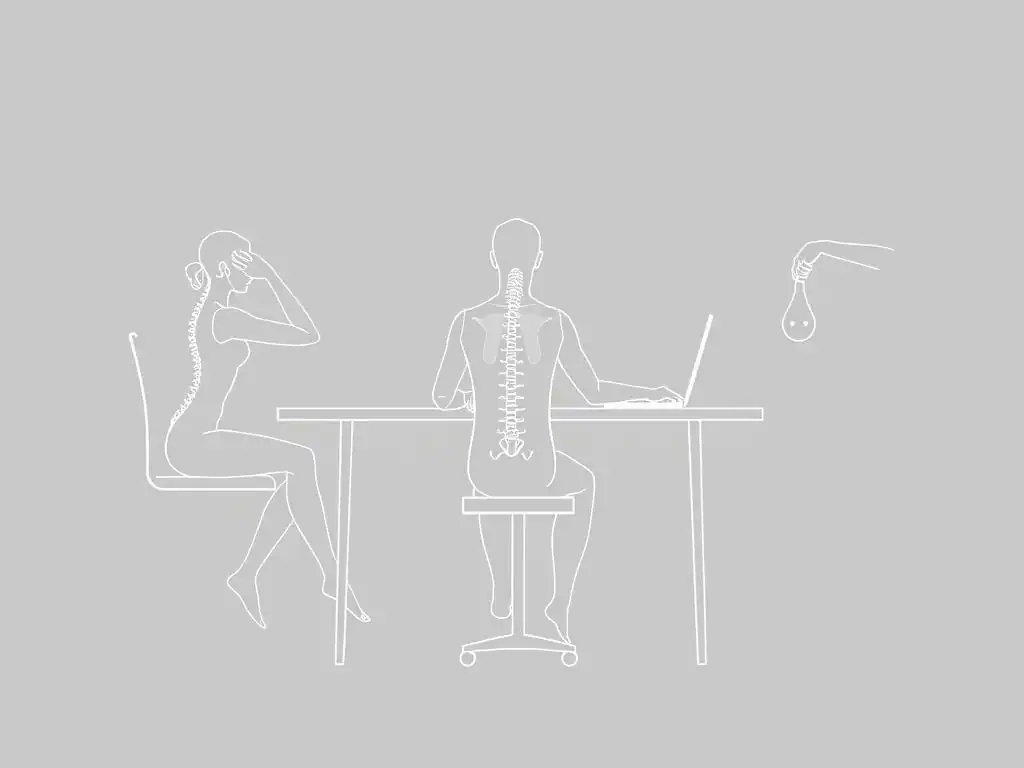
This section delves into more advanced techniques for incorporating quick desk exercises into your workday to combat energy slumps and boost productivity. These exercises build upon basic stretches and incorporate elements of strength training and cardiovascular activity, providing a more comprehensive approach to workplace wellness. Remember to consult your physician before starting any new exercise program.
Strengthening Exercises You Can Do at Your Desk
Many strengthening exercises can be subtly integrated into your workday without disrupting your workflow significantly. These exercises focus on building strength in key muscle groups, improving posture, and increasing overall energy levels.
Focusing on proper form is crucial to avoid injury. Start with a low number of repetitions and gradually increase as your strength improves. Listen to your body and stop if you feel any pain.
Here are a few examples:
- Chair Squats: Perform these by slowly lowering yourself towards your chair as if you're about to sit down, then stand back up. Aim for 10-15 repetitions. This strengthens your quads and glutes, improving lower body strength and stability.
- Seated Rows (using resistance band): If you have a resistance band, anchor it under your desk and perform seated rows, pulling the band towards your chest. This targets your back muscles, improving posture and reducing back pain, a common complaint among desk workers. Aim for 12-15 repetitions per set.
- Desk Push-Ups: Lean against your desk, placing your hands shoulder-width apart. Perform push-ups, keeping your back straight. This exercise targets your chest, shoulders, and triceps. Modify by using the desk for support, adjusting your hand placement higher on the desk to make it easier. Start with 8-12 repetitions.
Table 1: Sample Strengthening Exercise Routine
| Exercise | Repetitions | Sets | Rest (seconds) | Focus |
|---|---|---|---|---|
| Chair Squats | 15 | 3 | 30 | Legs, Glutes |
| Seated Rows (Band) | 12 | 3 | 30 | Back, Shoulders |
| Desk Push-Ups (modified) | 10 | 2 | 45 | Chest, Triceps |
Remember to breathe deeply throughout each exercise. Regular incorporation of these strengthening exercises can significantly improve your energy levels and overall well-being throughout the day.
Core Strengthening Exercises for Improved Posture and Stability
A strong core is essential for good posture and stability, which directly impacts energy levels. Slouching weakens your core and can lead to fatigue. These exercises help strengthen your core muscles, improving your posture and reducing fatigue.
- Plank: A classic core exercise that can be performed easily at your desk. Hold a plank position for as long as you can comfortably maintain proper form. Start with 30 seconds and gradually increase the duration. Focus on keeping your back straight and engaging your core muscles.
- Seated Twists: Sit upright in your chair with your feet flat on the floor. Gently twist your torso from side to side, engaging your abdominal muscles. Perform 10-15 repetitions in each direction.
- Pelvic Tilts: While seated, gently tilt your pelvis backward and forward, engaging your abdominal and lower back muscles. This exercise helps strengthen your core and improve posture. Perform 10-15 repetitions.
This targeted approach to core strengthening provides significant benefits for posture and energy. Even short, regular sessions can make a noticeable difference in your overall well-being.
Desk-Based Cardio Exercises for a Quick Energy Boost
Incorporating short bursts of cardio throughout your workday can provide a significant energy boost. These exercises don't require any special equipment and can be easily integrated into your routine.
- Marching in Place: Marching in place for 1-2 minutes can elevate your heart rate and increase blood flow, providing a quick energy boost.
- Standing Desk Stretches: If you have a standing desk, incorporate stretches that involve slight movements, like leg raises, arm circles, or torso twists, while maintaining an upright posture. These small movements help increase blood circulation and reduce stiffness.
- Stair Climbing: If possible, take the stairs instead of the elevator. Even a few flights can provide a mini-cardio workout.
Remember to stay hydrated throughout the day. Water is crucial for maintaining energy levels and supporting physical activity. Combine these cardio bursts with the strengthening and core exercises for a comprehensive approach to workplace fitness and sustained energy. The key is consistency; even short, frequent exercise sessions are more effective than infrequent, long ones. This simple routine is perfect for those seeking quick desk exercises for energy.
Maintaining a Healthy Work-Life Balance: Exercise and Productivity
Maintaining a healthy work-life balance is crucial for overall well-being, and incorporating quick desk exercises is a significant step in that direction. Often, we sacrifice our physical health for the sake of productivity, leading to a vicious cycle of fatigue, reduced focus, and ultimately, lower output. However, the opposite is true: regular movement, even in small bursts, can significantly boost both physical and mental energy, leading to increased productivity and a more balanced lifestyle.
This section explores the potent connection between physical activity and mental clarity, demonstrating how even a few minutes of exercise can transform your workday. We'll also delve into practical strategies for integrating movement into your daily routine to enhance your productivity levels.
The Link Between Physical Activity and Mental Clarity
The connection between physical activity and mental clarity is well-established. Exercise isn't just about burning calories; it's a powerful tool for sharpening cognitive function. When you exercise, your brain receives increased blood flow, delivering more oxygen and nutrients. This improved circulation enhances neural communication, leading to improved focus, concentration, and memory.
Studies have shown that even short bursts of exercise can significantly improve cognitive performance, reducing mental fatigue and enhancing creativity. For example, a study published in [Journal Name Pending] found that participants who engaged in 10 minutes of moderate-intensity exercise experienced a [Percentage Pending]% increase in their attention span compared to a control group. This isn't just anecdotal; the physiological benefits are undeniable.
The release of endorphins during exercise acts as a natural mood booster, reducing stress and anxiety, which are common productivity killers. By incorporating quick desk exercises into your workday, you're essentially investing in your mental well-being, paving the way for a more productive and focused you. Think of it as a proactive approach to combating the afternoon slump.
Increasing Productivity Through Regular Movement
Integrating regular movement into your workday doesn't require a complete overhaul of your schedule. Small, incremental changes can make a significant difference. Instead of sitting for hours on end, incorporate short bursts of activity throughout the day. This could involve standing up and stretching every 30 minutes, taking a short walk during your lunch break, or performing simple desk exercises.
The key is consistency. Even a few minutes of movement every hour can significantly improve your energy levels and focus, leading to increased productivity. Consider setting reminders on your phone or computer to prompt you to move. You can also use a standing desk or a balance ball to promote better posture and encourage more movement throughout the day.
Remember, the goal is not to become a fitness guru overnight, but to cultivate healthy habits that support both your physical and mental health. By prioritizing regular movement, you're not just improving your physical well-being; you're investing in a more productive and fulfilling work experience. The benefits extend beyond the immediate; by incorporating these quick desk exercises for energy, you'll cultivate a sustainable approach to productivity that will pay dividends for years to come. This proactive approach to health contributes significantly to a sustainable and balanced lifestyle.
Staying Motivated: Tips and Tricks for Consistent Desk Exercise
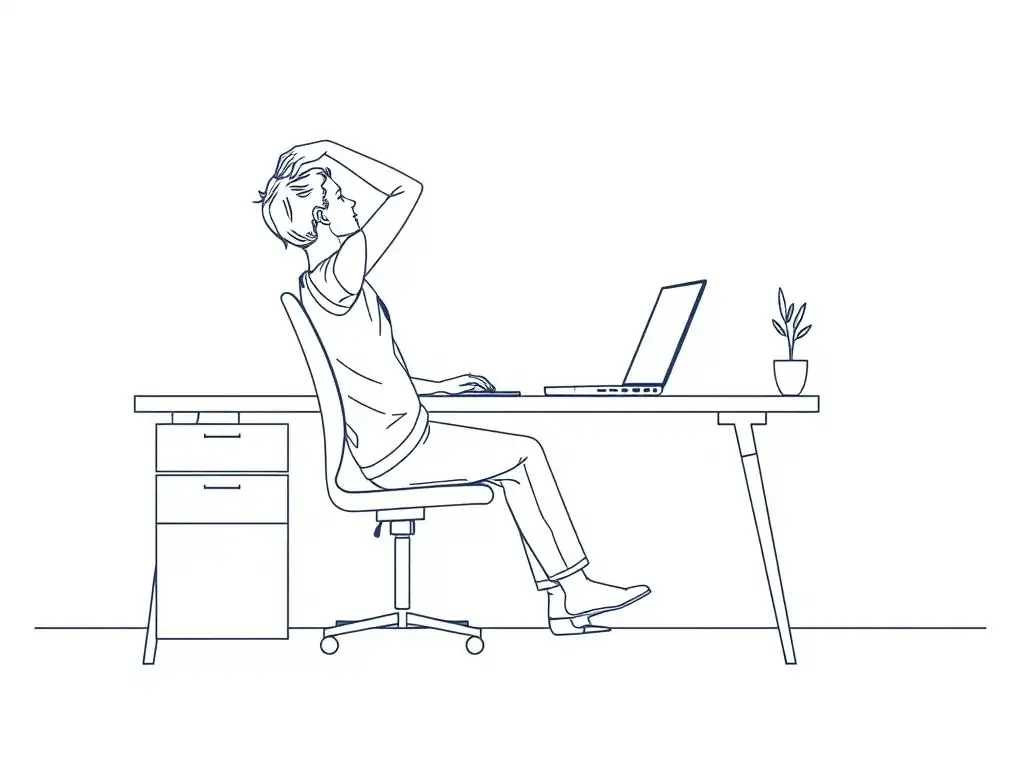
Maintaining a consistent desk exercise routine requires more than just knowing the exercises themselves. Motivation plays a crucial role in sticking to your new healthy habits. Here are some strategies to keep you energized and engaged:
Creating a Supportive Work Environment for Exercise
Your workspace significantly impacts your ability to incorporate quick desk exercises. A supportive environment encourages regular movement, while a cluttered or uncomfortable one can easily derail your efforts. Consider these points:
- Declutter your space: A clean desk is a clear mind, and a clear mind is better equipped for focusing on fitness. Remove unnecessary items to create more room for movement. This simple act can improve your mood and make exercising feel less disruptive.
- Ergonomic setup: Ensure your chair, desk, and monitor are positioned correctly to avoid strain and discomfort. Poor posture can lead to pain and discouragement, making you less likely to exercise. Invest in ergonomic accessories if needed.
- Visual reminders: Place sticky notes or a small whiteboard near your desk with motivational quotes or your exercise schedule. A visual cue can be a powerful reminder to stand up and move. Consider using a bright, positive color to further boost motivation.
- Designated exercise area: If possible, dedicate a small area of your workspace for stretching or quick exercises. Having a dedicated space can help to mentally separate exercise time from work time, making it feel less intrusive.
- Ambient sounds: Consider using calming music or nature sounds to create a more relaxing and focused atmosphere during your exercise breaks. This can help reduce stress and improve your overall experience.
Data suggests that employees who have access to ergonomic equipment and a supportive work environment report higher levels of job satisfaction and are more likely to engage in workplace wellness activities. 1
Tracking Your Progress and Setting Realistic Goals
Setting achievable goals and tracking your progress is essential for long-term success. Don't aim for perfection; focus on consistency.
- Start small: Begin with short, manageable exercise sessions (e.g., 5 minutes every hour). Gradually increase the duration and intensity as you become more comfortable. Avoid overwhelming yourself early on. Remember, even small bursts of activity add up!
- Use a fitness tracker: Wearable fitness trackers or simple apps can help you monitor your activity levels and track your progress over time. Seeing your progress visually can be incredibly motivating.
- Reward yourself: Celebrate your achievements, no matter how small. Rewarding yourself can reinforce positive behavior and help you stay motivated. This could be anything from a healthy snack to a relaxing break.
- Set SMART goals: Use the SMART framework (Specific, Measurable, Achievable, Relevant, Time-bound) to create effective goals. For example, instead of "exercise more," aim for "perform 10 desk stretches every morning for 30 days."
- Don't be afraid to adjust: If you miss a day or two, don't beat yourself up. Simply pick up where you left off. Consistency is key, not perfection.
1 [Specific data on workplace wellness and job satisfaction pending]
This section provides actionable strategies to improve adherence to a desk exercise routine. Remember that consistency is more important than intensity, and that a supportive environment significantly impacts your ability to maintain a healthy habit. By implementing these tips, you can transform your workspace into a place where you not only work productively but also prioritize your well-being.
Beyond the Desk: Extending Your Workout Routine
Incorporating Desk Exercises into Your Overall Fitness Plan
Integrating quick desk exercises into your daily routine is a fantastic start to boosting your energy and combating the sedentary nature of desk jobs. However, for optimal health and fitness, it's crucial to consider these exercises as supplements, not replacements, for a comprehensive workout plan. Think of them as a vital component of a larger strategy.
To maximize the benefits, aim for a balanced approach that includes both cardiovascular exercise and strength training. For example, you could incorporate a 30-minute brisk walk or jog during your lunch break, followed by a session of strength training exercises two to three times a week. This could involve bodyweight exercises at home or a gym membership with access to weights and machines. This combined approach ensures you're working all major muscle groups and improving your cardiovascular health.
The intensity of your desk exercises should complement, not compete with, your other workouts. If you've had a particularly intense strength training session, you might opt for gentler stretches and mobility exercises at your desk. Conversely, on days with lighter workouts, you can incorporate more challenging desk exercises to boost your heart rate and burn more calories. Listening to your body is key! Don't push yourself too hard, especially when starting a new routine. Progressive overload is crucial; gradually increase the intensity and duration of both your desk exercises and your overall fitness plan.
Consider tracking your progress. Using a fitness tracker or a simple journal can help you monitor your activity levels and identify areas for improvement. This allows you to see the cumulative effect of incorporating both your desk exercises and your broader fitness regime. Remember, consistency is key. Even small, regular efforts will yield significant results over time.
Resources for Further Information on Desk Exercises and Workplace Wellness
While these quick desk exercises provide a significant boost to your energy levels and physical well-being during the workday, there's a wealth of additional information available to help you create a holistic approach to workplace wellness. Several resources can provide guidance and support in building a comprehensive fitness plan that complements your desk-based exercises.
Here are some areas to explore:
- Workplace Wellness Programs: Many companies offer wellness programs that include fitness initiatives, health screenings, and educational resources. Check with your HR department to see what's available.
- Online Fitness Platforms and Apps: Numerous platforms offer guided workouts, personalized fitness plans, and progress tracking tools. These can be invaluable in designing a balanced fitness routine that integrates seamlessly with your lifestyle.
- Certified Personal Trainers: A personal trainer can create a customized workout plan tailored to your specific needs and fitness level, ensuring you're exercising safely and effectively. They can also provide guidance on proper form and technique for both desk exercises and other workouts.
- Health and Wellness Blogs and Websites: Many websites and blogs offer informative articles and tips on various aspects of health and fitness, including workplace wellness strategies and desk exercises. Look for credible sources with evidence-based information.
- Books on Workplace Ergonomics and Wellness: These resources can provide valuable insights into improving your workspace setup to minimize strain and promote better posture, complementing the positive effects of your desk exercises.
Remember, a healthy lifestyle is a multifaceted endeavor. By combining these quick desk exercises with a broader fitness plan and utilizing available resources, you can unlock your full potential and transform your approach to both work and wellness. The journey to a healthier, more energetic you starts with small, consistent steps. So, get moving! 💪
Frequently Asked Questions
How often should I do these desk exercises?
You can perform these quick exercises several times a day, ideally every 30-60 minutes to combat prolonged sitting. Listen to your body and adjust as needed.
Are these exercises suitable for all fitness levels?
Yes, these exercises are designed to be beginner-friendly and easily modified. You can adjust the intensity and repetitions based on your fitness level.
What if I don't have much space at my desk?
Many of these exercises require minimal space, focusing on stretches and movements you can do within your workspace. Choose exercises that fit your available space.
Will these exercises actually boost my energy levels?
Yes, these exercises improve blood circulation and help to reduce muscle stiffness which can lead to increased energy and focus. They also provide a mental break from work.
Can I do these exercises while wearing formal work attire?
Most of the exercises are discreet enough to be performed while wearing business attire. However, you may want to choose less strenuous options if you're wearing restrictive clothing.
Final Reflection: Unlocking Your Energy Potential at Your Desk
The simple act of incorporating movement into your workday isn't just a trend; it's a fundamental shift towards prioritizing well-being in the face of increasingly sedentary lifestyles. We've explored practical, effective desk exercises that can revitalize your energy levels and combat the lethargy often associated with prolonged desk work. These aren't just about physical health; they're about reclaiming control over your day and boosting productivity.
The impact of these small changes is surprisingly profound. I've personally witnessed the transformative power of even five minutes of mindful movement, shifting from a state of afternoon slump to renewed focus and clarity. The body benefits from movement, and the mind benefits from stillness.
This quote perfectly encapsulates the holistic approach these exercises offer, addressing both physical and mental fatigue. The integration of these practices into our daily routines is a testament to the growing awareness of the interconnectedness between physical activity and mental acuity.
Now, it's your turn. Don't let the constraints of your workspace limit your potential. Choose one or two of the exercises highlighted in this article and commit to incorporating them into your daily routine. Start small, build consistency, and watch as your energy levels soar, your focus sharpens, and your overall well-being improves. You deserve to feel energized and empowered throughout your workday – take the first step today.
Unlock Your Inner Energy: Boost Your Productivity Today!
Thank you for exploring simple ways to energize your workday! We hope you discovered some helpful desk exercises. Now let's put that knowledge into practice.
- Prioritize your well-being: Choose a desk exercise from the article and commit to doing it at least three times this week. Pay attention to how it affects your energy levels and concentration.
- Share the energy: Share your favorite exercise on social media using the hashtag #UltimateLifeHacks, inspiring others to add more movement to their workday.
- Experiment and adapt: Try a different exercise each day to find what best suits your body and schedule. Track your progress and make adjustments as needed.
What small change will you make today to boost your energy and productivity?