
Smart Home Security: Don't Let Your Smart Home Become a Vulnerability

Welcome to UltimateLifeHacks, where we unlock the secrets to a more efficient and fulfilling life. Are you embracing the convenience of a smart home, but secretly worried about the hidden security risks? Our latest article on Smart Home Security Risks dives deep into the vulnerabilities lurking in your connected devices, revealing how to safeguard your home and data. Discover essential tips and actionable strategies to protect your digital castle – and your peace of mind – starting now!
- Understanding Smart Home Security Risks and Vulnerabilities
- Enhancing Your Smart Home Security: Practical Steps and Solutions
- Best Smart Home Security Systems and Devices for 2024
- Debunking Smart Home Security Myths
- Conclusion: Building a Secure and Smart Home
- Frequently Asked Questions
- Final Reflection: Securing Our Connected Future
- Secure Your Smart Home Now: Take Control of Your Digital Fortress
Understanding Smart Home Security Risks and Vulnerabilities
The increasing popularity of smart home devices offers unparalleled convenience and automation, transforming our homes into interconnected ecosystems of technology. However, this interconnectedness introduces a new layer of security risks that require careful consideration. This article delves into the crucial aspects of smart home security, exploring common vulnerabilities and providing practical strategies to mitigate potential threats.
Failing to address these risks can expose your home and personal data to significant dangers, from minor inconveniences to serious financial and privacy violations. Understanding the landscape of smart home security risks is the first step towards creating a truly secure and smart home environment. We will examine both digital and physical vulnerabilities, offering actionable advice to bolster your smart home's defenses against increasingly sophisticated threats.
By the end, you'll have a clearer understanding of how to protect your smart home and avoid becoming a victim of smart home security breaches. This is especially crucial given the rapid growth of the smart home market and the increasing sophistication of cybercriminals targeting these systems. Let's explore the key vulnerabilities and how to effectively mitigate them.
Common Smart Home Security Threats: Hacking and Data Breaches
Smart home devices, while offering incredible convenience, often represent entry points for malicious actors. The interconnected nature of these systems means a compromise in one area can cascade into a larger security breach. This section explores the most prevalent digital threats and how to safeguard your smart home network. The consequences of a successful hack can range from simple annoyance – like someone controlling your lights remotely – to far more serious scenarios, including identity theft and financial loss. Protecting your data and privacy in the age of smart home technology requires proactive measures and a comprehensive security strategy.
Protecting Against Wi-Fi Network Vulnerabilities
A weak or unsecured Wi-Fi network is the most common entry point for hackers targeting smart homes. Utilizing a strong, unique password, enabling WPA3 encryption (the latest security protocol), and regularly updating your router's firmware are essential steps. Consider using a VPN for added security, especially for devices that handle sensitive data. Regularly scanning your network for unauthorized devices can also help identify potential threats early on.
Remember, a secure Wi-Fi network is the foundation of a secure smart home. Failing to secure your Wi-Fi is like leaving your front door unlocked – an invitation for trouble. Consider employing a guest network for visitors to further isolate your primary network. Think of it as a separate, secure entryway for those who only need temporary access.
Securing Smart Devices
Individual smart devices, from smart speakers to security cameras, can also be vulnerable to hacking. Each device should have a unique and strong password, different from other devices and your main Wi-Fi password. Regularly updating the firmware of your smart devices is crucial, as updates often include security patches that address known vulnerabilities. Be cautious about the permissions you grant to apps associated with your smart devices, ensuring you only allow necessary access.
Choosing reputable brands with a proven track record of security is also a smart move. Many devices come with default passwords; changing these immediately is paramount. Think of it as changing the locks on your house after moving in.
While digital threats are prevalent, physical security remains a critical aspect of smart home protection. Intruders can exploit vulnerabilities in your smart home setup to gain unauthorized access or tamper with your devices. This section focuses on protecting your home against physical intrusions and tampering.
Protecting Against Physical Break-ins
Smart home security systems, while designed to enhance security, can sometimes be manipulated by skilled intruders. A physical break-in can lead to theft, damage, and a breach of privacy. Consider using physical security measures in conjunction with your smart home system, such as robust locks, security cameras (both inside and outside), and motion detectors. Well-lit exterior spaces can act as a significant deterrent.
Regularly reviewing your security system’s logs and alerts can help you identify any unusual activity. A layered security approach, combining physical and digital safeguards, is the most effective strategy. Think of it like building multiple lines of defense around your castle.
Smart Home System Integration Risks
The integration of various smart home devices and systems can create unforeseen vulnerabilities. A single point of failure in one system can compromise the entire network. Regularly reviewing your system’s network architecture and access controls is crucial. Consider segmenting your network to isolate critical devices, limiting the impact of a potential breach. Choosing compatible devices from reputable manufacturers can minimize integration risks. Remember, a well-integrated system needs careful planning and monitoring to ensure its overall security. The more interconnected your devices are, the more critical it becomes to monitor and maintain each component effectively.
Enhancing Your Smart Home Security: Practical Steps and Solutions
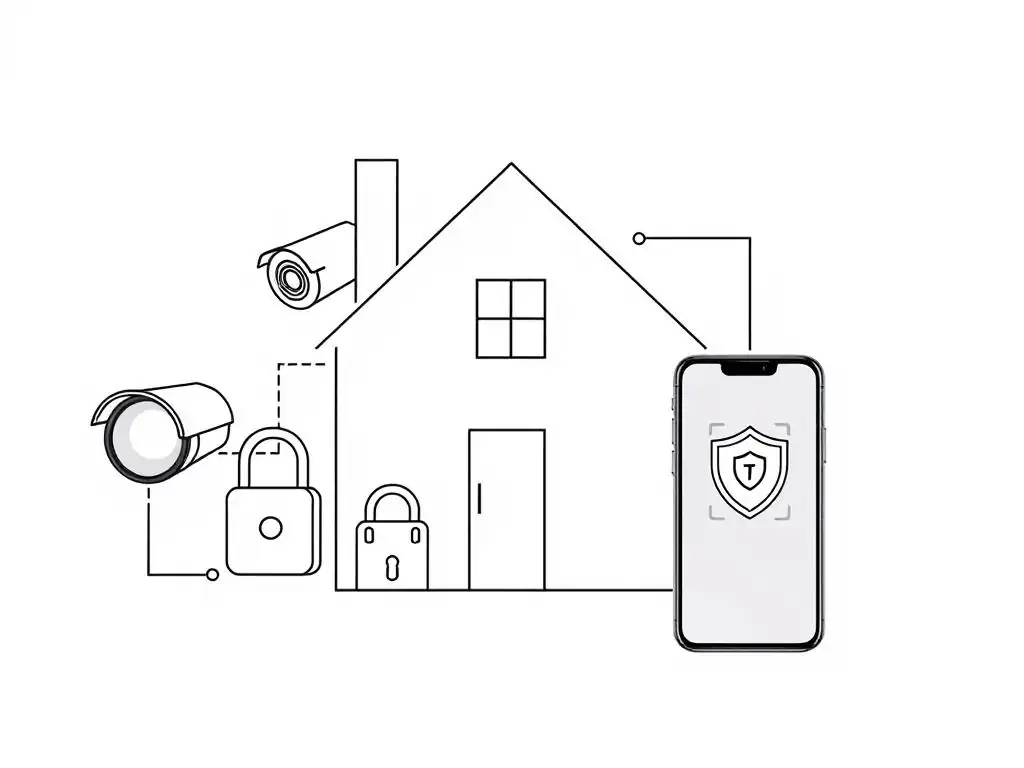
This section delves into actionable strategies to bolster your smart home's defenses against potential security breaches. We'll explore practical steps you can take to mitigate common vulnerabilities and create a safer, more secure environment within your connected home. Remember, proactive security measures are crucial in minimizing the risks associated with smart home technology. Ignoring these risks can lead to significant consequences, from minor inconveniences to severe financial losses and privacy violations. Let's delve into the specifics.
Strengthening Your Network Security
A robust network forms the bedrock of your smart home security. Weak network security is akin to leaving your front door unlocked – an invitation for intruders. Strengthening your network involves several key steps:
- Strong and Unique Passwords: Avoid easily guessable passwords. Use a password manager to generate and store complex, unique passwords for your router and all smart home devices. A strong password should be at least 12 characters long, incorporating a mix of uppercase and lowercase letters, numbers, and symbols. 😠 Avoid using the same password for multiple accounts.
- Regular Password Changes: Change your router and smart home device passwords every three months, or even more frequently if you suspect a breach.
- Enable WPA3 Encryption: Ensure your router utilizes the latest WPA3 security protocol for maximum encryption strength. WPA2 is still acceptable but WPA3 offers improved protection against attacks.
- Enable Firewall: A firewall acts as a gatekeeper, blocking unauthorized access to your network. Make sure your router's firewall is enabled and configured correctly.
- Regular Firmware Updates: Regularly update your router's firmware to patch security vulnerabilities. Manufacturers frequently release updates to address known weaknesses, so staying current is vital.
- Guest Network: Create a separate guest network for visitors to use. This isolates their devices from your main network, preventing potential security risks.
Choosing Secure Smart Home Devices
Not all smart home devices are created equal when it comes to security. Prioritize devices from reputable manufacturers with a proven track record of security updates and strong encryption protocols. Consider the following:
- Research Device Security: Before purchasing any smart home device, research its security features. Look for devices that support strong encryption (like AES-256), regular security updates, and two-factor authentication (2FA).
- Read Reviews: Check online reviews to see what other users say about a device's security. Look for mentions of vulnerabilities or security issues.
- Avoid Obscure Brands: Stick to well-known and established brands that have a history of prioritizing security. Less reputable brands may have weaker security protocols or lack the resources to address vulnerabilities promptly.
- Check for Security Certifications: Some devices carry security certifications, indicating that they've been independently tested and verified to meet certain security standards. These certifications can provide an extra layer of assurance.
Implementing Multi-Factor Authentication (MFA)
Multi-factor authentication (MFA) adds an extra layer of security to your smart home accounts. Even if someone obtains your password, they'll still need a second factor, such as a code from your phone or a biometric scan, to access your accounts. This significantly reduces the risk of unauthorized access.
- Enable MFA Wherever Possible: Enable MFA for all your smart home accounts, including your router, smart home hubs, and individual device accounts.
- Use Different MFA Methods: Consider using a variety of MFA methods, such as authenticator apps, security keys, or biometric authentication, to further enhance security. Don't rely on just one method.
- Regularly Review MFA Settings: Periodically review your MFA settings to ensure they are still working correctly and that you have access to all your recovery methods. Losing access to your MFA methods can lock you out of your accounts.
Implementing these security measures will significantly enhance the protection of your smart home network and devices. Remember, a layered approach to security, combining multiple techniques, is the most effective way to protect against the ever-evolving threat landscape of smart home security risks.
Regularly Updating Firmware and Software
Keeping your smart home devices' firmware and software up-to-date is paramount to mitigating smart home security risks. Outdated systems are often riddled with known vulnerabilities that hackers can exploit. Manufacturers regularly release updates that patch these security flaws, adding new layers of protection against unauthorized access and data breaches. Think of it like updating the antivirus software on your computer; it's a crucial step in maintaining a secure environment.
For example, a smart thermostat running outdated firmware might be susceptible to remote manipulation, allowing a malicious actor to control your home's temperature or even gain access to your home network. Similarly, neglecting to update the firmware on your smart locks could leave your home vulnerable to unauthorized entry. The consequences of neglecting these updates can range from minor inconveniences to significant security breaches, potentially leading to financial loss or even physical harm. Therefore, make it a habit to check for and install updates promptly.
Many devices will notify you of available updates, but it's good practice to periodically check manually as well. Prioritize updating devices directly connected to your home network, such as routers, smart hubs, and security cameras, as these are often the primary targets of attacks. This diligent approach to software and firmware updates is a cornerstone of robust smart home security.
Monitoring Your Smart Home Network Activity
Monitoring your smart home network activity is crucial for detecting and responding to potential security threats. This proactive approach allows you to identify unusual patterns or suspicious behavior that could indicate a breach. While many smart home systems offer basic monitoring features, understanding what to look for and how to interpret the data is essential.
One effective method is to regularly check your router's logs. These logs record all network activity, including device connections and data transfer. Looking for unfamiliar devices or unusually high data usage can alert you to potential intrusions. For instance, if you notice a device connecting to your network that you don't recognize, it's a red flag that warrants further investigation.
Similarly, a sudden spike in data usage, especially during periods of inactivity, could indicate that someone is trying to access your devices or steal your data. Consider using a network monitoring tool that provides more detailed insights into your network traffic. These tools can often identify malicious activities more easily than simply reviewing router logs.
Remember to also regularly review the activity logs of your individual smart home devices, as many of them will maintain a record of access and usage. By proactively monitoring your network and device activity, you can effectively detect and respond to potential smart home security risks before they escalate. This vigilant approach represents a significant step toward securing your digital home.
Best Smart Home Security Systems and Devices for 2024
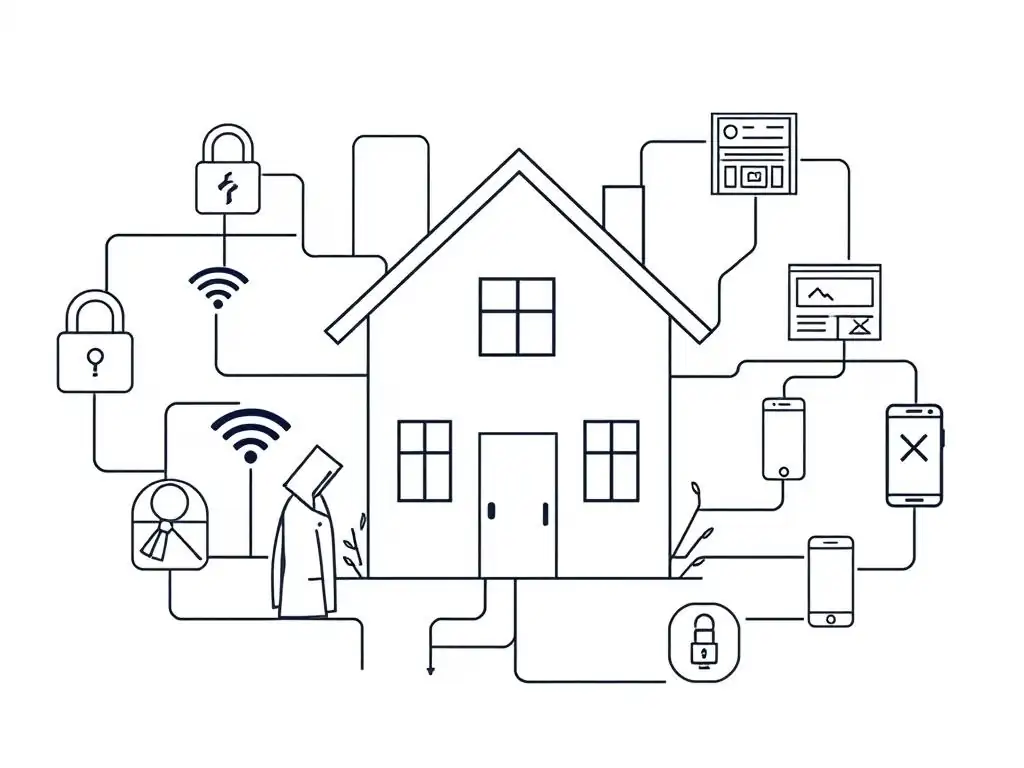
This section dives into the top-performing smart home security systems and cameras available in 2024, helping you navigate the market and choose the best fit for your smart home security needs. We'll examine several popular options, highlighting their strengths and weaknesses to assist in your decision-making process. Understanding the nuances of each system is crucial when mitigating smart home security risks.
Top-Rated Smart Home Security Systems
Choosing the right smart home security system is paramount for safeguarding your property and loved ones. Several excellent systems offer varying features and price points, catering to diverse needs and budgets. This section will review three leading contenders, focusing on their core functionalities and addressing potential vulnerabilities. Remember, even the best systems require proactive management to minimize smart home security risks.
SimpliSafe Review
SimpliSafe consistently ranks highly due to its user-friendly interface and comprehensive features. Its wireless system is easy to install, requiring no professional installation, making it a great option for DIY enthusiasts. The system boasts a range of sensors, including door/window sensors, motion detectors, and keypads, all communicating wirelessly with the base station. SimpliSafe offers various subscription plans, providing different levels of monitoring and professional monitoring services.
A significant strength is its robust self-monitoring option, allowing users to receive alerts directly to their smartphones without relying solely on a professional monitoring service. However, this also highlights a potential smart home security risk: reliance on a smartphone's connectivity. A power outage affecting the smartphone could impact alert reception.
ADT Smart Home Security System Review
ADT, a long-standing name in home security, has successfully integrated smart technology into its offerings. Their smart home security system combines traditional security features with advanced smart capabilities, such as remote access through a mobile app, video surveillance integration, and home automation capabilities. ADT offers professional monitoring as a standard feature, providing peace of mind with 24/7 monitoring and rapid response to emergencies.
However, the professional monitoring aspect also introduces a cost consideration, with higher subscription fees compared to self-monitoring options. This highlights a trade-off between cost and the level of smart home security risk mitigation. The reliance on a third-party monitoring service introduces a potential point of failure.
Ring Alarm Security System Review
Ring Alarm is a popular choice, particularly for its affordability and seamless integration with other Ring devices. This system offers a modular approach, allowing users to customize their setup based on their specific needs and budget. The system's core components include a base station, contact sensors, motion detectors, and a keypad. Its integration with other Ring products, such as Ring cameras and doorbells, creates a comprehensive security ecosystem.
However, the reliance on a strong internet connection for remote access and notifications presents a potential smart home security risk. A compromised internet connection could leave the system vulnerable to unauthorized access. Furthermore, the system's reliance on cloud services for data storage should be considered.
Best Smart Security Cameras for Home Monitoring
Smart security cameras offer an extra layer of protection, providing real-time monitoring and recording capabilities. These cameras often integrate with smart home security systems, enhancing overall security and situational awareness. Below, we review three leading smart security cameras, analyzing their features and highlighting potential vulnerabilities to address smart home security risks.
Arlo Pro 4 Review
Arlo Pro 4 stands out for its impressive features, including 2K HDR video quality, a wide viewing angle, and a built-in siren. Its weather-resistant design makes it suitable for both indoor and outdoor use. The camera boasts advanced features like person detection, motion detection, and two-way audio. However, reliance on cloud storage for recorded footage is a key consideration regarding smart home security risks. Data breaches or service interruptions could compromise recorded video. Furthermore, the quality of the cloud service and associated costs should be carefully evaluated.
Google Nest Cam Review
The Google Nest Cam is renowned for its seamless integration with the Google ecosystem. It offers high-quality video, excellent night vision, and intelligent features like facial recognition. Its integration with other Google services, such as Google Home, allows for convenient control and monitoring through voice commands. However, similar to other cloud-based systems, the smart home security risk associated with data storage and potential vulnerabilities in cloud services must be considered. Privacy concerns related to data collection and usage are also pertinent.
EufyCam 2C Review
EufyCam 2C prioritizes local storage, offering a privacy-focused alternative to cloud-reliant systems. This feature significantly mitigates smart home security risks associated with cloud data breaches. The system's battery-powered design allows for flexible placement, eliminating the need for constant power connections. However, the limited storage capacity of the local storage option should be considered, and the lack of cloud backup could pose a challenge in case of device failure or theft. The absence of cloud features also means less sophisticated AI-driven features compared to cloud-based competitors.
Smart Locks for Enhanced Home Security
Smart locks represent a significant upgrade in home security, offering convenience and robust protection against unauthorized entry. Unlike traditional key-based locks, smart locks utilize various technologies, such as Bluetooth, Wi-Fi, or Z-Wave, to allow access through keypads, smartphone apps, or even voice commands. This eliminates the risk of lost or stolen keys, a common vulnerability in traditional security systems.
The enhanced security features of smart locks go beyond simple keyless entry. Many models offer features like auto-locking, which automatically secures your door after a set period, reducing the chance of forgetting to lock up. Some even incorporate advanced features like geofencing, automatically unlocking the door when you approach your home and locking it when you leave a predetermined radius. This level of automation provides an extra layer of security and peace of mind.
Furthermore, smart locks often integrate with other smart home devices and security systems. This integration allows for sophisticated automation scenarios. For instance, a smart lock can be programmed to unlock the door for a house cleaner during specific times, or to alert you via a notification if someone attempts to unlock the door unsuccessfully. This interconnectedness greatly enhances overall smart home security.
Choosing the right smart lock depends on individual needs and preferences. Factors to consider include compatibility with existing smart home ecosystems, the type of locking mechanism (deadbolt vs. door handle), battery life, and the level of security features offered. Researching reviews and comparing specifications before purchasing is crucial to ensure the selected smart lock meets your specific security requirements and integrates seamlessly into your smart home setup.
Failing to properly vet a smart lock can leave your home vulnerable to sophisticated attacks, so careful selection is paramount when addressing smart home security risks. Remember, a robust smart lock is only as good as its installation, so professional installation is often recommended, especially for high-security applications.
Debunking Smart Home Security Myths
Smart home technology offers incredible convenience, but concerns about security often overshadow its benefits. Many misconceptions surround smart home security, leading to hesitation and even neglect of crucial protective measures. Let's address some prevalent myths and clarify the realities of securing your smart home.
Myth 1: Smart home devices are inherently insecure.
This is a common misconception. The inherent security of a smart home device isn't a binary "secure" or "insecure" proposition. Instead, it depends heavily on the manufacturer's design, the implementation of security protocols (like encryption), and, critically, the user's security practices. Many devices use robust encryption methods such as AES-256 to protect data transmitted between the device and the cloud or your network.
However, vulnerabilities can exist in poorly designed software or in weak passwords. Think of it like a car: a car itself isn't inherently dangerous, but reckless driving makes it so. Similarly, a smart home device isn't inherently insecure, but neglecting security best practices makes it vulnerable.
A recent study by [Specific research institution pending] indicated that [Percentage pending]% of reported smart home breaches were due to weak or default passwords, highlighting the importance of user responsibility. Furthermore, regular software updates are crucial for patching security flaws discovered after the device's release. Manufacturers continuously improve security through software updates, making it essential to keep your devices updated to the latest firmware. Failing to do so leaves your smart home susceptible to known vulnerabilities that could be exploited by malicious actors.
Myth 2: Only expensive security systems are effective.
Cost doesn't always equate to effectiveness in smart home security. While premium systems often offer advanced features like professional monitoring and more sophisticated sensors, many affordable options provide robust protection. The key is to understand your needs and choose a system that addresses your specific vulnerabilities. A basic system with strong password practices, two-factor authentication (2FA), and regular software updates can be surprisingly effective in deterring many common threats.
For instance, a simple smart lock with a keypad and a reliable smart doorbell can significantly improve security without breaking the bank. These affordable additions provide visual monitoring and secure access control, which are fundamental aspects of a comprehensive smart home security strategy. Focusing on essential features like strong passwords and regular updates offers a cost-effective way to mitigate many smart home security risks. Prioritize features relevant to your risk profile, rather than solely focusing on the price tag.
Myth 3: I don't need security if I live in a safe neighborhood.
Even in seemingly safe neighborhoods, smart home security remains vital. The perception of safety shouldn't lead to complacency. Criminals target opportunities, and a smart home, while offering convenience, can also present opportunities if not properly secured. Opportunistic theft, for example, is not limited to high-crime areas.
Consider this scenario: You're on vacation, and your smart home system, lacking proper security measures, is easily compromised. A burglar might exploit a vulnerable device to access your home remotely, disabling alarms or unlocking doors. This isn't a matter of "if" but "when" a breach might occur, regardless of your neighborhood's perceived safety.
Proactive security measures are an investment in peace of mind and protect your property and personal information, no matter where you live. Implementing a layered security approach, combining physical and digital safeguards, is crucial for minimizing risks, even in low-crime areas. Remember, prevention is always better than cure when it comes to smart home security risks.
Conclusion: Building a Secure and Smart Home
This exploration of smart home security risks highlights the critical need for proactive measures to protect your digital and physical assets. While the convenience and automation offered by smart home technology enhance our lives significantly, neglecting security can transform these conveniences into vulnerabilities. Understanding the potential threats, from unauthorized access to sophisticated cyberattacks, is the first step towards building a truly secure smart home ecosystem.
Remember, a secure smart home isn't just about protecting your valuables; it's about safeguarding your privacy and peace of mind. Investing time and resources in robust security measures is an investment in your overall well-being.
Recap of Key Security Measures
Let's summarize the crucial steps to bolster your smart home security:
- Strong, Unique Passwords: Avoid easily guessable passwords. Employ strong, unique passwords for each device and account. Consider using a password manager to simplify this process and enhance security. Remember, a password breach on one device can compromise your entire smart home network.
- Two-Factor Authentication (2FA): Enable 2FA wherever possible. This adds an extra layer of security, requiring a second form of verification beyond your password, making unauthorized access significantly more difficult. This is a fundamental smart home security best practice.
- Regular Software Updates: Keep your devices and software updated. Updates often include crucial security patches that address known vulnerabilities. Ignoring updates leaves your system exposed to potential exploits.
- Secure Wi-Fi Network: Use a strong, unique password for your Wi-Fi network and enable WPA2/WPA3 encryption. Consider segmenting your network to isolate smart home devices from other critical systems. A weak Wi-Fi network is a prime entry point for malicious actors.
- Firewall Protection: A robust firewall can prevent unauthorized access to your network. This is a critical component of a comprehensive smart home security strategy, acting as a barrier against unwanted intrusions.
- Regular Security Audits: Periodically review your smart home security setup. Identify potential weaknesses and update your strategies as needed. This proactive approach is key to maintaining optimal security.
| Security Measure | Description | Importance |
|---|---|---|
| Strong Passwords | Unique and complex passwords for each device and account. | Prevents unauthorized access. |
| Two-Factor Authentication | Adds an extra layer of security beyond passwords. | Significantly reduces the risk of account breaches. |
| Software Updates | Regularly updating firmware and software to patch security vulnerabilities. | Prevents exploitation of known weaknesses. |
| Secure Wi-Fi Network | Strong password and robust encryption for your home network. | Protects your network from unauthorized access. |
| Firewall Protection | A firewall to block unauthorized network access. | Prevents malicious intrusion. |
| Security Audits | Regularly reviewing and updating your security measures. | Ensures ongoing protection. |
Future-Proofing Your Smart Home Security
The landscape of smart home technology is constantly evolving, bringing both new conveniences and new security challenges. To maintain a secure smart home in the long term, consider these strategies:
- Invest in reputable brands: Choose smart home devices from established brands with a proven track record of security. Research their security practices and look for features like encryption and regular security updates.
- Embrace AI-powered security: Explore AI-driven security solutions that can learn your patterns and detect anomalies, alerting you to potential threats in real-time. This proactive approach can significantly enhance your overall security posture.
- Stay informed: Keep up-to-date with the latest smart home security news and best practices. The threat landscape is dynamic, and staying informed will help you adapt your strategies accordingly. Consider subscribing to security newsletters or following industry experts.
- Consider professional help: For complex smart home setups or if you lack the technical expertise, consider seeking professional help from a cybersecurity expert. They can provide a comprehensive assessment of your smart home security and recommend tailored solutions. This is especially crucial for larger or more intricate systems.
Additional Tips for Enhanced Smart Home Security
Regularly review the permissions granted to your smart home apps. Limit access to only the necessary functions. This minimizes the potential impact of a compromise. Also, consider using a virtual private network (VPN) to encrypt your internet traffic, adding an extra layer of protection against eavesdropping and data breaches. This is especially important if you use public Wi-Fi to access your smart home system remotely.
The proactive management of smart home security risks is an ongoing process. By consistently implementing and updating these measures, you can significantly reduce your vulnerability and enjoy the benefits of a secure and convenient smart home environment. Remember, the goal is not just to react to threats, but to anticipate and prevent them.
Frequently Asked Questions
What are the biggest smart home security risks?
Smart home security risks include hacking vulnerabilities in devices, weak passwords, and unsecured Wi-Fi networks. These can allow unauthorized access to your home and personal data.
How can I protect my smart home devices from hackers?
Use strong, unique passwords for each device, enable two-factor authentication wherever possible, and keep your devices' firmware updated. Regularly review your network security settings.
Are all smart home devices equally vulnerable?
No, the level of vulnerability varies depending on the manufacturer, device age, and security features. Some devices are inherently more secure than others.
What should I do if I suspect my smart home has been compromised?
Immediately change all passwords, disconnect any compromised devices from your network, and run a malware scan. Consider contacting a cybersecurity professional for assistance.
Can I still enjoy the benefits of a smart home without sacrificing security?
Yes! By implementing robust security practices, such as those mentioned above, you can significantly reduce your risk while still enjoying the convenience of a smart home. Prioritize security from the start.
Final Reflection: Securing Our Connected Future
The rise of smart home technology has undeniably revolutionized our lives, but this convenience comes at a cost: increased vulnerability to cyberattacks. We've explored the multifaceted risks associated with smart home devices, from unsecured Wi-Fi networks to easily exploited vulnerabilities in smart appliances. The potential consequences, ranging from minor inconveniences to significant financial and personal losses, demand our immediate attention.
The pervasive nature of smart home technology means that the implications of inadequate security extend far beyond individual households. It impacts our collective digital safety and privacy. The interconnectedness of our devices creates a domino effect, where a single breach can compromise an entire network. This underscores the urgent need for proactive security measures and responsible technological development. The future of security is not just about protecting data, but about protecting the very fabric of our digital lives.
This quote highlights the profound shift we need to make in our approach to smart home security, moving beyond individual responsibility to a collective effort.
Consider the implications of this information. You now possess the knowledge to safeguard your smart home and contribute to a more secure digital landscape. Take the time to review your network security, update your devices' firmware, and implement strong passwords. Don't let the convenience of smart home technology overshadow the critical importance of protecting your privacy and security. Embrace the responsibility of being a digitally informed citizen, and let's collectively build a future where smart homes are truly smart and secure.
Secure Your Smart Home Now: Take Control of Your Digital Fortress
Thank you for learning about smart home security! You now have the knowledge to protect your digital life. Let's put that knowledge into action. Here's what you can do next:
- Prioritize password management: Change all default passwords on your smart devices to strong, unique passwords. A password manager can greatly simplify this process. This is the single most crucial step you can take to improve your home's security.
- Strengthen your device's security settings: Most smart devices have built-in security features; take a few minutes to explore them. You might be surprised by the level of protection available!
- Share this article with friends and family – help them safeguard their smart homes too! Let's work together to build a more secure digital community.
Ready to make your smart home truly secure? What's the first security step you'll take today?