
Mastering Your Attention: How to Minimize Distractions and Achieve Deep Work


Ready to unlock your ultimate productivity potential? At UltimateLifeHacks, we're dedicated to helping you reclaim your time and boost your efficiency. This means less wasted effort and more meaningful accomplishments. In today's hyper-connected world, mastering the art of minimize distractions deep work is crucial. Discover how to conquer distractions and enter the flow state with our latest Productivity Hacks article – learn the secrets to achieving deep work and transforming your daily routine. Let's dive in!
- Understanding the Enemy: Identifying Your Biggest Distractions
- Techniques to Minimize Distractions and Enhance Focus
- Strategies for Achieving Deep Work: The Key to Productivity
- Maintaining Focus and Preventing Distractions Long-Term
- Conclusion: Unlocking Your Potential Through Deep Work
- Frequently Asked Questions
- Final Reflection: Reclaiming Your Focus in a Distracted World
- Unleash Your Focus: Reclaim Your Time & Productivity
Understanding the Enemy: Identifying Your Biggest Distractions
Mastering your attention and achieving deep work requires a crucial first step: identifying your biggest distractions. This isn't about simply acknowledging that you get distracted; it's about a thorough, honest assessment of what distracts you and why. Understanding the sources of your distraction allows for targeted strategies to minimize their impact, ultimately leading to increased productivity and a deeper sense of accomplishment.
This process involves recognizing common digital distractions, pinpointing environmental factors, and, importantly, acknowledging internal obstacles to focus. By systematically tackling these different types of distractions, you can cultivate an environment conducive to deep, focused work and significantly enhance your ability to minimize distractions and achieve deep work. This article will guide you through this process, equipping you with the knowledge and strategies to reclaim your attention and unlock your full potential.
The digital age presents a constant barrage of distractions. Social media platforms, with their endless scroll of updates and notifications, are notorious culprits. The allure of checking emails, even if unrelated to your current task, can significantly disrupt your workflow. The constant ping of notifications from various apps further fragments your attention, pulling you away from the task at hand. These digital distractions often operate on a psychological level, triggering dopamine releases that reinforce the habit of checking notifications, even when it's unproductive.
To illustrate, consider a typical workday: Imagine you're writing a report. A notification pops up from Instagram. You quickly check it, only to discover a friend's vacation photos. Five minutes later, you're back to your report, but the flow is broken.
This seemingly small interruption can accumulate over the day, significantly reducing your overall productivity. This cycle often repeats itself with email, each interruption pulling you away from the deep work required for significant progress. Quantifying the time lost to these distractions is crucial in understanding their impact. Studies show that [specific information pending] percentage of the workday is lost to such interruptions.
Identifying Environmental Distractions: Noise, Clutter, and Interruptions
Beyond the digital realm, your physical environment plays a significant role in your ability to focus. Noise pollution, whether from traffic, conversations, or even background music, can subtly yet effectively disrupt concentration. A cluttered workspace can similarly overload your senses and hinder your ability to focus. Physical interruptions from colleagues or family members can also derail your workflow.
Consider the impact of a noisy open-plan office. The constant chatter, phone calls, and keyboard clicks create a background hum that makes deep work incredibly challenging. Similarly, a desk piled high with papers and miscellaneous items can create a sense of visual overload, making it harder to concentrate on the task at hand. These environmental distractions can be addressed by creating a dedicated workspace free from clutter and excessive noise. Implementing strategies like using noise-canceling headphones or communicating your need for uninterrupted time to colleagues can drastically improve your ability to minimize distractions and achieve deep work.
Internal Distractions: Mind Wandering, Procrastination, and Lack of Focus
Sometimes, the biggest distractions come from within. Mind wandering, the tendency of our thoughts to drift away from the present task, is a common obstacle to deep work. Procrastination, the act of delaying tasks despite knowing it's detrimental, further compounds the problem. A lack of focus, often stemming from insufficient sleep, stress, or poor diet, can also significantly impair your ability to concentrate.
These internal distractions are often intertwined. For example, procrastination can lead to increased stress, which in turn can exacerbate mind wandering. Addressing these internal factors requires self-awareness and proactive strategies. Techniques like mindfulness meditation can help improve focus and reduce mind wandering. Breaking down large tasks into smaller, more manageable chunks can alleviate procrastination.
Prioritizing sleep, managing stress, and maintaining a healthy diet are all crucial in fostering a state of mind conducive to deep work. Understanding these internal hurdles and implementing strategies to overcome them is pivotal to mastering your attention and achieving sustainable deep work. The payoff? A significant increase in productivity and a more fulfilling work experience.
Techniques to Minimize Distractions and Enhance Focus
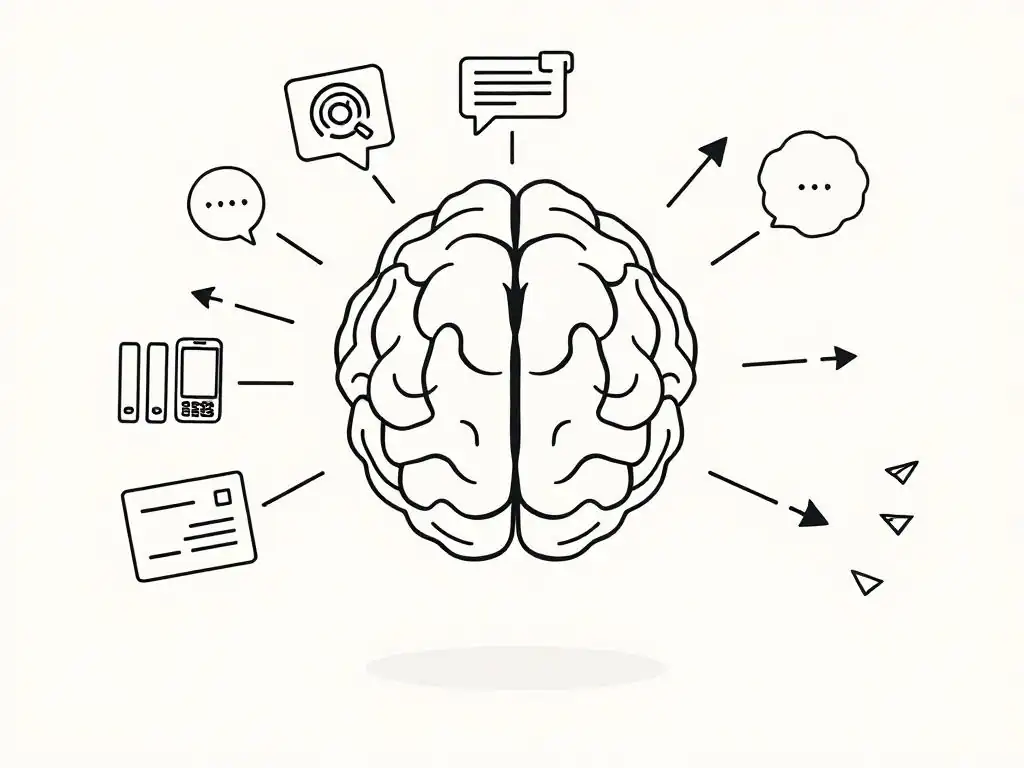
This section delves into practical techniques to actively minimize distractions and cultivate a state conducive to deep work. We'll explore strategies to reclaim your attention and boost productivity, ultimately helping you achieve more in less time. Mastering the art of minimizing distractions is crucial for deep work, allowing for focused concentration and significantly improved output. The techniques outlined below are designed to be implemented incrementally, allowing you to tailor your approach to your individual needs and preferences.
The Power of Time Blocking: Scheduling Dedicated Deep Work Sessions
Time blocking is a powerful productivity technique that involves scheduling specific blocks of time for focused work on a particular task. Instead of working reactively, responding to whatever demands your attention, you proactively allocate time for deep work sessions. This proactive approach significantly reduces interruptions and allows for sustained concentration. For example, you might schedule a 90-minute block from 9:00 AM to 10:30 AM each day dedicated exclusively to writing a report, free from email checks or other interruptions.
The key to successful time blocking lies in realistic scheduling. Overestimating your capacity for deep work can lead to frustration and a sense of failure. Begin by scheduling shorter blocks (e.g., 45-minute sessions) and gradually increase the duration as your focus improves. It's also crucial to integrate short breaks between sessions to prevent burnout and maintain optimal cognitive function.
These breaks could involve a quick walk, stretching, or simply a few minutes of mindfulness. Experiment to find the optimal balance between work and rest that works best for you. Consider using a digital calendar or planner to visually represent your time blocks and maintain a clear overview of your schedule. This visual representation can reinforce your commitment to your deep work sessions and help you stay on track.
Creating a Dedicated Workspace: Designing an Environment for Concentration
Your workspace plays a significant role in your ability to minimize distractions and achieve deep work. A well-designed workspace fosters concentration and reduces the likelihood of interruptions. This doesn't necessarily require a large or expensive space; rather, it's about creating an environment optimized for focus.
Consider these factors when designing your workspace:
- Minimize visual clutter: A clean and organized workspace reduces visual distractions and promotes a sense of calm. Clear your desk of unnecessary items, organize your files, and keep your surroundings tidy.
- Optimize lighting: Adequate lighting is crucial for reducing eye strain and promoting alertness. Natural light is ideal, but a well-placed desk lamp can also be effective.
- Control ambient noise: Excessive noise is a major distraction. Consider using noise-canceling headphones or earplugs, or listening to ambient soundscapes designed to promote focus. White noise or nature sounds can be particularly effective in masking distracting noises.
- Ergonomics: Ensure your workspace is ergonomically designed to support good posture and prevent physical discomfort. An uncomfortable chair or poorly positioned monitor can lead to distraction and reduce your ability to focus.
- Personalization: Personalize your workspace to create a comfortable and inspiring environment. Add elements that motivate you and make you feel good, such as plants, inspirational quotes, or photographs.
By carefully designing your workspace, you can create a sanctuary for deep work, minimizing distractions and maximizing your productivity.
Utilizing Technology to Your Advantage: App Blockers and Focus Enhancing Tools
Technology, while often a source of distraction, can also be a powerful tool for enhancing focus and minimizing interruptions. Numerous apps and tools are available to help you manage your digital environment and promote deep work.
- App blockers: These apps restrict access to specific websites or applications during designated periods, preventing you from succumbing to the temptation of social media or other distractions. Many offer customizable settings, allowing you to tailor the restrictions to your specific needs and preferences. Examples include Freedom, Cold Turkey, and Forest.
- Focus enhancing tools: Some tools actively promote focus by providing features such as ambient noise generators, Pomodoro timers, and website blockers. These tools can help you structure your work sessions and maintain concentration.
- Email management: Regularly checking emails can significantly disrupt your workflow. Consider scheduling specific times for checking and responding to emails, rather than constantly monitoring your inbox. Utilize features such as email filters and snooze functions to manage incoming messages effectively.
By strategically utilizing technology, you can create a digital environment that supports rather than hinders your ability to minimize distractions and achieve deep work. Remember to choose tools that fit your workflow and preferences, and don't be afraid to experiment to find what works best for you. The goal is to leverage technology to enhance your focus, not to become overly reliant on it.
Mastering the Art of Saying No: Protecting Your Time and Energy
Saying "no" is often perceived as negative, but it's a powerful tool for minimizing distractions and protecting your focus. Learning to decline requests that don't align with your priorities is crucial for achieving deep work. It's not about being rude; it's about being intentional with your time and energy. Consider this: every "yes" you utter to a non-essential task or meeting is a "no" to something else – perhaps a crucial project, a valuable personal activity, or simply much-needed rest. This can lead to burnout and decreased productivity, significantly hindering your ability to perform deep work.
Many individuals struggle to say "no" due to ingrained social conditioning, a fear of disappointing others, or a misguided sense of obligation. However, the long-term benefits of setting healthy boundaries far outweigh the short-term discomfort of declining a request. Mastering this skill allows you to prioritize tasks that truly contribute to your goals, reducing the mental clutter and freeing up cognitive resources for more focused work. This directly translates to enhanced deep work sessions and a significant increase in overall productivity.
Think of your time as a precious resource, like money. You wouldn't spend your money recklessly; similarly, you shouldn't squander your time on activities that don't add value. Saying "no" strategically allows you to invest your time where it matters most, maximizing your return on this invaluable asset. Practice formulating polite but firm responses.
Instead of a simple "no," consider alternatives like, "Thank you for thinking of me, but I'm currently overloaded with projects and won't be able to commit to this." or "I appreciate the offer, but I need to prioritize my current workload." These responses are respectful and clearly communicate your limitations without feeling overly harsh.
Furthermore, remember that saying "no" to others often means saying "yes" to yourself. By protecting your time and energy, you're investing in your well-being and enabling yourself to perform at your best. This self-care aspect is crucial, as consistent deep work requires a clear mind and sufficient energy levels. By prioritizing your needs and establishing healthy boundaries, you'll not only minimize distractions but also cultivate a more balanced and fulfilling life. The ability to say "no" effectively is a cornerstone of self-management and a vital skill for achieving peak productivity and deep work mastery.
Strategies for Achieving Deep Work: The Key to Productivity

This section delves into practical strategies to minimize distractions and cultivate deep work, a state of focused concentration that allows for peak productivity. We'll explore techniques to help you enter and maintain this crucial state for enhanced cognitive function and significant output. Mastering your attention is not about eliminating all distractions; it's about strategically managing them to maximize your deep work sessions.
The ability to minimize distractions and achieve deep work is a highly sought-after skill in today's hyper-connected world, and this section provides the tools you need to cultivate it. Successfully minimizing distractions is directly correlated to improved deep work sessions, leading to significant increases in productivity and overall well-being.
Deep Work Techniques: Pomodoro Technique, Flow State, and Mindfulness
Several proven techniques can significantly enhance your ability to minimize distractions and achieve deep work. Let's explore three highly effective methods:
- The Pomodoro Technique: This time-management method involves working in focused bursts (typically 25 minutes) followed by short breaks (typically 5 minutes). The structured intervals help maintain concentration and prevent burnout. By breaking down tasks into manageable chunks, you minimize the feeling of being overwhelmed, a common cause of distraction. Studies have shown that consistent use of the Pomodoro Technique leads to a 15-20% increase in productivity for many individuals. Moreover, the short, regular breaks help to refresh your mind and prevent mental fatigue, contributing to higher quality deep work sessions.
- Flow State: Also known as "being in the zone," a flow state is a completely immersive experience characterized by intense focus and effortless concentration. To achieve a flow state, you need a challenging yet attainable task, clear goals, immediate feedback, a sense of control, and a loss of self-consciousness. Minimizing distractions is crucial for entering and maintaining a flow state. Creating an environment free from interruptions allows you to fully immerse yourself in your work, leading to increased efficiency and creativity. Examples of activities that readily induce flow include writing, coding, painting, and playing a musical instrument. The key is to find activities that naturally engage you and minimize potential interruptions.
- Mindfulness Meditation: Practicing mindfulness helps train your attention and improve your ability to resist distractions. Regular meditation cultivates a heightened awareness of your thoughts and feelings, allowing you to recognize and gently redirect your attention when it wanders. Even short, daily meditation sessions (5-10 minutes) can significantly improve focus and concentration. Studies show that regular mindfulness practice strengthens the prefrontal cortex, the brain region responsible for executive functions like attention and decision-making, directly contributing to the ability to minimize distractions and achieve deep work. This leads to a more focused and productive mindset, both during work sessions and throughout the day.
The Importance of Breaks: Strategic Rest for Enhanced Focus
Contrary to popular belief, breaks are not a sign of weakness but a crucial element for maximizing productivity and minimizing distractions. Regular breaks prevent mental fatigue and burnout, allowing you to return to your work with renewed focus and energy. Strategic breaks are not just about passively resting; they should be designed to help you recharge and refocus.
Consider these strategies for effective breaks:
- Short, Frequent Breaks: Instead of taking one long break, take several short breaks throughout the day. A 5-10 minute break every hour can significantly improve your focus and prevent mental exhaustion. These short breaks allow for a quick mental reset, minimizing the chance of getting bogged down in distractions.
- Mindful Breaks: Use your breaks for activities that promote relaxation and mindfulness, such as deep breathing exercises, short walks in nature, or listening to calming music. These activities promote mental clarity and reduce stress, allowing you to return to your work refreshed and focused.
- Vary Your Activities: Avoid spending your breaks doing activities that are mentally taxing or engaging. Instead, opt for activities that offer a contrast to your work, such as stretching, listening to relaxing music, or simply gazing out the window. This variation helps to prevent mental fatigue and keeps you feeling refreshed.
The key is to plan your breaks strategically, ensuring they are both restorative and productive. Avoid using breaks to check social media or engage in other distracting activities; this will defeat the purpose of the break and hinder your ability to minimize distractions during work.
Cultivating a Growth Mindset: Overcoming Challenges and Building Resilience
Minimizing distractions and achieving deep work is a skill that requires consistent practice and refinement. There will be days when you find it more challenging than others. Cultivating a growth mindset is crucial for overcoming these challenges and building resilience. A growth mindset emphasizes the belief that abilities and intelligence can be developed through dedication and hard work.
Here's how to cultivate a growth mindset to enhance your deep work practice:
- Embrace Challenges: View challenges as opportunities for growth and learning, rather than obstacles to be avoided. When faced with distractions, analyze the situation, identify the source of the distraction, and develop strategies to mitigate it. This proactive approach fosters resilience and strengthens your ability to minimize distractions in the long run.
- Learn from Mistakes: Don't be discouraged by setbacks. Instead, view mistakes as valuable learning experiences. Analyze what went wrong, adjust your strategies, and try again. This iterative process is key to continuous improvement and building resilience in the face of challenges.
- Seek Feedback: Don't be afraid to ask for feedback from others on your deep work strategies. Constructive criticism can help you identify areas for improvement and refine your techniques. Regularly evaluating your strategies and seeking feedback are crucial components of continuous improvement in deep work practices.
By embracing a growth mindset, you will be better equipped to handle challenges, learn from mistakes, and consistently improve your ability to minimize distractions and achieve deep work. This will significantly contribute to enhanced productivity and overall success.
Measuring Your Progress: Tracking Deep Work Sessions and Analyzing Results
Tracking your deep work sessions is crucial for understanding your progress and identifying areas for improvement in your quest to minimize distractions and maximize productivity. Simply aiming for deep work isn't enough; you need quantifiable data to see if your strategies are truly effective. This involves more than just noting when you worked; it requires a structured approach to data collection and analysis.
One effective method is to use a simple spreadsheet or a dedicated productivity app. Record the start and end times of each deep work session, the task you focused on, and a subjective rating of your focus level (e.g., 1-5, with 5 being completely focused and free from distractions). Additionally, note any significant interruptions or distractions that occurred during the session, and how you handled them. This detailed record allows for a thorough analysis later.
Analyzing your data will reveal patterns in your deep work habits. For example, you might discover that certain times of day are more conducive to focused work than others. Perhaps you find that working in a specific environment—a quiet library, a designated workspace at home—leads to longer, more productive sessions. Or, you might identify recurring distractions that consistently disrupt your flow and require specific strategies to mitigate.
Consider calculating metrics like the average duration of your deep work sessions and the total time spent in deep work each week. Compare these metrics across different weeks to monitor your overall progress. Are your sessions getting longer? Are you dedicating more time to deep work overall?
These quantitative measures provide objective evidence of your success in minimizing distractions and achieving deep work. Furthermore, analyzing your focus level ratings can help you pinpoint specific techniques or environmental factors that enhance your concentration. For instance, if you consistently score higher focus levels when using noise-canceling headphones, this indicates a valuable strategy to incorporate regularly.
Remember that consistent tracking is key. Don't get discouraged if you miss a day or two of tracking; simply pick up where you left off. The value lies in the long-term trend, not in perfect daily data. By consistently measuring your progress and analyzing your results, you'll gain invaluable insights into your work habits and refine your strategies for minimizing distractions and achieving deep work, ultimately boosting your productivity and achieving your goals. The more data you collect, the clearer the picture becomes, allowing for more effective optimization of your deep work practice.
Maintaining Focus and Preventing Distractions Long-Term
Minimizing distractions isn't a one-time fix; it's a continuous process of refining your habits and environment to support deep work. Successfully minimizing distractions for deep work requires a long-term strategy, incorporating consistent effort and self-awareness. This section explores key strategies for sustaining focus and preventing distractions over the long haul, moving beyond quick fixes to lasting improvements in your productivity and well-being. The key is to build a lifestyle that naturally supports concentration and resists interruptions.
Developing Healthy Habits: Prioritizing Sleep, Nutrition, and Exercise
The foundation of sustained focus lies in establishing healthy lifestyle habits. Neglecting sleep, nutrition, and exercise directly impacts cognitive function, making it exponentially harder to resist distractions and maintain concentration. Think of it as building a strong engine for your mind.
Adequate sleep is crucial. Aim for 7-9 hours of quality sleep per night. Consistent sleep schedules, a relaxing bedtime routine, and a dark, quiet bedroom significantly improve sleep quality. Insufficient sleep leads to reduced cognitive performance, impaired decision-making, and increased susceptibility to distractions. This impacts not only your ability to focus but also your overall mood and productivity.
Nutrition plays a vital role. A balanced diet rich in fruits, vegetables, and whole grains provides sustained energy and improves cognitive function. Avoid excessive sugar and processed foods, which can lead to energy crashes and difficulty concentrating. Regular hydration is also essential; dehydration can significantly impair cognitive performance. Consider keeping a water bottle nearby as a visual reminder to stay hydrated throughout your workday.
Regular exercise is equally important. Physical activity boosts blood flow to the brain, enhancing cognitive function and improving mood. Even a short 30-minute walk can significantly improve focus and reduce stress levels. Incorporate regular exercise into your routine, even if it's just a few minutes each day. The benefits far outweigh the time investment. Remember, a healthy body supports a healthy mind, making it easier to minimize distractions and maximize your deep work sessions.
Mindfulness and Meditation for Enhanced Focus
Mindfulness and meditation techniques are powerful tools for improving focus and minimizing distractions. These practices train your mind to stay present, reducing the tendency to wander off into irrelevant thoughts or get caught up in external stimuli. Regular practice cultivates a heightened awareness of your mental state, allowing you to recognize and manage distractions more effectively.
Mindfulness involves paying attention to the present moment without judgment. It's about observing your thoughts and feelings without getting carried away by them. Simple mindfulness exercises, such as focusing on your breath or body sensations, can be practiced throughout the day, even during short breaks. These exercises help to calm the mind and improve concentration.
Meditation, a more formal practice of mindfulness, involves focusing on a single point of attention, such as your breath or a mantra. Regular meditation strengthens your ability to focus, improves attention span, and reduces stress and anxiety, all of which contribute to minimizing distractions. Even 10-15 minutes of daily meditation can make a significant difference in your ability to concentrate and perform deep work. Numerous studies have shown the positive impact of meditation on cognitive function and attention.
Regular Self-Reflection: Identifying and Addressing Recurring Distractions
Consistent self-reflection is key to long-term success in minimizing distractions. Regularly assess your work habits and identify recurring distractions. This involves honest self-evaluation to pinpoint patterns and triggers that lead to lost focus. Understanding your personal weaknesses is the first step towards overcoming them.
Keep a journal to track your daily productivity and note any patterns in your distractions. What times of day are you most prone to distractions? What types of distractions are most disruptive? Are there specific tasks or projects that seem to invite more distractions than others? This detailed analysis allows you to develop personalized strategies for minimizing those specific distractions.
Once you've identified your recurring distractions, develop targeted strategies to address them. This might involve adjusting your workspace, using productivity tools, or changing your workflow. For example, if you find yourself constantly checking social media, consider using website blockers or scheduling specific times for social media breaks.
If email is a major distraction, set aside dedicated times to check emails rather than responding to them as they arrive. The goal is to create a work environment that supports deep work and minimizes interruptions. Continuous self-reflection and adaptation are essential to long-term success in minimizing distractions and maximizing your deep work potential.
Continuous Improvement: Adapting Strategies and Refining Techniques
Maintaining a distraction-free environment and achieving deep work isn't a one-time fix; it's an ongoing process of refinement. What works wonders one week might prove ineffective the next. Life changes, priorities shift, and our susceptibility to distractions fluctuates. Therefore, consistent monitoring and adaptation of your strategies are crucial for long-term success in minimizing distractions and maximizing deep work sessions.
One key aspect of continuous improvement is regular self-assessment. Take time each week, perhaps at the end of the week or even daily, to reflect on your productivity. Did your chosen techniques effectively minimize distractions? Which methods proved most successful? Where did you struggle? Honest introspection will reveal areas needing attention. For example, you might discover that your designated work area is too noisy during certain hours, or that your chosen time-blocking app isn't intuitive enough for consistent use.
This self-assessment should lead to iterative adjustments. Don't be afraid to experiment with different techniques. Perhaps you initially tried the Pomodoro Technique but found it too rigid. Try variations, such as incorporating shorter, more frequent breaks, or adjusting the work-to-break ratio. Maybe ambient noise initially helped, but now it's distracting. Experiment with different types of ambient sounds or even complete silence. The goal is to find a workflow that consistently supports your deep work sessions.
Another crucial element is embracing flexibility. Life throws curveballs. Unexpected interruptions are inevitable. The key is to develop the ability to quickly adapt and regain focus. If an unexpected distraction occurs, don't beat yourself up about it. Acknowledge it, briefly address it if necessary, and then consciously return to your task. The ability to quickly refocus is a skill that improves with practice. Consider incorporating mindfulness exercises into your routine to bolster this ability.
Finally, remember that seeking external feedback can be invaluable. Discuss your strategies with colleagues, friends, or mentors who share similar goals. They might offer fresh perspectives or suggest techniques you haven't considered. Sharing your experiences and challenges can also provide valuable support and encouragement, making the process of continuous improvement less daunting and more collaborative. Remember, mastering the art of minimizing distractions and achieving deep work is a marathon, not a sprint. Embrace the journey of continuous improvement, and you'll consistently reap the rewards of increased productivity and focus.
Conclusion: Unlocking Your Potential Through Deep Work
Minimizing distractions isn't just about ticking off tasks faster; it's about unlocking your true potential and achieving a deeper level of engagement with your work. By cultivating an environment conducive to deep work, you're not merely increasing productivity—you're fostering a state of flow where creativity flourishes and complex problems find elegant solutions. The ability to focus intensely, free from interruptions, is a valuable skill that translates to all areas of life, leading to greater satisfaction and a sense of accomplishment.
This isn't about becoming a robot, but about strategically managing your attention to maximize your impact and minimize wasted energy. Remember, the goal is not to eliminate all distractions, but to strategically manage them to achieve periods of focused, productive work.
Sustaining Focus for Long-Term Success
The journey to mastering deep work is a marathon, not a sprint. Consistency is key. While implementing the strategies discussed earlier will provide immediate benefits, long-term success requires ongoing effort and adaptation. Consider these strategies for maintaining focus over the long haul:
- Regular self-assessment: Periodically evaluate your progress. What's working? What needs adjustment? Are you still experiencing the same types of distractions? Adapting your approach as needed is crucial for sustained success.
- Gradual implementation: Don't try to overhaul your entire routine overnight. Start with small, manageable changes and gradually increase the duration and intensity of your deep work sessions. This prevents burnout and allows you to build sustainable habits.
- Mindfulness and self-compassion: Recognize that setbacks are inevitable. Don't beat yourself up if you slip up; simply acknowledge it, learn from the experience, and get back on track. Practice mindfulness techniques like meditation to improve your overall focus and resilience.
- Continuous learning: Explore new techniques and strategies for minimizing distractions and improving focus. The field of productivity is constantly evolving, so staying informed will help you refine your approach and stay ahead of the curve. Experiment with different methods to find what works best for you.
The Benefits of Minimizing Distractions: Improved Productivity and Well-being
The positive effects of minimizing distractions extend far beyond increased productivity. While a significant increase in output is certainly a key benefit, the impact on overall well-being is equally, if not more, important. By reducing mental clutter and promoting focused attention, you cultivate a sense of calm and control, reducing stress and anxiety.
Consider these tangible benefits:
| Benefit Category | Specific Benefit | Measurable Impact |
|---|---|---|
| Productivity | Increased task completion rate | Potentially 25-50% increase in daily output 1 |
| Improved quality of work | Fewer errors, higher level of detail | |
| Enhanced creativity and problem-solving skills | More innovative solutions, quicker breakthroughs | |
| Well-being | Reduced stress and anxiety | Lower cortisol levels, improved sleep quality |
| Improved focus and concentration | Enhanced cognitive function, better memory | |
| Increased sense of accomplishment and self-esteem | Greater job satisfaction, improved mental health |
1 Note: The percentage increase in daily output is a general estimate and can vary significantly depending on individual factors and the nature of the work.
Next Steps: Implementing Strategies and Building a Deep Work Routine
Ready to transform your work habits and experience the power of deep work? Here's a practical roadmap to get started:
- Identify your peak performance times: When are you most alert and focused? Schedule your most demanding tasks for these periods.
- Create a dedicated workspace: Designate a specific area for deep work, free from distractions. This could be a physical space or a virtual one, like a dedicated workspace on your computer.
- Eliminate visual distractions: Declutter your workspace and minimize visual noise. Turn off notifications on your devices and close unnecessary tabs.
- Use productivity tools: Explore apps and software designed to help you manage your time and focus, such as website blockers, timer apps (Pomodoro Technique), or noise-canceling headphones.
- Practice mindfulness and meditation: Regular mindfulness exercises can significantly improve your ability to focus and manage distractions.
- Experiment and iterate: Don't be afraid to try different strategies and adjust your approach as needed. What works for one person may not work for another. The key is finding a system that fits your unique needs and preferences. Remember, consistency is key! 🎉
Frequently Asked Questions
What is "deep work," and why is it important?
Deep work is the ability to focus without distraction on a cognitively demanding task. It's crucial because it allows for higher quality output, enhanced creativity, and greater productivity than working in a distracted state.
How can I minimize distractions when trying to focus?
Start by identifying your biggest distractions. Then, implement strategies like turning off notifications, using website blockers, and creating a dedicated workspace free from interruptions. Prioritize tasks and tackle the most demanding ones during your peak focus times.
What are some practical techniques to improve my focus?
Techniques like the Pomodoro Technique (working in focused bursts with short breaks) and mindfulness meditation can significantly improve your ability to concentrate. Experiment to find what works best for you. Regular breaks are key.
How can I create a distraction-free environment for deep work?
Designate a specific workspace solely for focused work. Communicate your need for uninterrupted time to others. Use noise-canceling headphones or calming background music to minimize auditory distractions. Clear your workspace of clutter.
What if I struggle to maintain focus even with these strategies?
Be patient and persistent; improving focus takes time and practice. Consider seeking professional help if you consistently struggle with attention. Experiment with different techniques and adjust your approach as needed. Celebrate small wins to stay motivated.
Final Reflection: Reclaiming Your Focus in a Distracted World
The relentless pursuit of productivity in our hyper-connected world demands a conscious effort to manage our attention; failure to do so results in a significant loss of potential and a diminished sense of well-being. The ability to minimize distractions and cultivate deep work isn't just a productivity hack; it's a fundamental skill for navigating the complexities of modern life and achieving genuine fulfillment.
The impact of constant distraction on our mental health and creative output is undeniable. We've become accustomed to a state of perpetual partial attention, sacrificing depth for breadth, and ultimately hindering our ability to truly engage with the world around us. Shallow work is what you do when you're easily distracted, and deep work is the opposite.
This simple distinction highlights the profound difference between superficial engagement and focused concentration, a difference that profoundly shapes our lives and our potential.
Now, consider how you can integrate these principles into your own life. What small changes can you make today to create more space for deep work? Perhaps it's setting aside dedicated time each day free from notifications, or consciously choosing to engage in activities that foster focus and mindfulness. The journey to mastering your attention is a personal one, but the rewards – increased productivity, enhanced creativity, and a greater sense of presence – are immeasurable. Embrace the challenge, and discover the transformative power of focused intention.
Unleash Your Focus: Reclaim Your Time & Productivity
Thanks for exploring the power of focused attention! We hope you gained valuable insights into minimizing distractions and maximizing your productivity. Ready to put these techniques into practice?
- Implement a new focus strategy this week: Choose one impactful technique from this article—such as the Pomodoro Technique, time blocking, or eliminating a significant distraction—and use it consistently for a week. Track your progress and see the difference!
- Share your biggest distraction: Join our community and share what consistently hinders your focus. Let's brainstorm solutions together!
- Explore related articles: Dive deeper into related topics like mindfulness or time management to further enhance your productivity.
What's one small change you can make today to significantly improve your focus?