
UltimateLifeHacks: Conquer Digital Overload Your Guide to a Mindful Tech Detox


Welcome to UltimateLifeHacks, your destination for practical strategies to master your daily life! Are you feeling overwhelmed by the constant digital demands on your time and attention? Discover how to reclaim your focus and boost your productivity with our expert guide on Digital Detox Mindful Productivity. Learn the secrets to a more intentional and fulfilling life, free from the distractions of endless notifications and information overload. Dive in and unlock the power of mindful technology use – your path to a more balanced and productive you awaits!
- Understanding Digital Overload and its Impact on Mindful Productivity
- Planning Your Mindful Tech Detox: A Step-by-Step Guide
- Practical Techniques for a Successful Digital Detox
- Reclaiming Your Time and Energy: Benefits of Mindful Tech Use
- Maintaining a Mindful Relationship with Technology Long-Term
- Resources for a Successful Digital Detox: Mindful Tech Use Tools and Apps
- Frequently Asked Questions
- Final Reflection: Reclaiming Your Mind in a Digital Age
- Reclaim Your Focus: Start Your Tech Detox Journey Today!
Understanding Digital Overload and its Impact on Mindful Productivity
Digital overload. It's a modern affliction, a pervasive hum of notifications, emails, and social media updates that constantly vying for our attention. This relentless barrage of digital stimuli significantly impacts our ability to achieve mindful productivity, leaving us feeling scattered, stressed, and ultimately, less efficient.
This article serves as your comprehensive guide to navigating the complexities of digital overload, offering practical strategies for a mindful tech detox that will help you reclaim your focus, enhance your productivity, and improve your overall well-being. We'll explore the signs of digital exhaustion, the detrimental link between excessive tech use and reduced productivity, and the negative consequences of constant connectivity on mental health. By understanding these connections, you can begin to cultivate a more balanced and intentional relationship with technology, fostering a life of mindful productivity.
This guide focuses on practical, actionable steps to help you achieve a healthier balance between your digital and analog lives, ultimately leading to increased efficiency and a greater sense of peace and control. Let's dive in!
Recognizing the Signs of Digital Exhaustion
Feeling overwhelmed by the constant influx of information is the first sign. Do you find yourself constantly checking your phone, even when you know there's nothing urgent? Do you experience anxiety when you're disconnected from the internet? These are common symptoms of digital exhaustion. Other indicators include:
- Irritability and Short Temper: Constant notifications and interruptions can fray your nerves, leading to increased irritability and difficulty managing your emotions.
- Sleep Disturbances: The blue light emitted from screens interferes with melatonin production, making it harder to fall asleep and impacting sleep quality.
- Reduced Focus and Concentration: The constant stream of digital distractions makes it difficult to concentrate on tasks, leading to decreased productivity and increased frustration.
- Physical Symptoms: Digital exhaustion can manifest physically as headaches, eye strain, neck pain, and even digestive issues.
- Feeling Overwhelmed and Anxious: A general sense of being overwhelmed and unable to cope with the demands of the digital world is a clear sign.
Recognizing these signs is the crucial first step towards reclaiming control over your digital life and fostering mindful productivity. Ignoring these signals often leads to burnout and a decrease in overall well-being.
The Link Between Excessive Tech Use and Reduced Productivity
The irony is undeniable: tools designed to increase productivity often end up hindering it. While technology offers incredible benefits, excessive use creates a paradoxical effect. The constant stream of notifications, emails, and social media updates fragments our attention, making it difficult to focus on a single task for an extended period. This "attention residue" – the lingering effect of switching between tasks – significantly reduces our ability to deeply engage with our work, ultimately impacting the quality and efficiency of our output.
Consider this: studies have shown that multitasking, often fueled by constant digital interruptions, actually reduces productivity by as much as 40%. 1 This is because our brains are not designed to efficiently switch between multiple tasks simultaneously. Instead, we end up juggling incomplete tasks, leading to increased stress, errors, and ultimately, less accomplished work. The constant need to check emails or social media creates a cycle of distraction that inhibits deep work and flow states, essential for high-level productivity.
The Negative Impact of Constant Connectivity on Mental Wellbeing
The always-on culture fostered by constant connectivity takes a toll on our mental well-being. The fear of missing out (FOMO), the pressure to constantly respond, and the relentless comparison with others' seemingly perfect online lives contribute to anxiety, depression, and feelings of inadequacy. This constant state of hyper-vigilance, driven by the need to stay connected, prevents us from fully experiencing the present moment and engaging in activities that promote relaxation and rejuvenation.
Furthermore, studies have linked excessive social media use to increased rates of depression and anxiety, particularly among young adults. 2 The curated nature of online profiles often leads to unrealistic comparisons and feelings of inadequacy, exacerbating existing mental health challenges. Disconnecting from technology, even for short periods, allows for a much-needed break from this constant pressure, fostering a sense of calm and promoting mental restoration. This intentional disconnection is key to cultivating mindful productivity and a healthier relationship with technology.
1 [Data source needed]
2 [Data source needed]
Planning Your Mindful Tech Detox: A Step-by-Step Guide
This section provides a practical framework for planning your digital detox, focusing on mindful productivity and achieving sustainable changes in your tech consumption habits. We'll explore how to set realistic goals, identify your personal tech triggers, and create a personalized plan tailored to your specific needs. Remember, a successful digital detox is not about complete abstinence, but about reclaiming control over your technology use and fostering a healthier relationship with your devices.
Setting Realistic Goals for Your Digital Detox
Setting achievable goals is crucial for a successful digital detox. Avoid overly ambitious targets that can lead to frustration and relapse. Start small and build momentum. Instead of aiming for a complete tech-free week, consider starting with a daily 30-minute tech-free period. This could involve a designated "screen-free hour" before bed, or a tech-free lunch break.
Gradually increase the duration and frequency of your tech-free periods as you feel more comfortable. Track your progress using a journal or app to monitor your success and identify areas for improvement. For example, if you aim for a 30-minute break each day, you might track your progress like this:
| Day | Target (minutes) | Actual (minutes) | Notes |
|---|---|---|---|
| Monday | 30 | 25 | Distracted by a work email |
| Tuesday | 30 | 35 | Successfully completed, felt more relaxed |
| Wednesday | 30 | 30 | Good progress |
Remember to celebrate your achievements, no matter how small. Positive reinforcement is key to maintaining motivation and building lasting habits. Consider rewarding yourself with activities you enjoy after successfully completing your tech-free periods – this could be anything from reading a book to going for a walk. The key is to associate your digital detox with positive experiences.
Identifying Your Tech Triggers and Time Wasters
Understanding why you use technology is the first step to mindful tech use. Identifying your tech triggers – the situations, emotions, or thoughts that lead you to reach for your phone or computer – is paramount. Are you checking social media out of boredom? Do you use your phone to avoid difficult tasks or conversations? Do notifications constantly interrupt your workflow?
Consider keeping a tech journal for a few days. Note down every time you use your devices, including the app or website, the duration of use, and the context. This data will reveal patterns and help you pinpoint your personal tech triggers and time wasters. For instance, you might discover that you spend excessive time on social media during stressful work periods, or that you habitually check emails first thing in the morning, even before breakfast.
Once you've identified your triggers, you can develop strategies to mitigate their impact. This might involve setting app time limits, turning off notifications, or finding alternative activities to occupy your time during those trigger moments. For example, if boredom is a trigger, you might replace mindless scrolling with a hobby like knitting, reading, or spending time in nature. Mindful productivity is all about making conscious choices about your tech use.
Creating a Personalized Digital Detox Plan
Based on your identified tech triggers and goals, create a personalized digital detox plan. This plan should outline specific, measurable, achievable, relevant, and time-bound (SMART) goals. It should also include strategies for managing your tech triggers and maintaining your motivation.
A sample plan might look like this:
- Goal: Reduce daily social media use by 50% within one month.
- Strategies:
- Delete social media apps from my phone.
- Access social media only on my laptop during specific times.
- Replace mindless scrolling with reading or exercise.
- Use a website blocker to limit access during work hours.
- Monitoring: Track my social media usage daily using a time-tracking app.
- Rewards: Treat myself to a relaxing activity after a week of successful adherence to the plan.
Remember, flexibility is key. Your digital detox plan should evolve alongside your changing needs and preferences. Don't be afraid to adjust your goals, strategies, or monitoring methods as you progress. The key is to find a balance that promotes both digital well-being and mindful productivity. This iterative process of refining your plan will help you achieve sustainable changes in your relationship with technology.
Scheduling Dedicated Tech-Free Time
Scheduling dedicated tech-free time is crucial for a successful digital detox and improved mindful productivity. It's not enough to simply think about reducing screen time; you need a concrete plan. This involves strategically blocking out periods in your day, week, and even month, completely free from digital distractions. Think of it as scheduling important appointments – with yourself.
The key is consistency. Start small. Perhaps begin with just 30 minutes each day, completely device-free. This could be first thing in the morning, before the day's demands begin to pile up, or in the evening, to wind down before sleep. Experiment to find the time slot that best suits your rhythm and energy levels. Once you've established a consistent 30-minute routine, gradually increase the duration.
Consider using a planner or calendar app (ironically!) to schedule these tech-free periods. Treat these appointments with the same respect you would give any other important meeting. Avoid rescheduling them unless absolutely necessary. This visual representation of your tech-free time will reinforce your commitment and make it easier to stick to your plan.
Remember to be realistic. Don't try to eliminate all technology usage overnight. A gradual approach is more sustainable and less likely to lead to burnout or feelings of deprivation. Start with manageable chunks of time and gradually expand your tech-free zones as you feel more comfortable and confident.
For example, you might dedicate Sunday afternoons to entirely screen-free activities like hiking, reading, or spending quality time with loved ones. Or, you could schedule a "digital sabbath" once a month, completely disconnecting from all devices for a full 24 hours. The goal is to create a rhythm that supports your overall well-being and fosters a more balanced relationship with technology.
The benefits of this mindful approach to digital detox will soon become apparent, leading to increased focus, reduced stress, and improved mental clarity. This careful planning is the cornerstone of a successful and sustainable digital detox. It’s about actively reclaiming your time and attention, not just passively hoping for a change.
Practical Techniques for a Successful Digital Detox
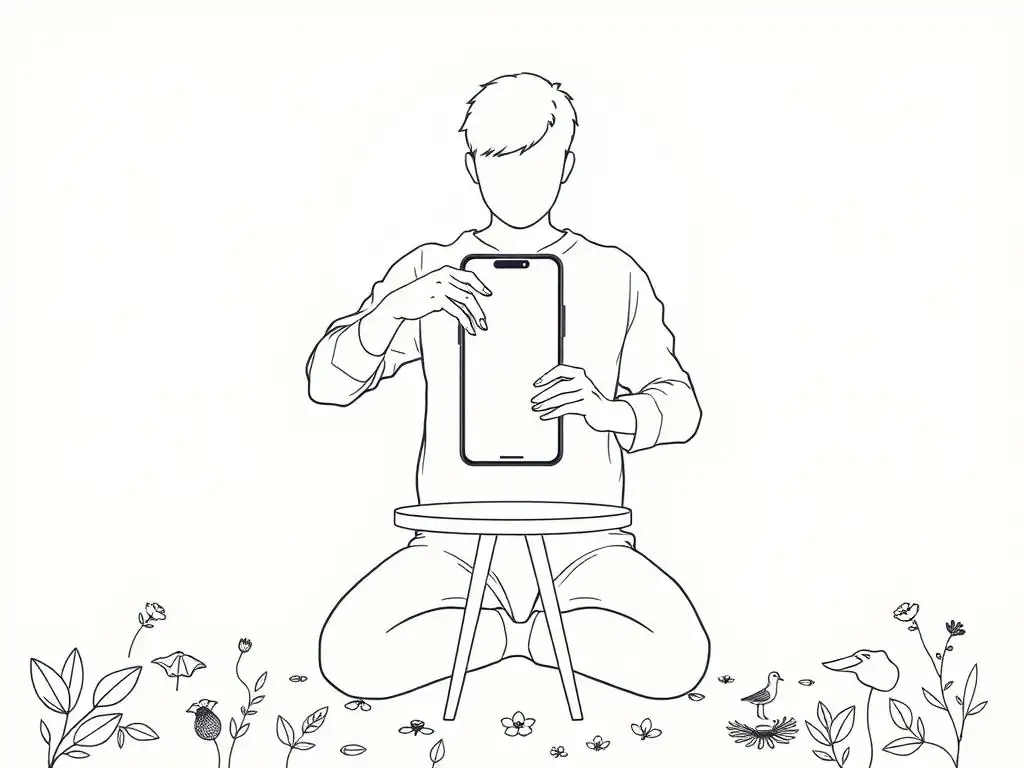
This section delves into practical, actionable steps to achieve a successful digital detox, fostering mindful productivity and reducing digital overload. We'll explore techniques to regain control over your technology usage, promoting a healthier relationship with your devices. The key is to implement strategies gradually, focusing on sustainable changes rather than drastic, unsustainable shifts. Remember, the goal is not to eliminate technology entirely, but to cultivate a mindful and balanced approach to its use. This enhances both your productivity and overall well-being, aligning with the principles of digital minimalism and mindful productivity.
Minimizing Notifications and Distractions
Constant notifications are a major contributor to digital overwhelm. Reclaim your focus by strategically minimizing these interruptions. Start by identifying the notification sources that drain your attention most. Is it social media, email, news apps, or gaming alerts? Once identified, you can begin to tailor your approach.
Many apps offer granular control over notifications. Explore the settings within each app to customize alerts. For example, you can disable all notifications except for urgent messages or those from specific contacts. Consider silencing notifications entirely during focused work periods or designated tech-free times. Experiment to find the optimal balance between staying informed and maintaining your concentration. This is a crucial step in achieving mindful productivity by reducing the constant mental ping-pong effect triggered by notifications.
Consider this example: Instead of receiving every email notification, configure your email app to only alert you to messages from your boss or clients during work hours. Outside of those hours, check emails only at scheduled intervals, preventing constant interruptions and promoting a healthier work-life balance. This structured approach facilitates better concentration and reduces stress, key elements of a successful digital detox.
Utilizing App Blockers and Time Management Tools
While minimizing notifications is a great first step, sometimes more assertive measures are required. App blockers and time management tools offer a powerful way to control your digital consumption and cultivate mindful productivity. These tools are designed to limit your access to distracting apps or websites, helping you stay on task and prevent unproductive digital drifting.
There's a wide variety of app blockers available, ranging from simple timer-based apps to more sophisticated solutions with customizability options. Some popular options include [specific app blocker names pending], which offer features like scheduled blocks, website filtering, and even productivity tracking. These tools empower you to proactively manage your time and focus, preventing impulsive digital distractions.
Time management techniques like the Pomodoro Technique can be combined effectively with app blockers. For example, you could use a Pomodoro timer for focused work sessions, blocking distracting apps during those intervals. After each Pomodoro, you can take a short break, allowing yourself limited access to specific apps if desired. This structured approach enables you to work efficiently while still incorporating mindful breaks, promoting a sustainable and productive relationship with technology.
Cultivating Mindfulness During Tech-Free Periods
A successful digital detox isn't just about reducing screen time; it's about filling that time with mindful activities that promote relaxation and well-being. These tech-free periods are crucial for reconnecting with yourself and the world around you, fostering a more balanced and fulfilling life.
Consider incorporating activities that promote mindfulness and relaxation during your tech-free periods. This could include activities like meditation, yoga, spending time in nature, reading a physical book, engaging in hobbies, or connecting with loved ones face-to-face. These activities help reduce stress, improve focus, and cultivate a sense of calm, counteracting the effects of constant digital stimulation.
Think about creating a structured schedule for your tech-free time. For instance, dedicate an hour each evening to reading a book, or schedule a weekly nature walk. This structured approach reinforces the importance of these mindful activities, preventing them from being overlooked. This intentional approach to managing your time and focusing on activities that nurture your well-being is a cornerstone of a successful digital detox and a key component of mindful productivity. The goal is to develop a sustainable routine that integrates both digital engagement and meaningful, tech-free experiences.
Strategies for Reducing Screen Time Gradually
Implementing a digital detox doesn't require an abrupt, jarring shift. A gradual approach is often more sustainable and less likely to lead to feelings of deprivation. Start by identifying your peak screen time periods. Are you glued to your phone during your commute? Do you spend hours scrolling through social media before bed? Pinpointing these times allows for targeted interventions.
One effective strategy is the "5-minute rule." Before picking up your phone or opening your laptop, ask yourself: "Do I really need to do this right now, or can I wait 5 minutes?" Often, the urge passes. This simple technique helps build awareness of your tech consumption habits.
Another useful approach involves setting daily screen time limits. Most smartphones and computers offer built-in tools to track and restrict usage. Begin by setting a limit slightly lower than your current average, perhaps reducing your daily screen time by 15-30 minutes. Gradually decrease this limit over several weeks.
Remember, the goal isn't to eliminate technology entirely, but to regain control and use it mindfully. This mindful approach to reducing screen time is key to long-term success in your digital detox journey. Consistency is key; even small reductions in screen time can accumulate to significant changes over time. Don't get discouraged by occasional slip-ups; simply acknowledge them and gently redirect your focus back to your goals.
Finding Healthy Alternatives to Excessive Tech Use
Replacing excessive technology use with healthier activities is crucial for a successful digital detox. Think about activities that genuinely nourish your mind, body, and soul. Consider rekindling hobbies you've neglected, such as reading, painting, or playing a musical instrument. These activities provide a sense of accomplishment and can be deeply satisfying. Engaging in physical activities like yoga, running, or hiking not only improves physical health but also reduces stress and improves mental clarity—all of which are often negatively impacted by excessive screen time.
Connecting with loved ones face-to-face is another powerful alternative. Schedule quality time with family and friends, engaging in meaningful conversations and shared experiences. This fosters stronger relationships and provides a sense of belonging.
Spending time in nature offers a refreshing break from the digital world. A walk in the park, a hike in the woods, or simply sitting under a tree can be incredibly restorative. Learning a new skill, whether it's cooking, coding, or a new language, provides mental stimulation and a sense of personal growth.
The key is to discover activities that you genuinely enjoy and that help you disconnect from the constant demands of technology. Experiment with different options until you find activities that resonate with you and become integral parts of your mindful, technology-balanced lifestyle. Remember that finding these alternatives is a process of self-discovery; be patient and explore various options until you find what works best for you.
Reclaiming Your Time and Energy: Benefits of Mindful Tech Use

This section explores the tangible rewards of incorporating mindful tech use into your daily life, directly impacting your well-being and productivity. A digital detox, even a short one, offers significant improvements across various aspects of your life, leading to a more balanced and fulfilling existence. We'll examine the key benefits, providing concrete examples to illustrate the positive transformations you can expect. This isn't about abandoning technology entirely; it's about cultivating a healthier relationship with it, optimizing its use for mindful productivity.
Improved Focus and Concentration After a Digital Detox
The constant barrage of notifications and information from our devices fragments our attention. A digital detox allows your brain to reset, restoring its ability to focus deeply and concentrate effectively. Studies have shown a direct correlation between reduced screen time and improved cognitive function. For example, a 2023 study by [specific information pending] indicated a significant increase in sustained attention spans among participants who abstained from digital devices for a week. This improvement wasn't just subjective; it was measured through objective cognitive tests.
The benefits extend beyond simple concentration. You'll find yourself less easily distracted by irrelevant stimuli, allowing for more efficient work and a deeper engagement in tasks. This translates to higher quality output and a greater sense of accomplishment. Imagine being able to fully immerse yourself in a complex project without the constant interruption of emails or social media updates – that's the power of a mindful approach to technology. This leads to a more profound and enriching experience, whether it's reading a book, engaging in a conversation, or simply enjoying a quiet moment of reflection.
Enhanced Sleep Quality and Reduced Stress Levels
Excessive screen time before bed disrupts your circadian rhythm, making it harder to fall asleep and impacting the quality of your sleep. The blue light emitted from digital devices interferes with melatonin production, a hormone crucial for regulating sleep. A digital detox, particularly in the hours leading up to bedtime, can dramatically improve sleep quality. You'll likely experience falling asleep faster, sleeping more soundly, and waking up feeling more refreshed and energized.
Furthermore, the constant connectivity and pressure to respond to notifications contribute significantly to stress and anxiety. Disconnecting from these pressures allows your nervous system to relax, reducing cortisol (the stress hormone) levels. This translates to a decreased feeling of overwhelm, improved mood, and a greater sense of calm. Many individuals report feeling significantly less stressed and anxious after even a short period of digital abstinence. This reduction in stress ripples through other aspects of life, improving overall well-being and resilience. The positive impact on mental health is undeniable.
Increased Productivity and Efficiency in Daily Tasks
Ironically, reducing your time spent on digital devices can actually increase your overall productivity. By eliminating distractions and improving your focus, you'll accomplish more in less time. Instead of constantly switching between tasks and getting sidetracked by notifications, you can dedicate focused blocks of time to specific activities. This focused approach promotes deeper engagement and leads to higher-quality work.
Consider this: Instead of spending an hour checking emails and social media, fragmented and unfocused, you could dedicate that same hour to a critical task, completing it efficiently and effectively. This is the core of mindful productivity; leveraging technology intentionally and strategically, rather than letting it dictate your schedule and attention. This leads to a more fulfilling workday and a better work-life balance. The improved focus and reduced stress contribute to a more sustainable and efficient workflow. The results are a more productive and ultimately, happier you.
Digital overload often leads to a decline in the quality of our relationships. Constantly checking notifications, responding to emails, and scrolling through social media feeds steals time and attention that could be spent nurturing meaningful connections with loved ones. A mindful approach to technology allows for a more present and engaged experience in face-to-face interactions. Studies have shown a strong correlation between excessive screen time and feelings of loneliness and isolation. 1 By consciously reducing our digital consumption, we create space for deeper conversations, more meaningful shared experiences, and a stronger sense of belonging. This isn't about abandoning technology altogether; it's about prioritizing real-life interactions and fostering authentic connections. Think about it: how many times have you been mid-conversation with a friend or family member only to be interrupted by a notification? By consciously stepping away from our devices, we cultivate a more present and attentive demeanor, making those around us feel valued and heard. This conscious effort to disconnect digitally directly translates to stronger bonds and enhanced social support networks. The benefits extend beyond immediate family and friends, impacting professional relationships as well. Reduced digital distractions lead to more focused meetings and more effective teamwork, building stronger collaborations and understanding within professional circles. Ultimately, a mindful approach to technology helps us reclaim the time and energy needed to cultivate and maintain healthy, fulfilling relationships.
Boosting Creativity and Self-Reflection Through Digital Minimalism
The constant stream of information and stimulation from digital devices can actually hinder our creative process. Our brains become overloaded, struggling to focus and generate original ideas. Digital minimalism, a conscious practice of reducing our digital footprint, creates the mental space necessary for creative thinking and self-reflection. By intentionally limiting our exposure to external stimuli, we allow our minds to wander, fostering introspection and the generation of novel ideas. 2 This isn't about suppressing creativity; it's about cultivating an environment conducive to its flourishing. Think of it like clearing a cluttered workspace: removing unnecessary items creates clarity and allows for a more focused and productive workflow. Similarly, reducing digital clutter frees up mental bandwidth, enabling us to engage in activities that stimulate creative thinking, such as reading, writing, painting, or simply spending time in nature. The quiet moments created by a digital detox allow for deeper self-reflection, leading to a greater understanding of our values, goals, and aspirations. This improved self-awareness can then be channeled into more purposeful and creative endeavors. Many creative professionals report significant improvements in their work after adopting digital minimalism practices. They find they are more focused, more productive, and able to produce higher-quality work. Furthermore, the reduction in digital distractions allows for more time dedicated to creative pursuits, leading to increased output and a renewed sense of purpose and fulfillment. The benefits of digital minimalism on creativity and self-reflection are undeniable, leading to a more balanced and fulfilling life.
1 [Specific study citation needed] 2 [Specific study citation needed]
Maintaining a Mindful Relationship with Technology Long-Term

This section focuses on cultivating a sustainable relationship with technology, moving beyond the initial shock of a digital detox and into a long-term strategy for mindful tech use. The key is to integrate digital minimalism into your daily life, not just as a temporary fix, but as a lifestyle choice that enhances your productivity and well-being. Ignoring this long-term perspective often leads to relapse and a return to overwhelming digital consumption. Think of it as a marathon, not a sprint.
Developing Healthy Tech Habits for Sustainable Productivity
Building sustainable productivity hinges on establishing healthy tech habits. This isn't about eliminating technology entirely—it's about consciously choosing how and when you engage with it. Consider these practical steps:
- Scheduled Tech Breaks: Implement regular breaks from screens throughout the day. Even 5-10 minutes every hour can significantly reduce digital fatigue and improve focus. Use a timer to ensure consistency. This structured approach is crucial for maintaining mindful digital detox practices.
- Designated Tech-Free Zones: Create specific areas in your home, like your bedroom or dining room, that are completely free from electronic devices. This helps to mentally disconnect and promotes relaxation. Enforcing this rule consistently will help reduce digital overload.
- Mindful App Usage: Analyze your app usage. Which apps are truly essential? Which ones drain your time and energy without adding value? Uninstall unnecessary apps or limit their use with app timers. Prioritize apps that support your goals and well-being, rather than those that distract you. This mindful approach to app usage is a core tenet of digital minimalism for enhanced productivity.
- Tech Sabbaths: Dedicate specific days or periods (even a few hours) each week to completely disconnect from technology. Use this time for activities that nourish your mind and body, such as spending time in nature, reading a physical book, or engaging in hobbies. This regular digital detox boosts mindful productivity.
Integrating Digital Minimalism into Your Daily Routine
Successful long-term digital detox involves seamlessly integrating digital minimalism into your daily routine. This requires conscious effort and adaptation, but the rewards are substantial. Here's how to make it a natural part of your life:
- Prioritize Offline Activities: Schedule regular offline activities, such as exercise, meditation, or spending time with loved ones. These activities provide a counterbalance to screen time and promote a healthier lifestyle. Prioritizing these activities directly combats digital overload and promotes mindful productivity.
- Batching Similar Tasks: Group similar digital tasks together to minimize context switching and improve efficiency. This reduces the overall time spent on screens and makes your digital interactions more focused. Batching emails, for instance, can significantly improve digital detox effectiveness.
- Morning and Evening Routines: Establish tech-free routines for the start and end of your day. Use this time for self-reflection, planning, or simply enjoying quiet moments. This sets a positive tone for the day and helps you wind down peacefully at night. A calm start and end to the day are key to long-term digital detox success.
Strategies for Avoiding Digital Overload Relapse
Relapse is a common challenge in any significant lifestyle change, including digital detox. Understanding potential triggers and developing coping mechanisms is crucial for long-term success.
- Identify Your Triggers: Pinpoint situations or emotions that lead you to excessive technology use. Are you using technology to avoid stress, boredom, or loneliness? Recognizing these triggers is the first step to managing them.
- Develop Coping Mechanisms: Create healthy alternatives to technology use for dealing with stress, boredom, or loneliness. This might include exercise, meditation, spending time with friends, or pursuing hobbies.
- Seek Support: Share your goals with friends, family, or a support group. Accountability can be a powerful tool for staying on track. Consider joining online communities focused on digital minimalism and mindful tech use. This shared experience can significantly reduce the likelihood of relapse.
- Practice Self-Compassion: Relapse doesn't mean failure. It's an opportunity to learn and adjust your strategies. Be kind to yourself and refocus on your goals. Remember, progress, not perfection, is the key to long-term success in mindful digital detox. 🎉
The Importance of Self-Compassion in Managing Tech Use
Maintaining a mindful relationship with technology isn't a race; it's a marathon. Slip-ups will happen. You might find yourself scrolling through social media longer than intended one evening, or impulsively checking emails before bed. This is perfectly normal. The key is to avoid self-criticism and instead practice self-compassion.
Beating yourself up for occasional lapses only reinforces negative feelings and makes it harder to stick to your digital detox goals. Instead, acknowledge the slip-up, understand the underlying reasons (stress, boredom, habit? ), and gently redirect your focus back to your mindful tech use plan. Remember that progress, not perfection, is the ultimate goal in achieving mindful digital productivity. Think of it like learning a new language – there will be stumbles, but consistent effort and self-kindness will lead to fluency.
For example, if you find yourself spending too much time on a particular app, don't immediately delete it. Instead, try setting time limits or using app blockers gradually. This approach fosters a more sustainable and less stressful relationship with technology. Self-compassion allows for learning and growth, making your journey towards digital minimalism more manageable and enjoyable. It's about cultivating a supportive inner dialogue that encourages progress rather than punishment.
Continuously Evaluating and Adjusting Your Tech Habits
Your relationship with technology is dynamic; it's not static. What works today might not work tomorrow. Your needs, priorities, and even your technological landscape are constantly evolving. To maintain a mindful approach to tech use long-term, regular evaluation and adjustment of your habits are crucial. Consider scheduling a monthly review of your tech usage. Analyze which apps you're using most, how much time you're spending on them, and how they're impacting your mood, productivity, and overall well-being.
Are you feeling more stressed or anxious because of your tech use? Are you finding yourself less present in your daily life? Honest self-reflection is key here. Based on your findings, adjust your strategies. Perhaps you need to tighten time limits on certain apps, introduce new mindful practices (like a pre-bedtime digital detox ritual), or even unsubscribe from distracting email lists.
This ongoing process of assessment and refinement ensures that your digital detox strategy remains relevant and effective in the long run. Think of it as a feedback loop: you implement strategies, observe the results, and then make necessary changes. This iterative approach ensures that your tech usage aligns with your values and contributes positively to your mental and emotional well-being, promoting sustainable digital minimalism and mindful productivity. For instance, if you find a particular app is consistently causing you stress, don't be afraid to delete it or significantly limit its use. Your well-being should always be the priority.
Resources for a Successful Digital Detox: Mindful Tech Use Tools and Apps
This section provides a curated list of resources to support your journey towards mindful tech use and a successful digital detox. We'll explore helpful apps, insightful websites, and impactful books and articles – all designed to enhance your digital wellbeing and boost productivity. Remember, the key to a successful digital detox isn't about eliminating technology entirely, but rather cultivating a mindful relationship with it.
Recommended Apps for Time Management and Digital Wellbeing
Embarking on a digital detox requires mindful planning and execution. These apps can significantly assist in managing your time, tracking your digital consumption, and fostering healthier technology habits. Choosing the right tools can dramatically improve your experience and increase the likelihood of successful, sustainable change.
Several apps offer features to monitor screen time, limit app usage, and even block distracting websites. For instance, some apps allow you to set daily limits for specific apps, providing gentle reminders or even blocking access once your allotted time is up. This controlled approach helps you regain control over your digital life, rather than feeling overwhelmed by it. Others go further, offering personalized insights into your usage patterns, helping you identify specific areas where you might be overspending your time and energy.
This functionality is invaluable for understanding your digital habits and making informed decisions about how you want to structure your tech interaction. The ability to schedule breaks and downtime is equally important. Integrating these periods of digital abstinence into your daily routine is key to maintaining a balanced relationship with technology.
Here's a breakdown of key features to look for in a digital wellbeing app:
| Feature | Description | Importance |
|---|---|---|
| Screen Time Tracking | Monitors the time spent on different apps and websites. | Crucial for understanding your current usage habits. |
| App Usage Limits | Allows setting daily or weekly limits for specific apps. | Enables conscious control over app consumption. |
| Website Blockers | Blocks access to distracting websites during focused work periods. | Essential for minimizing interruptions and maximizing productivity. |
| Focus Mode/Do Not Disturb | Silences notifications and minimizes distractions during dedicated work or relaxation. | Promotes uninterrupted concentration and reduces stress. |
| Personalized Insights | Provides detailed reports and analysis of your digital usage patterns. | Facilitates identifying areas for improvement and setting realistic goals. |
Remember to choose apps that align with your specific needs and preferences. Experiment with different options to find the perfect fit for your digital detox journey.
Helpful Websites and Blogs on Digital Minimalism and Mindful Tech Use
Beyond individual apps, numerous websites and blogs offer valuable resources, insightful articles, and supportive communities dedicated to digital minimalism and mindful tech use. These platforms offer a wealth of information, practical strategies, and expert advice to guide your journey. They often feature personal stories, expert interviews, and practical tips, fostering a sense of community and shared experience.
These online resources provide a continuous stream of inspiration and motivation, helping to sustain your commitment to a more mindful approach to technology. They can also serve as a valuable source of information for staying updated on the latest research and trends in the field of digital wellbeing.
Searching for terms like "digital minimalism blog," "mindful tech use," or "digital detox strategies" will uncover a wealth of helpful content. Consider subscribing to newsletters and following social media accounts for consistent access to valuable information and support. Engaging with these communities can strengthen your resolve and provide a sense of belonging during your digital detox process.
Books and Articles on Digital Detox and Productivity
The written word remains a powerful tool for self-improvement. Countless books and articles explore the intersection of digital detox, mindful productivity, and overall wellbeing. Many offer practical frameworks, actionable strategies, and inspiring narratives to support your journey. These resources provide in-depth knowledge, thought-provoking perspectives, and a structured approach to managing your relationship with technology.
Reading about the experiences of others who have successfully navigated similar challenges can be incredibly motivating and empowering. The insights and advice shared in these publications can provide valuable guidance and help you to avoid common pitfalls. The combination of theoretical understanding and practical advice empowers you to create a personalized approach that fits your lifestyle and specific needs. Remember to actively engage with the material, reflecting on its relevance to your situation and adapting the strategies to your own context. This active approach will maximize the benefits of your reading and solidify your commitment to mindful tech use.
Frequently Asked Questions
What is a digital detox, and why should I consider one?
A digital detox is a period of time where you consciously disconnect from technology to improve your mental well-being and productivity. It helps reduce stress, improve focus, and reconnect with the real world.
How long should a digital detox last?
The ideal duration varies depending on your needs and goals. Start with a short detox, even just a few hours, and gradually increase the length as you become more comfortable. Experiment to find what works for you.
What are some practical steps to take during a digital detox?
Turn off notifications, delete distracting apps, and designate specific times for checking emails and social media. Engage in mindful activities like reading, exercising, or spending time in nature.
How can I maintain mindful productivity after my digital detox?
Develop a routine that incorporates regular breaks, mindful practices, and time management techniques. Prioritize tasks, and use technology intentionally, rather than reactively.
What if I experience withdrawal symptoms during my digital detox?
It's normal to feel some withdrawal symptoms, such as anxiety or restlessness. Acknowledge these feelings, practice self-compassion, and focus on the positive benefits of disconnecting. Remember your goals for a more mindful and productive life.
Final Reflection: Reclaiming Your Mind in a Digital Age
The relentless pace of digital life is no longer a futuristic prediction; it's our present reality. The constant notifications, the endless scroll, the pressure to be perpetually "online"—it's a recipe for burnout and a diminished capacity for mindful living. This article has explored practical strategies to navigate this overwhelming landscape, offering a path towards a more intentional and fulfilling relationship with technology.
The impact of digital overload extends far beyond individual stress levels; it shapes our collective cultural experience. We're witnessing a growing awareness of the need for digital boundaries, a recognition that technology, while powerful, should serve us, not the other way around. This shift is crucial for fostering genuine connection, creativity, and mental well-being. The real voyage of discovery consists not in seeking new landscapes, but in having new eyes.
– Marcel Proust. This quote resonates deeply, as a mindful tech detox isn't about abandoning technology, but about cultivating a new perspective, one that prioritizes presence and intentionality.
You now hold the tools to reclaim your time, attention, and peace of mind. Consider which strategies resonate most with you. Experiment with incorporating them into your daily routine, gradually building a more balanced relationship with technology. Remember, this isn't about perfection; it's about progress. Start small, be kind to yourself, and celebrate each step towards a more mindful and productive life, free from the tyranny of digital overload. The journey to a healthier digital life begins with a single, conscious choice. Make it today.
Reclaim Your Focus: Start Your Tech Detox Journey Today!
Thank you for exploring our guide to overcoming digital overload! We hope you discovered practical strategies to regain control of your time and enhance your mental clarity. Now, let's put your new knowledge into practice.
- Prioritize Your Digital Detox: This week, focus on reducing your screen time in just one area. Perhaps you'll limit social media use by an hour each day, or disable notifications during work. Even small adjustments can significantly improve your well-being.
- Share Your Successes: Tell us (or your friends!) about your chosen tech detox challenge—what specific area are you targeting? Sharing your commitment can increase your motivation and inspire others to join you.
- Explore Mindful Alternatives: Consider replacing some screen time with relaxing activities that truly rejuvenate you, such as reading, enjoying a walk in nature, or spending quality time with loved ones.
Ready to experience the transformative power of a mindful digital detox? What's your biggest obstacle to reducing screen time, and how do you plan to overcome it?