
Sleep Hygiene Essentials: Simple Habits for a Restful Night in Any Environment

Ready to unlock the secrets to effortless productivity and a life less ordinary? At UltimateLifeHacks, we equip you with the tools to conquer your daily challenges and achieve peak performance. But what if even your most meticulously planned day crumbles without sufficient rest? Discover how to Improve sleep hygiene anywhere, regardless of your surroundings, and unlock a world of enhanced energy and focus. Dive into our "Health & Fitness Hacks" section and learn the simple yet transformative habits that will guarantee a restful night’s sleep, no matter where you are.
- Improve Sleep Hygiene Anywhere: Mastering Sleep on the Go
- Essential Sleep Hygiene Habits for Any Environment
- Addressing Common Sleep Disruptions in Different Environments
- Maintaining Optimal Sleep Hygiene: Long-Term Strategies
-
Frequently Asked Questions
- How can I improve my sleep hygiene when traveling?
- What are some quick fixes for better sleep if I only have a few minutes?
- I struggle to fall asleep; what are some simple habits I can adopt?
- How can I improve my sleep quality if I'm stressed or anxious?
- My sleep environment isn't ideal; what can I do to improve it?
- Final Reflection: Reclaiming Rest: Sleep Hygiene's Enduring Power
- Unlock Your Best Sleep Yet: Simple Steps to Deeper Rest
Improve Sleep Hygiene Anywhere: Mastering Sleep on the Go
Achieving restful sleep isn't limited to the comfort of your own bed. For many, quality sleep is a challenge, especially when traveling or navigating the complexities of shared living spaces. This guide delves into practical strategies and simple habits to significantly improve your sleep hygiene, regardless of your environment. We'll explore how to optimize your sleep, even in unfamiliar hotels, noisy apartments, or while adjusting to different time zones.
By implementing these techniques, you'll discover how to prioritize sleep and enhance your overall well-being, no matter where you rest your head. This article aims to equip you with the knowledge and tools to effectively improve sleep hygiene anywhere, helping you conquer sleep challenges and wake up feeling refreshed and revitalized. Let's dive into the essential steps to prioritize your sleep wherever life takes you. 😴
Optimizing Sleep Hygiene in Hotels and Travel
Traveling often disrupts our sleep routines, leading to fatigue and decreased productivity. However, with a few proactive steps, you can significantly improve your sleep quality even while on the go. Let's explore some key strategies for optimizing sleep hygiene in hotels and during travel.
Creating a Relaxing Hotel Room Atmosphere for Better Sleep
Transforming a standard hotel room into a sleep sanctuary is achievable with a few simple adjustments. Think about dimming the lights using the provided curtains or bringing a sleep mask. Consider bringing a small, familiar item like a favorite pillowcase or aromatherapy spray to create a sense of comfort and familiarity. White noise machines or calming music can help mask disruptive sounds.
Remember, even small changes can significantly impact your sleep quality. Prioritizing a cool room temperature is also key – aim for around 65°F (18°C). A comfortable temperature is crucial for falling asleep and staying asleep throughout the night.
Travel Sleep Hygiene Tips: Packing Essentials for Restful Nights Away from Home
Packing strategically for sleep is just as important as packing for your daily activities. Essential items include: a comfortable travel pillow, earplugs to block out noise, a sleep mask to control light exposure, and potentially a small, portable white noise machine. Consider packing your own sheets or a duvet cover if you're concerned about cleanliness. These small investments can dramatically improve your sleep experience, making your travels more relaxing and less stressful. Don't forget to pack any medications you regularly use to aid sleep, ensuring you have enough for the duration of your trip.
Adjusting to Different Time Zones and Maintaining Sleep Consistency While Traveling
Jet lag can significantly impact sleep quality. To mitigate its effects, try to adjust your sleep schedule gradually before your trip. Expose yourself to sunlight upon arrival at your destination to help regulate your circadian rhythm. Maintain a consistent sleep-wake schedule as much as possible, even if it means adjusting your sleep times incrementally. Avoid excessive caffeine and alcohol, especially close to bedtime. Staying hydrated is also crucial for optimal sleep and overall well-being during travel.
Living in shared spaces presents unique challenges to sleep hygiene. Noise, light, and conflicting schedules can all disrupt your rest. However, with thoughtful strategies and open communication, you can create a more conducive sleep environment.
Strategies for Better Sleep in Shared Bedrooms or Apartments
Implementing strategies to improve sleep in shared spaces requires a collaborative approach. Consider using earplugs or a white noise machine to minimize disturbances from roommates or neighbors. A sleep mask can block out distracting light. Communicating your sleep needs respectfully with your roommates and establishing quiet hours can significantly improve everyone's sleep quality. This mutual respect fosters a harmonious living environment.
Minimizing Noise and Light Disturbances in Shared Sleeping Environments
Noise and light are significant sleep disruptors. Using heavy curtains or blinds can significantly reduce light intrusion. Consider using rugs or other sound-dampening materials to absorb noise. Communicating with roommates about noise levels and respecting quiet hours is crucial. If possible, strategically positioning your bed away from noise sources, such as windows or doors, can also help create a more peaceful sleep environment.
Negotiating Sleep Schedules with Roommates or Family Members
Open communication is key to successfully negotiating sleep schedules. Discuss your sleep needs and preferences with your roommates or family members respectfully. Find a compromise that works for everyone. Establishing clear quiet hours and adhering to them consistently will create a more peaceful and conducive environment for sleep. Remember, a collaborative approach is essential for creating a harmonious sleep environment in shared spaces.
Essential Sleep Hygiene Habits for Any Environment
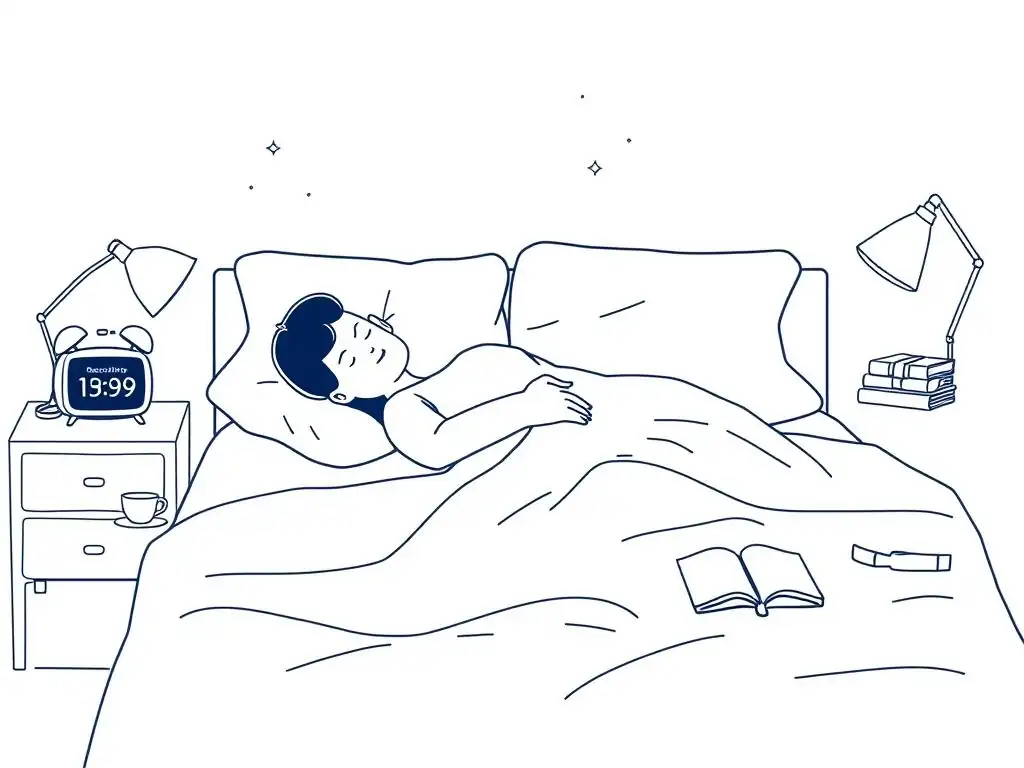
This section delves into the core practices of sleep hygiene, focusing on strategies applicable in diverse environments. Improving sleep hygiene anywhere requires adaptability and a commitment to consistent routines, regardless of location or circumstance. We'll explore practical techniques to optimize your sleep, even when facing travel, unusual schedules, or unfamiliar surroundings. The goal is to equip you with the tools to prioritize restful sleep wherever you are.
Establishing a Consistent Sleep Schedule for Improved Sleep Consistency
Maintaining a regular sleep-wake cycle is paramount for improving sleep hygiene anywhere. Our bodies thrive on predictability; a consistent schedule helps regulate your internal clock (circadian rhythm), leading to more efficient sleep and easier awakenings. Irregular sleep patterns disrupt this rhythm, resulting in sleepiness during the day and difficulty falling asleep at night. This is particularly true for those who frequently travel or work shifting schedules.
The Importance of Regular Sleep-Wake Cycles for Better Sleep
The circadian rhythm governs numerous bodily functions, including sleep-wake cycles, hormone release, and body temperature. When this rhythm is disrupted, it can trigger a cascade of negative effects, including:
- Increased daytime sleepiness: Feeling sluggish and unfocused throughout the day.
- Reduced cognitive function: Impaired memory, concentration, and decision-making abilities.
- Weakened immune system: Increased susceptibility to illness.
- Mood disturbances: Increased irritability, anxiety, and depression.
- Weight gain: Disrupted sleep can affect hormone levels that regulate appetite and metabolism.
Sticking to a consistent sleep schedule, even on weekends, minimizes these disruptions and optimizes your body's natural sleep-wake cycle. Aim for approximately the same bedtime and wake-up time, even when your schedule is flexible.
Tips for Maintaining a Consistent Sleep Schedule Even on Weekends
Many people believe that "catching up" on sleep on weekends can compensate for sleep deprivation during the week. However, this practice can actually worsen sleep problems by further disrupting the circadian rhythm. Instead, aim for consistency:
- Weekend adjustments: Allow for a maximum one-hour shift in your sleep schedule on weekends. Larger deviations can significantly impact your sleep quality.
- Consistent wake-up time: Prioritize a consistent wake-up time, even if you didn't get a full night's sleep. This helps anchor your circadian rhythm.
- Avoid excessive napping: Long daytime naps can interfere with nighttime sleep. If you must nap, keep it short (20-30 minutes) and early in the afternoon.
- Light exposure: Expose yourself to natural sunlight in the morning to help regulate your circadian rhythm.
Creating a Relaxing Bedtime Routine to Promote Better Sleep
A consistent bedtime routine signals to your body that it's time to wind down and prepare for sleep. This routine should be relaxing and calming, helping to reduce stress and anxiety before bed. Creating a personalized ritual significantly contributes to improving sleep hygiene anywhere, making it easier to fall asleep and stay asleep.
Incorporating Relaxation Techniques into Your Bedtime Routine
Incorporating relaxation techniques into your bedtime routine is crucial for promoting better sleep. These techniques can help to calm your mind and body, preparing you for a restful night's sleep. Consider incorporating the following:
- Progressive muscle relaxation: This technique involves systematically tensing and releasing different muscle groups to relieve tension.
- Deep breathing exercises: Slow, deep breaths can help to calm the nervous system and reduce anxiety.
- Meditation or mindfulness: Practicing mindfulness techniques can help to quiet the mind and focus on the present moment.
- Reading a book: Reading a physical book (not an e-reader) can be a relaxing way to unwind before bed. Avoid screens!
The Benefits of a Warm Bath or Shower Before Bed
A warm bath or shower before bed can help to lower your body temperature, signaling to your body that it's time to sleep. The slight drop in temperature after getting out of the bath or shower can promote relaxation and improve sleep onset. Adding Epsom salts to your bath can further enhance relaxation.
Using Aromatherapy to Enhance Sleep Quality
Certain scents, such as lavender and chamomile, have been shown to have calming effects and promote relaxation. Using aromatherapy diffusers or applying essential oils topically can help to create a relaxing atmosphere in your bedroom and improve your sleep quality. Always use high-quality, pure essential oils and follow recommended usage instructions. Remember to test a small amount on your skin first to check for allergies.
Optimizing Your Sleep Environment for Better Rest
Improving sleep hygiene anywhere starts with optimizing your sleep environment, regardless of whether you're at home or traveling. A conducive sleep environment significantly impacts sleep quality, promoting deeper, more restorative rest. This involves several key factors, all contributing to a more comfortable and conducive sleep experience. Consider these elements as crucial building blocks for consistent, high-quality sleep, wherever you may be.
Even small changes can make a noticeable difference in your overall sleep quality and daytime alertness. Consistent application of these principles, no matter the setting, is key to achieving better sleep. The cumulative effect of these adjustments will lead to significant improvement in your overall well-being.
The Importance of a Comfortable and Supportive Mattress and Pillows
The foundation of a good night's sleep is a comfortable and supportive mattress and pillows. A worn-out mattress can cause aches and pains, interrupting your sleep cycle. Similarly, the wrong pillow can lead to neck pain and discomfort. Invest in a mattress and pillows that properly support your body weight and alignment. Consider factors like firmness, materials (memory foam, latex, innerspring), and size.
If traveling, consider bringing a travel pillow to provide neck support. Regularly replacing your mattress (every 7-10 years is a good guideline) and pillows (every 1-2 years) ensures continued support and hygiene. The right mattress and pillow combination significantly contributes to deeper, more restful sleep. Don't underestimate the impact of a supportive sleep surface on your overall sleep quality.
Creating a Dark, Quiet, and Cool Sleeping Environment
Darkness, quiet, and coolness are crucial for optimal sleep. Our bodies naturally produce melatonin, a hormone that regulates sleep, in response to darkness. Light exposure before bed can suppress melatonin production, making it harder to fall asleep. A quiet environment is essential to prevent disruptions to your sleep cycles. Consider using earplugs or a white noise machine to block out unwanted sounds.
Keeping your bedroom cool (around 65°F or 18°C is often recommended) is also important, as a slightly cooler temperature promotes better sleep. If you're traveling, consider using blackout curtains or an eye mask to block out light, and earplugs to minimize noise. These adjustments, even in unfamiliar environments, promote better sleep hygiene. Experiment to find the ideal temperature and noise level for your personal preference.
Minimizing Light Exposure Before Bed
Minimizing light exposure before bed is crucial for improving sleep hygiene. Artificial light, especially blue light emitted from electronic devices, suppresses melatonin production. This makes it harder to fall asleep and can lead to poor sleep quality. To improve sleep, try to avoid using electronic devices for at least an hour before bed. If you must use them, consider using blue light filtering glasses or apps that reduce blue light emission.
Dimming the lights in your home in the evening also helps to signal to your body that it's time to sleep. Creating a relaxing pre-sleep routine that avoids bright lights will significantly contribute to improved sleep hygiene, regardless of your location. This simple change can make a substantial difference in the quality of your sleep. Remember, consistency is key to reaping the full benefits.
Addressing Common Sleep Disruptions in Different Environments
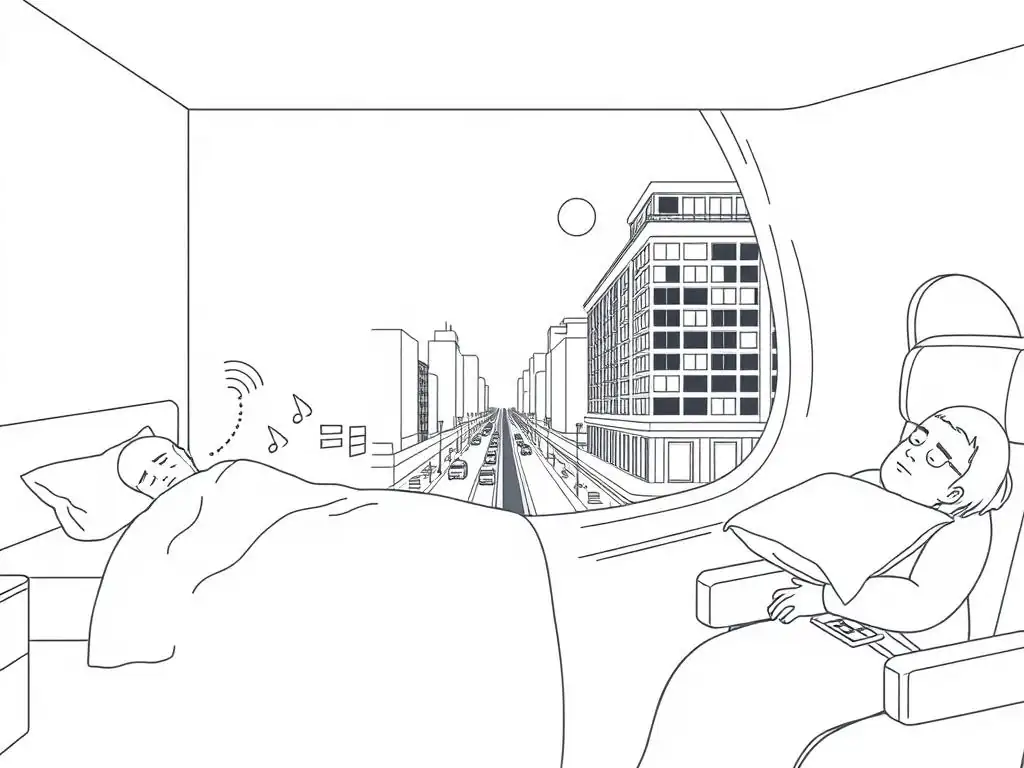
Improving sleep hygiene anywhere requires addressing the unique challenges different environments present. Whether you're traveling, staying in a hotel, or simply dealing with noisy neighbors, consistent, restful sleep hinges on adapting your sleep hygiene practices to your surroundings. This section dives deep into common sleep disruptions and offers practical solutions to improve sleep quality regardless of location. We'll explore strategies to mitigate the impact of jet lag, noise pollution, and light pollution, ultimately empowering you to prioritize sleep hygiene wherever you are.
Jet lag, that frustrating feeling of disorientation after crossing multiple time zones, significantly impacts sleep quality. The disruption to your body's natural circadian rhythm can lead to insomnia, daytime fatigue, and reduced cognitive function. However, several strategies can help minimize the impact of jet lag and improve sleep hygiene while traveling.
Strategies for Adapting to Different Time Zones Quickly
Adapting to a new time zone involves gradually shifting your sleep schedule before your trip. Begin adjusting your sleep and wake times a few days prior, shifting them by 1-2 hours each day to align with your destination's time. This preemptive measure helps your body adjust more smoothly. Upon arrival, immediately expose yourself to sunlight; sunlight exposure helps regulate your circadian rhythm.
Avoid napping excessively during the day, as this can disrupt your nighttime sleep. Maintain a consistent sleep schedule – try to go to bed and wake up at the same time each day, even on weekends, to help regulate your body clock. Consider using melatonin supplements, but consult a doctor before using any supplements, especially if you have pre-existing health conditions. Remember, consistency is key to overcoming jet lag and maintaining optimal sleep hygiene.
Minimizing the Impact of Disruptions on Your Sleep Schedule While Traveling
Traveling often involves unexpected disruptions to your sleep schedule. Flight delays, noisy hotel rooms, and unfamiliar beds can all interfere with your ability to get a good night's rest. To mitigate these disruptions, pack essential sleep hygiene tools such as an eye mask to block out light, earplugs to dampen noise, and a comfortable travel pillow to support your neck. Prioritize a relaxing pre-sleep routine to signal to your body that it’s time to wind down.
This could include a warm bath, reading a book, or listening to calming music. Avoid caffeine and alcohol close to bedtime, as these substances can interfere with sleep. If you find yourself struggling to sleep, try relaxation techniques like deep breathing or progressive muscle relaxation. Remember that maintaining a consistent sleep schedule, even when traveling, is crucial for optimal sleep hygiene.
Dealing with Noise and Light Pollution in Various Locations
Noise and light pollution are significant obstacles to achieving restful sleep, regardless of your location. Even subtle noises or light exposure can disrupt your sleep cycles and reduce sleep quality. Fortunately, several strategies can help create a more peaceful and conducive sleep environment.
Utilizing Noise-Cancelling Devices or Earplugs for a Quieter Sleep
Noise-cancelling headphones or earplugs are invaluable tools for blocking out unwanted sounds. Noise-cancelling headphones actively reduce ambient noise, creating a quieter environment for sleep. Earplugs, while less sophisticated, provide a simple and effective way to dampen disruptive sounds. Consider experimenting with different types of earplugs to find ones that fit comfortably and effectively block noise. The right earplugs can make a significant difference in improving sleep quality, particularly in noisy environments. Remember to choose earplugs made from soft, comfortable materials to prevent discomfort.
Using Blackout Curtains or Eye Masks to Block Out Light
Light exposure, even low-level light, can disrupt melatonin production and interfere with sleep. Blackout curtains are an excellent way to create a completely dark sleep environment, blocking out streetlights, moonlight, or sunlight. If blackout curtains aren't feasible, an eye mask can serve as an effective alternative, creating darkness around your eyes and promoting deeper sleep. Choose an eye mask made from a comfortable, breathable material to avoid discomfort or overheating. The darkness created by these methods can significantly enhance sleep quality and contribute to improved sleep hygiene.
Creating a Peaceful and Calming Sleep Environment
Creating a peaceful and calming sleep environment is crucial for improving sleep hygiene. This includes optimizing temperature, maintaining a clean and organized space, and minimizing distractions. A slightly cool room temperature (around 65°F or 18°C) is generally ideal for sleep. Ensure your bedding is clean and comfortable, and remove clutter from your bedroom to create a sense of calm.
Dim the lights and avoid bright screens before bed. Consider using aromatherapy with calming scents like lavender to promote relaxation. By creating a sanctuary of peace and quiet, you significantly enhance your chances of a restful and restorative night’s sleep. Remember, a consistently calm sleep environment plays a vital role in achieving and maintaining optimal sleep hygiene.
Maintaining Optimal Sleep Hygiene: Long-Term Strategies
This section delves into the crucial long-term strategies for cultivating and maintaining excellent sleep hygiene, enabling you to consistently improve sleep quality regardless of your environment. We'll explore lifestyle adjustments that go beyond immediate fixes, focusing on sustainable habits for lasting impact. Remember, consistently improving sleep hygiene anywhere requires dedication and a holistic approach.
Long-Term Strategies for Better Sleep Habits and Improved Sleep Hygiene
Improving sleep hygiene anywhere isn't just about temporary fixes; it's about building lasting habits. This involves a multifaceted approach encompassing your physical activity, diet, stress management, and overall lifestyle. Consistent effort in these areas will yield significant and lasting improvements in your sleep quality.
The Importance of Regular Exercise and Physical Activity
Regular physical activity is a cornerstone of good sleep hygiene. Studies consistently show a strong correlation between regular exercise and improved sleep quality. Aim for at least 30 minutes of moderate-intensity exercise most days of the week. However, avoid intense workouts close to bedtime, as this can interfere with your ability to fall asleep. The key is finding an exercise routine that fits your lifestyle and preferences, whether it's brisk walking, swimming, yoga, or cycling. This contributes significantly to improving sleep hygiene anywhere, as the benefits transcend environmental factors.
The Role of Diet and Nutrition in Sleep Quality
Your diet plays a significant role in your sleep quality. Avoid large meals, caffeine, and alcohol close to bedtime. Caffeine's stimulating effects can persist for hours, while alcohol, despite its sedative effects initially, can disrupt sleep later in the night.
A balanced diet rich in fruits, vegetables, and whole grains provides the necessary nutrients for optimal bodily functions, including sleep regulation. Consider incorporating foods rich in magnesium and tryptophan, which are known to promote relaxation and sleep. Hydration is also key; drink plenty of water throughout the day, but limit fluid intake close to bedtime to minimize nighttime bathroom trips.
Managing Stress and Anxiety for Better Sleep
Stress and anxiety are major culprits in sleep disruption. Implementing stress-management techniques is crucial for improving sleep hygiene anywhere. Consider incorporating relaxation techniques such as meditation, deep breathing exercises, or progressive muscle relaxation into your daily routine. Engage in activities you enjoy, whether it's reading, listening to music, or spending time in nature. These activities help to calm your mind and prepare your body for sleep. Regular practice of these techniques will significantly improve your ability to fall asleep and stay asleep, even in less-than-ideal environments.
When to Seek Professional Help for Sleep Problems
If you've consistently implemented these strategies and still experience significant sleep problems, such as insomnia or sleep apnea, it's crucial to seek professional help. A sleep specialist can diagnose underlying conditions and recommend appropriate treatment options. Don't hesitate to reach out for support; addressing sleep disorders is essential for overall well-being. Ignoring persistent sleep problems can have far-reaching negative consequences on your physical and mental health.
Building a Sustainable Sleep Hygiene Routine for Lasting Improvement
Building a sustainable sleep routine requires consistent effort and self-awareness. This isn't a one-size-fits-all solution; it's about finding what works best for you.
Tracking Your Sleep and Identifying Patterns
Tracking your sleep patterns can provide valuable insights into your sleep habits. Use a sleep tracker app or a simple notebook to record your bedtime, wake-up time, and the quality of your sleep. Note any factors that might have influenced your sleep, such as stress levels, diet, or alcohol consumption. Identifying patterns will help you pinpoint potential areas for improvement in your sleep hygiene. This data-driven approach enables personalized adjustments for optimal results.
Adjusting Your Routine Based on Your Sleep Needs
Based on your sleep tracking data, adjust your routine accordingly. If you consistently wake up feeling tired, you may need to adjust your bedtime or wake-up time. Experiment with different sleep schedules to find what works best for you. Remember that consistency is key; try to maintain a regular sleep schedule, even on weekends, to regulate your body's natural sleep-wake cycle.
Maintaining Consistency and Long-Term Commitment to Sleep Hygiene Practices
The key to long-term success in improving sleep hygiene anywhere is consistency. Don't expect overnight results; it takes time and effort to establish new habits. Be patient with yourself, and celebrate your successes along the way. Remember that setbacks are normal; the important thing is to keep trying and to make sleep hygiene a priority in your life. This long-term commitment will lead to significant improvements in your sleep quality and overall well-being. The benefits of prioritizing consistent sleep hygiene will significantly impact your daily life and productivity.
Frequently Asked Questions
How can I improve my sleep hygiene when traveling?
Maintaining good sleep hygiene while traveling is challenging, but possible. Prioritize a consistent sleep schedule, even if it means adjusting to a new time zone gradually. Pack earplugs and an eye mask to block out noise and light.
What are some quick fixes for better sleep if I only have a few minutes?
Even a few minutes can make a difference. Try a short relaxation technique like deep breathing or progressive muscle relaxation. Avoid screen time before bed and ensure your bedroom is dark and quiet.
I struggle to fall asleep; what are some simple habits I can adopt?
Establish a consistent bedtime routine to signal your body it's time to sleep. This could include a warm bath, reading a book, or listening to calming music. Avoid caffeine and alcohol before bed.
How can I improve my sleep quality if I'm stressed or anxious?
Stress and anxiety are major sleep disruptors. Practice stress-reducing techniques like meditation or yoga before bed. Consider a journaling exercise to unload worries before sleep.
My sleep environment isn't ideal; what can I do to improve it?
Optimize your sleep environment as much as possible. Invest in a comfortable mattress and pillows. Minimize noise and light pollution using earplugs, eye masks, and blackout curtains. Maintain a cool room temperature.
Final Reflection: Reclaiming Rest: Sleep Hygiene's Enduring Power
The pursuit of quality sleep transcends location; it's a fundamental human need impacting our physical and mental well-being in profound ways. In a world increasingly characterized by constant connectivity and demanding schedules, the ability to cultivate restorative sleep, regardless of environment, is not a luxury, but a necessity. We've explored practical, adaptable strategies to improve sleep hygiene anywhere, proving that a restful night's sleep is attainable even amidst chaos.
The impact of consistent, quality sleep on our lives is immeasurable. It ripples outwards, affecting our productivity, relationships, and overall health. Sleep is the golden chain that ties health and our bodies together.
This quote, though simple, encapsulates the profound truth of sleep's importance. The journey towards better sleep hygiene is a personal one, and the strategies discussed—from mindful pre-sleep routines to optimizing our sleep environments—are tools to empower you to take control of your rest. The ongoing shift towards prioritizing wellness highlights the increasing recognition of sleep's crucial role in our overall well-being.
You now possess the knowledge and tools to cultivate a sanctuary of rest, wherever you may be. Consider the small, consistent changes you can implement tonight. Start by dimming the lights an hour before bed, or perhaps try a calming breathing exercise. Remember, the journey to better sleep is a marathon, not a sprint. Embrace the process, celebrate your progress, and prioritize your sleep—your mind and body will thank you for it. Begin your journey to a more restful and fulfilling life, starting tonight.
Unlock Your Best Sleep Yet: Simple Steps to Deeper Rest
Thank you for exploring ways to improve your sleep! We hope you found practical tips to enhance your nightly rest. Now, let's put them into action.
Here's your next step:
- Start with one new sleep habit this week. Choose the tip that resonated most with you—whether it's creating a consistent bedtime routine, optimizing your sleep environment, or incorporating relaxing pre-sleep activities—and make it a priority.
- Share your best sleep tip with friends or family who might benefit. A little support can go a long way in establishing lasting healthy habits.
- Track your sleep for a week. Observe how your new habit affects your sleep quality and energy levels. You might be surprised by the results!
What small change are you most excited to try tonight to improve your sleep?