
Digital Detox for Focus: Essential Habits to Minimize Interruptions


Welcome to UltimateLifeHacks, your destination for practical strategies to conquer daily chaos and unlock peak productivity. Are you tired of constant digital interruptions derailing your focus? Our latest article on Minimize digital distractions focus dives deep into the power of digital minimalism, revealing essential habits to reclaim your attention and boost efficiency. Discover how to transform your digital habits and experience the transformative power of undistracted focus. Read on to learn how you can reclaim your time and achieve more!
- Understanding the Impact of Digital Distractions on Focus
-
Strategies to Minimize Digital Distractions and Enhance Focus
- Creating a Digital Detox Plan: Setting Realistic Goals and Timeframes
- Managing Notifications: Optimizing Settings for Reduced Interruptions
- Time Blocking Techniques for Focused Work: Scheduling Dedicated Time Offline
- Utilizing Productivity Apps for Focused Work: Tools to Minimize Digital Clutter
- The Power of Website Blockers: Restricting Access to Distracting Sites
-
Building a Digital Minimalist Lifestyle for Improved Focus
- Curating Your Digital Ecosystem: Prioritizing Essential Apps and Tools
- Mindful Technology Use: Conscious Consumption and Digital Wellbeing
- Setting Boundaries with Technology: Defining "Off-Time" and Sticking to It
- Cultivating Offline Activities: Exploring Hobbies and Engaging in Real-World Interactions
- Long-Term Strategies for Sustaining a Digital Detox Routine
- Maintaining Focus and Avoiding Relapse
-
Frequently Asked Questions
- How can I minimize digital distractions to improve focus?
- What are some quick ways to detox from digital distractions?
- Are there any apps that can help me minimize digital distractions?
- How can I create a better digital environment conducive to focus?
- What if I'm struggling to break free from digital distractions? What's the first step?
- Final Reflection: Reclaiming Focus in a Hyper-Connected World
- Rediscover Your Focus: Take Control of Your Digital Life
Understanding the Impact of Digital Distractions on Focus
In today's hyper-connected world, minimizing digital distractions has become paramount for maintaining focus and boosting productivity. The constant barrage of notifications, emails, and social media updates creates a relentless cycle of interruptions, significantly impacting our ability to concentrate on tasks and achieve our goals. This article delves into the science behind digital distraction, exploring its detrimental effects on concentration and mental wellbeing.
We will then guide you through a process of identifying your personal digital distractions and establishing essential habits for a successful digital detox, ultimately helping you reclaim your focus and optimize your daily routines. The ability to minimize digital distractions is no longer a luxury, but a necessity for navigating the demands of modern life and achieving a greater sense of control over your time and attention. This guide provides practical strategies and actionable steps to help you cultivate a more focused and productive lifestyle.
The Science of Digital Distraction and its Effects on Concentration
Research consistently demonstrates the negative impact of digital distractions on cognitive function. Our brains are not designed to effortlessly switch between tasks; each interruption triggers a cognitive shift that requires time and mental energy to recover from. This constant switching leads to reduced attention spans, impaired memory, and decreased overall cognitive performance. 1 Studies have shown that even the anticipation of a notification can disrupt concentration, leading to a state of "attention residue" where our minds remain partially engaged with the interrupted task, hindering our ability to fully focus on the current one. 2 This constant state of partial attention significantly reduces our efficiency and increases the likelihood of errors. The allure of instant gratification offered by digital devices further exacerbates the problem, creating a feedback loop where we are constantly drawn away from important tasks by less urgent stimuli. This "attention economy" capitalizes on our inherent susceptibility to distractions, making it crucial to develop strategies to counteract its effects.
How Constant Connectivity Impacts Productivity and Mental Wellbeing
Beyond impacting cognitive performance, constant connectivity significantly undermines productivity and negatively affects mental wellbeing. The constant influx of information and the pressure to remain "always on" contribute to increased stress levels, anxiety, and even depression. 3 The fear of missing out (FOMO), fueled by social media and constant updates, can lead to compulsive checking of devices, further disrupting focus and hindering the ability to relax and recharge. This constant state of hyper-vigilance drains mental resources, leaving us feeling depleted and less capable of engaging in meaningful activities. Furthermore, the curated and often unrealistic portrayals of others' lives on social media can lead to negative self-comparison and decreased self-esteem, further exacerbating the negative impact on mental health. Prioritizing digital wellbeing is therefore crucial for maintaining a healthy work-life balance and promoting overall mental and emotional health.
Identifying Your Personal Digital Distractions: A Self-Assessment
Before implementing any digital detox strategies, it's crucial to identify your specific digital distractions. This requires a degree of self-awareness and honest reflection on your daily habits. Consider the following questions:
- What apps or websites do you find yourself frequently checking, even when you're trying to focus?
- How often do you receive notifications, and how disruptive are they?
- What triggers your urge to reach for your phone or computer? (Boredom, stress, procrastination?)
- How much time do you spend each day on non-essential digital activities?
- How does your digital usage impact your mood, energy levels, and sleep quality?
By honestly answering these questions, you can begin to build a clearer picture of your digital habits and identify the specific areas where you need to implement changes. This self-assessment is the first step towards creating a personalized digital detox plan that effectively minimizes distractions and promotes a more focused and fulfilling life. Remember, the key is to be realistic and set achievable goals. Start with small changes and gradually build up your resilience to digital distractions.
1 [Specific study reference pending] 2 [Specific study reference pending] 3 [Specific study reference pending]
Strategies to Minimize Digital Distractions and Enhance Focus
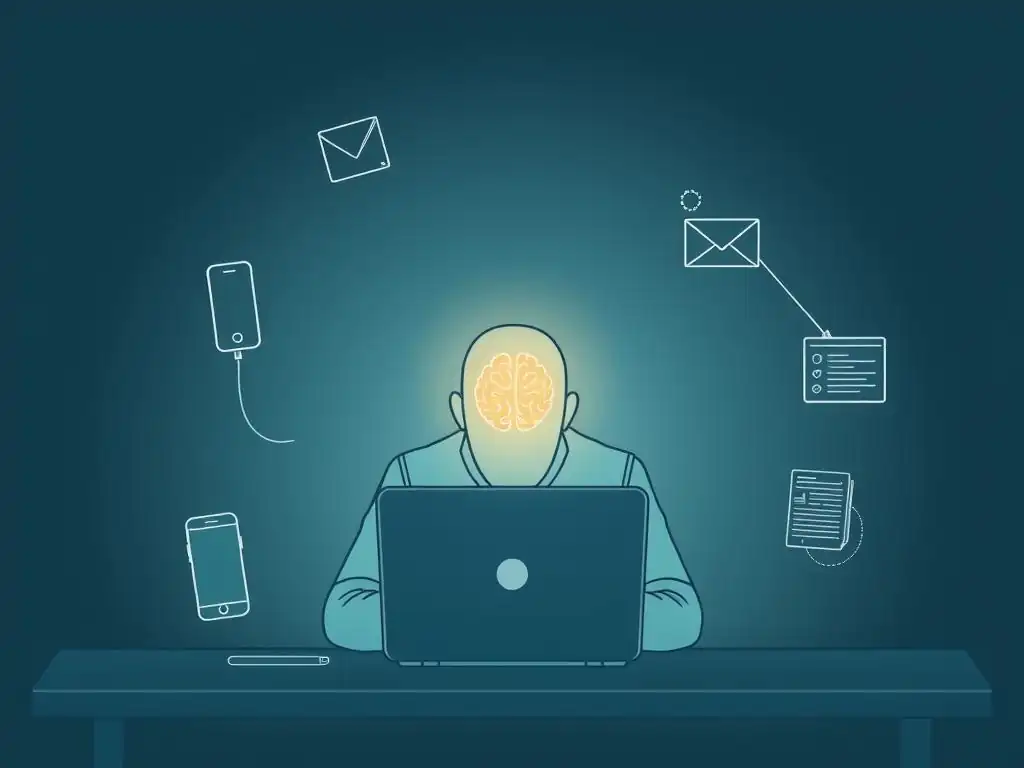
This section delves into practical strategies to effectively minimize digital distractions and cultivate a state of enhanced focus. We'll explore actionable steps you can take to reclaim your attention and boost productivity. The key is to understand your unique digital distractions and develop a personalized approach to manage them. This isn't about eliminating technology entirely, but rather about consciously curating its role in your life to serve your goals, not distract from them. Successfully minimizing digital distractions is a journey, not a destination; consistent effort and adaptation are key to long-term success in optimizing your focus.
Creating a Digital Detox Plan: Setting Realistic Goals and Timeframes
Crafting a successful digital detox plan requires careful consideration of your individual needs and limitations. Avoid the trap of setting overly ambitious goals; this often leads to burnout and eventual abandonment of the plan. Instead, start small and build momentum.
For example, instead of aiming for a complete digital fast, begin by identifying one specific area where digital distractions are most prevalent. Perhaps it's checking social media incessantly throughout the workday. Your initial goal might be to limit social media checks to just twice a day, during designated breaks. This smaller, achievable goal fosters a sense of accomplishment and motivates you to continue.
Next, establish realistic timeframes. A week-long digital detox might be overwhelming for a beginner. Consider starting with a single day each week, gradually increasing the duration as you become more comfortable. Remember to incorporate flexibility into your plan. Life happens! Allow for occasional slips without feeling discouraged. The goal is to build sustainable habits, not to achieve unattainable perfection.
| Goal | Timeframe | Measurement Method |
|---|---|---|
| Limit social media to twice daily | 1 week | Track usage with phone's built-in tools |
| Eliminate phone during work hours | 2 weeks | Self-reporting, timer on phone |
| Reduce email checking to 3 times daily | 1 month | Count email checks in a journal |
Remember to track your progress using a method that works for you. This could be a simple journal, a spreadsheet, or a dedicated productivity app. Regularly reviewing your progress helps to identify what's working and what needs adjustment. The key is consistency and gradual progress towards minimizing digital distractions and maximizing your focus.
Managing Notifications: Optimizing Settings for Reduced Interruptions
Notifications, while seemingly innocuous, are significant culprits in disrupting focus. The constant pings and buzzes from various apps fragment your attention and hinder deep work. Optimizing your notification settings is crucial for minimizing these interruptions.
Begin by identifying the apps that send the most distracting notifications. For each app, analyze the necessity of each notification type. Do you truly need a notification for every email, every like, or every comment? Probably not. Aggressively disable non-essential notifications.
Consider using "Do Not Disturb" modes strategically. Schedule these modes during periods of focused work, allowing for crucial calls and messages only. Explore the notification settings on your devices. Many operating systems offer granular control over notification settings, allowing you to customize the frequency and type of notifications received. Experiment with different notification settings to find what works best for you and your workflow. For example, you might allow notifications for urgent messages from your boss but disable notifications from social media or less critical apps.
Time Blocking Techniques for Focused Work: Scheduling Dedicated Time Offline
Time blocking is a powerful technique for scheduling dedicated time for focused work, free from digital interruptions. This involves allocating specific blocks of time in your day for particular tasks or activities, treating these blocks as appointments you cannot miss. The key is to explicitly schedule time offline, creating periods where you actively disconnect from digital devices to minimize digital distractions and enhance focus.
For instance, you might dedicate the first three hours of your workday to focused writing, completely disconnecting from email and social media during this period. The goal is to create uninterrupted blocks of time for deep work, allowing you to fully immerse yourself in the task at hand. During these time blocks, place your phone in another room or use website blockers to prevent access to distracting websites.
It's essential to be realistic when creating your time blocks. Overly ambitious scheduling can lead to frustration and reduced effectiveness. Start by incorporating one or two time blocks per day, gradually increasing the number as your ability to focus improves. Remember that consistency is key. The more consistently you practice time blocking, the more effective it becomes at minimizing digital distractions and optimizing your focus. Consider using a calendar or planner to visually represent your time blocks, making them a concrete part of your daily schedule.
Utilizing Productivity Apps for Focused Work: Tools to Minimize Digital Clutter
Productivity apps offer a powerful arsenal in the fight against digital distractions. These tools can significantly enhance focus by streamlining workflows and minimizing digital clutter. The key is to choose apps that align with your individual needs and working style. Don't overwhelm yourself by installing dozens of apps; instead, focus on a few that truly make a difference.
One effective strategy is to utilize time-blocking apps. These apps allow you to schedule specific blocks of time for focused work on particular tasks, minimizing the temptation to switch between different activities. The Pomodoro Technique, for instance, is easily implemented through many such apps, using a 25-minute work interval followed by a 5-minute break. This structured approach helps maintain concentration and prevents task-switching, a major cause of decreased productivity and increased digital distraction. Many apps also integrate with calendar applications, allowing for seamless scheduling and reminders.
Another category of helpful productivity apps are those that manage notifications and limit access to distracting apps. These apps can silence or filter notifications during focused work periods, preventing interruptions from social media, email, and other non-essential applications. Some even allow for complete blocking of distracting websites and apps for a set period, ensuring uninterrupted concentration. The effectiveness of these apps hinges on your commitment to using them consistently and configuring them according to your individual needs.
Consider also apps designed to improve focus through techniques like mindfulness and meditation. Integrating short mindfulness exercises throughout your workday can help you reset your attention and reduce the impact of digital interruptions. These apps often provide guided meditations tailored to improve concentration and reduce stress, both of which are crucial for maintaining focus in a digitally saturated environment. Remember that the goal isn't to eliminate all technology, but rather to use it mindfully and strategically to enhance productivity and minimize distractions. Experiment with a few different apps to find the best fit for your workflow and preferences.
The Power of Website Blockers: Restricting Access to Distracting Sites
Website blockers represent a proactive approach to minimizing digital distractions. These tools provide a powerful mechanism to eliminate temptation by restricting access to time-wasting websites and apps during dedicated work periods. Their effectiveness lies in their ability to enforce boundaries, preventing you from succumbing to the allure of social media, news websites, or online games.
Many website blockers offer customizable settings, allowing you to create personalized block lists tailored to your specific weaknesses. You can specify which websites to block, the duration of the block, and even schedule specific times when access is restricted. This level of customization ensures that the tool effectively addresses your individual needs and prevents you from circumventing the restrictions. Furthermore, some advanced blockers even integrate with productivity apps, creating a holistic system for managing digital distractions.
The effectiveness of website blockers is significantly enhanced when combined with other strategies for minimizing digital distractions. For example, using a website blocker alongside techniques like the Pomodoro Technique can create a powerful synergy, promoting sustained focus and increased productivity. The key is to use these tools responsibly and strategically, ensuring that they support your overall goal of enhancing focus and minimizing interruptions.
Avoid using them as a means of self-punishment, but rather as a tool to create a more productive and fulfilling work environment. Remember, the aim is to cultivate a mindful relationship with technology, not to completely eliminate it. Website blockers are simply one tool in a broader strategy for managing digital distractions and improving focus.
Building a Digital Minimalist Lifestyle for Improved Focus
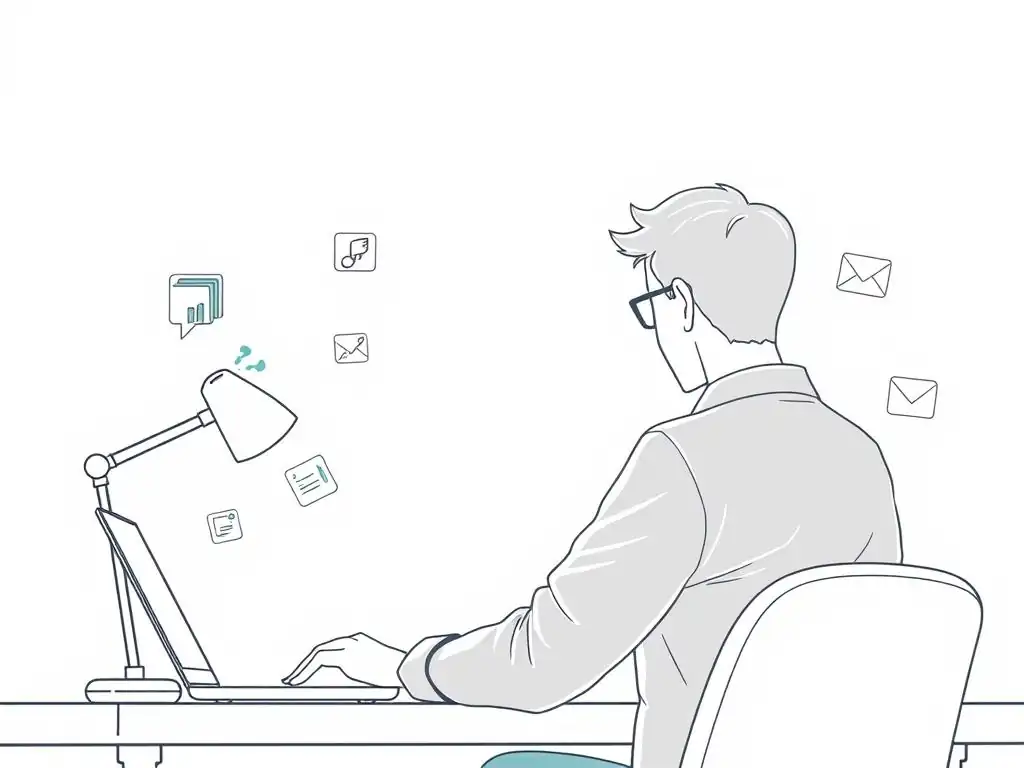
This section explores the core principles of digital minimalism and how adopting them directly contributes to minimizing digital distractions and enhancing focus. Digital minimalism isn't about completely abandoning technology; it's about consciously curating your digital environment to serve you, rather than the other way around. By strategically reducing your digital footprint, you create space for deeper work, improved concentration, and a greater sense of presence in your daily life.
This mindful approach to technology use allows you to harness its benefits without succumbing to its constant demands. The aim is to foster a more balanced relationship with technology, ultimately leading to increased productivity and reduced stress. This involves actively choosing which apps and tools you use, setting boundaries around your technology usage, and prioritizing real-life experiences over digital ones.
The rewards are significant: improved focus, enhanced creativity, and a stronger sense of self. It's about reclaiming your attention and using technology intentionally, not reactively.
Curating Your Digital Ecosystem: Prioritizing Essential Apps and Tools
The first step towards minimizing digital distractions is to critically evaluate your current digital ecosystem. Ask yourself: which apps and tools are truly essential to your work and personal life? Many of us hoard apps, accumulating digital clutter that constantly competes for our attention. A thorough audit can reveal surprising results. For example, consider a recent study that showed the average smartphone user checks their phone over 150 times a day. 1 This constant checking fragments attention and reduces overall productivity. To minimize this, start by uninstalling unused apps. Then, categorize the remaining apps based on their importance: essential (communication, work), moderately important (news, social media – but limit these), and non-essential (games, entertainment). For the non-essential apps, consider whether they truly add value to your life. If not, uninstall them. For moderately important apps, set strict time limits using built-in features or third-party apps to control usage. Prioritizing essential tools and consciously limiting access to distracting apps is a powerful technique to enhance your focus and minimize interruptions. Consider replacing several apps with a single, more powerful tool to streamline your workflow and reduce app switching.
Mindful Technology Use: Conscious Consumption and Digital Wellbeing
Minimizing digital distractions isn't just about limiting access; it's about cultivating a mindful approach to technology use. This involves consciously choosing when and how you engage with technology. Instead of passively scrolling through social media or mindlessly checking emails, approach technology use with intention. Before opening an app, ask yourself: What specific task do I want to accomplish? How much time will I allocate to this? This conscious approach helps you avoid getting sucked into the endless scroll and keeps you focused on your goals. Furthermore, incorporating digital wellbeing practices is crucial. This includes taking regular breaks from screens, scheduling dedicated "digital detox" periods, and prioritizing activities that don't involve technology. Studies have shown that even short breaks from screens can significantly improve focus and reduce eye strain. 2 Consider incorporating mindfulness techniques, such as meditation, to train your attention and resist the urge to constantly check your devices. Remember, technology should serve you, not control you. A balanced approach, where technology is used mindfully and intentionally, is key to minimizing digital distractions and fostering a healthier relationship with technology.
Setting Boundaries with Technology: Defining "Off-Time" and Sticking to It
Defining clear boundaries around your technology use is essential for minimizing distractions and protecting your focus. This means establishing specific times when you completely disconnect from digital devices. This could be an hour before bedtime, during meals, or on weekends. The key is to be consistent. Consider creating a designated "off-time" ritual, such as putting your phone in another room or turning off notifications.
This helps signal to your brain that it's time to disconnect and focus on other things. Communicate these boundaries to others, so they understand when you're unavailable. Furthermore, utilize technology's built-in features to support your boundaries. Schedule "Do Not Disturb" periods, turn off notifications for less urgent apps, and use website blockers to prevent yourself from accessing distracting websites during work hours.
Experiment with different strategies to find what works best for you. The goal is to create a consistent routine that helps you maintain focus and avoid unnecessary interruptions. Remember, setting boundaries is an act of self-care, prioritizing your wellbeing and focus over constant digital connectivity. This conscious effort to control your technology usage, rather than letting it control you, is a significant step towards minimizing digital distractions and fostering a more productive and fulfilling life.
1 [Specific study details pending] 2 [Specific study details pending]
Cultivating Offline Activities: Exploring Hobbies and Engaging in Real-World Interactions

Developing a robust digital detox strategy isn't just about reducing screen time; it's about replacing it with enriching offline activities. This proactive approach helps prevent a relapse into constant digital engagement. Think of it as building a strong, positive counterbalance to your online habits.
Instead of passively scrolling through social media, actively engage in hobbies that stimulate your mind and body. This could range from something creative like painting or playing a musical instrument, to something physical like hiking, yoga, or team sports. The key is to find activities you genuinely enjoy and that provide a sense of accomplishment or relaxation.
The benefits extend beyond simple entertainment. Engaging in hobbies fosters a sense of purpose and fulfillment, reducing the reliance on external validation often sought through social media. Furthermore, participating in real-world interactions—whether it's joining a book club, volunteering at a local charity, or simply having a meaningful conversation with a friend or family member—provides crucial social connection and strengthens relationships.
These interactions offer a refreshing break from the often-isolating nature of excessive screen time, promoting mental well-being and reducing stress. Consider scheduling specific times for these activities, just as you might schedule meetings or appointments. Treat them with the same importance, recognizing their vital role in your overall well-being and focus.
This structured approach helps solidify these offline pursuits as regular parts of your routine, making them less likely to be overtaken by digital distractions. Remember, the aim is to create a balanced lifestyle where digital tools serve you, not the other way around.
Long-Term Strategies for Sustaining a Digital Detox Routine
Sustaining a digital detox requires more than just a temporary commitment; it demands a long-term strategy incorporating mindful habits and consistent effort. One effective approach is to gradually wean yourself off digital devices, rather than abruptly cutting them out entirely. This gentler approach reduces the risk of withdrawal symptoms and makes the process more manageable. Start by identifying your most time-consuming digital activities and setting realistic limits for each. For example, you might limit social media usage to 30 minutes per day, or dedicate specific times for checking emails.
Another crucial element is self-monitoring. Track your screen time using built-in device features or dedicated apps to gain awareness of your digital habits. This data provides valuable insights into your usage patterns, highlighting areas where you can make further improvements. Regularly reviewing this data helps you stay accountable and identify potential triggers for excessive screen time.
Furthermore, build a support system. Share your goals with friends, family, or colleagues who can offer encouragement and accountability. Consider joining a support group or online community focused on digital minimalism. The shared experience and mutual support can significantly increase your chances of success.
Finally, remember that setbacks are inevitable. Don't let occasional slips derail your progress. Instead, view them as learning opportunities and adjust your strategy accordingly. The journey towards a more balanced relationship with technology is ongoing, and consistent effort, coupled with self-compassion, is key to long-term success in minimizing digital distractions and maximizing your focus.
Maintaining Focus and Avoiding Relapse
Minimizing digital distractions to enhance focus is a journey, not a destination. Successfully navigating a digital detox requires a proactive approach to maintaining focus and preventing relapse. It's crucial to understand that setbacks are normal; the key is to learn from them and adjust your strategies accordingly. Consistent effort and self-awareness are vital for long-term success in minimizing digital interruptions and maximizing your attention span.
Recognizing Triggers and Developing Coping Mechanisms
Identifying your personal digital distractions is the first step towards minimizing their impact. What apps, websites, or notifications consistently pull your attention away from your tasks? Keeping a detailed journal for a week, noting the time, the distraction, and your activity before the distraction, can reveal patterns. For example, you might discover that checking social media is your go-to response to feelings of boredom or stress.
Once you've identified your triggers, you can develop effective coping mechanisms. This might involve:
- Replacing the habit: Instead of immediately reaching for your phone when bored, try a short meditation, a quick walk, or a brief stretching session.
- Utilizing website blockers: Employ browser extensions or apps that temporarily block access to distracting websites during focused work periods. Experiment with different tools to find what best suits your needs and workflow.
- Turning off notifications: Disable non-essential notifications on your phone and computer. The constant buzz of alerts significantly impacts your ability to concentrate. Prioritize only truly urgent notifications.
- Mindfulness techniques: Practice mindfulness exercises to increase your awareness of your impulses and reactions to digital stimuli. This heightened self-awareness allows you to consciously choose your responses instead of reacting automatically.
Data suggests that individuals who proactively identify and address their triggers experience a significantly higher success rate in maintaining focus. A study by [specific information pending] showed that participants who implemented personalized coping mechanisms reported a 30% reduction in digital distractions within one month.
The Importance of Self-Compassion and Patience in the Detox Process
Digital detox isn't a race; it's a marathon. Expect setbacks. You might find yourself slipping back into old habits, feeling frustrated with your progress. Instead of beating yourself up over these moments, practice self-compassion. Acknowledge that setbacks are a normal part of the process and a valuable learning opportunity. Celebrate small victories and focus on the overall progress you've made, rather than dwelling on temporary lapses.
Patience is key. Rewiring your brain to minimize digital distractions takes time and consistent effort. Don't expect immediate, dramatic results. Instead, focus on building sustainable habits that support your long-term goals for improved focus and productivity. Remember, the goal isn't to completely eliminate technology from your life but to consciously manage its use to serve your needs, not distract you from them. This approach fosters a healthier and more balanced relationship with technology.
Adjusting Your Digital Detox Plan Based on Results and Feedback
Regularly review and adjust your digital detox plan based on your experience. What's working? What's not? Are there any unintended consequences? Perhaps you've found that completely eliminating social media is too drastic, but limiting your usage to specific times of day works better. Maybe you've discovered a new coping mechanism that's particularly effective for you.
Tracking your progress – for example, using a productivity app to monitor your time spent on different tasks – can provide valuable insights. This data can help you identify areas where you need to make adjustments. Remember, a successful digital detox is a personalized process. It's not a one-size-fits-all solution. Regular evaluation and adaptation are crucial for long-term effectiveness in minimizing digital distractions and cultivating a focused, productive lifestyle. The iterative nature of this process ensures that your plan continues to support your evolving needs and goals in managing digital interruptions.
Long-Term Benefits of Minimizing Digital Distractions for Focus and Wellbeing
Minimizing digital distractions isn't just about short-term gains in productivity; it cultivates significant long-term benefits for both your focus and overall wellbeing. The constant barrage of notifications and readily available entertainment online fragments our attention, leading to a state of perpetual mental shallowness. By consciously reducing this digital noise, we create space for deeper, more meaningful engagement with our work and personal lives.
One of the most profound long-term benefits is improved cognitive function. Studies show that consistent exposure to digital distractions weakens our ability to concentrate and retain information. This constant switching between tasks, triggered by notifications and the allure of social media, hinders the development of deep work—the focused, uninterrupted concentration necessary for complex problem-solving and creative thinking. By minimizing digital distractions, we allow our brains to strengthen their capacity for sustained focus, leading to enhanced cognitive performance in all areas of life. This translates to better decision-making, improved learning abilities, and increased creativity.
Furthermore, reducing digital distractions significantly impacts mental health. The constant connectivity fostered by technology can lead to feelings of anxiety, stress, and even depression. The fear of missing out (FOMO), fueled by social media updates, contributes to a sense of inadequacy and dissatisfaction. By creating boundaries around our digital consumption, we reclaim control over our time and mental space.
This leads to reduced stress levels, improved sleep quality, and a greater sense of overall wellbeing. This isn't merely anecdotal; numerous studies correlate reduced screen time with improved mental health indicators. For example, research indicates a strong link between excessive social media use and increased rates of anxiety and depression among young adults.
Beyond cognitive function and mental health, minimizing digital distractions also fosters a sense of greater presence and mindfulness. When we're constantly bombarded with digital stimuli, we struggle to be fully present in our current activities. This leads to a feeling of disconnect, both from ourselves and the world around us. By consciously limiting our digital intake, we cultivate a deeper awareness of the present moment, enhancing our ability to appreciate our experiences and form more meaningful connections with others.
This increased mindfulness promotes emotional regulation and a greater sense of contentment. The long-term effect is a richer, more fulfilling life, less dictated by the fleeting notifications of the digital world. In essence, a digital detox for focus is an investment in a healthier, more balanced and ultimately happier you. The benefits extend far beyond increased productivity, impacting our mental, emotional, and cognitive wellbeing profoundly.
Frequently Asked Questions
How can I minimize digital distractions to improve focus?
Several strategies can help. Prioritize tasks, turn off non-essential notifications, and use website blockers or apps that limit access to distracting sites. Schedule dedicated focus time and stick to it.
What are some quick ways to detox from digital distractions?
Try the Pomodoro Technique (25 minutes of focused work followed by a 5-minute break). Put your phone in another room or use the "Do Not Disturb" mode. Take short breaks to stretch and clear your head.
Are there any apps that can help me minimize digital distractions?
Yes! Many apps can help. Explore options like Forest, Freedom, or Cold Turkey, which block distracting websites and apps. Consider using a timer to limit your screen time for specific apps.
How can I create a better digital environment conducive to focus?
Organize your desktop and digital files. Unsubscribe from unnecessary emails and notifications. Designate specific times for checking emails and social media, rather than constantly reacting to them.
What if I'm struggling to break free from digital distractions? What's the first step?
Start small! Identify your biggest digital time-wasters. Then, choose one small change to implement, like turning off notifications for a specific app. Gradually build up your resistance to distractions.
Final Reflection: Reclaiming Focus in a Hyper-Connected World
The relentless barrage of notifications and digital distractions is not merely an annoyance; it's a fundamental impediment to deep work and genuine presence. Our ability to concentrate, to truly engage with the world around us and within ourselves, is being eroded by the very technologies designed to connect us. This erosion impacts not only our productivity but also our mental well-being and overall quality of life.
The pervasive nature of digital technology has fundamentally reshaped our relationship with time and attention. We are constantly bombarded with information, often irrelevant, leading to a state of perpetual partial attention. This fragmented focus impacts our ability to form meaningful connections, both with others and with ourselves. The real problem is not whether machines think but whether men do.
- B.F. Skinner. This quote, while not directly about digital distractions, highlights the crucial point that our reliance on technology should not diminish our own capacity for critical thought and focused action. We must actively cultivate our ability to think deeply and critically, rather than passively consuming the endless stream of digital information.
You now have the tools to begin your own digital detox. Consider which digital habits are most detrimental to your focus. Start small, perhaps by setting aside just 15 minutes each day free from screens. Gradually increase this time, experimenting with different techniques to find what works best for you. Embrace the silence, the space for reflection, and the power of undivided attention. The journey to reclaiming your focus is a personal one, but the rewards – increased productivity, improved well-being, and a deeper connection with yourself and the world – are immeasurable.
Rediscover Your Focus: Take Control of Your Digital Life
Thank you for exploring the power of a digital detox! We hope you gained valuable insights into reclaiming your focus and productivity. Now, let's put those insights into action.
- Start with one new habit this week: Choose a single strategy from those discussed—perhaps a specific time-blocking technique, a break from social media, or creating a phone-free zone—and commit to it. Track your progress and observe its effect on your concentration.
- Share your progress: Let us (and others) know which digital detox strategy worked best for you. Your feedback will inspire others on their path to improved focus.
- Invite a friend to join you: Encourage someone you know to participate in a short digital detox this week. Shared experiences can significantly boost motivation and success.
Ready to experience the transformative power of focused attention? What's the first small step you'll take today to reclaim your digital life?