
Reclaim Your Focus: UltimateLifeHacks' Techniques to Conquer Screen Distractions


Dive into the world of UltimateLifeHacks and unlock the secrets to a more productive and fulfilling life. Are you tired of constant screen distractions stealing your precious time and energy? Then you've come to the right place. Discover proven techniques on how to Conquer screen distractions now and reclaim your focus, boosting your efficiency and rediscovering the joy of a truly mindful existence. Learn how to implement Digital Minimalism strategies and transform your daily routine—explore the possibilities within!
- Conquer Screen Distractions Now: Understanding the Problem
-
Practical Strategies to Minimize Screen Time and Improve Focus
- Mastering the Art of Notification Management: Taming the Alerts
- Time Blocking Techniques for Focused Work: Scheduling Your Day for Success
- The Power of Website Blockers and App Limiters: Tech Tools for Better Focus
- Creating a Dedicated Workspace: Optimizing Your Environment for Productivity
- Mindful Breaks and Digital Detox Rituals: Restoring Your Mental Energy
- Advanced Techniques to Conquer Screen Distractions Now
- Reclaim Your Focus: Long-Term Strategies for Sustained Productivity
- Frequently Asked Questions
- Final Reflection: Reclaiming Your Attention in a Hyper-Connected World
- Unlock Your Undistracted Potential
Conquer Screen Distractions Now: Understanding the Problem
In today's hyper-connected world, conquering screen distractions has become a crucial skill for maintaining productivity, well-being, and a healthy work-life balance. The constant influx of notifications, emails, and social media updates creates a relentless cycle of fragmented attention, hindering our ability to focus deeply on tasks and ultimately impacting our overall effectiveness. This article, part of UltimateLifeHacks' series on Tech Detox Strategies, will equip you with practical techniques to reclaim your focus and master your digital environment.
We’ll explore the underlying neurological mechanisms that make us susceptible to digital distractions, help you identify your personal digital weaknesses, and finally, illuminate the significant costs associated with constant connectivity. By understanding the problem, we can effectively develop and implement solutions to conquer screen distractions now and cultivate a more mindful relationship with technology. Let's dive in!
The Neuroscience of Digital Distraction: Why We Get Hooked
Our brains are wired to seek novelty and reward. This is why social media, email, and online gaming are so addictive. Each notification, like, or message triggers a dopamine release, creating a short-lived feeling of pleasure and reinforcing the behavior. This is the same mechanism that drives substance addiction. The intermittent reinforcement schedule—where rewards are unpredictable—makes these digital distractions particularly potent.
The brain learns to anticipate the reward, leading to compulsive checking even when there's no immediate need. This constant stimulation prevents the brain from entering a state of deep focus, hindering our ability to concentrate on complex tasks requiring sustained attention. Furthermore, the constant switching between tasks leads to cognitive overload and reduced efficiency. Understanding this neurological basis is critical to developing effective strategies for managing screen distractions and consciously choosing focus over constant stimulation.
Identifying your specific digital distractions is the first step towards conquering them. Many people struggle with a combination of factors, but pinpointing the biggest culprits is key. Let's examine some common offenders:
- Social Media: The endless scroll of social media platforms, designed to maximize engagement, is a prime example of a digital distraction. The fear of missing out (FOMO) further intensifies this, leading to compulsive checking.
- Email: The constant influx of emails, many of which are unimportant, can disrupt workflow and create a sense of overwhelm. The pressure to respond immediately can further exacerbate this.
- Online Gaming: Online games are designed to be highly engaging and rewarding, often employing similar psychological principles as social media and gambling. They can be extremely time-consuming and significantly impact productivity.
To identify your biggest distractions, consider tracking your screen time for a week. Use your device's built-in features or a dedicated app to monitor usage across different platforms. This data will reveal which apps and activities are consuming the most of your attention and time. This awareness is crucial for targeted intervention.
The High Cost of Constant Connectivity: Impact on Productivity and Well-being
The constant barrage of digital distractions comes at a significant cost. The impact extends far beyond simple time wastage; it significantly undermines productivity and mental well-being. Studies have shown a strong correlation between excessive screen time and decreased attention spans, impaired cognitive function, and increased stress levels. The constant switching between tasks leads to reduced efficiency, and the pressure to stay connected constantly contributes to burnout and anxiety.
Moreover, the constant stimulation can interfere with sleep quality, further exacerbating these negative effects. The financial cost is also considerable, as lost productivity translates to lost income and opportunities. Conquering screen distractions is not merely about improving efficiency; it's about safeguarding your mental health and overall well-being. The benefits extend far beyond the professional realm, impacting personal relationships and overall life satisfaction.
Practical Strategies to Minimize Screen Time and Improve Focus

This section delves into actionable strategies to effectively conquer screen distractions and reclaim your focus. We'll explore proven techniques to manage notifications, optimize your schedule, and leverage technology to support your goals. Implementing these strategies will significantly improve your productivity and overall well-being, allowing you to conquer screen distractions now and regain control of your digital life.
Mastering the Art of Notification Management: Taming the Alerts
Constant notifications are a major source of distraction. Learning to manage them effectively is crucial for reclaiming your focus. The key is not to eliminate all notifications, but to curate them meticulously. Think of it as a personalized digital detox.
First, identify the sources of your notifications. Are they emails, social media updates, news alerts, or game notifications? Categorize them to understand which ones are truly essential and which ones are simply noise.
Next, adjust your notification settings. Many apps allow granular control over notification types and frequencies. For instance, you can disable all notifications except for urgent messages from specific contacts or critical app updates. For less crucial apps, consider silencing notifications entirely or setting them to "Do Not Disturb" during focused work periods.
Consider the timing of notifications. Are you constantly bombarded with emails at all hours? Many email clients allow scheduling of "quiet hours" where notifications are suppressed during specified time windows. Use this feature to create dedicated periods for focused work without interruption.
Finally, experiment with different notification management styles. Some prefer a completely silent environment, while others benefit from visual cues without audible alerts. Find what works best for you and stick with it. Remember, consistent application is key to successfully conquering screen distractions.
Time Blocking Techniques for Focused Work: Scheduling Your Day for Success
Time blocking is a powerful productivity technique that involves scheduling specific blocks of time for particular tasks, including dedicated periods of focused work free from screen distractions. This method helps you allocate your time effectively, preventing task-switching and promoting deep concentration.
To effectively implement time blocking, start by identifying your most important tasks. Prioritize these tasks according to their urgency and impact. Then, allocate specific time blocks in your day for each task. For example, you might schedule a 90-minute block for writing a report, followed by a 30-minute block for responding to emails. Crucially, schedule breaks between these blocks to avoid burnout and maintain focus.
Consider using a digital calendar or planner to visually represent your schedule. Many apps offer features to set reminders and block out specific time slots. This visual representation helps you stay organized and adhere to your schedule.
When implementing time blocking, be realistic about the time needed for each task. Underestimating the time required can lead to stress and reduced productivity. Over time, you'll develop a better understanding of how long each task realistically takes. Consistently using time blocking helps you cultivate a more focused and productive approach, significantly reducing screen distractions. This structured approach is a powerful tool for conquering screen distractions now and managing your time effectively.
The Power of Website Blockers and App Limiters: Tech Tools for Better Focus
Technology can be both a source of distraction and a tool for overcoming it. Website blockers and app limiters are powerful tools that can help you regain control of your digital life and conquer screen distractions now. These apps provide a structured way to minimize the time you spend on non-essential websites and apps.
These applications offer various features, ranging from simple timers to sophisticated scheduling tools. Some allow you to block specific websites or apps for set periods, while others offer customizable schedules and even allow you to set daily usage limits. Consider the features that best suit your needs and work style.
For example, you could use a website blocker to prevent access to social media during work hours, or an app limiter to restrict the daily use of games or other time-consuming applications. The key is to choose tools that complement your time-blocking strategy and reinforce your commitment to minimizing distractions. Many free and paid options are available, offering a range of functionalities to help you achieve your goals.
By strategically utilizing these tools, you can significantly reduce the impact of screen distractions and enhance your focus and productivity. This proactive approach will help you conquer screen distractions now and maintain a healthier relationship with technology.
Creating a Dedicated Workspace: Optimizing Your Environment for Productivity
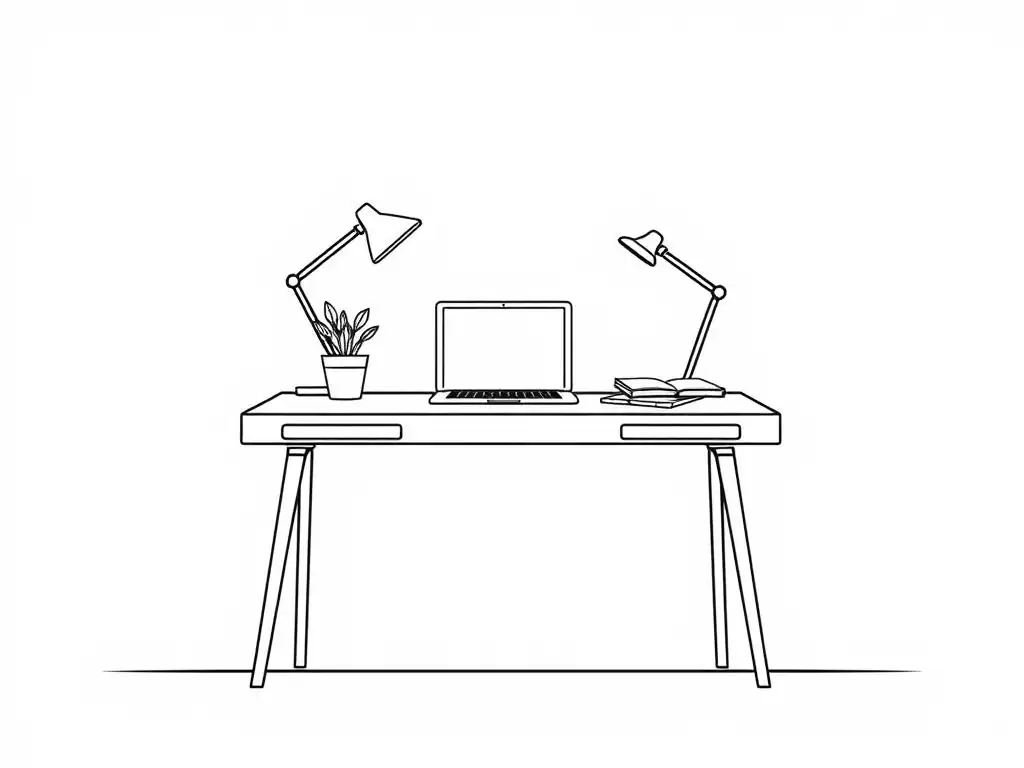
Creating a dedicated workspace is crucial for conquering screen distractions and boosting productivity. This isn't just about having a desk; it's about designing an environment that minimizes interruptions and maximizes focus. Think of it as building a sanctuary for your concentration. A poorly designed workspace can significantly impact your ability to concentrate, leading to increased screen time spent on unproductive activities.
Firstly, consider the location. Ideally, your workspace should be separate from areas associated with relaxation or entertainment, such as the living room or bedroom. A dedicated office or even a quiet corner of a spare room can work wonders. The key is to create a psychological association between this space and focused work. This mental separation helps your brain switch into "work mode" more efficiently.
Secondly, declutter your workspace. A cluttered desk leads to a cluttered mind. Keep only essential items within reach. Remove anything that might tempt you to stray from your tasks – that pile of unread magazines, the enticing video game console, or even that perpetually vibrating smartphone. A clean, organized space promotes a sense of calm and control, fostering better concentration. Consider using storage solutions like drawers or shelves to keep things organized and out of sight.
Thirdly, optimize your lighting and ergonomics. Good lighting reduces eye strain, a significant contributor to screen fatigue and distraction. Natural light is ideal, but a well-placed task lamp can also be effective. Furthermore, invest in an ergonomic chair and desk setup to ensure physical comfort.
Discomfort can lead to restlessness and increased distractions, pulling your focus away from the screen and onto your aching back or stiff neck. Prioritize your physical well-being to enhance your mental focus. Remember, a comfortable and well-lit workspace is a more productive workspace. This attention to detail will pay dividends in your fight to conquer screen distractions now.
Mindful Breaks and Digital Detox Rituals: Restoring Your Mental Energy
Regular breaks are not a luxury; they're a necessity for maintaining focus and preventing burnout. Engaging in mindful breaks helps you restore your mental energy and return to your work refreshed and more focused. Ignoring the need for breaks only leads to increased distraction and decreased productivity. The key is to plan these breaks strategically, integrating them into your daily routine to optimize your workflow.
One effective technique is the Pomodoro Technique. This involves working in focused bursts (typically 25 minutes) followed by a short break (5-10 minutes). This structured approach helps you maintain concentration and prevents mental fatigue. During these breaks, avoid screens entirely. Instead, engage in activities that promote relaxation and mental clarity, such as stretching, light exercise, or simply stepping away from your workspace for some fresh air. The goal is to give your mind a chance to rest and reset.
Another crucial element is incorporating regular digital detox rituals into your routine. This could involve setting specific times each day when you disconnect from all screens – perhaps an hour before bed or a designated period during lunch. During these screen-free periods, engage in activities that nourish your mind and body, such as reading a physical book, spending time in nature, or engaging in hobbies. These activities help you detach from the constant stimulation of screens and cultivate a healthier relationship with technology.
Scheduling these digital detox sessions proactively helps you conquer screen distractions now and in the long term, improving overall well-being. Remember, regular digital detox is essential for maintaining a healthy balance between work and leisure. The benefits extend beyond improved focus; they contribute to better sleep, reduced stress, and enhanced overall mental health.
Advanced Techniques to Conquer Screen Distractions Now

This section delves into sophisticated strategies to effectively manage and minimize screen distractions, building upon the foundational techniques already discussed. We'll explore mindfulness, time management techniques, and the benefits of disconnecting to reclaim your focus and conquer screen distractions now.
Cultivating Mindfulness and Presence: The Key to Resisting Digital Urges
Mindfulness is a powerful tool in the fight against digital distractions. It involves cultivating present moment awareness, allowing you to notice the urge to check your phone or computer without judgment. Instead of automatically reacting to these impulses, mindfulness encourages you to observe them, understand their triggers, and make a conscious decision about how to respond.
Practicing mindfulness involves several techniques. Deep breathing exercises, for instance, can help calm the nervous system and reduce the intensity of cravings for digital stimulation. Regular meditation, even for just 5-10 minutes daily, significantly improves focus and self-awareness. This heightened awareness makes it easier to recognize the early warning signs of distraction – that subtle itch to scroll through social media, the fleeting thought about checking emails – and consciously choose to resist.
The benefits extend beyond simply resisting distractions. Studies have shown that regular mindfulness practice can improve attention span, reduce stress, and enhance overall well-being. By incorporating mindfulness into your daily routine, you're not just conquering screen distractions; you're cultivating a more balanced and fulfilling life. This holistic approach addresses the root cause of many digital distractions: a restless mind seeking external stimulation.
Utilizing the Pomodoro Technique for Enhanced Concentration: Structured Work Sessions
The Pomodoro Technique is a time management method that breaks down work into focused intervals separated by short breaks. This structured approach can significantly improve concentration and reduce the likelihood of succumbing to screen distractions. The technique involves working in 25-minute intervals (called "pomodoros"), followed by a 5-minute break. After four pomodoros, take a longer break of 15-20 minutes.
This system helps train your brain to focus intensely for a set period, minimizing the temptation to switch tasks or get sidetracked by digital notifications. The scheduled breaks offer a legitimate opportunity to check your phone or email, satisfying the urge without disrupting your workflow excessively. Furthermore, knowing that a break is coming soon can help you maintain focus during the pomodoro.
To optimize the Pomodoro Technique for conquering screen distractions, consider these tips:
- Turn off notifications: Silence all non-essential notifications during your work sessions.
- Use a timer: A dedicated timer helps maintain the structure and prevents you from overworking or under-resting.
- Choose a dedicated workspace: Creating a distraction-free environment is crucial for effective pomodoros.
- Track your progress: Monitoring your work sessions helps identify patterns and areas for improvement.
Implementing the Pomodoro Technique is a practical, data-driven way to conquer screen distractions now and improve your overall productivity.
Embracing Offline Activities: Finding Joy in the Analog World
One of the most effective ways to conquer screen distractions is to actively seek out offline activities that provide engagement and fulfillment. These activities serve as a counterbalance to the allure of screens, offering a refreshing break from the digital world and fostering a healthier relationship with technology.
The options are limitless. Consider engaging in hobbies like reading, painting, playing a musical instrument, gardening, or cooking. These activities not only provide a welcome distraction from screens but also contribute to personal growth and well-being. Spending time in nature, engaging in physical exercise, or connecting with friends and family in person are equally effective strategies.
Think about activities you enjoyed before screens dominated your leisure time. Rediscovering these passions can be incredibly rewarding and help you break free from the cycle of digital distraction. Remember, conquering screen distractions isn't just about reducing screen time; it's about replacing it with activities that enrich your life. By consciously choosing offline activities, you cultivate a more balanced and fulfilling existence, reducing your reliance on digital stimulation and reclaiming your focus. This holistic approach to digital wellbeing is key to conquering screen distractions now and for the long term.
Developing a Personalized Digital Minimalism Plan: A Step-by-Step Guide
Developing a personalized digital minimalism plan is crucial for effectively conquering screen distractions. A generic approach rarely works; individual needs and digital habits vary significantly. This step-by-step guide helps you craft a plan tailored to your life, maximizing its effectiveness in reclaiming your focus. Remember, the goal isn't complete abstinence from technology, but rather conscious and intentional use. This means identifying your specific digital distractions and creating strategies to mitigate their impact.
Step 1: Audit Your Digital Consumption: Before you can conquer screen distractions, you need to understand the enemy. Take a week to meticulously track your screen time. Note which apps and websites consume the most time, when you use them most frequently, and why. Are you checking social media out of boredom, seeking validation, or escaping responsibilities?
Understanding your motivations is key to developing effective strategies. Use your phone's built-in screen time tracker or a dedicated app to gather this data. The more detailed your data, the more effective your plan will be. This initial audit is the foundation upon which your personalized digital minimalism plan will be built.
Step 2: Identify Your High-Impact Distractions: After your audit, analyze your data. Identify the top three to five apps or websites that consistently steal your attention and disrupt your productivity. These are your high-impact distractions. Focus your efforts on these; tackling them first will yield the most significant results in conquering screen distractions now. For example, if social media consistently pulls you away from work, it needs to be addressed with specific strategies.
Step 3: Set Realistic Goals and Time Limits: Don't try to overhaul your digital life overnight. Set realistic, achievable goals. Start with small changes. For example, instead of aiming for zero social media, try limiting your daily usage to 30 minutes. Gradually reduce this time over several weeks. Use timers and app blockers to enforce these limits. Remember, consistency is key. Small, sustainable changes are far more effective than drastic measures that are difficult to maintain. Celebrate your successes along the way to stay motivated.
Step 4: Implement Strategies and Track Progress: Based on your high-impact distractions and goals, implement specific strategies. This might involve using website blockers, turning off notifications, creating dedicated workspaces free of digital distractions, or scheduling specific times for checking social media. Regularly review your progress. Adjust your strategies as needed. What works for one person might not work for another. Constant monitoring and adaptation are essential for long-term success in conquering screen distractions now. This iterative process ensures your plan stays relevant and effective.
Step 5: Regularly Review and Refine Your Plan: Your digital habits and needs will evolve over time. Regularly review your digital minimalism plan (at least monthly) to assess its effectiveness. Are you meeting your goals? Are there new distractions you need to address? Don't be afraid to adjust your strategies, time limits, or even your overall approach. This ongoing refinement is crucial for maintaining a long-term, sustainable digital minimalism practice. The process of conquering screen distractions is ongoing, not a one-time fix. Embrace the iterative nature of this journey.
Reclaim Your Focus: Long-Term Strategies for Sustained Productivity
Conquering screen distractions isn't a sprint; it's a marathon. Short-term fixes might offer temporary relief, but lasting focus requires a fundamental shift in your relationship with technology. This section outlines long-term strategies to build sustained productivity and minimize the grip of digital distractions. We'll explore how to cultivate healthy digital habits, track your progress, and find support to maintain your focus over the long haul.
Building Healthy Digital Habits: Consistency is Key
The key to conquering screen distractions lies in building consistent, healthy digital habits. This isn't about eliminating technology entirely—it's about managing it effectively. Think of it like a fitness regime: you wouldn't expect to see results from a single workout; similarly, consistent effort is crucial for lasting change.
Here's a practical approach:
- Schedule dedicated "digital detox" periods: Designate specific times each day or week where you completely disconnect from screens. This could be an hour before bed, a weekend afternoon, or even a full day each month. Experiment to find a schedule that works for you.
- Establish screen-free zones: Designate certain areas of your home, like your bedroom or dining room, as screen-free zones. This helps create mental associations between these spaces and relaxation or focused activity.
- Utilize technology to your advantage: Ironically, technology can help you manage technology. Explore apps that track screen time, block distracting websites, or provide reminders to take breaks. The effectiveness of these tools depends on your consistent use.
- Prioritize mindful engagement: When you are using screens, practice mindful engagement. Avoid multitasking and focus on the task at hand. This reduces mental clutter and improves your overall concentration.
- Replace screen time with fulfilling activities: Identify activities that bring you joy and satisfaction and actively replace screen time with these alternatives. This could include reading, exercising, spending time in nature, pursuing hobbies, or connecting with loved ones.
Regularly Evaluating Your Digital Consumption: Tracking Progress and Making Adjustments
Regularly evaluating your digital consumption is vital to understand your progress and make necessary adjustments. Simply hoping for improvement isn't enough; you need concrete data to guide your efforts.
Consider these tracking methods:
- Screen time tracking apps: Numerous apps provide detailed reports on your daily screen time, usage patterns, and app-specific usage. This data provides a clear picture of your digital habits.
- Journaling: Reflecting on your daily screen time usage in a journal can be incredibly insightful. Note your feelings, experiences, and the impact of your screen time on your productivity and well-being.
- Weekly reviews: Set aside time each week to review your data. Identify patterns, areas for improvement, and potential triggers for excessive screen use. This review process allows for continuous adjustments to your strategy.
- Adjusting your approach: Based on your weekly reviews, adjust your strategies. If you're struggling with a particular app or website, explore ways to limit your engagement. If a particular time of day is consistently problematic, adjust your schedule accordingly. This iterative process is key to long-term success in conquering screen distractions. Remember, conquering screen distractions is a journey, not a destination.
Seeking Support and Accountability: Joining a Community for Lasting Change
Conquering screen distractions can be challenging, and having a support system can make a significant difference. Sharing your goals and challenges with others can foster accountability and provide encouragement during difficult moments.
Here are some avenues for support:
- Support groups: Join online communities or support groups focused on digital minimalism or tech detox. Sharing experiences and receiving advice from others facing similar challenges can be incredibly helpful.
- Accountability partners: Find a friend, family member, or colleague who shares your goals and commit to mutual accountability. Regular check-ins can help you stay on track and overcome obstacles.
- Therapy or coaching: Consider seeking professional help if you're struggling to manage your screen time independently. A therapist or coach can provide personalized guidance and support.
- Utilizing online resources: Many online resources offer valuable information, tips, and techniques for managing screen time and improving focus. These resources can provide additional support and guidance. Remember, you are not alone in this journey. Seeking support and accountability is a sign of strength, not weakness. Building a supportive network can significantly improve your chances of long-term success in conquering screen distractions and reclaiming your focus.
Frequently Asked Questions
Use the Pomodoro Technique, working in focused bursts with short breaks. Consider using website blockers or app limits to enforce your breaks. Mindfully check social media only during designated times.
What are some quick wins to improve focus?
Turn off notifications on your devices. Organize your workspace to minimize clutter. Prioritize tasks and tackle the most important ones first.
Are there any techniques to deal with email overload?
Set specific times for checking email, rather than constantly monitoring your inbox. Unsubscribe from unnecessary mailing lists. Use filters to organize and prioritize emails.
How can I overcome the urge to multitask while working?
Focus on one task at a time. Multitasking reduces efficiency and increases errors. Break down large tasks into smaller, manageable chunks.
What if I'm struggling to stay focused even after trying these tips?
Consider seeking professional help. Underlying issues like ADHD or anxiety may be affecting your focus. Experiment with different techniques to find what works best for you.
Final Reflection: Reclaiming Your Attention in a Hyper-Connected World
The relentless barrage of notifications and digital distractions is not merely an annoyance; it's a fundamental challenge to our ability to focus, hindering productivity and impacting our overall well-being. We live in a world saturated with information, and the ability to filter and prioritize what demands our attention is more crucial than ever before. This article has explored practical techniques to regain control over your digital consumption and cultivate a more mindful approach to technology.
The fight against screen distractions is a continuous journey, not a destination. It's a battle fought not only on the individual level but also within the very fabric of our increasingly interconnected society. The constant pull of social media, emails, and news cycles shapes our perceptions and influences our behaviors in profound ways. As the philosopher Seneca once wisely stated, Every new beginning comes from some other beginning's end.
To truly conquer screen distractions, we must be willing to let go of old habits and embrace new, healthier ways of interacting with technology. This requires self-awareness, discipline, and a commitment to prioritizing what truly matters.
You now possess the tools to reclaim your focus. Start small. Identify your biggest digital time-wasters, and consciously implement one or two of the strategies outlined in this article. Experiment, adapt, and find what works best for you. Remember, the journey towards a more focused and intentional life is a personal one. Embrace the process, celebrate your successes, and don't be discouraged by setbacks. The rewards – increased productivity, reduced stress, and a deeper connection with yourself and the world around you – are well worth the effort. Take control of your attention; your future self will thank you.
Unlock Your Undistracted Potential
Thank you for exploring UltimateLifeHacks' strategies for conquering screen distractions! We hope you found valuable insights to help you regain focus and boost your productivity. Now it's time to put this knowledge into practice.
- Implement a personalized focus plan: Identify two common distractions you encountered in today's article and create a plan, however small, to minimize them. For example, you could turn off phone notifications for an hour or use a website blocker to limit access to specific distracting sites.
- Share your best focus tip: What strategy have you found most effective in the past, or which one from the article will you try? Share your insights on our social media channels—let's build a community dedicated to mastering focus!
- Try the Pomodoro Technique: This surprisingly simple technique, detailed in our article, involves dedicating 25 minutes to a focused task to experience its benefits.
Ready to experience the power of a distraction-free day? What's the first step you'll take to conquer screen distractions and improve your productivity?