
Beginner's Guide to Crypto Research: Making Informed Investment Decisions

Ready to unlock a world of efficiency and productivity? At UltimateLifeHacks, we're dedicated to simplifying your life and maximizing your potential. But what if you could apply that same mindset to your finances? Our latest guide, "Beginner's Guide to Crypto Research: Making Informed Investment Decisions," dives into the exciting world of cryptocurrency, equipping you with the knowledge to navigate this rapidly evolving landscape. Discover how to make smart, informed decisions and take control of your financial future – let's get started!
-
Understanding the Crypto Market Landscape: A Beginner's Approach to Research
- Defining Cryptocurrency and its Underlying Technologies (Blockchain, etc.)
- Identifying Key Cryptocurrencies: Bitcoin, Ethereum, and Altcoins
- Analyzing Market Capitalization and Trading Volume: Crucial Metrics for Beginners
- Understanding Crypto Market Trends and Volatility: Navigating Price Fluctuations
-
Essential Tools for Crypto Research: Software and Resources
- Utilizing Crypto Price Tracking Websites: CoinMarketCap, CoinGecko, and Messari
- Exploring Crypto News Aggregators: CoinDesk, Cointelegraph, and The Block
- Leveraging Blockchain Explorers: Analyzing Transactions and Network Activity
- Employing Crypto Charting Tools: TradingView, Coinbase Pro, and Technical Analysis
-
Conducting Fundamental Analysis of Crypto Projects
- Evaluating Whitepapers and Project Roadmaps: Understanding Project Goals and Viability
- Assessing the Development Team: Expertise, Experience, and Transparency
- Analyzing Tokenomics: Token Distribution, Supply, and Utility
- Identifying Potential Use Cases and Adoption Rates: Real-world Applications of Cryptocurrencies
-
Performing Technical Analysis for Informed Trading Decisions
- Chart Patterns and Indicators: Moving Averages, RSI, MACD, and Fibonacci Retracements
- Understanding Support and Resistance Levels: Identifying Potential Price Reversals
- Risk Management Strategies: Stop-Loss Orders and Position Sizing
- Utilizing TradingView or Similar Platforms for Chart Analysis and Technical Indicators
-
Navigating the Risks of Crypto Investment: Due Diligence and Security
- Understanding Crypto Scams and Avoiding Common Pitfalls: Rug Pulls, Pump and Dumps
- Protecting Yourself from Phishing Attacks and Security Breaches: Secure Wallets and Practices
- Diversification Strategies: Minimizing Risk Through Portfolio Management
- The Importance of Patience and Long-Term Vision in Crypto Investing
-
Resources for Continuous Learning: Communities and Educational Platforms
- Joining Crypto Communities: Reddit, Telegram, and Discord Groups for Discussion and Learning
- Following Influential Crypto Analysts and Educators: IntoTheBlock and CoinMetrics
- Utilizing Online Courses and Educational Platforms: Coursera, Udemy, and Binance Academy
- Staying Updated with Regulatory Developments: Impact of Government Policies on Cryptocurrencies
-
Conclusion: Building a Successful Crypto Research Strategy
- Combining Fundamental and Technical Analysis for Optimal Decision-Making
- Developing a Personalized Investment Strategy Based on Risk Tolerance and Goals
- The Importance of Continuous Learning and Adaptation in the Dynamic Crypto Market
- Disclaimer: Investing in cryptocurrencies involves significant risk. Conduct thorough research before investing.
-
Frequently Asked Questions
- What is crypto research, and why is it important for beginners?
- How can I start my crypto research journey effectively?
- What are some key factors to consider when researching cryptocurrencies?
- Where can I find reliable information for my crypto research?
- Is there a risk involved in cryptocurrency investing, even with thorough research?
- Final Reflection: Navigating the Crypto Frontier: A Journey of Informed Decisions
- Unlock Your Crypto Potential: Take the Next Step
Understanding the Crypto Market Landscape: A Beginner's Approach to Research
The world of cryptocurrency can seem daunting for newcomers, a volatile landscape filled with jargon and complex technologies. However, with a structured approach to research, even beginners can make informed investment decisions and navigate this exciting, albeit risky, market. This beginner's guide provides a foundational understanding of crypto research, equipping you with the tools and knowledge to assess potential investments effectively. We will demystify key concepts, explore crucial metrics, and help you develop a systematic approach to evaluating different cryptocurrencies, minimizing the risks associated with this rapidly evolving asset class.
Successfully navigating the crypto market requires diligent research and a realistic understanding of the inherent volatility; this guide aims to empower you to do just that. Let's embark on this journey together! 🚀
Defining Cryptocurrency and its Underlying Technologies (Blockchain, etc.)
Cryptocurrency, at its core, is a digital or virtual currency designed to work as a medium of exchange. Unlike traditional currencies issued and controlled by central banks, cryptocurrencies utilize cryptography for security and operate on a decentralized network, typically a blockchain. Understanding blockchain technology is crucial for grasping the fundamentals of cryptocurrencies.
A blockchain is a distributed, immutable ledger that records and verifies transactions across multiple computers. This decentralized nature enhances security and transparency, making it difficult to alter or manipulate transaction records. Different cryptocurrencies employ varying blockchain technologies, each with its own unique characteristics and functionalities.
For instance, Bitcoin utilizes a proof-of-work consensus mechanism, while Ethereum employs proof-of-stake, resulting in different energy consumption levels and transaction speeds. Grasping these technological nuances is paramount for evaluating the potential and limitations of different cryptocurrencies. The security features inherent in blockchain technology, such as cryptographic hashing and distributed consensus, are critical to understanding the inherent value proposition of many cryptocurrencies.
Identifying Key Cryptocurrencies: Bitcoin, Ethereum, and Altcoins
The cryptocurrency market boasts a vast array of digital assets, but some stand out due to their market capitalization, adoption, and technological innovation. Bitcoin (BTC), often referred to as the "digital gold," remains the most established and widely recognized cryptocurrency. Its scarcity and first-mover advantage contribute significantly to its value.
Ethereum (ETH), on the other hand, is a platform for decentralized applications (dApps) and smart contracts, offering a broader range of functionalities beyond simple transactions. Understanding the core differences between Bitcoin and Ethereum – one focused primarily on value storage, the other on programmability – is essential. Beyond Bitcoin and Ethereum lie the "altcoins," a vast category encompassing thousands of other cryptocurrencies, each with its own unique characteristics, use cases, and potential.
Researching altcoins requires a deeper dive into their whitepapers (project descriptions), development teams, community engagement, and market adoption. Analyzing the underlying technology, the team's experience, and the project's roadmap is critical in evaluating the viability and potential of any altcoin investment. Remember, diversification within your portfolio can help mitigate risk.
Analyzing Market Capitalization and Trading Volume: Crucial Metrics for Beginners
Before investing in any cryptocurrency, understanding key metrics like market capitalization and trading volume is crucial. Market capitalization represents the total value of a cryptocurrency's circulating supply, calculated by multiplying the current price by the number of coins in circulation. A higher market capitalization generally indicates a more established and potentially less volatile cryptocurrency, although this is not always the case.
Trading volume reflects the amount of a cryptocurrency traded within a specific time frame. High trading volume suggests significant market interest and liquidity, making it easier to buy or sell the asset without significantly impacting its price. However, high volume alone doesn't guarantee a successful investment.
Analyzing these metrics in conjunction with other factors, such as technological innovation, adoption rate, and regulatory landscape, provides a more comprehensive picture of a cryptocurrency's potential. It's important to note that these metrics are constantly changing and should be monitored regularly. Using reliable and reputable sources for this data is also crucial to avoid misinformation.
Cryptocurrencies are notorious for their volatility. Unlike traditional markets, which often exhibit more predictable patterns, the crypto market can experience dramatic price swings in short periods. Understanding these fluctuations is crucial for successful crypto research and informed investment decisions. Beginners often underestimate the impact of volatility, leading to impulsive decisions based on fear or greed.
For example, the price of Bitcoin, the largest cryptocurrency by market capitalization, has seen periods of explosive growth followed by sharp corrections. In 2021, Bitcoin reached an all-time high, only to experience a significant downturn in the following year. These fluctuations aren't random; they're influenced by several factors.
One key factor is market sentiment. Positive news, such as regulatory approvals or technological advancements, can drive prices up, while negative news, like security breaches or regulatory crackdowns, can cause sharp declines. This sentiment is often amplified by social media and online forums, creating a feedback loop that can exacerbate price movements. For instance, a single tweet from a prominent figure in the crypto space can significantly impact the price of a particular coin. Therefore, staying informed about relevant news and social media trends is vital for understanding market sentiment and predicting potential price movements.
Another significant influence is supply and demand. Like any asset, the price of a cryptocurrency is determined by the interplay of supply and demand. A limited supply coupled with high demand will push prices higher, while an abundance of supply relative to demand will drive prices down. Factors like mining rates, token burns, and the overall adoption rate of a cryptocurrency all affect supply and demand dynamics. For example, the halving events for Bitcoin, which reduce the rate of new Bitcoin creation, have historically been associated with price increases due to decreased supply.
Furthermore, external factors play a significant role. Macroeconomic events, such as inflation, interest rate changes, and geopolitical instability, can impact the overall investment landscape, including the crypto market. For instance, periods of high inflation might lead investors to seek alternative assets, including cryptocurrencies, potentially driving up prices. Conversely, a tightening monetary policy by central banks could lead to a sell-off in riskier assets, including cryptocurrencies.
Navigating this volatility requires a disciplined approach. It's crucial to avoid emotional trading and to base investment decisions on thorough research and a well-defined strategy. Diversification across different cryptocurrencies can help mitigate risk, and setting stop-loss orders can limit potential losses. Finally, understanding your own risk tolerance is paramount before investing in the volatile world of cryptocurrencies. Remember, patience and a long-term perspective are essential for successfully navigating the crypto market's inherent volatility. Don't let short-term price fluctuations derail your long-term investment strategy. 📈📉
Essential Tools for Crypto Research: Software and Resources

This section details the indispensable software and resources crucial for conducting thorough crypto research, especially for beginners navigating the complexities of the cryptocurrency market. Effective crypto research for beginners hinges on access to reliable and comprehensive data. Understanding where to find this information is the first step toward making informed investment decisions. We'll explore three key categories of tools: price tracking websites, news aggregators, and blockchain explorers. Each plays a vital role in building a holistic understanding of the crypto landscape. Successful crypto investing relies heavily on diligent research, and the right tools are paramount.
Utilizing Crypto Price Tracking Websites: CoinMarketCap, CoinGecko, and Messari
Staying abreast of cryptocurrency prices is fundamental. Several websites provide real-time data, historical charts, and market capitalization information. Three prominent examples are CoinMarketCap, CoinGecko, and Messari. These platforms offer more than just price quotes; they provide valuable context.
Let's examine their strengths:
- CoinMarketCap: Known for its extensive database covering a vast number of cryptocurrencies, CoinMarketCap excels in providing a broad overview of the market. Its intuitive interface makes navigating the data straightforward, even for beginners. They also offer detailed information on each cryptocurrency, including circulating supply, trading volume, and historical price charts. This allows for a quick assessment of a coin's overall performance and market position.
- CoinGecko: Similar to CoinMarketCap, CoinGecko offers a comprehensive list of cryptocurrencies with detailed information. However, CoinGecko often distinguishes itself by providing a wider range of data points, such as community growth metrics (GitHub activity, social media engagement) and developer activity. This added layer of information can be particularly useful in evaluating the long-term potential of a project.
- Messari: Messari offers a more professional-grade service, providing in-depth research reports, analysis, and data visualization tools. While not as beginner-friendly as CoinMarketCap or CoinGecko in terms of simple price tracking, Messari's strength lies in its detailed analysis and institutional-grade data, useful for more experienced investors. It's a valuable resource for those willing to invest time in understanding more nuanced market dynamics.
The key is to utilize these resources in tandem. Compare data across platforms to identify potential discrepancies or inconsistencies, further enhancing the accuracy of your research. Remember that while these websites provide valuable information, they should be used as part of a broader research strategy, not as the sole source of information.
Exploring Crypto News Aggregators: CoinDesk, Cointelegraph, and The Block
Staying informed about the latest news and developments in the crypto space is vital. Dedicated news aggregators such as CoinDesk, Cointelegraph, and The Block offer comprehensive coverage of market trends, regulatory changes, technological advancements, and significant events impacting the cryptocurrency industry. These sources help you understand the context surrounding price fluctuations and project developments.
Consider these factors when evaluating news sources:
- Reputable Sources: Prioritize established platforms with a history of accurate reporting and a commitment to journalistic integrity. Be wary of sources that promote specific cryptocurrencies without proper disclosure or critical analysis.
- Diverse Perspectives: Reading news from multiple sources helps you gain a more balanced perspective and avoid biased reporting. Compare different viewpoints to form a comprehensive understanding of events.
- Fact-Checking: Always cross-reference information from multiple sources before making any investment decisions. The cryptocurrency market is susceptible to misinformation and manipulation, so critical evaluation is crucial.
Staying informed is not just about reading headlines; it's about understanding the implications of events and their potential impact on your investment portfolio. Regularly reviewing news from reputable sources can significantly improve your understanding of market dynamics and help you make better-informed decisions.
Leveraging Blockchain Explorers: Analyzing Transactions and Network Activity
Blockchain explorers provide a transparent view into the inner workings of various cryptocurrencies. These platforms allow you to examine transaction histories, network activity, and other on-chain data. This provides valuable insights into the usage and adoption of a cryptocurrency. For example, you can track the number of active addresses, transaction volume, and the distribution of tokens.
Understanding what blockchain explorers offer:
- Transaction History: Verify the authenticity of transactions and track the movement of funds. This is crucial for auditing projects and assessing their legitimacy.
- Network Activity: Analyze metrics like transaction fees, block times, and the number of active nodes to gauge the health and performance of the network. A healthy and active network is typically a positive sign.
- Token Distribution: Investigate the distribution of tokens among different addresses. A highly concentrated distribution may indicate risks associated with a small number of whales controlling a significant portion of the supply.
While blockchain explorers might seem complex initially, they are powerful tools that can provide invaluable information not readily available elsewhere. Learning to navigate these platforms is a significant step toward becoming a more informed and sophisticated crypto investor. Remember that understanding on-chain data requires some technical knowledge, but the learning curve is manageable with dedication and practice. Begin with exploring the most popular blockchains and gradually expand your knowledge.
Employing Crypto Charting Tools: TradingView, Coinbase Pro, and Technical Analysis
Charting tools are indispensable for any serious crypto investor. They allow you to visualize price movements, identify trends, and apply technical analysis to make informed trading decisions. Let's explore some popular options and how to use them effectively for crypto research.
TradingView is a widely used platform offering a wealth of charting features. Its intuitive interface allows both beginners and experienced traders to easily plot various indicators, draw trendlines, and analyze historical price data. For beginners, starting with basic indicators like moving averages (MA) and relative strength index (RSI) is recommended. Understanding how these indicators react to price changes helps you identify potential buy or sell signals.
For example, a bullish crossover of a short-term MA over a long-term MA might signal a potential upward trend, while a divergence between price and RSI could indicate a weakening trend. Remember, though, that no indicator is foolproof, and thorough research is always necessary. TradingView's strength lies in its community aspect; you can learn from others' analyses and share your own, fostering collaborative learning within the platform. Many users publish their charting setups, which can provide valuable insights for beginners.
Coinbase Pro, while primarily an exchange, also offers robust charting capabilities directly within its trading interface. This is particularly convenient if you're already using Coinbase Pro for trading. While not as feature-rich as TradingView, Coinbase Pro's charts provide the essential tools for basic technical analysis.
This integration simplifies the workflow for those who prefer to keep their research and trading within a single platform. However, remember that Coinbase Pro's charting tools are primarily designed for trading purposes, and they might lack some of the advanced features available on dedicated charting platforms like TradingView. For beginners focusing on simple technical analysis, this integrated approach can be highly efficient.
Technical analysis itself is a crucial component of crypto research. It involves studying past price and volume data to predict future price movements. This involves interpreting chart patterns (like head and shoulders, double tops/bottoms), using indicators (like MACD, Bollinger Bands), and understanding candlestick patterns. While technical analysis can be complex, understanding the basics can significantly improve your trading decisions. For example, identifying support and resistance levels can help you determine potential entry and exit points.
However, it's crucial to remember that technical analysis is not a guaranteed method for predicting future prices; it's just one tool in your arsenal. Combining technical analysis with fundamental analysis (which we'll discuss later) provides a more holistic approach to crypto research. Beginners should focus on mastering the fundamentals of technical analysis before venturing into more advanced techniques. Many online resources, including educational videos and articles, can help you learn these concepts.
Conducting Fundamental Analysis of Crypto Projects
Fundamental analysis in the crypto space, crucial for informed "crypto research for beginners," goes beyond simply looking at price charts. It involves a deep dive into the underlying project, assessing its potential for long-term growth and viability. This contrasts sharply with technical analysis, which focuses solely on price patterns and trading volume. Successful crypto investing requires a robust understanding of both, but fundamental analysis forms the bedrock of a sound investment strategy. Ignoring this crucial step can lead to significant losses.
Evaluating Whitepapers and Project Roadmaps: Understanding Project Goals and Viability
A project's whitepaper is its foundational document. Think of it as the business plan for a startup, but for a cryptocurrency. Thoroughly reviewing the whitepaper is paramount for beginners engaging in crypto research. Look for clarity in the project's goals, the problem it aims to solve, and the proposed solution. A well-written whitepaper will clearly articulate:
- The Problem: Does the project address a real-world problem or a perceived need in the market? Is the problem significant enough to warrant a cryptocurrency solution?
- The Solution: How does the project propose to solve this problem? Is the solution innovative and practical? Are there existing alternatives, and if so, what differentiates this project?
- The Technology: What technology underlies the project? Is it well-documented and understandable? Are there any potential technical vulnerabilities?
- The Team: (We will delve deeper into this in the next section)
- The Tokenomics: (This will be explored in detail later)
- The Roadmap: A clear roadmap outlines the project's development phases, key milestones, and timelines. A realistic and achievable roadmap instills confidence. Be wary of overly ambitious or vague roadmaps.
A poorly written or vague whitepaper is a major red flag. It often indicates a lack of seriousness or transparency on the part of the development team. Consider projects with well-structured, detailed whitepapers that are easy to understand, even for beginners in crypto research.
Assessing the Development Team: Expertise, Experience, and Transparency
The team behind a cryptocurrency project is just as important as the technology itself. A strong team increases the chances of successful execution and long-term sustainability. When conducting your crypto research, look for:
- Experience: Do the team members have relevant experience in blockchain technology, software development, finance, or the specific industry the project addresses? Look for verifiable credentials and past successes.
- Expertise: What are the team members' specific skills and expertise? A diverse team with complementary skills is generally more robust.
- Transparency: Is the team publicly identifiable? Are their backgrounds and credentials readily available? A lack of transparency should raise serious concerns.
- Community Engagement: Does the team actively engage with the community? Do they respond to questions and concerns? Active community engagement is a positive sign.
You can often find information about the team on the project's website, social media channels, or through independent research. Remember, a strong and transparent team is a key indicator of a potentially successful project. Conversely, an anonymous or poorly qualified team should be a significant cause for concern in your crypto research.
Analyzing Tokenomics: Token Distribution, Supply, and Utility
Tokenomics refers to the economic model of a cryptocurrency, encompassing factors like token distribution, supply, and utility. Understanding tokenomics is vital for beginners in crypto research, as it directly impacts the token's value and potential for growth. Key aspects to analyze include:
- Token Distribution: How are the tokens distributed among the team, investors, and the public? A fair and transparent distribution model is crucial. Look out for heavily concentrated token ownership, which could indicate potential risks.
- Token Supply: What is the total supply of tokens? Is it capped or uncapped? A capped supply can create scarcity and potentially increase the token's value over time.
- Token Utility: What is the purpose of the token within the ecosystem? Does it have real-world use cases? Tokens with clear utility and strong demand are more likely to retain value.
Analyzing tokenomics requires a careful review of the whitepaper and other project documentation. Pay close attention to the token distribution schedule, inflation rate (if any), and any mechanisms for burning tokens (reducing the overall supply). A well-designed tokenomic model contributes significantly to a project's long-term viability and should be a key element of your crypto research. Understanding these factors helps you assess the potential for future price appreciation or deflation. Don't underestimate the importance of this aspect in your "crypto research for beginners" journey.
Identifying Potential Use Cases and Adoption Rates: Real-world Applications of Cryptocurrencies
Understanding the real-world applications of a cryptocurrency is crucial for fundamental analysis. A cryptocurrency's success hinges on its utility and adoption rate. Simply put, if nobody uses it, its value is likely to remain low, regardless of other positive factors. Therefore, thorough crypto research for beginners must include a deep dive into this aspect.
We need to look beyond the hype and examine the actual use cases. Does the cryptocurrency solve a real-world problem? Is it being used in a tangible way by businesses or individuals? For example, some cryptocurrencies are designed for specific industries like supply chain management, where their immutable ledger can track goods and prevent fraud. Others focus on decentralized finance (DeFi), offering lending and borrowing services without intermediaries. Still others aim to facilitate peer-to-peer payments, bypassing traditional banking systems. The more robust and diverse the use cases, the higher the potential for long-term adoption and value growth.
Analyzing adoption rates involves examining metrics like the number of active users, transaction volume, and the number of businesses accepting the cryptocurrency as payment. A steadily increasing number of active users and transaction volume indicates growing adoption and, consequently, a higher probability of future success. Conversely, stagnant or declining metrics can be a red flag, suggesting limited interest and potential future price depreciation.
For example, a cryptocurrency with a large but largely inactive user base might be a cause for concern, indicating a lack of genuine engagement. This type of detailed analysis is critical when performing crypto research for beginners.
It's important to note that even seemingly strong use cases don't guarantee success. Competition from other cryptocurrencies with similar functionalities can significantly impact adoption rates. Therefore, a comprehensive assessment should also include a competitive analysis, comparing the cryptocurrency's strengths and weaknesses against its rivals. This competitive landscape analysis is a vital part of any robust crypto research for beginners, helping to identify both opportunities and potential threats.
Remember, a cryptocurrency might have a great idea, but if it can't compete effectively, its adoption will likely suffer. This is where careful consideration of market dynamics becomes essential in your crypto research journey. The more comprehensive your analysis, the better equipped you will be to make informed investment decisions. 📈
Performing Technical Analysis for Informed Trading Decisions

Technical analysis is a crucial aspect of crypto research for beginners, allowing you to make more informed trading decisions based on price charts and historical data. It's about identifying patterns and trends to predict future price movements. While not foolproof, mastering technical analysis significantly improves your chances of success in the volatile cryptocurrency market. Remember, this is just one piece of the puzzle; fundamental analysis is equally important for a well-rounded investment strategy.
Chart Patterns and Indicators: Moving Averages, RSI, MACD, and Fibonacci Retracements
Understanding chart patterns and key indicators is fundamental to successful technical analysis. Let's delve into some of the most popular and effective tools:
- Moving Averages (MAs): These smooth out price fluctuations, highlighting the underlying trend. Common types include simple moving averages (SMA), exponential moving averages (EMA), and weighted moving averages (WMA). For example, a bullish crossover occurs when a shorter-term MA crosses above a longer-term MA, suggesting a potential uptrend. Conversely, a bearish crossover signals a potential downtrend. Many beginners find the 50-day and 200-day SMAs particularly useful for identifying long-term trends.
- Relative Strength Index (RSI): This momentum indicator measures the magnitude of recent price changes to evaluate overbought or oversold conditions. An RSI above 70 generally indicates an overbought market, suggesting a potential price correction. Conversely, an RSI below 30 indicates an oversold market, potentially signaling a price rebound. It's crucial to remember that RSI divergences (price moving in one direction while RSI moves in the opposite) can also be strong indicators of trend reversals.
- Moving Average Convergence Divergence (MACD): This trend-following momentum indicator uses two moving averages to identify changes in momentum. A bullish signal is generated when the MACD line crosses above the signal line, while a bearish signal occurs when it crosses below. MACD histograms (the difference between the MACD line and the signal line) can amplify these signals, providing additional confirmation.
- Fibonacci Retracements: Based on the Fibonacci sequence, these retracements identify potential support and resistance levels. Common retracement levels include 23.6%, 38.2%, 50%, 61.8%, and 78.6%. These levels represent potential areas where the price might pause or reverse its trend. Successfully identifying these levels can help you time your entries and exits more precisely.
Understanding Support and Resistance Levels: Identifying Potential Price Reversals
Support and resistance levels are crucial concepts in technical analysis. Support levels represent price points where buying pressure is strong enough to prevent further price declines. Resistance levels, conversely, represent price points where selling pressure is strong enough to prevent further price increases.
These levels are often identified by looking at previous price highs and lows. A break above a resistance level often signifies a bullish breakout, while a break below a support level often signals a bearish breakdown. These breakouts can provide strong confirmation of a trend change, offering excellent trading opportunities for those who can identify them correctly. However, it's vital to remember that these levels are not absolute; they can be broken, particularly in volatile markets like crypto.
Therefore, always use other indicators alongside support and resistance analysis to confirm your trading decisions. Consider using additional tools like volume analysis to strengthen your interpretation of these levels. High volume accompanying a breakout often suggests stronger confirmation of the trend change.
Risk Management Strategies: Stop-Loss Orders and Position Sizing
Effective risk management is paramount in cryptocurrency trading. No strategy is foolproof, and losses are inevitable. Therefore, implementing robust risk management strategies is vital to protect your capital and prevent significant losses.
- Stop-Loss Orders: These orders automatically sell your asset when it reaches a predetermined price, limiting your potential losses. Setting a stop-loss order helps prevent emotional trading decisions during market downturns. The placement of your stop-loss order is crucial; it should be placed below a support level (for long positions) or above a resistance level (for short positions) to minimize losses while allowing enough room for price fluctuations.
- Position Sizing: This involves determining the appropriate amount of capital to allocate to each trade. Never invest more than you can afford to lose. A common strategy is to risk only a small percentage (e.g., 1-2%) of your total trading capital on any single trade. This ensures that even if a trade goes against you, your overall portfolio remains relatively unaffected. Diversification across multiple cryptocurrencies further reduces your overall risk. Careful position sizing combined with stop-loss orders creates a robust risk management system, crucial for long-term success in the crypto markets. Remember, preserving your capital is as important as generating profits.
Utilizing TradingView or Similar Platforms for Chart Analysis and Technical Indicators
TradingView, and similar platforms like TradingView, are invaluable tools for performing technical analysis. These platforms provide a comprehensive suite of charting tools and technical indicators, allowing beginners to visualize price movements and identify potential trading opportunities. The key is understanding how to use these tools effectively, avoiding the trap of relying solely on indicators without considering the broader market context.
One crucial aspect is mastering chart types. TradingView offers various chart types, including candlestick charts (the most common), line charts, bar charts, and Heikin Ashi charts. Each chart type presents data differently, highlighting specific aspects of price action. For instance, candlestick charts effectively display open, high, low, and close prices, revealing crucial information about price momentum and reversals. Understanding the nuances of each chart type is essential for accurate interpretation.
Beyond chart types, technical indicators are crucial. TradingView offers a vast library of indicators, ranging from simple moving averages (SMAs) and exponential moving averages (EMAs) to more complex indicators like the Relative Strength Index (RSI), the Moving Average Convergence Divergence (MACD), and the Bollinger Bands. Beginners should start with a few fundamental indicators, mastering their interpretation before delving into more advanced ones.
For example, understanding how the RSI oscillates between overbought and oversold levels can signal potential price reversals. Similarly, the MACD can help identify momentum shifts and potential trend changes. It's crucial to remember that no single indicator is perfect, and combining several indicators can provide a more holistic view of the market.
However, remember that over-reliance on indicators is a common pitfall. Technical indicators are derived from historical price data and do not guarantee future price movements. They should be used in conjunction with fundamental analysis and a thorough understanding of the cryptocurrency's underlying technology and market dynamics. Furthermore, understanding the limitations of each indicator is paramount.
For instance, the RSI can generate false signals during strong trends. Therefore, it's essential to incorporate other forms of analysis to validate the signals generated by the indicators. Beginners should focus on understanding the context behind the indicator readings rather than blindly following their signals.
This requires practice, patience, and a willingness to learn from both successes and failures. The effective use of TradingView and similar platforms is a skill that develops over time, demanding continuous learning and refinement of your analytical approach. Remember to always practice risk management techniques and never invest more than you can afford to lose.
Cryptocurrency investments, while potentially lucrative, carry significant risks. Navigating this landscape requires a robust understanding of due diligence and security protocols. For beginners venturing into crypto research, prioritizing security is paramount. Ignoring these crucial aspects can lead to substantial financial losses. This section will equip you with the knowledge to mitigate these risks and make informed decisions.
Understanding Crypto Scams and Avoiding Common Pitfalls: Rug Pulls, Pump and Dumps
The cryptocurrency market is unfortunately rife with scams designed to exploit unsuspecting investors. Two particularly prevalent schemes are "rug pulls" and "pump and dumps." Understanding these tactics is crucial for self-protection.
A rug pull occurs when developers of a cryptocurrency project abruptly abandon the project, taking investors' funds with them. These projects often begin with impressive marketing campaigns, promising high returns. However, once a significant amount of investment is secured, the developers disappear, leaving investors holding worthless tokens. Identifying potential rug pulls requires thorough research. Look for projects with transparent development teams, verifiable code audits, and a clear roadmap. Be wary of projects with overly ambitious promises or those lacking a detailed whitepaper. Remember, if something sounds too good to be true, it probably is.
A pump and dump scheme involves artificially inflating the price of a cryptocurrency through coordinated buying (the "pump"), followed by a mass sell-off by the manipulators (the "dump"), leaving other investors with significant losses. These schemes often rely on social media hype and coordinated messaging to create a false sense of urgency and demand. Identifying pump and dump schemes can be challenging, but being aware of sudden, dramatic price increases in lesser-known cryptocurrencies should raise red flags.
Always conduct independent research and avoid making impulsive decisions based solely on social media trends. Analyzing trading volume and reviewing the project's fundamentals can help identify potential manipulation.
Protecting Yourself from Phishing Attacks and Security Breaches: Secure Wallets and Practices
Phishing attacks and security breaches are common threats in the crypto world. Protecting your digital assets requires a multi-layered approach focusing on secure wallet management and safe online practices.
Choosing a secure wallet is the first line of defense. Hardware wallets, which store your private keys offline, offer the highest level of security. Software wallets, while more convenient, require careful consideration of security features and reputable providers. Never share your private keys with anyone, and be wary of unsolicited emails or messages requesting your login credentials or seed phrases. These are classic phishing tactics aimed at stealing your crypto.
Furthermore, practice strong password hygiene. Use unique, strong passwords for each of your crypto accounts and consider using a password manager. Enable two-factor authentication (2FA) wherever possible to add an extra layer of security. Regularly update your software and operating systems to patch known vulnerabilities. Staying informed about emerging security threats and best practices is essential for protecting your investments. Remember, your vigilance is your strongest asset against these threats.
Diversification Strategies: Minimizing Risk Through Portfolio Management
Diversification is a fundamental principle of risk management in any investment portfolio, and cryptocurrencies are no exception. Don't put all your eggs in one basket! Diversifying your crypto portfolio across different assets can significantly reduce your overall risk.
Consider diversifying across various cryptocurrencies with different functionalities and market caps. Investing in a mix of established, large-cap cryptocurrencies (like Bitcoin and Ethereum) and smaller, potentially high-growth altcoins can offer a balance between stability and growth potential. However, it's crucial to conduct thorough research on each cryptocurrency before investing. Remember that smaller cryptocurrencies often carry higher risk due to their volatility and lack of established track record.
Another strategy is to diversify beyond just cryptocurrencies. Consider allocating a portion of your investment portfolio to other asset classes, such as stocks, bonds, or real estate, to further mitigate risk. A well-diversified portfolio can help cushion the impact of potential losses in any single asset class. The optimal level of diversification will depend on your individual risk tolerance and investment goals. Consult with a financial advisor if needed to create a portfolio that aligns with your needs. Remember, informed decisions are key to successful long-term investing.
The Importance of Patience and Long-Term Vision in Crypto Investing
The cryptocurrency market is famously volatile. Prices can swing wildly in short periods, leading to emotional decision-making. This is where patience and a long-term vision are paramount for successful crypto research and investing. Beginners often fall prey to the "get-rich-quick" mentality, chasing short-term gains and reacting impulsively to market fluctuations. This approach is a recipe for losses. Instead, cultivating patience allows you to weather the inevitable market storms and focus on the underlying fundamentals of the projects you're invested in.
A long-term vision means understanding that cryptocurrencies, like any nascent technology, will experience periods of growth and decline. It's crucial to establish a well-defined investment strategy based on thorough research and risk tolerance, not on daily price movements. For example, consider Bitcoin's history: While it has experienced significant price drops, its overall trajectory over the long term has been upward.
This illustrates the importance of holding onto promising assets even during periods of downturn. Remember, successful investing in crypto isn't about timing the market perfectly; it's about being in the market for the long haul and consistently making informed decisions based on your research.
Developing a long-term perspective requires discipline. It means resisting the urge to panic sell during market corrections, and instead using those opportunities to potentially acquire more assets at lower prices, if your research still supports the investment. This strategy, known as dollar-cost averaging, can significantly mitigate risk and improve your overall returns over time.
Moreover, a long-term approach reduces the impact of short-term market noise, allowing you to focus on the bigger picture – the potential for long-term growth and adoption of the technology. Effective crypto research for beginners should always incorporate this long-term perspective. Don't let short-term volatility derail your carefully planned investment strategy.
Resources for Continuous Learning: Communities and Educational Platforms
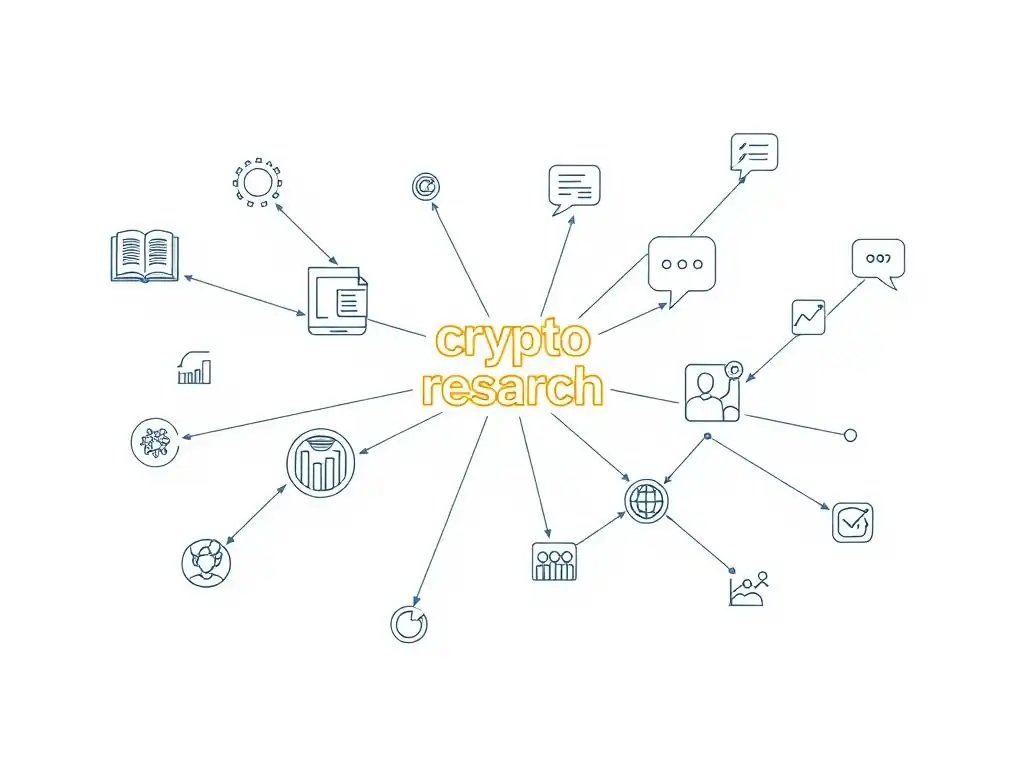
The crypto space is dynamic, constantly evolving with new technologies, regulations, and market trends. Therefore, continuous learning is crucial for making informed investment decisions. This section highlights valuable resources that facilitate ongoing education and engagement within the crypto community. Successful crypto research for beginners isn't a one-time event; it's an ongoing process of learning and adaptation.
Joining Crypto Communities: Reddit, Telegram, and Discord Groups for Discussion and Learning
Engaging with established crypto communities is a powerful way to expand your knowledge and gain different perspectives. These online spaces offer a rich environment for discussion, collaborative learning, and staying updated on the latest developments.
Several platforms host thriving crypto communities:
- Reddit: Subreddits like r/CryptoCurrency, r/Bitcoin, and r/ethereum offer a vast collection of information, news, and discussions. Be aware, however, that not all information is accurate; always critically evaluate what you read. Beginners should focus on absorbing information from reputable sources and experienced users.
- Telegram: Numerous Telegram groups dedicated to specific cryptocurrencies or general crypto discussions provide real-time updates and immediate interaction with other community members. The speed of information exchange on Telegram can be overwhelming, so prioritize joining groups focused on your specific investment interests. Look for groups with clear moderation to filter out misinformation.
- Discord: Similar to Telegram, Discord servers provide a platform for text and voice communication, often fostering a more interactive and collaborative learning environment. Many projects have their own dedicated Discord servers, offering direct communication with developers and community managers. Active participation and asking thoughtful questions can be especially beneficial.
Remember to approach these communities with a critical mindset. Not all information shared is accurate or unbiased. Always verify information from multiple reliable sources before making any investment decisions. The diverse perspectives and experiences within these communities can greatly enrich your crypto research for beginners.
Following Influential Crypto Analysts and Educators: IntoTheBlock and CoinMetrics
While community discussions offer valuable insights, following reputable crypto analysts and educational platforms provides a structured approach to learning. These sources often offer in-depth analysis, technical indicators, and educational materials that can significantly enhance your understanding.
Here are a few examples:
- IntoTheBlock: This platform offers a range of on-chain analysis tools and insightful reports, providing a data-driven perspective on market trends and individual crypto assets. Their educational resources can help beginners grasp complex concepts like on-chain metrics and their implications for investment strategies.
- CoinMetrics: This platform provides detailed historical data and analysis on various cryptocurrencies, focusing on network activity and market dynamics. Their reports and visualizations can be invaluable for understanding the long-term trends and performance of different assets. Their data-driven approach complements the more community-focused learning from Reddit or Telegram.
By following these and other reputable analysts, beginners can develop a more sophisticated understanding of market behavior, technical indicators, and fundamental analysis, all crucial components of effective crypto research for beginners. Remember to diversify your sources and critically evaluate the information presented.
Utilizing Online Courses and Educational Platforms: Coursera, Udemy, and Binance Academy
Structured learning through online courses offers a comprehensive approach to mastering various aspects of cryptocurrency. These platforms provide curated content, often presented by experts in the field.
Several platforms offer valuable courses:
- Coursera: Offers courses on blockchain technology, cryptocurrency investing, and related topics from reputable universities and institutions. These courses often provide a more academic and rigorous approach to the subject matter.
- Udemy: Hosts a wide array of courses on cryptocurrencies, ranging from beginner-friendly introductions to advanced trading strategies. The breadth of courses allows beginners to find a suitable learning path based on their specific needs and interests. However, always check reviews before enrolling.
- Binance Academy: This platform, offered by a major cryptocurrency exchange, provides free educational resources on various aspects of cryptocurrencies, blockchain technology, and trading. This offers a practical, hands-on approach, often incorporating real-world examples relevant to trading and investing.
These platforms provide a structured path to learning, supplementing the more informal learning from communities and analysts. Completing these courses can lay a solid foundation for conducting effective crypto research for beginners and making well-informed investment decisions. Remember to choose courses from reputable instructors with demonstrable expertise.
Staying Updated with Regulatory Developments: Impact of Government Policies on Cryptocurrencies
The cryptocurrency market is significantly influenced by government regulations. Understanding these regulatory shifts is crucial for informed investment decisions, as policies can dramatically impact the price and accessibility of various cryptocurrencies. Staying abreast of these developments requires diligent monitoring of official government announcements and reputable news sources specializing in financial and regulatory matters. Ignoring this aspect could lead to substantial financial losses.
For example, a sudden ban on a specific cryptocurrency in a major market can cause its value to plummet unexpectedly. Conversely, supportive regulations, such as the establishment of clear legal frameworks for cryptocurrency trading, can lead to increased investor confidence and a rise in market capitalization. The regulatory landscape is constantly evolving, with different countries adopting varying approaches. Some nations are embracing cryptocurrencies and actively developing frameworks for their integration into the financial system, while others maintain a more cautious or even restrictive stance.
Understanding these nuances is paramount. This necessitates more than just casual observation; it demands actively seeking out official government publications, press releases, and statements from regulatory bodies. Many governments publish white papers outlining their approach to cryptocurrency regulation. These documents provide valuable insight into the long-term vision and potential future policies concerning digital assets. Furthermore, tracking the activities of international organizations such as the Financial Action Task Force (FATF) is beneficial, as their recommendations often influence national regulatory strategies.
Regularly reviewing financial news websites and specialized cryptocurrency news outlets is also essential. Reputable sources often provide detailed analyses of regulatory developments and their potential impact on the market. It's crucial to differentiate between credible sources and those spreading misinformation, however. Always cross-reference information from multiple trusted sources to ensure accuracy.
By proactively monitoring regulatory changes, investors can significantly reduce their risk and make more informed decisions in the dynamic world of cryptocurrency. This proactive approach is a cornerstone of responsible cryptocurrency investing and contributes significantly to successful long-term strategies. Ignoring this aspect leaves you vulnerable to unexpected market fluctuations driven by governmental actions.
Conclusion: Building a Successful Crypto Research Strategy
This section summarizes the key takeaways from our exploration of crypto research for beginners and outlines a path toward building a robust, personalized investment strategy. Successfully navigating the crypto market requires a multi-faceted approach, combining rigorous research with a clear understanding of your own risk tolerance and financial objectives. Remember, consistent learning and adaptation are crucial in this ever-evolving landscape. Ignoring these principles can lead to significant losses. Let's solidify your understanding with some practical steps.
Combining Fundamental and Technical Analysis for Optimal Decision-Making
Effective crypto research isn't solely reliant on one analytical approach. Instead, a successful strategy often leverages both fundamental and technical analysis. Fundamental analysis delves into the underlying value proposition of a cryptocurrency. This involves examining factors like the project's whitepaper, the team behind it, the technology's innovation, the market adoption rate, and the overall utility of the coin. For example, a strong fundamental analysis of Bitcoin would highlight its first-mover advantage, decentralized nature, and widespread acceptance as a store of value.
Conversely, technical analysis focuses on price charts and trading volume to identify patterns and predict future price movements. This involves using various indicators like moving averages, relative strength index (RSI), and candlestick patterns. Technical analysis is a short-to-medium term strategy, while fundamental analysis is long term. Combining both allows for a more comprehensive view.
Imagine you've identified a promising project (fundamental analysis) with a strong upward trend in its price chart (technical analysis). This confluence of positive signals increases your confidence in a potential investment. However, a discrepancy – such as a strong fundamental project showing negative technical indicators – should prompt further investigation and potentially caution. Don't rely solely on one method; a balanced approach is key.
Developing a Personalized Investment Strategy Based on Risk Tolerance and Goals
Before diving into any crypto investment, it's crucial to define your risk tolerance and investment goals. Are you a risk-averse investor seeking stable returns, or are you comfortable with higher risk for potentially greater rewards? Your risk tolerance directly influences your investment choices. A conservative investor might focus on established cryptocurrencies like Bitcoin or Ethereum, while a more aggressive investor might explore smaller-cap altcoins with higher potential but also significantly higher volatility.
Equally important is defining your investment goals. Are you investing for short-term gains, long-term growth, or diversification? Your time horizon significantly impacts your investment strategy. Short-term trading requires constant monitoring and a deep understanding of technical analysis, while long-term investing emphasizes fundamental analysis and a patient approach. For instance, a goal of accumulating wealth over 10 years would necessitate a different strategy than aiming for a quick profit within six months. Consider using a simple table to visualize your risk tolerance and investment goals:
| Risk Tolerance | Investment Goal | Example Strategy |
|---|---|---|
| Low | Long-term growth | Invest in established cryptocurrencies like Bitcoin. |
| Moderate | Balanced growth and income | Diversify across a portfolio of cryptocurrencies. |
| High | Short-term gains and growth | Explore altcoins with high potential but high risk. |
The Importance of Continuous Learning and Adaptation in the Dynamic Crypto Market
The cryptocurrency market is incredibly dynamic and volatile. New projects emerge constantly, regulations evolve, and market sentiment shifts rapidly. Therefore, continuous learning and adaptation are paramount for long-term success. Stay updated on industry news, technological advancements, and regulatory changes. Follow reputable crypto news sources and educational platforms. Engage with the crypto community through forums and social media (while remaining cautious of misinformation).
Furthermore, regularly review your investment portfolio and adjust your strategy as needed. The crypto landscape is constantly evolving; what works today might not work tomorrow. Regularly evaluating your investments allows you to identify underperforming assets and rebalance your portfolio to align with your evolving risk tolerance and financial goals. Think of your crypto research as an ongoing process, not a one-time event. Embrace lifelong learning, and you'll significantly improve your chances of making informed investment decisions. Remember, the crypto market rewards those who stay informed and adapt to its ever-changing nature.
Disclaimer: Investing in cryptocurrencies involves significant risk. Conduct thorough research before investing.
Investing in the cryptocurrency market presents substantial risks, and it's crucial to understand these before committing any capital. The cryptocurrency market is notoriously volatile; prices can fluctuate dramatically in short periods, leading to significant gains or substantial losses. Unlike traditional markets with established regulatory frameworks, the crypto market is relatively unregulated, making it susceptible to manipulation and fraud. This lack of regulation also means investor protection mechanisms are often weaker than in established financial markets. Furthermore, the technological complexity of cryptocurrencies and blockchain technology can make it difficult for beginners to fully grasp the underlying mechanisms and potential risks.
Many projects are speculative and may never achieve widespread adoption or generate any return on investment. It's essential to remember that past performance is not indicative of future results; a cryptocurrency that performed well in the past doesn't guarantee future success. Before investing, thoroughly research any cryptocurrency project, considering factors such as its whitepaper, team, technology, market capitalization, and community engagement. Consider diversifying your portfolio to mitigate risk and never invest more than you can afford to lose. Seek advice from a qualified financial advisor if needed.
Remember, the information provided in this guide is for educational purposes only and does not constitute financial advice. Always conduct your own thorough due diligence before making any investment decisions. The cryptocurrency market is constantly evolving, and staying informed is paramount to mitigating risks. Consider the long-term implications and your personal risk tolerance before entering the crypto space. Investing in cryptocurrencies should be viewed as a high-risk, high-reward endeavor that requires careful consideration and a comprehensive understanding of the potential downsides.
Frequently Asked Questions
What is crypto research, and why is it important for beginners?
Crypto research involves analyzing different cryptocurrencies before investing. It's crucial for beginners to avoid scams and make informed decisions, minimizing risks. Understanding the technology, team, and market is essential.
How can I start my crypto research journey effectively?
Begin by learning the basics of blockchain technology and different crypto types. Then, focus on fundamental analysis, examining projects' whitepapers and tokenomics. Finally, consider technical analysis to understand price trends.
What are some key factors to consider when researching cryptocurrencies?
Look at the project's team and their experience, the use case and potential for adoption, and the overall market sentiment. Also, evaluate the tokenomics and security aspects of the project.
Where can I find reliable information for my crypto research?
Reputable crypto news websites, official project websites, and blockchain explorers are good sources. Always cross-reference information from multiple sources and be wary of biased opinions or promotional materials.
Is there a risk involved in cryptocurrency investing, even with thorough research?
Yes, the cryptocurrency market is inherently volatile and risky. Even with extensive research, there's no guarantee of profit. Diversification and risk management are crucial for mitigating potential losses.
Understanding the intricacies of cryptocurrency is no longer a niche pursuit; it's a crucial skill for navigating the increasingly digital financial landscape. The volatile yet potentially lucrative world of crypto demands careful research, and this guide aimed to equip beginners with the foundational knowledge to make informed investment choices, mitigating risk and maximizing potential returns. The future of finance is intertwined with blockchain technology, and understanding its nuances is paramount.
The impact of cryptocurrency extends far beyond simple investment strategies; it's reshaping our understanding of finance, decentralization, and global economics. Its influence is palpable, from the rise of decentralized finance (DeFi) to the growing adoption of NFTs. This journey into crypto research has underscored the importance of continuous learning and critical thinking. As the technology evolves, so too must our understanding. The future belongs to those who learn more skills and adapt changes faster than others.
- Eric Hoffer. This quote resonates deeply, highlighting the dynamic nature of the crypto space and the necessity for ongoing education.
Now, it's your turn. Take the knowledge gained from this guide and embark on your own crypto research journey. Don't be intimidated by the complexity; start small, focus on understanding the fundamentals, and gradually expand your knowledge base. Remember, responsible research and a cautious approach are key to navigating this exciting, yet unpredictable, frontier. The future of finance is being written, and you have the power to be a part of it.
Unlock Your Crypto Potential: Take the Next Step
Thanks for exploring the world of crypto research with us! You've gained valuable knowledge to make informed investment decisions. Ready to put your learning into practice?
- Deepen your understanding: Begin your own research project focusing on a cryptocurrency that interests you. Use the analytical frameworks we've covered to assess its potential. This is where the real learning begins!
- Share your knowledge: Discuss your findings and any questions you may have in the comments below. Let's foster a supportive community of crypto enthusiasts!
- Expand your network: Consider attending a local meetup or online webinar to connect with other crypto enthusiasts. You might uncover new insights and valuable resources.
What cryptocurrency project are you most eager to research, and why?