
The Lazy Person's Guide to a Healthy Diet: No Cooking Required

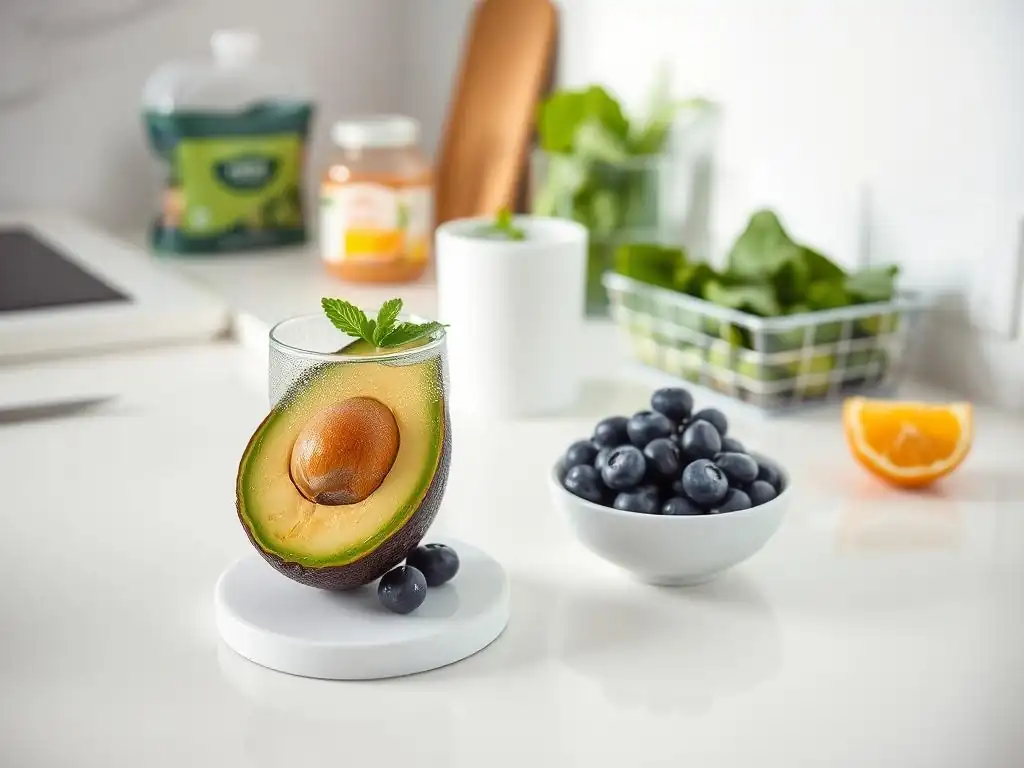
Tired of complicated diet plans and endless hours in the kitchen? Discover the secret to a healthy and fulfilling life without sacrificing your precious time. On UltimateLifeHacks, we're dedicated to providing practical solutions for a more efficient you. Dive into our latest "Easy healthy diet no cooking" guide – your shortcut to effortless wellness and a vibrant lifestyle. Prepare to be amazed by how simple it can be to prioritize your health!
- Easy Healthy Diet No Cooking: A Time-Saving Approach to Nutrition
- Quick & Easy Healthy Meals: No Cooking Required
- Simple No-Cook Recipes and Meal Ideas
- Healthy Snacks: No Cooking Needed
- Maintaining a Healthy Diet Without Cooking: Tips and Tricks
- The Lazy Person's Guide to Healthy Eating: Long-Term Sustainability
- Resources for a No-Cook Healthy Lifestyle
- Frequently Asked Questions
- Final Reflection: Nourishing Your Body, Effortlessly
- Unlock Your Healthiest Self: Start Eating Better Today!
Easy Healthy Diet No Cooking: A Time-Saving Approach to Nutrition
Maintaining a healthy diet often feels like a monumental task, especially with our busy modern lives. Juggling work, family, and social commitments leaves little time for elaborate meal preparation. This guide flips the script, offering a practical and effective strategy for achieving a healthy diet without spending hours in the kitchen. We'll explore simple, no-cook meal options packed with nutrients, helping you prioritize your well-being without sacrificing your valuable time.
This "lazy person's" approach to healthy eating isn't about laziness; it's about strategic efficiency – maximizing nutritional intake with minimal effort. We'll cover everything from understanding your nutritional needs to creating delicious and convenient meal plans that fit seamlessly into even the busiest schedules. This guide is your key to unlocking a healthier lifestyle, one easy meal at a time. Let's dive in and discover how to achieve your dietary goals without the cooking!
Ditching the Kitchen: Why No-Cook Diets Are Perfect for Busy Lives
Let's face it: cooking takes time, effort, and often, a level of culinary skill that many of us simply don't have (or want!). A no-cook diet doesn't mean sacrificing nutrition; instead, it's a strategic shift towards convenience and efficiency. Think of it as a life hack for your health! The benefits are numerous:
- Time Savings: Eliminating cooking frees up significant time in your day, allowing you to focus on other priorities.
- Reduced Stress: No more stressful evenings spent rushing to prepare dinner. Your meals are ready when you are.
- Increased Convenience: No-cook options are often portable and easily accessible, making them perfect for busy schedules and on-the-go lifestyles.
- Simplified Meal Prep: Forget complex recipes and intricate chopping. No-cook meals often involve minimal preparation, saving you valuable time and energy.
- Cost-Effectiveness: Many no-cook options, like pre-cut fruits and vegetables, can be surprisingly budget-friendly, especially when purchased in bulk.
The key is to plan ahead and stock your pantry and refrigerator with nutritious, ready-to-eat options. This approach isn't about restricting yourself; it's about making healthy choices easier and more accessible. We'll explore specific examples later, but the core principle remains: healthy eating doesn't require culinary expertise. It requires smart planning and a focus on readily available, nutrient-rich foods. Embrace the simplicity and unlock the time-saving power of a no-cook diet!
Understanding Your Nutritional Needs Without Cooking
Even without cooking, it's crucial to ensure you're meeting your daily nutritional requirements. A well-balanced no-cook diet should encompass all essential food groups:
- Fruits and Vegetables: These are your primary sources of vitamins, minerals, and fiber. Choose a variety of colorful options to maximize nutrient intake. Pre-cut options and ready-to-eat bags are your friends!
- Lean Protein: Essential for building and repairing tissues. Consider pre-cooked chicken or fish, canned tuna, beans, lentils, or Greek yogurt.
- Whole Grains: Provide sustained energy and fiber. Opt for pre-packaged oatmeal, whole-grain crackers, or quinoa.
- Healthy Fats: Important for brain function and overall health. Include avocados, nuts, seeds, and olive oil (in dressings, for example).
It's important to remember that portion control is still key, even with a no-cook diet. Pay attention to serving sizes to avoid overconsumption. Consider using a food scale or measuring cups to ensure you're sticking to your recommended daily calorie intake. Planning your meals in advance and creating a shopping list based on your nutritional needs will help you stay on track and avoid impulsive unhealthy choices. Remember, a balanced diet is about variety and consistency—not about deprivation or complex cooking techniques.
Quick & Easy Healthy Meals: No Cooking Required
This section explores convenient and healthy meal options requiring minimal to no cooking, perfect for busy individuals or those who simply dislike spending time in the kitchen. We'll delve into readily available solutions that promote an easy healthy diet no cooking lifestyle. The focus will be on maximizing nutritional value while minimizing effort. Remember, a healthy diet doesn't necessitate hours of culinary preparation.
Pre-Prepared Meal Delivery Services: A Convenient Option for Healthy Eating
Pre-prepared meal delivery services offer a fantastic solution for those seeking a convenient and healthy diet without the cooking. Many services cater to various dietary needs and preferences, from vegan and vegetarian options to keto and paleo diets. The convenience lies in having balanced, nutritious meals delivered directly to your door, ready to eat. This eliminates grocery shopping, meal planning, and cooking altogether.
However, it's crucial to carefully examine the nutritional information provided by each service. Some may be higher in sodium or processed ingredients than others. Look for services emphasizing fresh, whole ingredients and portion control. Consider factors like cost per serving and the variety of meal options available to find the best fit for your budget and preferences.
Choosing a service that aligns with your "easy healthy diet no cooking" goals is key to long-term success. A well-chosen service can be a significant time-saver and contribute significantly to a healthier lifestyle. This is especially beneficial for individuals with busy schedules, making healthy eating accessible and effortless.
Grocery Shopping for a No-Cook Diet: Smart Choices for Lazy Days
Smart grocery shopping is fundamental to maintaining an easy healthy diet no cooking. Focus on purchasing items requiring minimal or no preparation. Your shopping list should prioritize:
- Pre-washed and pre-cut vegetables: Save time and effort by opting for bagged salads, pre-cut veggies, and ready-to-eat fruits.
- Canned goods: Look for canned beans, tuna, salmon (packed in water), and other protein sources with minimal added sodium. Rinse canned beans thoroughly to reduce sodium content.
- Whole grains: Choose whole-grain crackers, pre-cooked quinoa, or brown rice to incorporate complex carbohydrates into your diet.
- Healthy snacks: Stock up on nuts, seeds, yogurt (Greek yogurt is a great source of protein), and fruits for quick and nutritious snacks throughout the day.
- Ready-to-eat meals: Many supermarkets offer healthy ready-to-eat meals, such as salads, soups, and grain bowls. Check the nutrition labels carefully to ensure they align with your dietary goals. Remember to compare ingredients and nutritional values to find the best options for an easy healthy diet no cooking.
Building a No-Cook Pantry: Essential Ingredients for Healthy Meals
Creating a well-stocked no-cook pantry is essential for effortless healthy eating. Here's a list of essential ingredients to get you started:
| Ingredient Category | Specific Examples | Nutritional Benefits |
|---|---|---|
| Protein Sources | Canned tuna, chickpeas, lentils, Greek yogurt, protein bars | Provides essential amino acids for muscle building and repair. |
| Whole Grains | Whole-grain crackers, quinoa, brown rice (pre-cooked) | Provides sustained energy and fiber for digestive health. |
| Fruits & Vegetables | Pre-washed salad mixes, canned fruits (packed in water/juice), avocados | Rich in vitamins, minerals, and antioxidants. |
| Healthy Fats | Nuts (almonds, walnuts), seeds (chia, flax), avocado | Supports brain health and provides essential fatty acids. |
This pantry foundation allows you to quickly assemble healthy meals without cooking. For example, a simple lunch could consist of a whole-wheat cracker topped with avocado and a sprinkle of chia seeds. Dinner could be a salad with canned chickpeas, pre-cut vegetables, and a light vinaigrette.
The key is to have a variety of nutritious ingredients on hand, making it easy to create delicious and healthy meals with minimal effort. This approach makes sticking to an easy healthy diet no cooking a realistic and enjoyable experience. 🥗 Remember to adjust this list based on your individual dietary needs and preferences.
Simple No-Cook Recipes and Meal Ideas
This section dives into the delicious world of easy, healthy meals that require absolutely zero cooking. We'll explore breakfast, lunch, and dinner options, proving that a healthy diet and a busy lifestyle are not mutually exclusive. Forget slaving over a hot stove – let's embrace the convenience of no-cook recipes designed to maximize your time and minimize your effort while maximizing your nutritional intake. This guide is perfect for anyone looking for an easy healthy diet no cooking approach.
High-Protein No-Cook Breakfasts: Fueling Your Day Effortlessly
Starting your day with a protein-packed breakfast sets the stage for sustained energy and focus. Forget sugary cereals; these options deliver sustained energy without the kitchen-related hassle.
Several options exist for a quick and nutritious high-protein breakfast, even without cooking:
- Overnight Oats: Combine rolled oats, milk (dairy or non-dairy), chia seeds, protein powder (optional), and your favorite fruits in a jar. Refrigerate overnight, and enjoy a creamy, filling breakfast in the morning. This is incredibly versatile; experiment with different fruits, nuts, and spices to keep things interesting! For example, try adding a spoonful of peanut butter for extra protein and healthy fats.
- Greek Yogurt Parfait: Layer Greek yogurt (a fantastic source of protein), granola, and berries in a glass or bowl. The creamy texture and natural sweetness of the berries make this a satisfying and energizing start to the day. Consider adding a drizzle of honey for extra sweetness, if desired.
- Protein Smoothie: Blend together your favorite fruits, vegetables (like spinach! ), protein powder, and liquid (milk, yogurt, or juice). This is a quick and customizable way to pack in a significant amount of protein and nutrients. You can even add healthy fats like avocado or nut butter for extra satiety. Think of a green smoothie as your secret weapon in your easy healthy diet no cooking arsenal!
Satisfying No-Cook Lunches: Quick and Healthy Options for Work
Lunch doesn't have to be a sad desk salad. These no-cook lunch ideas are both satisfying and healthy, perfect for busy workdays. Remember, planning ahead is key for sticking to an easy healthy diet no cooking strategy.
Here are some ideas to keep your lunch game strong:
- Large Salad with Canned Protein: Combine various leafy greens with canned tuna, chickpeas, or white beans for a protein boost. Add chopped vegetables, nuts, and a light vinaigrette for flavor. This is a fantastic way to incorporate a variety of nutrients into your lunch without any cooking whatsoever.
- Hummus and Veggie Wraps: Spread hummus on a whole-wheat tortilla, add your favorite chopped vegetables (cucumber, bell peppers, carrots), and roll it up. This is a simple, refreshing, and highly customizable lunch option. Experiment with different types of hummus for variety.
- Leftovers (from a previously prepared, no-cook meal!): The beauty of no-cook meals is that many of them are easily doubled, tripled, or even quadrupled and stored for later. Make a large batch of overnight oats, a big salad, or a substantial amount of hummus and veggie wraps, and enjoy the delicious leftovers throughout the week. This is a perfect example of a successful easy healthy diet no cooking plan.
Easy No-Cook Dinners: Delicious and Nutritious Meals Without Cooking
Dinner shouldn't require hours in the kitchen. These no-cook dinner options are both delicious and nutritious, perfect for those evenings when you're short on time but still craving a healthy meal.
Consider these options for your no-cook dinner routine:
- Sushi Bowls: Combine cooked sushi rice (you can cook this in advance! ), your favorite raw vegetables (avocado, cucumber, carrots), and canned or pre-cooked protein (salmon, tuna, shrimp). This is a fun and healthy way to enjoy a delicious and satisfying dinner.
- Big Salad with Grilled Chicken (pre-grilled): Purchase pre-grilled chicken from a grocery store or deli. Combine this with a large salad featuring a variety of vegetables, nuts, and seeds. A light vinaigrette adds flavor and zest. This is a quick and healthy dinner option that requires zero cooking on your part.
- Mediterranean Quinoa Salad: Combine cooked quinoa (again, cook this ahead of time! ), chopped cucumber, tomatoes, olives, feta cheese, and a lemon-herb dressing. This is a flavorful and nutritious meal that is perfect for a light and healthy dinner. This meal is another great example of how to implement an easy healthy diet no cooking.
Remember, even with a no-cook approach, variety is key to maintaining a balanced and enjoyable diet. Experiment with different ingredients and flavors to find what works best for you and your taste buds. Enjoy the freedom and simplicity of an easy healthy diet no cooking!
Healthy Snacks: No Cooking Needed
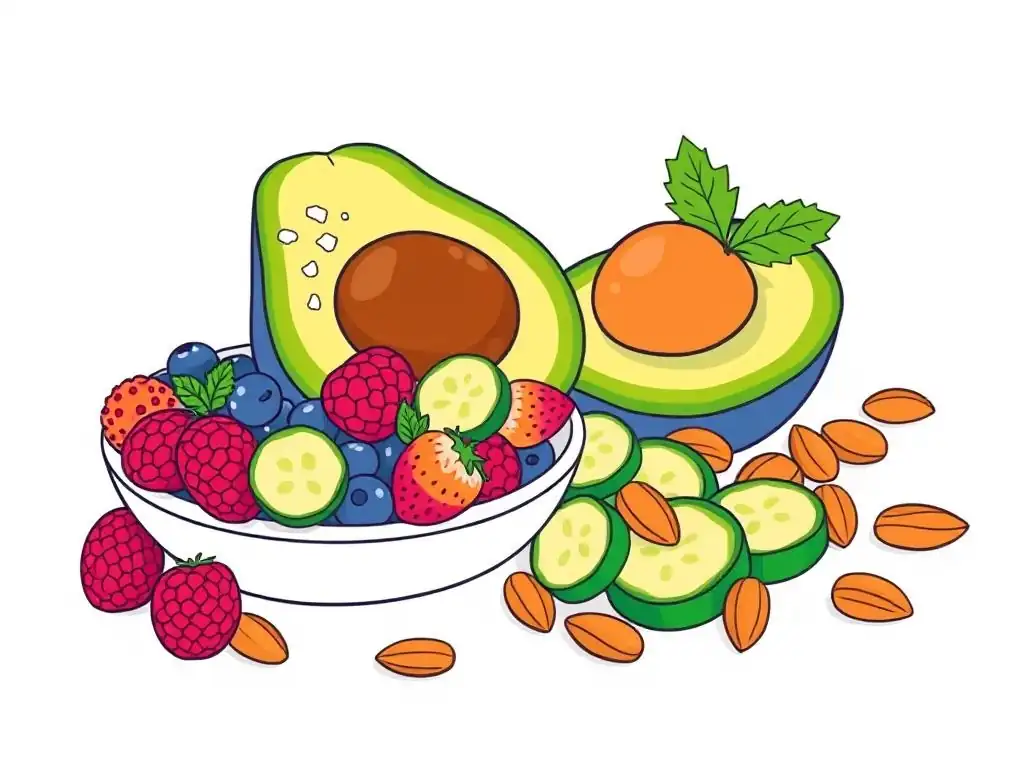
Maintaining a healthy diet doesn't require hours in the kitchen. Even the busiest individuals, those embracing the "easy healthy diet no cooking" lifestyle, can enjoy nutritious snacks without any cooking whatsoever. The key is planning and choosing the right options. This section focuses on readily available, convenient, and healthy snacks that require zero cooking time. We'll explore both grab-and-go options and strategies for preparing snacks in advance to maximize your time and minimize your effort.
Grab-and-Go Healthy Snacks: The Ultimate Time-Saver
Time is precious, and reaching for a healthy snack shouldn't be a time-consuming process. The beauty of an easy healthy diet no cooking plan is the abundance of readily available options. Here are some examples of grab-and-go snacks that are both nutritious and convenient:
- Fruits: Apples, bananas, oranges, grapes – nature's perfectly packaged snacks! They're packed with vitamins, fiber, and require absolutely no preparation. Keep a bowl of fruit readily available at home and at your workspace.
- Vegetables: Baby carrots, celery sticks, cherry tomatoes— these require minimal effort and offer a crunchy, satisfying snack. Pair them with hummus or a light dip for added protein and flavor.
- Nuts and Seeds: A handful of almonds, walnuts, or pumpkin seeds provides healthy fats, protein, and fiber. Be mindful of portion sizes, as they are calorie-dense.
- Yogurt: Choose plain, nonfat yogurt and add your own fruit or a sprinkle of granola for a customized, healthy treat. Look for options with live and active cultures for added gut health benefits.
- Hard-boiled Eggs: While the initial boiling requires some effort, hard-boiled eggs are a fantastic grab-and-go snack packed with protein. Prepare a batch at the beginning of the week for easy access throughout.
No-Cook Snack Prep: Preparing Healthy Snacks in Advance
Even with grab-and-go options, a little bit of advance preparation can significantly simplify your healthy eating journey. Preparing snacks ahead of time ensures you always have a healthy choice available, preventing impulsive unhealthy choices when hunger strikes. Here's how to easily prep healthy snacks without turning on the stove:
- Overnight Oats: Combine rolled oats, milk (dairy or non-dairy), chia seeds, and your favorite fruits in a jar the night before. By morning, you'll have a delicious and nutritious breakfast or snack ready to go. Experiment with different fruits and spices for variety.
- Pre-portioned Snack Bags: Divide nuts, seeds, dried fruit, and other non-perishable snacks into individual bags or containers. This makes portion control easy and prevents overeating.
- Hummus and Veggie Packs: Prepare individual containers with hummus and pre-cut vegetables like carrots, cucumber, and bell peppers. This is a perfect high-protein, high-fiber snack option.
- Fruit Salad: Chop a variety of fruits and store them in an airtight container. This provides a refreshing and colorful snack that's ready to enjoy throughout the week. Remember to consume within a few days to maintain freshness.
By implementing these simple strategies, even the busiest individuals can easily incorporate an "easy healthy diet no cooking" approach into their lives. The key is planning and preparation; a small investment of time upfront can yield significant rewards in terms of health and convenience. Remember, prioritizing your health doesn't have to be complicated! Embrace the simplicity and enjoy the benefits of a healthy, no-cook lifestyle.
Maintaining a Healthy Diet Without Cooking: Tips and Tricks
This section delves into the practical strategies for maintaining a healthy diet without spending hours in the kitchen. We'll explore simple yet effective methods to ensure you're getting the necessary nutrients, even with a minimal cooking approach. Remember, an "easy healthy diet no cooking" is achievable with planning and smart choices. This isn't about deprivation; it's about streamlining your nutrition for maximum impact with minimal effort.
Hydration is Key: Staying Hydrated on a No-Cook Diet
Staying adequately hydrated is crucial for overall health and well-being, regardless of your dietary choices. When you're focusing on a no-cook diet, it's even more important to prioritize water intake. Dehydration can lead to fatigue, reduced cognitive function, and even impact your digestion, potentially making you feel less energized and more prone to unhealthy cravings.
Many individuals underestimate their daily water needs. The recommended intake varies based on factors such as activity level, climate, and individual metabolism. A good rule of thumb is to aim for at least eight glasses of water per day, but you may need more depending on your circumstances.
Here are some practical tips for boosting your water intake on a no-cook diet:
- Carry a reusable water bottle: Keep it with you at all times, refilling it throughout the day. This serves as a visual reminder to drink.
- Infuse your water: Add slices of cucumber, lemon, or berries for a refreshing twist. This can make plain water more appealing and help you consume more.
- Set reminders: Use your phone or a smart watch to remind you to drink water at regular intervals.
- Eat water-rich foods: Fruits and vegetables like watermelon, cucumbers, and spinach contain high water content, contributing to your overall hydration.
Supplementing Your Diet: Essential Vitamins and Minerals
While a well-planned no-cook diet can provide many essential nutrients, supplementing your intake can be beneficial, especially if you have dietary restrictions or specific nutritional needs. Supplements should not replace a healthy diet, but they can act as a valuable addition to ensure you're meeting your daily requirements.
It's crucial to consult a healthcare professional or a registered dietitian before starting any supplement regimen. They can help you determine which supplements are appropriate for you based on your individual needs and health status. Self-prescribing can be risky, and some supplements can interact negatively with medications or pre-existing conditions.
Consider these commonly recommended supplements for individuals following an easy healthy diet no cooking:
| Supplement | Benefits | Potential Considerations |
|---|---|---|
| Vitamin D | Supports bone health, immune function, and mood regulation. | Many people are deficient; blood test recommended. |
| Omega-3 Fatty Acids | Crucial for brain health, heart health, and reducing inflammation. | Can interact with blood thinners; consult a doctor. |
| Vitamin B12 | Essential for nerve function, red blood cell formation, and energy levels. | Vegans and vegetarians often need supplementation. |
| Magnesium | Important for muscle function, blood sugar control, and blood pressure. | Can cause diarrhea in high doses; start with a low dose. |
Remember to always choose high-quality supplements from reputable brands and follow the recommended dosage instructions.
Listen to Your Body: Understanding Hunger and Fullness Cues
One of the most important aspects of maintaining a healthy diet, regardless of whether you cook or not, is learning to listen to your body's signals. This means paying attention to your hunger and fullness cues to avoid overeating and ensure you're consuming enough to support your energy levels and overall well-being.
Ignoring hunger cues can lead to energy crashes, poor concentration, and increased cravings for unhealthy foods. Conversely, ignoring fullness cues can result in weight gain and digestive discomfort.
Here are some tips for improving your awareness of hunger and fullness:
- Eat mindfully: Pay attention to the taste, texture, and smell of your food. Avoid distractions like TV or your phone while eating.
- Eat slowly: This allows your body time to register fullness signals.
- Drink water before meals: This can help you feel fuller and prevent overeating.
- Check in with yourself regularly: Throughout the day, take a moment to assess your hunger level on a scale of 1 to 10, with 1 being very hungry and 10 being extremely full. Aim to eat when you're around a 3 or 4 and stop when you're around a 7 or 8.
By paying attention to your body's signals, you can develop a healthier relationship with food and make more conscious choices that support your overall well-being, even with an easy healthy diet no cooking. This mindful approach is key to long-term success.
The Lazy Person's Guide to Healthy Eating: Long-Term Sustainability
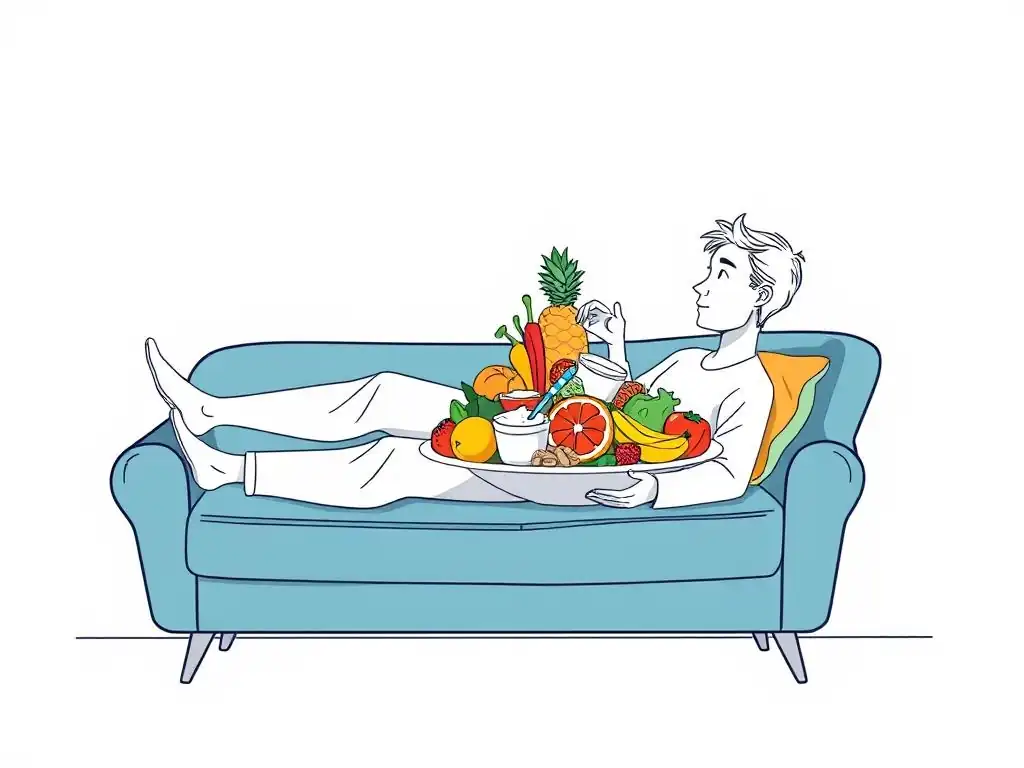
This section focuses on the crucial aspect of making your easy, no-cook healthy diet a sustainable part of your life. It's not just about quick fixes; it's about building lasting habits that support your well-being without feeling like a chore. We'll explore strategies to ensure your "easy healthy diet no cooking" approach remains effective and enjoyable in the long run. The key is to find a balance that fits seamlessly into your lifestyle, rather than feeling like a restrictive diet.
Building Healthy Habits: Making No-Cook Eating a Lifestyle
Successfully integrating a no-cook healthy eating plan into your daily routine requires more than just choosing convenient options. It's about building positive habits that support your goals. This involves mindful planning, strategic preparation, and a touch of self-compassion.
Consider these steps:
- Meal prepping: Dedicate a small amount of time each week (even just 30 minutes) to prepping ingredients. Wash and chop vegetables, portion out fruits, and store them in readily accessible containers. This dramatically reduces the effort needed for each meal. Think of it as an investment in your future healthier self!
- Batch cooking (minimal effort): While we're focusing on no-cook options, a small amount of batch cooking can significantly simplify things. For example, you could cook a large batch of quinoa or lentils once a week and use it as a base for various salads and bowls throughout the week. This is a minimal cooking effort for maximum convenience.
- Tracking progress: Use a food journal or app to monitor your intake and identify areas for improvement. This helps you stay accountable and spot any nutritional deficiencies early on. Seeing your progress visually can be incredibly motivating! 📈
- Finding support: Join online communities or connect with friends who share similar health goals. Sharing recipes, tips, and challenges can make the journey more enjoyable and sustainable. Accountability partners are invaluable! 🤝
- Rewarding yourself: Celebrate your milestones, no matter how small. Rewarding yourself doesn't have to involve unhealthy foods; a relaxing bath, a new book, or a fun activity can be equally rewarding and reinforce your positive habits.
Adapting to Your Lifestyle: Making No-Cook Eating Work for You
The beauty of a no-cook diet lies in its flexibility. It can be adapted to suit various lifestyles and preferences. The key is to find a balance that works for you, considering your schedule, budget, and dietary needs.
Here are some strategies to personalize your approach:
- Budgeting: Prioritize affordable, healthy options like canned beans, frozen fruits and vegetables, and seasonal produce. Planning your meals around sales and specials can help keep costs down without sacrificing nutrition. 💰
- Time constraints: Choose recipes that require minimal preparation time. Pre-cut vegetables and ready-to-eat options can be lifesavers on busy days. Remember, even 5 minutes is enough to put together a healthy and satisfying meal.
- Dietary restrictions: Easily adapt your no-cook meals to accommodate dietary restrictions like vegetarian, vegan, gluten-free, or allergy-friendly diets. Plenty of delicious and nutritious no-cook options exist to cater to every need. Focus on finding suitable substitutes and exploring new ingredients.
- Variety is key: Avoid getting stuck in a rut! Explore a variety of no-cook recipes to prevent boredom and ensure you're getting a wide range of nutrients. Experiment with different flavor combinations and textures to keep things interesting. Think of it as a culinary adventure! 🌎
Remember, the goal is to create a sustainable, healthy eating pattern that enhances your life, not complicates it. By building healthy habits and adapting your approach to fit your unique circumstances, you can enjoy the benefits of a nutritious diet without the hassle of cooking. Your easy healthy diet no cooking journey begins now!
Resources for a No-Cook Healthy Lifestyle
This section provides you with the tools and resources to make your easy healthy diet no cooking journey a breeze. We'll explore reliable sources for recipes and meal planning, ensuring you stay on track without spending hours in the kitchen. Remember, consistency is key, and these resources are designed to simplify the process and make healthy eating accessible, even for the busiest individuals.
Recommended No-Cook Recipe Books and Websites
Finding delicious and nutritious no-cook recipes can be surprisingly easy! Many resources cater specifically to this lifestyle, offering a wide variety of options to suit different tastes and dietary needs. Here are a few examples to get you started:
- "The No-Cook Cookbook" by America's Test Kitchen: This book provides a wealth of recipes tested and perfected by culinary experts, ensuring both quality and taste. They focus on simple techniques and readily available ingredients, making it ideal for beginners. Expect vibrant salads, refreshing smoothies, and satisfying grain bowls.
- "Salad Every Day" by Jess Damuck: This resource goes beyond the basic lettuce-and-tomato salad. You'll discover creative and flavorful salad combinations featuring diverse vegetables, fruits, proteins, and dressings. The book emphasizes seasonal ingredients and provides tips for maximizing flavor and nutrition.
- Websites dedicated to no-cook recipes: Several websites are dedicated entirely to no-cook recipes. Look for websites with high-quality photos, detailed instructions, and user reviews to ensure reliability. Many also offer filtering options based on dietary restrictions (vegetarian, vegan, gluten-free, etc.) or preparation time. These websites often feature a diverse range of cuisines, expanding your culinary horizons.
Apps for Meal Planning and Grocery Shopping
Technology can be your best friend when it comes to maintaining a healthy diet without cooking. Several apps streamline the meal planning and grocery shopping processes, saving you valuable time and effort. Here are some examples that excel in different areas:
- Mealime: This app provides personalized meal plans based on your dietary preferences and restrictions. It offers a wide selection of no-cook recipes and generates grocery lists automatically. The interface is user-friendly, and it integrates seamlessly with many grocery delivery services.
- Prepear: Prepear is a comprehensive meal planning app with a strong focus on visual appeal. It features a vast library of recipes, including many no-cook options, and allows you to easily organize your meal plan and create customized grocery lists. The app also offers helpful features like recipe scaling and nutritional information.
- Grocery delivery apps with recipe integration: Many grocery delivery apps now offer recipe integration, allowing you to select recipes and have the necessary ingredients delivered directly to your door. This eliminates the need for separate meal planning and grocery shopping apps, simplifying the entire process. Look for apps that offer a wide selection of healthy and no-cook recipes.
Remember, the key to success with an easy healthy diet no cooking approach is finding the resources that best suit your lifestyle and preferences. Experiment with different apps and websites to find your perfect combination. Don't be afraid to try new things and adapt your approach as needed. With a little planning and the right tools, achieving your healthy eating goals is entirely achievable, even without ever turning on the stove! 🥗
Frequently Asked Questions
What if I absolutely hate cooking? Is this diet plan for me?
Yes! This plan is specifically designed for people who don't enjoy cooking or have limited time. It focuses on no-cook meals and easy meal prep.
Are there any restrictions on this "no-cooking" diet?
While it emphasizes no-cook options, it's still important to maintain a balanced diet. You might need to supplement with certain vitamins if you're very restrictive.
How much time will this diet actually save me each day?
You can save significant time compared to traditional meal preparation. Most meals take minutes to assemble, not hours to cook.
Is this diet suitable for weight loss?
Absolutely! By focusing on nutritious, whole foods, this plan can support weight management. Remember portion control is key.
What kind of foods are included in this "easy healthy diet no cooking" plan?
Expect lots of fresh fruits, vegetables, pre-cooked proteins, and other convenient, healthy options. Think salads, yogurt parfaits, and quick smoothies.
Final Reflection: Nourishing Your Body, Effortlessly
The pursuit of a healthy diet doesn't have to be a culinary marathon; it can be a manageable sprint. This guide has demonstrated that achieving nutritional well-being is entirely possible without spending hours in the kitchen, proving that healthy eating can be both convenient and delicious. The ease of implementation is key to long-term success, and that's what truly matters.
The impact of readily accessible, healthy food options is profound, shaping not only individual well-being but also influencing broader societal health trends. We've seen how simple swaps and strategic choices can significantly improve our diets, fostering a sense of empowerment and control over our health journeys. Taking care of your body is a form of self-respect.
This quote resonates deeply, highlighting the intrinsic link between healthy eating and self-worth. It's a journey of self-love, achievable even with the busiest of schedules.
Now, consider your own relationship with food. What small, manageable changes can you implement today to nourish your body more effectively? Don't feel overwhelmed by grand gestures; start with one simple swap, one mindful choice. Embrace the power of small steps, celebrate your progress, and remember that a healthy diet is a marathon, not a sprint, and it's a journey you can embark on, effortlessly, today.
Unlock Your Healthiest Self: Start Eating Better Today!
Thanks for exploring healthier eating habits—no cooking required! You've discovered how easy it is to nourish your body without spending hours in the kitchen. Now, let's put this knowledge into action. Ready to feel fantastic?
- Start with one simple change: Choose one meal—breakfast, lunch, or dinner—and replace it with a healthy, no-cook option from the article. This small step can make a big difference!
- Share your success! Tell us (and your friends!) about your experience with a healthy, no-cook meal. Did it exceed your expectations? What surprised you the most?
- Try a new no-cook recipe: Explore the resources mentioned and experiment with a recipe you haven't tried before. Embrace the culinary adventure!
What's one no-cook meal you're excited to try this week to begin your healthier eating journey?