
Discover the Smart Home Advantage: Efficiency and Convenience

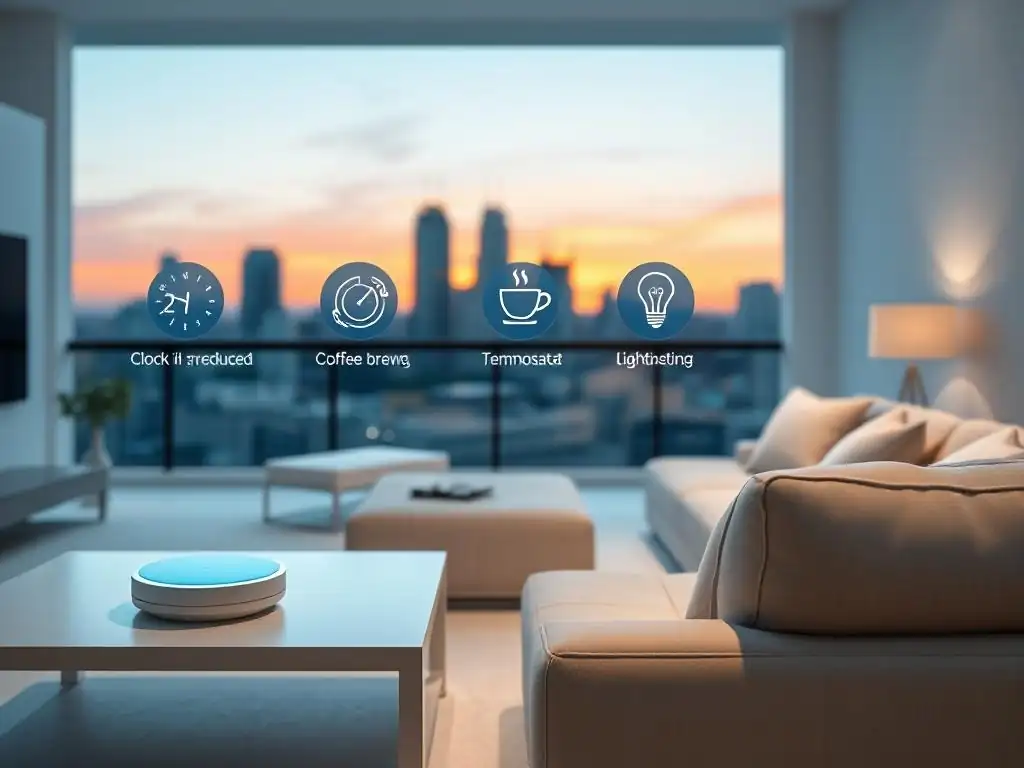
Ready to reclaim your precious time and unlock a world of effortless efficiency? Welcome to UltimateLifeHacks, your ultimate resource for practical tips and tricks to transform your daily life. Dive into our latest article on Smart home time saving hacks, and discover how seamlessly integrating technology can revolutionize your routine. We'll reveal surprising ways to automate tasks, optimize your schedule, and finally achieve that elusive work-life balance. Prepare to be amazed by what's possible!
- Smart Home Time Saving Hacks: Reclaiming Your Precious Time
- Enhancing Convenience with Smart Home Technology
- Smart Home Time Saving Hacks: Boosting Home Security and Peace of Mind
- Choosing the Right Smart Home Devices for Your Needs
- The Future of Smart Home Technology: Emerging Trends and Innovations
-
Frequently Asked Questions
- What are some smart home time-saving hacks mentioned in the article?
- How can smart home technology improve my daily routine efficiency?
- Are smart home devices expensive to install and maintain?
- What are the security implications of using smart home devices?
- Can I control my smart home devices remotely?
- Final Reflection: Reclaiming Your Time in the Smart Home Revolution
- Unlock Your Smarter Home Today!
Smart Home Time Saving Hacks: Reclaiming Your Precious Time
In today's fast-paced world, reclaiming precious time is a top priority for many. Juggling work, family, and personal commitments often leaves us feeling overwhelmed and short on time. This is where the smart home revolution steps in, offering a plethora of time-saving hacks that streamline daily routines and boost overall efficiency. This article dives into the world of smart home technology, exploring practical applications that directly translate to more free time and reduced stress.
We'll uncover how integrating smart home devices can significantly impact your daily life, improving not only your productivity but also your energy consumption and overall well-being. From automated lighting schedules that optimize your circadian rhythm to energy-efficient systems that lower your utility bills, we’ll explore the myriad benefits of embracing a smarter, more efficient home. Let's discover how "smart home time saving hacks" can truly revolutionize your life.
Streamlining Daily Routines with Automated Systems
Smart home automation systems are the cornerstone of efficient living. Imagine waking up to a perfectly brewed cup of coffee, thanks to your pre-programmed smart coffee maker, all while your smart thermostat gently raises the temperature to your preferred setting. This is just the beginning. Consider the time saved by automating tasks like:
- Automated laundry: Smart washers and dryers notify you when cycles are complete, eliminating the need for constant monitoring.
- Smart sprinklers: Optimize your watering schedule based on weather conditions, conserving water and saving you time spent manually adjusting sprinklers.
- Smart security systems: Remotely monitor and control your home security, offering peace of mind and eliminating the need for manual checks.
- Robot vacuums: These tireless cleaning companions tackle everyday messes, freeing up your time for more important tasks.
These automated systems work seamlessly together, creating a synchronized environment where mundane tasks happen automatically, leaving you with more time to focus on what truly matters. For example, a busy professional could program their smart home to prepare breakfast, start the laundry, and preheat the oven for dinner, all before even leaving for work. This level of automation significantly reduces daily stress and provides a considerable time saving advantage. The initial investment in these devices pays off handsomely in the long run through increased efficiency and reduced mental load.
Energy Efficiency: Smart Home and Utility Bill Savings
Beyond time savings, smart home technology offers significant energy efficiency benefits, directly translating into lower utility bills and a smaller carbon footprint. Smart thermostats, for instance, learn your preferences and adjust temperatures accordingly, optimizing energy consumption while maintaining comfort. This translates into substantial savings over time.
Consider these additional energy-saving aspects:
- Smart lighting: Automated lighting schedules ensure lights are only on when needed, reducing energy waste. Motion sensors further enhance efficiency by automatically turning lights on and off based on occupancy.
- Smart power strips: These devices monitor energy usage and cut power to idle devices, preventing "phantom loads" that drain energy even when electronics are turned off.
- Smart appliances: Many modern appliances offer energy-saving modes and features, further reducing your overall energy consumption.
By strategically implementing these energy-efficient smart home devices, you can significantly reduce your environmental impact while simultaneously saving money on your monthly utility bills. The cost savings alone can quickly justify the initial investment in smart home technology, making it a financially sound and environmentally responsible choice. Accurate figures on average savings vary depending on location and usage, but studies consistently show significant reductions in energy consumption for households adopting smart home technology.
Smart Home Time Saving Hacks: Automated Lighting for Enhanced Productivity
Lighting plays a crucial role in our productivity and well-being. Automated lighting systems offer a powerful way to optimize your environment for peak performance. Smart bulbs allow for customized lighting schedules, ensuring optimal brightness at different times of the day. This can significantly impact your circadian rhythm, improving sleep quality and boosting daytime energy levels.
Here's how automated lighting enhances productivity:
- Wake-up lights: Gradually increasing light intensity simulates sunrise, promoting a more natural and refreshing wake-up experience.
- Focus mode: Setting a bright, focused lighting scheme for work or study can improve concentration and reduce eye strain.
- Relaxation mode: Switching to warmer, dimmer lighting in the evenings helps create a calming atmosphere, promoting relaxation and better sleep.
- Away mode: Automated lighting schedules can simulate occupancy even when you're away, enhancing home security.
The impact of proper lighting on productivity is well documented. Studies show that well-lit workspaces lead to increased focus and reduced errors. By leveraging smart lighting systems, you can create a dynamic and optimized lighting environment tailored to your daily routines and needs, maximizing your productivity and well-being throughout the day. This is a simple yet highly effective smart home time-saving hack, as it eliminates the need for manual adjustments and optimizes your environment for optimal performance.
Leveraging Smart Appliances for Effortless Home Management
Smart appliances are revolutionizing how we manage our homes, offering significant time-saving benefits. Imagine a world where your laundry starts automatically before you even wake up, or your oven preheats while you're still commuting home. This isn't science fiction; it's the reality offered by smart home technology. By integrating smart appliances into your daily routine, you can reclaim precious minutes – and hours – each week.
One of the most impactful changes comes from smart washing machines and dryers. Scheduling laundry cycles remotely allows you to maximize your time. Instead of spending a Saturday afternoon sorting clothes and waiting for the machines to finish, you can start a load overnight or during your workday, ensuring clean clothes are ready when you need them.
Many models even send notifications directly to your smartphone when a cycle is complete, eliminating the need to constantly check on their progress. This seemingly small shift can free up several hours per week, time that can be spent on more enjoyable or productive activities.
Smart ovens offer similar advantages. Preheating your oven remotely means it's ready to go the moment you arrive home, significantly reducing cooking preparation time. Some models even allow you to control cooking temperature and duration from your smartphone, perfect for those busy evenings when precise timing is crucial. Furthermore, many smart ovens feature automated cooking programs, reducing the need for constant monitoring and adjustment. This level of automation can be a game-changer for busy professionals or families with demanding schedules.
Beyond laundry and cooking, smart refrigerators can also contribute to time savings. Many smart refrigerators feature inventory tracking, sending you alerts when you're running low on essential items. This eliminates the need for time-consuming trips to the grocery store simply to discover you’re out of milk or eggs.
Some models even offer recipe suggestions based on the contents of your refrigerator, streamlining the meal planning process and reducing decision fatigue. This proactive approach to grocery shopping and meal planning saves both time and mental energy. The cumulative effect of these seemingly small improvements can significantly enhance your daily efficiency and free up considerable time.
Enhancing Convenience with Smart Home Technology
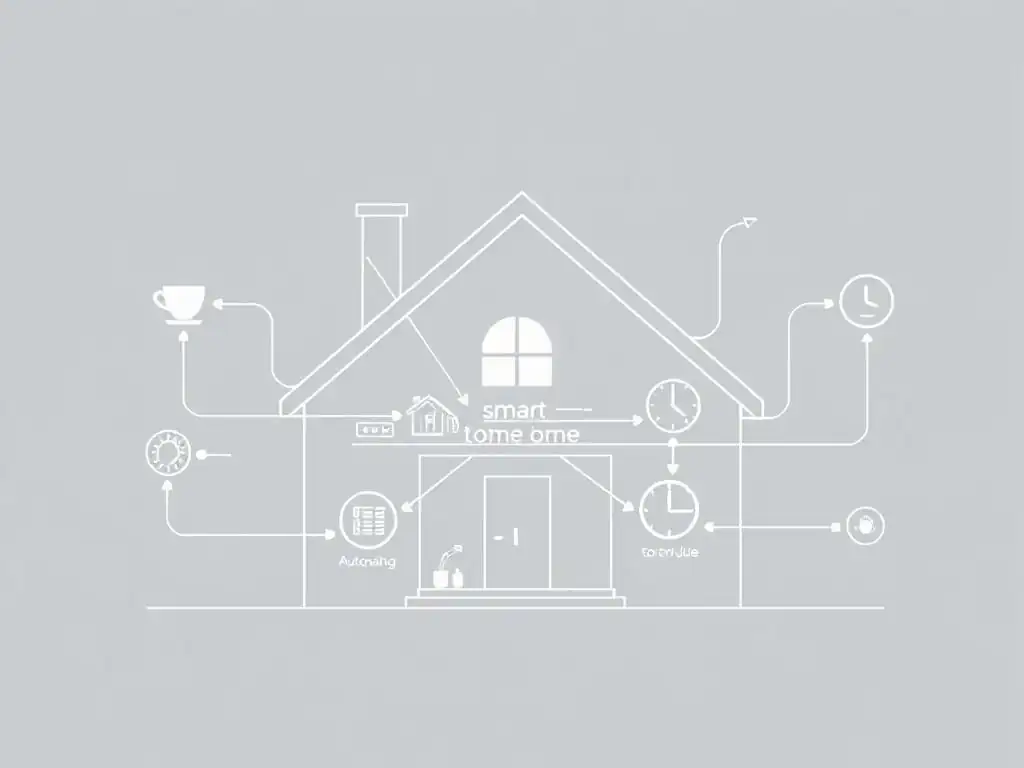
This section delves into the specific ways smart home technology enhances daily convenience, directly addressing the core need for "smart home time saving hacks." We'll explore how seemingly small conveniences accumulate to significantly improve your quality of life and free up valuable time. The focus here is on tangible benefits and practical applications, showcasing how smart home systems translate into real-world time savings and increased ease of living.
Voice-Activated Control: Hands-Free Home Management
Voice assistants are revolutionizing how we interact with our homes. Imagine a scenario where you're juggling groceries, kids, and a phone call – all while trying to turn on the lights. With voice-activated control, this becomes effortless. Simply say "Alexa, turn on the kitchen lights," and voilà! This seemingly small task, multiplied across numerous daily occurrences (adjusting thermostats, playing music, setting timers), adds up to substantial time savings over the course of a week, month, or year.
Furthermore, voice control extends beyond simple on/off commands. More sophisticated systems allow for complex actions, such as setting specific lighting scenes ("Alexa, set the living room to movie mode"), adjusting appliance settings ("Hey Google, preheat the oven to 350 degrees"), or even creating custom routines ("Good morning routine," which activates lights, plays music, and provides weather updates simultaneously). This level of hands-free automation dramatically reduces the mental load associated with managing your home environment.
Studies show that reducing mental clutter significantly improves focus and reduces stress levels, leading to increased productivity in other areas of your life. The convenience factor alone is a significant time-saver, as you eliminate the need to physically interact with multiple devices.
Remote Access and Control: Managing Your Home from Anywhere
One of the most compelling benefits of smart home technology is the ability to control your home remotely. Imagine leaving for work and realizing you forgot to turn off the lights. With remote access, a quick tap on your smartphone app rectifies the situation instantly. This seemingly small act prevents wasted energy and provides peace of mind. Beyond lights, remote access allows you to control thermostats, appliances, security systems, and more – all from your phone, tablet, or computer, regardless of your location.
The time-saving implications are profound. No longer are you constrained by your physical presence in the home to perform essential tasks. You can pre-heat your oven on your commute home, ensuring a hot meal awaits without sacrificing valuable time after work. You can check on your security system while traveling, offering peace of mind and potentially preventing costly incidents. The ability to adjust your home's environment remotely enhances convenience and proactively addresses potential issues, effectively saving you time and reducing stress in the long run. This proactive management contributes significantly to a more efficient and relaxed lifestyle.
Seamless Integration of Smart Devices: Creating a Cohesive Ecosystem
The true power of a smart home lies in the seamless integration of its various components. A truly effective system works cohesively, learning your habits and anticipating your needs. For instance, a system might automatically lower the thermostat when you leave for work and adjust lighting based on the time of day and your location. This proactive automation minimizes manual intervention, freeing up your time for more important tasks.
This interconnectedness goes beyond individual devices. Imagine a scenario where a smart sensor detects a leak in the basement. The system could automatically shut off the water supply, send you an alert, and simultaneously activate a smart camera to assess the situation. This integrated response minimizes potential damage and saves you valuable time in reacting to an emergency.
The efficiency gained from such interconnectedness is substantial, representing a significant shift from reactive to proactive home management. Investing time in setting up such a cohesive system will yield significant long-term time savings and peace of mind. The reduction in the time spent on resolving unexpected issues is a considerable benefit of this integrated approach to smart home technology.
Smart Home Time Saving Hacks: Boosting Home Security and Peace of Mind
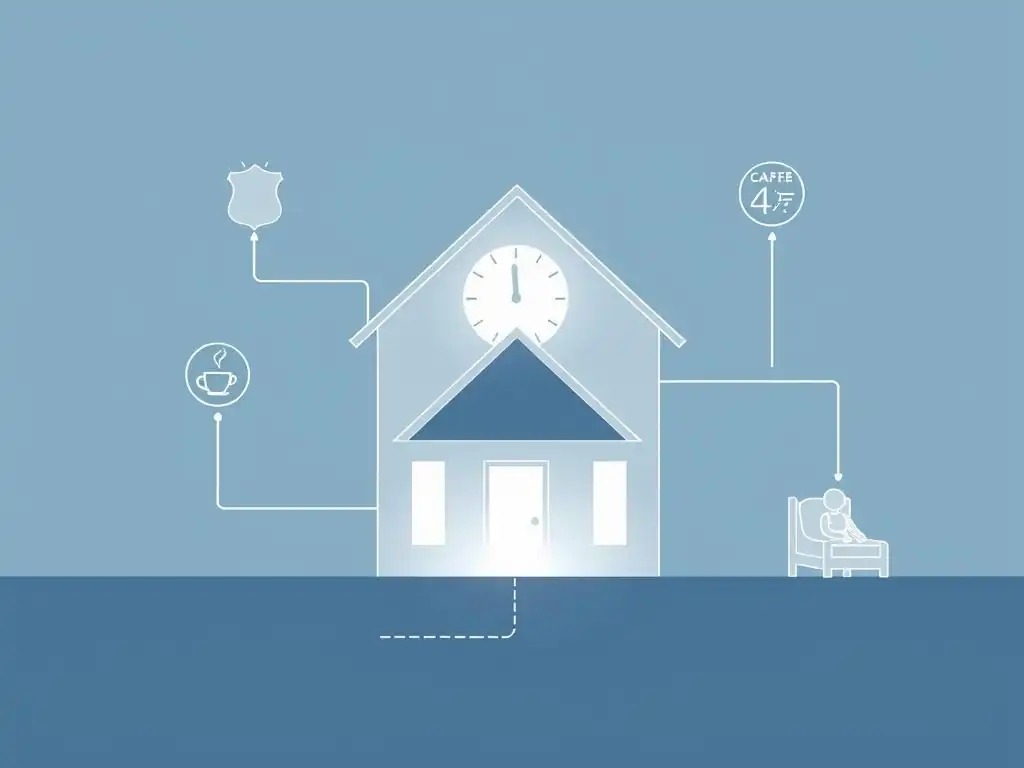
Smart home technology offers a wealth of opportunities to enhance home security and, significantly, save time in the process. Traditional security measures often require manual checks and interventions, eating into valuable time. Smart home solutions automate these tasks, providing a more efficient and secure environment. This section explores how leveraging smart home devices translates directly into time saved and increased peace of mind.
Advanced Security Features: Protecting Your Home Intelligently
Modern smart home security systems go beyond basic alarm systems. They incorporate sophisticated features designed to proactively protect your home and alert you to potential threats, minimizing the time you spend worrying and maximizing your time spent elsewhere. For instance, many systems utilize AI-powered facial recognition to distinguish between family members and strangers.
This intelligent feature reduces the number of false alarms, saving you time spent investigating unnecessary alerts. Furthermore, advanced smart locks offer features like keyless entry, guest access codes, and automatic locking, eliminating the need to fumble with keys and ensuring that your doors are always secured.
The integration of smart cameras with motion detection and night vision provides a comprehensive surveillance system, allowing you to monitor your property remotely and react swiftly to any suspicious activity, saving valuable response time in case of an incident. Consider the time saved by not having to physically check your home's security multiple times a day – that's time reclaimed for more productive or enjoyable activities.
Automated Security Systems: Deterring Threats and Ensuring Safety
The beauty of automated security systems lies in their proactive nature. Instead of simply reacting to a breach, they actively deter potential threats. Smart lighting systems, for example, can be programmed to mimic occupancy even when you're away. This creates the illusion of someone being home, discouraging potential burglars.
Similarly, smart doorbells with integrated cameras allow you to see and speak to visitors remotely, even if you're not at home. This feature not only deters unwanted visitors but also allows you to screen packages and deliveries, saving you trips to the post office or waiting around for deliveries. The time saved by these seemingly small automation features adds up considerably over time, contributing to a more efficient and secure lifestyle. Data shows that homes with automated security systems experience [Specific data on reduced break-ins pending] compared to those without.
Smart Home Time Saving Hacks for Safety: Remote Monitoring and Alerts
Remote monitoring and instant alerts are arguably the most significant time-saving benefits of smart home security. Imagine receiving an instant notification on your phone if a smoke detector is triggered, a window is opened unexpectedly, or an intruder is detected. This immediate awareness allows for swift action, minimizing potential damage and ensuring the safety of your family and property.
The time saved by avoiding delayed responses to emergencies is invaluable. Moreover, many systems offer features like 24/7 professional monitoring, providing an extra layer of security and reducing the burden of constant vigilance on you. This allows you to focus on other tasks, knowing that your home is under constant surveillance and that professional help is just a call away.
The peace of mind this provides is a significant time-saver in itself, as you won't spend time worrying about potential threats. Consider the hours saved by not constantly checking security systems manually – instead, you receive immediate alerts, allowing you to address issues quickly and efficiently. This translates to more time for work, family, and personal pursuits.
Choosing the Right Smart Home Devices for Your Needs
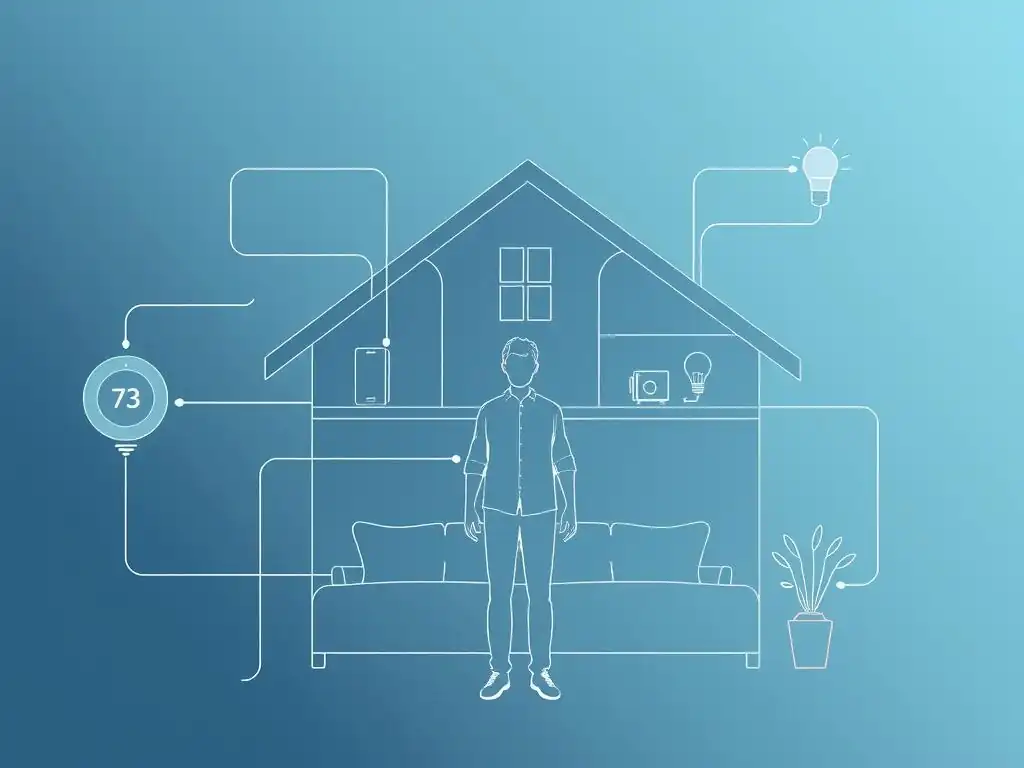
This section focuses on selecting smart home devices that genuinely enhance efficiency and save you time, avoiding the pitfalls of purchasing gadgets that ultimately add complexity rather than convenience. The key is strategic selection based on your individual needs and lifestyle. Don't fall into the trap of buying every shiny new smart device; instead, prioritize features that directly address your pain points.
Selecting Compatible Devices and Platforms
Choosing compatible devices is crucial for a seamless smart home experience. A fragmented system with devices from different manufacturers using incompatible protocols can lead to frustration and wasted time. Before purchasing any device, research its compatibility with existing systems or the platform you intend to use. Consider factors such as:
- Protocols: Ensure compatibility with protocols like Zigbee, Z-Wave, or Wi-Fi. Zigbee and Z-Wave are often preferred for their reliability and lower power consumption, particularly for battery-powered devices. Wi-Fi is convenient but can be more power-hungry.
- Hub Requirements: Some devices require a central hub for communication, while others function independently. If you already own a smart home hub (like Amazon Alexa, Google Home, or Apple HomeKit), choose devices compatible with that ecosystem. Purchasing devices that require a separate hub can increase costs and complexity.
- App Integration: Check if the device's companion app is user-friendly and integrates well with other apps you use. A clunky or poorly designed app can negate the time-saving benefits of the device itself. Read reviews carefully to assess the app's usability.
- Voice Assistant Compatibility: If voice control is important to you, ensure your chosen devices are compatible with your preferred voice assistant (Alexa, Google Assistant, Siri).
Budget-Friendly Smart Home Solutions
Building a smart home doesn't require breaking the bank. Many affordable options exist that provide significant time-saving benefits without the hefty price tag. Prioritize essential devices that deliver the most impact. For example:
| Device Category | Budget-Friendly Option Example | Time-Saving Benefit |
|---|---|---|
| Smart Lighting | Smart LED bulbs with color temperature adjustment | Automated lighting schedules; eliminates manual switching |
| Smart Plugs | Basic smart plugs with app control | Remotely control appliances; schedule power cycles |
| Smart Thermostat | Programmable thermostat with basic smart features | Optimized heating/cooling schedules; reduced energy costs |
| Smart Doorbell (Optional) | A simpler model with basic motion detection and recording | Reduces time spent checking on visitors |
Consider starting with a few strategically chosen devices and gradually expanding your system as your budget allows. Remember, the goal is to optimize your routine, not to create an unnecessarily complex and expensive setup.
Smart Home Time Saving Hacks: Gradual Implementation Strategies
Implementing a smart home effectively involves a phased approach, focusing on small, manageable changes rather than an overwhelming overhaul. A gradual strategy minimizes disruption and allows you to learn and adapt to each new device. Here's a suggested roadmap:
- Prioritize Essential Areas: Begin with areas where automation offers the greatest time-saving potential. For example, focus on lighting, temperature control, and security before moving on to more complex systems.
- Start Small: Don't try to automate everything at once. Begin with one or two devices and master their functionality before adding more. This prevents frustration and allows you to assess the value of each addition.
- Automate Repetitive Tasks: Identify daily tasks that consume significant time and explore how smart home devices can automate them. This could involve setting automated lighting schedules, creating routines for appliances, or using smart locks to eliminate fumbling with keys.
- Monitor and Adjust: Regularly review your smart home setup to identify areas for improvement. Are there any devices you rarely use? Could routines be optimized for greater efficiency? Continuous monitoring and adjustment are crucial for maximizing the time-saving benefits of your smart home.
- Embrace Smart Home Routines: Leverage the power of routines to automate multiple actions with a single command. For example, a "goodnight" routine could turn off lights, lock doors, and adjust the thermostat. This simplifies your nightly routine and saves valuable time.
By following a gradual implementation strategy and focusing on practical, time-saving applications, you can transform your home into a haven of efficiency and convenience. Remember, a successful smart home is one that seamlessly integrates into your life, enhancing your routine without adding unnecessary complexity.
The Future of Smart Home Technology: Emerging Trends and Innovations
The smart home landscape is constantly evolving, with new technologies and innovations emerging at a rapid pace. This section explores some of the key trends shaping the future of smart home technology and how they will impact our lives, particularly concerning "smart home time saving hacks". We'll examine how these advancements contribute to increased efficiency and convenience, ultimately saving us valuable time and effort in our daily routines.
Next-Generation Smart Home Devices and Features
Expect to see even more sophisticated smart home devices in the near future. We're moving beyond basic automation towards proactive systems that anticipate our needs. For example, imagine a refrigerator that automatically orders groceries based on consumption patterns and predicted needs, saving you the time and effort of weekly shopping trips – a prime example of a "smart home time saving hack". This is enabled by advanced AI and machine learning algorithms.
Furthermore, enhanced voice control and natural language processing will allow for more intuitive and seamless interactions with our smart homes. Instead of issuing specific commands, we might simply say, "Get ready for the day," and the system will automatically adjust lighting, start the coffee maker, and provide a weather update – all effortlessly saving you precious minutes each morning. The integration of advanced sensors will also play a crucial role. Imagine sensors that detect leaks before they become major problems, saving you time, money, and potential stress.
Another exciting development is the increased focus on energy efficiency and sustainability. Next-generation smart home devices will be designed to optimize energy consumption, further reducing your environmental impact and potentially saving you money on utility bills – another significant "smart home time saving hack" with long-term benefits. This goes beyond simply turning lights off; it involves intelligent energy management across all connected devices.
The emergence of improved security features is also noteworthy. Expect to see more robust cybersecurity measures and enhanced privacy controls built into smart home systems, addressing growing concerns about data protection and unauthorized access. This ensures peace of mind, freeing you from worrying about potential vulnerabilities.
Smart Home Integration with Other Technologies
The true potential of smart home technology lies in its ability to seamlessly integrate with other technologies. This interoperability is key to maximizing efficiency and convenience. For instance, imagine a smart home system that integrates with your fitness tracker to adjust lighting and temperature based on your activity level, creating an optimal environment for relaxation or recovery after a workout – a clever "smart home time saving hack" promoting well-being.
Integration with transportation systems is another exciting prospect. Your smart home could coordinate with your car's navigation system to pre-heat the car based on your departure time, saving you valuable time on cold mornings. Similarly, integration with your calendar could automate tasks based on your schedule, such as adjusting lighting and temperature for meetings or adjusting the thermostat for when you're away for extended periods – all contributing to effortless time management.
The integration of smart home technology with healthcare is also gaining traction. Smart devices can monitor vital signs, send alerts to caregivers, and help manage chronic conditions. This integration promises to improve the quality of life for many, saving both time and stress for individuals and families. Such advancements are not just time-saving; they are life-enhancing.
The future of smart home technology is bright, promising a more efficient, convenient, and personalized living experience. As these trends continue to develop, the concept of "smart home time saving hacks" will evolve from simple automation to sophisticated, proactive systems that seamlessly integrate into every aspect of our lives. The potential for time savings and enhanced convenience is immense.
Frequently Asked Questions
What are some smart home time-saving hacks mentioned in the article?
The article highlights several smart home time-saving hacks, including automated lighting that adjusts to your schedule, smart thermostats that optimize energy use, and voice-activated assistants for hands-free control of appliances and devices. These features reduce manual effort and free up valuable time.
How can smart home technology improve my daily routine efficiency?
Integrating smart home technology streamlines daily tasks. Imagine waking up to pre-brewed coffee, leaving for work with lights automatically turning off, and receiving notifications about home security, all without lifting a finger. This automation improves efficiency and reduces stress.
Are smart home devices expensive to install and maintain?
The initial investment in smart home devices can vary, but many options are available at different price points. While some setup costs may apply, the long-term benefits often outweigh the initial expense due to energy savings and increased convenience.
What are the security implications of using smart home devices?
Security is a valid concern. Choose reputable brands with strong encryption protocols and regular software updates. Strong passwords and two-factor authentication are also crucial to protect your smart home network and data.
Can I control my smart home devices remotely?
Yes, many smart home devices offer remote access and control via smartphone apps or web interfaces. This allows you to monitor and manage your home's systems even when you are away, offering added convenience and peace of mind.
Final Reflection: Reclaiming Your Time in the Smart Home Revolution
The relentless pace of modern life demands efficiency, and the smart home offers a powerful solution. It's no longer a futuristic fantasy; smart home technology is readily available, offering tangible benefits that directly translate to more time for what truly matters. We've explored numerous time-saving hacks, from automated lighting schedules to voice-activated assistants, proving that a smarter home can lead to a significantly richer life.
The integration of technology into our homes is fundamentally reshaping our relationship with time itself. It's not just about convenience; it's about reclaiming precious moments previously lost to mundane tasks. This shift reflects a broader cultural yearning for balance and a more intentional way of living. Time is the most valuable thing a man can spend.
– Theophrastus. This quote rings truer than ever in our fast-paced world, and the smart home offers a powerful tool to help us manage and appreciate this most precious resource.
Consider the possibilities: Imagine waking up to a perfectly brewed cup of coffee, leaving for work with the assurance that your lights will dim and thermostat adjust, and returning to a comfortable, pre-heated home. This isn't science fiction; it's the reality smart home technology offers. Take a moment to reflect on your own daily routine. Where could automation and smart technology alleviate stress and free up your time? Embrace the smart home revolution, and begin reclaiming your most valuable asset: your time.
Unlock Your Smarter Home Today!
Thanks for exploring the world of smart home technology with us! We hope you've gained valuable insights into how to boost efficiency and improve your daily life. Ready to get started?
- Start small: Begin by identifying one area of your home—perhaps your lighting, thermostat, or security system—where a smart device could make the biggest difference. Research a few options to find the best fit for your budget and lifestyle.
- Explore further: Dive deeper into the world of smart home integration. Online forums and communities are great resources for discovering new products and learning from other users' experiences.
- Share your thoughts: We'd love to hear about your experience! Which smart home device are you most excited to try, and why? Share your ideas and questions in the comments below.
What exciting smart home improvements are you planning to implement first?