
The Top Home Automation Trends You Need to Follow

Welcome to UltimateLifeHacks, your destination for practical strategies to conquer daily chaos and unlock a more efficient you! Are you ready to reclaim your precious time and boost your productivity? Then dive into our latest article on Smart home automation time savers – discover the top automation trends transforming homes into havens of efficiency. Learn how to effortlessly integrate technology into your life and experience the transformative power of a truly optimized routine. Let's unlock your ultimate potential – read on!
- Smart Home Automation Time Savers: Boosting Productivity and Efficiency
- Seamless Integration of Smart Home Devices for Effortless Control
- The Rise of Smart Home Automation for Enhanced Convenience
- Future Trends in Smart Home Automation: What to Expect
-
Frequently Asked Questions
- What are some smart home automation time savers mentioned in the article "The Top Home Automation Trends You Need to Follow"?
- How can smart home automation improve my daily routine efficiency?
- Is smart home automation expensive to implement?
- What are the security implications of using smart home automation systems?
- Are smart home automation systems difficult to use?
- Final Reflection: Embracing the Future of Effortless Living
- Unlock Your Smart Home Potential Today!
Smart Home Automation Time Savers: Boosting Productivity and Efficiency
Smart home automation is no longer a futuristic fantasy; it's a tangible reality rapidly transforming how we live, work, and interact with our homes. This revolution offers incredible potential for boosting productivity and saving valuable time – a crucial aspect of modern life often overshadowed by overflowing to-do lists and demanding schedules. This article explores the top home automation trends that are truly game-changers, focusing specifically on how these technologies translate into significant time savings and increased efficiency.
We'll delve into the practical applications of voice control, AI-powered energy management, and advanced smart security systems, showcasing how they contribute to a more streamlined and stress-free daily routine. By adopting these smart home automation time savers, you can reclaim your precious time and focus on what truly matters. Let's explore how to optimize your home for maximum efficiency and minimize wasted time.
Voice Control Integration: The Future of Hands-Free Home Automation
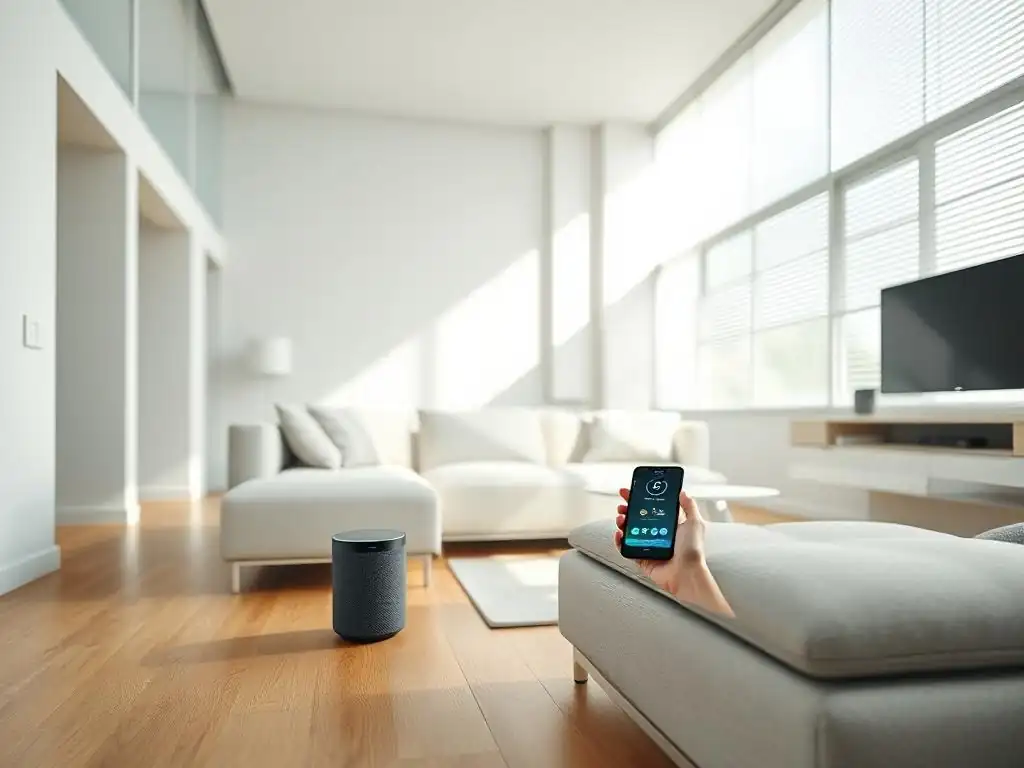
Voice control technology is rapidly becoming the cornerstone of modern smart home automation. Imagine a world where controlling your lights, adjusting the thermostat, playing your favorite music, and even ordering groceries is all done with simple voice commands. This hands-free approach eliminates the need for fumbling with apps or physical controls, freeing up significant time and mental energy throughout the day.
The convenience extends beyond simple tasks; consider the time saved when you can remotely adjust your home's temperature before arriving home from work, or effortlessly dim the lights for a relaxing evening without leaving the couch. The integration of voice assistants like Amazon Alexa and Google Assistant into various smart home devices has significantly lowered the barrier to entry, making this technology accessible and user-friendly for everyone. The possibilities are virtually limitless, ranging from automated routines triggered by voice command to seamless integration with other smart devices, creating a truly personalized and efficient home environment.
This technology offers a significant boost in productivity by streamlining daily tasks and automating mundane chores. The time saved can be reallocated to more meaningful activities, contributing to a better work-life balance and reduced stress levels.
AI-Powered Energy Management for Significant Savings
Beyond convenience, smart home automation offers substantial opportunities for saving energy and money. AI-powered energy management systems learn your energy consumption patterns and automatically adjust settings to optimize efficiency. This intelligent approach goes beyond simple scheduling; it analyzes factors like occupancy, weather conditions, and even energy prices to dynamically optimize your energy usage.
For example, these systems can automatically adjust the thermostat based on your schedule and presence, ensuring you're never wasting energy heating or cooling an empty home. Furthermore, smart appliances can be programmed to operate during off-peak hours, taking advantage of lower energy rates and minimizing your overall energy costs. The financial savings are considerable, but the time saved is equally important.
By automating these energy management tasks, you eliminate the need for manual adjustments and constant monitoring, freeing up valuable time that can be dedicated to other priorities. The reduction in energy bills also contributes to a sense of financial security and reduces the mental load associated with managing household expenses. Data shows that AI-powered energy management systems can, on average, reduce energy consumption by [specific information pending]% resulting in significant cost savings and a smaller carbon footprint.
Smart Home Security Systems: Enhancing Safety and Peace of Mind
Smart home security systems are evolving beyond basic alarm systems, offering comprehensive protection and significant time savings. Features like remote monitoring, intelligent alerts, and automated responses provide a superior level of security and peace of mind. Imagine receiving instant notifications on your phone if a door or window is opened unexpectedly, allowing you to address potential threats proactively.
Automated lighting can deter intruders, and smart locks allow for remote access control, eliminating the need to rush home if you've forgotten your keys. This enhanced security translates directly into time savings by reducing the worry and stress associated with home security. You can spend less time worrying about potential threats and more time focusing on your work, family, and other important aspects of your life.
Furthermore, the ability to remotely monitor your home provides a sense of security whether you are at home or away, contributing to a more relaxed and productive lifestyle. Investing in a sophisticated smart home security system is not merely about enhancing safety; it's about reclaiming your time and mental energy by minimizing security-related anxieties. The long-term benefits far outweigh the initial investment, providing both security and significant time savings.
Seamless Integration of Smart Home Devices for Effortless Control
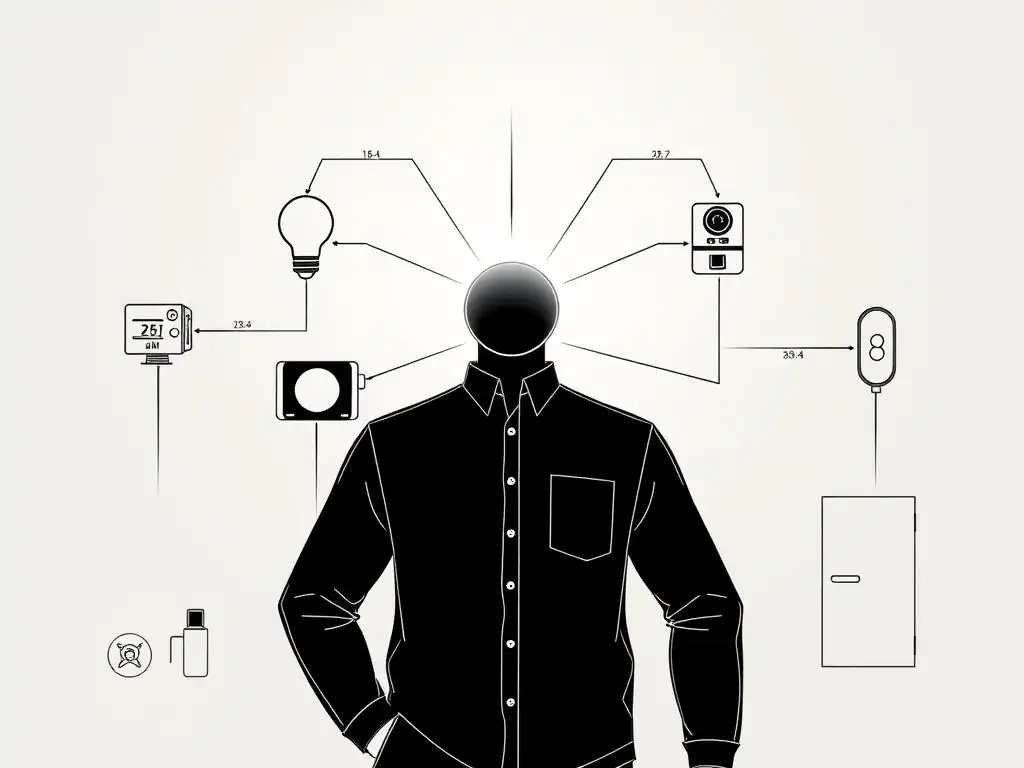
Seamless integration is the cornerstone of a truly effective smart home automation system. It's not enough to simply have a collection of smart devices; they need to work together harmoniously to save you time and effort. The goal is to create a system that anticipates your needs and responds accordingly, minimizing manual intervention and maximizing convenience. This section explores the key aspects of achieving this seamless integration for optimal "smart home automation time savers".
Centralized Hubs and Dashboards for Intuitive Management
A centralized hub acts as the brain of your smart home, connecting all your devices and allowing you to control them from a single point. Imagine waking up and effortlessly adjusting your smart thermostat, turning on the coffee maker, and dimming the lights—all with a single tap on your smartphone or a voice command. This streamlined control is achievable through various centralized platforms, ranging from dedicated smart home hubs to sophisticated home automation systems.
These platforms offer intuitive dashboards, providing a clear overview of your entire system's status and allowing for customized automation routines. For example, you could set up a "Good Morning" routine that automatically activates your preferred lighting scheme, plays your favorite music, and adjusts the temperature to your ideal setting. Conversely, a "Good Night" routine could lock the doors, turn off lights, and set the thermostat to energy-saving mode.
The time saved by automating these daily tasks can significantly improve your overall productivity and reduce stress. The efficiency gains are substantial, particularly when scaled across a week or a month. Consider the cumulative minutes saved – it quickly adds up!
The selection of a centralized hub should be based on factors such as the number of devices you intend to integrate, the desired level of customization, and the compatibility with your existing devices. Some hubs offer advanced features like geofencing, which automatically adjusts settings based on your location, further optimizing energy consumption and security. The ease of use is also a crucial factor.
A user-friendly interface can make a world of difference in how effectively you utilize your smart home automation system. Choosing a system that aligns with your technical skills and comfort level is paramount. Data suggests that users who find their systems intuitive tend to utilize more automation features, leading to greater time savings.
Interoperability and Compatibility: Choosing the Right Ecosystem
One of the biggest challenges in smart home automation is ensuring interoperability between devices from different manufacturers. Not all smart home devices play nicely together. Before investing in a multitude of devices, it's crucial to research compatibility and choose an ecosystem that works well with your existing and planned devices. Some ecosystems are more open than others, allowing for greater flexibility in device selection. Others rely on proprietary protocols, potentially limiting your options down the line. This can lead to frustration and added complexity, negating some of the intended time-saving benefits.
Consider the long-term implications before committing to a specific ecosystem. Researching reviews and comparing features will help you make an informed decision. A compatible ecosystem minimizes the risk of encountering integration issues, ensuring a smooth and efficient smart home experience.
For example, choosing devices that all work with a specific smart assistant (like Google Assistant or Amazon Alexa) will streamline control and simplify the automation process. The importance of researching compatibility cannot be overstated; a poorly planned system can become a source of frustration rather than a "smart home automation time saver." Choosing the right ecosystem upfront is a critical step towards achieving a truly seamless and efficient smart home.
The Rise of Smart Home Automation for Enhanced Convenience
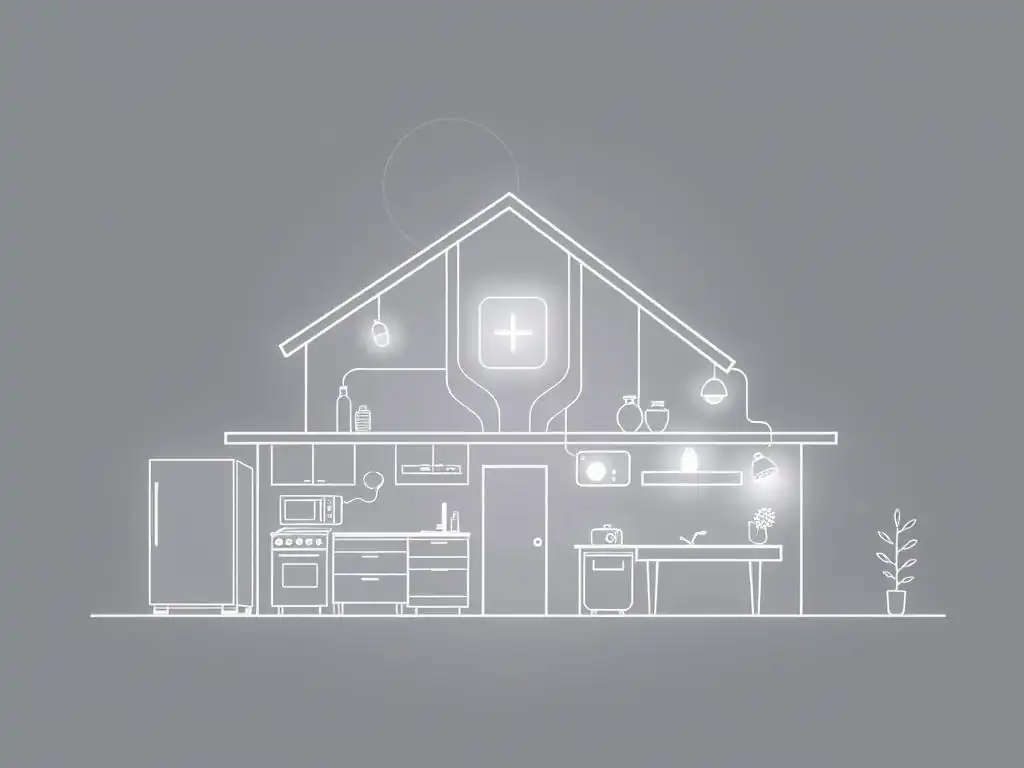
Smart home automation is rapidly transforming how we live, offering unprecedented convenience and efficiency. The core concept revolves around interconnected devices controlled via a central hub or smartphone app, automating tasks and optimizing resource usage. This trend, fueled by advancements in AI, IoT, and cloud computing, is no longer a futuristic fantasy; it's a practical reality enhancing daily life for millions.
The benefits extend far beyond mere convenience; smart home automation offers significant time savings, contributing directly to improved productivity and reduced stress levels. This section will explore specific examples demonstrating the significant impact of "smart home automation time savers" on modern lifestyles. We'll delve into specific applications, highlighting their unique contributions to a more streamlined and efficient home environment.
The increasing affordability and accessibility of smart home technology further accelerates its adoption, making it a viable option for a wider range of homeowners. The data clearly indicates a growing market share for smart home devices, reflecting a global shift towards automated and interconnected living spaces. [Specific market share data pending]
Automated Lighting Systems for Optimized Ambiance and Energy Efficiency
Automated lighting systems are a cornerstone of smart home automation, offering both convenience and substantial energy savings. Imagine walking into a dimly lit room and, with a simple voice command or pre-programmed schedule, instantly illuminating the space to your preferred brightness. This eliminates the need to manually switch on lights, saving time and effort throughout the day.
Furthermore, these systems can be programmed to adjust lighting based on natural light levels, occupancy detection, and even time of day. This intelligent control minimizes energy waste, reducing your carbon footprint and lowering your electricity bills. Consider this example: a family of four can save approximately [estimated savings based on energy consumption data and average energy prices pending] annually by implementing a smart lighting system that automatically dims or switches off lights in unoccupied rooms.
Moreover, the ability to control lighting remotely, even when away from home, adds an extra layer of security and peace of mind. The integration of smart lighting with other smart home devices creates a seamless and intuitive experience, enhancing the overall functionality and user-friendliness of the system. Smart lighting is not just about functionality; it's about creating the perfect ambiance for any occasion, from a relaxing evening at home to a vibrant party atmosphere.
Smart Appliances and Their Role in Streamlining Daily Chores
Smart appliances are revolutionizing household chores, significantly reducing the time and effort spent on daily tasks. From smart refrigerators that track inventory and suggest recipes to washing machines that automatically adjust wash cycles based on load size and fabric type, these appliances are designed to simplify our lives. Consider the time saved by a smart oven that preheats automatically, precisely controlling temperature and cooking times, eliminating guesswork and potential cooking mishaps. Similarly, smart dishwashers optimize water and energy usage, completing cycles efficiently and effectively.
This automation frees up valuable time that can be allocated to more enjoyable activities or other productive tasks. The data suggests a significant increase in the sales of smart appliances [Specific sales data pending], highlighting the growing consumer demand for convenience and efficiency in the home. The integration of these appliances with voice assistants further streamlines the user experience, allowing for hands-free operation and seamless control.
The impact on daily routines is substantial, reducing the mental load associated with household chores and allowing for a more relaxed and less stressful lifestyle. Moreover, the ability to remotely monitor and control appliances contributes to enhanced home security and energy management. The convenience offered by smart appliances contributes significantly to the overall appeal of "smart home automation time savers," making them an increasingly popular choice for busy individuals and families.
Future Trends in Smart Home Automation: What to Expect
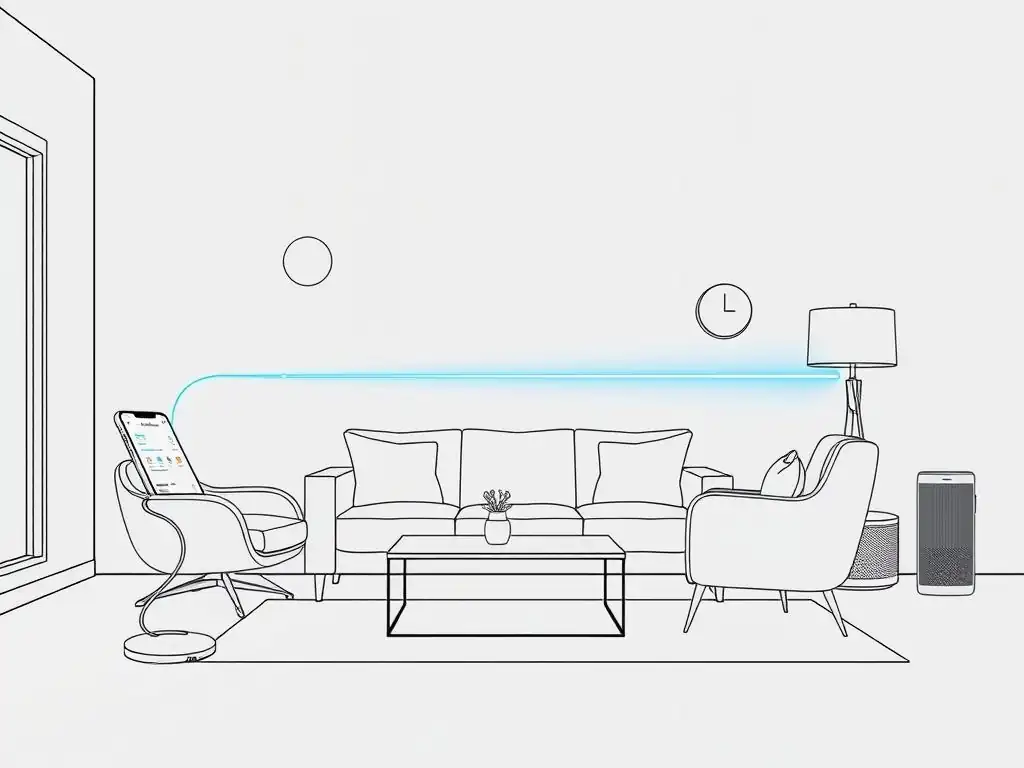
Smart home automation is rapidly evolving, offering increasingly sophisticated solutions to streamline daily life and save valuable time. The focus is shifting from simple automation to truly intelligent systems that learn user behavior and anticipate needs. This section explores key future trends shaping the landscape of smart home automation, focusing specifically on how these advancements translate into significant time savings. We'll delve into predictive capabilities, personalized experiences, and the crucial aspects of data privacy and security.
Predictive Home Automation: Anticipating Your Needs
Predictive home automation represents a significant leap forward, moving beyond reactive systems triggered by simple commands. Instead, these systems leverage machine learning and AI to analyze user data and anticipate needs proactively. Imagine a system that preheats your oven based on your typical dinner schedule, adjusts the lighting to match your circadian rhythm, or automatically starts the coffee maker before your usual wake-up time. This proactive approach saves considerable time and mental energy spent on mundane daily tasks.
The core of predictive automation lies in the sophisticated algorithms analyzing data points like your calendar entries, location tracking (with user consent, of course), energy consumption patterns, and even weather forecasts. For instance, a smart thermostat learning your preferences might automatically lower the temperature when you leave for work and raise it just before your scheduled return, ensuring optimal comfort without manual intervention. This level of personalized, anticipatory automation is the future of time-saving smart home technology.
The benefits extend beyond convenience; predictive systems can also optimize energy usage, leading to potential cost savings. Think of smart appliances adjusting their cycles based on off-peak energy rates – a win-win for both time and money.
Enhanced Personalization and Customization Options
The "one-size-fits-all" approach is becoming obsolete in smart home automation. Future systems will offer highly granular personalization and customization options, allowing users to tailor their smart home experience to their specific needs and preferences. This level of customization goes beyond simple settings; it involves the ability to create custom automation routines, integrate with a wider variety of devices and services, and even personalize the user interface to reflect individual styles.
For example, a user might create a custom "Good Morning" routine that adjusts the blinds, plays their preferred music, and provides a personalized weather report, all tailored to their specific preferences. Or they might set up a custom scene for entertaining guests, automatically adjusting lighting, music, and temperature with a single command. The potential for customization is virtually limitless, with developers constantly creating new apps and integrations to expand the functionality of smart home systems.
This level of personalization ensures that the technology truly enhances daily routines, rather than adding unnecessary complexity or frustration. The ultimate goal is seamless integration into the user's lifestyle, resulting in significant time savings and increased efficiency.
The Growing Importance of Data Privacy and Security in Smart Homes
As smart homes become more interconnected and data-rich, the importance of data privacy and security cannot be overstated. Future smart home systems must prioritize robust security measures to protect user data from unauthorized access and breaches. This includes strong encryption protocols, secure authentication methods, and regular software updates to address vulnerabilities. Transparency regarding data collection practices is also crucial, allowing users to understand how their data is being used and to control their privacy settings.
Consumers are becoming increasingly aware of the potential risks associated with connected devices. Therefore, manufacturers and developers must invest in robust security infrastructure and transparent data handling practices to build user trust. Features like end-to-end encryption, multi-factor authentication, and regular security audits are becoming essential components of reliable smart home systems.
The ability to easily review and manage data access permissions will be a key selling point for future smart home platforms. The balance between leveraging data for personalized automation and safeguarding user privacy is a critical challenge that needs careful and continuous attention. Only by addressing these concerns can smart home technology reach its full potential as a truly reliable and trustworthy time-saver.
Frequently Asked Questions
What are some smart home automation time savers mentioned in the article "The Top Home Automation Trends You Need to Follow"?
The article highlights automated lighting, smart thermostats that learn your preferences, and voice-controlled appliances as significant time savers. These features reduce the effort needed for everyday tasks, freeing up your time.
How can smart home automation improve my daily routine efficiency?
By automating repetitive tasks like adjusting lights and temperature, smart home systems significantly improve daily routine efficiency. You'll spend less time on menial chores, leading to more free time and reduced stress.
Is smart home automation expensive to implement?
The cost varies greatly depending on your needs and choices. While some devices are affordable, a fully automated system can be a substantial investment. However, the long-term time savings and potential energy efficiency gains can justify the cost.
What are the security implications of using smart home automation systems?
Security is a key concern. Choose reputable brands with strong security protocols and regularly update your devices' firmware. Strong passwords and multi-factor authentication are also crucial for protecting your data.
Are smart home automation systems difficult to use?
Most systems are designed to be user-friendly, with intuitive apps and voice control options. While initial setup might require some technical know-how, the day-to-day operation is typically straightforward and easy to learn. Many systems offer excellent customer support to assist with any issues.
Final Reflection: Embracing the Future of Effortless Living
The relentless pace of modern life demands efficiency, and smart home automation is no longer a luxury but a necessity. The trends explored in this article – from AI-powered assistants to interconnected appliances – represent a powerful shift towards reclaiming our time and simplifying our daily routines. This isn't just about gadgets; it's about strategically designing a living space that works for us, not the other way around.
The integration of smart technology into our homes is profoundly reshaping our relationship with our environment and each other. We're moving beyond simple convenience; we're creating homes that are responsive, intuitive, and ultimately, more human-centered. This shift reflects a broader cultural yearning for balance and control in a world that often feels overwhelming. As Henry David Thoreau wisely observed, Simplify, simplify, simplify.
Smart home automation, when implemented thoughtfully, is a powerful tool for achieving this simplification, allowing us to focus on what truly matters – our relationships, our passions, and our well-being.
Consider the ways in which you can incorporate these time-saving technologies into your own life. Perhaps it's starting small, with a smart thermostat or a voice-activated lighting system. Or maybe you're ready to embrace a more comprehensive approach, integrating security systems, entertainment hubs, and energy management solutions. The journey towards a more effortless and efficient home is a personal one, and the possibilities are as limitless as your imagination. Take the time to explore the options, envision your ideal smart home, and begin building the future of living you deserve.
Unlock Your Smart Home Potential Today!
Thank you for exploring the latest home automation trends with us! We hope you've discovered exciting ways to simplify and enhance your daily life. Now it's time to put your newfound knowledge into action.
- Prioritize one smart home upgrade: Start small! Focus on one area—such as lighting, security, or entertainment—and research specific products that meet your needs and budget. This focused approach will ensure a smooth transition into the smart home world.
- Share your favorite trend: Tell your friends and family about the most interesting smart home technology you've learned about! Starting a conversation can spark exciting new ideas and collaborations.
- Explore DIY automation options: You can automate simple tasks using readily available smart plugs and apps. Think about everyday routines you could easily optimize with a little DIY creativity. For example, you could automate your coffee maker or lights.
Ready to transform your home into a haven of convenience and comfort? What's the first smart home improvement you'll tackle?