
Unlock Your Fitness Potential: TimeEfficient Workouts for a Better Body


Welcome to UltimateLifeHacks, your ultimate resource for practical tips and tricks to conquer your daily grind! Are you short on time but still craving a killer workout? Then you've come to the right place. Discover the secrets to achieving your fitness goals with our amazing collection of Quick fitness workout routines, designed to maximize results in minimal time. Dive in and unlock your fitness potential – a healthier, happier you awaits!
- Quick Fitness Workout Routines: Maximizing Results in Minimal Time
- Time-Efficient Workout Strategies for Busy Professionals
- Essential Tools and Resources for Quick Fitness Workouts
- Maintaining Motivation and Consistency with Time-Efficient Fitness
- Quick Fitness Workout Routines and Your Overall Health
- Frequently Asked Questions
- Final Reflection: The Power of Concise Fitness
- Ignite Your Transformation: Start Your Fitness Journey Today!
Quick Fitness Workout Routines: Maximizing Results in Minimal Time
Juggling a demanding career, family responsibilities, and social life often leaves precious little time for fitness. However, achieving a better body and improved well-being doesn't necessitate hours spent in the gym. This article explores effective strategies and practical routines for incorporating quick fitness workouts into your daily schedule, maximizing results even with limited time. We’ll delve into designing efficient 15-minute workouts, harnessing the power of HIIT (High-Intensity Interval Training), and utilizing bodyweight exercises to achieve significant fitness gains without specialized equipment.
Ultimately, we aim to empower you to unlock your fitness potential, regardless of your busy lifestyle. This guide is designed to help you seamlessly integrate effective exercise into your routine, making fitness a sustainable and achievable part of your daily life. Let's get started on your journey to a healthier, fitter you!
Designing Your Perfect 15-Minute Blast Workout: A Step-by-Step Guide
Creating a truly effective 15-minute workout requires careful planning and execution. Here's a structured approach to designing your own personalized routine:
- Choose Your Focus: What areas do you want to target? Strength training, cardiovascular fitness, flexibility? Prioritizing specific areas ensures you maximize your limited time. For example, one day might focus on upper body strength, while another concentrates on lower body and core work.
- Select Your Exercises: Based on your chosen focus, select 3-4 exercises that effectively work the target muscle groups. Consider compound exercises (those working multiple muscle groups simultaneously) for maximum efficiency. Examples include:
- Squats: Legs and glutes
- Push-ups: Chest, shoulders, triceps
- Lunges: Legs and glutes
- Burpees: Full body
- Plank: Core
- Set Your Intervals: For a 15-minute workout, aim for 30-second work intervals followed by 15-second rest periods. This high-intensity approach ensures maximum calorie burn and muscle engagement in minimal time. Adjust the work-to-rest ratio based on your fitness level.
- Create Your Sequence: Arrange your chosen exercises in a logical sequence, considering muscle group fatigue. For example, you might start with compound exercises like squats and lunges before moving to isolation exercises like bicep curls or tricep dips.
- Warm-up and Cool-down: Don't neglect these crucial elements! A 5-minute warm-up (light cardio and dynamic stretching) prepares your body for exercise, while a 5-minute cool-down (static stretching) helps prevent muscle soreness and improves flexibility. Remember to adjust the workout duration accordingly.
Remember to listen to your body and adjust the intensity and duration as needed. Consistency is key! Even a short, well-structured workout is far more effective than no workout at all.
The Power of High-Intensity Interval Training (HIIT) for Quick Fitness Gains
High-Intensity Interval Training (HIIT) is a highly efficient method for achieving significant fitness improvements in a short amount of time. HIIT involves short bursts of intense exercise followed by brief recovery periods. This approach maximizes your calorie burn and improves cardiovascular fitness, making it ideal for busy individuals.
Some examples of HIIT exercises include:
- Sprint intervals (alternating between sprinting and jogging or walking)
- Burpee intervals
- Jump squat intervals
- Mountain climber intervals
The key to effective HIIT is to push yourself during the high-intensity periods and allow adequate recovery time between intervals. Remember to consult your doctor before starting any new workout routine, especially if you have pre-existing health conditions. Proper form is crucial to avoid injuries. Start slowly and gradually increase the intensity and duration of your HIIT workouts as your fitness level improves. The benefits of HIIT extend beyond weight loss; it also enhances cardiovascular health and boosts metabolism.
Bodyweight Exercises for Maximum Efficiency: No Gym Required
Bodyweight exercises are incredibly versatile and require no equipment, making them perfect for quick workouts at home or on the go. These exercises effectively engage multiple muscle groups, making them highly efficient for building strength and improving overall fitness.
Here are some examples of effective bodyweight exercises:
| Exercise | Muscles Worked | Difficulty Level |
|---|---|---|
| Squats | Quads, glutes, hamstrings | Easy to Advanced |
| Push-ups | Chest, shoulders, triceps | Easy to Advanced |
| Lunges | Quads, glutes, hamstrings | Easy to Advanced |
| Plank | Core | Easy to Advanced |
| Burpees | Full body | Medium to Advanced |
| Mountain Climbers | Core, shoulders, legs | Medium to Advanced |
| Jumping Jacks | Full body, cardiovascular | Easy |
By incorporating a variety of bodyweight exercises into your routine, you can achieve a full-body workout without needing any special equipment. Remember to maintain proper form to maximize effectiveness and prevent injuries. The convenience and accessibility of bodyweight exercises make them an ideal choice for those with limited time and resources. Combine these with HIIT for an even more powerful workout. 🏋️♀️💪
Sample Quick Fitness Workout Routines: Beginner, Intermediate, and Advanced Levels
This section provides example quick fitness workout routines catering to different fitness levels. Remember to consult your doctor before starting any new workout program. Listen to your body and adjust the intensity and duration as needed. Proper form is crucial to prevent injuries; prioritize quality over quantity. These routines focus on bodyweight exercises, making them easily accessible without needing gym equipment. Remember to incorporate warm-up and cool-down periods before and after each workout.
Beginner (15-20 minutes):
This routine is perfect for those new to exercise or returning after a break. Focus on proper form and completing each exercise with control.
- Warm-up (5 minutes): Jumping jacks (30 seconds), high knees (30 seconds), arm circles (forward and backward, 30 seconds each), dynamic stretching like leg swings and torso twists (1 minute).
- Workout (10-15 minutes):
- Squats: 3 sets of 10-12 repetitions.
- Push-ups (on knees if needed): 3 sets of as many repetitions as possible (AMRAP).
- Walking lunges: 3 sets of 10-12 repetitions per leg.
- Plank: 3 sets, holding for 30 seconds.
- Glute bridges: 3 sets of 15-20 repetitions.
- Cool-down (5 minutes): Static stretches, holding each stretch for 30 seconds. Focus on major muscle groups worked, including quads, hamstrings, chest, shoulders, and back.
Intermediate (20-30 minutes):
This routine builds upon the beginner level, increasing intensity and duration. Consider adding weights or resistance bands for an extra challenge.
- Warm-up (5 minutes): Jumping jacks (45 seconds), high knees (45 seconds), arm circles (forward and backward, 45 seconds each), dynamic stretching (1 minute). Include burpees (10 repetitions) for increased intensity.
- Workout (20-25 minutes):
- Burpees: 3 sets of 10-15 repetitions.
- Push-ups (standard): 3 sets of AMRAP.
- Walking lunges with a twist: 3 sets of 10-12 repetitions per leg.
- Plank with shoulder taps: 3 sets, holding for 30 seconds and alternating shoulder taps.
- Mountain climbers: 3 sets of 30 seconds.
- Jumping squats: 3 sets of 10-12 repetitions.
- Cool-down (5 minutes): Static stretches, holding each stretch for 30 seconds. Include stretches targeting core muscles.
Advanced (30-45 minutes):
This routine is designed for individuals with a higher fitness level. It incorporates more challenging exercises and longer durations. Consider using weighted vests or resistance bands to further increase the intensity.
- Warm-up (7 minutes): More dynamic stretches, including jump squats, high-intensity interval training (HIIT) bursts (e.g., 20 seconds sprint, 10 seconds rest, repeated 3 times), and dynamic stretches (2 minutes).
- Workout (30-38 minutes):
- Burpees with a jump: 4 sets of 15-20 repetitions.
- Incline push-ups: 4 sets of AMRAP.
- Jump lunges: 4 sets of 10-12 repetitions per leg.
- Side plank (each side): 4 sets, holding for 45 seconds.
- Bicycle crunches: 4 sets of 20-25 repetitions per side.
- Plyometric push-ups: 4 sets of AMRAP.
- Cool-down (7 minutes): Static stretches, holding each stretch for 45 seconds. Focus on deep stretches for improved flexibility and recovery. Include foam rolling if available.
Remember to adjust these routines based on your individual fitness level and goals. Consistency is key to seeing results. These quick fitness workout routines are designed to fit into even the busiest schedules, helping you achieve a better body without sacrificing your time. Don't forget the importance of proper nutrition and adequate rest for optimal results. Staying hydrated throughout the day is also crucial for performance and recovery. 🏋️♀️💪
Time-Efficient Workout Strategies for Busy Professionals
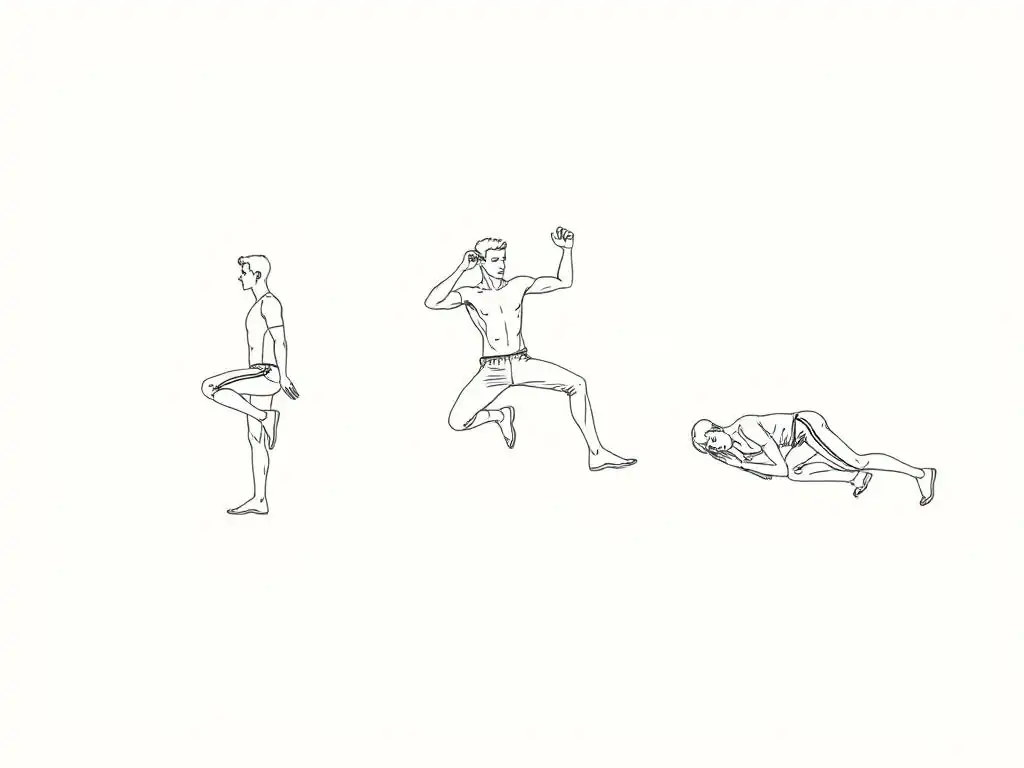
Busy schedules shouldn't mean sacrificing your fitness goals. Many professionals struggle to find time for dedicated workouts, but with strategic planning and efficient routines, you can achieve significant results even with limited time. This section explores several time-saving strategies to integrate fitness into your daily life, maximizing your workout efficiency and minimizing time commitment.
We'll delve into practical approaches to incorporate exercise into your commute, lunch breaks, and early mornings. Remember, consistency is key – even short, intense workouts are far more effective than sporadic, lengthy sessions. The goal is to find a sustainable fitness plan that fits seamlessly into your busy lifestyle and helps you achieve your "quick fitness workout routines" goals.
Integrating Exercise into Your Daily Commute: Active Transportation
Replacing sedentary commutes with active alternatives is a fantastic way to sneak in extra exercise without encroaching on your already packed schedule. Consider these options:
- Cycling: Cycling to work, even just a few days a week, significantly boosts your cardiovascular health and burns calories. If your workplace is too far for a daily cycle, consider cycling part of the way and using public transport for the remainder.
- Walking or Jogging: If your workplace is within a reasonable walking or jogging distance, this is an excellent low-impact option. You can even incorporate interval training by alternating between brisk walking and jogging. Listen to your favorite podcast or audiobook to make the commute more enjoyable.
- Public Transport with Active Interludes: Even if you rely on public transport, you can still incorporate activity. Get off a stop or two early and walk the remaining distance. Use the stairs instead of the escalator or elevator. These small changes accumulate over time.
Remember to factor in extra time for your active commute. You might need to adjust your wake-up time or leave work slightly earlier. Proper planning is crucial for success. This method also offers added benefits like reduced stress and improved mental clarity. It’s a win-win for your physical and mental well-being. Consider tracking your active commute using a fitness tracker to monitor your progress and stay motivated.
Lunch Break Workouts: Maximize Your Break Time
Your lunch break presents a perfect opportunity for a quick, effective workout. Even 20-30 minutes can make a significant difference. Here are some ideas for lunch break workouts:
- Bodyweight Circuit Training: Bodyweight exercises like squats, push-ups, lunges, and planks require no equipment and can be performed almost anywhere. Create a circuit of 3-4 exercises, performing each for 30-60 seconds with short rest periods in between. Repeat the circuit 2-3 times.
- High-Intensity Interval Training (HIIT): HIIT workouts are incredibly time-efficient. They involve short bursts of intense exercise followed by brief recovery periods. A 20-minute HIIT workout can be just as effective as a longer, less intense session. Many free HIIT workout videos are available online.
- Yoga or Pilates: These practices improve flexibility, strength, and balance. A short yoga or Pilates session during your lunch break can help reduce stress and improve your posture.
Planning is key for successful lunch break workouts. Pack your workout clothes and shoes to avoid wasting valuable time. Choose a location convenient to your workplace – perhaps a nearby park or a quiet office space. Remember to stay hydrated throughout your workout and replenish your fluids after.
Early Morning Fitness Routines: Jumpstart Your Day
Starting your day with a workout can set a positive tone and boost your energy levels for the day ahead. Early morning workouts don't have to be lengthy; even a short, focused session can be beneficial.
- Quick Yoga Flow: A 15-20 minute yoga flow can improve flexibility, increase circulation, and calm your mind, preparing you for a productive day.
- Morning Run or Walk: A brisk 30-minute run or walk can invigorate your body and mind. The fresh morning air and natural light can be incredibly uplifting.
- Short Strength Training Circuit: Choose 3-4 strength training exercises (e.g., squats, push-ups, rows, lunges) and perform 3 sets of 10-12 repetitions each. This can be completed in under 20 minutes.
The key to successful early morning workouts is preparation. Lay out your workout clothes the night before and prepare your breakfast to save time in the morning. Consider setting your alarm a little earlier to allow ample time for your workout and your morning routine. The sense of accomplishment you'll feel after completing your workout will set the stage for a successful and productive day. Consistency is crucial; even on busy mornings, aim for at least a short, effective workout to maintain your fitness routine. Track your progress to stay motivated and celebrate your achievements.
Evening Workouts: Winding Down with Effective Exercise
Evening workouts offer a unique opportunity to de-stress after a long day and prepare your body for a restful night's sleep. However, choosing the right type of exercise is crucial. Intense cardio right before bed can be counterproductive, potentially leading to sleep disturbances. Instead, focus on activities that promote relaxation and muscle recovery. Yoga, for example, is an excellent choice. Gentle stretches and mindful movements can ease muscle tension accumulated throughout the day, improving flexibility and promoting a sense of calm. A 30-minute yoga session focusing on restorative poses can be incredibly effective.
Another excellent option for evening workouts is a light walk. A brisk 20-minute stroll can aid digestion, improve circulation, and clear your mind. The fresh air and gentle movement can help you unwind and prepare for sleep. Remember to avoid listening to stimulating music or podcasts; instead, focus on your breathing and the sounds of your environment to enhance the relaxing effect.
This mindful approach contributes to a more peaceful sleep. For those who prefer a more structured approach, a short bodyweight circuit focusing on low-impact exercises like squats, lunges, and push-ups against a wall is a great alternative. Avoid high-intensity exercises, and prioritize controlled movements to avoid overstimulation. Remember to listen to your body and adjust the intensity accordingly.
The key is to find an evening routine that helps you relax and de-stress, contributing to a better night's sleep and improved overall well-being. Prioritizing rest is just as crucial as the workout itself when it comes to maximizing the benefits of your quick fitness workout routines. This approach allows you to integrate effective exercise into even the busiest schedules.
Essential Tools and Resources for Quick Fitness Workouts
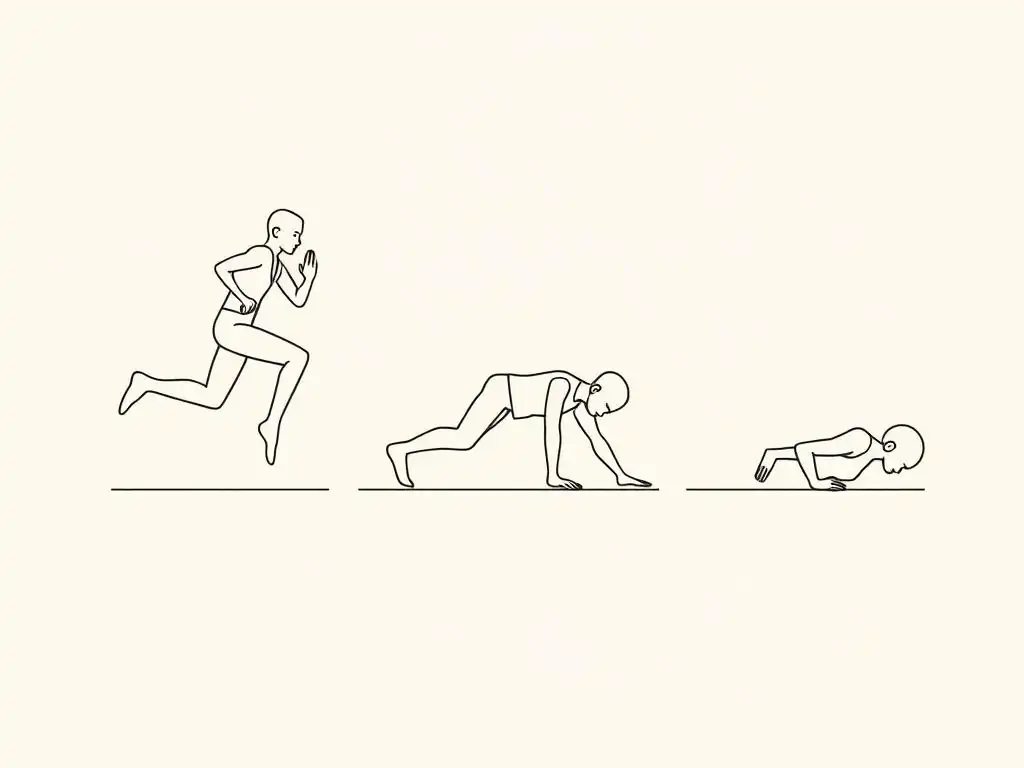
This section focuses on gathering the right tools and resources to maximize the effectiveness of your quick fitness workout routines. Having the right equipment and apps can significantly impact your motivation and the quality of your workouts, even when time is limited. We'll explore the best options for both digital and physical resources.
Best Fitness Apps for Time-Efficient Workouts
Numerous fitness apps cater to busy schedules, offering quick, effective workout routines. The best ones provide structured programs, personalized plans, and progress tracking. Choosing the right app depends on your individual preferences and fitness goals. Some popular choices include apps offering short, high-intensity interval training (HIIT) routines, bodyweight exercises, or yoga flows, all perfect for fitting exercise into even the busiest days. Consider features like:
- Personalized workout plans: Apps that adapt to your fitness level and goals are invaluable. They ensure you're challenged appropriately without risking injury.
- Progress tracking: Monitoring your progress—weight loss, strength gains, or improved endurance—keeps you motivated and helps you stay accountable.
- Variety in workout types: A good app offers diverse routines to prevent boredom and target different muscle groups.
- Educational resources: Some apps offer helpful guides on nutrition, stretching, and other aspects of fitness, complementing the workout routines.
Remember to read reviews and compare features before subscribing to any fitness app to ensure it aligns with your needs and budget. Look for apps with a strong emphasis on short, effective workouts – the cornerstone of a successful "quick fitness workout routine".
Essential Equipment for Home Workouts: Compact and Effective
For effective home workouts, you don't need a full gym setup. A few compact and versatile pieces of equipment can significantly enhance your quick fitness workout routines. Investing in these items can transform your home into a personal fitness studio:
| Equipment | Benefits | Space Requirements | Cost (Approximate) |
|---|---|---|---|
| Resistance Bands | Versatile for strength training, various resistance levels available | Minimal | $10 - $30 |
| Jump Rope | Excellent for cardio, improves coordination and burns calories quickly | Minimal | $5 - $20 |
| Yoga Mat | Provides cushioning and support for floor exercises | Minimal | $15 - $40 |
| Kettlebell (optional) | Offers full-body workout, improves strength and cardiovascular fitness | Small | $20 - $80 |
| Adjustable Dumbbells | Allows for progressive overload, adaptable to various exercises | Small | $50 - $150 |
Remember, even without equipment, you can achieve a fantastic workout using bodyweight exercises. However, adding these items can increase the intensity and variety of your quick fitness workout routines.
Finding Quick Workout Videos Online: Resources and Recommendations
The internet is a treasure trove of quick workout videos. However, it's crucial to choose reputable sources that prioritize proper form and safety. Look for videos from certified trainers or fitness professionals. Here are some tips for finding high-quality quick workout videos online:
- Search for specific workout types: Instead of a general search, specify your workout goal (e.g., "10-minute HIIT workout for beginners," "quick arm workout," "7-minute full-body workout"). This yields more relevant results.
- Check the credentials of the instructor: Look for videos from certified personal trainers, physiotherapists, or fitness experts. Their experience ensures the exercises are performed correctly and safely.
- Pay attention to the video quality: High-quality videos usually provide clear instructions, proper demonstrations, and good audio.
- Read comments and reviews: User feedback provides valuable insights into the effectiveness and safety of the workout.
Remember to always prioritize proper form over speed. Even a short, well-executed workout is more beneficial than a longer one with improper form, which could lead to injuries. Prioritize quality over quantity when choosing your quick fitness workout routines.
Maintaining Motivation and Consistency with Time-Efficient Fitness
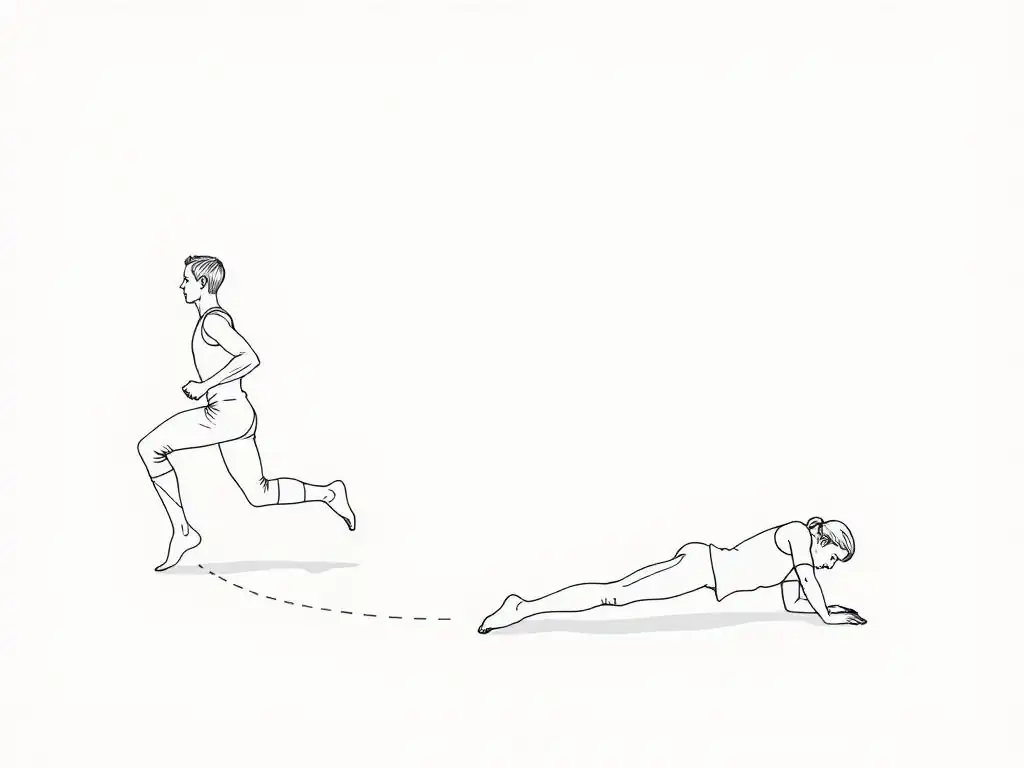
Staying motivated and consistent with any fitness routine, especially when time is limited, can be challenging. Quick fitness workout routines, while efficient, still require dedication. This section explores strategies to cultivate and maintain that crucial momentum.
Tracking Progress and Setting Realistic Goals
Setting realistic goals is paramount for long-term success with quick fitness workout routines. Instead of aiming for drastic changes overnight, focus on incremental improvements. For example, instead of aiming to run a marathon in a month, start with a goal of running for 15 minutes three times a week, gradually increasing the duration and intensity.
Tracking your progress is equally important. Use a fitness tracker, a journal, or a dedicated app to monitor your workouts. Note the duration, intensity, and how you felt during and after each session. This data provides valuable insights into your fitness journey and helps you stay motivated by visualizing your accomplishments. Celebrate small victories! Reaching a milestone, like consistently completing your quick workouts for a month, deserves recognition. This positive reinforcement strengthens your commitment to your fitness goals.
Consider using a simple spreadsheet to track key metrics. For instance:
| Date | Workout Type | Duration (min) | Intensity (1-10) | Notes |
|---|---|---|---|---|
| 2024-10-27 | Bodyweight Circuit | 20 | 7 | Felt good, slightly sore afterward |
| 2024-10-28 | HIIT | 15 | 8 | Pushed myself harder than yesterday! |
| 2024-10-29 | Yoga | 30 | 5 | Needed a rest day, focused on stretching |
Visualizing your progress through charts or graphs can further boost motivation. Seeing the upward trend in your fitness metrics provides tangible evidence of your hard work and dedication.
Overcoming Common Barriers to Quick Workouts
Even the best-laid plans for quick fitness workout routines can be derailed by unexpected obstacles. Identifying and proactively addressing these barriers is crucial for maintaining consistency.
One common barrier is time constraints. Unexpected meetings, urgent tasks, or family commitments can easily disrupt a carefully planned schedule. To mitigate this, plan your workouts strategically, scheduling them during times when you're less likely to be interrupted. Consider incorporating short bursts of exercise throughout the day, such as taking the stairs instead of the elevator or doing a quick set of push-ups during your lunch break. Remember, even small amounts of activity add up!
Another challenge is lack of motivation. On days when you feel less enthusiastic, remind yourself of your goals and the benefits of exercise. Consider finding a workout buddy to provide accountability and support. Alternatively, explore different workout styles to prevent boredom and maintain interest. Variety is key to preventing stagnation and maintaining engagement with your quick fitness workout routines.
Lastly, lack of access to a gym or equipment can be a significant hurdle. However, many effective quick fitness workout routines require minimal to no equipment, utilizing bodyweight exercises such as squats, push-ups, and lunges. This accessibility ensures you can exercise almost anywhere, anytime.
Building a Sustainable Fitness Routine: Long-Term Strategies
Creating a sustainable fitness routine involves more than just sticking to a workout plan for a few weeks. It requires a long-term commitment and a holistic approach to your health and well-being. Consistency is key to reaping the benefits of quick fitness workout routines.
Prioritize sleep. Adequate sleep is essential for muscle recovery and overall energy levels. Aim for 7-9 hours of quality sleep each night. This will dramatically improve your ability to stick to your workout plan.
Nutrition plays a crucial role in fitness success. Fuel your body with nutritious foods that provide the energy you need for your workouts and support muscle recovery. Focus on a balanced diet rich in fruits, vegetables, lean protein, and whole grains. Hydration is equally important; drink plenty of water throughout the day.
Incorporate rest days into your schedule. Rest is just as important as exercise. Allow your body adequate time to recover and rebuild muscle tissue. Overtraining can lead to injuries and burnout, hindering your progress. Listen to your body and take rest days when needed. This holistic approach, combining effective quick fitness workout routines with proper nutrition and rest, is crucial for building a sustainable fitness lifestyle. Remember, consistency, not intensity, is the key to long-term success.
Quick Fitness Workout Routines and Your Overall Health
This section dives deep into the effectiveness of short, intense workouts and how they contribute to a healthier lifestyle. We'll explore the benefits beyond just physical fitness, examining the impact on mental well-being and overall health markers. The key is understanding that "quick" doesn't mean "ineffective." In fact, properly structured short workouts can be incredibly powerful.
The Impact of Short, Intense Workouts on Overall Health
High-Intensity Interval Training (HIIT) is a prime example of how short bursts of intense activity can yield significant health benefits. Studies show that just 15-20 minutes of HIIT, 2-3 times a week, can improve cardiovascular health, boost metabolism, and increase fat burning significantly more than longer, low-intensity workouts. 1 This is due to the "afterburn effect," where your body continues to burn calories at an elevated rate even after your workout is finished. This effect is more pronounced with HIIT.
Furthermore, short, intense workouts are easier to fit into busy schedules, leading to improved adherence. Consistency is crucial for any fitness program, and the convenience of a quick workout significantly increases the likelihood of sticking to a routine. This consistent effort translates to long-term benefits, including reduced risk of chronic diseases like heart disease, type 2 diabetes, and certain cancers. The increased physical activity also contributes to improved mood, reduced stress, and better sleep quality. These are crucial aspects of overall health often overlooked.
Short bursts of intense activity can yield significant health benefits. Consistency is key.
Consider this example: A 15-minute HIIT routine involving burpees, jumping jacks, and mountain climbers can elevate your heart rate and challenge multiple muscle groups effectively. This is far more efficient than a 60-minute jog at a moderate pace, especially for individuals with limited time.
| Workout Type | Time Commitment | Calorie Burn (approx.) | Cardiovascular Benefit | Muscle Building |
|---|---|---|---|---|
| HIIT (15 minutes) | 15 minutes | 200-300 calories 2 | High | Moderate |
| Moderate Jog (60 minutes) | 60 minutes | 300-400 calories 2 | Moderate | Low |
1 Specific study data pending
2 Calorie burn estimates vary based on individual factors
Combining Quick Workouts with Healthy Diet for Optimal Results
While effective quick workout routines are essential, they are only one piece of the puzzle. Optimal results require a holistic approach that integrates a balanced and nutritious diet. The combination of regular exercise and a healthy diet synergistically enhances overall health and fitness goals.
Think of it this way: a quick workout helps you burn calories and build muscle, but a healthy diet provides the necessary nutrients for muscle repair and growth, as well as energy for your workouts. Consuming sufficient protein is particularly crucial for muscle recovery and growth after intense exercise. A balanced diet, rich in fruits, vegetables, and whole grains, provides the sustained energy needed to fuel your workouts and support overall well-being.
Focusing on nutrient-dense foods, rather than empty calories, optimizes the benefits of your quick workouts. For example, incorporating lean protein sources like chicken or fish after your workout aids muscle recovery. Similarly, consuming complex carbohydrates like whole-wheat bread or quinoa provides sustained energy throughout the day.
It's not about strict dieting, but rather making conscious choices to fuel your body effectively. This holistic approach maximizes the impact of your "quick fitness workout routines," leading to a healthier and fitter you.
The Importance of Rest and Recovery in Time-Efficient Fitness
The intensity of short, effective workouts necessitates adequate rest and recovery. Ignoring this crucial element can lead to overtraining, injuries, and ultimately, hinder your progress. Rest allows your muscles to repair and rebuild, strengthening them for future workouts. It's during rest that your body adapts and improves.
Adequate sleep is paramount. Aim for 7-9 hours of quality sleep each night. Sleep deprivation can negatively impact hormone levels, increase cortisol (a stress hormone), and impair muscle recovery. This can counteract the benefits of even the most effective quick workout routines.
Incorporating active recovery methods, such as light stretching or yoga, can also improve flexibility, reduce muscle soreness, and enhance recovery. These activities promote blood flow, facilitating the removal of metabolic waste products and the delivery of nutrients to your muscles.
Remember, rest isn't laziness; it's a vital component of a successful fitness plan. Prioritizing rest and recovery ensures you're maximizing the effectiveness of your quick workout routines and achieving sustainable long-term fitness. Listen to your body, and don't hesitate to take rest days when needed. This will ensure that your fitness journey is both effective and enjoyable. The key is balance—intense workouts combined with proper rest and nutrition. 😴💪
Frequently Asked Questions
How long are these "time-efficient" workouts?
These workouts are designed to be completed in under 30 minutes, allowing you to fit fitness into even the busiest schedules. You can adjust the intensity and duration to suit your needs.
What equipment do I need for these routines?
Many of the routines require minimal equipment, such as a yoga mat or resistance bands. Some workouts are entirely bodyweight-based, making them perfect for home use.
Are these workouts suitable for all fitness levels?
Yes, the workouts are designed to be modifiable for all fitness levels. Beginners can start with shorter durations and fewer repetitions, while advanced users can increase intensity and duration.
Will I see results with these quick workouts?
Absolutely! Consistency is key. Even short, high-intensity workouts can deliver significant results, improving strength, endurance, and overall fitness.
How often should I do these quick fitness routines?
Aim for at least three workouts per week, allowing for rest days to aid muscle recovery and prevent injury. Listen to your body and adjust as needed.
Final Reflection: The Power of Concise Fitness
The pursuit of a healthier lifestyle doesn't require hours in the gym; it demands strategic efficiency. This article has explored the transformative potential of short, high-intensity workouts, proving that even limited time can yield remarkable results. We've debunked the myth that only lengthy sessions deliver significant fitness gains, empowering you to reclaim your time and still achieve your fitness goals.
The impact of prioritizing efficient workouts extends far beyond physical health; it ripples into our mental well-being and overall lifestyle. Finding time for exercise, even in small bursts, combats stress, boosts energy levels, and fosters a sense of accomplishment. This shift in perspective, from viewing fitness as a time-consuming chore to a manageable and rewarding part of daily life, is crucial. The body achieves what the mind believes.
This simple statement underscores the power of believing in your ability to achieve fitness, regardless of time constraints.
Now, it's your turn. Consider how you can integrate these time-efficient workout strategies into your own life. Experiment with different routines, find what motivates you, and celebrate every small victory. Don't let the illusion of needing hours at the gym hold you back. Embrace the power of concise fitness, and unlock your full potential – one efficient workout at a time.
Ignite Your Transformation: Start Your Fitness Journey Today!
Thank you for exploring these time-efficient workouts! You've gained the knowledge to build a stronger, healthier you without sacrificing valuable time. Ready to begin?
- Commit to your first workout this week. Even a short burst of activity is a significant step forward. Aim for at least 15 minutes to start.
- Share your fitness goals with a friend or family member for support and accountability. Building a supportive community can make a big difference!
- Try a new exercise from the article that interests you. You might discover your new favorite fitness routine.
What small step will you take today to improve your fitness?