
Reclaim Your Attention: UltimateLifeHacks Guide to Beating Digital Overload


Feeling overwhelmed by the constant ping of notifications and the endless scroll? You're not alone. At UltimateLifeHacks, we're dedicated to helping you conquer daily chaos and reclaim your focus. This guide on Beat digital overload: life hacks is your first step towards a more productive and fulfilling life, free from the tyranny of technology. Discover practical strategies and simple yet powerful techniques within our Digital Minimalism section – and prepare to experience a newfound sense of control over your time and attention. Let's dive in!
- Understanding Digital Overload and its Impact on Focus
-
Practical Life Hacks to Beat Digital Overload: Reclaiming Your Focus
- Minimize Notifications: Mastering Your Device Settings for Improved Focus
- Time Blocking Techniques: Scheduling Digital Detox Periods for Enhanced Productivity
- The Power of "Digital Sabbaths": Planning Regular Breaks from Technology
- Curating Your Digital Ecosystem: Decluttering Apps and Social Media Accounts
- Mindful Tech Usage: Practicing Presence and Intentionality with Technology
- Optimizing Your Digital Environment for Enhanced Focus
- Beyond Technology: Mindfulness and Self-Care Strategies
- Maintaining Focus and Preventing Digital Overload Relapse
-
Frequently Asked Questions
- How can I effectively manage my multiple devices and notifications?
- What are some quick wins to reduce digital clutter immediately?
- How can I create better boundaries between work and personal life in a digital world?
- What are some practical strategies for improving my focus amidst constant digital interruptions?
- How can I leverage technology to help me beat digital overload, rather than contributing to it?
- Final Reflection: Reclaiming Your Focus in a Hyper-Connected World
- Unlock Your Focus: Reclaim Your Time & Energy
Understanding Digital Overload and its Impact on Focus
In today's hyper-connected world, we're constantly bombarded with notifications, emails, and social media updates. This relentless influx of digital information creates a phenomenon known as digital overload – a state of mental and emotional exhaustion resulting from excessive exposure to technology. This article, your guide to beating digital overload, will explore the science behind this modern affliction, identify its telltale signs, and offer practical, actionable life hacks to reclaim your attention and boost productivity.
We'll delve into the neuroscience of distraction, uncover the hidden costs of constant connectivity, and ultimately equip you with the tools to regain control of your focus and well-being. Mastering these techniques will not only improve your efficiency but also cultivate a healthier relationship with technology, leading to a more balanced and fulfilling life.
This is crucial in our increasingly digital world, where the ability to focus and resist distractions is becoming a rare and valuable commodity. Learn to effectively beat digital overload: life hacks are readily available, and we'll show you how to implement them.
Identifying the Symptoms of Digital Overload: Recognizing the Signs
Recognizing the symptoms of digital overload is the first step towards reclaiming your attention. Many experience these symptoms subtly at first, often mistaking them for general stress or fatigue. However, persistent digital overload manifests in several distinct ways:
- Constant mental fatigue: Feeling mentally drained even after periods of rest.
- Difficulty concentrating: Struggling to focus on tasks, even simple ones.
- Irritability and short temper: Experiencing increased frustration and impatience.
- Sleep disturbances: Difficulty falling asleep or staying asleep due to racing thoughts or anxiety related to digital notifications.
- Increased anxiety and depression: Feeling overwhelmed, anxious, or depressed due to the constant pressure to stay connected.
- Reduced productivity: Experiencing a noticeable decline in work output and efficiency.
- Physical symptoms: Experiencing headaches, eye strain, or neck pain.
Recognizing these signs allows you to proactively address the underlying issue before it significantly impacts your overall well-being. The earlier you identify the problem, the easier it is to implement effective strategies to manage and mitigate the effects of digital overload. This self-awareness is critical in your journey to beat digital overload: life hacks are only effective when you're aware of the problem you are trying to solve.
The Neuroscience of Digital Distraction: How Technology Hijacks Your Brain
Our brains are wired to respond to novelty and reward. This is why notifications, social media updates, and the constant stream of information from our devices trigger a dopamine rush, a neurotransmitter associated with pleasure and motivation. This constant stimulation creates a feedback loop, making it increasingly difficult to resist checking our devices, even when it's detrimental to our focus and productivity. Essentially, technology hijacks our brain's reward system, making it harder to concentrate on tasks that don't offer immediate gratification.
Understanding this neurological process is key to developing strategies to counteract its effects. We're not fighting against our willpower alone; we're battling a powerful neurological mechanism. This knowledge empowers you to make conscious choices to break the cycle and reclaim your attention.
The impact of digital overload extends far beyond simple distraction. Constant connectivity significantly affects both productivity and well-being. The constant influx of information leads to decreased focus and attention span, resulting in reduced work efficiency and increased errors. Furthermore, the constant pressure to stay connected can lead to increased stress, anxiety, and even depression.
Studies have shown a correlation between excessive social media use and increased rates of anxiety and depression, particularly among young adults. The hidden costs also include decreased sleep quality, strained relationships, and a diminished ability to experience moments of genuine presence and mindfulness. Learning to manage your digital consumption is not just about improving your productivity; it's about protecting your mental and physical health. The benefits of beating digital overload: life hacks are far-reaching, impacting your entire well-being.
Practical Life Hacks to Beat Digital Overload: Reclaiming Your Focus
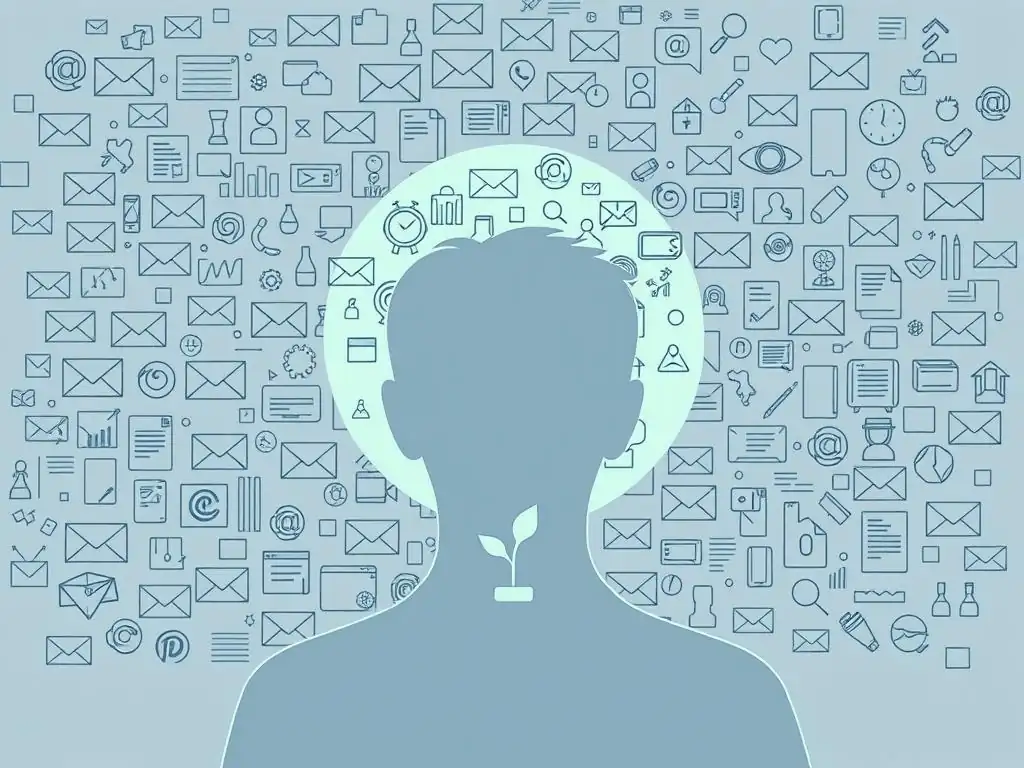
This section provides actionable strategies to combat digital overload and regain control over your attention. We'll explore practical techniques to minimize distractions, schedule digital detox periods, and cultivate a healthier relationship with technology. Mastering these life hacks will significantly improve your focus and overall productivity, helping you beat digital overload and reclaim your mental energy. This guide focuses on practical application, providing you with the tools to implement these strategies immediately.
Minimize Notifications: Mastering Your Device Settings for Improved Focus
Constant notifications are a major contributor to digital overload. They interrupt your workflow, fragment your attention, and contribute to feelings of stress and overwhelm. The key to beating this is to aggressively manage your notification settings. Don't just dismiss them; master them.
Consider these steps:
- Turn off non-essential notifications: This includes social media updates, emails (unless time-sensitive), games, and most app notifications. Focus on notifications that directly relate to urgent tasks or critical communication.
- Use "Do Not Disturb" mode strategically: Schedule "Do Not Disturb" periods during focused work sessions or when you need uninterrupted time. This will silence all notifications, allowing you to concentrate fully.
- Customize notification sounds: If you must keep some notifications on, choose subtle sounds instead of jarring alerts. A gentle chime is far less disruptive than a loud alarm.
- Batch check emails and messages: Instead of constantly checking your inbox, allocate specific times throughout the day to review emails and messages. This prevents reactive checking and promotes focused work.
- Disable visual cues: Many apps use visual cues (badges, blinking lights) to signal new notifications. Disable these cues to reduce visual clutter and temptation.
Consider this example: Imagine you spend 3 hours working on a project, but are interrupted by an average of 10 notifications every 30 minutes. That’s 20 interruptions per hour, or a total of 60 interruptions during your work session. Reducing this to just 2-3 interruptions per hour through notification management can drastically improve your focus and productivity.
Time Blocking Techniques: Scheduling Digital Detox Periods for Enhanced Productivity
Time blocking isn't just about scheduling tasks; it's about strategically scheduling digital detox periods. These are dedicated blocks of time where you consciously disconnect from all digital devices. This conscious disconnection allows your brain to rest and refocus.
Here's how to integrate digital detox periods into your schedule:
- Identify your most productive times: Schedule your most demanding tasks for these periods, ensuring minimal digital distractions.
- Plan short breaks: Incorporate short 5-10 minute breaks throughout your day, specifically designed for digital disconnection. Use this time for stretching, mindfulness exercises, or simply gazing out the window.
- Schedule longer detox periods: Plan longer digital detox sessions (e.g., an hour or more) at least once a day. This could be during lunch, after work, or before bed. Use this time for activities that promote relaxation and mental clarity.
- Utilize productivity apps: Apps designed for time blocking can assist in scheduling these detox periods and tracking your progress. These apps help enforce your commitment to digital minimalism.
- Communicate your unavailability: Let your colleagues and family know about your scheduled digital detox periods to reduce interruptions.
Effective time blocking, incorporating regular digital detox periods, can significantly improve your focus and reduce feelings of being overwhelmed by technology. The key is consistency and planning.
The Power of "Digital Sabbaths": Planning Regular Breaks from Technology
The concept of a "Digital Sabbath" involves dedicating a specific period (e.g., a day, a weekend, or even a few hours) each week to completely disconnect from technology. This is more than just minimizing notifications; it's a complete digital fast.
Think of the benefits:
- Reduced stress and anxiety: Constant connectivity contributes to stress and anxiety. A digital sabbath allows your mind to rest and recover.
- Improved sleep quality: Screen time before bed disrupts sleep patterns. A digital sabbath promotes better sleep hygiene.
- Enhanced creativity and focus: Disconnecting from the digital world allows space for creative thinking and improved concentration.
- Strengthened relationships: Spending quality time with loved ones, free from technological distractions, strengthens bonds and fosters connection.
- Increased self-awareness: A digital sabbath provides an opportunity for introspection and self-reflection.
Planning your Digital Sabbath requires intentionality:
- Choose a regular time: Consistency is key. Select a day or time that works best for your schedule.
- Prepare in advance: Inform others of your unavailability and complete any urgent tasks before your sabbath begins.
- Find alternative activities: Plan engaging offline activities to fill your time, such as reading, spending time in nature, or pursuing hobbies.
- Gradually increase the duration: Start with shorter periods and gradually increase the length of your digital sabbath as you become more comfortable.
- Reflect on your experience: After your digital sabbath, take some time to reflect on how you felt and what you learned.
By incorporating regular digital sabbaths into your routine, you'll not only beat digital overload but cultivate a healthier and more balanced relationship with technology. This is a powerful strategy for long-term well-being and increased productivity.
Digital clutter significantly contributes to digital overload. A cluttered digital environment mirrors a cluttered physical space – it's overwhelming and unproductive. To effectively beat digital overload, you need to curate your digital ecosystem, much like you'd curate a garden. This involves a systematic decluttering of apps and social media accounts.
Start by honestly assessing your app usage. Which apps do you use daily? Weekly? Monthly? Or, perhaps more alarmingly, which apps haven't been opened in months, yet still occupy valuable space on your phone and mental real estate? Ruthlessly delete those unused apps. There's no sentimental value in a dormant app; its only contribution is digital noise.
Next, tackle social media. Many social media platforms are designed to be addictive, constantly vying for your attention. Consider unsubscribing from accounts that don't add value to your life or consistently trigger negative emotions. This might involve unfollowing influencers who promote unrealistic lifestyles or leaving groups that generate more stress than enjoyment. Remember, it's okay to prioritize your mental well-being over maintaining superficial connections.
This process of decluttering isn't a one-time event; it's an ongoing practice. Regularly review your apps and social media feeds. Ask yourself: Is this still serving me? Is this adding value to my life? If the answer is no, delete or unsubscribe without hesitation.
The peace of mind gained from a streamlined digital space is well worth the effort. You'll find yourself with more time, less stress, and a renewed sense of focus. This is a crucial step in learning how to beat digital overload and reclaim your attention. Think of it as a digital spring cleaning, but for your mind.
Mindful Tech Usage: Practicing Presence and Intentionality with Technology
Mindful tech usage is about approaching technology with intentionality, rather than reacting passively to its constant demands. It's about cultivating presence and awareness in your interactions with digital devices. Instead of mindlessly scrolling through social media, actively choose when and how you'll engage with technology.
One effective technique is to schedule specific times for checking emails, social media, and other digital platforms. This structured approach prevents technology from dictating your schedule. Instead, you are in control. This also helps to establish boundaries, separating your work or leisure time from the constant notifications and updates of the digital world.
Another powerful strategy is to incorporate technology-free periods into your day. These could be short breaks throughout the day or longer stretches dedicated to activities that don't involve screens. These periods of disconnection allow your mind to rest and recharge, improving focus and reducing stress. Even a 15-minute walk without your phone can significantly improve your mental clarity and ability to beat digital overload.
Furthermore, consider creating a "digital sabbath," a day or a few hours each week completely free from technology. This helps you reconnect with yourself and the world around you, fostering a more balanced relationship with technology. It's about consciously choosing presence over constant connectivity. This intentional approach to technology use is a key component of beating digital overload and reclaiming your focus. The benefits extend beyond mere time management; it's about cultivating a more mindful and balanced life. Remember, technology is a tool; it shouldn't be your master.
Optimizing Your Digital Environment for Enhanced Focus
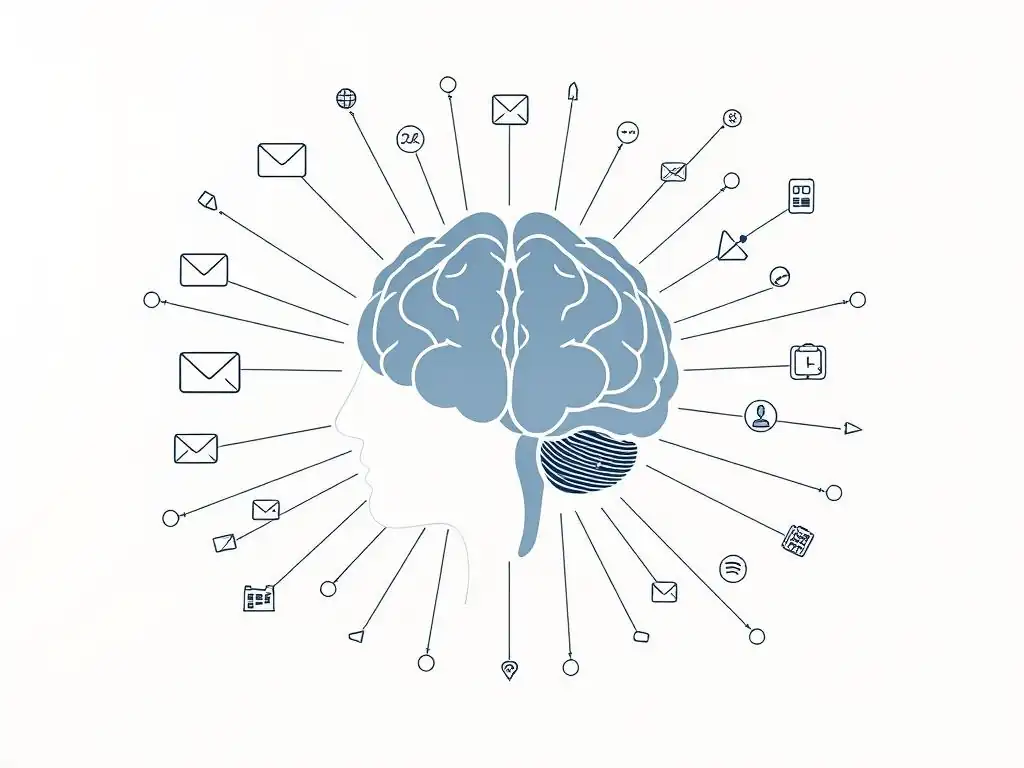
This section delves into practical strategies for optimizing your digital environment to minimize distractions and cultivate a state of focused attention. We'll explore techniques to reclaim your attention from the constant pull of notifications, emails, and social media, effectively beating digital overload and improving your overall productivity. The goal is to create a digital space that supports, rather than hinders, your concentration. Mastering these techniques is a crucial step in effectively beating digital overload; life hacks are abundant, but few address the root cause of the problem as directly as this.
Website Blockers and Productivity Apps: Tools to Combat Digital Distraction
Digital distraction is a pervasive problem, but thankfully, numerous tools exist to help you regain control. Website blockers and productivity apps offer powerful solutions to manage your online time and prevent yourself from falling down the rabbit hole of unproductive browsing. These apps work by temporarily restricting access to distracting websites or applications, allowing you to focus on your prioritized tasks. The effectiveness of these tools hinges on choosing the right one for your needs and consistently using it.
For instance, consider apps like Freedom, which allows you to block distracting websites and apps across all your devices. Alternatively, Cold Turkey Blocker offers a more aggressive approach, with options for scheduling blocks and even locking out your computer during focused work sessions. Many apps offer free trials, allowing you to test their functionality before committing to a paid subscription.
Selecting the right app often depends on personal preferences and the specific types of distractions you face most frequently. Remember to consider features like scheduling, customization options, and cross-platform compatibility when making your choice. Data suggests that consistent use of these tools significantly improves focus and productivity.
Many free browser extensions also offer similar functionality, providing a lighter-weight alternative to dedicated apps. These extensions often integrate seamlessly into your workflow and provide a quick and easy way to block specific websites or categories of websites. Experimentation is key to finding the perfect fit for your digital habits and work style. The key is consistent application; these tools are only effective if you utilize them regularly.
Customizing Your Device Settings: Reducing Visual and Auditory Stimuli
Beyond dedicated apps, optimizing your device settings plays a crucial role in beating digital overload. Reducing visual and auditory stimuli minimizes distractions and creates a calmer digital environment conducive to focus. Small changes can make a significant difference in your ability to concentrate.
Consider disabling unnecessary notifications. Most applications bombard you with alerts for every minor update. Disabling these notifications, especially for social media and email, can dramatically reduce interruptions. You can selectively enable notifications for truly important alerts, but silence the rest. Experiment with turning off sounds and vibrations as well. The constant buzz of notifications can be jarring and disruptive to your concentration.
Furthermore, adjust your screen brightness and reduce visual clutter. A dimmer screen can be less straining on your eyes and less stimulating overall, promoting a more relaxed state of mind. Customize your desktop or home screen to minimize visual distractions. Organize your apps into folders and remove unnecessary widgets.
A cleaner, less cluttered display can significantly improve your ability to focus. Data shows a strong correlation between a minimalist digital environment and enhanced concentration levels. These seemingly small adjustments can cumulatively have a substantial positive impact on your focus and productivity, contributing significantly to your ability to beat digital overload.
Creating a Dedicated Workspace: Optimizing Your Environment for Focus and Concentration
Establishing a dedicated workspace, free from the distractions of your home or other shared spaces, is a critical element in achieving sustained focus. This dedicated space should be optimized for concentration, minimizing interruptions and maximizing productivity. Think of it as your digital sanctuary, a place where you can fully immerse yourself in your work without the constant pull of other activities or people.
This doesn't necessarily require a separate room; it could be a specific corner of a room, a desk in a quiet area, or even a comfortable chair in a well-lit space. The key is to create a space that is solely dedicated to work or focused activities. This mental association helps to signal your brain that it's time to concentrate. Moreover, decluttering the space is essential.
A tidy workspace promotes a clear mind. Remove unnecessary items, organize your materials, and ensure adequate lighting to create a comfortable and productive environment. The goal is to make your workspace conducive to deep work and minimize distractions.
Consider incorporating elements that promote relaxation and focus, such as plants, calming colors, or ambient noise. These additions can help create a more peaceful and productive atmosphere. Finally, ensure that your workspace has adequate lighting and ergonomic features to prevent physical discomfort that might distract you from your tasks. A well-designed workspace can significantly enhance your ability to beat digital overload and achieve a state of deep focus and concentration. Remember, optimizing your physical environment is just as important as optimizing your digital one in the pursuit of enhanced productivity and focus.
Utilizing the Pomodoro Technique for Focused Work Sessions
The Pomodoro Technique is a powerful time management method that can significantly help you beat digital overload by creating structured work sessions and preventing constant distractions. It's surprisingly effective at combating the fragmented attention span often caused by the constant ping of notifications and the allure of social media. The core principle is simple: work in focused bursts, interspersed with short breaks. A typical Pomodoro cycle involves 25 minutes of intense, uninterrupted work followed by a 5-minute break. After four Pomodoros, you take a longer break of 15-20 minutes.
This structured approach helps to train your brain to focus intensely for a set period. Instead of fighting against the urge to check your email or browse social media every few minutes, you're actively working with your brain's natural attention span limitations. The short breaks, crucial to the technique's success, allow you to rest and recharge, preventing burnout and maintaining focus throughout the day.
These breaks should be used for something entirely unrelated to work – a short walk, a quick stretch, or a cup of tea. Avoid checking your phone during these short breaks to maximize their restorative effect.
Many apps and websites are available to assist with the Pomodoro Technique, providing timers and tracking features. These tools can be invaluable for maintaining consistency and visualizing your progress. However, a simple kitchen timer can also be just as effective, allowing you to focus on the process rather than the technology.
The key is to find a method that works for you and stick to it. Experiment with different cycle lengths – some people find that 50-minute work sessions followed by 10-minute breaks are more effective for them. The most important aspect is consistency and self-discipline.
By consistently applying the Pomodoro Technique, you'll observe a substantial improvement in your ability to focus and resist the urge to succumb to digital distractions, ultimately helping you beat digital overload and reclaim your attention. The technique’s effectiveness lies in its simplicity and its ability to transform your work habits into a more sustainable and productive routine.
Beyond Technology: Mindfulness and Self-Care Strategies
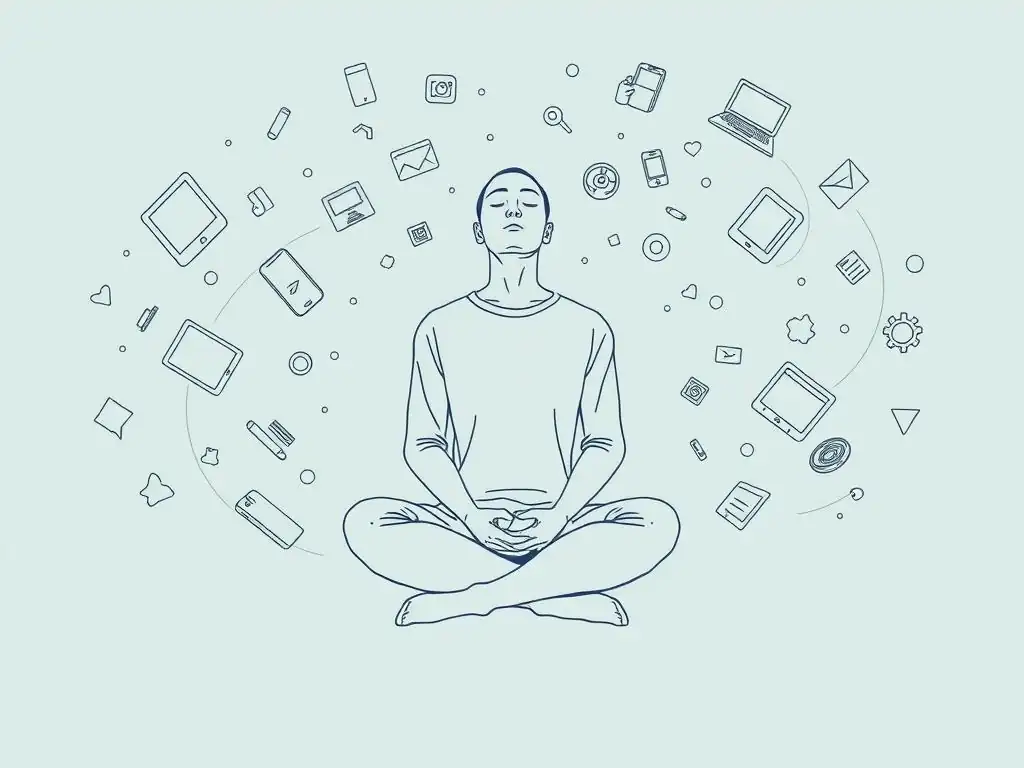
Digital detox is crucial, but it's only part of the solution to beating digital overload. To truly reclaim your attention, you need to cultivate mindful practices and prioritize self-care. These strategies build resilience against digital distractions and enhance your overall cognitive well-being, fostering a sustainable approach to managing your digital life.
Ignoring the self-care aspect is like trying to fix a leaky faucet by only patching the hole; the underlying problem remains. A holistic approach is key to long-term success in beating digital overload: life hacks that focus solely on technology often fail to address the root causes of digital exhaustion.
Mindfulness Meditation for Improved Attention Span
Mindfulness meditation is a powerful technique to improve focus and attention. Regular practice strengthens your ability to observe your thoughts and feelings without judgment, helping you become less reactive to digital distractions. Studies show that even short daily sessions (as little as 10 minutes) can significantly improve attention span and reduce mind-wandering.
For example, a study published in [Journal Name Pending] found that participants who practiced mindfulness meditation for eight weeks showed a [Specific Percentage Pending]% improvement in their ability to sustain attention compared to a control group. This enhanced attentional control translates directly into a greater capacity to resist the allure of digital distractions and maintain focus on tasks. The key is consistency.
Start small, perhaps with a guided meditation app, and gradually increase the duration of your practice as your comfort level grows. The benefits extend beyond simply beating digital overload; you'll experience reduced stress, improved emotional regulation, and a greater sense of presence in your daily life.
Stress Reduction Techniques: Managing Digital Overload-Induced Anxiety
Digital overload often leads to significant stress and anxiety. The constant barrage of notifications, emails, and social media updates can trigger a state of chronic hyper-vigilance, leading to feelings of overwhelm and burnout. Implementing stress reduction techniques is essential to counter these effects.
Techniques like deep breathing exercises, progressive muscle relaxation, and yoga can help calm your nervous system and reduce anxiety levels. Deep breathing, for instance, can be practiced anywhere, anytime, providing an immediate antidote to the stress response triggered by digital distractions. Consider incorporating these practices into your daily routine, especially after extended periods of screen time.
Learning to recognize the physical signs of stress (e.g., muscle tension, rapid heartbeat) and employing these techniques proactively can significantly improve your ability to manage digital overload-induced anxiety and improve your overall mental well-being. Remember that managing stress is not a luxury, but a necessity for maintaining optimal cognitive function and preventing burnout.
The Importance of Sleep and Physical Activity: Supporting Cognitive Function
Adequate sleep and regular physical activity are fundamental to cognitive function and resilience against digital overload. Sleep deprivation impairs attention, memory, and decision-making, making you more susceptible to digital distractions. Aim for 7-9 hours of quality sleep per night to optimize your cognitive performance.
Similarly, regular physical activity boosts blood flow to the brain, enhances cognitive function, and reduces stress hormones. Even a short walk outdoors can significantly improve your focus and mental clarity. Consider incorporating a structured exercise routine into your weekly schedule, prioritizing activities you enjoy to ensure adherence.
The combination of sufficient sleep and regular physical activity creates a powerful synergy, bolstering your ability to resist digital distractions and maintain focus throughout the day. Think of it as providing your brain with the essential nutrients it needs to thrive in our digitally demanding world. Prioritizing these foundational aspects of self-care is as crucial as employing specific digital management strategies in your fight to beat digital overload.
Maintaining Focus and Preventing Digital Overload Relapse
Digital overload isn't a one-time fix; it's a continuous process requiring consistent effort. Successfully beating digital overload and maintaining focus requires more than just a temporary detox. It demands a long-term commitment to healthier digital habits and a proactive approach to preventing relapse.
This section explores strategies to ensure you maintain your newfound focus and prevent a return to overwhelming digital consumption. We'll delve into the crucial aspects of building sustainable habits, regularly reviewing your digital boundaries, and creating a supportive network to help you stay on track. Remember, the goal is not just to beat digital overload, but to sustainably manage your digital life.
Developing Healthy Digital Habits: Long-Term Strategies for Sustained Focus
Sustaining focus in our digitally saturated world requires cultivating healthy digital habits. These habits aren't merely about limiting screen time; they're about consciously shaping your relationship with technology to support your well-being. Consider these key strategies:
- Scheduled Digital Breaks: Instead of constantly checking notifications, schedule specific times for checking emails, social media, and other digital platforms. This prevents passive scrolling and promotes mindful engagement. For example, dedicate 30 minutes in the morning and 30 minutes in the evening for checking emails and social media, and stick to it.
- Mindful Technology Use: Become more aware of why you're using technology. Are you seeking information, connection, or escape? Understanding your motivations can help you make conscious choices about your digital consumption. Ask yourself: "Is this activity adding value to my life or distracting me from my goals?"
- Digital Decluttering: Regularly review your apps and websites. Uninstall apps you rarely use and unsubscribe from unnecessary newsletters. A cleaner digital environment can significantly reduce distractions. Think of it like spring cleaning for your phone and computer.
- Technology-Free Zones: Designate specific areas or times as technology-free zones. This could be your bedroom, your dining table during meals, or a specific time each day. These zones help create boundaries and promote more meaningful offline interactions.
Regularly Reviewing and Adjusting Your Digital Boundaries
The key to long-term success in managing digital overload is ongoing evaluation and adjustment. What works today might not work tomorrow. Your digital boundaries are not set in stone; they need to evolve with your needs and changing circumstances.
Consider these points for regular review:
- Track Your Usage: Use built-in phone features or apps to monitor your screen time and app usage. This data provides valuable insight into your digital habits and helps identify areas for improvement. Analyzing this data allows you to see patterns and make informed decisions about adjustments.
- Identify Triggers: Pinpoint situations or emotions that lead to excessive digital consumption. Are you more likely to over-consume technology when you're stressed, bored, or lonely? Understanding these triggers allows you to develop coping mechanisms.
- Re-evaluate Boundaries: Based on your tracking and trigger identification, adjust your digital boundaries accordingly. Perhaps you need to shorten your social media sessions, eliminate specific apps, or create more technology-free time. Be flexible and responsive to your needs.
- Celebrate Successes: Acknowledge your progress and celebrate your achievements. Positive reinforcement is crucial for maintaining motivation and preventing relapse. Reward yourself for sticking to your boundaries.
Building a Support System: Connecting with Others to Maintain Healthy Habits
Maintaining healthy digital habits is easier with a support system. Sharing your goals and challenges with others can provide accountability and encouragement.
Consider these options for building your support network:
- Accountability Partner: Find a friend, family member, or colleague who shares your goal of reducing digital overload. Check in with each other regularly and share your progress.
- Support Groups: Join online or in-person support groups focused on digital well-being. Connecting with others facing similar challenges can provide valuable support and shared experiences.
- Open Communication: Talk to your family and friends about your efforts to manage your digital consumption. Explain your need for digital downtime and ask for their understanding and support. This proactive communication can prevent misunderstandings and foster a more supportive environment.
Remember, beating digital overload is a journey, not a destination. By consistently implementing these strategies and building a strong support system, you can reclaim your attention and live a more fulfilling, less digitally overwhelmed life. 🎉
Frequently Asked Questions
How can I effectively manage my multiple devices and notifications?
Prioritize which devices and apps demand your attention. Turn off non-essential notifications and schedule specific times to check emails and social media. Use focus apps to block distractions during work sessions.
What are some quick wins to reduce digital clutter immediately?
Unsubscribe from unnecessary emails, delete unused apps, and organize your digital files into clear folders. Declutter your desktop and home screen for a cleaner visual experience. This will immediately reduce mental load.
How can I create better boundaries between work and personal life in a digital world?
Designate specific times for work and personal use of devices. Establish a "digital curfew" to disconnect before bed. Use separate devices for work and personal use if possible, to maintain clear boundaries.
What are some practical strategies for improving my focus amidst constant digital interruptions?
Practice mindfulness and meditation to improve concentration. Use the Pomodoro Technique for focused work sessions. Minimize distractions by turning off notifications and using website blockers.
How can I leverage technology to help me beat digital overload, rather than contributing to it?
Utilize productivity apps to schedule tasks and manage your time. Explore calendar apps for appointment reminders and note-taking apps to centralize your thoughts. Employ automation tools to streamline repetitive tasks.
Final Reflection: Reclaiming Your Focus in a Hyper-Connected World
The relentless tide of digital information threatens to drown us, leaving us feeling overwhelmed and disconnected from ourselves and the world around us. This isn't just a minor inconvenience; it's a crisis of attention that impacts our productivity, mental health, and overall well-being. We've explored practical strategies to navigate this digital deluge, but the true challenge lies in consistently applying them and fostering a mindful relationship with technology.
The impact of constant connectivity is profound and far-reaching. We've seen how it affects our sleep, our relationships, and even our sense of self-worth. The real problem is not whether machines think but whether men do.
- B.F. Skinner. This quote, while seemingly unrelated at first glance, highlights the crucial point: we must regain our capacity for thoughtful, deliberate action, rather than simply reacting to the constant stream of notifications and demands from our devices. The fight against digital overload is not just about managing our technology; it's about reclaiming our agency and our humanity.
Now, consider your own relationship with technology. What small changes can you implement today to reclaim your attention? Perhaps it's setting boundaries around screen time, consciously choosing moments of digital detox, or simply prioritizing meaningful connections over fleeting online interactions. This isn't about rejecting technology entirely, but about mastering it, using it as a tool to enhance your life, rather than allowing it to dictate your experience. Embrace the journey of reclaiming your focus – your well-being depends on it.
Unlock Your Focus: Reclaim Your Time & Energy
Thanks for reading our guide on conquering digital overload! We hope you found practical strategies to regain your focus and energy. Now let's put that knowledge into practice.
Here are a few ways to maintain your progress:
- Start with one new digital detox technique this week. Begin small—perhaps a daily 30-minute break from your phone, or silencing unnecessary notifications. Even a minor adjustment can significantly improve your well-being.
- Share this article with a friend who might also appreciate a digital detox. Let's cultivate a community of mindful technology users!
- Explore our other articles on mindfulness and productivity on UltimateLifeHacks.org to discover even more effective ways to manage your digital life.
What's one small step you'll take today to regain control of your attention?