
The Secret Weapon Against Desk Fatigue: Office Workout Routines Revealed

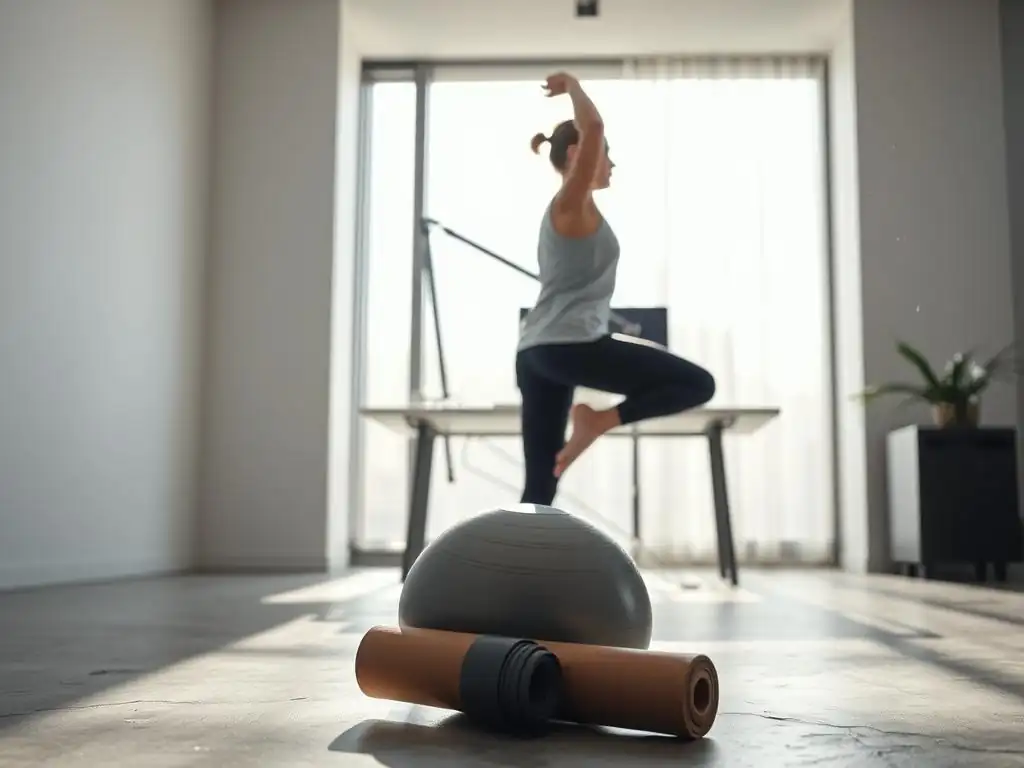
Feeling the afternoon slump hitting hard? Drained by desk work and battling fatigue? At UltimateLifeHacks, we're dedicated to arming you with the ultimate productivity tools – and that includes your physical wellbeing. Discover the secret to conquering office workout routine fatigue and reclaiming your energy with our expert guide. Ready to unlock peak performance and a healthier, more energized you? Let's dive into the Office Workout Routine Fatigue solution!
- Understanding Desk Job Fatigue and Its Impact
- Combatting Office Workout Routine Fatigue: Simple Exercises for the Workplace
- Creating Your Personalized Office Workout Routine to Fight Fatigue
- Advanced Office Workout Routine Strategies for Maximum Results
- Maintaining Motivation and Consistency: Tips for Long-Term Success
- Frequently Asked Questions
- Final Reflection: Reclaiming Your Energy: The Power of Movement at Work
- Unleash Your Inner Athlete: Conquer Desk Fatigue Today!
Understanding Desk Job Fatigue and Its Impact
The modern workplace, often characterized by long hours spent seated at a desk, presents a significant challenge to our physical and mental well-being. The seemingly innocuous act of sitting for extended periods contributes to a pervasive problem: desk job fatigue. This fatigue isn't merely a feeling of tiredness; it's a complex interplay of physical strain, mental exhaustion, and increased risk of long-term health issues.
This article delves into the multifaceted nature of desk job fatigue and reveals effective office workout routines designed to combat its debilitating effects and boost overall productivity. We'll explore the physical toll of prolonged sitting, the impact on cognitive function, and the long-term health risks associated with a sedentary lifestyle, ultimately providing you with practical strategies to incorporate movement into your workday and reclaim your energy and focus. By understanding the root causes of desk job fatigue, we can implement targeted solutions to improve both our physical health and workplace performance.
This guide aims to provide you with the knowledge and tools to transform your workday from a source of fatigue into a source of sustained energy and accomplishment. Let's unlock the secret weapon against desk fatigue: a tailored office workout routine.
The Physical Toll of Prolonged Sitting: Posture, Muscle Strain, and Stiffness
Prolonged sitting wreaks havoc on the body, leading to a cascade of physical problems. Poor posture, a common consequence of desk work, strains the back, neck, and shoulders. The lack of movement causes muscles to weaken and stiffen, resulting in pain, discomfort, and reduced range of motion. This isn't just about occasional aches; consistent strain can lead to chronic conditions like lower back pain, carpal tunnel syndrome, and even osteoarthritis. Consider this: the average adult spends approximately 7.7 hours sitting each day. 1 That's a significant amount of time spent in a position that actively contributes to muscle imbalances and physical discomfort. The cumulative effect of this prolonged static posture is undeniable, leading to decreased flexibility, increased muscle tension, and a higher risk of injury. We need to actively counteract this by incorporating regular movement and stretches into our daily routine.
1 [Data source pending]
Mental Fatigue and Reduced Productivity: The Link Between Physical Inactivity and Cognitive Function
The connection between physical inactivity and mental fatigue is often underestimated. While we associate mental exhaustion with cognitive tasks, the physical toll of prolonged sitting significantly impacts brain function. Reduced blood flow to the brain, caused by inactivity, can lead to decreased alertness, concentration problems, and diminished cognitive performance. This translates to decreased productivity and an overall feeling of mental sluggishness.
Studies have shown a strong correlation between regular physical activity and improved cognitive function, including enhanced memory, attention span, and problem-solving skills. Incorporating even short bursts of exercise throughout the workday can significantly improve mental clarity and focus, leading to increased efficiency and a more positive work experience. The brain, just like the body, thrives on movement.
The Long-Term Health Risks of Sedentary Behavior: Cardiovascular Disease, Obesity, and More
The dangers of a sedentary lifestyle extend far beyond immediate discomfort. Prolonged sitting is a significant risk factor for a range of serious health conditions. The increased risk of cardiovascular disease, type 2 diabetes, and certain cancers is well-documented. Obesity, a major contributor to many health problems, is also strongly linked to sedentary behavior. The lack of physical activity disrupts metabolic processes, leading to weight gain and an increased risk of developing chronic illnesses.
Furthermore, prolonged sitting can negatively impact bone density, increasing the risk of osteoporosis and fractures. The cumulative effect of these risks underscores the importance of prioritizing regular physical activity, even in the context of a desk-bound job. By incorporating simple office workout routines, we can mitigate these risks and significantly improve our long-term health outlook. Investing in our physical well-being is an investment in our overall health and longevity.
Combatting Office Workout Routine Fatigue: Simple Exercises for the Workplace
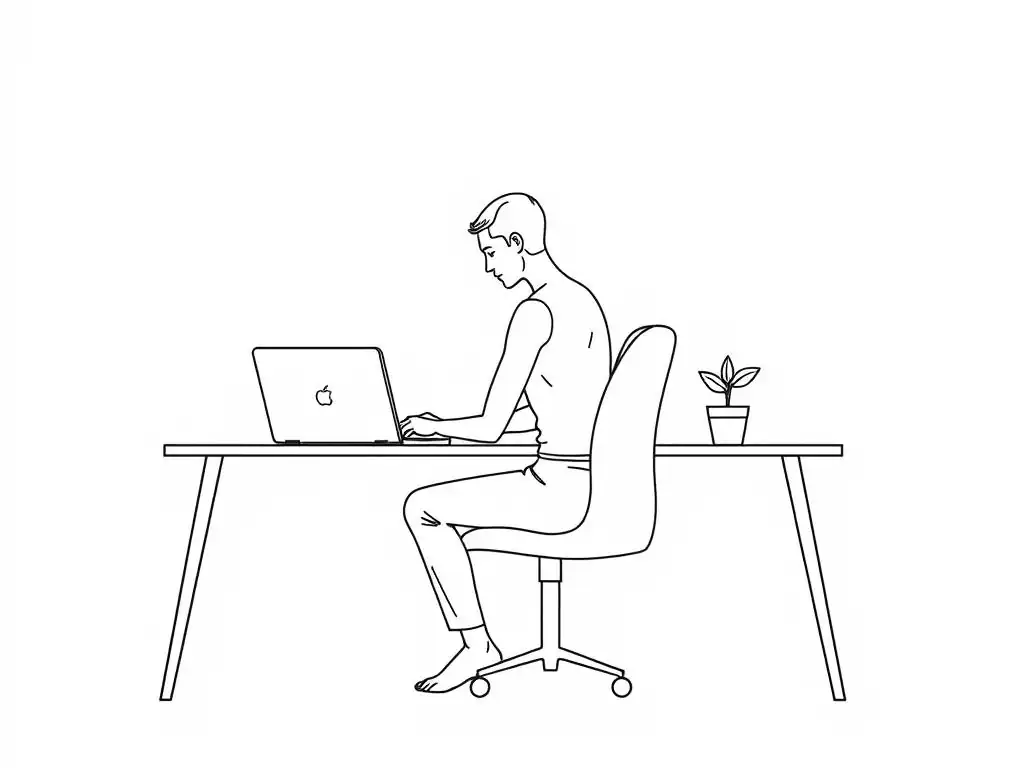
Office work often leads to prolonged periods of sitting, resulting in stiffness, discomfort, and ultimately, fatigue. A consistent office workout routine is crucial for combating this, but even the most dedicated individuals can experience burnout or find themselves losing motivation. This section explores strategies to prevent office workout routine fatigue and maintain a healthy, energized workday.
The key is to create a sustainable routine that integrates easily into your schedule and doesn't feel like a chore. We'll explore simple modifications and strategies to keep you engaged and reaping the benefits of regular exercise, even in a sedentary work environment. Remember, consistency is key, and even small bursts of activity throughout the day are more effective than sporadic intense sessions.
Quick Stretches to Relieve Tension: Neck, Shoulders, and Back
Prolonged sitting puts significant strain on your neck, shoulders, and back. Incorporating quick stretches throughout your workday can significantly alleviate this tension and prevent fatigue. These stretches require minimal space and can be performed discreetly at your desk.
Here's a sample routine you can follow every hour or two:
- Neck Rolls: Gently roll your neck clockwise for 5 rotations, then counterclockwise for 5 rotations. This improves neck mobility and reduces stiffness. Remember to keep your shoulders relaxed. 🧘♀️
- Shoulder Shrugs: Raise your shoulders towards your ears, hold for a few seconds, and then release. Repeat 10 times. This simple exercise releases tension in the upper trapezius muscles.
- Arm Stretches: Extend one arm straight out in front of you, and gently pull it towards your body using your other hand. Hold for 15-20 seconds, then repeat on the other side. This stretches your chest and shoulders.
- Back Extensions: Sit upright in your chair, place your hands behind your head, and gently lean back, arching your spine. Hold for a few seconds, then return to your upright position. Repeat 5-10 times. This counteracts the slouching that often accompanies prolonged desk work.
- Torso Twists: Gently twist your torso from side to side, keeping your spine straight. This improves spinal mobility and reduces stiffness in the lower back. Repeat 10 times on each side.
Remember to listen to your body and avoid pushing yourself too hard. These stretches should feel relieving, not painful. Regular performance of these stretches can significantly reduce the feeling of fatigue associated with prolonged sitting and help prevent injury.
Desk-Based Strength Training Exercises: Utilizing Everyday Objects for Resistance
You don't need expensive gym equipment to build strength at your desk. Everyday objects can be used for resistance training, adding a dynamic element to your office workout routine and preventing fatigue by increasing muscle strength and endurance.
Here are some examples:
| Exercise | Object Used | Reps/Sets | Focus |
|---|---|---|---|
| Chair Squats | Your chair | 10-15 reps, 3 sets | Legs and glutes |
| Water Bottle Bicep Curls | Filled water bottle | 10-15 reps, 3 sets | Biceps |
| Water Bottle Tricep Extensions | Filled water bottle | 10-15 reps, 3 sets | Triceps |
| Desk Push-Ups | Your desk | As many as possible, 3 sets | Chest, shoulders, triceps |
| Bookbag Rows | Filled bookbag | 10-15 reps, 3 sets | Back |
Remember to maintain proper form to avoid injury. Start with lighter weights or resistance and gradually increase the intensity as you get stronger. These exercises, performed regularly, can help combat fatigue by increasing your energy levels and overall fitness. The use of everyday objects makes this accessible and prevents the feeling that your office workout routine is too demanding.
Easy Cardio Bursts for Increased Energy: Incorporating Movement Throughout the Day
Incorporating short bursts of cardio into your workday can significantly boost your energy levels and combat the fatigue associated with prolonged sitting. These activities don't require leaving your workspace and can be easily integrated into your schedule.
Here are some ideas:
- Walking Meetings: Suggest a walking meeting for informal discussions. This allows for movement and fresh air while still accomplishing work tasks.
- Stair Climbing: Take the stairs instead of the elevator whenever possible. This provides a quick cardio boost and strengthens leg muscles.
- Desk-Based Exercises: Incorporate simple cardio exercises such as marching in place or jumping jacks during breaks. Even 2-3 minutes of this can make a difference.
- Standing Breaks: Take frequent standing breaks and move around your workspace to stretch your legs and improve circulation. Consider using a standing desk or regularly switching between sitting and standing positions. 🚶♀️
By implementing these easy cardio bursts throughout the day, you'll not only combat fatigue but also improve your cardiovascular health and overall well-being. Remember that even small amounts of movement can have significant benefits, especially when combating the effects of a sedentary office job and preventing office workout routine fatigue. The key is to find what works best for your schedule and preferences and to stick with it consistently.
Creating Your Personalized Office Workout Routine to Fight Fatigue
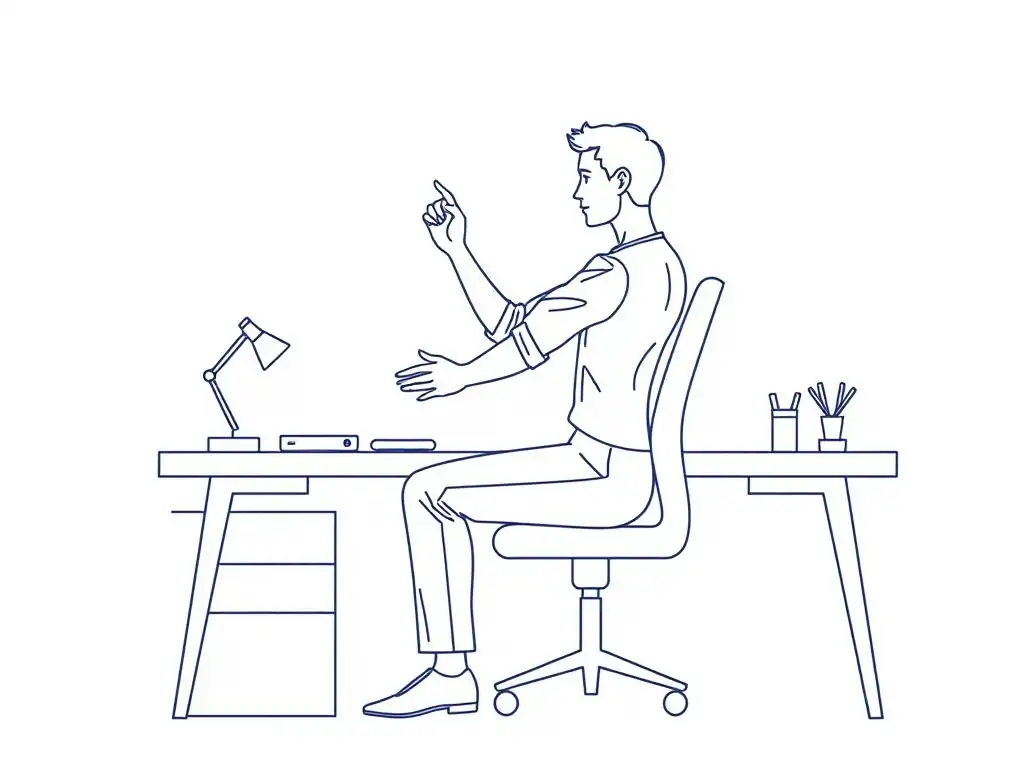
This section delves into the creation of a personalized office workout routine designed to combat desk fatigue, a common ailment affecting many office workers. We'll explore how to tailor a routine to your specific needs and limitations, ensuring maximum effectiveness and minimal disruption to your workday. Remember, consistency is key; even short, regular workouts are more beneficial than infrequent, strenuous sessions.
The goal is to integrate physical activity seamlessly into your daily routine to alleviate the physical and mental strain of prolonged sitting. We'll cover assessing your fitness level, scheduling workouts effectively, and selecting exercises to target specific problem areas. This approach will help you develop an effective Office workout routine fatigue solution.
Assessing Your Current Fitness Level and Limitations
Before diving into specific exercises, it's crucial to honestly assess your current fitness level and any physical limitations. Are you a complete beginner, someone with moderate fitness, or already quite active? Do you have any pre-existing injuries, such as back pain or knee problems? Ignoring these factors can lead to injury and derail your progress.
Consider these questions:
- Can you comfortably perform basic exercises like squats, push-ups (against a wall if needed), and lunges?
- Do you experience any pain or discomfort during or after physical activity?
- What is your current level of cardiovascular fitness? Can you comfortably walk for 30 minutes without getting winded?
Understanding your baseline fitness is vital for designing a safe and effective routine. Start slowly and gradually increase the intensity and duration of your workouts as your fitness improves. If you have any concerns or pre-existing conditions, consult with a healthcare professional or certified personal trainer before starting any new exercise program. They can provide personalized guidance and help you avoid potential injuries. Remember, listening to your body is paramount; don't push yourself too hard, especially when starting.
Designing a Schedule that Fits Your Workday: Short, Frequent Workouts vs. Longer Sessions
Integrating exercise into a busy workday requires careful scheduling. The most effective approach often involves short, frequent workouts rather than one long session. This strategy minimizes disruption to your workflow and prevents fatigue.
Consider these scheduling options:
| Schedule Type | Pros | Cons |
|---|---|---|
| Short, Frequent Workouts (e.g., 5-10 minutes every hour) | Minimal disruption to workflow, improved energy levels throughout the day | Requires discipline and consistent effort |
| Longer Sessions (e.g., 30-45 minutes twice a week) | Allows for more intense exercise, better cardiovascular fitness | Requires more dedicated time, may be harder to fit into a busy schedule |
| Combination Approach | Balances the benefits of both approaches | Requires careful planning and time management |
The optimal schedule depends on your individual preferences and work demands. Experiment with different approaches to find what best suits your lifestyle. Remember, even a few minutes of exercise are better than nothing. The key is to find a routine that you can stick to consistently. Consistency is far more important than intensity, especially when battling Office workout routine fatigue.
Choosing Exercises that Target Specific Problem Areas: Addressing Individual Needs
Office work often leads to specific muscle imbalances and stiffness. Your workout routine should address these problem areas. Common issues include neck and shoulder tension, lower back pain, and weak core muscles.
Here are some exercises to target these areas:
- Neck and Shoulder Tension: Neck stretches, shoulder rolls, and upper trapezius stretches.
- Lower Back Pain: Cat-cow stretches, pelvic tilts, and gentle back extensions.
- Weak Core Muscles: Plank variations, crunches, and bridges.
- Leg and Hip Stiffness: Leg stretches, hip flexor stretches, and simple squats.
Remember to focus on proper form to prevent injuries. Start with a few repetitions of each exercise and gradually increase the number as you get stronger. You can find many tutorials online demonstrating the correct form for each exercise. Consider incorporating variety into your routine to prevent boredom and plateauing. By focusing on exercises that alleviate your specific pain points, you can effectively combat Office workout routine fatigue and improve your overall well-being.
Advanced Office Workout Routine Strategies for Maximum Results
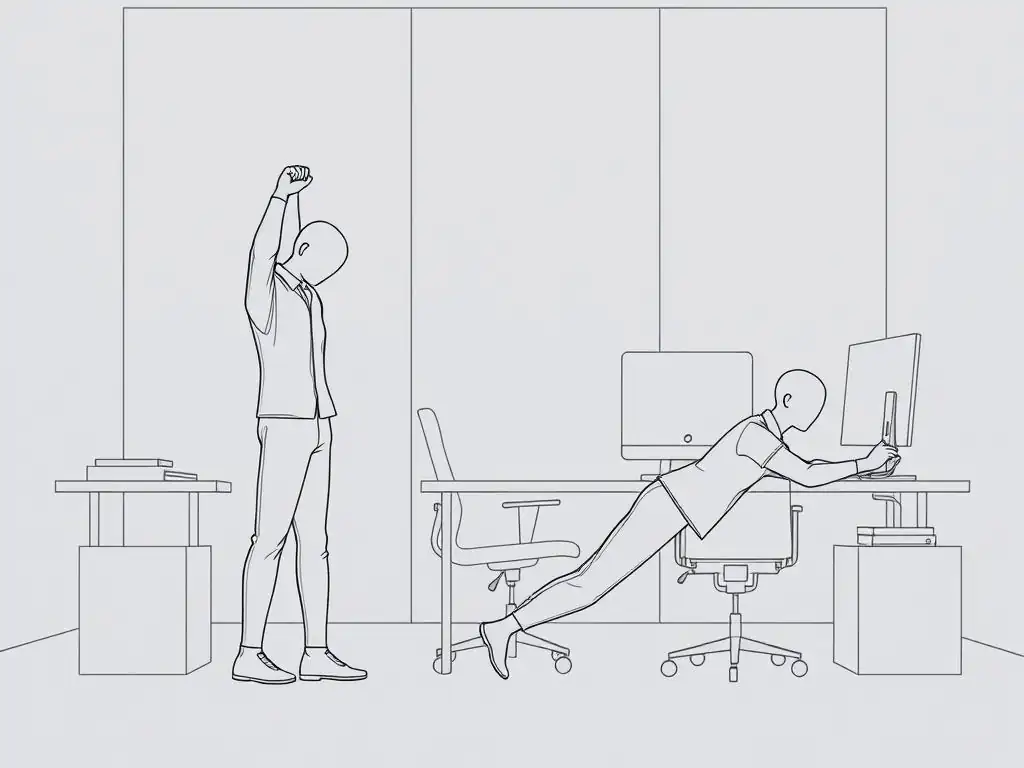
This section delves into sophisticated techniques to maximize the effectiveness of your office workout routine and combat fatigue more comprehensively. We'll move beyond basic stretches and explore strategies for holistic well-being, ensuring your office workout routine becomes a powerful tool against desk-related fatigue. Remember, consistency is key; even small, regular efforts accumulate significant benefits over time. The goal is to integrate fitness seamlessly into your workday, not to add extra stress.
Incorporating Mindfulness and Breathing Exercises for Stress Reduction
Chronic desk work often leads to physical tension and mental stress, exacerbating fatigue. Mindfulness and breathing exercises offer a powerful countermeasure. These techniques aren't just about relaxation; they directly impact your physical state by reducing muscle tension and improving circulation. Consider these practices:
- Diaphragmatic Breathing (Belly Breathing): This simple technique involves consciously breathing deeply into your abdomen, expanding your belly as you inhale and contracting it as you exhale. Aim for 5-10 minutes daily, focusing on the sensation of your breath. This can significantly reduce stress hormones and promote a sense of calm, combatting the fatigue associated with prolonged sitting.
- Progressive Muscle Relaxation: This technique involves systematically tensing and releasing different muscle groups in your body. Start with your toes, tensing them for 5 seconds, then releasing for 30 seconds. Gradually work your way up to your head, noticing the difference between tension and relaxation. Regular practice can significantly reduce muscle stiffness and tension headaches, common symptoms of office fatigue.
- Mindful Movement Breaks: Integrate short mindfulness exercises into your workday. Take a 5-minute break every hour to stand, stretch, and focus on your breath. Even simple stretches combined with mindful breathing can significantly improve your energy levels and reduce feelings of fatigue. Data from studies show a marked reduction in stress and improved mood with just 10 minutes of mindful movement daily.
Utilizing Workplace Amenities for Fitness: Gym Access, Walking Meetings, and Stair Climbing
Many modern workplaces offer amenities that can enhance your office workout routine. Take advantage of these resources to maximize your fitness efforts and combat fatigue effectively. Don't underestimate the power of small changes!
| Amenity | How to Utilize for Fitness | Benefits |
|---|---|---|
| On-site Gym | Dedicate 30 minutes during lunch or after work. | Improved cardiovascular health, strength building, reduced stress. |
| Walking Meetings | Propose walking meetings for informal discussions. | Increased physical activity, improved creativity, better collaboration. |
| Stairs | Opt for stairs instead of elevators. | Improved cardiovascular fitness, increased calorie burning. |
| Standing Desk | Alternate between sitting and standing throughout the day. | Improved posture, reduced back pain, increased calorie expenditure. |
Remember to check with your workplace for available resources and guidelines. Even utilizing a small portion of these amenities can make a noticeable difference in your energy levels and overall well-being throughout the day. The key is to make these fitness choices habitual rather than sporadic.
Tracking Progress and Adjusting Your Routine: Monitoring Effectiveness and Making Modifications
Tracking your progress is crucial for sustained motivation and effective fatigue management. Monitoring your workout routine's effectiveness allows you to make necessary adjustments and optimize your approach. Consider these strategies:
- Maintain a Workout Log: Record your daily workouts, noting the exercises, duration, and intensity. This allows you to track your progress and identify areas needing improvement. Did you notice a reduction in fatigue on days you incorporated mindfulness exercises? Does stair climbing energize you more than a standing desk? Note these observations.
- Measure Your Energy Levels: Use a simple scale (1-10) to rate your energy levels before and after your workouts. This provides quantifiable data to demonstrate the positive impact of your routine. If your energy levels aren't improving, it's time to adjust your strategy.
- Listen to Your Body: Pay attention to your body's signals. If you experience pain or discomfort, modify your routine or consult a healthcare professional. Avoid pushing yourself too hard, especially when starting. Consistent, moderate exercise is more effective for long-term fatigue management than sporadic intense workouts. Remember, the goal is sustainable fitness integrated into your work life, not short-term gains.
By actively tracking your progress and making informed adjustments, you'll create a personalized office workout routine that effectively combats fatigue and promotes long-term well-being. Remember, consistency and adaptation are key to success. The effectiveness of your "office workout routine fatigue" solution hinges on these principles.
Maintaining Motivation and Consistency: Tips for Long-Term Success
Sustaining an office workout routine requires more than just initial enthusiasm; it demands a strategic approach to motivation and consistency. Many people start strong, but the challenge lies in maintaining that momentum over the long haul. This section will explore practical strategies to combat the common pitfalls and ensure your office workout routine becomes a sustainable habit, not a fleeting fad. Successfully integrating exercise into your workday requires careful planning and a commitment to self-care. Remember, combating office workout fatigue is a marathon, not a sprint.
Setting Realistic Goals and Celebrating Milestones
One of the biggest obstacles to long-term success is setting unrealistic expectations. Beginning with overly ambitious goals often leads to burnout and abandonment of the routine. Instead, focus on incremental progress. Instead of aiming for a full hour-long workout every day, start with 10-15 minutes of stretching and simple exercises. Gradually increase the duration and intensity as you build strength and stamina.
For example, your first week's goal might be to complete a 10-minute stretching routine three times. The following week, you could add a 5-minute strength training segment. This gradual approach makes the process less daunting and fosters a sense of accomplishment. Don't forget to celebrate these milestones! Acknowledge your progress, no matter how small.
This positive reinforcement is crucial for maintaining motivation and preventing feelings of inadequacy. A small reward, like a healthy treat or a relaxing bath, can go a long way in reinforcing positive habits. Track your progress using a journal or fitness app to visually see your achievements and stay motivated. This visual representation of your dedication can be incredibly powerful.
Finding an Accountability Partner or Joining a Fitness Group
The power of accountability is often underestimated. Having someone to check in with, share your progress, and offer support can significantly improve adherence to your office workout routine. This could be a colleague, a friend, or a family member. Regular check-ins, even brief ones, can keep you motivated and prevent you from skipping workouts.
Alternatively, consider joining a fitness group specifically designed for office workers. The shared experience and camaraderie can create a supportive environment that encourages consistency. Group fitness classes, even virtual ones, can provide structure, variety, and the added benefit of social interaction, combating feelings of isolation and boosting motivation. The shared goals and mutual support within a group can be exceptionally effective in overcoming the challenges of maintaining a regular workout schedule. Research local gyms or online platforms to find groups that align with your fitness level and preferences.
Rewards and Incentives to Keep You Motivated: Recognizing and Rewarding Progress
Beyond celebrating milestones, incorporating a system of rewards and incentives can be a powerful tool for maintaining motivation. These rewards should be aligned with your personal interests and preferences. They don't have to be extravagant; even small, consistent rewards can make a significant difference.
For instance, after completing a week of consistent workouts, you could reward yourself with a new book, a relaxing massage, or a guilt-free indulgence in your favorite healthy snack. The key is to associate positive feelings with your workout routine. This positive reinforcement strengthens the habit loop, making it easier to stick to your plan. Consider creating a reward system with escalating rewards for achieving longer-term goals.
This will provide continuous motivation and a sense of accomplishment as you progress. Remember, the goal is to create a sustainable, enjoyable routine that benefits your physical and mental well-being. The rewards should enhance that experience, not detract from it.
Frequently Asked Questions
How can I combat office workout fatigue?
The best way to combat fatigue is to vary your routine. Include different exercises and intensity levels to prevent boredom and plateaus. Remember to listen to your body and adjust accordingly.
What are some quick office workouts I can do?
Try short bursts of activity throughout the day. Simple stretches, chair exercises, and quick walks around the office can significantly reduce fatigue. Prioritize proper form to avoid injury.
Is it necessary to have special equipment for office workouts?
No, many effective exercises require no equipment at all. Bodyweight exercises are perfect for the office, requiring only your own body weight for resistance. Consider investing in a resistance band for added challenge.
How often should I do office workouts to fight fatigue?
Aim for at least 15-20 minutes of activity most days of the week. This can be broken up into shorter sessions. Consistency is key for seeing results and reducing fatigue. Short, frequent sessions are more effective than one long workout.
What if I feel more tired after an office workout?
If you consistently feel more tired after an office workout, reevaluate your intensity and duration. You may be overtraining. Ensure you're getting enough sleep and proper nutrition. Consider consulting a healthcare professional.
Final Reflection: Reclaiming Your Energy: The Power of Movement at Work
The pervasive nature of desk-based jobs is undeniably linked to widespread fatigue, impacting not only individual well-being but also overall productivity. Ignoring the physical demands of prolonged sitting is a recipe for burnout, and the simple truth is, our bodies weren't designed for eight hours of stillness. We need to actively combat this modern-day challenge.
The shift towards prioritizing physical health in the workplace is long overdue, and the impact is already being felt. We're seeing a growing awareness of the interconnectedness between physical and mental well-being, a recognition that a healthy body fuels a healthy mind. This isn't just about aesthetics; it's about sustainable energy and improved cognitive function. A healthy mind in a healthy body is a short but full description of a happy state in this world.
– John Locke. This quote perfectly encapsulates the transformative power of integrating movement into our workday.
Now, it's your turn. Don't let fatigue dictate your day. Take a moment to assess your current routine. Can you incorporate even five minutes of stretching or a quick walk? Experiment with the routines outlined in this article, find what works best for you, and make it a consistent part of your workday. Remember, small changes can lead to significant improvements in your energy levels, focus, and overall well-being. Invest in yourself – your body and mind will thank you.
Unleash Your Inner Athlete: Conquer Desk Fatigue Today!
Thank you for exploring ways to combat desk fatigue! You've discovered key strategies for a healthier, more energized workday. Ready to put this knowledge into practice?
- Prioritize your well-being: Incorporate at least one of the office workout routines discussed in this article into your day. Even 5 minutes can make a significant difference!
- Share this article with a colleague who might be facing similar challenges—collaborating can boost morale and combat fatigue.
- Monitor your energy levels throughout the day. Identify small adjustments you can make to enhance your energy and focus.
What small step will you take today to create a more active and less draining workday?