
The 15Minute Workout for Core Strength


Ready to unlock your peak performance? At UltimateLifeHacks, we're dedicated to simplifying your life and boosting your productivity. Discover practical strategies to conquer your day, and today, we're diving into the world of fitness with our game-changing 15-minute core workout routine. This isn't your average ab workout; it's a scientifically-designed program packed with efficiency and effectiveness. Intrigued? Let's get started!
- Introduction: Why a 15-Minute Core Workout is Enough
-
15-Minute Core Workout Routine: Exercises and Instructions
- Warm-up: Preparing Your Body for Core Engagement
- Plank Variations and Proper Form
- Crunch Variations and Modifications
- Russian Twist Technique and Progression
- Bicycle Crunch Execution and Breathing
- Leg Raise Variations for Different Fitness Levels
- Bird-Dog: Focus on Balance and Core Stabilization
- Cool-down: Stretching for Core Muscle Recovery
- Maximizing Your 15-Minute Core Workout
- Beyond the 15-Minute Workout: Maintaining Core Strength
- Frequently Asked Questions
- Final Reflection: Unlocking Core Strength in 15 Minutes: A Journey Inward and Outward
- Unleash Your Inner Strength: Take Charge of Your Core Today!
Introduction: Why a 15-Minute Core Workout is Enough
Strengthening your core is crucial for overall health and fitness. A strong core improves posture, stability, balance, and reduces the risk of injury during daily activities and exercise. While many believe that extensive gym sessions are necessary for achieving core strength, this couldn't be further from the truth.
This article will demonstrate how a focused, 15-minute core workout routine can be incredibly effective in building strength and improving your overall well-being. We'll explore the benefits of high-intensity interval training (HIIT) for your core, discuss how to fit this routine into even the busiest schedules, and finally, how to set realistic goals to track your progress. This guide is perfect for those seeking a time-efficient yet impactful way to strengthen their core muscles and enhance their daily life.
We'll delve into specific exercises and provide you with a sample routine, emphasizing proper form and technique to maximize results and minimize risk of injury. Let's get started on your path to a stronger, healthier you! 🎉
The Benefits of Short, Intense Core Workouts
Many people mistakenly believe that longer workouts are always better. However, when it comes to core strength, short, intense workouts can be incredibly effective. High-Intensity Interval Training (HIIT) for your core involves short bursts of intense exercise followed by brief recovery periods. This approach maximizes calorie burn and muscle engagement in a fraction of the time compared to traditional longer workouts. The benefits extend beyond just physical strength:
- Increased Metabolic Rate: HIIT workouts boost your metabolism, leading to increased calorie burning even after your workout is finished. This is particularly beneficial for weight management.
- Improved Muscle Definition: Short, intense exercises stimulate muscle fibers, leading to improved muscle tone and definition in your abdominal region.
- Enhanced Functional Strength: A strong core is essential for everyday activities. HIIT core workouts improve your functional strength, making everyday tasks easier and reducing the risk of injury.
- Time Efficiency: This is the biggest advantage! A 15-minute core workout can be easily integrated into even the busiest schedules, eliminating the excuse of "not having enough time."
- Reduced Risk of Injury: Properly executed HIIT exercises, focusing on correct form, strengthen the muscles supporting your spine, thus reducing the risk of back pain and other injuries.
Time-Efficient Core Strengthening for Busy Schedules
Fitting exercise into a busy schedule can feel impossible, but a 15-minute core workout is easily manageable. Consider these strategies for incorporating this routine into your daily life:
- Early Morning Routine: Start your day with a quick and effective core workout before work or other commitments.
- Lunch Break Blitz: Use your lunch break for a quick workout. This can be a refreshing break from work and boost your energy levels for the afternoon.
- Evening Wind-Down: End your day with a relaxing yet effective core workout to relieve stress and prepare for sleep.
- Weekend Warrior: Dedicate a small portion of your weekend to this routine, ensuring consistency even when your schedule is less packed.
- Strategic Placement: Integrate short core exercises throughout your day. For example, do a set of planks while waiting for the kettle to boil or during commercial breaks while watching TV.
Setting Realistic Goals for Core Strength Improvement
Setting achievable goals is key to staying motivated and seeing results. Instead of aiming for drastic changes immediately, focus on gradual progress. Consider these strategies:
- Start Slowly: Begin with a shorter workout duration (e.g., 10 minutes) and gradually increase the time as your strength improves.
- Focus on Form: Prioritize proper form over the number of repetitions. Correct form ensures you are engaging the correct muscles and minimizing the risk of injury.
- Track Your Progress: Keep a workout log to monitor your improvements. Note the exercises you perform, the number of repetitions, and how you feel. This helps you stay accountable and motivated.
- Listen to Your Body: Rest when needed and don't push yourself too hard, especially when starting. Rest and recovery are crucial for muscle growth and preventing injuries.
- Celebrate Milestones: Acknowledge and reward yourself for achieving your goals. This positive reinforcement will help maintain your motivation and commitment to your fitness journey. Even small victories are worth celebrating! 🥳
15-Minute Core Workout Routine: Exercises and Instructions
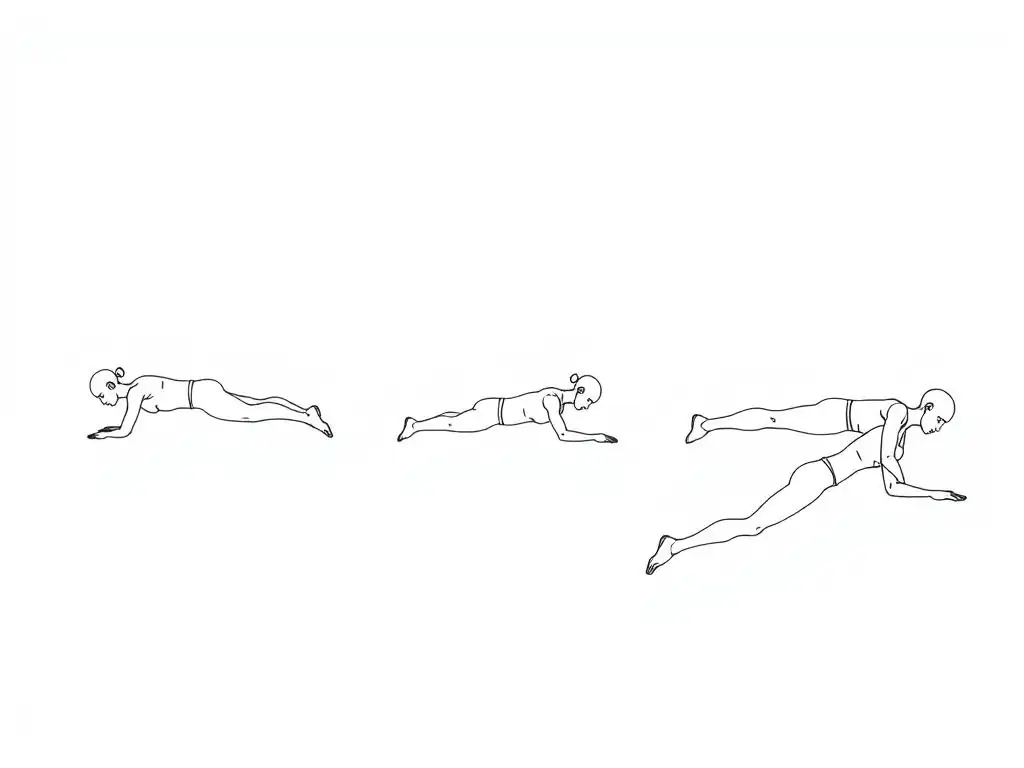
This section details a 15-minute core workout routine designed to strengthen your abdominal and back muscles. This routine is perfect for busy individuals looking to incorporate effective core strengthening into their daily lives. Remember to consult your physician before starting any new workout routine. This 15minute core workout routine focuses on efficiency and effectiveness.
Warm-up: Preparing Your Body for Core Engagement
Before diving into intense core exercises, a proper warm-up is crucial to prevent injuries and maximize your workout's effectiveness. A dynamic warm-up, focusing on increasing blood flow and muscle temperature, is ideal. This warm-up should take approximately 3-5 minutes.
Here's a sample warm-up routine:
- Arm circles: 10 forward, 10 backward. Focus on controlled movements.
- Leg swings: 10 forward, 10 backward per leg. Maintain a stable core.
- Torso twists: 10 to each side. Keep your movements slow and deliberate.
- Cat-cow stretch: 10 repetitions. This gentle stretch mobilizes your spine.
- High knees: 30 seconds. Bring your knees up towards your chest, engaging your core.
- Butt kicks: 30 seconds. Kick your heels up towards your glutes, maintaining core stability.
Remember to listen to your body and adjust the intensity as needed. A proper warm-up is a key component of any effective 15minute core workout routine, preparing your muscles for the work ahead and reducing the risk of injury. Feeling slightly warm and your muscles feeling more pliable are good indicators that you're ready to proceed. Don't rush this crucial step!
Plank Variations and Proper Form
Plank exercises are fundamental for building core strength. They engage multiple muscle groups simultaneously, leading to a strong and stable core. However, maintaining proper form is paramount to avoid injury and maximize results. This section will cover several plank variations and emphasize the importance of correct technique.
Here's a breakdown of plank variations and proper form:
| Exercise | Description | Muscles Worked | Sets | Reps/Hold |
|---|---|---|---|---|
| Standard Plank | Forearms on the ground, body in a straight line from head to heels. | Rectus abdominis, obliques, transverse abdominis, erector spinae | 3 | 30-60 sec |
| Forearm Plank | Similar to standard plank, but with forearms on the ground. | Same as above | 3 | 30-60 sec |
| Side Plank (each side) | Body supported on one forearm and the side of one foot. | Obliques, transverse abdominis, quadratus lumborum | 3 | 30-60 sec |
| High Plank | Hands on the ground, body in a straight line from head to heels. | Same as above | 3 | 30-60 sec |
| Plank with leg lifts (each leg) | Standard plank position, lifting one leg at a time. | Same as above, with added glute and hamstring activation | 3 | 10-15 reps per leg |
Proper Form: Maintain a straight line from head to heels, avoiding sagging hips or arching your back. Engage your core muscles throughout the exercise. Breathe deeply and steadily. Focus on maintaining proper form throughout each repetition to maximize the effectiveness of your 15minute core workout routine. Incorrect form can lead to strain and injury, so prioritize quality over quantity.
Crunch Variations and Modifications
Crunches are another effective exercise for strengthening your core muscles. However, performing them correctly is crucial to avoid straining your neck and back. This section will outline several crunch variations and modifications to suit different fitness levels.
Here are some crunch variations:
- Standard Crunch: Lie on your back, knees bent, feet flat on the floor. Engage your core and slowly lift your head and shoulders off the floor.
- Reverse Crunch: Lie on your back with knees bent. Lift your hips off the floor, bringing your knees towards your chest.
- Bicycle Crunch: Lie on your back, hands behind your head, knees bent. Bring your opposite elbow and knee together, alternating sides.
- Torso Twist: Lie on your back, knees bent, feet flat on the floor, hands behind your head. Twist your torso from side to side, engaging your obliques.
Modifications: For beginners, you can modify crunches by performing them with your hands on your chest instead of behind your head. You can also reduce the number of repetitions or take breaks as needed. Remember to focus on controlled movements and proper form to avoid injury. A well-executed crunch, even a few repetitions with perfect form, is far more beneficial than many repetitions with poor form. This principle applies to all exercises within this 15minute core workout routine.
Russian Twist Technique and Progression
The Russian twist is a fantastic exercise for strengthening your obliques, the muscles on the sides of your core. Proper technique is crucial to maximize benefits and avoid injury. Begin by sitting on the floor with your knees bent and feet flat on the ground. Lean back slightly, maintaining a straight back and engaging your core. Hold your hands together in front of your chest or hold a weight for added resistance. The key is to keep your torso stable and avoid momentum.
Rotate your torso to one side, touching the floor (or a weight to the floor) next to your hip. Control the movement, avoiding any jerking or sudden movements. Then, rotate to the other side, again emphasizing control. Focus on the twisting motion coming from your core, not your arms. Aim for a slow, controlled movement throughout the entire range of motion.
Progression involves gradually increasing the difficulty. Beginners can start with just bodyweight, focusing on proper form and controlled movements. As you get stronger, you can increase the number of repetitions or sets. You can also progress by increasing the range of motion, twisting further to the sides. Adding weight, such as a medicine ball or dumbbells, is another effective way to increase the challenge. Finally, you can try elevating your feet slightly, making the exercise more demanding. Remember to always listen to your body and stop if you feel any pain.
Bicycle Crunch Execution and Breathing
The bicycle crunch targets both your rectus abdominis (the "six-pack" muscles) and your obliques. Lie on your back with your hands behind your head, elbows slightly out. Bring your knees toward your chest, keeping your feet slightly off the ground. This is your starting position.
As you exhale, bring your right elbow toward your left knee while simultaneously extending your right leg. Hold this position briefly, engaging your core. Then, as you inhale, return to the starting position. Repeat on the opposite side: exhale as you bring your left elbow to your right knee, extending your left leg.
Breathing is crucial for effective bicycle crunches. Exhale forcefully during the crunch, engaging your core muscles more intensely. Inhale smoothly as you return to the starting position. This coordinated breathing helps to maximize muscle activation and improve the effectiveness of the exercise. Avoid holding your breath, which can restrict blood flow and lead to discomfort. A steady, controlled breathing pattern ensures a smoother, more efficient workout. Focus on maintaining a consistent rhythm throughout the exercise.
Leg Raise Variations for Different Fitness Levels
Leg raises are a highly effective exercise for targeting the lower abdominal muscles. However, the difficulty can be easily modified to suit different fitness levels.
Beginner: Start with lying flat on your back with your knees bent and feet flat on the floor. Keep your hands under your hips for support. Then, slowly lift your legs off the ground until your knees form a 90-degree angle. Hold for a few seconds, and slowly lower your legs back down. Focus on controlled movements and avoid using momentum.
Intermediate: Progress to straight leg raises. Lie on your back with your legs extended straight up in the air. Lower your legs slowly towards the ground until they are just a few inches above the floor. Hold for a few seconds, and then return to the starting position. Maintain a steady, controlled movement.
Advanced: For an increased challenge, try adding weight to your legs using ankle weights. You can also try hanging leg raises, grabbing a pull-up bar and raising your legs to your waistline. This variation significantly increases the difficulty and engages the core muscles more intensely. Remember to maintain proper form to avoid injury. You can also introduce variations that incorporate a twisting motion while raising and lowering your legs, further engaging your obliques. Always listen to your body and stop if you feel any pain.
Bird-Dog: Focus on Balance and Core Stabilization
The Bird-Dog is a fantastic exercise for improving core stability and balance. It targets multiple muscle groups simultaneously, including your erector spinae (lower back muscles), glutes, and abdominal muscles. Proper form is crucial to maximize its benefits and avoid injury.
Begin on your hands and knees, ensuring your hands are shoulder-width apart and your knees are hip-width apart. Your back should be flat, avoiding any arching or sagging. This neutral spine position is key to engaging your core effectively. Now, extend one arm forward and the opposite leg backward simultaneously, keeping your body in a straight line from head to toe. Hold this position for a brief pause, feeling the engagement in your core and glutes. Slowly return to the starting position and repeat on the other side. Aim for 10-12 repetitions per side.
Remember to maintain a slow and controlled movement throughout the exercise. Avoid jerky movements or momentum, as this can reduce the effectiveness of the exercise and increase the risk of injury. Focus on the controlled extension and retraction of your limbs, feeling the constant engagement of your core muscles. As you progress, you can increase the duration of the hold or the number of repetitions to challenge yourself further.
Proper breathing is also important; exhale as you extend your limbs and inhale as you return to the starting position. This helps to control your movements and maximize core engagement. Consider adding variations, such as lifting the extended arm and leg slightly higher as your strength improves, thereby increasing the intensity and challenge.
Cool-down: Stretching for Core Muscle Recovery
Cooling down after any workout, especially a core workout, is vital for muscle recovery and preventing stiffness. Ignoring this crucial step can lead to delayed-onset muscle soreness (DOMS) and potentially hinder your progress. This cool-down routine focuses on gentle stretches to lengthen and relax the core muscles worked during the 15-minute routine.
Begin with a gentle cat-cow stretch. Start on your hands and knees, then slowly arch your back like a cat, tucking your chin to your chest. Hold for a few seconds, feeling the stretch in your abdominal muscles. Then, slowly move into a cow pose, dropping your belly towards the floor and lifting your head and chest. Repeat this cycle 5-7 times. This helps to gently mobilize your spine and improve flexibility.
Next, perform a seated spinal twist. Sit with your legs crossed and gently twist your torso to the right, placing your right hand behind you and your left hand on your right knee. Hold for 15-20 seconds, feeling the stretch in your obliques. Repeat on the other side. This stretch targets the muscles responsible for rotational movements of your torso.
Finally, lie on your back and bring your knees towards your chest, gently hugging them. Hold for 15-20 seconds, feeling the stretch in your lower back and abdominal muscles. This is a simple yet effective stretch that helps to release tension in the core. Remember to breathe deeply throughout the stretches and never force yourself into a position that causes pain. The goal is gentle lengthening and relaxation, not intense stretching. A consistent cool-down routine will improve your flexibility, reduce muscle soreness, and contribute to faster recovery, allowing you to maximize your results from your 15-minute core workout routine.
Maximizing Your 15-Minute Core Workout
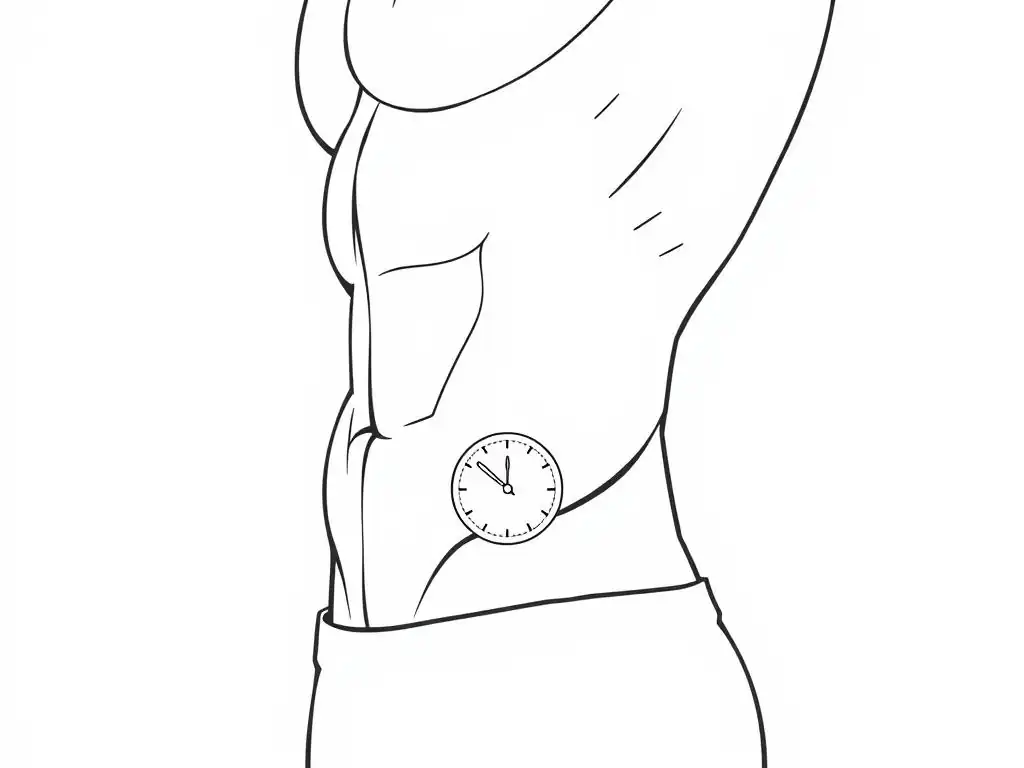
This section delves into the key strategies to ensure you get the most out of your 15-minute core workout routine, maximizing results and minimizing risk. We'll explore techniques to optimize your workout, focusing on proper breathing, maintaining correct form, and progressively increasing intensity. Remember, consistency and proper technique are crucial for building a strong core and avoiding injury. This 15 minute core workout routine is designed for efficiency and effectiveness.
Proper Breathing Techniques for Core Engagement
Proper breathing is paramount for effective core engagement during your 15-minute core workout routine. Many people unknowingly hinder their workout by holding their breath or breathing shallowly. This can limit your strength and increase the risk of injury.
Instead, focus on diaphragmatic breathing – also known as belly breathing. This involves expanding your abdomen as you inhale, filling your lungs fully, and then contracting your abdominal muscles as you exhale. This controlled breathing pattern helps stabilize your core, increasing intra-abdominal pressure which acts like a natural brace, supporting your spine and improving the efficiency of your core exercises.
Here's a simple exercise to practice diaphragmatic breathing:
- Lie on your back with your knees bent and feet flat on the floor.
- Place one hand on your chest and the other on your abdomen.
- Inhale deeply through your nose, noticing your abdomen rise while your chest remains relatively still.
- Exhale slowly through your mouth, feeling your abdominal muscles contract.
- Repeat this process for 5-10 minutes, focusing on the smooth, controlled movement of your abdomen.
Practicing this breathing technique before, during, and after your 15-minute core workout routine will significantly enhance its effectiveness. Remember, consistent practice will improve your body awareness and help you integrate this crucial element into your exercises seamlessly.
Maintaining Correct Form to Avoid Injuries
Maintaining correct form is crucial for maximizing the benefits of your 15-minute core workout routine and preventing injuries. Rushing through exercises or using improper form can lead to strains, sprains, and other problems. Focus on quality over quantity. It's better to perform fewer repetitions with perfect form than many repetitions with poor form.
For example, during planks, ensure your body forms a straight line from head to heels, engaging your core and glutes to prevent sagging in the hips or arching in the back. Avoid locking your knees, maintaining a slight bend for stability. Similarly, during crunches, avoid pulling on your neck; instead, engage your abdominal muscles to lift your torso.
Here’s a table summarizing common form errors and their corrections for some popular core exercises:
| Exercise | Common Form Error | Correction |
|---|---|---|
| Plank | Sagging hips/arching back | Engage glutes and core, maintain straight line |
| Crunches | Pulling on neck | Engage abs, lift torso with controlled movement |
| Russian Twists | Using momentum/swinging | Controlled twisting, focus on core engagement |
| Bicycle Crunches | Jerky movements/poor form | Smooth, controlled movements, focus on core |
Always prioritize proper form. If you're unsure about correct form, consider consulting a fitness professional or watching instructional videos before starting your 15 minute core workout routine. Remember, a small number of perfectly executed repetitions are far more beneficial than many sloppy ones.
Progressive Overload: Gradually Increasing the Intensity
Progressive overload is the key to continuous improvement in any fitness program, including your 15-minute core workout routine. This principle involves gradually increasing the intensity of your workouts over time to challenge your muscles and stimulate further growth and strength. This could involve increasing the number of repetitions, sets, or the difficulty of the exercises.
For example, if you start with 2 sets of 10 crunches, you could gradually increase this to 3 sets of 12, then 3 sets of 15, and so on. You can also increase the intensity by incorporating more challenging variations of exercises. For instance, you might progress from regular planks to side planks or forearm planks. Adding weights or resistance bands can also significantly increase the difficulty and challenge your core muscles further.
Here's a sample progression plan for a 15-minute core workout routine:
- Week 1-2: Focus on mastering proper form and completing 2 sets of 10-12 repetitions for each exercise.
- Week 3-4: Increase the number of sets to 3 and/or increase repetitions to 15-20.
- Week 5-6: Introduce more challenging variations of exercises or add resistance bands.
- Week 7-8: Consider incorporating advanced exercises or increasing the intensity further.
Remember to listen to your body and avoid pushing yourself too hard, especially when starting. Progressive overload should be gradual and sustainable to avoid injury and ensure continued progress with your 15 minute core workout routine. Consistency and a well-structured plan are key to achieving your fitness goals. 🏋️♀️
Listening to Your Body and Resting When Needed
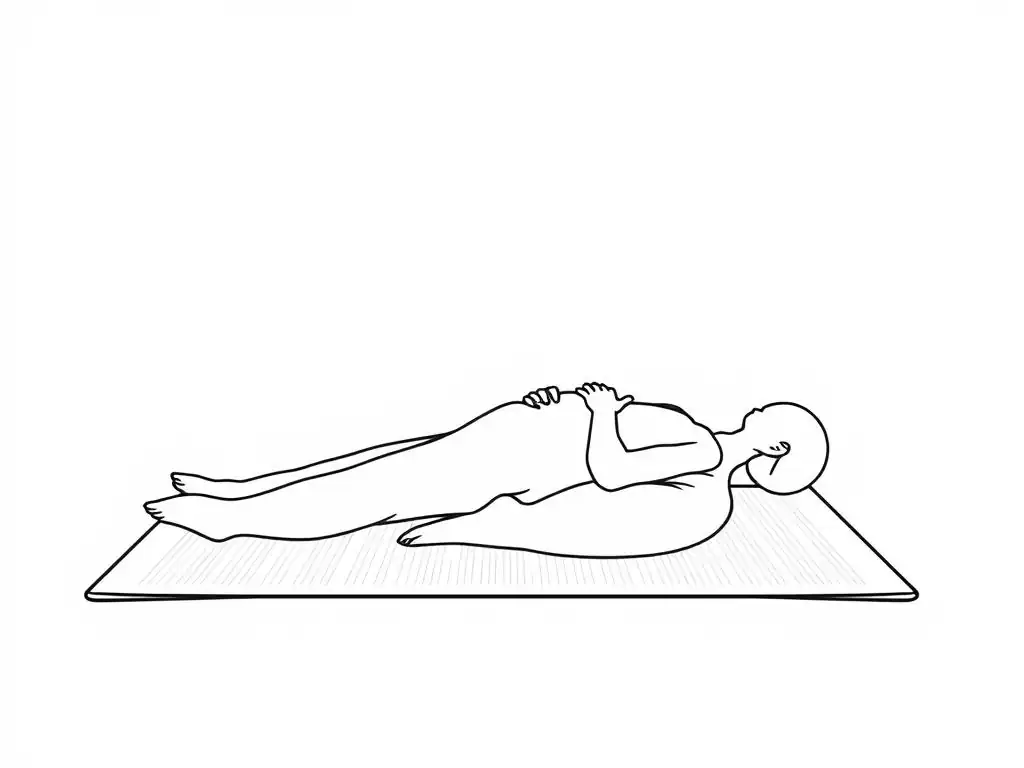
Even a short, 15-minute workout requires respect for your body's limits. Ignoring pain or pushing yourself too hard can lead to injury, setting back your progress significantly. This is especially true when focusing on core strength, as the core muscles are crucial for stability and overall body function. Listen to your body's signals. Muscle soreness is expected, especially when starting a new routine, but sharp, shooting pains are a warning sign.
Don't hesitate to modify exercises or take breaks as needed. For instance, if you feel a twinge in your lower back during a plank, reduce the duration or try a forearm plank, which is less strenuous. Remember, consistency is key, and a consistent, modified routine is far better than an injured-induced hiatus. Prioritizing proper form over the number of repetitions or the intensity is critical for injury prevention. Focus on feeling the muscles engaging rather than just going through the motions.
A rest day between core workouts is also advisable, allowing your muscles to recover and rebuild stronger. This is where active recovery methods like gentle stretching or a light walk can be beneficial. Think of it as optimizing your recovery for better results in the long run. Remember, a well-rested body is a stronger body! 🏋️♀️
Incorporating this Routine into Your Weekly Schedule
Consistency is the cornerstone of any successful fitness journey, and that includes a 15-minute core workout routine. To maximize the benefits and make this routine a habit, strategically plan its integration into your weekly schedule. Consider your daily routine – are there 15-minute pockets of time you could utilize? Perhaps during your lunch break, before dinner, or right after waking up. Scheduling it at the same time each day can further solidify the habit.
Treat your workout like any other important appointment. Put it in your calendar, set a reminder, and stick to it as much as possible. Even on busy days, a shorter, modified version of the routine is better than skipping it altogether. Remember, even 5-10 minutes of core engagement is beneficial. Flexibility is crucial; if a scheduled workout needs to be adjusted, don't beat yourself up.
Simply reschedule it for later in the day or the following day. The goal is to build a sustainable routine, not to create unrealistic expectations. Think of it as a small, manageable commitment that adds up to significant results over time. Building this habit is more important than perfectly adhering to a rigid schedule, so find what works best for your life and stick to it! 🗓️
Beyond the 15-Minute Workout: Maintaining Core Strength
This 15-minute core workout routine is a fantastic starting point, but to truly maximize your core strength and see lasting results, you need a holistic approach that extends beyond those 15 minutes. Think of this routine as the foundation upon which you build a stronger, more resilient core. Consistent effort and strategic supplementation are key. This section will explore ways to augment your training and ensure continued progress.
Additional Core Exercises for Continued Progress
Once you've mastered the 15-minute routine, it's crucial to challenge your muscles with new exercises to prevent plateaus and promote further growth. Variety is key to keeping your workouts engaging and effective. Here are a few exercises you can incorporate to supplement your existing routine:
- Plank Variations: Standard planks are excellent, but try incorporating variations like forearm planks, side planks, and plank jacks to target different muscle groups and increase intensity. Aim for holding each variation for 30-60 seconds, increasing the duration as you get stronger. Remember proper form is paramount to avoid injury.
- Russian Twists: This dynamic exercise engages your obliques effectively. You can perform Russian twists with a medicine ball, dumbbell, or even just your hands. Start with 2-3 sets of 15-20 repetitions per side.
- Bicycle Crunches: These are a great way to target your rectus abdominis and obliques simultaneously. Focus on controlled movements, ensuring you're engaging your core throughout the exercise. Aim for 3 sets of 15-20 repetitions per side.
- Dead Bugs: This exercise helps improve core stability and coordination. Start by lying on your back with your arms and legs extended. Simultaneously lower one arm and the opposite leg, maintaining contact with the floor. Repeat on the other side. Perform 3 sets of 10-12 repetitions per side.
Remember to listen to your body and adjust the intensity and number of repetitions based on your fitness level. Progressive overload—gradually increasing the difficulty of your workouts—is crucial for continued muscle growth and strength gains. This could involve increasing repetitions, sets, or the weight used.
Nutrition and Hydration for Optimal Muscle Growth
Your core workout routine is only half the battle; the other half is fueled by proper nutrition and hydration. Building and maintaining strong core muscles requires adequate protein intake to support muscle repair and growth. Aim for a diet rich in lean protein sources such as chicken breast, fish, beans, and lentils. Don't forget the importance of complex carbohydrates for sustained energy levels during your workouts and healthy fats for overall health and hormone regulation.
Hydration is equally crucial. Dehydration can impair muscle function and hinder your workout performance. Make sure you drink plenty of water throughout the day, especially before, during, and after your workouts. Consider adding electrolytes to your water, particularly if you sweat profusely during exercise. A well-hydrated body is a stronger body. This is especially true when focusing on a 15 minute core workout routine, as you are intensely engaging those muscles.
The Importance of Consistency in Achieving Fitness Goals
Consistency is the cornerstone of any successful fitness journey. The most effective 15-minute core workout routine will yield minimal results if performed sporadically. Aim for at least 3-4 sessions per week, allowing for rest days to allow your muscles to recover and rebuild. Consistency, paired with proper nutrition and progressive overload, will lead to noticeable improvements in your core strength and overall fitness.
Consider creating a workout schedule and sticking to it. Treat your workouts like important appointments. Find a time that works best for you and make it a non-negotiable part of your routine. You might even find a workout buddy to help maintain motivation and accountability. Remember, even small, consistent efforts over time yield significant results. The key is to make a commitment to your health and well-being, and to embrace the journey to a stronger core.
Tracking Your Progress and Setting New Challenges
Tracking your progress is crucial for maintaining motivation and seeing the results of your hard work. A simple way to do this is by using a workout journal. Note down the exercises you perform, the number of repetitions, and the sets completed each session. You can also include how you felt during the workout – did you find it easy, challenging, or exhausting? This qualitative data is just as valuable as the quantitative data, offering insights into your fitness journey.
Over time, review your journal to identify trends. Are you consistently increasing your repetitions? Are you able to maintain the same level of intensity? This self-assessment provides valuable feedback and helps you adapt your routine.
Beyond the journal, consider incorporating visual aids. Take photos or videos of yourself performing the exercises. This allows you to see your form improve over time and identify areas needing improvement. It can also be incredibly motivating to visually compare your progress, seeing how far you’ve come. Remember that consistency is key; even small improvements add up over time. Don't get discouraged if you don't see drastic changes immediately. Celebrate the small victories and focus on the long-term benefits of a strong core.
Setting new challenges is essential to avoid plateaus. Once you feel comfortable with the 15-minute routine, gradually increase the difficulty. This could involve increasing the number of repetitions, sets, or adding more challenging variations of the exercises. For example, you could progress from standard planks to incline planks or add weighted planks to increase the intensity.
Alternatively, you could shorten your rest periods between sets to increase the overall difficulty of the workout. Remember to listen to your body and avoid pushing yourself too hard, especially when starting. Proper form is more important than speed or intensity. A slow and controlled movement with perfect form is far more beneficial than a rushed movement with poor form.
Prioritize proper technique to prevent injury and maximize results. The key is gradual progression, ensuring you’re consistently challenging yourself without risking injury. Consider incorporating new core exercises into your routine every few weeks to keep things fresh and engaging. This prevents boredom and helps you continue to see improvements.
Frequently Asked Questions
What makes this a 15-minute workout?
This workout is designed to be completed within 15 minutes, focusing on high-intensity exercises to maximize core engagement in a short timeframe. No wasted time on long rests or transitions.
Is this workout suitable for beginners?
Yes, the workout can be modified for beginners. Reduce repetitions or hold exercises for shorter durations to build strength and stamina gradually. Listen to your body and take breaks as needed.
What equipment do I need for this workout?
This workout requires minimal equipment. You can perform it using only your bodyweight. However, optional additions could include a yoga mat for comfort.
How often should I do this 15-minute core workout?
Aim for 3-5 sessions per week, allowing for at least one day of rest between workouts to allow your muscles to recover. Consistency is key to seeing results.
Will this workout help me lose weight?
While this workout primarily focuses on core strength, it contributes to overall fitness and can help with weight loss when combined with a healthy diet and regular cardiovascular exercise. It boosts your metabolism.
Final Reflection: Unlocking Core Strength in 15 Minutes: A Journey Inward and Outward
The pursuit of a strong core isn't just about aesthetics; it's about building a foundation for a healthier, more resilient life. This 15-minute workout routine, designed for accessibility and effectiveness, demonstrates that significant progress is possible even with limited time. The power lies not just in the exercises themselves, but in the consistent commitment to prioritize your well-being.
The impact of core strength extends far beyond the physical. It's a metaphor for inner strength, resilience, and the ability to withstand life's challenges. As we've explored the various exercises, I've been reminded of the interconnectedness of mind and body. The body achieves what the mind believes.
This quote resonates deeply, highlighting the crucial role of mental fortitude in achieving any fitness goal, especially one as demanding yet rewarding as strengthening your core. The discipline required to stick to a routine, even a short one, translates into other areas of life, fostering a sense of accomplishment and self-efficacy.
Now, I challenge you to integrate this 15-minute routine into your daily life. Don't just see it as a workout; see it as an investment in your overall well-being – a commitment to your physical and mental strength. Start small, be consistent, and celebrate your progress. Remember the power you hold within, the strength you can cultivate, all within the span of just fifteen minutes. Your journey to a stronger core, and a stronger you, begins now.
Unleash Your Inner Strength: Take Charge of Your Core Today!
Ready to feel stronger and more energized? We're excited you've explored the benefits of a dedicated core workout! This short routine can significantly improve your overall well-being. Now, let's put that knowledge into action.
- Start your core workout today! Don't delay – a stronger you is just minutes away. Set a timer for 15 minutes and challenge yourself to complete the exercises.
- Share your success and inspire others: Post a picture or video on social media showing yourself completing the workout. Use the hashtag #UltimateCoreChallenge to connect with our community. Even a simple comment sharing your experience is a great way to motivate others!
- Integrate this workout into your daily routine for lasting results. Experiment with different times of day to find what fits best into your schedule. Consistency is key!
Ready to transform your strength and well-being?