
Stop Wishing, Start Doing: The Busy Person's Guide to Daily Exercise


Feeling overwhelmed by your busy schedule and struggling to find time for exercise? At UltimateLifeHacks, we understand. That's why we've crafted the ultimate guide to help you reclaim your health and well-being without sacrificing your precious time. Discover the secrets to a streamlined routine with our Busy Person Daily Exercise Plan, designed to fit seamlessly into even the most demanding days. Ready to unlock a healthier, more energized you? Let's get started!
- Understanding the Busy Person's Exercise Challenge: Time Constraints and Solutions
- Crafting Your Busy Person Daily Exercise Plan: A Step-by-Step Guide
- Incorporating Exercise into Your Daily Routine: Practical Strategies
- Maintaining Motivation and Consistency: Tips for Long-Term Success
- Sample Busy Person Daily Exercise Plans: Quick and Effective Routines
- Essential Resources and Tools for the Busy Exerciser
- The Long-Term Benefits of Consistent Daily Exercise: Investing in Yourself
- Frequently Asked Questions
- Final Reflection: Unlocking Your Potential Through Action
- Unleash Your Inner Athlete: Take the First Step Today!
Understanding the Busy Person's Exercise Challenge: Time Constraints and Solutions
Juggling work, family, social life, and personal responsibilities leaves many feeling there's simply no time for exercise. This is a common lament, and it's a completely understandable one. But the truth is, neglecting physical activity significantly impacts our overall well-being, leading to decreased energy levels, increased stress, and a higher risk of chronic health problems. This article serves as a practical guide designed specifically for busy individuals, offering actionable strategies and a daily exercise plan to incorporate fitness into even the most jam-packed schedules.
We'll explore the realities of limited time, address common barriers, and provide solutions to help you prioritize exercise and make it a non-negotiable part of your day, regardless of how busy you are. This isn't about finding extra hours; it's about optimizing the ones you already have. We'll show you how to make even 15 minutes count towards a healthier, more energized you. 💪
The Reality of Limited Time for Fitness
The biggest hurdle for most busy people is, undoubtedly, time. The demands of modern life often leave individuals feeling perpetually pressed for time, making the idea of dedicating even 30 minutes to exercise seem like a luxury. This isn't just a matter of perception; many studies show that the average working professional has significantly less free time than previous generations. The result?
Fitness frequently falls to the bottom of the priority list, often sacrificed for seemingly more urgent tasks. But the irony is, consistent exercise actually increases productivity and energy levels, making it a crucial investment, not a time-consuming expense. Let's face it: Feeling constantly drained isn't conducive to success in any area of life.
Consider this: a recent survey indicated that 70% of respondents reported feeling consistently tired, with a significant portion directly linking this fatigue to a lack of regular physical activity. These aren't just anecdotal observations; research consistently demonstrates a strong correlation between physical activity and improved energy levels, focus, and overall well-being. We'll unpack practical ways to overcome this "time famine" and reclaim your health.
Overcoming Barriers to Daily Exercise for Busy Professionals
Beyond the simple lack of time, several other barriers prevent busy professionals from incorporating daily exercise into their routines. These include:
- Lack of Motivation: Feeling overwhelmed and exhausted can significantly decrease motivation to exercise.
- Lack of Access to Facilities: Not everyone has easy access to gyms or fitness studios.
- Difficulty Finding a Suitable Exercise Plan: Many struggle to find an exercise regime that fits their lifestyle and fitness level.
- Excuses and Procrastination: Finding reasons not to exercise is often easier than committing to a fitness routine.
- Feeling Overwhelmed by the "All or Nothing" Mentality: The belief that exercise must be intense and time-consuming can be paralyzing.
Overcoming these barriers requires a strategic approach. We need to shift our mindset from "finding time" to "making time," and focus on sustainable, manageable habits rather than drastic, unsustainable changes. We'll discuss practical solutions to address each of these challenges in detail later in the article.
Prioritizing Exercise: Making Time a Non-Issue
The key to successful daily exercise for busy people isn't about finding more time; it's about prioritizing and strategically integrating fitness into your existing schedule. This involves a shift in mindset, recognizing that exercise is not a luxury, but a necessity for optimal health and productivity. It's an investment in your well-being that pays dividends in increased energy, improved focus, and reduced stress—all factors that contribute to greater success in all aspects of life. Think of it as preventative maintenance for your most valuable asset: yourself.
We will explore several practical strategies to integrate exercise into your day, including:
- Micro-workouts: Short, high-intensity bursts of exercise throughout the day.
- Incorporating exercise into your commute: Walking, cycling, or using public transport.
- Utilizing lunchtime: A quick workout at the office gym or a brisk walk outdoors.
- Early morning workouts: Starting your day with exercise can set a positive tone for the rest of the day.
- Finding an exercise buddy: Accountability and social support can make a huge difference.
We'll delve deeper into each of these strategies, providing specific examples and actionable steps to help you create a sustainable daily exercise plan that works for your busy life.
Crafting Your Busy Person Daily Exercise Plan: A Step-by-Step Guide
This section provides a practical, step-by-step approach to designing a daily exercise plan specifically tailored for busy individuals. We'll move beyond generic advice and delve into actionable strategies to integrate physical activity into even the most demanding schedules. Remember, consistency is key, and even small amounts of daily exercise are far more effective than sporadic intense workouts. This guide focuses on creating a sustainable "busy person daily exercise plan".
Assessing Your Current Fitness Level and Goals
Before diving into specific exercises, honestly evaluate your current fitness level. Are you a complete beginner, moderately active, or already quite fit? This assessment is crucial for choosing appropriate exercises and avoiding injury. Consider factors such as:
- Current activity level: How much physical activity do you already get in a typical week? This includes walking, climbing stairs, and any other movement beyond sedentary activities.
- Existing health conditions: Consult your doctor before starting any new exercise program, especially if you have pre-existing health conditions. They can help you identify suitable activities and potential limitations.
- Fitness goals: What are you hoping to achieve? Weight loss? Increased strength? Improved cardiovascular health? Defining your goals helps you tailor your exercise plan effectively.
Let's use a simple self-assessment:
| Fitness Level | Description | Example Activities |
|---|---|---|
| Beginner | Little to no regular physical activity. | Short walks, gentle stretching, chair exercises |
| Moderately Active | Some regular physical activity, but not consistently intense or frequent. | Brisk walking, cycling, light weight training (1-2x/week) |
| Advanced | Regularly engages in intense physical activity. | Running, HIIT workouts, strength training (3-5x/week) |
Once you've determined your fitness level, set SMART goals – Specific, Measurable, Achievable, Relevant, and Time-bound. For example, instead of "get fitter," aim for "walk for 30 minutes, three times a week for the next month." This provides a clear, measurable objective. Remember to celebrate your progress along the way! 🎉
Choosing the Right Type of Exercise for Your Schedule
The key to a successful "busy person daily exercise plan" is choosing exercises that fit seamlessly into your existing routine. Forget hour-long gym sessions; we're focusing on efficiency. Consider these options:
- Bodyweight exercises: These require no equipment and can be done anywhere. Think squats, push-ups, lunges, planks – highly effective for building strength and improving overall fitness.
- High-Intensity Interval Training (HIIT): Short bursts of intense exercise followed by brief recovery periods. HIIT workouts are incredibly time-efficient and highly effective for burning calories and improving cardiovascular fitness. A 15-minute HIIT session can be as effective as a longer, less intense workout.
- Walking or cycling: Incorporate these activities into your daily commute or schedule short walks during your lunch break. Even small amounts of movement add up!
- Short bursts throughout the day: Instead of one long workout, break up your exercise into shorter sessions. Five minutes of stretching in the morning, a 10-minute walk at lunchtime, and another five minutes of exercises before bed can significantly boost your daily activity.
Remember to prioritize activities you enjoy. If you dread your workouts, you're less likely to stick with them. Experiment with different types of exercise until you find what works best for you and your schedule.
Building a Realistic Daily Exercise Routine: Quick and Effective Workouts
Let's create a sample "busy person daily exercise plan," keeping it concise and adaptable:
Example 1: Beginner (15-20 minutes/day)
- Morning (5 minutes): Gentle stretching (neck rolls, arm stretches, leg swings)
- Lunch break (10 minutes): Brisk walk around the block.
- Evening (5 minutes): Bodyweight exercises (10 squats, 10 push-ups against a wall, 30 seconds plank).
Example 2: Moderately Active (25-30 minutes/day)
- Morning (10 minutes): HIIT workout (e.g., 30 seconds of jumping jacks, 30 seconds rest, repeated for 10 minutes).
- Lunch break (15 minutes): Cycling or brisk walk.
Example 3: Advanced (45-60 minutes/day)
- Morning (30 minutes): Running or a more intense HIIT workout.
- Evening (15-30 minutes): Strength training focusing on different muscle groups each day (e.g., upper body one day, lower body the next).
Remember to listen to your body and adjust the intensity and duration of your workouts as needed. Rest and recovery are just as important as exercise. Don't be afraid to modify these examples to fit your specific needs and preferences. The most important thing is to find a routine that you can realistically maintain and that you genuinely enjoy. Consistency is the key to long-term success in your "busy person daily exercise plan."
Incorporating Exercise into Your Daily Routine: Practical Strategies
This section focuses on integrating physical activity seamlessly into the already packed schedules of busy individuals. The key is to shift from viewing exercise as a separate, time-consuming block to understanding it as a flexible component woven into the fabric of your day. This requires strategic planning and a willingness to embrace unconventional approaches.
We'll explore specific tactics to make this a reality, transforming your perception of "finding time" to "making time." Remember, even small bursts of activity add up, contributing significantly to your overall fitness and well-being. Consistency, not intensity, is the cornerstone of a sustainable exercise routine for the busy person.
Sneaking in Exercise During Your Day: Micro-Workouts
Busy schedules often leave little room for dedicated workout sessions. The solution? Micro-workouts! These are short, high-intensity bursts of activity you can perform throughout your day, maximizing calorie burn and boosting energy levels without disrupting your workflow. Think 10-minute bursts of jumping jacks, burpees, or high knees during your lunch break or even between meetings.
Consider these examples:
- Morning Routine: Instead of passively scrolling through social media while waiting for your coffee to brew, do 20 squats or push-ups.
- Work Breaks: Every hour, stand up and walk around the office for 5 minutes. Take the stairs instead of the elevator.
- Evening Routine: Before bed, spend 10 minutes stretching or doing yoga.
Implementing a micro-workout strategy requires discipline and planning. It's helpful to schedule these short bursts into your day, just as you would any other appointment. You can use a timer or reminders on your phone to ensure you stick to your plan. A simple spreadsheet tracking your daily micro-workout sessions can boost motivation and provide a visual record of your progress. Remember, even small commitments add up.
Optimizing Your Commute for Fitness: Active Transportation
Your commute doesn't have to be passive time; it can be a significant contributor to your daily exercise. Replacing car trips with active alternatives like cycling, walking, or running can significantly increase your physical activity levels. This not only improves your fitness but also offers other benefits, such as reduced stress, exposure to fresh air, and cost savings.
Consider these points:
- Cycling: If your workplace is within a reasonable cycling distance, consider cycling to work. This can burn a significant number of calories and improve cardiovascular health.
- Walking: Even if your workplace is further away, you can still incorporate walking into your commute by parking further away or getting off public transport a stop or two earlier.
- Running: For those comfortable with running, incorporating it into your commute can be a great way to boost your fitness levels. Just remember to factor in extra travel time.
Remember to prioritize safety when choosing active transportation. Ensure you have appropriate safety gear (helmet, reflective clothing) and plan your route to avoid high-traffic areas. The benefits of incorporating active transportation into your routine far outweigh any potential inconveniences.
Transforming Chores into Mini-Workouts: Cleaning and Fitness Combined
Housework often gets overlooked as a form of exercise, but many household chores can surprisingly contribute to your daily activity levels. By approaching these tasks with a mindful focus on movement and intensity, you can transform them into mini-workouts.
Here are some examples:
| Chore | Fitness Benefit | Intensity Level |
|---|---|---|
| Vacuuming | Cardio, leg strengthening | Moderate |
| Mopping | Cardio, core engagement | Moderate |
| Gardening | Cardio, strength training (lifting, digging) | Moderate-High |
| Carrying groceries | Strength training (carrying heavy bags) | Moderate |
| Cleaning windows | Reaching, stretching, upper body engagement | Low-Moderate |
Remember to maintain proper posture and technique to avoid injury while performing these chores. Consider adding a few extra repetitions or increasing the intensity of your movements to maximize the fitness benefits. Don't underestimate the calorie burn and physical exertion involved in these everyday tasks; they are a valuable addition to your overall fitness strategy. By consciously engaging in these activities, you can subtly but effectively boost your daily activity levels without needing extra time in your already busy schedule.
Maintaining Motivation and Consistency: Tips for Long-Term Success
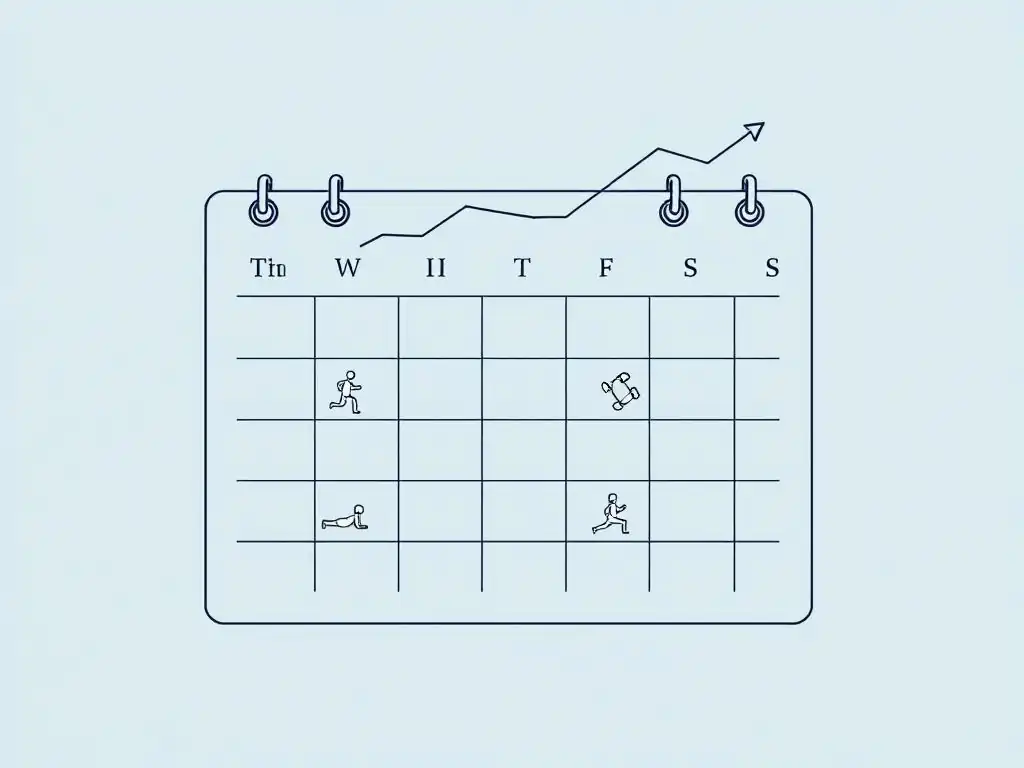
Integrating daily exercise into a busy lifestyle requires more than just a good workout plan; it demands unwavering commitment. Maintaining motivation and consistency over the long haul is crucial for seeing lasting results and reaping the numerous benefits of regular physical activity. This section explores practical strategies to help you stay on track and avoid the common pitfalls of sporadic exercise routines. We'll delve into goal setting, accountability, and reward systems to help you build a sustainable fitness habit.
Setting Realistic Goals and Tracking Progress: Stay Motivated
The key to long-term success with any fitness plan, especially for busy individuals, lies in setting realistic and achievable goals. Don't aim for a marathon on your first week! Start small and gradually increase the intensity and duration of your workouts. Instead of aiming for an hour-long session daily, begin with 15-20 minutes, focusing on quality over quantity. This approach prevents burnout and fosters a sense of accomplishment, fueling your motivation.
For example, a realistic goal might be to exercise for 20 minutes, three times a week for the first month. Then, gradually increase the duration or frequency in subsequent months. Tracking your progress is vital in maintaining momentum. Use a simple journal, fitness app, or even a spreadsheet to record your workouts. Seeing your progress visually can be incredibly motivating, reminding you of how far you've come and encouraging you to continue. Celebrate even small wins; consistency is key! Remember, even a 10-minute walk is better than no exercise at all.
Finding an Exercise Buddy: The Power of Accountability
Accountability is a powerful tool in maintaining any long-term commitment, and fitness is no exception. Finding an exercise buddy can significantly improve your adherence to your daily exercise plan. Having someone to workout with provides support, encouragement, and a sense of shared responsibility. This shared commitment can make it easier to stick to your routine, even on days when motivation is low.
Consider inviting a colleague, friend, or family member to join you for your workouts. You can motivate each other, share tips, and celebrate successes together. The added social aspect can make exercise more enjoyable and less of a chore. If finding a physical buddy is challenging, consider joining an online fitness community or connecting with others through social media. The sense of shared goals and mutual support can be just as effective.
Rewarding Yourself for Success: Celebrating Milestones
Rewarding yourself for achieving milestones is a crucial aspect of maintaining motivation and avoiding burnout. These rewards shouldn't undermine your healthy habits (avoiding excessive treats! ), but rather serve as positive reinforcement for your dedication. They should be something you genuinely enjoy and look forward to, providing a much-needed boost when you're feeling tired or discouraged.
For instance, after successfully completing your first month of exercising consistently, you could treat yourself to a new workout outfit, a relaxing massage, or a fun activity you enjoy. These small rewards acknowledge your hard work and reinforce the positive association between exercise and pleasure. Remember to tailor your rewards to your personal preferences and ensure they align with your overall health and wellness goals. The key is to make the process enjoyable and sustainable in the long run. This positive reinforcement loop is crucial for transforming exercise from a chore into a fulfilling habit.
Sample Busy Person Daily Exercise Plans: Quick and Effective Routines
This section provides sample daily exercise plans tailored to busy individuals. These routines prioritize efficiency and effectiveness, minimizing time commitment without sacrificing results. Remember to consult your physician before starting any new exercise program. Consistency is key – even short bursts of activity are better than nothing! Finding a plan that fits your schedule and preferences is crucial for long-term adherence to a "busy person daily exercise plan".
7-Minute Workout Routine for the Extremely Busy
This routine requires minimal equipment and can be performed anywhere. It focuses on high-intensity bursts with short rest periods, maximizing calorie burn and muscle engagement in a short timeframe. Ideal for those with incredibly limited time, this plan prioritizes efficiency.
This workout utilizes bodyweight exercises, making it perfect for those without access to a gym. The key is to push yourself to your limit during each exercise. Remember to focus on proper form to avoid injury.
Here's a sample 7-minute workout:
| Exercise | Duration (seconds) | Reps/Sets | Rest (seconds) |
|---|---|---|---|
| Jumping Jacks | 30 | 2 sets | 15 |
| High Knees | 30 | 2 sets | 15 |
| Butt Kicks | 30 | 2 sets | 15 |
| Push-ups | 30 | As many as possible | 15 |
| Squats | 30 | 2 sets | 15 |
| Lunges (each leg) | 30 | 2 sets | 15 |
| Plank | 30 | 2 sets | 15 |
| Burpees | 30 | As many as possible | 15 |
Remember to warm up for 1 minute before beginning and cool down for 1 minute afterward. You can adjust the intensity and duration of each exercise based on your fitness level. Even a slight increase in daily activity can contribute significantly to overall health and well-being.
15-Minute Bodyweight Circuit Training for Beginners
This routine is designed for beginners and utilizes bodyweight exercises to build strength and endurance. It's a great starting point for those new to regular exercise and looking for a manageable "busy person daily exercise plan". The focus is on proper form and gradual progression.
The circuit is structured to work multiple muscle groups, improving overall fitness. Rest periods are included to allow for recovery, but the overall intensity should be moderate to slightly challenging. Listen to your body and take breaks as needed.
Here's a sample 15-minute bodyweight circuit:
- Round 1:
- Squats: 10 reps
- Push-ups (on knees if needed): 8 reps
- Lunges (each leg): 8 reps
- Plank: 30 seconds
- Rest: 60 seconds
- Round 2: Repeat Round 1
- Round 3: Repeat Round 1
This routine can be easily modified. For example, you can increase the number of repetitions or sets as your fitness improves. Adding resistance bands can further increase the challenge. The key is to find a balance between challenge and sustainability to ensure adherence to your fitness routine.
30-Minute HIIT Workout for Intermediate Fitness Levels
High-Intensity Interval Training (HIIT) is a highly effective way to burn calories and improve cardiovascular fitness in a short amount of time. This 30-minute routine is ideal for individuals with intermediate fitness levels seeking a challenging yet time-efficient workout. This is a more intense approach to a "busy person daily exercise plan".
This plan combines short bursts of intense exercise with brief recovery periods. The intensity should be high during the work intervals, pushing your heart rate to its maximum capacity. Remember to prioritize proper form to prevent injuries.
A sample 30-minute HIIT workout:
- Warm-up (5 minutes): Light cardio, such as jogging in place or jumping jacks.
- Workout (20 minutes):
- Burpees: 30 seconds work, 30 seconds rest (repeat 4 times)
- Mountain Climbers: 30 seconds work, 30 seconds rest (repeat 4 times)
- Jump Squats: 30 seconds work, 30 seconds rest (repeat 4 times)
- Plank Jacks: 30 seconds work, 30 seconds rest (repeat 4 times)
- Sprint in place: 30 seconds work, 30 seconds rest (repeat 4 times)
- Cool-down (5 minutes): Stretching focusing on major muscle groups.
Remember to adjust the intensity and duration of each exercise based on your fitness level and listen to your body. Proper hydration and nutrition are also crucial for optimal results. Consistency is key to achieving your fitness goals, even with a busy schedule. This structured approach to a busy person daily exercise plan can help you achieve your fitness goals efficiently.
Essential Resources and Tools for the Busy Exerciser
This section focuses on equipping you with the resources and tools necessary to seamlessly integrate daily exercise into your busy schedule. We'll explore convenient apps, minimalist home workout equipment, and budget-friendly fitness options, all designed to remove common barriers to a consistent exercise routine. Remember, even small, consistent efforts contribute significantly to your overall health and well-being. Let's dive into the specifics.
Best Fitness Apps for Time-Efficient Workouts
Finding the right fitness app can significantly impact your adherence to a daily exercise plan. Many apps offer short, high-intensity workouts (HIIT) perfect for busy schedules. Look for features like personalized workout plans, progress tracking, and options to filter by workout duration and equipment needed. Some top contenders often include options for bodyweight exercises, requiring minimal space and equipment.
Consider apps that offer a variety of workout styles to prevent boredom and maintain motivation. Variety keeps things interesting and prevents plateaus. For example, one day you might opt for a 15-minute HIIT session, while another day you might choose a longer, lower-intensity yoga or Pilates routine. The key is to find an app that aligns with your preferences and goals.
Remember to check user reviews to gauge the app's effectiveness and user experience before committing. Don't hesitate to try a few free trials before settling on a paid subscription. Many apps offer free versions with limited features, allowing you to test the waters before investing. This approach allows you to find the perfect fit for your "busy person daily exercise plan".
Recommended Equipment for Home Workouts: Minimalist Approach
For a truly convenient and time-saving exercise routine, a minimalist approach to home workout equipment is ideal. You don't need a home gym to achieve your fitness goals. A few strategically chosen items can make a world of difference.
Here’s a suggested minimalist list:
- Resistance Bands: Incredibly versatile and space-saving, resistance bands allow you to perform a wide range of exercises targeting different muscle groups. They are lightweight and easily stored.
- Jump Rope: A classic piece of equipment that provides a fantastic cardiovascular workout in a short amount of time. Jumping rope is also portable and inexpensive.
- Yoga Mat: Essential for floor exercises like yoga, Pilates, and stretching. Provides cushioning and comfort.
- Dumbbells (optional): A pair of adjustable dumbbells can significantly expand your workout options, allowing for more challenging strength training exercises. However, resistance bands can often suffice, especially for beginners.
By investing in these few key items, you can create a functional and efficient home workout space without cluttering your home. Remember to prioritize quality over quantity. Invest in durable equipment that will last. This will prevent the need for frequent replacements and save you money in the long run. This minimalist approach aligns perfectly with a practical "busy person daily exercise plan".
Finding Affordable and Convenient Fitness Options
Cost and convenience are often major barriers to regular exercise. Fortunately, many affordable and convenient options exist for the busy individual.
Consider these possibilities:
| Option | Cost | Convenience | Time Commitment | Pros | Cons |
|---|---|---|---|---|---|
| Bodyweight-only workouts | Very Low | Very High | Highly Variable | No equipment needed, can be done anywhere, anytime. | May not be challenging enough for advanced fitness levels. |
| Local Parks/Outdoor Spaces | Free | High | Highly Variable | Fresh air, scenic views, often free access. | Weather dependent, may require travel. |
| Group Fitness Classes (Budget Options) | Low to Moderate | Moderate | Scheduled | Social aspect, structured workouts, motivation from instructors. | May require travel, schedule commitment, may not fit all budgets. |
| Online Fitness Classes (Subscription) | Moderate | High | Variable | Wide variety of classes, can be done anytime, anywhere. | Requires internet access, subscription cost. |
Remember to factor in travel time and scheduling constraints when choosing a fitness option. The most convenient option is the one you're most likely to stick with. Prioritize finding an affordable and accessible option that fits seamlessly into your "busy person daily exercise plan". The key is consistency, not perfection.
The Long-Term Benefits of Consistent Daily Exercise: Investing in Yourself
Regular physical activity, even in short bursts, offers a wealth of long-term advantages that extend far beyond physical fitness. For the busy person, committing to a daily exercise plan might seem daunting, but the rewards are substantial, representing a significant investment in your overall well-being and future health.
This section explores the profound and lasting benefits of incorporating daily exercise into your routine, focusing on the areas that matter most to productivity and quality of life. We'll delve into how consistent effort translates to tangible improvements in physical and mental health, ultimately leading to increased energy levels and enhanced focus – crucial elements for success in any aspect of life.
Improved Physical Health: Reducing Risk of Chronic Diseases
Daily exercise acts as a powerful preventative measure against a multitude of chronic diseases. Studies consistently demonstrate a strong correlation between regular physical activity and a reduced risk of developing conditions such as heart disease, type 2 diabetes, certain cancers, and osteoporosis. Even moderate exercise, such as a brisk 30-minute walk most days of the week, can significantly improve your cardiovascular health, lower blood pressure, and manage cholesterol levels.
The benefits are multifaceted: increased muscle mass and bone density contribute to improved strength and stability, reducing the risk of falls and fractures, especially important as we age. Furthermore, regular physical activity aids in weight management, helping to maintain a healthy BMI and reduce the risk of obesity-related illnesses. This isn't just about aesthetics; it's about significantly lowering your long-term health risks and improving your overall quality of life. The investment in daily exercise pays off exponentially in reduced healthcare costs and increased longevity.
Enhanced Mental Well-being: Stress Reduction and Improved Mood
Beyond the physical advantages, daily exercise profoundly impacts mental health. Physical activity serves as a natural stress reliever, releasing endorphins that have mood-boosting effects. Regular exercise has been shown to alleviate symptoms of anxiety and depression, improving overall mood and cognitive function.
Consider this: a study published in [Journal name pending] found that [specific data pending] participants who engaged in at least 30 minutes of moderate-intensity exercise daily reported significantly lower levels of stress and anxiety compared to a control group. The impact on sleep quality is also notable, with regular exercise contributing to more restful and restorative sleep patterns. This improved sleep, in turn, directly enhances cognitive function, focus, and overall productivity during waking hours. For the busy individual, this translates to better concentration, improved decision-making, and a greater capacity to handle the demands of a busy schedule.
Increased Energy Levels: Boosting Productivity and Focus
Ironically, while it might seem counterintuitive to expend energy on exercise when already feeling tired, daily physical activity actually boosts energy levels throughout the day. Regular exercise improves cardiovascular fitness, leading to more efficient oxygen delivery to the body's tissues. This increased oxygenation results in improved stamina and reduced fatigue.
The benefits extend beyond simply feeling less tired. Improved energy levels directly translate to increased productivity and focus. Studies show a correlation between regular exercise and improved cognitive function, including enhanced memory, attention span, and problem-solving abilities.
This mental acuity is invaluable for the busy person navigating a demanding schedule, allowing for more efficient task completion and a greater sense of accomplishment. The energy boost isn't just physical; it's a mental and cognitive enhancement that positively impacts every aspect of daily life. By incorporating even short bouts of daily exercise, you're making a strategic investment in your mental and physical capacity, optimizing your performance and overall well-being.
Frequently Asked Questions
How can I fit exercise into my already jam-packed schedule?
The key is short, effective workouts. Even 15-20 minutes of high-intensity interval training (HIIT) can be incredibly beneficial. Prioritize consistency over duration.
What type of exercise is best for busy people?
Bodyweight exercises are ideal because they require no equipment and can be done anywhere. Consider quick HIIT routines or short bursts of cardio like jogging or brisk walking.
I'm always tired – how can I find the energy to exercise?
Even though it seems counterintuitive, exercise boosts energy levels. Start small, and you'll find that regular activity increases your stamina and reduces fatigue. Prioritize sleep as well!
What if I miss a day of exercise? Don't I ruin my progress?
Don't beat yourself up! Missing a day won't derail your progress. The most important thing is to get back on track as soon as possible. Consistency is key, not perfection.
Are there any quick exercise routines I can do at my desk?
Absolutely! Try stretches, chair exercises, or short walks around the office. Even small movements throughout the day can make a difference. Incorporate movement breaks into your schedule.
Final Reflection: Unlocking Your Potential Through Action
The relentless pace of modern life often leaves us feeling overwhelmed, with the pursuit of fitness relegated to the "someday" pile. But the truth is, prioritizing daily exercise isn't about finding more time; it's about making time. This guide has explored practical strategies for integrating movement into even the busiest schedules, proving that consistent, even small, efforts yield remarkable results. We've debunked the myth of needing hours at the gym and shown how short, effective workouts can transform your physical and mental well-being.
The impact of consistent exercise extends far beyond physical fitness; it ripples outwards, influencing our productivity, mood, and overall outlook on life. It's a powerful tool for stress management, a boost to creativity, and a foundation for building resilience. As the saying goes, The body achieves what the mind believes.
This is profoundly true when it comes to exercise. My own journey, punctuated by periods of intense busyness, has taught me the invaluable lesson that even 15 minutes of dedicated movement can make a world of difference. The sense of accomplishment, the release of endorphins, the quiet time for self-reflection – these are the rewards that keep me coming back.
You now hold the key to unlocking your own potential. Don't let the busyness of life dictate your health and well-being. Start small, choose activities you genuinely enjoy, and build a sustainable routine that fits seamlessly into your day. Remember the strategies outlined in this guide – from micro-workouts to mindful movement – and begin to experience the transformative power of daily exercise. Your future self will thank you.
Unleash Your Inner Athlete: Take the First Step Today!
Thank you for exploring ways to incorporate exercise into even the busiest schedule! You've discovered valuable strategies to make movement a daily habit, not a chore. Now it's time to put this knowledge into action.
Here's how you can begin transforming your health and well-being:
- Commit to one small change this week: Start with a single new exercise routine or habit—even five minutes of daily stretching makes a difference! This is your first step.
- Share your progress: Tell a friend or family member about your commitment. Accountability is a powerful motivator!
- Explore a new activity: Try that yoga class you've been considering, or explore a local hiking trail. The joy of discovery can significantly increase your engagement.
What small step will you take this week to prioritize fitness?