
BudgetFriendly Weight Loss: Delicious Meal Prep On a Dime

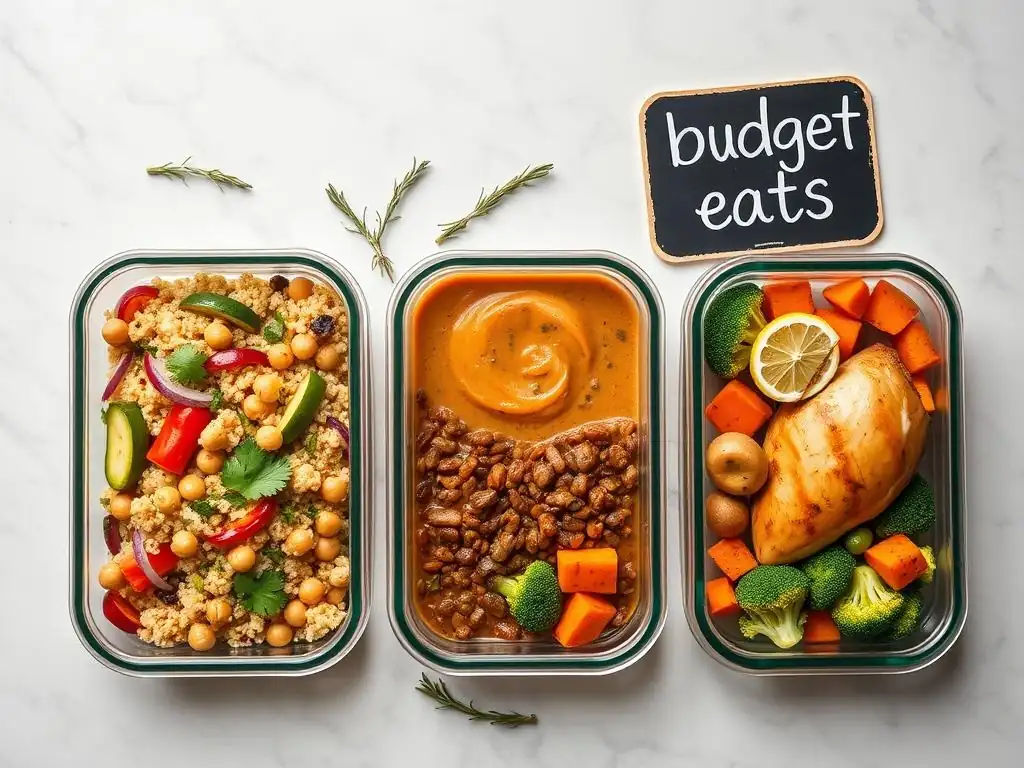
Ready to conquer your day and transform your health without breaking the bank? Welcome to UltimateLifeHacks, your ultimate resource for practical tips and efficient strategies to optimize your daily life. Discover the secret to delicious and nutritious eating with our latest article on cheap healthy meal prep recipes – a game-changer for budget-conscious individuals aiming for a healthier lifestyle. Dive in and unlock the power of smart living!
- Affordable Meal Prep: Planning Your Budget-Friendly Weight Loss Journey
- Delicious & Cheap Healthy Meal Prep Recipes: A Week's Worth of Winning Meals
- Mastering the Art of Cheap Healthy Meal Prep: Time-Saving Strategies
- Tips for Sticking to Your Budget and Achieving Your Weight Loss Goals
-
Frequently Asked Questions
- How can I make meal prepping affordable?
- What are some quick and easy cheap healthy meal prep recipes?
- Are there any healthy meal prep recipes suitable for vegetarians/vegans?
- How can I prevent my meal prepped food from getting boring?
- How long can I safely store my meal-prepped food in the refrigerator?
- Final Reflection: Nourishing Body and Soul: The Enduring Power of Affordable Healthy Eating
- Unleash Your Inner Chef: Delicious & Affordable Weight Loss Awaits!
Affordable Meal Prep: Planning Your Budget-Friendly Weight Loss Journey
Losing weight doesn't have to break the bank! This guide focuses on creating a sustainable, cheap healthy meal prep plan that supports your weight loss goals without sacrificing delicious, nutritious meals. We'll explore strategies for budgeting, selecting affordable ingredients, and crafting a weekly meal plan packed with cheap healthy meal prep recipes.
Embracing budget-friendly meal prepping empowers you to take control of your health and finances simultaneously, proving that healthy eating and weight management are achievable even on a tight budget. This isn't just about saving money; it's about building healthy habits that stick, leading to long-term success in your weight loss journey. Let's dive into practical strategies to make delicious and nutritious food work for you.
Setting a Realistic Grocery Budget for Healthy Eating
Creating a realistic grocery budget is the cornerstone of successful budget-friendly meal prepping. Before you even start browsing recipes, determine how much you can realistically allocate to groceries each week. Consider your current spending habits and adjust accordingly. A good starting point is to track your spending for a couple of weeks to understand where your money is going. Then, set a target budget that allows for flexibility and occasional treats, but still keeps you within your financial means.
Remember, it's about smart spending, not deprivation. Utilize tools like budgeting apps or spreadsheets to monitor your expenses and ensure you stay on track. Don't be afraid to adjust your budget as needed – it's a process of learning and refining. Consider using the 50/30/20 rule (50% needs, 30% wants, 20% savings) to allocate your funds effectively, ensuring healthy eating fits comfortably within your overall financial plan.
Here's a simple table to help you visualize your budget:
| Category | Estimated Weekly Cost | Notes |
|---|---|---|
| Fruits & Vegetables | $25 | Prioritize seasonal produce for lower prices |
| Protein Sources | $30 | Utilize cheaper protein options like beans, lentils, and chicken thighs |
| Grains & Legumes | $15 | Buy in bulk where possible |
| Healthy Fats | $10 | Consider affordable options like avocados (when in season) and nuts (in moderation) |
| Miscellaneous | $10 | Spices, condiments, etc. |
| Total | $90 | Adjust based on your needs and family size |
This budget is just an example; your needs may differ. The key is to create a budget that works for you and allows you to consistently purchase healthy, affordable ingredients.
Identifying Inexpensive, Nutrient-Rich Ingredients for Weight Loss
The key to cheap healthy meal prep recipes lies in selecting affordable, nutrient-rich ingredients. Forget the expensive pre-packaged "diet" foods; focus on whole, unprocessed foods that provide maximum nutritional value for your money. Prioritize seasonal produce, as it's typically cheaper and tastier. Think about incorporating these budget-friendly staples into your meal plan:
- Protein: Beans (kidney, black, pinto), lentils, chickpeas, chicken thighs (bone-in are cheaper), eggs, canned tuna (in water).
- Grains: Brown rice, quinoa (can be pricey, so use sparingly), oats.
- Vegetables: Frozen vegetables (often cheaper and just as nutritious as fresh), seasonal produce (check your local farmer's market! ), potatoes, sweet potatoes.
- Fruits: Bananas, apples (when in season), oranges, frozen berries.
By focusing on these affordable options, you can create a wide variety of satisfying and nutritious meals without breaking the bank. Remember to plan your meals around these ingredients to minimize food waste and maximize your budget. Don't be afraid to experiment with different flavor combinations to keep things interesting!
Creating a Weekly Meal Plan with Cheap Healthy Meal Prep Recipes
Now that you have a budget and a list of affordable ingredients, it’s time to create your weekly meal plan. This is where you'll put your creativity to work, designing delicious and satisfying meals using your chosen ingredients. Aim for variety to prevent boredom and ensure you're getting a range of nutrients.
Remember to consider the time you have available for cooking and prepping. Choose recipes that are easy to make and can be prepped in advance. Batch cooking is your friend here! Prepare large quantities of grains, beans, and other staples to use throughout the week.
Here's an example of a simple, budget-friendly weekly meal plan:
Monday: Lentil Soup with whole-wheat bread Tuesday: Chicken and vegetable stir-fry with brown rice Wednesday: Black bean burgers on whole-wheat buns with a side salad Thursday: Quinoa salad with chickpeas, cucumber, and tomatoes Friday: Baked chicken thighs with roasted sweet potatoes and broccoli Saturday: Leftovers or a simple frittata with vegetables and cheese Sunday: Oatmeal with berries and nuts
This is just a sample; feel free to adapt it based on your preferences and dietary needs. The key is to plan ahead, shop strategically, and stick to your budget. Remember, consistency is key to achieving your weight loss goals! With a little planning and creativity, you can enjoy delicious, healthy meals without emptying your wallet. 🎉
Delicious & Cheap Healthy Meal Prep Recipes: A Week's Worth of Winning Meals
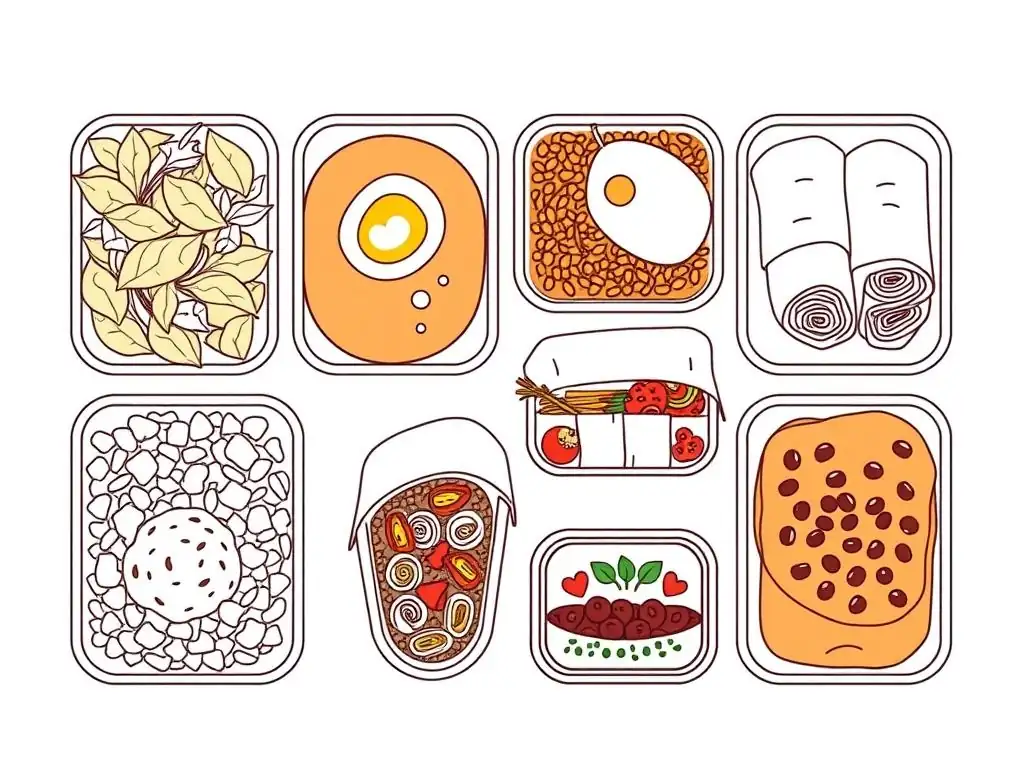
This section provides a detailed breakdown of budget-friendly, healthy meal prep recipes designed to support your weight loss journey without breaking the bank. We'll focus on maximizing nutritional value while minimizing costs, offering a practical approach to "cheap healthy meal prep recipes". These recipes are designed to be easily adaptable to your individual dietary needs and preferences. Remember to always adjust portion sizes to match your caloric goals.
Budget-Friendly Breakfast Recipes: Quick & Filling Morning Meals
Starting your day with a nutritious breakfast is crucial for weight management and overall health. However, breakfast can often be the most expensive meal. These recipes prioritize affordability and speed, perfect for busy mornings.
- Overnight Oats: A classic budget-friendly option. Combine 1/2 cup rolled oats, 1 cup milk (dairy or non-dairy), 1 tablespoon chia seeds, and your choice of sweetener (honey, maple syrup, or a touch of stevia). Refrigerate overnight and enjoy cold. Variations include adding berries, nuts, or seeds for added nutrients and flavor. This is a fantastic example of a cheap healthy meal prep recipe that can be prepared in minutes.
- Scrambled Eggs with Veggies: Eggs are an incredibly affordable source of protein. Scramble 2-3 eggs with chopped onions, peppers, and spinach for a hearty and nutritious breakfast. Consider adding a sprinkle of cheese for extra flavor, but be mindful of the added calories. Prepare a large batch on the weekend and portion it out for the week.
- Peanut Butter & Banana Toast: A simple yet satisfying combination. Use whole-wheat toast for added fiber. This classic provides sustained energy and essential nutrients at a minimal cost. Consider adding a sprinkle of cinnamon for an extra flavor boost.
These breakfast options provide a solid foundation for your day, keeping you full and energized until lunchtime, all while sticking to your "cheap healthy meal prep recipes" plan.
Affordable Lunch Ideas: Satisfying and Portable Options for Work or School
Packing your lunch is a fantastic way to save money and control your portions. These lunch ideas are designed to be both satisfying and easily transportable.
| Recipe | Ingredients | Cost Estimate (per serving) | Calorie Estimate (per serving) | Notes |
|---|---|---|---|---|
| Lentil Soup | Lentils, carrots, celery, onion, vegetable broth | $1.50 | 300-350 | High in fiber and protein; easily made in a large batch. |
| Chicken Salad Sandwiches | Cooked chicken breast, celery, mayonnaise, whole-wheat bread | $2.00 | 350-400 | Use light mayonnaise to reduce fat content. |
| Large Salad with Leftovers | Mixed greens, leftover grilled chicken or beans, veggies, light dressing | $2.50 | 250-300 | A versatile option; use whatever healthy leftovers you have on hand. |
| Quinoa Salad | Quinoa, cucumber, tomatoes, feta cheese (optional), lemon vinaigrette | $2.00 | 300-400 | High in protein and fiber; easily customizable. |
Remember to pack your lunch in reusable containers to minimize waste and environmental impact. These affordable lunch ideas make sticking to your "cheap healthy meal prep recipes" strategy effortless.
Inexpensive Dinner Recipes: Hearty and Healthy Evening Meals
Dinner doesn't have to be expensive to be delicious and healthy. These recipes focus on affordable, filling ingredients that satisfy your hunger without derailing your weight loss goals.
- Sheet Pan Chicken and Veggies: Toss chicken breast and your favorite vegetables (broccoli, carrots, potatoes) with olive oil, herbs, and spices. Roast on a sheet pan for an easy, healthy, and cheap meal. This is a perfect example of a "cheap healthy meal prep recipes" approach, maximizing flavor and nutrition while minimizing cost and effort.
- Black Bean Burgers: A vegetarian option that's packed with protein and fiber. Combine canned black beans, breadcrumbs, spices, and an egg (optional) to form patties. Serve on whole-wheat buns with your favorite toppings.
- Lentil Shepherd's Pie: A hearty and satisfying meal that's surprisingly affordable. Use lentils as a base instead of ground meat, topped with mashed sweet potatoes or cauliflower mash for a healthier twist. This recipe is a testament to the potential of "cheap healthy meal prep recipes" to deliver both taste and nutritional value.
These dinner recipes provide a variety of flavors and textures, ensuring that your weight loss journey isn't monotonous. By planning your meals and prepping ingredients in advance, you'll save time and money while enjoying delicious and healthy food. Remember to adjust portion sizes based on your individual needs and always consult with a healthcare professional or registered dietitian for personalized dietary advice.
Smart Snacking on a Budget: Healthy Snacks That Won't Break the Bank
Maintaining a healthy diet while sticking to a tight budget can feel challenging, but smart snacking is key to successful and affordable weight loss. Processed snacks are often loaded with sugar, unhealthy fats, and empty calories, quickly derailing your progress and emptying your wallet. The good news is that delicious and nutritious snacks can be incredibly cheap if you plan ahead. Focus on whole, unprocessed foods that are naturally filling and satisfying.
One of the best strategies is to buy in bulk. Items like nuts (almonds, walnuts, cashews – but watch portion sizes! ), dried fruits (choose unsweetened options), and whole grain crackers are significantly cheaper when purchased in larger quantities. Store them in airtight containers to maintain freshness and prevent spoilage. This bulk buying approach not only saves money but also reduces the frequency of grocery shopping, saving you time and effort.
Another incredibly budget-friendly snack option is fruit. Seasonal fruits are generally cheaper and readily available. Apples, bananas, oranges, and grapefruit are all excellent sources of vitamins, minerals, and fiber, keeping you full and energized between meals. Consider preparing a large batch of fruit salad at the beginning of the week to have a readily available, healthy, and delicious snack throughout your days. Don't forget frozen fruits! They're often cheaper than fresh and perfect for smoothies or as a quick and refreshing treat.
Finally, don't underestimate the power of simple, homemade snacks. Hard-boiled eggs are a fantastic source of protein and are incredibly inexpensive to prepare. Make a batch at the beginning of the week and store them in the refrigerator for a quick and easy grab-and-go snack. Similarly, air-popped popcorn (avoid excessive butter or salt) is a whole-grain snack that provides fiber and is incredibly cheap.
Experiment with different spices to keep it interesting! Remember, planning and preparation are your allies in achieving both healthy eating and budget-friendly weight loss. With a little creativity, you can enjoy satisfying and nutritious snacks without breaking the bank. This approach is crucial for long-term success with your "cheap healthy meal prep recipes."
Mastering the Art of Cheap Healthy Meal Prep: Time-Saving Strategies
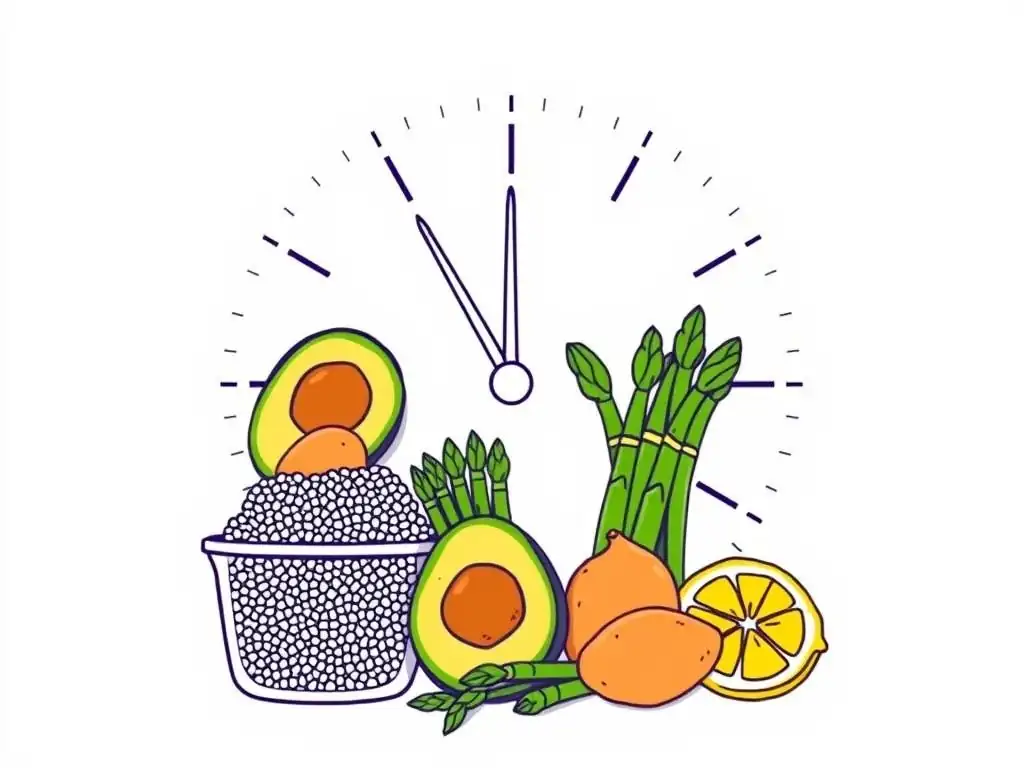
Losing weight doesn't have to break the bank. Mastering cheap healthy meal prep recipes is all about strategic planning and efficient execution. This section focuses on techniques to maximize your time and minimize food waste, allowing you to stick to your weight loss goals without sacrificing your budget.
We'll explore practical strategies that transform your approach to meal preparation, turning it from a chore into a time-saving, money-saving asset. The key is to embrace simplicity and efficiency, focusing on recipes that are both nutritious and affordable. By implementing these strategies, you'll find that healthy eating becomes easier and more sustainable.
Batch Cooking Techniques for Maximum Efficiency
Batch cooking is the cornerstone of effective and budget-friendly meal prepping. Instead of cooking individual meals every day, dedicate a few hours each week to preparing large batches of staple ingredients and complete meals. This significantly reduces cooking time throughout the week and minimizes the temptation to resort to less healthy, more expensive takeout options.
For example, consider cooking a large pot of quinoa or brown rice. This versatile base can be incorporated into numerous meals throughout the week, saving you both time and money. Similarly, roasting a large tray of vegetables like broccoli, sweet potatoes, and Brussels sprouts provides a healthy and flavorful foundation for various dishes. You can easily incorporate these into salads, stir-fries, or as a side to lean proteins like chicken breast or fish.
Think about prepping ingredients in advance. Chopping vegetables, washing and storing greens, and portioning out proteins at the beginning of the week can save you precious minutes each day. This "mise en place" approach streamlines your cooking process, making meal preparation significantly quicker and less stressful. Consider using a food processor or mandoline slicer to speed up the chopping process even further.
Smart Storage Solutions to Preserve Freshness and Minimize Waste
Proper storage is crucial for extending the shelf life of your prepped meals and ingredients. This not only saves you money by preventing food spoilage but also helps you maintain the nutritional value of your meals.
Invest in airtight containers. These are essential for keeping your food fresh and preventing freezer burn. Glass containers are a great option, as they are reusable and environmentally friendly. Consider labeling your containers with the contents and date to easily identify what's inside and to ensure you use older items first – a key element of minimizing food waste.
Utilize your refrigerator space effectively. Arrange your containers strategically, placing frequently used items within easy reach. Store leftovers in shallow containers to ensure even cooling and prevent bacterial growth. Avoid overcrowding your refrigerator, as this can hinder proper air circulation and affect food freshness.
Freezing Leftovers for Future Meals: Extending Your Budget and Time
Freezing leftovers is a game-changer for budget-conscious meal prepping. It allows you to extend the lifespan of your meals and reduces food waste significantly. This is particularly useful for larger batch cooking projects, where you might have more food than you can consume within a few days.
Portion your meals into freezer-safe containers before freezing. This makes it easy to grab a single-serving meal when you're short on time. Label each container clearly with the contents and date, and consider using a date label system to ensure you use the oldest items first, following a FIFO (First In, First Out) system.
Remember that freezing can slightly alter the texture of some foods. Consider this when choosing what to freeze. Certain foods, like creamy sauces or dishes with a high water content, might not freeze as well as others. However, many hearty meals, soups, stews, and even roasted vegetables freeze exceptionally well and maintain their nutritional value and flavor. Freezing your meals is a fantastic way to save time and money while sticking to your healthy eating plan.
Tips for Sticking to Your Budget and Achieving Your Weight Loss Goals
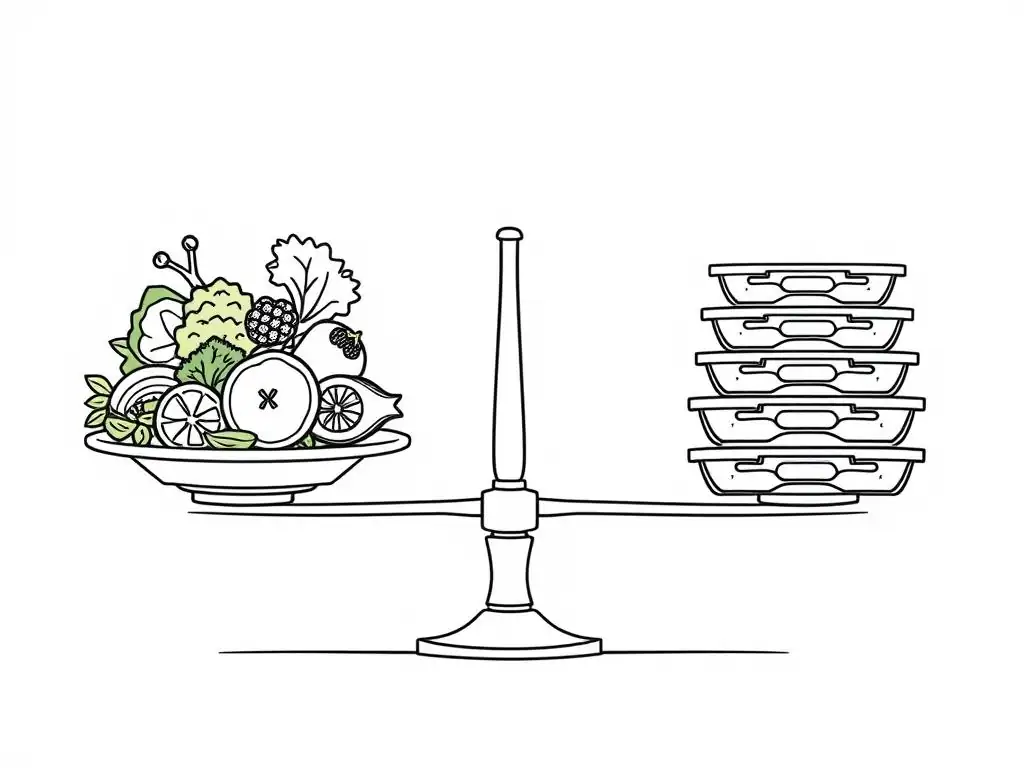
Losing weight doesn't have to break the bank! Many believe that healthy eating requires expensive, exotic ingredients, but that's simply not true. This section will delve into practical strategies to stick to your budget while still enjoying delicious and nutritious meals that support your weight loss journey.
We'll explore smart shopping techniques, effective ways to utilize sales and coupons, and the importance of tracking your spending to ensure you stay on track with both your budget and your health goals. Remember, sustainable weight loss is a marathon, not a sprint, and smart financial planning is key to long-term success. This is especially crucial when focusing on cheap healthy meal prep recipes.
Avoiding Impulse Grocery Purchases: Strategies for Smart Shopping
Impulse buys are the silent killers of any budget, especially when it comes to groceries. Those tempting snacks and sugary drinks can quickly derail your healthy eating plan and leave your wallet feeling lighter. To avoid these pitfalls, employ these strategies:
- Plan your meals meticulously: Before even stepping foot in the grocery store, create a detailed meal plan for the week. This will ensure you only purchase the necessary ingredients, preventing those unplanned purchases. List specific quantities to avoid buying more than you need.
- Shop with a list: This is crucial. Stick to your list religiously. Don't deviate unless absolutely necessary. Consider even using a grocery store app that helps you create and manage your shopping list.
- Avoid shopping when hungry: Shopping on an empty stomach significantly increases the likelihood of impulse buys. Eat a small, healthy snack before your shopping trip to curb those cravings.
- Stick to the perimeter of the store: Most fresh produce, lean proteins, and whole grains are located on the outer aisles of most supermarkets. This helps you focus on healthier options and avoid the processed foods and sugary treats lurking in the inner aisles.
- Don't be swayed by clever marketing: Supermarkets are masters of visual merchandising. Be aware of this and don't let eye-catching displays tempt you into buying things you don't need.
Utilizing Sales and Coupons for Maximum Savings
Saving money on groceries without compromising on quality is entirely achievable. Take advantage of these money-saving techniques:
- Check weekly flyers: Familiarize yourself with the weekly sales flyers from your local grocery stores. Plan your meals around what's on sale to maximize your savings. This is especially helpful when considering cheap healthy meal prep recipes.
- Use coupon apps and websites: Numerous apps and websites offer digital coupons and rebates. Download a few and start clipping those digital coupons!
- Buy in bulk (wisely): Buying in bulk can save money, but only if you're sure you'll use the items before they expire. Focus on non-perishable staples like grains, beans, and canned goods.
- Consider store brands: Store-brand products are often just as good as name brands but at a significantly lower price. Don't be afraid to experiment and try different store brands. You might be surprised at the quality!
- Look for unit price comparisons: Pay attention to the unit price (price per ounce, pound, etc.) to compare the value of different sizes and brands. This will help you make informed decisions and avoid overspending.
Tracking Your Spending and Adjusting Your Meal Plan Accordingly
Tracking your grocery spending is essential for staying on budget and making informed adjustments to your meal plan. Here's how to do it:
- Use a budgeting app: Many budgeting apps allow you to easily track your expenses, including grocery purchases. These apps often provide insightful reports and help you identify areas where you can cut back.
- Keep receipts: Keep all your grocery receipts and review them regularly to identify spending patterns. This helps you monitor your progress and make necessary adjustments.
- Analyze your spending: Once you've tracked your spending for a few weeks, analyze your data to pinpoint areas where you're overspending. This might reveal opportunities to substitute more expensive ingredients with cheaper alternatives while maintaining nutritional value.
- Adjust your meal plan: Based on your spending analysis, adjust your meal plan to incorporate more budget-friendly ingredients. This might involve swapping out certain proteins or vegetables for cheaper alternatives. Remember, there are countless cheap healthy meal prep recipes available online and in cookbooks!
- Celebrate your successes!: Acknowledge and celebrate your successes in sticking to your budget. This positive reinforcement will keep you motivated and committed to your weight loss and financial goals. 🎉
Celebrating Small Victories and Staying Motivated on Your Weight Loss Journey
Weight loss is a marathon, not a sprint. It's crucial to acknowledge and celebrate your progress along the way to maintain motivation and prevent burnout. Focusing solely on the end goal can be discouraging, especially when faced with inevitable setbacks. Instead, shift your perspective to appreciate the smaller achievements. Did you successfully stick to your meal prep plan for a whole week? Did you choose a healthy snack over an unhealthy one, even when tempted? Did you hit your daily step goal? These are all significant victories that deserve recognition.
Keep a journal or use a dedicated app to track your progress and milestones. Write down your successes, no matter how small they may seem. This creates a visual record of your hard work and helps you see how far you've come. Reviewing this journal regularly can be a powerful motivator, reminding you of your strength and resilience. Furthermore, consider rewarding yourself for reaching significant milestones. These rewards shouldn't undermine your progress; think along the lines of a new workout outfit, a relaxing bath, or a massage – things that enhance your well-being without sabotaging your diet.
Remember that setbacks are a normal part of the process. Don't let a single slip-up derail your entire journey. Instead, analyze what happened, learn from it, and get back on track as quickly as possible. For example, if you overindulged at a social event, don't beat yourself up about it.
Acknowledge it, forgive yourself, and refocus on your healthy eating plan the next day. Maintaining a positive and forgiving attitude is key to long-term success with any weight loss program, especially one focused on "cheap healthy meal prep recipes." Your journey is unique to you, and celebrating each step forward, no matter how small, keeps the momentum going. Remember, consistency is key!
Frequently Asked Questions
How can I make meal prepping affordable?
Budget-friendly meal prepping is all about planning and smart shopping. Focus on inexpensive protein sources like beans, lentils, and chicken thighs, and buy seasonal produce. Utilize leftovers creatively!
What are some quick and easy cheap healthy meal prep recipes?
Try one-pan roasted vegetables with chicken or chickpeas, big batches of lentil soup, or overnight oats with fruit. These recipes require minimal ingredients and cooking time.
Are there any healthy meal prep recipes suitable for vegetarians/vegans?
Absolutely! Lentil stews, chickpea curries, and vegetable stir-fries are all excellent options packed with nutrients and fiber. Experiment with different spices and grains for variety.
How can I prevent my meal prepped food from getting boring?
Variety is key! Try different cuisines, cooking methods (roasting, grilling, steaming), and flavor combinations. Introduce new spices and herbs to keep things interesting. Batch cooking different recipes each week also helps.
How long can I safely store my meal-prepped food in the refrigerator?
Most meal-prepped food should be stored in the refrigerator for 3-4 days. Always ensure food is properly cooled before refrigerating and use airtight containers to maintain freshness and prevent cross-contamination.
Final Reflection: Nourishing Body and Soul: The Enduring Power of Affordable Healthy Eating
The pursuit of a healthy lifestyle shouldn't break the bank. This article has highlighted how delicious, nutritious meals can be prepared on a budget, proving that healthy eating is accessible to everyone, regardless of financial constraints. It's a powerful reminder that prioritizing well-being doesn't require compromising on financial stability.
The impact of accessible healthy eating extends far beyond the individual. It touches upon broader societal issues of food security and equitable access to nutritious food. By embracing budget-friendly meal prepping, we challenge the pervasive narrative that healthy food is a luxury. Taking care of your body is a form of self-respect.
– Unknown. This simple truth resonates deeply, emphasizing the intrinsic value of nourishing ourselves, both physically and mentally, without unnecessary financial burden.
Now, consider your own relationship with food and your budget. What small changes can you implement today to make healthy eating a sustainable part of your life? Start with one new recipe, one new meal-prepping strategy, and build from there. Remember, the journey to a healthier you is a marathon, not a sprint, and every small step counts. Embrace the power of affordable healthy eating, and discover the transformative impact it can have on your life.
Unleash Your Inner Chef: Delicious & Affordable Weight Loss Awaits!
Thank you for exploring budget-friendly weight loss strategies! You now have the tools to create delicious, healthy meals without exceeding your budget. Ready to put your new knowledge into practice?
- Craft a personalized meal plan: Use what you've learned to create a weekly meal plan featuring your favorite budget-friendly recipes. This is key to consistent healthy eating!
- Share your successes: Inspire others by sharing your favorite budget-friendly recipes and weight loss tips on our online community forum.
- Try a new recipe this week: Step outside your comfort zone and try a recipe that previously seemed intimidating. You might discover a new favorite!
What's one affordable ingredient you're excited to use in your meals this week?