
The Secret Weapon for Financial Success: Personal Finance Automation Revealed


Ready to reclaim your time and conquer your finances? At UltimateLifeHacks, we're dedicated to providing you with the practical tools and strategies to optimize your daily life. This week, we unveil a game-changer: discover how to Automate personal finances easily and unlock a new level of financial freedom. Learn the secrets to effortless budgeting, saving, and investing – your path to a more streamlined and successful future starts now.
- Automate Personal Finances Easily: Why Automation is Key
-
Step-by-Step Guide to Automating Your Personal Finances
- Step 1: Choosing the Right Financial Automation Tools: Software and Apps
- Step 2: Linking Your Accounts and Setting Up Automated Transfers
- Step 3: Automating Bill Payments and Avoiding Late Fees
- Step 4: Automating Savings and Investment Contributions
- Step 5: Monitoring and Adjusting Your Automated Systems for Optimal Performance
- Beyond the Basics: Advanced Personal Finance Automation Techniques
- Troubleshooting Common Personal Finance Automation Challenges
- The Ultimate Guide to Effortless Financial Management Through Automation
- Frequently Asked Questions
- Final Reflection: Unlocking Financial Freedom Through Automation
- Unlock Your Financial Freedom: Automate Your Way to Success!
Automate Personal Finances Easily: Why Automation is Key
Automating your personal finances might sound like a complex undertaking reserved for tech-savvy individuals, but it's actually a surprisingly accessible and powerful strategy for achieving financial success. This article unveils the secrets to effortlessly automating your finances, transforming your relationship with money from stressful to streamlined. We'll explore how simple automation can unlock significant time savings, improve your budgeting accuracy, and even help you reach your financial goals faster.
By embracing the power of automation, you'll not only reduce the mental load associated with managing your finances but also pave the way for a more secure and prosperous future. This guide is designed for everyone, from beginners taking their first steps toward financial responsibility to seasoned savers looking to optimize their existing systems. Let's dive into the world of automated personal finance and discover how easily you can take control of your financial well-being.
The Benefits of Automating Your Finances: Time Savings and Stress Reduction
The most immediate and tangible benefit of automating your personal finances is the significant reduction in time spent on tedious tasks. Manually tracking expenses, transferring funds, and paying bills can consume hours each month, time that could be better spent pursuing your passions, spending time with loved ones, or simply relaxing. Automating these processes frees up valuable time and mental energy. Imagine the relief of knowing your bills are paid on time, every time, without you having to lift a finger!
This automated consistency eliminates the stress and anxiety often associated with managing finances, particularly the fear of missed payments and potential late fees. The mental clarity gained from reducing this financial burden is invaluable, contributing to a more balanced and fulfilling life. This translates into a significant improvement in overall well-being and reduces the likelihood of making impulsive financial decisions driven by stress.
Think of it this way: the average person spends approximately [specific data pending] hours per month managing their finances manually. Automating even a portion of these tasks could save you [calculated time savings pending] hours, equivalent to [calculated equivalent time savings pending] days per year – time you can reinvest in activities that genuinely enrich your life. The reduction in stress alone is a significant return on investment.
Improved Budgeting and Expense Tracking Through Automation
Automating your budgeting and expense tracking provides unparalleled accuracy and insight into your spending habits. Manual tracking is prone to human error – missed entries, inaccurate amounts, and forgotten transactions can all skew your financial picture. Automated systems, on the other hand, eliminate these inaccuracies. They provide real-time updates on your income and expenses, offering a clear and comprehensive view of your financial health. This level of detail allows for more effective budgeting and informed financial decisions. You can easily identify areas where you're overspending and make adjustments accordingly, fostering a healthier relationship with your money.
Furthermore, many automated systems offer insightful reporting features, providing visualizations of your spending patterns categorized by type, vendor, or even time of day. This granular data empowers you to make data-driven adjustments to your budget, optimizing your spending and saving habits. The ability to monitor your progress towards your financial goals in real-time is immensely motivating and helps keep you accountable. This level of transparency fosters a sense of control and confidence in your financial management.
Setting Financial Goals and Achieving Them with Automated Systems
Automated systems aren't just about managing your current finances; they are powerful tools for achieving your long-term financial goals. Whether you're saving for a down payment on a house, planning for retirement, or simply aiming to build an emergency fund, automation can significantly accelerate your progress. Automated savings plans, for example, automatically transfer a predetermined amount from your checking account to your savings account each month, making saving consistent and effortless. This removes the temptation to spend that money elsewhere, thereby building your savings steadily and reliably.
Similarly, automated investment strategies can help you reach your investment goals. Automated portfolio rebalancing ensures your investments remain aligned with your risk tolerance and financial objectives, while automated dividend reinvestment allows your returns to compound over time, maximizing your growth potential. By automating these processes, you can take the guesswork out of investing and focus on the bigger picture – achieving your financial dreams.
The power of compounding interest, fueled by consistent automated contributions, is a true secret weapon for long-term financial success. The ability to track progress towards these goals, visually represented within the automated system, provides a powerful motivator and keeps you focused on your financial aspirations.
Step-by-Step Guide to Automating Your Personal Finances
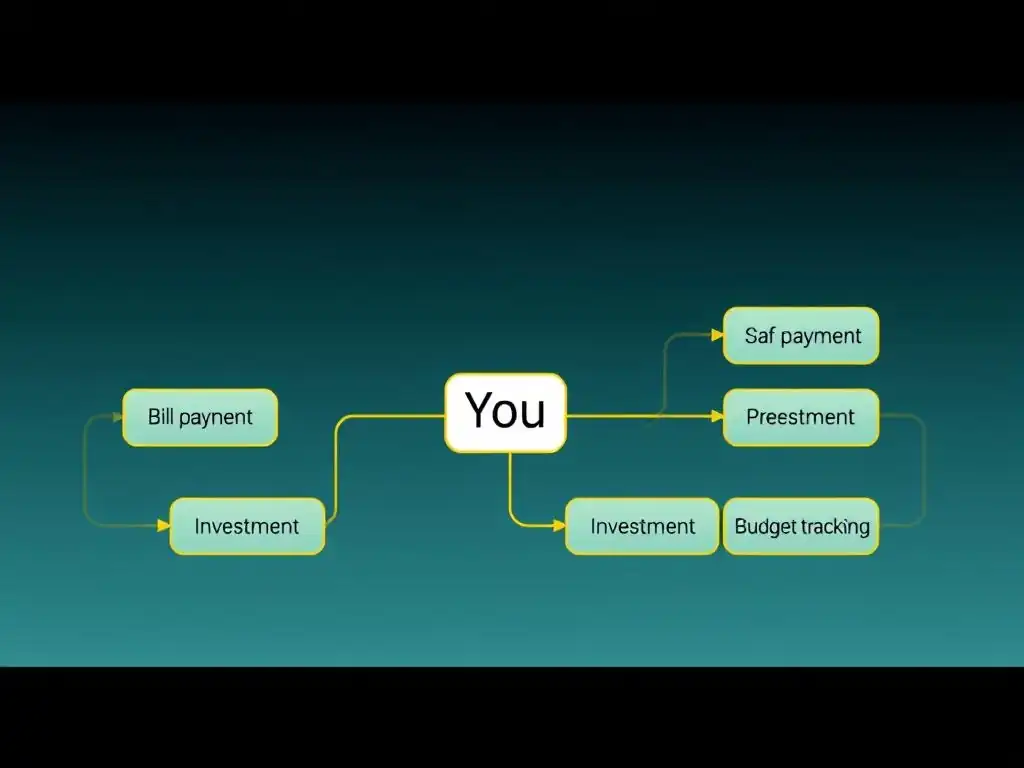
This section provides a practical, step-by-step guide to automating your personal finances, helping you effortlessly manage your money and achieve your financial goals. Automating your personal finances easily is achievable with the right tools and strategies. We'll cover the essential steps to get started, from selecting the right tools to automating bill payments. Remember, consistency is key to reaping the rewards of automated financial management.
Step 1: Choosing the Right Financial Automation Tools: Software and Apps
Selecting the appropriate financial automation tools is crucial for a smooth and effective process. The market offers a wide variety of software and apps, each with its own strengths and weaknesses. Your choice should depend on your specific needs and preferences, considering factors like ease of use, features, security, and integration capabilities.
Several categories of tools can significantly automate your finances:
- Budgeting Apps: These apps help you create and track your budget, often automatically categorizing transactions from linked accounts. Popular examples include Mint, YNAB (You Need A Budget), and Personal Capital. They often offer features like spending analysis and goal setting, providing insights into your financial behavior.
- Expense Tracking Apps: These apps focus primarily on recording and categorizing your expenses, often integrating with bank accounts and credit cards for seamless data import. Some examples include PocketGuard and Goodbudget. These are particularly helpful for identifying areas where you can cut back on spending.
- Investment Platforms: Many investment platforms offer automated investing features, allowing you to set up recurring investments and automatically rebalance your portfolio. Robo-advisors like Betterment and Wealthfront fall into this category, offering automated portfolio management based on your risk tolerance and financial goals.
- Bill Payment Services: These services allow you to schedule and automate bill payments, ensuring timely payments and avoiding late fees. Many banks and credit unions offer this service directly through their online banking platforms. Third-party services also exist, often with additional features like bill aggregation and payment reminders.
Consider these factors when choosing:
| Feature | Importance | Example |
|---|---|---|
| Ease of Use | Crucial for long-term adherence | Intuitive interface, clear instructions |
| Security | Paramount for protecting your financial data | Encryption, two-factor authentication |
| Integration | Simplifies data entry and reduces manual work | Seamless connection to bank accounts & cards |
| Features | Choose based on your specific financial needs | Budgeting, investment tracking, bill pay |
| Cost | Free vs. paid options; consider value for money | Subscription fees, transaction charges |
Choosing the right tools is the first step towards successfully automating your personal finances easily. Experiment with free trials or free versions before committing to a paid subscription.
Step 2: Linking Your Accounts and Setting Up Automated Transfers
Once you've chosen your tools, the next step is to securely link your bank accounts, credit cards, and investment accounts. This allows the software to automatically import transaction data and facilitate automated transfers. This process typically involves providing login credentials or connecting via secure APIs. Always ensure you are using legitimate and secure platforms to protect your sensitive financial information.
After linking accounts, setting up automated transfers is straightforward. This involves defining the transfer amounts, frequency, and destination accounts. For example:
- Automated Savings: Set up a recurring transfer from your checking account to a savings account each payday. Even small amounts consistently transferred can significantly increase your savings over time.
- Debt Repayment: Automate payments towards your debts, such as student loans or credit card balances. This ensures on-time payments and helps you avoid interest charges and penalties.
- Investment Contributions: Regularly transfer funds to your investment accounts to benefit from the power of compounding. Automate these contributions to maintain consistency and discipline.
Remember to carefully review the transfer details before activating them. Regular monitoring is also crucial to ensure the automated transfers are functioning correctly and to catch any potential errors. A small error early on can snowball into a much larger problem if left unattended.
Step 3: Automating Bill Payments and Avoiding Late Fees
Automating bill payments is one of the most effective ways to improve your financial organization and avoid late fees. Most bill payment services allow you to schedule recurring payments for various bills, such as utilities, rent, subscriptions, and loans. This eliminates the need to manually track due dates and make payments, freeing up your time and reducing the risk of missed payments.
Here's how to effectively automate your bill payments:
- Identify Recurring Bills: Make a list of all your recurring bills, including the due date and payment amount for each.
- Enroll in Autopay: Most service providers offer autopay options. Enroll in these services to automatically debit your account on the due date.
- Set Reminders: While autopay is helpful, setting reminders (either through your bill payment software or a separate calendar) can provide an added layer of security and allow you to monitor the transactions.
- Monitor Your Accounts: Regularly review your bank and credit card statements to ensure all payments have been processed correctly. This helps identify any potential issues early on.
By implementing these steps, you can significantly reduce the risk of late fees and improve your credit score. Automating your bill payments is a simple yet powerful strategy for managing your finances efficiently and avoiding unnecessary expenses. The peace of mind that comes from knowing your bills are always paid on time is invaluable. This streamlined approach to bill payment is a key element in automating personal finances easily.
Step 4: Automating Savings and Investment Contributions
Automating your savings and investments is a crucial step towards achieving long-term financial security. This process takes the emotional element out of saving, ensuring consistent contributions regardless of your monthly income fluctuations. Many financial institutions offer automated transfer services directly through their online banking platforms. You can schedule recurring transfers from your checking account to your savings or investment accounts on a daily, weekly, or monthly basis. This makes saving effortless; you won't even notice the money leaving your checking account, as it happens automatically. This is a fantastic way to "pay yourself first," prioritizing your financial future.
Consider setting up automatic contributions to various savings goals. For example, you might have one automated transfer for your emergency fund, another for retirement contributions (like a 401k or IRA), and potentially a separate one for a down payment on a house or other significant purchases. By diversifying your automated savings, you're proactively working towards multiple financial milestones simultaneously. The key is to align these automated transfers with your specific financial goals and risk tolerance.
Remember to review these automated contributions periodically to ensure they still align with your evolving financial plans. Perhaps you'll need to increase contributions as your income grows or adjust allocations based on market performance. This proactive approach ensures you stay on track to accomplish your financial goals. Don't underestimate the power of compounding interest; the earlier you start automating your investments, the more significant the long-term benefits will be.
Step 5: Monitoring and Adjusting Your Automated Systems for Optimal Performance
While automation simplifies personal finance management, it's not a "set it and forget it" solution. Regular monitoring and adjustments are essential to ensure your automated systems continue working optimally and align with your changing financial circumstances. Think of it as regular maintenance for your financial engine; it needs occasional tuning to run smoothly.
Begin by reviewing your automated transactions monthly. This review should involve checking your account balances, verifying that the scheduled transfers are occurring as planned, and assessing the overall performance of your investments. This helps detect any errors or irregularities early on, allowing for prompt corrective actions. For example, you might discover a missed payment or an unexpected fee. Addressing these issues promptly prevents them from snowballing into more significant problems.
Furthermore, regularly evaluate the effectiveness of your automated savings and investment strategies. Consider your progress towards your financial goals. Are you saving enough? Is your investment portfolio aligned with your risk tolerance and long-term objectives? Life circumstances change, and your financial plan should adapt accordingly.
Perhaps a major life event, such as a job change or marriage, requires you to adjust your savings allocations or investment strategy. Regular adjustments ensure your automated system remains a powerful tool for achieving your evolving financial aspirations. Don't be afraid to make changes; the flexibility of automated systems allows you to adapt your financial plan easily, ensuring it always supports your current needs and future goals. Remember, consistent monitoring and adaptation are critical for maximizing the benefits of automated personal finance.
Beyond the Basics: Advanced Personal Finance Automation Techniques

This section delves into more sophisticated strategies for automating your personal finances, moving beyond the fundamentals of budgeting and expense tracking. We'll explore techniques that can significantly accelerate your progress toward financial goals, providing you with greater control and peace of mind. Mastering these advanced techniques will allow you to truly automate personal finances easily.
Automate Your Emergency Fund Contributions for Peace of Mind
Building an emergency fund is crucial for financial stability. Instead of manually transferring money each month, automate the process. Many banks and financial institutions offer features allowing you to schedule recurring transfers to a designated savings account. Aim for a target amount – ideally, 3-6 months' worth of living expenses – and set up automatic transfers to reach this goal efficiently.
Consider setting up a separate high-yield savings account specifically for your emergency fund. This ensures the money earns interest while remaining readily accessible. You can even automate the process of increasing your contributions incrementally over time. For example, you could schedule a 5% increase every six months, gradually building your safety net without conscious effort. This systematic approach allows you to automate personal finances easily and removes the temptation to dip into your emergency fund for non-essential spending. The peace of mind that comes with knowing your emergency fund is growing steadily is invaluable.
Automating Debt Repayment Strategies for Faster Results
Automating debt repayment can dramatically accelerate your journey to becoming debt-free. Several methods can be automated to achieve this. The most straightforward approach is to schedule automatic payments for all your debts, ensuring you always meet the minimum payment deadlines. This prevents late fees and negative impacts on your credit score.
Beyond minimum payments, explore options like debt snowball or debt avalanche methods. While these strategies require manual calculation initially to determine payment amounts, you can subsequently automate the transfers to achieve consistent and efficient debt reduction. For instance, with the debt snowball method, you can automate payments to the smallest debt first, building momentum and motivation. Once that debt is cleared, you can automate the freed-up funds towards the next smallest debt, and so on. This approach leverages the psychological benefits of early wins while still allowing you to automate personal finances easily.
Using Automated Investing for Long-Term Financial Growth
Automating investments is a cornerstone of long-term financial success. Many brokerage accounts offer automated investment features, including recurring investments in mutual funds, ETFs, or individual stocks. This "dollar-cost averaging" strategy helps mitigate the risk associated with market volatility by consistently investing a fixed amount regardless of price fluctuations.
Furthermore, you can automate portfolio rebalancing. This involves periodically adjusting your asset allocation to maintain your desired risk level and investment strategy. While some initial setup and ongoing monitoring are necessary, the rebalancing process itself can be automated, ensuring your portfolio remains aligned with your long-term goals. This automated approach to investing not only simplifies the process but also promotes discipline and consistency, critical elements for achieving substantial long-term financial growth.
By automating these aspects, you are effectively automating personal finances easily and strategically positioning yourself for a secure financial future. Remember to carefully consider your risk tolerance and investment goals before implementing any automated investment strategy. 📈
Leveraging Budgeting Apps for Enhanced Financial Control
Budgeting apps have revolutionized personal finance management, offering a powerful way to automate many aspects of financial tracking and planning. These apps go beyond simple expense tracking; they provide sophisticated tools for creating and sticking to a budget, forecasting future spending, and identifying areas for potential savings. The key to success lies in choosing the right app and using its features effectively.
Consider features like automated transaction categorization, which saves significant time and effort compared to manual entry. Many apps learn your spending habits over time, improving their accuracy in categorizing transactions. This automated categorization is a cornerstone of efficient personal finance automation, allowing you to gain a clear picture of your spending without the tedious manual work. For example, if you regularly purchase groceries at a specific store, the app will learn to automatically categorize those transactions as "Groceries," freeing you from manually tagging each purchase.
Beyond categorization, look for apps offering insightful reporting and visualization tools. These tools transform raw data into actionable insights, highlighting areas of overspending or potential savings opportunities. Visual representations like pie charts and bar graphs offer a quick and intuitive way to understand your spending patterns. Some advanced apps even provide personalized financial advice based on your spending habits and financial goals.
This personalized feedback is invaluable for refining your budget and making informed financial decisions. Imagine receiving an alert suggesting you reduce your dining-out expenses, backed by data showing you consistently exceed your allocated budget in that category. This proactive approach is a significant advantage of using advanced budgeting apps.
Finally, the ability to link the app to your bank accounts and credit cards is crucial for true automation. This feature allows for real-time updates on your account balances and transactions, providing an always-up-to-date view of your financial situation. This eliminates the manual process of entering transactions, minimizing the risk of human error and ensuring your budget remains accurate. The convenience and accuracy offered by this automation feature are paramount for effectively managing your finances. Choosing an app that seamlessly integrates with your existing financial accounts is a key step toward achieving effortless financial control.
Troubleshooting Common Personal Finance Automation Challenges

Automating your personal finances offers significant advantages, but like any system, it can encounter issues. Proactive troubleshooting is key to maintaining a smooth and effective automated financial life. Successfully automating personal finances easily requires understanding and addressing potential problems. Let's explore some common challenges and their solutions.
Addressing Potential Glitches and Errors in Automated Systems
Automated systems, while convenient, are not immune to glitches. These can range from minor data entry errors to more serious system malfunctions. Regular monitoring is crucial. For example, a recurring bill might be incorrectly categorized, leading to inaccurate budget projections. Or, a payment might fail due to insufficient funds or a problem with the payment processor.
Several strategies can mitigate these issues. Firstly, implement robust error checking mechanisms. Many automated finance apps offer alerts for failed transactions or unusual spending patterns. Actively review these alerts promptly. Secondly, reconcile your automated system with your bank statements regularly. This manual check ensures accuracy and helps identify discrepancies early.
A monthly reconciliation is a good starting point. Finally, consider using multiple automation tools for redundancy. If one system fails, another can act as a backup. This layered approach provides a safety net and reduces reliance on a single point of failure. For instance, you might use one app for budgeting and another for investment tracking.
Think of it like this: Imagine your automated system as a sophisticated machine. Regular maintenance, in the form of monitoring and reconciliation, prevents small problems from escalating into major breakdowns. This proactive approach ensures your automated personal finances easily stay on track.
Maintaining Security and Protecting Your Financial Data
Security is paramount when automating your finances. You're entrusting sensitive financial data to third-party applications and software. Therefore, choosing reputable and secure platforms is crucial. Look for apps with strong encryption, two-factor authentication, and a proven track record of data protection. Regularly review the security settings of your chosen apps and update your passwords according to best practices.
Beyond choosing secure platforms, consider these additional security measures:
- Limit access: Only authorize trusted devices and individuals to access your financial automation platforms.
- Monitor account activity: Regularly check your bank and investment accounts for any unauthorized transactions.
- Use strong, unique passwords: Avoid using the same password for multiple accounts. Consider a password manager to streamline this process.
- Enable fraud alerts: Most financial institutions offer fraud alerts that notify you of suspicious activity. Take advantage of this feature.
- Keep software updated: Regularly update your apps and operating systems to benefit from the latest security patches.
Failing to prioritize security can have severe consequences, ranging from identity theft to significant financial losses. Prioritizing security is not just a best practice; it's a necessity when automating your personal finances easily.
Adapting Your Automated Systems to Changing Financial Circumstances
Life is dynamic, and your financial situation will inevitably change. New income streams, unexpected expenses, or major life events (like buying a house or starting a family) all require adjustments to your automated systems. A rigid, inflexible system will quickly become ineffective.
Therefore, flexibility is key. Your automated systems should be adaptable to evolving needs. This requires proactive planning and a willingness to make adjustments. For instance:
- Automatic adjustments: Some automation tools allow for automatic adjustments based on predefined rules or triggers. This might include automatically increasing savings contributions when income rises or reducing spending in certain categories when expenses increase unexpectedly.
- Manual overrides: Sometimes, manual intervention is necessary. Your automated system should allow for manual adjustments to budgets, savings goals, or investment strategies. This ensures you retain control even within an automated framework.
- Regular review and recalibration: Schedule regular reviews of your automated systems (quarterly or annually, for example) to assess their effectiveness and make necessary adjustments. This ensures your automated personal finances easily adapt to your changing financial circumstances.
Ignoring these changes can lead to inaccurate budgeting, missed savings goals, and ultimately, financial instability. Adaptability is the key to long-term success with automated personal finance.
The Ultimate Guide to Effortless Financial Management Through Automation
This section dives deep into the practical applications of automating your personal finances, focusing on how to seamlessly integrate these tools into your daily life for maximum impact. We'll explore strategies that go beyond simply setting up automated transfers; we'll examine how to maintain the system, troubleshoot common issues, and adapt your automated finance system as your financial goals and life circumstances evolve. The key to successfully automating your personal finances easily lies in choosing the right tools and establishing a robust, adaptable system.
Maintaining Momentum and Long-Term Success with Automated Personal Finance
Automating your finances isn't a one-time task; it's an ongoing process requiring consistent monitoring and occasional adjustments. Think of it like maintaining a well-oiled machine – regular checks ensure smooth operation and prevent unexpected breakdowns. One crucial aspect is regular review. Schedule time, perhaps monthly or quarterly, to examine your automated transactions. Check for any discrepancies, unusual activity, or potential areas for improvement. This proactive approach helps catch errors early, preventing them from snowballing into larger financial problems.
Another key element is adaptability. Your financial situation will likely change over time. Perhaps you receive a raise, start saving for a down payment, or experience unexpected expenses. Your automated system needs to adapt to these changes. This might involve adjusting your savings targets, modifying your budgeting categories, or even switching to a new financial management app that better suits your needs. Don't be afraid to tweak your system as your circumstances evolve; this flexibility is essential for long-term success.
Consider using a spreadsheet or a dedicated financial planning software to track your progress and make adjustments. This allows for a more detailed analysis of your financial health, enabling you to identify areas where you can further optimize your automated system. For example, you might notice a recurring expense that could be reduced or eliminated, or you might discover an opportunity to increase your savings rate.
The data-driven approach ensures that your automated finance system continues to serve you effectively, enhancing your financial well-being over the long term. Remember, the goal of automating personal finances easily is to free up your time and mental energy, not to create another source of stress.
From Chaos to Control: Transforming Your Relationship with Money Through Automation
Automating your personal finances isn't just about convenience; it's about fundamentally changing your relationship with money. By removing the manual effort involved in tracking expenses, managing bills, and making investments, you create space for more mindful financial decision-making. Instead of constantly worrying about overdue bills or struggling to balance your budget, you can focus on your larger financial goals – saving for retirement, paying off debt, or investing in your future.
The transition from manual to automated financial management can be initially daunting. However, the rewards are substantial. Imagine the peace of mind knowing your bills are paid on time, your savings are growing steadily, and your investments are managed efficiently, all without requiring constant manual intervention. This newfound control empowers you to make more strategic decisions, leading to improved financial health and increased confidence in your financial future.
Consider how much time you currently spend on managing your finances manually. This time could be better spent pursuing your passions, spending time with loved ones, or engaging in activities that contribute to your overall well-being. Automating your finances isn't just about saving time; it's about reclaiming your time and energy to focus on what truly matters. The process of automating personal finances easily offers a powerful pathway towards a more fulfilling and financially secure life. By embracing this technology, you transform your relationship with money from one of stress and anxiety to one of control and empowerment.
Frequently Asked Questions
What is personal finance automation?
Personal finance automation is the process of automating repetitive financial tasks, such as bill payments, savings transfers, and investment contributions. This frees up your time and reduces the risk of human error.
How can I automate my personal finances easily?
Many apps and services allow for easy automation. You can link your accounts and schedule recurring transactions. Explore options like budgeting apps, robo-advisors, and online banking features.
What are the benefits of automating my finances?
Automation offers several advantages: reduced stress, improved budgeting accuracy, and increased savings due to consistent contributions. It also helps in tracking your spending habits more effectively.
Is it safe to automate my financial transactions?
Yes, but choose reputable apps and services with strong security measures. Always review transactions regularly and monitor your accounts for any suspicious activity. Look for apps with encryption and two-factor authentication.
What if I need to make changes to my automated transactions?
Most systems allow you to easily adjust or cancel scheduled transactions. Check the specific instructions within your chosen app or service to modify your settings as needed. This flexibility ensures control over your automated systems.
Final Reflection: Unlocking Financial Freedom Through Automation
The seamless integration of technology into our daily lives has revolutionized countless aspects of our existence, yet the management of personal finances often remains a manual, time-consuming struggle. This disconnect is not only inefficient but actively hinders the path to financial security and freedom for many. By embracing automation, we unlock a powerful tool that can significantly simplify our financial lives and propel us towards our financial goals.
The impact of automated personal finance tools extends far beyond mere convenience; it represents a fundamental shift in our relationship with money. It allows us to move beyond the reactive, often stressful, cycle of budgeting and bill paying, and instead focus on strategic planning and long-term financial growth. This shift is crucial in a world increasingly characterized by financial complexity. The key is not to prioritize what's on your schedule, but to schedule your priorities.
– Stephen Covey. This quote perfectly encapsulates the power of automation: by automating the mundane tasks, we free up mental space and time to focus on the truly important aspects of building wealth and securing our financial future.
You now possess the knowledge to take control of your financial destiny. Don't let the complexities of modern finance overwhelm you. Start small, choose one area to automate, and witness the transformative effect. Explore the various tools and apps available, find the ones that best suit your needs and lifestyle, and begin building a system that works for you. The journey to financial freedom is a marathon, not a sprint, but with the right tools and a commitment to automation, you'll find the path significantly smoother and more rewarding.
Unlock Your Financial Freedom: Automate Your Way to Success!
Thank you for exploring the power of automated personal finance! You now have the knowledge to take control of your finances and build a brighter future. Ready to put this knowledge into action?
- Start automating your savings today: Set up automatic transfers to your savings and investment accounts. Even small, regular contributions can significantly increase your wealth over time.
- Explore budgeting apps: Experiment with different budgeting apps to find one that suits your lifestyle and helps you effortlessly track your spending.
- Share this article: Help your friends and family discover the life-changing benefits of automated financial planning. You could even start a supportive group to help each other manage your finances.
What's the first step you'll take to automate your financial journey and achieve your financial goals?