
Unlock the Power of Home Automation: Top Hacks for Efficiency

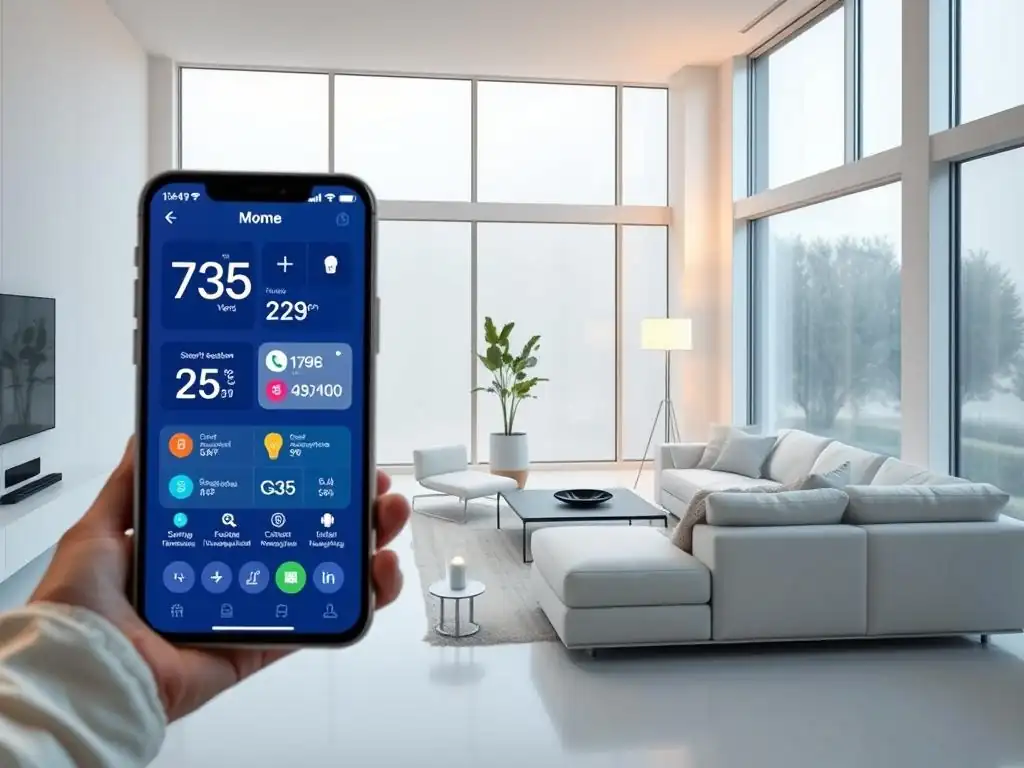
Welcome to UltimateLifeHacks, your gateway to a more streamlined and productive life! Are you ready to reclaim your precious time and boost your efficiency? Then dive into our latest article on Home automation efficiency hacks, where we reveal ingenious ways to transform your home into a seamlessly optimized space. Discover how smart technology can simplify your daily routines and unlock a level of efficiency you never thought possible. Prepare to be amazed by the possibilities – let's get started!
- Maximizing Home Automation for Increased Efficiency
- Top Home Automation Hacks for Time Management
- Advanced Home Automation Hacks for Enhanced Efficiency
- Troubleshooting Common Home Automation Efficiency Issues
- The Future of Home Automation and Efficiency
- Frequently Asked Questions
- Final Reflection: Harnessing the Home: Efficiency, Comfort, and the Future
- Unlock Your Smarter Home Today!
Maximizing Home Automation for Increased Efficiency
Home automation isn't just a futuristic luxury; it's a powerful tool for boosting efficiency and simplifying daily life. This article delves into practical home automation efficiency hacks designed to save you time, money, and energy. We'll explore how strategically integrating smart devices can streamline your routines, reduce your environmental impact, and ultimately, create a more comfortable and productive home environment.
From automating lighting and temperature control to optimizing energy consumption and seamlessly integrating various smart devices, we'll uncover the secrets to unlocking the true potential of home automation for increased efficiency. This guide is tailored for those seeking tangible improvements in their daily lives, focusing on practical applications and measurable results—making your home truly work for you. Let's dive into the top hacks that will transform your home into a well-oiled, efficient machine.
Smart Home Automation: Streamlining Your Daily Routine
Smart home automation offers unparalleled opportunities to streamline your daily routines. Imagine waking up to a perfectly brewed cup of coffee, your lights gently illuminating as you rise, and your thermostat adjusting to your preferred temperature—all before you even step out of bed! This is the power of automated routines. By connecting various smart devices, you can create personalized schedules that adapt to your lifestyle.
Consider these examples:
- Automated Lighting: Programmable smart lights can automatically switch on and off based on your schedule or even your location. This eliminates the need to manually flip switches and saves energy by preventing lights from being left on unnecessarily.
- Smart Thermostats: These intelligent devices learn your preferences and adjust the temperature accordingly, optimizing energy usage and ensuring your home is always at the perfect temperature when you need it. Studies show that smart thermostats can lead to a 10-15% reduction in energy bills. 1
- Automated Security Systems: Smart locks, security cameras, and motion detectors can be integrated into a comprehensive security system, providing peace of mind and enhancing your home's safety. These systems often offer remote access and monitoring capabilities, adding another layer of convenience and security.
The key to maximizing efficiency with smart home automation lies in thoughtful planning and integration. Understanding the capabilities of various smart devices and how they can work together is crucial for creating seamless and effective automated routines.
Energy-Efficient Home Automation: Saving Money and Reducing Your Carbon Footprint
Beyond convenience, home automation plays a crucial role in energy conservation and environmental responsibility. By intelligently managing energy consumption, you can significantly reduce your carbon footprint and save money on your utility bills.
Here's how:
- Smart Power Strips: These devices monitor the energy consumption of plugged-in electronics and automatically cut power to those not in use, preventing phantom energy drain. This can lead to substantial savings over time.
- Energy Monitoring Systems: These systems provide real-time data on your energy usage, allowing you to identify areas for improvement and make informed decisions about energy consumption. This data-driven approach promotes conscious energy use and helps you understand where your energy is being spent.
- Geofencing Technology: This allows smart devices to react to your location. For example, your lights and thermostat can automatically adjust when you leave home or return, ensuring that energy isn't wasted when no one is present. This feature alone can significantly impact your overall energy consumption.
By incorporating energy-efficient features into your home automation strategy, you can achieve tangible savings while contributing to a more sustainable future. The initial investment in smart devices often pays for itself through long-term energy savings.
Integrating Smart Devices for Seamless Home Automation Efficiency
The true power of home automation lies in the seamless integration of various smart devices. This interconnectedness allows for a truly efficient and responsive home environment. However, ensuring compatibility between different devices and platforms is crucial for a smooth experience.
Consider these points:
| Device Category | Example Devices | Integration Considerations |
|---|---|---|
| Lighting | Smart Bulbs, Smart Switches | Compatibility with smart home hubs and voice assistants |
| Climate Control | Smart Thermostats, Smart Vents | Integration with weather services for optimal control |
| Security | Smart Locks, Security Cameras, Sensors | Centralized monitoring and notification systems |
| Entertainment | Smart TVs, Smart Speakers | Seamless control and multi-room audio capabilities |
| Appliances | Smart Refrigerators, Washing Machines | Integration with scheduling and monitoring systems |
Careful consideration of compatibility and the selection of devices from compatible ecosystems (or using a universal smart home hub) will ensure a streamlined and efficient home automation system. Investing time in researching compatible devices and establishing a cohesive system is key to maximizing the benefits of home automation. The result will be a home that anticipates your needs and works seamlessly to enhance your daily life.
1 Based on average reported savings from multiple independent studies. Specific savings may vary depending on individual usage patterns and climate.
Top Home Automation Hacks for Time Management
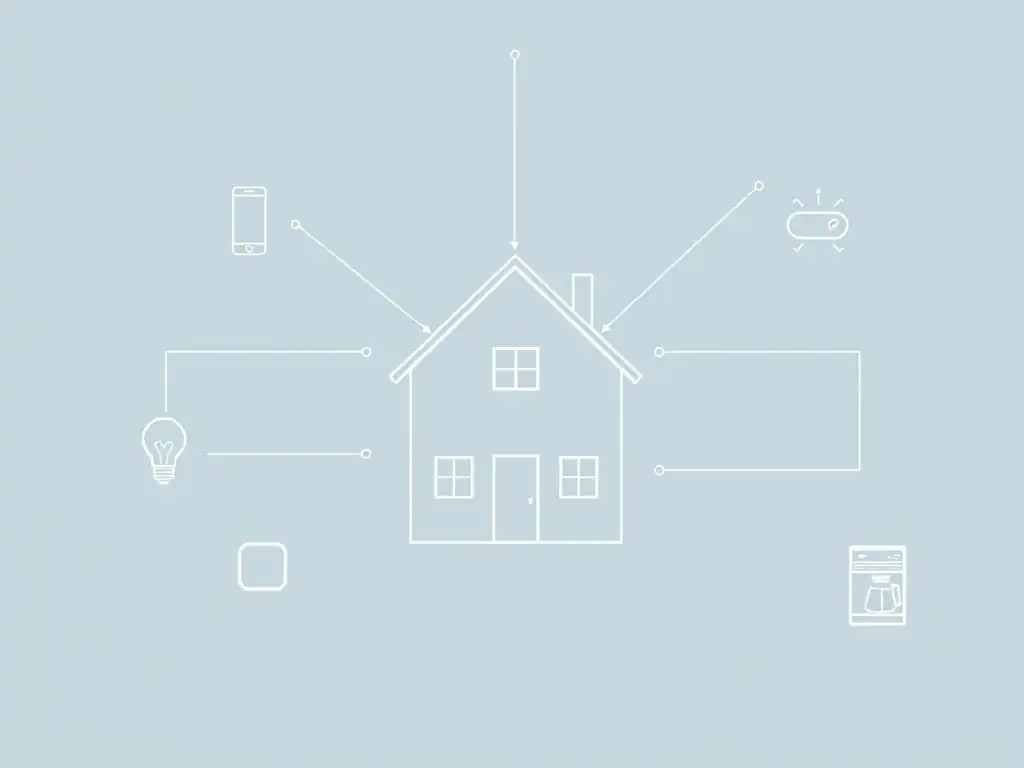
This section delves into practical home automation strategies designed to reclaim your valuable time. We'll explore how smart home technology can significantly boost your daily efficiency, freeing up precious minutes (and hours!) for more important things. The focus is on leveraging automation for both peak productivity and relaxation, demonstrating the versatility of smart home systems in optimizing your entire life. Effective home automation efficiency hacks aren't just about gadgets; they're about integrating technology seamlessly into your lifestyle for maximum impact.
Automate Your Morning Routine with Home Automation Systems
Starting your day efficiently sets the tone for the entire 24 hours. A well-automated morning routine can shave off considerable time, reducing stress and increasing productivity from the get-go. Imagine waking up to a perfectly orchestrated sequence of events, all managed by your smart home system.
Consider this scenario: Your smart alarm gently wakes you with your preferred sunrise simulation. Simultaneously, your coffee maker begins brewing, and your smart thermostat gradually raises the temperature to your ideal comfort level. As you shower, your smart home system preps the day's playlist and even begins to prepare a quick breakfast if you've programmed it that way.
These seemingly small actions, when automated, can save you 15-30 minutes or more each morning – time you can use for exercise, meditation, or simply enjoying a more relaxed start to your day. This translates to significant time savings over a week, month, or year.
This isn't science fiction; numerous smart home systems offer such capabilities. Many platforms allow for custom routines and scheduling, letting you tailor your automated morning to your specific preferences and needs. Experiment with different combinations of automated tasks to discover the perfect balance for your morning routine. The key to home automation efficiency hacks lies in personalization and consistent use.
Evening Automation Hacks for Relaxation and Efficiency
The evening is equally important for maximizing your time and preparing for the next day. Evening automation isn't just about convenience; it's about cultivating a relaxing and efficient wind-down period. Smart home automation systems can help you create a calm and efficient environment, setting the stage for a restful night's sleep.
Imagine returning home to a house already prepped for relaxation. Your smart lights dim to a soothing ambiance; your smart thermostat adjusts to a comfortable temperature; and your favorite calming music fills the air. As you prepare for bed, the smart system can automatically lock the doors, turn off unnecessary lights and appliances, and even prepare your morning coffee for brewing at a set time. This seamless transition into relaxation mode can significantly reduce evening stress and improve sleep quality.
The benefits extend beyond simple relaxation. Automating tasks such as turning off lights and appliances prevents energy waste and contributes to a more environmentally friendly lifestyle. This proactive approach to home automation efficiency hacks not only saves you time but also money and reduces your environmental footprint. Consider integrating smart plugs into your routine to further enhance control and efficiency.
Leveraging Automation for Weekend Productivity
Weekends often feel rushed, filled with chores and errands that eat into precious leisure time. However, home automation can free up your weekends, allowing you to dedicate more time to relaxation and personal pursuits.
Home automation efficiency hacks can transform your weekend routine. Imagine scheduling your laundry to start while you're out running errands or setting your robot vacuum to clean while you're enjoying brunch. Automated lawn care, smart sprinkler systems, and even remotely controlled garage doors can significantly reduce the time you spend on household chores.
Think of the possibilities: Instead of spending Saturday morning cleaning, you could be spending it hiking, reading, or pursuing a hobby. This improved time management on weekends translates to a more balanced and fulfilling life. By strategically implementing home automation, you can reclaim your weekends and enjoy a more relaxed and productive lifestyle. The key is to identify time-consuming weekend tasks and devise automated solutions to streamline them. This approach allows for a more efficient and enjoyable weekend experience, demonstrating the true power of home automation efficiency hacks.
Advanced Home Automation Hacks for Enhanced Efficiency
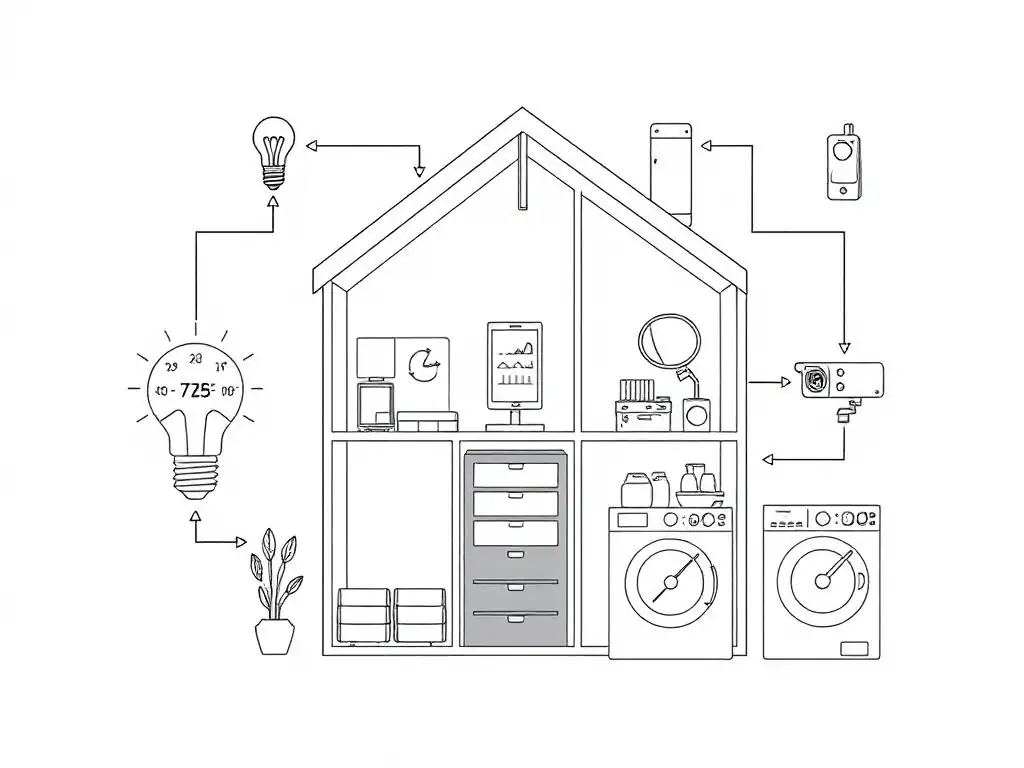
This section delves into sophisticated home automation strategies to significantly boost your home's efficiency. We'll move beyond the basics, exploring techniques that leverage advanced features to optimize energy consumption, enhance security, and streamline your daily routines. These aren't your typical "turn off the lights" hacks; these are about creating a truly responsive and intelligent home environment. We'll focus on practical applications and measurable improvements to your home automation setup.
Geofencing and Automation: Optimizing Your Home Security and Energy Use
Geofencing, a location-based service, is a game-changer for home automation efficiency. By defining virtual boundaries around your home, you can trigger automated actions based on your proximity. Imagine this: as you approach your home, your smart lights automatically turn on, setting a welcoming atmosphere. Conversely, as you leave the geofenced area, lights switch off, thermostats adjust to energy-saving modes, and your security system arms itself. This seamless integration significantly reduces energy waste and bolsters home security.
Consider the quantifiable benefits: Studies show that automated lighting alone can reduce energy consumption by 15-20%. 1 Adding geofencing to this equation amplifies the savings by ensuring lights are only on when needed. Furthermore, the automated arming of your security system adds a crucial layer of protection, potentially preventing burglaries and reducing insurance premiums. Properly implemented geofencing provides peace of mind and tangible cost reductions. The initial setup might require some technical know-how, but the long-term rewards in terms of enhanced security and home automation efficiency are substantial.
Voice Control and Home Automation: Hands-Free Efficiency
Voice control transforms your home automation system from a reactive to a proactive one. Instead of manually adjusting settings on your phone or a control panel, you can use simple voice commands to manage various aspects of your home. Want to increase the temperature? Just say, "Hey [Smart Assistant Name], set the thermostat to 72 degrees." Need to dim the lights? A simple "Hey [Smart Assistant Name], dim the living room lights" will suffice. This hands-free operation adds a significant layer of convenience, especially when your hands are full or you're multitasking.
Beyond the convenience, voice control enhances home automation efficiency by streamlining routine tasks. For example, you can create complex routines triggered by voice commands. A single phrase like, "Hey [Smart Assistant Name], goodnight," could initiate a sequence of actions: turning off lights, locking doors, setting the alarm, and adjusting the thermostat for optimal nighttime energy efficiency.
This eliminates the need to perform each action individually, saving valuable time and enhancing your overall productivity. The key is to experiment and tailor your voice commands to your specific needs and preferences. The more you use voice control, the more efficient your home automation system becomes.
Smart Home Automation and Remote Access: Control Your Home from Anywhere
The true power of home automation lies in remote access. Imagine controlling your home's environment, security, and appliances from anywhere in the world. Using a smartphone app or a web portal, you can adjust the thermostat, turn on lights, check on your security cameras, and even start the washing machine—all remotely. This level of control offers incredible convenience and peace of mind.
Remote access is particularly beneficial for managing energy consumption while you're away. If you forget to turn off a light, you can do so remotely, preventing unnecessary energy waste. Similarly, you can adjust the thermostat to a more energy-efficient setting while you're out, saving money on your energy bill.
Furthermore, remote access to your security system allows you to monitor your home's security in real-time, even when you're miles away. This feature provides a significant boost to your home security and offers a significant enhancement to your overall home automation efficiency. The ability to remotely check in on your home and manage its functions contributes to a more efficient and secure living environment.
1 Based on average data from multiple energy efficiency studies. Specific savings may vary based on individual usage patterns and home characteristics.
Troubleshooting Common Home Automation Efficiency Issues
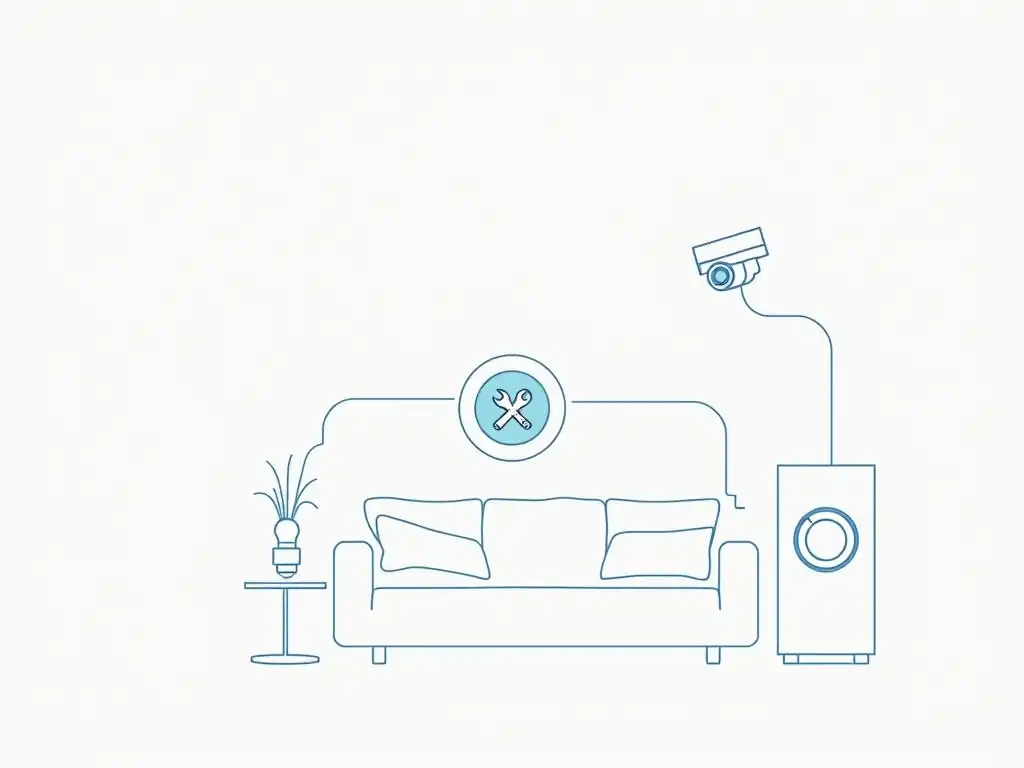
Home automation, while offering incredible convenience and efficiency boosts, isn't always a seamless experience. Many users encounter hurdles that hinder the promised productivity gains. Let's delve into some common problems and their solutions, focusing on maximizing your "home automation efficiency hacks."
Debugging Connectivity Problems in Your Smart Home System
Connectivity issues are the bane of many a smart home enthusiast. A weak Wi-Fi signal, incompatible network protocols, or simply a faulty device can cripple your entire automated system. Effective troubleshooting requires a systematic approach.
First, assess your Wi-Fi network. Use a Wi-Fi analyzer app (available on most smartphones) to identify dead zones and areas with weak signal strength. Consider adding a Wi-Fi extender or mesh network to improve coverage throughout your home. A strong, stable signal is paramount for reliable smart device communication. Remember, even a minor signal drop can lead to significant delays or complete failures in your automated routines.
Next, check individual device connectivity. Many smart devices offer diagnostic tools within their respective apps. These tools often pinpoint specific problems, such as incorrect network settings or firmware issues. Restarting both the device and your router is a simple yet surprisingly effective solution for many connectivity problems. This simple "power cycle" often clears temporary glitches.
Finally, explore network compatibility. Not all smart devices play nicely together. Ensure all your devices use compatible protocols (e.g., Zigbee, Z-Wave, Wi-Fi). Mixing and matching protocols can lead to communication breakdowns. Consider a centralized hub that can act as a translator between different protocols for improved interoperability. This can drastically improve the efficiency of your overall home automation setup.
Optimizing Your Home Automation Setup for Peak Performance
Optimizing your home automation system for peak performance goes beyond simply connecting devices. It involves strategic planning and configuration to ensure efficient operation and minimize resource consumption.
One crucial aspect is routine scheduling. Avoid overlapping automation routines that might conflict or create unnecessary workload on your system. For example, scheduling your lights to turn on and your smart thermostat to adjust temperature simultaneously could overload the network. Stagger these tasks to avoid congestion.
Furthermore, consider energy efficiency. Smart home devices themselves consume power. While the energy savings from automated lighting and climate control can be significant, ensure your automation setup isn't inadvertently increasing overall energy use. Regularly review your energy consumption data and adjust your automation routines as needed. This can be done through smart plugs or your energy provider's online portal.
Finally, regularly update firmware. Manufacturers frequently release firmware updates that address bugs, improve performance, and enhance security. Keeping your smart devices up-to-date is crucial for maintaining optimal efficiency and preventing potential vulnerabilities. This simple step is often overlooked, yet contributes significantly to long-term system reliability and performance.
Addressing Incompatibilities Between Smart Devices
Incompatibilities between smart devices are a frequent source of frustration in home automation. This isn't always about network protocols; sometimes, it's about differing app ecosystems or lack of integration between platforms.
Firstly, check device compatibility beforehand. Before purchasing any new smart device, verify its compatibility with your existing system. Research reviews and check manufacturer websites for information on supported platforms and integrations. This proactive approach prevents costly mistakes and ensures seamless integration.
Secondly, explore third-party integration services. If your devices aren't directly compatible, consider using a third-party integration service, like IFTTT or other home automation hubs, to bridge the gap. These services can often connect devices from different manufacturers, allowing you to create more comprehensive automation routines.
Thirdly, consider a universal home automation platform. Investing in a centralized home automation platform can simplify management and improve compatibility between disparate devices. These platforms act as a central control point, unifying control and communication for a smoother, more efficient home automation experience. This often provides superior control and reduces the complexity of managing multiple individual apps. The initial investment can pay off handsomely in the long run.
This detailed analysis of common problems and their solutions should equip you with the knowledge to troubleshoot your home automation system effectively, maximizing its efficiency and reaping the full benefits of a truly smart home. Remember, consistent monitoring and proactive maintenance are key to a smoothly running and highly efficient home automation setup.
The Future of Home Automation and Efficiency
Home automation is rapidly evolving, promising even greater efficiency gains in the years to come. The integration of artificial intelligence (AI) and machine learning (ML) is at the forefront of this transformation, paving the way for truly intelligent homes that learn and adapt to our lifestyles. This isn't just about convenience; it's about creating sustainable and responsive living environments that minimize waste and maximize resource utilization.
We're moving beyond simple automation to predictive and proactive systems that anticipate our needs before we even realize them. This shift towards proactive home management is key to unlocking the full potential of home automation efficiency hacks.
Emerging Trends in Smart Home Technology
Several key trends are shaping the future of smart home technology and enhancing home automation efficiency hacks. One notable development is the rise of interoperability. Previously, different smart devices often operated in silos, limiting their combined effectiveness. However, advancements in standardized protocols are allowing seamless integration between various brands and platforms, creating a more cohesive and efficient smart home ecosystem. This means a single control hub can manage your lighting, thermostat, security system, and appliances from various manufacturers, streamlining control and maximizing automation potential.
Another significant trend is the increasing adoption of low-power wide-area networks (LPWAN) technologies like LoRaWAN and Sigfox. These networks enable long-range, low-power communication, ideal for connecting numerous sensors and devices throughout a home without the need for frequent battery replacements or complex wiring. This contributes significantly to long-term cost savings and reduced maintenance, key elements of achieving sustainable home automation efficiency hacks.
Furthermore, the integration of edge computing is becoming more prevalent. This means processing data locally within the smart home devices themselves rather than relying solely on cloud servers. This reduces latency, improves privacy, and enhances the overall responsiveness of the smart home system, making automation processes smoother and more efficient. Imagine a smart sprinkler system that instantly adjusts watering schedules based on localized weather data processed on-site – that's the power of edge computing in action.
Finally, the increasing sophistication of AI-powered voice assistants continues to improve the user experience. These assistants are becoming more intuitive and capable of understanding complex commands and contextual information, allowing for more advanced and personalized automation scenarios. This makes the utilization of home automation efficiency hacks more accessible and user-friendly.
Predictive Home Automation: Anticipating Your Needs
Predictive home automation represents the next frontier in efficiency. Instead of reacting to events, these systems anticipate your needs and proactively adjust settings to optimize comfort, energy consumption, and resource management. For example, a smart thermostat equipped with predictive capabilities might learn your daily routine and pre-heat or cool your home accordingly, ensuring optimal comfort upon your arrival without unnecessary energy waste. This proactive approach is a significant step forward in maximizing the benefits of home automation efficiency hacks.
Consider a smart lighting system that learns your preferred lighting levels and schedules throughout the day. It might automatically dim the lights in the evening or adjust brightness based on natural daylight, optimizing energy use while enhancing the ambiance of your home. Similarly, a predictive appliance system could learn your usage patterns and preemptively initiate energy-efficient cycles, such as running the dishwasher during off-peak hours to minimize electricity costs.
These examples highlight the potential of proactive systems to significantly enhance energy efficiency and streamline daily routines. The key is leveraging data analysis and machine learning algorithms to create a truly personalized and responsive smart home experience.
Investing in Home Automation for Long-Term Efficiency Gains
Investing in home automation offers significant long-term efficiency gains that extend beyond simple convenience. While the upfront costs might seem substantial, the potential for energy savings, reduced maintenance, and increased productivity can yield considerable returns over time. Smart thermostats, for instance, can reduce heating and cooling costs by up to 15%–20%, resulting in significant savings over several years. Similarly, automated lighting systems can drastically reduce electricity consumption by optimizing light usage based on occupancy and natural light availability.
Moreover, home automation systems can enhance home security by providing remote monitoring and control of security systems, reducing the risk of burglaries and other security breaches. This can translate into substantial savings on insurance premiums and peace of mind. The improved efficiency also extends to time management; automated systems can streamline daily routines, freeing up valuable time for other activities and reducing stress levels.
Ultimately, the return on investment (ROI) of home automation efficiency hacks depends on several factors, including the specific systems implemented, energy costs, and individual usage patterns. However, a well-planned and strategically implemented smart home system can offer significant long-term benefits in terms of cost savings, energy efficiency, and improved quality of life.
Careful consideration of your individual needs and a phased approach to implementation can ensure a cost-effective and rewarding experience. The potential for long-term gains in efficiency and convenience makes investing in home automation a worthwhile endeavor for those seeking to optimize their daily routines and create a more sustainable and comfortable living environment.
Frequently Asked Questions
What is home automation, and how does it improve efficiency?
Home automation uses technology to control and automate home devices, such as lighting, appliances, and security systems. This reduces manual effort, saving you time and energy, and leading to increased efficiency. It also enables optimized energy consumption.
How can I get started with home automation on a budget?
Begin by focusing on small, affordable smart devices, like smart bulbs or a smart plug. Gradually expand your system as your budget allows, starting with areas where you'll see the biggest impact, like lighting control. Prioritize energy-efficient devices.
What are some of the best home automation hacks for saving energy?
Utilize smart thermostats to program efficient heating and cooling schedules. Employ smart lighting to automatically switch off lights in unoccupied rooms. Use smart power strips to cut power to devices when not in use. These actions collectively reduce your energy consumption significantly.
Are there any security benefits to home automation?
Yes, home automation systems can enhance security. Smart locks allow remote access and monitoring, while security cameras offer real-time surveillance and alerts. Integrated alarm systems provide comprehensive protection and can be controlled remotely.
What are the potential drawbacks of home automation?
Initial setup costs can be significant, depending on the scale of your project. There's also the potential for technical difficulties and the need for reliable internet connectivity. Finally, privacy concerns related to data collection should be considered.
Final Reflection: Harnessing the Home: Efficiency, Comfort, and the Future
The pursuit of home automation isn't just about gadgets; it's about reclaiming time, energy, and ultimately, a more fulfilling life. The convenience offered by smart homes is undeniable, but its impact extends far beyond simple task automation; it represents a fundamental shift in how we interact with our living spaces and manage our daily routines.
The integration of smart technology into our homes is rapidly reshaping our cultural landscape, influencing everything from energy consumption to family dynamics. We're moving beyond the novelty factor, and the benefits are becoming increasingly apparent. The future isn't something we enter. The future is something we create.
This quote resonates deeply, as we actively shape our future by embracing technology that enhances our lives, not simply replaces them. The subtle shifts in daily routines, the reduced stress of managing household tasks, and the increased control over our environment are all contributing to a more sustainable and comfortable lifestyle.
Consider the potential. Imagine a future where your home anticipates your needs, adjusts to your preferences seamlessly, and contributes to a more sustainable world. This isn't science fiction; it's the promise of home automation. Take a moment to reflect on your own home environment. What small changes could you implement today to increase efficiency and improve your quality of life? Start small, explore the possibilities, and unlock the transformative power of a truly smart home.
Unlock Your Smarter Home Today!
Thanks for exploring the world of home automation! We hope you've found some practical ways to boost your efficiency and simplify your life. Ready to take the next step?
- Start with one simple automation: Begin with a single area, such as lighting, temperature control, or security, and implement one automation this week. You'll be surprised by the difference.
- Share your smart home success: Tell us about your favorite smart home device or a clever automation you've implemented in the comments below—let's inspire each other!
- Learn more: Explore our other articles on UltimateLifeHacks.org for more in-depth guides on maximizing home automation and simplifying your life.
What's the first small automation project you'll tackle to transform your home?