
The Untapped Potential: How to Leverage Marketing Automation


Ready to reclaim your time and unlock unprecedented productivity? Welcome to UltimateLifeHacks, your guide to mastering everyday efficiency. We're diving deep into the world of automation, and in this article, we explore how to Automate Marketing Tasks Efficiently, revealing strategies to streamline your workflow and achieve remarkable results. Discover the untapped potential waiting to be unleashed – let's get started!
- Understanding Marketing Automation: Streamlining Your Business
- Automate Marketing Tasks Efficiently: A Practical Approach
- Measuring the ROI of Your Automated Marketing Efforts
- Advanced Techniques for Efficient Marketing Automation
- Avoiding Common Pitfalls in Marketing Automation
- Frequently Asked Questions
- Final Reflection: Unlocking Marketing's Future Through Automation
- Unlock Your Marketing Powerhouse: Take Action Now!
Understanding Marketing Automation: Streamlining Your Business
Marketing automation is no longer a luxury; it's a necessity for businesses of all sizes striving to thrive in today's competitive landscape. This comprehensive guide will explore how to effectively leverage marketing automation to significantly boost your efficiency, save valuable time, and ultimately, drive substantial growth. We'll delve into defining marketing automation, identifying suitable tasks for automation, and selecting the right platform to suit your specific needs.
By the end, you'll understand how to seamlessly integrate automation into your workflow, enabling you to focus on strategic initiatives rather than getting bogged down in repetitive, time-consuming tasks. This guide is designed to help you automate marketing tasks efficiently, unlocking the untapped potential within your business. Let's begin!
Defining Marketing Automation and its Benefits for Small Businesses
Marketing automation, at its core, is the process of automating repetitive marketing tasks. This isn't about replacing human interaction entirely; instead, it's about freeing up your time and resources to focus on higher-level strategies. For small businesses, this is particularly crucial, as resources are often limited. Think of it as your personal marketing assistant, working 24/7.
The benefits are multifaceted:
- Increased Efficiency: Automate repetitive tasks like email marketing, social media scheduling, and lead nurturing, freeing up valuable time for strategic planning and customer interaction.
- Improved Lead Generation & Nurturing: Automated email sequences can nurture leads, guiding them through the sales funnel more effectively. This improves conversion rates and customer lifetime value.
- Enhanced Customer Engagement: Personalized email campaigns and targeted content delivery foster stronger customer relationships, leading to increased loyalty.
- Data-Driven Insights: Marketing automation platforms provide valuable data and analytics, allowing you to track campaign performance, measure ROI, and make data-driven decisions.
- Cost Savings: While there's an initial investment, the long-term cost savings from increased efficiency and improved ROI can be substantial.
Consider this example: a small bakery using automated email marketing to announce daily specials and promote loyalty programs. This automation not only saves time on manual email blasts but also drives repeat business and increases customer engagement.
Identifying Key Marketing Tasks Suitable for Automation
Not every marketing task is suitable for automation. Focus on repetitive, high-volume activities that can be easily systematized. Here's a breakdown of key tasks ripe for automation:
- Email Marketing: Automated email sequences for onboarding new customers, lead nurturing, and promotional campaigns.
- Social Media Posting: Scheduling posts across multiple platforms to maintain a consistent online presence.
- Lead Scoring & Segmentation: Automatically assigning scores to leads based on their behavior and segmenting them for targeted campaigns.
- Website Chatbots: Providing instant customer support and answering frequently asked questions, freeing up your team's time.
- Reporting & Analytics: Automated dashboards provide real-time insights into campaign performance, allowing for timely adjustments.
This strategic selection of tasks ensures that your automation efforts are focused on maximizing efficiency and impact, rather than spreading resources too thinly. Prioritize tasks that deliver the greatest return on investment.
Choosing the Right Marketing Automation Platform: A Step-by-Step Guide
Selecting the right marketing automation platform is crucial for success. Don't rush this decision; take the time to carefully evaluate your needs and consider the following steps:
- Define Your Goals: What do you hope to achieve with marketing automation? Increased lead generation? Improved customer engagement? Clear goals will guide your platform selection.
- Assess Your Budget: Marketing automation platforms range in price. Determine a realistic budget before you begin your search.
- Evaluate Features: Consider features such as email marketing, social media integration, CRM integration, lead scoring, and reporting capabilities. Choose a platform that aligns with your needs and future growth.
- Test and Compare: Many platforms offer free trials or demos. Take advantage of these opportunities to test different platforms and compare their features and usability.
- Consider Scalability: Choose a platform that can grow with your business. Avoid solutions that will quickly become limiting as your company expands.
Choosing the right platform is a critical step; a well-chosen platform will significantly improve your marketing efficiency and help you to automate marketing tasks efficiently. Investing time in this research will pay off handsomely in the long run.
Automate Marketing Tasks Efficiently: A Practical Approach
This section delves into the practical application of marketing automation, focusing on how to efficiently automate key marketing tasks to boost productivity and achieve better results. We'll explore specific strategies and tools to streamline your workflow and free up valuable time for more strategic initiatives. The goal is to help you automate marketing tasks efficiently, ultimately leading to a more effective and less stressful marketing process.
Automating Email Marketing Campaigns for Lead Nurturing
Lead nurturing is crucial for converting prospects into loyal customers. Automating this process significantly improves efficiency and personalization. Instead of manually sending emails, you can leverage marketing automation platforms to create sophisticated email sequences triggered by specific user actions.
For example, a new subscriber could automatically receive a welcome email series introducing your brand and its offerings. This series might include:
- A welcome email with a valuable lead magnet (e.g., ebook, checklist).
- Follow-up emails showcasing relevant products or services.
- Case studies and testimonials highlighting customer success.
- A final email encouraging a purchase or further engagement.
These automated sequences ensure consistent communication without requiring constant manual intervention. You can segment your audience based on demographics, behavior, or engagement level to personalize the email content further, increasing open and click-through rates. Consider A/B testing different email subject lines and content to optimize your campaigns for maximum impact. Effective email automation can dramatically increase conversion rates and improve customer relationships. Think of it as having a tireless, personalized sales assistant working 24/7. 📈
Social media management can be time-consuming. Automating posting schedules and some engagement tasks can save significant time and effort. While complete automation of social media engagement is generally not recommended (authenticity is key! ), scheduling tools can be invaluable.
Consider these automation strategies:
- Scheduled Posts: Plan and schedule your social media posts in advance using tools that allow you to publish content across multiple platforms simultaneously. This ensures consistent brand presence even when you're unavailable.
- Automated Responses: Set up automated responses for frequently asked questions (FAQs) or common inquiries on platforms like Twitter or Facebook. This provides immediate assistance to users and frees up your time to focus on more complex issues.
- Social Listening & Monitoring: Use automation to monitor brand mentions, keywords, and hashtags to identify relevant conversations and promptly engage with your audience. This can help in addressing concerns, participating in relevant discussions, and proactively building your online reputation.
Remember, while automation is helpful, genuine engagement remains crucial. Don't rely solely on automated responses; prioritize direct interaction with your audience whenever possible. A balanced approach combining automated tasks with authentic human interaction is the most effective strategy.
Automating Content Distribution and Promotion Across Channels
Once you've created valuable content, effectively distributing and promoting it is essential. Marketing automation can streamline this process significantly.
Here's how you can automate content distribution:
- Social Media Sharing: Automatically share your new blog posts, articles, and other content across your social media profiles. This ensures your content reaches a wider audience immediately upon publication.
- Email Newsletters: Integrate your content creation with your email marketing automation. New content can trigger automated emails to your subscribers, keeping them informed and engaged.
- RSS Feeds: Use RSS feeds to automatically syndicate your content to other websites and platforms, expanding your reach and building backlinks.
- Paid Advertising: While not fully automated, you can use marketing automation tools to manage and optimize paid advertising campaigns across different platforms, saving time and improving ROI.
By automating content distribution, you can ensure your content is consistently promoted across various channels, maximizing its reach and impact. This automated approach allows you to focus on creating high-quality content rather than spending excessive time on its promotion. Remember, consistency is key in content marketing; automation helps achieve this consistency effortlessly.
Automating Customer Relationship Management (CRM) Processes
Automating your Customer Relationship Management (CRM) processes is a cornerstone of efficient marketing automation. Manually managing customer interactions, tracking leads, and nurturing prospects is time-consuming and prone to errors. A well-implemented CRM automation strategy streamlines these tasks, freeing up valuable time for more strategic initiatives. This allows marketing teams to focus on higher-level activities like campaign planning and analysis, rather than getting bogged down in administrative details.
Consider, for example, a small business owner who previously spent hours each week manually updating customer information, sending follow-up emails, and tracking sales. By integrating their CRM with marketing automation software, they can now automate many of these tasks. New leads are automatically added to the system, segmented based on pre-defined criteria (like industry or purchase history), and nurtured with personalized email sequences. This not only saves time but also improves customer engagement and ultimately drives sales. The automation ensures consistent communication and personalized experiences, leading to improved customer satisfaction and loyalty.
Effective CRM automation involves several key steps. First, you need to choose a CRM system that integrates well with your marketing automation platform. Many popular CRMs offer robust APIs and integrations that facilitate seamless data exchange. Second, you need to define your workflows and automation rules.
This involves specifying triggers (e.g., a new lead signup, a purchase, a customer support request) and the corresponding actions (e.g., sending a welcome email, adding the lead to a specific campaign, assigning the request to a support agent). Finally, you need to continuously monitor and optimize your automated workflows to ensure they are performing effectively and achieving your desired outcomes. Regularly reviewing metrics such as email open rates, click-through rates, and conversion rates will help you identify areas for improvement and refine your automation strategies.
This iterative process is crucial for maximizing the ROI of your CRM automation efforts and ensuring you're truly automating marketing tasks efficiently. Neglecting this optimization phase can lead to wasted resources and missed opportunities. Therefore, a commitment to continuous improvement is essential for success.
Measuring the ROI of Your Automated Marketing Efforts
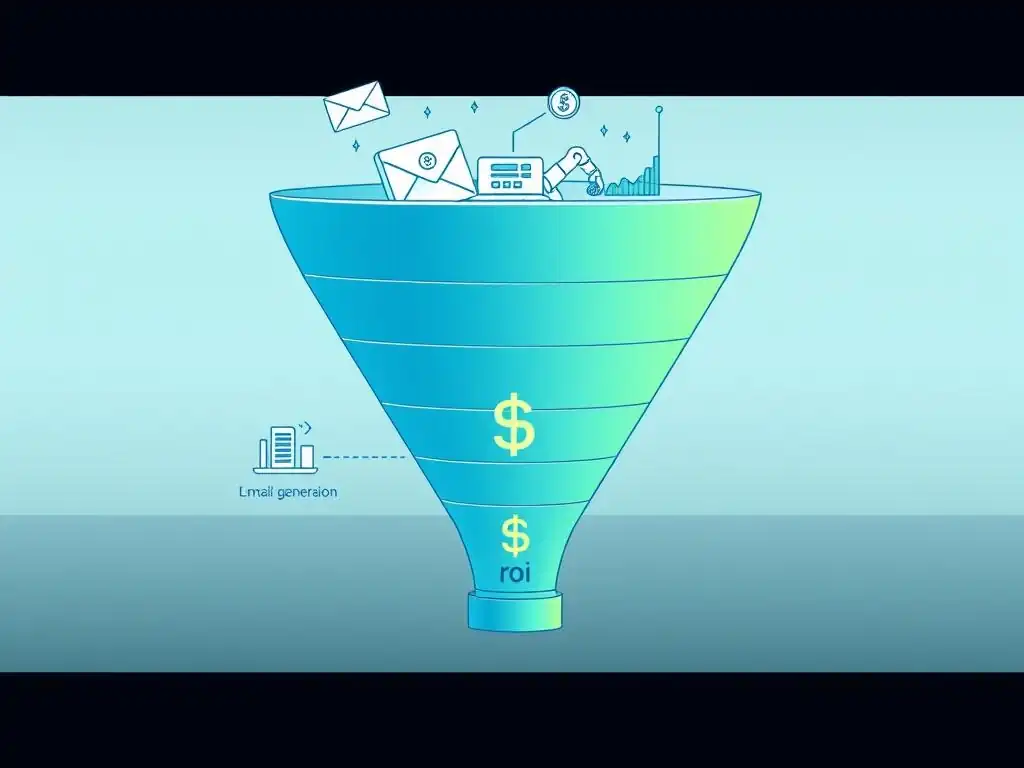
Automating your marketing tasks efficiently isn't just about saving time; it's about boosting your bottom line. Measuring the return on investment (ROI) of your marketing automation efforts is crucial to ensure you're seeing a positive impact on your business. Without proper measurement, you risk wasting resources on ineffective strategies. This section will guide you through the process of tracking, analyzing, and refining your automated campaigns to maximize their profitability. Understanding how to effectively automate marketing tasks efficiently is key to unlocking significant growth.
Tracking Key Metrics: Conversions, Engagement, and Customer Lifetime Value
Tracking the right metrics is the foundation of successful marketing automation ROI measurement. Instead of focusing solely on vanity metrics like email open rates, prioritize metrics directly tied to revenue generation. These include:
- Conversions: This is the ultimate measure of success. How many leads are converting into paying customers as a direct result of your automated campaigns? Track the conversion rate for each campaign and segment to identify high-performing areas. Are your automated email sequences driving more sales than your manual efforts? Quantify this difference.
- Engagement: While not a direct revenue driver, engagement metrics provide valuable insights into campaign effectiveness. Monitor metrics such as click-through rates (CTR), website traffic from automated email campaigns, and social media engagement stemming from automated posts. High engagement often correlates with higher conversion rates. For example, a high CTR on an automated email promoting a webinar suggests strong interest and potential for future conversions.
- Customer Lifetime Value (CLTV): This metric represents the total revenue a customer is expected to generate throughout their relationship with your business. By tracking CLTV, you can assess the long-term impact of your marketing automation efforts. Are your automated nurture sequences leading to increased customer retention and higher CLTV? This is a crucial indicator of long-term success.
Consider using a marketing automation platform with robust analytics dashboards to easily track these key metrics. Regularly reviewing this data will allow you to identify trends and make data-driven decisions. Remember, the goal is to automate marketing tasks efficiently and measure the positive impact.
Analyzing Data to Optimize Your Automated Campaigns
Data analysis is the key to unlocking the full potential of your automated marketing efforts. Simply tracking metrics isn't enough; you need to understand why certain campaigns are performing well or poorly. Here’s how to effectively analyze your data:
- Segment Performance: Analyze the performance of your automated campaigns across different customer segments. Are certain segments responding better to specific types of messaging or offers? This allows for the tailoring of future campaigns for optimal results. For instance, you might find that automated email sequences promoting discounts resonate more strongly with price-sensitive customers than with those prioritizing quality.
- Campaign Comparison: Compare the performance of different automated campaigns to identify best practices and areas for improvement. What are the key differences between high-performing and low-performing campaigns? Are there certain elements (subject lines, call-to-actions, offer types) that consistently drive better results?
- A/B Testing: Continuously A/B test different elements of your automated campaigns (subject lines, email content, landing pages) to optimize performance. Small changes can lead to significant improvements in conversion rates and engagement. For example, A/B testing different subject lines can reveal which ones are most effective at driving opens and clicks.
By thoroughly analyzing your data, you can identify patterns, pinpoint weaknesses, and make informed decisions to improve your marketing automation strategy. Remember, data-driven optimization is crucial to achieving maximum efficiency in automating marketing tasks.
Refining Your Marketing Automation Strategy Based on Performance Data
The final step is to use your insights to refine your marketing automation strategy. This is an iterative process; continuous improvement is key. Based on your data analysis, you should:
- Optimize Existing Campaigns: Make adjustments to underperforming campaigns based on your findings. This might involve changing the messaging, targeting a different segment, or altering the timing of your automated messages. For example, if your email open rates are low, try adjusting the subject lines or send times.
- Develop New Campaigns: Create new automated campaigns based on successful strategies and emerging trends. If you identified a high-performing segment, develop targeted campaigns specifically for that group.
- Refine Segmentation: Improve your customer segmentation to better target your automated messages. The more precise your targeting, the higher your chances of achieving high conversion rates. This might involve adding new segmentation criteria based on customer behavior or demographics.
- Integrate Feedback: Actively solicit and incorporate customer feedback into your automation strategy. Understanding customer preferences and pain points can significantly improve the effectiveness of your campaigns.
By continuously refining your strategy based on performance data, you can ensure that your marketing automation efforts are consistently delivering a strong ROI. This iterative process of optimization is crucial for achieving sustained success in efficiently automating marketing tasks.
Advanced Techniques for Efficient Marketing Automation
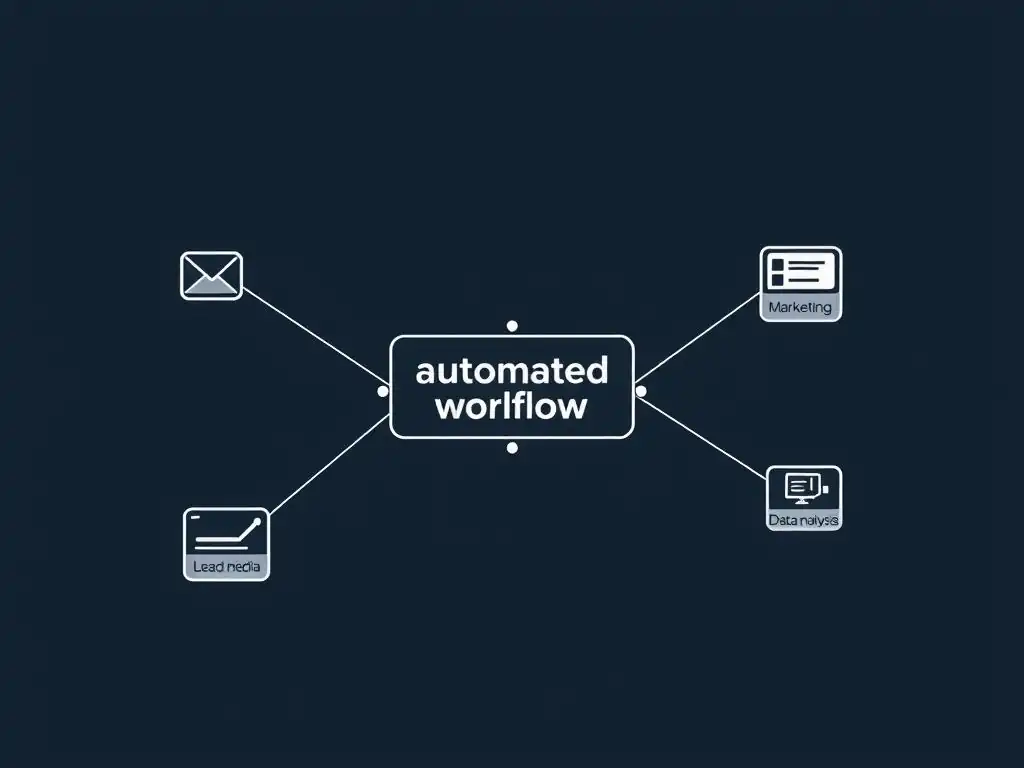
This section delves into more sophisticated strategies to truly automate marketing tasks efficiently. Moving beyond the basics, we'll explore techniques that maximize ROI and streamline your workflow. Remember, effective marketing automation isn't just about setting up systems; it's about continuous optimization and refinement.
Integrating Marketing Automation with Other Business Tools
Successfully automating your marketing requires a holistic approach. Think of your marketing automation platform as the central nervous system of your business, connecting various tools and systems for a seamless workflow. Efficient automation is often achieved through integration, not isolation.
For example, integrating your marketing automation platform with your CRM (Customer Relationship Management) system allows for highly personalized messaging based on customer interactions and purchase history. Imagine automatically sending a tailored email sequence to a customer who just abandoned their shopping cart, reminding them of the items they left behind and offering a small discount to incentivize completion of the purchase. This level of personalization is difficult, if not impossible, without this integration.
Another powerful integration is with your analytics platform. By connecting your marketing automation software with Google Analytics, for instance, you gain real-time insights into campaign performance. This data allows for quick adjustments and optimization, ensuring your automated campaigns are always performing at their best. You can even set up automated alerts based on pre-defined performance thresholds, enabling proactive intervention when necessary.
Consider also integrating with your help desk or support ticketing system. Automatically trigger follow-up emails or surveys after a support interaction. This enables you to gather feedback and improve customer satisfaction, all while streamlining your support processes. The possibilities are vast, and the key is to identify the integrations that best serve your specific business needs and goals. Think about areas where manual processes create bottlenecks and explore how automation can alleviate these pressures.
Personalizing Automated Messages for Enhanced Engagement
While automation is key to efficiency, generic messages often fall flat. To truly automate marketing tasks efficiently, personalization is paramount. Automated emails that feel impersonal will likely end up in the spam folder or ignored altogether.
Consider segmenting your audience based on demographics, behavior, and purchase history. This allows you to tailor your messaging to resonate with specific groups. For example, you might send different automated email sequences to first-time buyers versus repeat customers. First-time buyers might receive a welcome series focusing on product education and building brand loyalty, while repeat customers could receive targeted offers based on their past purchases.
Another effective strategy is dynamic content. This allows you to insert personalized elements directly into your automated emails, such as the customer's name, their preferred product category, or even their past purchase history. Imagine an email that begins with "Hi [Customer Name], we noticed you recently purchased [Product Name] and thought you might also be interested in..." This level of detail significantly improves engagement and conversion rates.
Finally, don't underestimate the power of A/B testing different subject lines and email copy to determine what resonates best with your audience. This data-driven approach allows you to continuously refine your automated messages and improve their effectiveness over time. This constant iterative process is crucial for long-term success in marketing automation. Even small improvements can lead to significant gains in engagement and ROI.
Utilizing A/B Testing to Optimize Automated Campaigns for Better Results
A/B testing is not just for manual campaigns; it's an essential part of optimizing automated workflows to automate marketing tasks efficiently. By systematically testing different elements of your automated campaigns, you can identify what works best and continuously improve your results.
For example, you might A/B test different subject lines to see which one generates higher open rates. You could also test different call-to-action buttons, email copy, or even the timing of your automated emails. The possibilities are endless. The goal is to identify the elements that maximize engagement and conversion rates.
To effectively utilize A/B testing, it is critical to only test one variable at a time. This ensures that you can accurately attribute changes in performance to the specific element being tested. For instance, if you are testing two different subject lines, ensure that all other elements of the email remain consistent. This allows you to isolate the impact of the subject line on open rates.
Remember that A/B testing is an ongoing process, not a one-time event. Continuously analyze your results and iterate on your campaigns to ensure they remain effective. The data you collect from A/B testing will provide valuable insights into the preferences and behaviors of your audience, ultimately enabling you to craft more effective and targeted automated marketing campaigns. This iterative approach to optimization is vital for achieving long-term success and maximizing your return on investment.
Avoiding Common Pitfalls in Marketing Automation
Marketing automation, while incredibly powerful for automating marketing tasks efficiently, can easily backfire if not implemented correctly. Ignoring best practices can lead to wasted resources, damaged brand reputation, and ultimately, a failure to achieve your marketing goals. This section focuses on proactively avoiding these pitfalls. Understanding and addressing these challenges upfront is crucial for successful automation.
The Importance of Data Quality and List Hygiene
High-quality data is the lifeblood of any successful marketing automation strategy. Garbage in, garbage out, as the saying goes. Relying on inaccurate, incomplete, or outdated contact information will lead to wasted email sends, poor campaign performance, and ultimately, a lower ROI. Maintaining impeccable list hygiene is paramount.
This involves several key steps:
- Data Cleansing: Regularly clean your contact lists to remove duplicates, invalid email addresses, and inactive subscribers. Tools and services exist to automate this process, significantly reducing manual effort. Consider investing in these tools to ensure your data remains accurate. The cost is far outweighed by the benefits of improved campaign performance.
- Data Segmentation: Don't treat all your contacts the same. Segment your audience based on demographics, behavior, purchase history, and other relevant criteria. This allows for more targeted messaging, resulting in higher engagement rates and conversion rates. For example, segmenting customers based on their past purchases allows you to send highly personalized product recommendations, boosting sales.
- Data Validation: Implement robust data validation processes to ensure new contacts added to your list are accurate. This might involve double opt-in procedures, requiring users to confirm their email addresses, or using verification services to confirm the validity of email addresses before they’re added to your marketing database. This proactive approach significantly reduces the risk of delivering emails to invalid addresses.
- Data Enrichment: Consider enriching your data by adding additional information about your contacts, such as their job titles, company size, or social media profiles. This provides a more complete picture of your audience, allowing for more effective personalization and targeting. This extra layer of information can dramatically enhance the effectiveness of your marketing campaigns.
Preventing Spam and Maintaining Email Deliverability
Maintaining a high email deliverability rate is crucial for the success of any email marketing automation strategy. Sending emails that end up in the spam folder is a complete waste of resources and damages your sender reputation.
Here’s how to prevent this:
- Authenticating your Emails: Use SPF, DKIM, and DMARC to authenticate your emails and prove to email providers that your messages are legitimate. These authentication protocols significantly reduce the risk of your emails being flagged as spam. Failing to authenticate your emails dramatically increases your chances of landing in the spam folder.
- Following Email Best Practices: Adhere to all email marketing best practices, including using clear and concise subject lines, providing a clear unsubscribe option, and avoiding spam trigger words. Regularly review and refine your email content to ensure it aligns with best practices and avoids common spam triggers. Even minor changes can have a significant impact on your deliverability rate.
- Monitoring Your Email Metrics: Closely monitor your email metrics, including open rates, click-through rates, and bounce rates, to identify any potential issues with your email deliverability. Regular monitoring provides crucial insights into areas for improvement. For example, a high bounce rate could signal problems with your email list hygiene.
- Building a Strong Sender Reputation: Focus on building a strong sender reputation by consistently sending high-quality, relevant emails to engaged subscribers. A strong sender reputation significantly improves your chances of reaching the inbox. This is a long-term process requiring consistent effort and attention to detail.
Troubleshooting Common Marketing Automation Challenges
Even with careful planning, challenges can arise. Being prepared to troubleshoot common problems is essential.
Some common issues include:
- Integration Problems: If your marketing automation platform doesn't integrate seamlessly with your other systems (CRM, e-commerce platform, etc. ), data inconsistencies and workflow disruptions can occur. Thorough testing of all integrations is essential before launching any automation campaign. Proper integration is crucial for efficient data flow and optimal campaign performance.
- Workflow Errors: Complex marketing automation workflows can sometimes contain errors that lead to unexpected results. Regularly review and test your workflows to identify and correct any issues before they impact your campaigns. Thorough testing is paramount to prevent unforeseen problems.
- Lack of Reporting and Analytics: Without proper reporting and analytics, it's difficult to measure the effectiveness of your marketing automation efforts. Use your platform's reporting tools to track key metrics and make data-driven decisions. This allows for continuous optimization and improvement. Comprehensive analytics are key to maximizing ROI.
- Scalability Issues: As your business grows, your marketing automation platform may struggle to keep up. Ensure your platform is scalable to handle increasing volumes of data and contacts. Planning for scalability is crucial for long-term success. Choosing a scalable platform from the start avoids potential future bottlenecks.
By proactively addressing these potential pitfalls, you can significantly increase the chances of successfully automating marketing tasks efficiently and achieving your desired marketing outcomes. Remember, continuous monitoring, adaptation, and refinement are key to long-term success in marketing automation.
Frequently Asked Questions
What is marketing automation, and why should I care?
Marketing automation is using software to automate repetitive marketing tasks, like email campaigns, social media posting, and lead nurturing. It saves you valuable time and resources, allowing you to focus on strategic initiatives. This leads to increased efficiency and better results.
How can I automate my marketing tasks efficiently?
Start by identifying your repetitive tasks, such as email newsletters or social media updates. Then, choose automation software that integrates with your existing tools. Begin with small, manageable automations before scaling up.
What are some common marketing tasks that can be automated?
Many tasks can be automated, including email marketing, social media scheduling, lead nurturing, and reporting. You can also automate things like A/B testing and data segmentation.
What are the benefits of automating marketing tasks?
Automation offers significant benefits, including increased efficiency, improved consistency, better lead nurturing, and higher ROI. It allows you to reach a wider audience with personalized messages and track your results effectively.
What are the potential drawbacks of marketing automation?
While powerful, automation has potential drawbacks. Over-automation can feel impersonal. Poorly implemented automation can lead to wasted resources. Initial setup can require a time investment.
Final Reflection: Unlocking Marketing's Future Through Automation
The efficient automation of marketing tasks isn't just a trend; it's the cornerstone of sustainable growth in today's hyper-competitive landscape. Businesses that fail to embrace automation risk being left behind, struggling to keep pace with the demands of a constantly evolving digital world and losing valuable opportunities to connect with their target audience. The sheer volume of data and the speed at which it changes necessitate a shift towards streamlined, automated processes.
The impact of marketing automation extends far beyond increased efficiency; it's fundamentally reshaping how businesses interact with their customers. It allows for a level of personalization and targeted engagement previously unimaginable, fostering stronger customer relationships and driving higher conversion rates. This shift towards data-driven, automated marketing is a powerful testament to the evolving nature of business, demanding adaptability and a willingness to embrace new technologies. The pace of change will only accelerate,
as the saying goes, and those who adapt will thrive. This rings especially true in the dynamic world of marketing.
Now, consider your own marketing strategies. Are you leveraging the full potential of automation to streamline your workflows, personalize your messaging, and ultimately, achieve your business goals? Take this opportunity to assess your current processes, identify areas for improvement, and embrace the transformative power of marketing automation. The future of marketing is automated, and by embracing this change, you're not just improving efficiency; you're positioning yourself for lasting success.
Unlock Your Marketing Powerhouse: Take Action Now!
Congratulations on taking the first step into the world of marketing automation! We hope you've gained valuable insights into streamlining your processes and boosting your results. Now it's time to put your new knowledge into practice.
Here's how to get started:
- Implement a single automation workflow this week. Focus on the area that will have the biggest impact on your business, such as setting up automated email sequences or scheduling social media posts. Even a small step can make a significant difference!
- Explore different automation tools. Many offer free trials, allowing you to test several options and find the perfect fit for your business needs.
- Share your experiences—both successes and challenges—with our community in the comments below. Let's learn from each other!
Ready to experience the transformative power of marketing automation? Which workflow will you tackle first?