
Smart Plug Automation Hacks: Power Up Your Devices

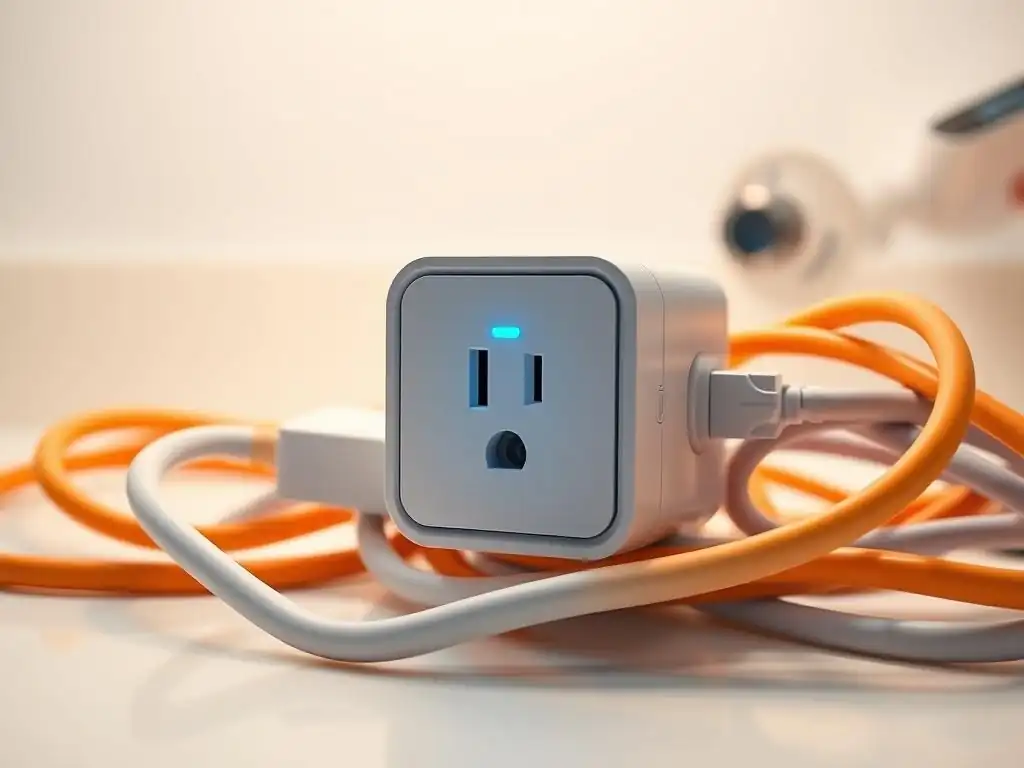
Ready to reclaim your time and boost your productivity? Welcome to UltimateLifeHacks, your destination for practical tips and tricks to optimize every aspect of your daily life. Discover how to effortlessly streamline your routines with our insightful guide on Smart plug automation tips, unlocking a world of automated convenience and efficiency. Dive in and learn how to truly power up your devices and your life!
- Unleashing the Power of Smart Plug Automation
- Smart Plug Automation Tips for Everyday Life
- Advanced Smart Plug Automation Techniques
- Smart Plug Automation: Beyond the Basics - Future Trends and Possibilities
- Frequently Asked Questions
- Final Reflection: Unlocking the Potential of Smart Home Automation
- Unlock Your Smart Home's Full Potential!
Unleashing the Power of Smart Plug Automation
Smart plug automation offers a surprisingly simple yet powerful way to boost your home's efficiency and convenience. This isn't just about remotely turning devices on and off; it's about creating automated routines that save you time, energy, and even money. By strategically deploying smart plugs throughout your home, you can orchestrate a symphony of automated actions, from scheduling your coffee maker to automatically turning off lights when you leave for work.
This article delves into the practical applications of smart plug automation, providing you with actionable tips and tricks to transform your daily routine and experience the benefits of a truly connected home. We'll cover everything from choosing the right smart plug to setting up automated schedules, maximizing your smart home potential and unlocking significant improvements in your daily life. Get ready to power up your devices—and your productivity—with the help of these smart plug automation tips.
Understanding Smart Plugs and Their Capabilities
Smart plugs, at their core, are essentially power outlets controlled via a mobile app or voice assistant. They bridge the gap between your everyday appliances and the digital world, allowing you to control virtually any device plugged into them remotely. But their capabilities extend far beyond simple on/off switching. Many smart plugs offer advanced features such as:
- Scheduling: Set timers to automatically turn devices on or off at specific times. Imagine your coffee brewing before you even wake up! ☕
- Energy Monitoring: Track the energy consumption of individual devices to identify energy-guzzling culprits and optimize your electricity usage. ⚡️
- Away Mode: Simulate occupancy to deter burglars by randomly turning lights and other appliances on and off while you're away. 🏠
- Integration with other smart home devices: Connect your smart plugs with other smart home ecosystems (like Google Home or Amazon Alexa) for seamless voice control and automation. 🗣️
Understanding these capabilities is crucial to leveraging the full potential of smart plug automation. The more sophisticated your smart plug, the more intricate and effective your automation routines can become. For instance, some models allow for setting up complex conditional triggers based on time, location, or even weather conditions.
Choosing the Right Smart Plug for Your Needs: TP-Link Kasa, Amazon Smart Plug, Philips Hue Smart Plug
Selecting the right smart plug depends heavily on your specific needs and existing smart home setup. Three popular options stand out: TP-Link Kasa, Amazon Smart Plug, and Philips Hue Smart Plug. Each offers slightly different features and integration capabilities.
| Smart Plug | Key Features | Pros | Cons |
|---|---|---|---|
| TP-Link Kasa | Wide range of models, energy monitoring, scheduling, voice control | Affordable, reliable, extensive feature set, broad compatibility | Some advanced features might require a subscription |
| Amazon Smart Plug | Seamless integration with Alexa, simple interface | Easy setup and use, particularly convenient for Alexa users | Fewer advanced features compared to Kasa, limited energy monitoring |
| Philips Hue Smart Plug | Integration with Philips Hue ecosystem, color-changing options (some models) | Excellent integration with Philips Hue lighting system | More expensive, primarily beneficial if you already use Hue products |
Consider factors such as budget, compatibility with your existing smart home ecosystem, and desired features when making your selection. Remember to check reviews and compare specifications before purchasing.
Setting Up Your Smart Plugs: A Step-by-Step Guide
Setting up your smart plugs is generally straightforward, but the exact steps might vary slightly depending on the brand and model. However, the general process usually follows these steps:
- Download the App: Download the manufacturer's dedicated mobile application (e.g., Kasa Smart for TP-Link plugs).
- Create an Account: Create an account or log in if you already have one.
- Connect to Wi-Fi: Plug in your smart plug and follow the app's instructions to connect it to your home's Wi-Fi network.
- Add Device: The app will guide you through adding the smart plug to your account.
- Configure Automation: Once added, you can begin creating automated schedules, setting timers, and configuring other features. This often involves setting specific times, days, or even integrating with other smart home devices.
Remember to consult your smart plug's manual for detailed instructions specific to your model. With a little patience and careful attention to the app's guidance, you'll be enjoying the benefits of smart plug automation in no time!
Smart Plug Automation Tips for Everyday Life
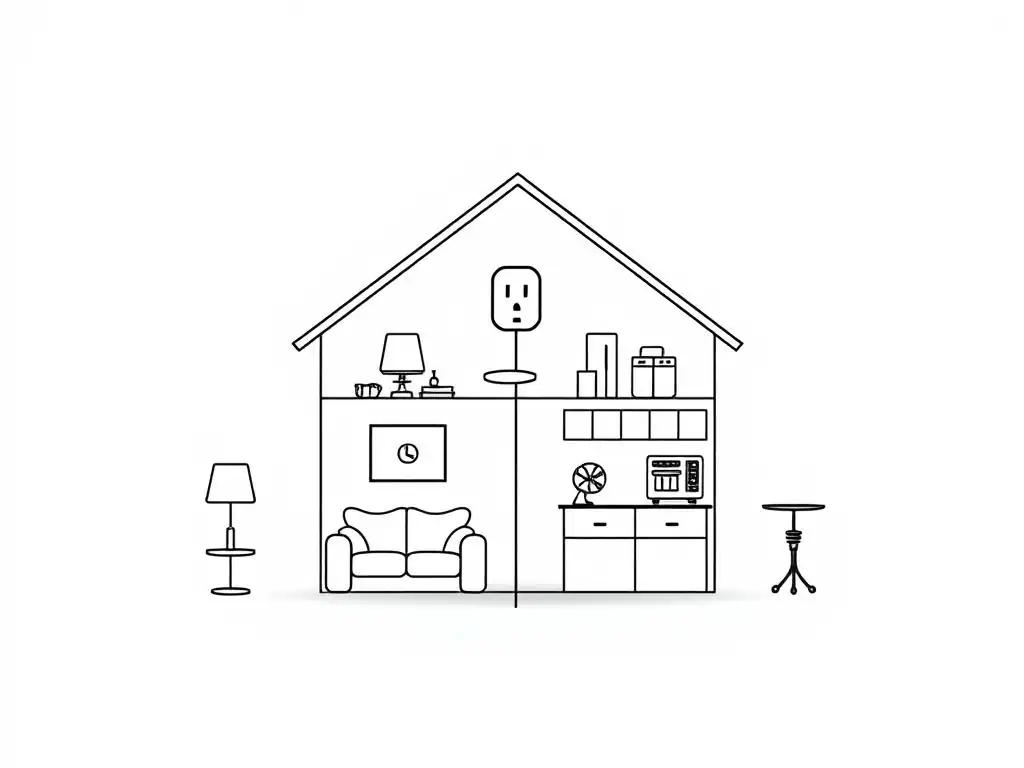
This section dives into practical applications of smart plug automation, transforming mundane tasks into effortless routines. We'll explore how to leverage these devices to enhance your daily life, save energy, and optimize appliance usage. Mastering these smart plug automation tips will significantly improve your home's efficiency and convenience.
Automating Your Home Lighting with Smart Plugs
Smart plugs offer a simple yet powerful way to automate your home lighting. Forget fumbling for light switches in the dark; program your lamps, floor lamps, and even outdoor lights to turn on and off according to a schedule or based on sunrise/sunset times. This creates a welcoming atmosphere upon arrival home and enhances security by simulating occupancy even when you're away. Consider these scenarios:
-
Sunrise/Sunset Automation: Schedule your bedroom lights to gently illuminate as the sun rises, mimicking a natural wake-up call. Conversely, program them to switch off as the sun sets, promoting better sleep hygiene. This feature is particularly beneficial for adjusting to changing seasons and daylight hours.
-
Vacation Mode: Simulate your presence while on vacation by randomly switching lights on and off throughout the day, deterring potential intruders. This level of smart plug automation provides an added layer of security without requiring complex home security systems.
-
Automated Task Lighting: Program task lighting, such as desk lamps or kitchen under-cabinet lights, to turn on automatically when you enter specific rooms, eliminating the need for manual switching. This subtle convenience dramatically improves daily flow.
The possibilities are endless. Experiment with different schedules and automation rules to find the perfect lighting setup for your lifestyle. Consider using different color temperature smart bulbs for varied ambiance throughout the day.
Energy Saving Hacks with Smart Plug Automation: Reducing Electricity Bills
Smart plug automation offers substantial energy savings by enabling precise control over power consumption. By scheduling appliances to operate only when needed, you can significantly reduce your electricity bill. This is particularly effective for devices that are often left on unnecessarily, such as chargers, TVs, and gaming consoles.
| Appliance | Typical Energy Consumption (kWh/year) 1 | Savings Potential with Smart Plug Automation |
|---|---|---|
| Television | 100-200 | 20-40% |
| Laptop Charger | 10-20 | 50-75% |
| Gaming Console | 50-100 | 30-50% |
| Standby Devices | 50-100 (aggregate) | 80-90% |
1 These figures are estimates and can vary based on usage and device type.
Consider these smart plug automation energy-saving strategies:
- Eliminate Phantom Loads: Many appliances continue drawing power even when turned off (phantom loads). Smart plugs can completely cut off power to these devices when not in use, resulting in considerable energy savings over time.
- Time-Based Scheduling: Schedule appliances to turn on only when needed. For example, turn off your coffee maker automatically after brewing, or schedule your electric kettle only for the morning.
- Geofencing (if supported): If your smart plugs support geofencing, they can automatically turn off devices when you leave your home and turn them back on upon your return.
Implementing these strategies will not only save you money but also contribute to a more sustainable lifestyle. The long-term cost savings from reduced electricity consumption often outweigh the initial investment in smart plugs.
Smart Plug Automation for Appliances: Refrigerators, Coffee Makers, Air Conditioners
While some might hesitate to automate essential appliances like refrigerators and air conditioners, smart plug automation offers surprising benefits beyond simple on/off scheduling.
- Refrigerator Monitoring (with compatible plugs): Some advanced smart plugs offer energy monitoring capabilities. This allows you to track your refrigerator's energy consumption over time and identify potential issues or areas for improvement. Early detection of inefficiencies can prevent costly repairs.
- Coffee Maker Automation: Wake up to the aroma of freshly brewed coffee every morning by scheduling your coffee maker to turn on automatically. This simple automation adds a delightful start to your day.
- Air Conditioner Optimization: While you wouldn't want to completely automate your air conditioner, smart plugs can help optimize its use. For example, you could set it to turn off automatically when you leave the house, preventing unnecessary energy waste. Smart plugs, combined with a smart thermostat for even better control and efficiency, can be a great addition to your home automation setup.
Remember that smart plug automation is about finding the right balance between convenience and efficiency. Experiment with different configurations to discover the perfect level of automation for your specific needs and preferences. Don't hesitate to adjust your schedules and settings as you learn more about your energy consumption patterns. This iterative approach is key to maximizing the benefits of smart plug automation.
Creating Automated Schedules for Your Devices
Smart plug automation isn't just about turning things on and off remotely; it's about creating automated schedules that seamlessly integrate with your daily life. This is where the real power of smart plugs shines, saving you time and energy. Think about how many times you forget to turn off lights or appliances. With automated scheduling, this becomes a thing of the past.
For example, you can program your coffee maker to start brewing precisely when your alarm goes off, ensuring a perfectly timed cup of joe to jumpstart your morning. No more rushing around or fumbling in the dark! Or, imagine setting your lamps to turn on at dusk, creating a warm and welcoming atmosphere as you return home. This simple automation adds a touch of luxury and convenience to your daily routine.
The level of granularity you can achieve with smart plug scheduling is impressive. Most smart plug apps allow you to set schedules down to the minute. You can create multiple schedules for different days of the week, accommodating your varying routines. Need your living room lights to dim at 9 PM on weekdays but stay brighter on weekends? Easily done. This flexibility is key to adapting the automation to your unique lifestyle. Smart plug automation isn't a one-size-fits-all solution; it's a customizable system designed to work for you.
Beyond simple on/off schedules, many smart plugs offer advanced scheduling options. Some allow you to set sunrise/sunset triggers, automatically adjusting your lighting based on the natural light cycle. Others incorporate countdown timers, perfect for ensuring that appliances like curling irons or straighteners safely power down after a set period. Explore the features of your specific smart plug to discover the full range of scheduling capabilities. The more you experiment, the more you'll appreciate the personalized automation you can create. The possibilities are truly endless – and incredibly convenient!
Advanced Smart Plug Automation Techniques
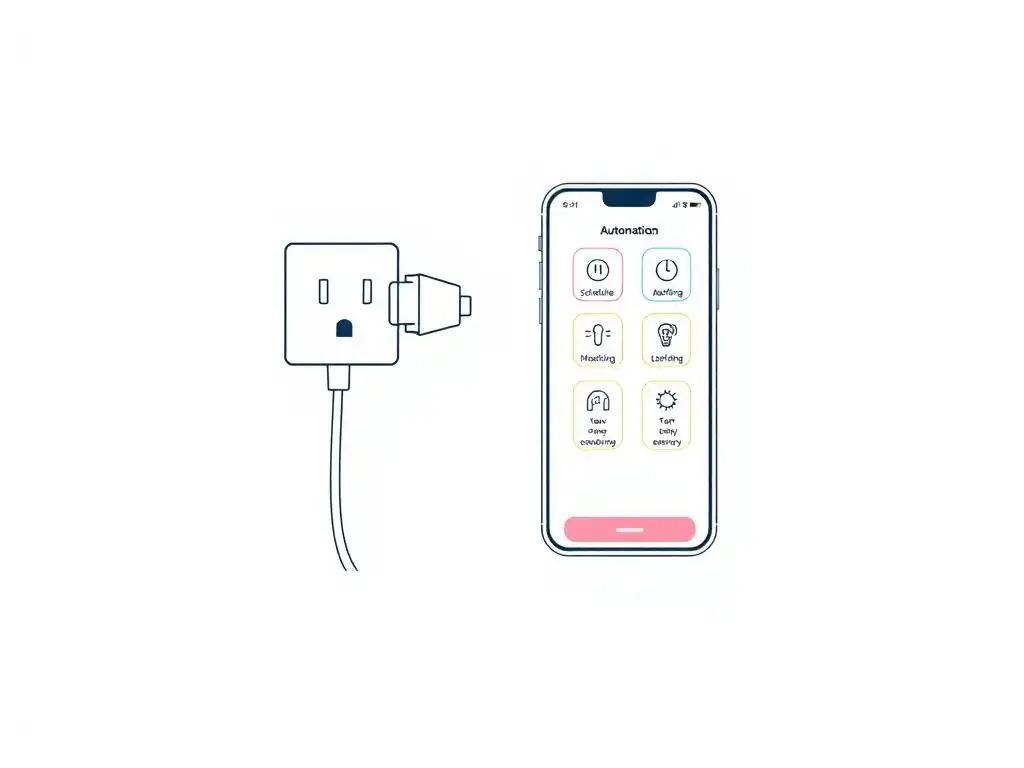
This section delves into sophisticated strategies to maximize the potential of your smart plugs, moving beyond basic on/off scheduling. We'll explore techniques that leverage the power of smart plug automation to create truly efficient and responsive home environments. Optimizing your smart plug usage isn't just about convenience; it's about creating a system that anticipates your needs and reacts accordingly, saving you time and energy in the long run. This involves understanding the nuances of automation beyond simple timers.
Integrating Smart Plugs with Other Smart Home Devices
Smart plugs aren't isolated entities; their true power emerges when integrated into a broader smart home ecosystem. Imagine a scenario where your smart lights dim as your smart coffee maker switches on, signaling the start of your day. This seamless integration is achievable through various smart home platforms and protocols like IFTTT (If This Then That), Google Home, or Amazon Alexa. For example, you could configure a rule where turning on your smart thermostat also triggers a smart plug powering your humidifier, maintaining optimal indoor climate with minimal effort.
The possibilities are vast and deeply customizable. Consider these examples:
- Scenario 1: Movie Night Automation: Setting a "Movie Night" scene could involve using IFTTT to trigger your smart TV, sound system (connected via smart plugs), and smart lights to dim automatically at a specific time, enhancing the ambiance.
- Scenario 2: Vacation Mode Enhancement: While basic smart plug scheduling can turn devices on and off, integrating them with security systems adds another layer of sophistication. Randomly turning lamps on and off while you're away creates the illusion of occupancy, deterring potential intruders. This enhances the effectiveness of your home security system beyond simple alarm triggers. This advanced smart plug automation significantly improves home security.
- Scenario 3: Energy-Efficient Optimization: Integrate smart plugs with smart energy monitors to track energy consumption of specific appliances. You can then create automated rules to switch off high-energy devices during peak hours, resulting in substantial cost savings. This sophisticated approach to smart plug automation optimizes your energy usage and minimizes your carbon footprint.
This interconnected approach to smart plug automation goes beyond simple convenience; it's about creating a truly intelligent and responsive home environment.
Using Smart Plug Automation with Voice Assistants: Amazon Alexa, Google Assistant, Apple Siri
Voice assistants have revolutionized smart home control, and their integration with smart plugs significantly enhances automation capabilities. Instead of manually setting schedules or using apps, you can use simple voice commands to manage your devices. This hands-free control adds a layer of convenience and efficiency to your daily routine.
Let's explore the specific capabilities of each major voice assistant:
| Voice Assistant | Key Features | Example Commands | Smart Plug Automation Tips |
|---|---|---|---|
| Amazon Alexa | Seamless integration with Alexa routines, extensive device compatibility. | "Alexa, turn on the bedroom lamp," "Alexa, set the living room lights to 50%." | Create routines for specific times or events. |
| Google Assistant | Powerful automation capabilities, strong integration with Google services. | "Hey Google, turn off the coffee maker," "Hey Google, switch the fan on at 7 PM." | Use Google Home's automation features for advanced scheduling. |
| Apple Siri | Smooth integration within the Apple ecosystem. | "Hey Siri, turn on the kitchen lights," "Hey Siri, turn off the living room lamp in 30 minutes." | Leverage Siri Shortcuts for personalized automation routines. |
Implementing voice control significantly simplifies smart plug management. For instance, you can create a "good morning" routine with Alexa to simultaneously switch on your coffee maker, lights, and radio, all with a single voice command. This illustrates the power of voice-activated smart plug automation to streamline your mornings and enhance productivity. This enhances the usability of smart plug automation and reduces the reliance on manual operations.
Smart Plug Automation and Security: Enhancing Home Safety
While convenience is a primary benefit, smart plug automation offers significant potential for enhancing home security. Strategic deployment of smart plugs can deter intruders and provide peace of mind, even when you're away from home.
Consider these security-focused applications:
- Simulated Occupancy: Program your smart plugs to randomly switch lights on and off at different times throughout the day, creating the impression that someone is home, even when you're away. This simple yet effective technique deters potential burglars who look for unoccupied houses.
- Exterior Lighting Control: Automate outdoor lighting to turn on at dusk and off at dawn, or triggered by motion sensors for added security. This ensures your property is well-lit at night, deterring potential intruders.
- Security Camera Power: Ensure your security cameras always have power by connecting them to a smart plug. You can remotely monitor the power status and ensure they remain operational. This guarantees continuous surveillance, even in case of power outages.
Smart plug automation offers a cost-effective and convenient way to boost your home security. By strategically using these features, you can create a safer living environment and reduce the risk of unwanted intrusions. Remember to choose smart plugs from reputable brands with robust security features to ensure the safety and reliability of your smart home system. This aspect of smart plug automation is crucial for maintaining a secure and protected home environment.
Troubleshooting Common Smart Plug Automation Issues
Smart plug automation, while incredibly convenient, isn't always without its hiccups. Troubleshooting these issues effectively can save you time and frustration. Let's delve into some common problems and their solutions.
One frequent issue is connectivity problems. This often manifests as a smart plug failing to connect to your Wi-Fi network, preventing remote control and automation. Several factors can contribute to this. First, ensure your router's signal strength is adequate in the area where the smart plug is located. Weak signals can lead to intermittent connections or complete failure.
Try moving the router closer to the plug or using a Wi-Fi extender to boost the signal. Second, check for Wi-Fi interference from other devices. Microwave ovens, cordless phones, and even some baby monitors can interfere with the 2.4 GHz frequency band commonly used by smart plugs. Try temporarily disabling other devices to see if this resolves the connectivity issue.
Finally, ensure your smart plug is compatible with your router's security protocol (WPA2/WPA3). Incompatible security settings can prevent successful connection. A factory reset of the smart plug, followed by a fresh setup, can often resolve stubborn connectivity problems. Remember to consult your smart plug's manual for specific instructions.
Another common problem is inconsistent scheduling. You might set a schedule for your smart plug to turn on a lamp at 7 PM, but it occasionally fails to do so. This can stem from several sources. Firstly, verify that the time and date on your smart home hub or app are correctly synchronized. Inaccurate time settings can lead to scheduling conflicts. Secondly, check the power supply to the smart plug itself.
A faulty outlet or power surge could disrupt the plug's operation and prevent it from adhering to the schedule. Thirdly, consider potential app glitches. Force-closing and restarting the app, or even reinstalling it, can resolve software-related scheduling issues. Finally, ensure your smart home system's firmware is updated to the latest version. Outdated firmware can contain bugs that affect scheduling reliability.
Finally, unexpected power outages can wreak havoc on smart plug automation. While many smart plugs have power-saving modes, they might not always remember their settings after a power interruption. For critical devices, consider investing in a backup power source like a UPS (Uninterruptible Power Supply) to prevent automation failures during power outages. Alternatively, some smart plugs offer features like "resume on power restore", which automatically restores the previous settings once power is back on.
Checking your smart plug's specifications and app settings will help you identify whether this feature is available. Regularly reviewing your smart plug's automation routines and testing their reliability after power outages is crucial for maintaining a smooth and efficient automated home. This proactive approach minimizes disruptions and enhances the overall user experience. Remember, a little preventative maintenance goes a long way in ensuring the seamless operation of your smart home automation system.
Smart Plug Automation: Beyond the Basics - Future Trends and Possibilities
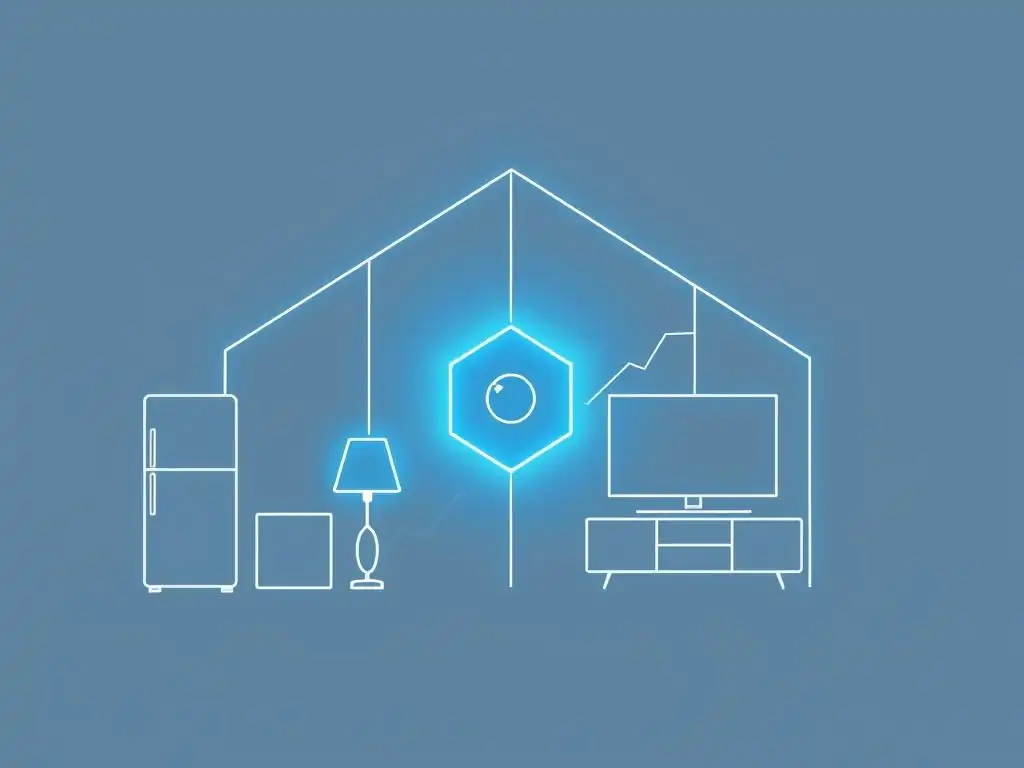
This section delves into the exciting future of smart plug automation, exploring possibilities beyond simple on/off scheduling. We'll move past the fundamentals and look at how these devices are evolving to offer more sophisticated control and integration within your smart home ecosystem. The potential for enhanced convenience, energy savings, and security is immense. Smart plug automation tips are becoming increasingly crucial for maximizing the potential of these devices.
Exploring IFTTT and Other Automation Platforms with Smart Plugs
IFTTT (If This Then That), and similar automation platforms, unlock a new level of smart plug functionality. These services act as bridges, connecting your smart plugs to a vast network of other smart devices and online services. This allows for complex automation scenarios that go far beyond simple timers.
For example, you could configure your smart plug to automatically turn on your coffee maker when your alarm goes off using IFTTT. This involves linking your smart plug, your alarm clock app (assuming it integrates with IFTTT), and your coffee maker (provided it's a smart coffee maker or controlled through a smart plug). The "this" part would be your alarm triggering, and the "that" part would be the smart plug switching on the coffee maker.
Another example? Imagine using a weather service. "If the temperature drops below 50°F, then turn on my electric heater (connected to a smart plug)." This kind of proactive automation not only saves you time but also enhances comfort and energy efficiency. Many smart plug automation tips revolve around using these interconnected services to create tailored experiences.
The possibilities are vast and often limited only by your imagination and the capabilities of the apps and services you use. Consider exploring other platforms similar to IFTTT. Many smart home ecosystems offer their built-in automation tools, allowing for seamless integration within their respective platforms. Remember to carefully review the privacy policies and data usage practices of any third-party service you connect to your smart home network. Smart plug automation tips should always prioritize security and data privacy.
The Potential of Smart Plug Automation in a Connected Home
The true power of smart plugs is realized when they become integral parts of a larger connected home system. This isn't just about individual devices; it's about orchestrating a symphony of automation to create a truly seamless and efficient living environment.
Consider this scenario: You leave for work. A series of actions are triggered automatically: lights turn off, the thermostat adjusts to a more energy-efficient temperature, and any unnecessary appliances connected to smart plugs are powered down. This contributes significantly to energy conservation and cost savings. When you return home, the lights come on, the thermostat warms (or cools) the house to your preferred temperature, and perhaps even your favorite playlist starts playing—all orchestrated by a network of interconnected smart devices, including your smart plugs.
Moreover, smart plug automation can enhance home security. You can simulate occupancy while you're away by randomly switching lights and other appliances on and off, deterring potential intruders. This is a simple yet effective smart plug automation tip for added security.
The integration of smart plugs with voice assistants further amplifies their capabilities. Simple voice commands can control multiple devices, creating a truly hands-free experience. Imagine saying, "Hey Google, turn on the living room lights and the aquarium," and having it done instantly. This level of convenience is a testament to the evolving landscape of smart home technology. The future of smart plug automation is bright, promising a more efficient, convenient, and secure home environment.
Frequently Asked Questions
What are smart plugs and why should I use them?
Smart plugs are Wi-Fi enabled power outlets that allow you to control your devices remotely using a smartphone app or voice assistant. They offer increased convenience and energy savings by allowing you to schedule and automate device power cycles.
How can I automate my devices with smart plugs?
You can automate your devices using scheduling features within the smart plug app. Set timers to turn devices on or off at specific times, or create routines based on events like sunrise/sunset or even location.
What are some examples of smart plug automation?
You can automate lighting to turn on at dusk and off at dawn, schedule your coffee maker to brew before you wake up, or remotely power down electronics when leaving the house to save energy.
Can smart plugs work with other smart home devices?
Yes, many smart plugs are compatible with popular smart home ecosystems like Google Home, Amazon Alexa, and Apple HomeKit. This allows for seamless integration and control via your preferred voice assistant.
Are there any security concerns with smart plugs?
While generally safe, it's important to use strong passwords and keep your smart plug's firmware updated. Consider using a separate Wi-Fi network for your smart home devices for enhanced security.
Final Reflection: Unlocking the Potential of Smart Home Automation
The seamless integration of smart plugs into our daily lives is no longer a futuristic fantasy; it's a tangible reality transforming how we interact with our homes and consume energy. The convenience and efficiency gains discussed throughout this article are not just incremental improvements, but represent a significant shift towards a more automated, responsive, and ultimately, sustainable future.
The impact of smart plug automation extends far beyond simple on/off scheduling. It represents a growing trend towards personalized home environments, where technology adapts to our needs rather than the other way around. This shift is profoundly altering our relationship with technology, making it less of a separate entity and more of an integrated extension of ourselves. The future is already here — it's just not very evenly distributed.
– William Gibson. This quote perfectly encapsulates the current state of smart home technology; while not universally accessible, its potential to improve lives is undeniable and rapidly expanding.
Consider the possibilities: Imagine a home that anticipates your needs, adjusting lighting and temperature based on your schedule and preferences. Visualize the peace of mind knowing your appliances are safely managed, even when you're away. This isn't science fiction; it's the reality smart plug automation offers. Take a moment to reflect on how you can leverage these simple yet powerful tools to create a more efficient, comfortable, and secure home environment. Embrace the potential, experiment with different automation strategies, and discover the transformative power of smart home technology for yourself.
Unlock Your Smart Home's Full Potential!
Thanks for exploring the world of smart plug automation! You've learned some powerful techniques to simplify your daily life. Now it's time to put that knowledge into practice!
- Craft your perfect automated schedule: Begin by choosing a few devices to automate, such as your coffee maker, living room lights, or perhaps even a smart thermostat. Set up schedules to control them automatically and enjoy the convenience.
- Share your successes (and challenges!): Tell us about your favorite automation in the comments below. Which device are you most excited to automate and why?
- Explore advanced features: Many smart plugs offer sophisticated scheduling options, such as sunrise/sunset triggers and geolocation-based control. Discover the full capabilities of your devices and truly transform your home.
Ready to unleash the power of smart home automation? What innovative application will you try first?