Wake Up to a Better Home: Smart Devices for Morning Routines
😊 Transform your mornings with smart home morning routine tips! Streamline your wake-up with automated lighting, coffee brewing, and music, maximizing your…
Read article
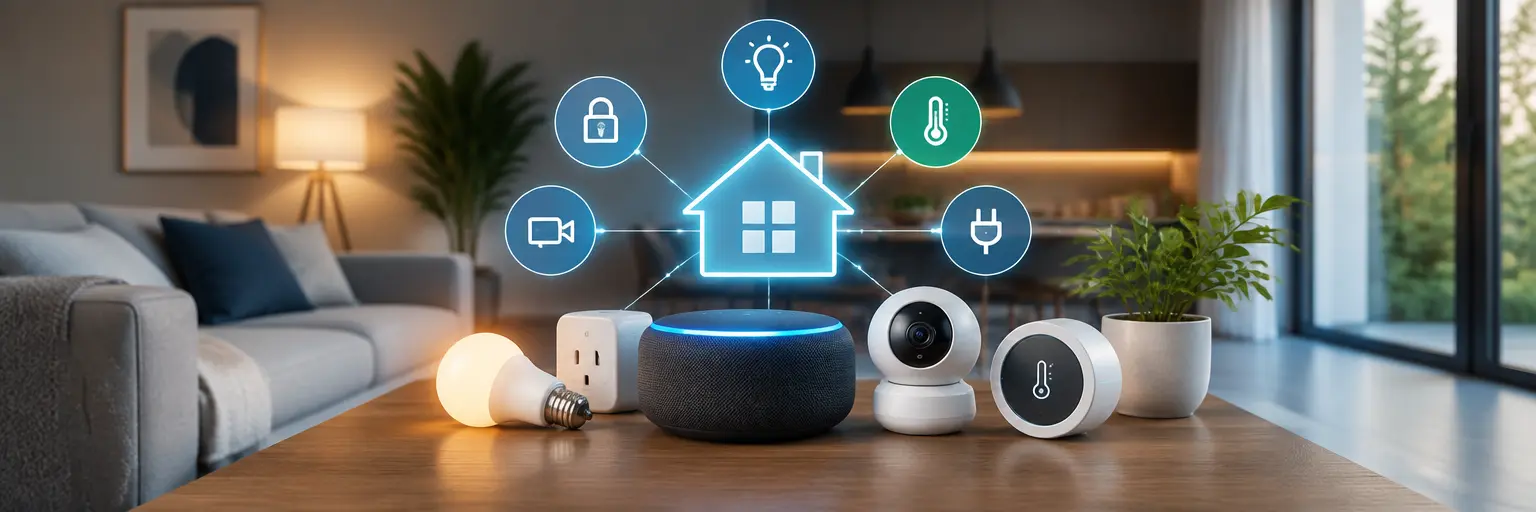
Unlock the true potential of your living space with smart home devices designed to slash energy waste and reclaim your time. From voice-controlled lighting and automated thermostats that learn your schedule, to motion-sensing plugs that eliminate phantom power drain, these home automation hacks turn everyday routines into seamless, hands-free efficiency. Whether you’re aiming to cut utility bills, boost security, or simplify morning chaos, integrating affordable sensors, smart hubs, and app-driven routines delivers instant, measurable wins. Say goodbye to manual adjustments and hello to a home that works for you—optimizing comfort, convenience, and productivity with minimal effort. Perfect for busy professionals, tech-curious homeowners, and anyone seeking a smarter, leaner daily life.

😊 Transform your mornings with smart home morning routine tips! Streamline your wake-up with automated lighting, coffee brewing, and music, maximizing your…
Read article
😊 Unlock effortless living with smart home time-saving hacks! Streamline your daily routines, boost efficiency, and reclaim precious time with automated lighting,…
Read article
😊 Transform your home into a haven of efficiency with smart home devices. This guide reveals how strategically placed smart devices in…
Read articleWelcome to our dedicated guide on Home Automation Hacks—your shortcut to a smarter, more efficient living space. Here, we merge cutting-edge smart home devices with practical, time-saving strategies that align perfectly with UltimateLifeHacks’ mission to optimize daily routines. Whether you’re a tech novice or a savvy enthusiast, this subcategory empowers you to automate mundane tasks, reduce energy waste, and reclaim precious hours each week. From voice-controlled lighting to intelligent thermostats, we focus on actionable hacks that deliver measurable efficiency gains without overwhelming complexity.
Smart plugs are the unsung heroes of home automation, turning any regular appliance into a programmable powerhouse. By integrating these devices, you can schedule coffee makers to brew before your alarm, ensure lights switch off when you leave, or power down entertainment systems overnight. This hack eliminates “phantom energy” drain and the mental load of remembering routine tasks. With app-based controls and voice assistant compatibility, you can manage everything from one dashboard.
To maximize efficiency, group plugs into “scenes” like “Morning Boost” or “Movie Night.” For example, a single command can turn on your desk lamp, start your kettle, and warm your bathroom fan simultaneously. The result is a seamless start to your day and a tangible reduction in electricity bills. We also recommend using energy-monitoring plugs to identify power-hungry devices, enabling smarter usage patterns. This simple upgrade delivers immediate, visible returns on your time and budget.
Programmable thermostats, such as Nest or Ecobee, learn your schedule and adjust heating/cooling automatically, slashing energy costs by up to 15%. The smart hack lies in combining these devices with occupancy sensors and window alarms. For instance, if a door is left open, the system can pause HVAC operation to avoid wasting energy. You can also set “away” modes that activate when everyone leaves, ensuring comfort only when needed.
To push efficiency further, use geofencing—your phone’s location triggers the thermostat to pre-cool or pre-heat just as you arrive home. Pair this with smart vents or fans to redirect airflow to occupied rooms. Over time, these devices compile usage reports, revealing peak consumption times so you can adjust habits. This isn’t just about comfort; it’s about intelligent resource allocation that keeps your wallet happy and your carbon footprint low.
Smart lighting goes beyond remote on/off control. By installing motion sensors in hallways, bathrooms, and closets, lights automatically activate only when someone is present, then switch off after a set delay—no more forgotten bulbs blazing all day. Adaptive brightness technology adjusts output based on natural light levels, maintaining consistent illumination while minimizing energy use. This hack is especially useful for households with kids or pets who often leave lights on.
For a deeper efficiency layer, integrate your lighting with daily schedules. Dim lights gradually in the evening to signal wind-down time, or flash them when your laundry cycle completes. Smart bulbs also allow color temperature changes—cooler light in mornings boosts alertness, warmer light in evenings promotes relaxation. With voice commands, you can control whole rooms instantly, reducing the time spent fiddling with switches. The payoff is a smarter, more responsive home that anticipates your needs.
Robot vacuums and mops are classic efficiency hacks, but the true magic emerges when you schedule them around your daily patterns. Set your robot to clean while you’re at work, and it returns to its dock before you arrive, saving you 30 minutes of manual effort each day. Add smart sensors to detect high-traffic zones, and the robot will focus on spots that need frequent attention. Similarly, smart air purifiers with particulate sensors can auto-adjust fan speed based on indoor air quality.
For maintenance, install water leak detectors under sinks or near appliances. These devices send instant alerts to your phone, preventing costly water damage and the time-consuming cleanup that follows. Smart smoke and CO2 detectors also self-test and notify you about battery levels, removing the chore of manual checks. Combining these tools creates a proactive maintenance system that handles the mundane, so you can focus on higher-value activities.
The ultimate efficiency hack is unifying all your smart devices under a single hub or voice assistant like Alexa, Google Home, or Apple HomeKit. This centralization enables “if-then” automation rules—for example, “If I leave home, turn off all lights, unplug non-essential electronics, and arm security cameras.” Such scenes eliminate the need to remember multiple steps, reducing decision fatigue and human error. You can also set up morning briefings where your assistant reads your calendar, weather, and news while you prepare breakfast.
Start by mapping your most repetitive tasks, then build simple automations using the hub’s app. For instance, a “Goodnight” command can lock doors, lower blinds, and set thermostats to a sleep mode. Advanced users can explore IFTTT (If This Then That) to connect devices across ecosystems, like syncing lights with your fitness tracker. This level of control transforms your home into a cohesive, intelligent system that runs seamlessly, freeing up hours weekly.
Yes, most pay for themselves within 6–18 months. Smart thermostats save 10-15% on HVAC costs, smart plugs reduce phantom loads, and smart lighting cuts electricity by up to 30%. Over a year, these savings can exceed $150 depending on your usage and local rates.
Modern devices are designed for plug-and-play simplicity. Most connect via Wi-Fi and use companion apps with step-by-step guides. Start with one or two basic items, like smart plugs or bulbs, and gradually expand. Most setups take under 15 minutes.
Yes, if you invest in a central hub or use a compatible voice assistant. Amazon Alexa, Google Home, and Apple HomeKit support thousands of third-party devices, allowing cross-brand automation. Alternatively, apps like SmartThings or Home Assistant unify everything into one interface.
Most devices require internet for remote control and cloud-based features. However, many continue to function locally—like scheduled scenes or physical button presses—during outages. For critical systems, consider devices with offline mode or battery backups.
Use a separate Wi-Fi network for IoT devices, enable two-factor authentication, update firmware regularly, and disable unused features like remote access. Also, choose devices from reputable brands that offer automatic security patches.